
Review · CAMBODIA
KAMPOT TRAVEL-Pepper farm. Cave.Secret lake-Crab market & Salt…
The best part of this private tuk-tuk day is the variety. You move from a Hindu cave temple to a pepper farm, a Khmer Rouge-era lake, salt fields, and fresh seafood at Kep. It gives you a useful first look at the countryside between Kampot and Kep without arranging separate rides.
I like the close contact with local production, especially the pepper farm walk and the chance to see salt made by older methods. I also like the personal feel of a small private outing, with guide Tango handling questions and keeping the day relaxed. The main drawback is time: with five stops packed into 6 to 8 hours, the schedule can feel full, and one guest missed the salt fields entirely.
Key points to know before booking
- Kampot pepper is the food highlight: La Plantation explains how several pepper varieties are grown, picked, and processed.
- Phnom Chhngok is more than a cave: Inside is a distinctive Hindu temple built from the Funan period.
- Secret Lake carries a painful past: The reservoir was built by forced labor under the Khmer Rouge in the 1970s.
- Kep Crab Market is hands-on: You can select fresh seafood and have it cooked near the market, though the food cost is not listed as included.
- Tango is the named guide: The day is designed for questions, local stops, and a private-group feel.
- Check the pickup point carefully: A $5 surcharge applies if your accommodation is more than 4 kilometers from the Durian roundabout in Kampot.
One day from Kampot to Kep by tuk-tuk
This is a countryside tour with a strong food and farming theme. You spend much of the day outside Kampot town, passing traditional villages and visiting places that show how the area works: pepper cultivation, salt production, fishing, and small-scale food preparation.
The tuk-tuk is part of the appeal. You are not sealed inside a bus, so the ride connects the stops rather than simply filling the gaps between them. At the same time, Cambodia’s heat, dust, and open-air traffic make water, sun protection, and light clothing sensible choices.
The stated length is about 6 to 8 hours. That gives you enough time for the five main stops, but it does not leave much room for long unscheduled pauses. If you like a day with a clear plan, that is a benefit. If you prefer to linger at every site, you may find the pace brisk.
The experience is private for your group, although the general capacity is listed as up to 12 people. That distinction matters. A booking can be arranged for your own group, but you should confirm the exact group size and pickup details when booking if privacy is important to you.
More farm stalls around Cambodia:
- Kampot: Tuk Tuk Trip to Pepper Farm, Kep, Crab Market & More
★ 4.9 · 143 reviews - Kampot Pepper Farm, Salt Fields, Crab Market from Phnom Penh
★ 4.8 · 21 reviews - Kampot Countryside include Pepper farm,Kep crab market beach
★ 5.0 · 4 reviews
Phnom Chhngok Cave Temple: a remarkable first stop
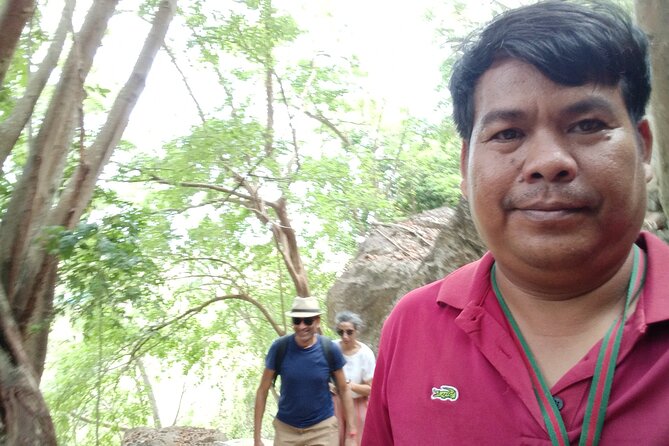
The day begins at Phnom Chhngok Cave Temple, one of the most unusual religious sites in the Kampot area. The temple sits inside a cave and is identified as a Hindu temple from the Funan period. It is not simply a scenic cave visit. The religious structure gives the stop a clear cultural purpose.
You have about an hour here, and admission is included. That is enough time to see the cave temple without turning the first stop into a long expedition. The setting also gives you an early taste of the region’s natural features, with rock, shadow, and an old place of worship sharing the same space.
This stop may suit you especially well if you want something more distinctive than a standard town tour. It is also a place where sturdy footwear and care on uneven surfaces make sense, though the supplied tour details do not specify the exact walking conditions.
The main consideration is that a cave temple may not suit anyone uncomfortable with enclosed spaces or uneven ground. The attraction is about atmosphere and setting rather than a long list of displays, so give yourself time to look closely and listen to Tango’s explanation.
Secret Lake and the history beneath the water
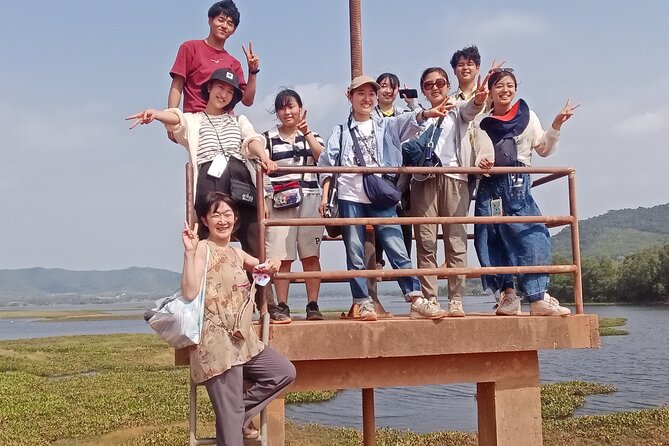
Brateak Krola Lake is often called Secret Lake. You spend roughly 30 minutes here, with admission included. On the surface, it is a quiet lake in Kampot province. Its past makes the short stop far more serious.
The lake was built in the 1970s by the Khmer Rouge using forced labor, and many Cambodians died during the work. That context changes how you read the site. It is not just a pretty place for photographs. It is also a reminder that Cambodia’s rural scenery can carry painful memories.
I appreciate that this stop gives the tour more weight than a simple list of viewpoints. You are asked to look beyond the view and understand something of the country’s recent past. Still, 30 minutes is a short time for such a difficult subject. The quality of the visit will depend on how clearly the guide explains the history and how much time your group wants to spend quietly taking it in.
Treat this as a respectful stop, not a photo opportunity alone. The lake’s peaceful appearance and its history sit side by side, which is exactly why it is worth including.
La Plantation: the day’s strongest local food stop
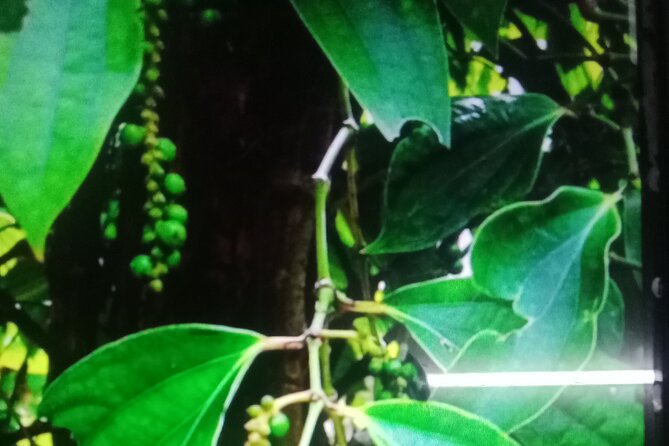
You get about two hours at La Plantation, an organic pepper farm with guided walks in French, English, and Khmer. This is the longest stop of the day, and that makes sense. Pepper is one of Kampot’s best-known products, and the farm lets you follow the process from growing to harvesting and processing.
The farm also produces fruits, chilies, and herbs. That wider range helps you understand that the visit is not only about tasting pepper. It is about seeing a working agricultural operation and learning how local farmers handle different crops.
For me, this is the tour’s clearest example of useful sightseeing. You are not merely told that Kampot is known for pepper. You see the setting where several varieties are grown and learn how production works. The free guided walk also means the two-hour visit can offer real explanation rather than a quick stop at a shop.
You should allow time for the visit to unfold. Farm tours are less about one dramatic view and more about the details of cultivation and processing. If food, farming, and Cambodian products interest you, this is likely to be the most rewarding part of the day.
Because the tour spends two hours here, anyone mainly interested in temples or beaches should keep that in mind. The farm is a major part of the experience, not a brief side stop.
More market tours around Cambodia:
- Phnom Penh’s Morning Market and Street Art Tour by Tuk tuk
★ 5.0 · 128 reviews - Phnom Penh Morning Market & Food Tour by Tuktuk – Includes All Food & Drinks!
★ 5.0 · 99 reviews - Battambang: Cooking Class and Market Touring
★ 4.8 · 80 reviews - Siem Reap: Morning Bike Tours with Local Market & Lunch
★ 5.0 · 52 reviews
Salt fields and old-fashioned production
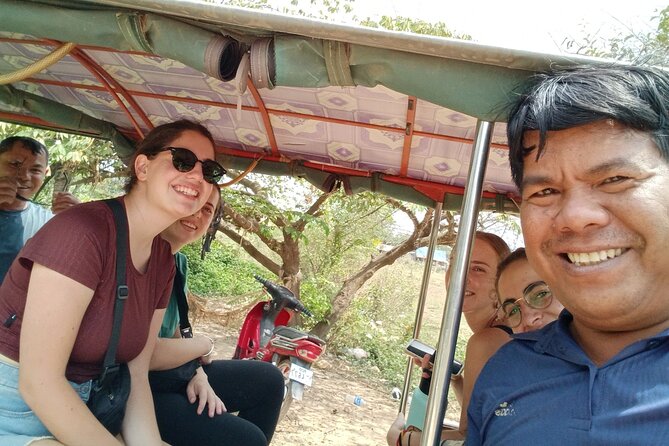
The Kampot Salt Fields receive about 30 minutes. This stop introduces the coastal side of the region, where sea salt is produced using traditional methods. You can learn about the local history and culture of salt making while seeing a working rural industry.
Half an hour is enough for an overview, but not for a long technical visit. The short timing also means you should confirm the schedule with your guide on the day. One guest realized afterward that the salt fields had been skipped, so this is the one part of the advertised route that deserves extra attention.
That missed stop may happen because the day runs late, because of timing changes, or because the group spends longer elsewhere. I would mention the salt fields early in the morning and check that they remain on the plan. This is practical, not fussy: the fields may be one of the reasons you chose this particular tour.
The stop suits anyone curious about how food is produced before it reaches a market or kitchen. It also balances the pepper farm nicely. At La Plantation, you see a crop grown inland. At the salt fields, you see a product shaped by the coastal setting.
Kep Crab Market and the evening meal
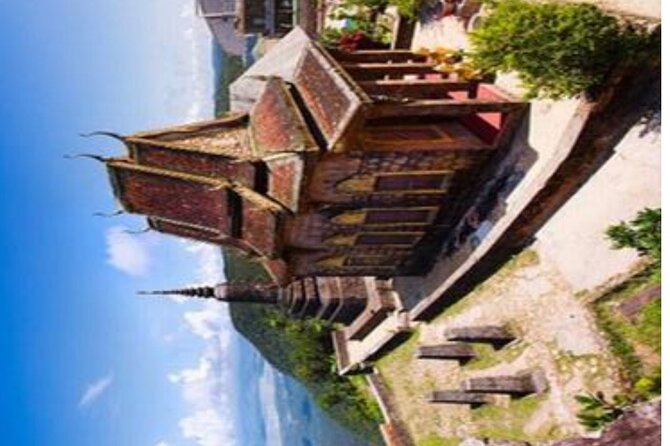
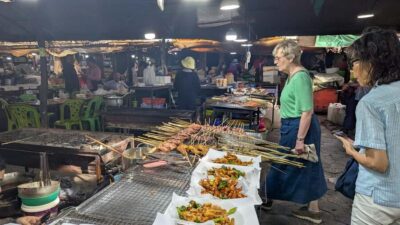
The final major stop is Kep Crab Market, where you have about two hours. Kep is known for seafood, and the market gives you a direct look at the local trade. Fresh crabs, fish, and other seafood arrive daily. You can choose what you want and have it cooked at a restaurant near the market.
This is more personal than being served a fixed meal in a hotel dining room. You see the food before it reaches the plate, then watch it being prepared fresh. For seafood lovers, that hands-on choice is one of the strongest reasons to book the tour.
The important cost point is that the tour price does not clearly list the seafood meal as included. Transport, water, entry, and a banana snack are included, but the crab or other food you select should be treated as an extra expense unless the operator confirms otherwise. Bring enough money for your meal and any additional seafood you choose.
The two-hour stop also gives the day a slower finish. After several short sightseeing visits, you have time to eat and watch the sunset at the beach. The schedule frames Kep as both a working seafood town and a place to enjoy the coast.
Do not expect a polished, formal dining experience. The appeal is freshness, choice, and local setting. If you dislike seafood or prefer every meal to be prearranged, this part may feel less convenient. If you like choosing your own dinner and watching it cooked, it is a strong finish.
What the $23 price really covers
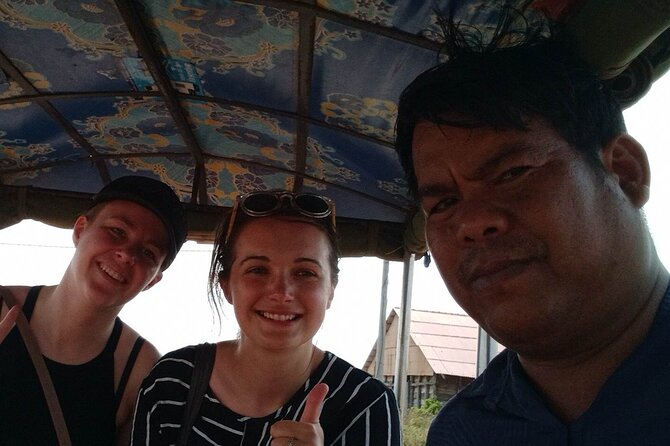
At $23 per person, the tour offers good value if you want several Kampot and Kep sights in one day. Transport, entry fees, water, and a banana snack are included. The private-group format also adds value for people who prefer not to follow a large coach group.
The price is less all-inclusive than it may first appear. Your crab market meal is not listed among the inclusions, so budget for food separately. There is also a $5 extra charge if your accommodation is outside Kampot town, more than 4 kilometers from the Durian roundabout.
Value depends on how many stops you would otherwise arrange yourself. A separate tuk-tuk, cave visit, pepper farm transfer, salt field ride, and trip to Kep could take more planning. This tour puts them into one route and gives you a guide for the day.
The strongest value comes from the combination of places rather than from time spent at any single monument. You get a cave temple, a difficult historical site, farming, salt production, and seafood in one outing. The tradeoff is that some visits are short, especially Secret Lake and the salt fields.
Who will enjoy this Kampot day
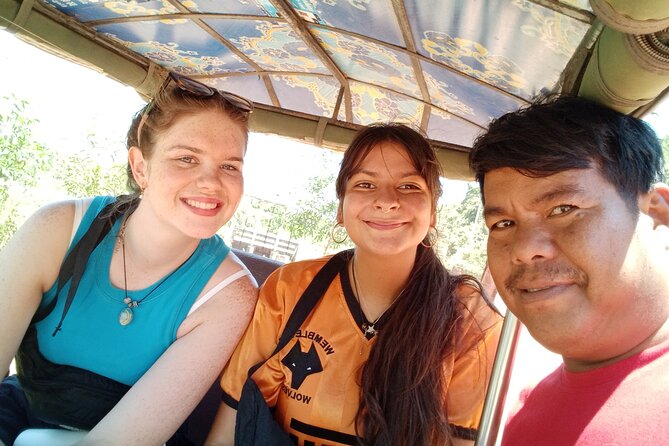
I would choose this outing if you want a broad introduction to the countryside and do not want to arrange transport between Kampot and Kep. It suits food-minded visitors, people curious about farming, and anyone who prefers local production sites to a day spent only at major monuments.
It also works well for couples, families, or friends who want a private tuk-tuk and the freedom to ask questions. Tango is the named guide, and the available feedback points to a friendly, attentive approach with clear answers and a good sense of humor.
You may want a different plan if you need a slow, unstructured day. Five stops, the road time, and the 6 to 8 hour duration create a full schedule. You should also be comfortable with an open-air tuk-tuk and with moving between very different kinds of stops.
The tour is suitable for most people, according to the supplied details, but no specific accessibility information is provided. If uneven cave access, long periods seated in a tuk-tuk, or walking around rural sites could be a concern, ask before booking.
Timing, pickup, and useful planning tips
Pickup is offered, but the location information points to Kampot rather than Sihanoukville. If you are staying outside central Kampot, confirm the exact pickup point and the possible $5 surcharge. The Durian roundabout is the stated reference point.
The tour normally runs for 6 to 8 hours. Start with water, sun protection, and clothes suitable for a warm outdoor day. You may also want cash for the crab market, since the seafood purchase is not included in the listed price.
I would also confirm the salt field visit at the start. One person missed it and only noticed later, which is a useful warning for anyone who considers that stop essential. If the day is running behind, ask Tango how the remaining timing will work.
Free cancellation is available if you cancel at least 24 hours before the local start time. Cancellations or changes made inside that window are not refunded or accepted.
Should you book the Kampot pepper farm and Kep crab tour?
Book it if you want one varied day covering Kampot’s countryside, local food production, difficult history, and Kep seafood. The pepper farm, cave temple, and crab market give the tour its strongest character, while the private format and guide Tango make it easier to shape the day around your group.
Book with care if the salt fields are your main reason for going. Confirm that stop before departure, as it has been missed. Also plan to pay separately for your crab market meal and check the pickup surcharge if you are outside central Kampot.
For $23, this is a practical choice for seeing a lot without arranging several local rides. It is not a slow beach day or a specialist history tour. It is a full, open-air introduction to the food, farms, villages, and coastal sights between Kampot and Kep.
FAQ
Where does the tour take place?
The experience covers Kampot and Kep in southern Cambodia. Stops include Phnom Chhngok Cave Temple, Brateak Krola Lake, La Plantation pepper farm, the Kampot Salt Fields, and Kep Crab Market.
How long does the tour last?
The tour lasts approximately 6 to 8 hours.
What transport is used?
Transport is provided, and the tour is described as a tuk-tuk tour.
Is pickup available?
Yes, pickup is offered. A $5 extra charge applies if you stay more than 4 kilometers outside Kampot town, measured from the Durian roundabout.
Is the tour private?
The experience is designed for your group only. The listed maximum capacity is 12 people.
Is admission included?
Yes. Entry is included for the listed stops.
Is food included?
Transport, water, entry, and a banana snack are included. The seafood you choose at Kep Crab Market is not listed as included, so you should expect to pay for that separately.
Can I choose seafood at Kep Crab Market?
Yes. You can select fresh crab, fish, or other seafood and have it cooked at a restaurant near the market.
What languages are available at La Plantation?
La Plantation offers free guided walks in French, English, and Khmer.
What is the cancellation policy?
You can cancel for a full refund up to 24 hours before the experience start time. Cancellations or changes made less than 24 hours before the start time are not refunded or accepted.
New market tours around Cambodia
- Phnom Penh: Morning Foodie, Market Walking & Street Art Tour★ 5.0 · 3 reviews
- Siem Reap Morning Market & Food Tour by Tuk Tuk★ 5.0 · 2 reviews
- Siem Reap: FREE Market & Local Temple Tour★ 4.8 · 3 reviews
- Siem Reap Khmer Cooking Class and Local Market Tour★ 4.1 · 4 reviews
- Siem Reap: Morning Cooking Class & Market Tour★ 5.0 · 7 reviews
- Siem Reap Cambodian Buddhist Water Blessing and Local Market★ 4.8 · 3 reviews
- Siem Reap Cambodian Buddhist Water Blessing and Local Market★ 4.8 · 11 reviews
- Siem Reap: Angkor Wat Sunrise and Market Tour by Jeep★ 5.0 · 5 reviews
Cambodia Market Tours, side by side.
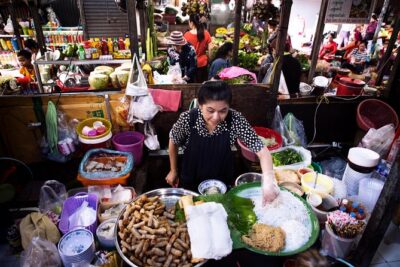
Phnom Penh’s Morning Market and Street Art Tour by Tuk tuk
Read our review →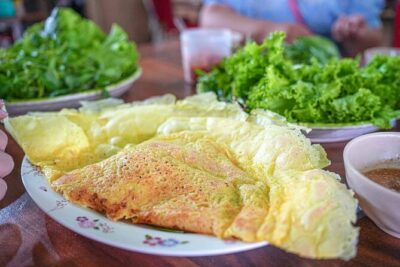
Phnom Penh Morning Market & Food Tour by Tuktuk – Includes All Food & Drinks!
Read our review →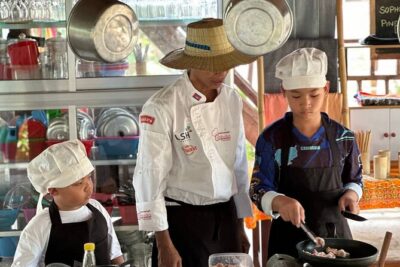
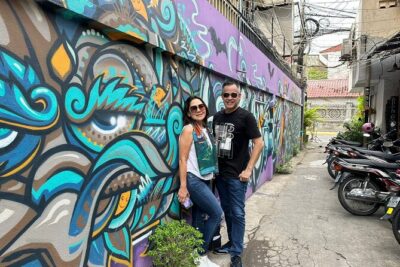
Kampot Pepper & Kep/Crab Market Tours: Salt, Secret lake
Read our review →
3-Hour Siem Reap Guided Cooking Class and Market with Pick up
Read our review →
Kampot Pepper Farm, Salt Fields, Crab Market from Phnom Penh
Read our review →
Morning Cooking Class and Market Tour in Siem Reap
Read our review →This tour also appears in