
Review · VENICE
Venice: Rialto Market Food and Wine Lunchtime Tour
Venice makes more sense when you eat it. This four-hour walk links the Rialto Market, tiny wine bars, old osterias, bakeries, churches, and cafés, with enough food to replace lunch. You get Venetian specialties, not just a quick taste of one dish.
I like the small-group feel and the way guides such as Denis, Julia, Ana, and Tone mix food with stories about Marco Polo, Casanova, coffee, and the Bellini. I also like the range: cicchetti, wine, regional dishes, sweets, tiramisu, and coffee rather than one repeated sample.
The main catch is simple: the Rialto Market is closed on Sundays, and some tours have also found it closed at other times. The food stops still make a full tour, but book this for the food and culture first, with the market as a bonus.
Key points to know before booking
- Four hours of eating and walking: Plan for a proper lunch, not a light snack tour.
- Cicchetti lead the way: These Venetian small plates are served at an old osteria with wine.
- The market depends on timing: Sunday departures may miss the fish, fruit, and produce stalls.
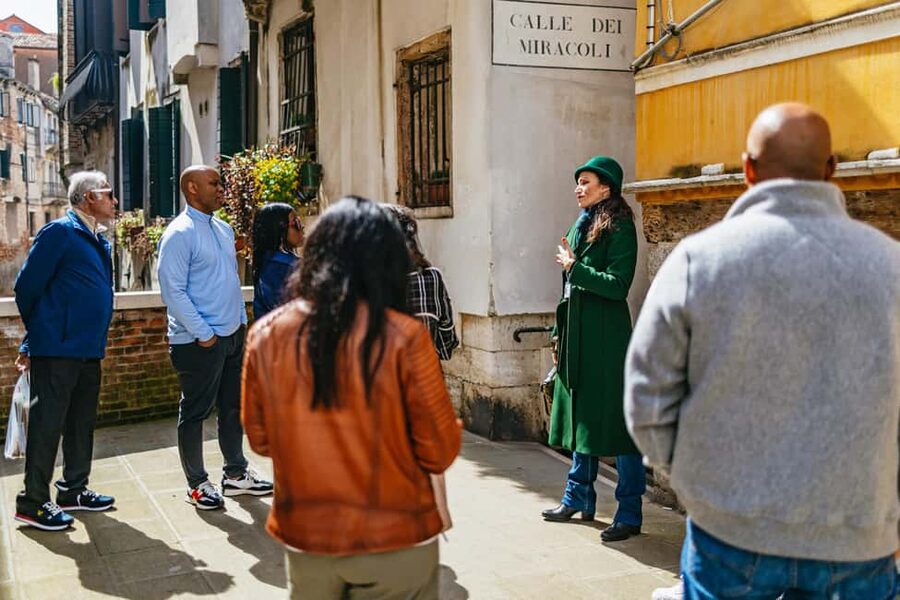
- History comes between bites: See Marco Polo’s former home, Casanova’s haunts, churches, and Campo San Bartolomeo.
- Small groups suit the narrow bars: Past groups have sometimes numbered six or seven, and some departures have become private when others canceled.
- Dietary needs can be handled: Vegetarian options are available, but allergies should be shared when booking.
Why this food tour works in Venice
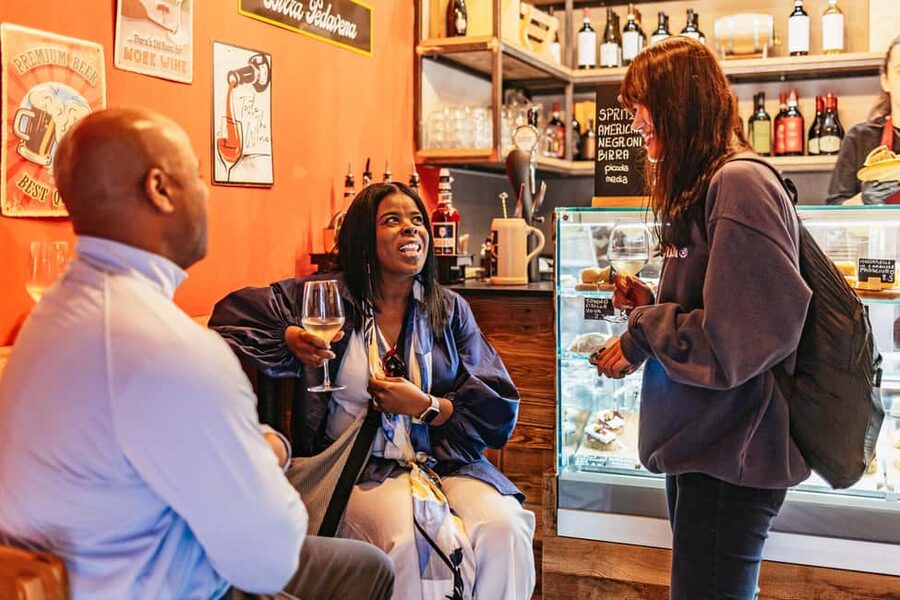
Venice is easy to admire and surprisingly easy to misunderstand. The grand canals and marble palaces tell only part of the story. The everyday city appears in its bacari, the small wine bars where people stop for cicchetti, and in the market stalls where locals choose fish, fruit, and vegetables.
That is the strength of this tour. You are not simply taken to one restaurant for a fixed meal. You walk through several parts of central Venice, stopping at osterias, trattorias, pastry shops, and wine bars. Each stop gives you a small piece of Venetian food culture, while the guide explains how it fits into the city.
I also like the pace. Four hours is long enough to eat well and learn your way around, but it is not an all-day commitment. The walking gives you time to settle between tastings, though comfortable shoes are essential. Venice means bridges, stone lanes, and uneven paths.
Guides vary by departure. Denis appears often in the tour schedule, along with Julia, Ana, Tone, Anna, Vanessa, and others. The strongest part of the experience depends on the guide’s ability to explain both the dish and the place. Past departures have been praised for relaxed storytelling, good group management, and useful advice about where to eat later.
More Market Food Tours in Italy
- Small Group Cooking Class & Market Food Tour in Florence
★ 5.0 · 1,574 reviews - Bologna Food & Market Tour with 6 Tastings, Pasta, Wines & More
★ 5.0 · 1,328 reviews - Venice Street Food Tour with Local Guide with Local Food Market Visit
★ 5.0 · 822 reviews
Starting beside San Giacomo di Rialto
The meeting point is outside the Church of San Giacomo di Rialto, near the Rialto Bridge. This is a useful starting place because Rialto is one of Venice’s oldest commercial areas, and the tour gets straight into the city’s food quarter rather than spending the opening hour on a long transfer.
You should arrive with a little time to spare. Rialto can be crowded, and finding a guide beside a church in a busy square is easier when you are not rushing. The tour is conducted in English.
The first stretch gives you an immediate sense of how Venice works. There are no cars to separate neighborhoods, and daily errands happen on foot, across bridges, and along narrow lanes. The guide helps turn those lanes into a readable map. That matters later, when you may want to return to one of the bars or eateries.
Reading the Rialto Market
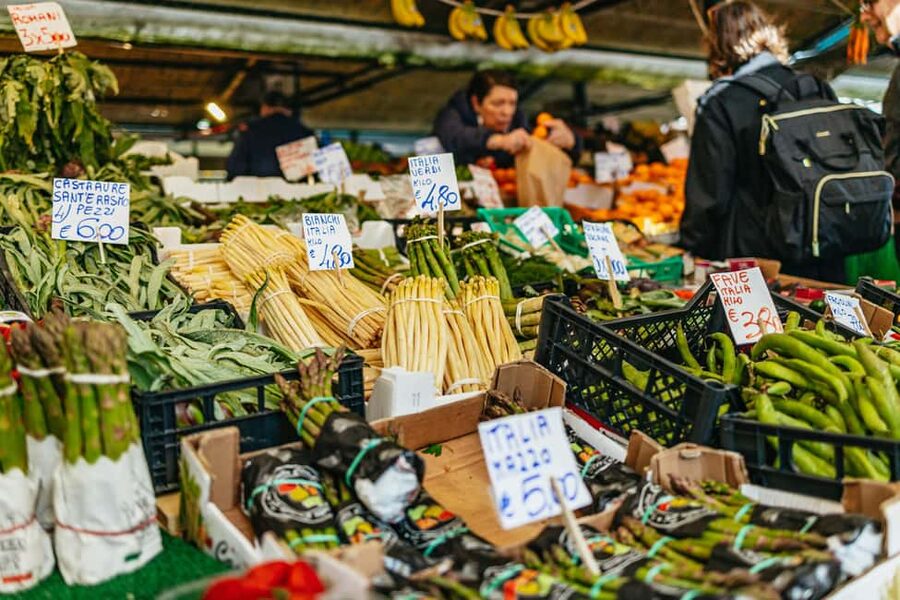
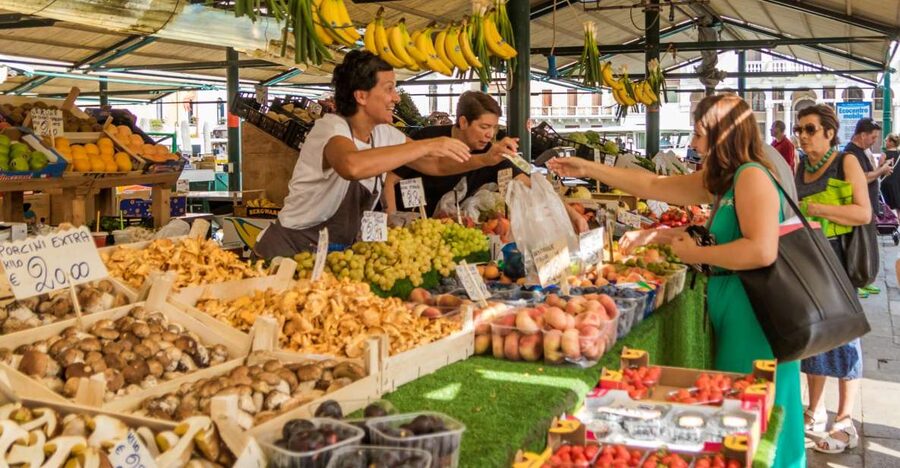
When the market is operating, it is one of the most useful parts of the walk. You see stalls filled with fish, fruit, and vegetables, and you watch locals shop for fresh ingredients. The market gives context to the food served later. Instead of tasting a dish as an isolated souvenir, you can connect it to the produce and seafood sold in the city.
The market is also a good place to ask questions. Your guide can explain what is typical in the Veneto and point out ingredients that may not be familiar. This is where the tour feels most connected to everyday Venice rather than sightseeing alone.
There is an important limitation. The market is closed on Sundays, and departures have sometimes reached it when it was not open. If the market is central to your plans, check the day and starting time before paying. The rest of the tour continues, and you still receive food, wine, and history, but you should not assume that every departure includes an active market visit.
This is the one detail I would want made very clear at booking. The name of the experience places the market first, yet the food and wine route can carry the day even when the stalls are closed.
Cicchetti and the Venetian way of eating
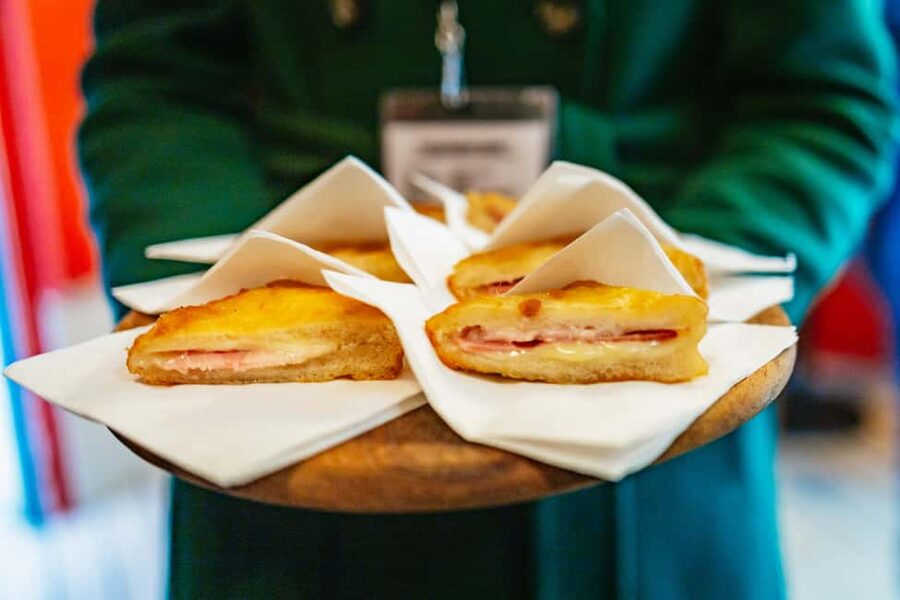
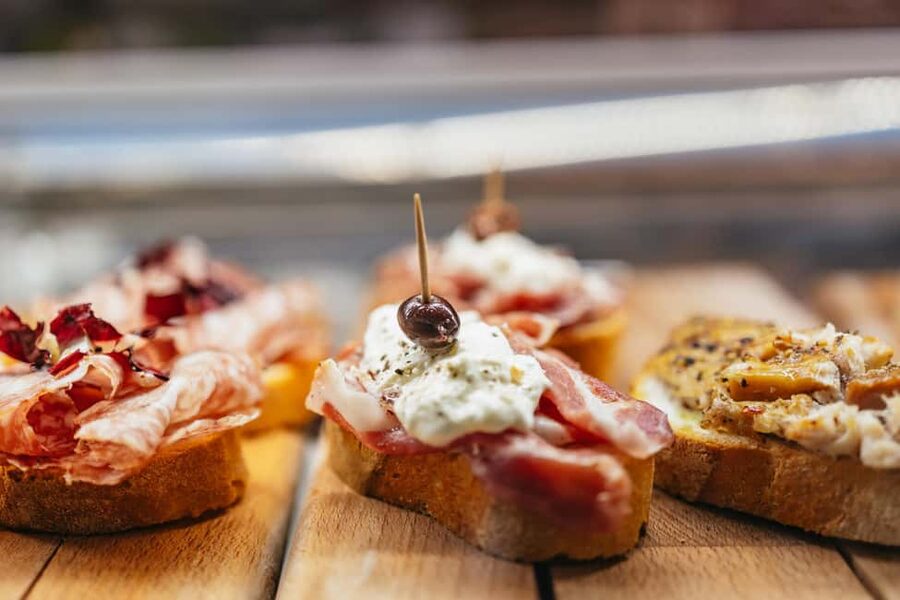
The first major tasting is at an 18th-century osteria known for cicchetti. These are small Venetian snacks, often served with wine. Think of them as a local bar tradition rather than a formal appetizer course. You may taste several small bites and learn how Venetians use an osteria for a quick drink, a snack, or a social stop.
This is a valuable introduction because cicchetti are central to the city’s food identity. They also make sense for a walking tour. Small portions let you try several flavors without filling up at the first stop.
The food is not presented as a guessing game. The guide explains what you are eating before you try it, and the tastings are paired with regional wines. Several past departures included generous portions, so do not eat a large breakfast. You will need room.
Families can manage the format fairly well. One group brought children aged 8, 11, and 11, and the guide provided soft drinks for them. Still, the tour is built around wine bars and adult food culture, so families should decide if that setting suits their children.
Same city, another market:
- Cooking Class and Lunch at a Tuscan Farmhouse with Local Market Tour from Florence
★ 5.0 · 4,831 reviews - Rome: Colosseum, Roman Forum & Trajan’s Market Exterior Tour
★ 4.3 · 2,038 reviews - Taste of Testaccio: Special 15 Year Anniversary Edition
★ 5.0 · 1,658 reviews - Seaview Cooking Class & Taormina local flavors with Chef Mimmo
★ 5.0 · 665 reviews
Back lanes, churches, and Venetian stories
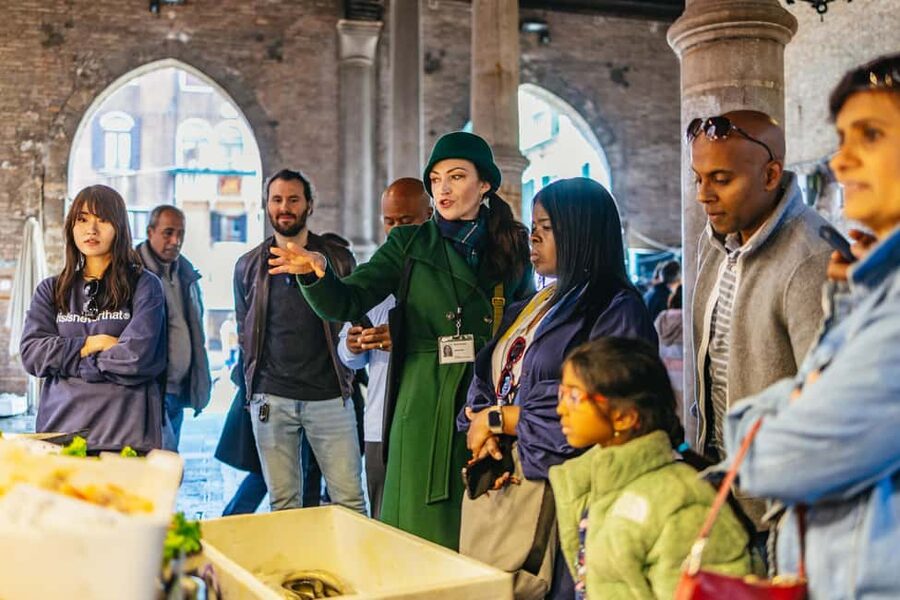
Between tastings, the route passes through squares and side streets that many first-time visitors miss. The walk includes Campo San Bartolomeo, where you can see the former home of Marco Polo and hear about Casanova’s haunts.
These details give the food stops a sense of place. Marco Polo represents Venice’s long connection with trade and travel. Casanova brings in the city’s more scandalous side. The guide also points out churches and shares smaller bits of local trivia, including the story behind the Bellini cocktail.
I find this balance more useful than a food tour that treats history as filler. The stories are short enough to keep the meal moving, but they help you notice the city around you. You may pass a plain-looking building that suddenly has a connection to a famous Venetian figure or custom.
The tour also gives you a practical orientation. The back streets can feel confusing, especially near Rialto and the central squares. Walking them with a guide helps you understand how the areas connect. Several people later returned to favorite stops or used the route to choose places for another meal.
Coffee, tiramisu, and the final stop
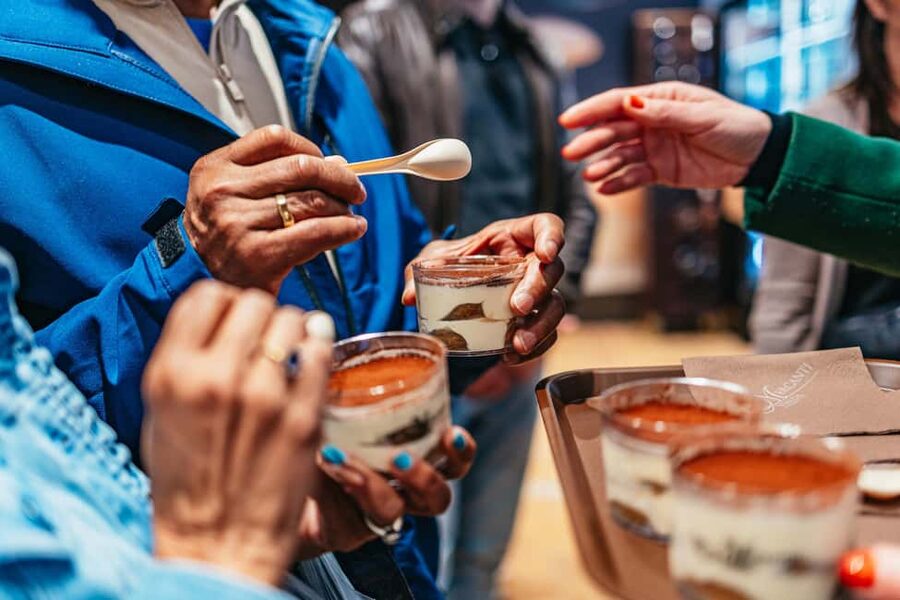
The route continues toward Campo Santi Giovanni e Paolo, one of Venice’s notable squares. Here, the sweet finish is authentic tiramisu with coffee.
This final stop explains another part of Italian food culture. Coffee is not simply a drink added to the end of lunch. In Italy, the café can be a daily social space, and the guide places that habit in a Venetian setting.
Tiramisu is a fitting finish after cicchetti and wine because it gives you something familiar in a local context. The tour has also ended with gelato on some departures, so the exact final sweet may vary. The supplied details specifically promise tiramisu and coffee, while individual stops can change with the day.
By this point, you should expect to be full. Several departures included enough food to count as lunch, with generous servings at multiple stops. That is good value if you arrive hungry, but it can feel like too much if you are looking for a small tasting route.
What you will eat and drink
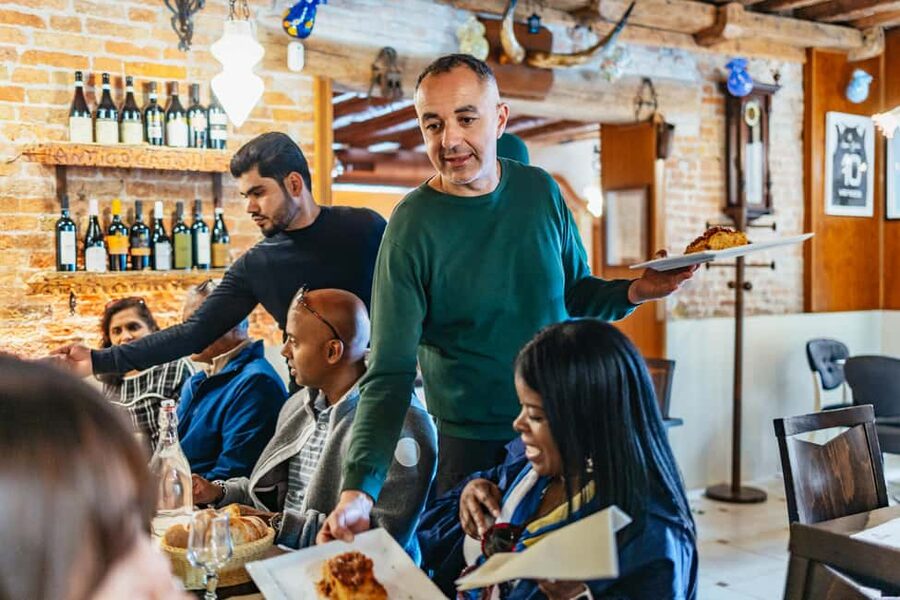
The exact menu is not fixed in the information provided, and that is normal for a food walk using working restaurants and bars. The confirmed range includes:
- Venetian cicchetti
- Veneto wines
- Food from local osterias, trattorias, bakeries, and wine bars
- Regional specialties
- Tiramisu and coffee
- Gelato on some departures
- Soft drinks for children when needed
The variety is the main attraction. You are not just sampling pizza, pasta, or a single famous dessert. You get a sense of the small-plate culture, local drinks, bakery traditions, and coffee customs.
The tour can also introduce you to less familiar foods. One departure included baby octopus, which not everyone enjoyed, but trying an unusual local dish is part of the point. If you have strong dislikes, tell the guide at the start. Guides have asked about food preferences and adjusted suggestions when possible.
Vegetarian choices are available. Allergies should be reported when booking, not casually mentioned halfway through the route. The tour moves between several businesses, so advance notice gives the supplier a better chance to plan.
Group size and guide quality
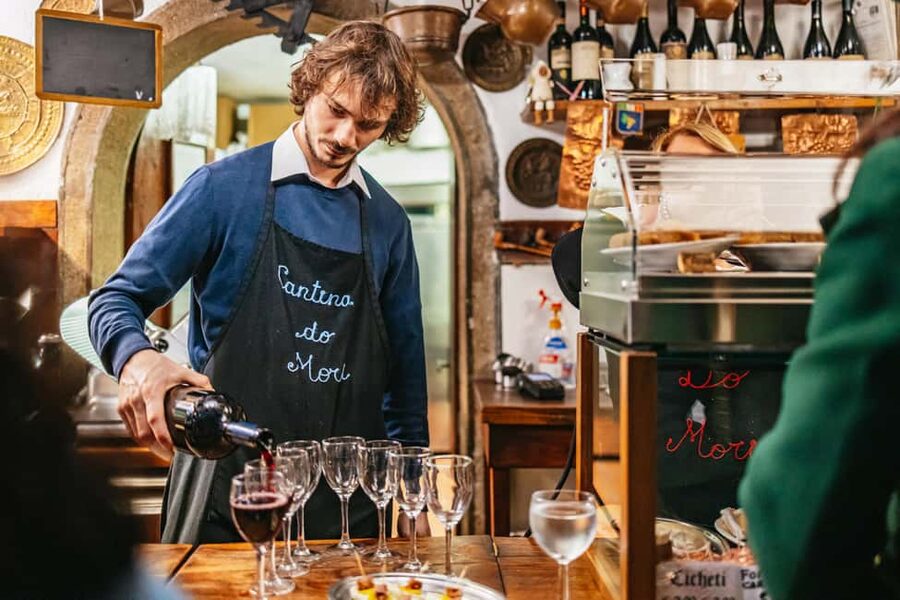
The smaller the group, the better this tour fits Venice. Tiny wine bars and old cafés are not designed for large tour parties. A group of six or seven can usually sit, hear the guide, and speak with other people without turning the stop into a production.
Group sizes can vary. Some departures have been nearly private because another couple canceled, while others included a friendly small group. Solo visitors can fit in easily, since the tasting format naturally creates conversation.
The guide makes a major difference. Denis is frequently praised for his food knowledge, humor, and warmth. Julia has been valued for her history stories and relaxed manner. Ana has been remembered for energy, organization, and making groups feel at ease. Tone has been noted for asking about preferences early and matching the food to the group.
Those details matter because the tour depends on explanation. A plate of cicchetti is good on its own, but the experience improves when you understand why it is served, how to order it, and what kind of place you are visiting. A strong guide also keeps the group moving without making the walk feel hurried.
Value, timing, and practical tradeoffs
The tour lasts four hours and includes a full set of tastings, drinks, guiding, sightseeing, and local recommendations. Without a listed price, I cannot judge the exact cost against competing tours, but the structure offers solid value if you use it as lunch plus orientation.
You are paying for more than food portions. You also get a guide who can help you understand Venetian customs, find side streets, explain local dishes, and identify places worth returning to. The value is strongest for a first visit or for anyone who wants food to shape the day’s sightseeing.
The tour is less useful if you have already taken a very similar Venetian food walk. One past participant found that several stops overlapped with another local food tour and would have chosen only one. Check the descriptions of other experiences before booking two routes from the same operator or area.
The food may be generous enough to replace breakfast and lunch. Skip breakfast or eat lightly, and bring water. Wine is served during the route, so pace yourself. You are walking for four hours, and the goal is to enjoy the city rather than finish uncomfortably full or tipsy.
Free cancellation is available up to 24 hours before the start, and you can reserve while paying later. Those terms help if your Venice plans are still shifting, but they do not solve the Sunday market issue. Check the operating day before booking if that sight matters to you.
Who should book this Venice food tour
I would choose this tour for a first or second visit to Venice, especially if you want help finding local food without spending hours studying menus. It suits couples, solo visitors, small groups, and families with children who are open to trying different foods.
It is also a good first-day activity. The walk gives you a working map of the Rialto area, introduces several kinds of eateries, and leaves you with ideas for later meals. Book it early in your stay if you want to return to a favorite stop.
I would think twice if you want a dedicated market tour, a cooking class, or a quiet sit-down meal. The market may be closed, the route involves steady walking, and the food arrives in several places rather than at one table.
People with allergies should contact the supplier before booking. Vegetarians have options, but the menu changes across the stops, so clear communication matters.
Should you book it?
Book this Rialto food and wine tour if you want a generous lunch, small bars, Venetian history, and an English-speaking guide who can connect the dishes to the city. The best parts are the cicchetti, the range of stops, the backstreet walking, and the chance to learn how locals eat and drink.
Do not book it solely for the market unless your date and start time are confirmed for an open market day. If you have already taken a similar local food tour, compare the stops first.
For most visitors, the combination of food, wine, stories, and practical orientation makes this a strong use of four hours. Arrive hungry, wear good shoes, and leave room for tiramisu.
FAQ
How long does the Rialto Market Food and Wine Lunchtime Tour last?
The tour lasts four hours, including walking, sightseeing, food tastings, wine, coffee, and dessert.
Where does the tour meet?
Meet your guide outside the Church of San Giacomo di Rialto, near the Rialto Bridge. The coordinates are 45.4387092590332, 12.335434913635254.
Is the tour offered in English?
Yes. The live tour guide speaks English.
Is the Rialto Market open during every tour?
No. The market is closed on Sundays, and it may not be open for every departure. Check the tour day and starting time if the market is important to you.
Are vegetarian options available?
Yes. Vegetarian options are available. Tell the supplier about allergies when booking.
What food and drink are included?
The tour includes cicchetti, regional wines, Venetian and Veneto specialties, bakery or café tastings, tiramisu with coffee, and sometimes gelato. The exact stops and dishes can vary.
What should I bring?
Wear comfortable shoes for four hours of walking. Arrive hungry, since the tastings are substantial and are intended to provide lunch.
New market tours around Italy
- Taormina: Sicilian Cooking Class & Market Tour★ 4.9 · 212 reviews
- Florence: Markets and Food Tasting Tour★ 5.0 · 2 reviews
- Taormina: Sicilian Cooking Class w/ a Visit to Local Market★ 4.9 · 76 reviews
- From Taormina: Syracuse Tour with lunch in Food Market★ 4.9 · 12 reviews
- Syracuse: Traditional Cooking Class & Ancient Market Visit★ 4.9 · 72 reviews
- Spoleto: Market Tour and Meal at a Local’s Home★ 5.0 · 2 reviews
- Sorrento: Markets and Cooking Class at a Cesarina’s Home★ 3.7 · 3 reviews
- Taormina Half-Day Sicilian Cooking Class & Market Tour★ 5.0 · 82 reviews
Venice Market Tours, side by side.
Market Tour and Cooking Class with a Local Venetian Chef
Read our review →
Rialto Market Food and Wine Lunchtime Tour of Venice
Read our review →
Ancient Venice and its spices: cooking class and market tour
Read our review →
This tour also appears in