
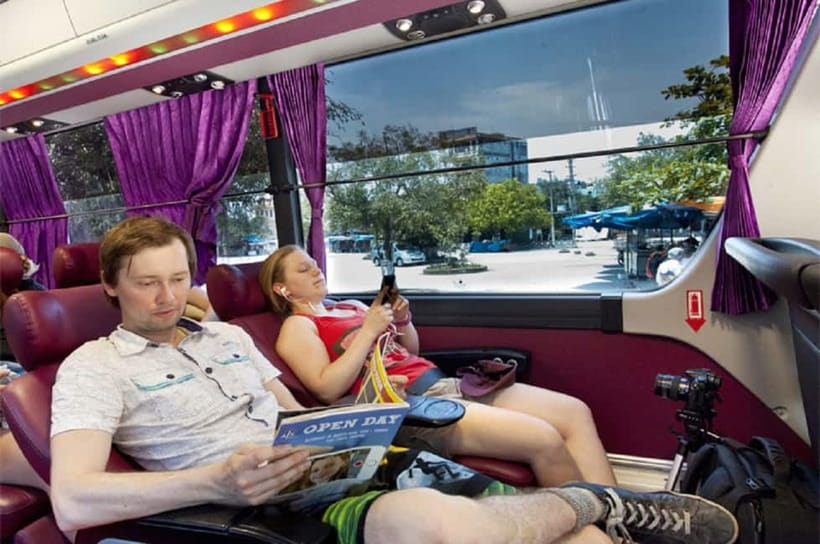
Review · HANOI
2 Day Sapa-Bac Ha Market: Night Train& Homestay-Bus Ha Giang
The best part of this trip is the long walk through Sapa’s mountain villages, where the route passes rice terraces, streams, bamboo forest, old French-built hydroelectric works, and family homes. You get a closer look at daily life among Black H’Mong, Red Dao, and Giay communities than you would from a quick town visit.
I like the overnight homestay in Ta Van, where dinner and breakfast are included, and the chance to travel by old-style night train before sunrise. I also like the small group, limited to 15 people. The main drawback is the pace: a night journey followed by trekking can leave you tired, and the homestay has shared sleeping space and a public bathroom.
Key points
- Night train arrival: Reach Lao Cai at about 5:00 in the morning, then take a 40-kilometer transfer to Sapa.
- Three village routes: Walk through Cat Cat, Lao Chai, Ta Van, and Giang Ta Chai, with views around Muong Hoa Valley and Fansipan.
- Basic but personal lodging: Sleep on a mattress in a shared Ta Van homestay, with clean water and fresh local food.
- Bac Ha is an optional extension: The Sunday market requires an extra night, private vehicle, guide, and hotel stay.
- Ha Giang connection: A limousine or sleeper bus from Sapa to Ha Giang takes about six hours and costs extra.
- Good value at $56: The base price covers transport, guide, meals, homestay, and listed entrance fees, but not every route option.
What the two-day Sapa trek actually involves
This is not a relaxed sightseeing trip. It is a compact mountain journey built around walking, local food, and simple lodging. The standard plan begins with transport from Hanoi and ends back in Hanoi by sleeper bus, while the Ha Giang connection is an additional arrangement from Sapa.
The title can be confusing because Bac Ha adds a third day, and the information also refers to a bus from Sapa to Ha Giang. Think of the experience as a Sapa trekking package with several onward travel choices. The basic two-day plan covers Sapa and the Ta Van homestay. Bac Ha and Ha Giang need separate planning and extra payment.
You will travel with a small group of no more than 15 people and a local English-speaking guide. Guides can change with the route. Two guide names associated with this experience are Tung and Soa. Tung is described as funny and good at explaining village life, while Soa is noted for sharing her own culture openly. You cannot assume either guide will lead your departure, but asking about the guide when you confirm is sensible.
More market tours with a home-cooked meal around Hanoi:
- Krakow Pierogi Cooking Class with Market Visit & Home-Cooked Meal
★ 5.0 · 212 reviews - Fez: Souk Tour and Traditional Home Cooking Class
★ 4.9 · 186 reviews - Jaipur Market Tour & Vegetarian Rajasthani Home Cooking Class
★ 5.0 · 113 reviews
The overnight journey from Hanoi to Lao Cai
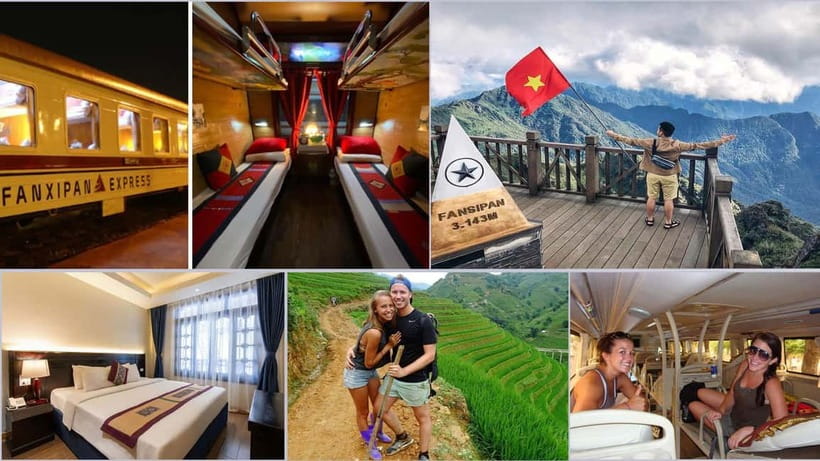
The usual train option leaves Hanoi at about 9:30 in the evening. The listed services are SP1, SP2, and SP3, with the return service included in the wider transport arrangement. A sleeper bus option may also be offered, depending on what you choose when booking.
The train is practical rather than luxurious. You trade a hotel night for a moving bunk and arrive early enough to make full use of your first day in Sapa. At around 5:00 in the morning, a driver meets you at Lao Cai Station for the 40-kilometer ride into Sapa town.
You then have breakfast at a hotel and time to refresh. This small pause matters. After a night journey, washing up and eating before a long walk can make the difference between enjoying the route and merely surviving it.
Bring a small day bag for the trek and keep larger luggage organized for the transfer. Comfortable shoes, sunscreen, sunglasses, insect repellent, and Vietnamese cash are practical choices. The banking system in Sapa can be unreliable, and US dollars, euros, and Australian dollars are accepted according to the provided arrangements, but local currency is the safest option for small purchases.
Cat Cat village and the first walk
After breakfast, your local H’Mong guide takes you toward Cat Cat village. The walk introduces you to the Black H’Mong community and includes a waterfall, Muong Hoa Stream, and views of terraced fields.
One unusual stop is a hydroelectric power plant built during the French period. You may also see local schools and homes along the route. These details give the walk more substance than a simple mountain viewpoint. You are looking at working villages, not just scenery arranged for photographs.
Cat Cat is also the shorter opening section before the longer trek later in the day. A car collects you and returns you to the hotel for lunch. This break divides the day into manageable parts, though you should still expect a demanding schedule because another major walk follows.
The route can be uneven, and the instructions specifically warn that trekking shoes are necessary. Sandals or smooth-soled casual shoes are a poor match for a village trail, especially if the ground is wet. Children under six, pregnant women, and people with mobility limitations should not join this trip.
Lao Chai to Ta Van through Muong Hoa Valley
After lunch, you set out on what is described as Sapa’s most beautiful walking route, heading through Lao Chai toward Ta Van. Lao Chai is associated with the Black H’Mong people and sits beside Muong Hoa Valley and its stream, beneath Fansipan Mountain.
The appeal here is the steady change in views. You pass rice terraces, mountain slopes, cooking smoke, and houses rather than moving from one isolated viewpoint to another. The guide helps explain the people and places along the route, which is important because the scenery alone does not tell you how village life works.
You arrive in Ta Van later in the afternoon and spend the night with a local family. The village is home to Giay people. This is the point where the trip shifts from a day walk to a cultural stay. Dinner is included, and the food is described as fresh and locally prepared.
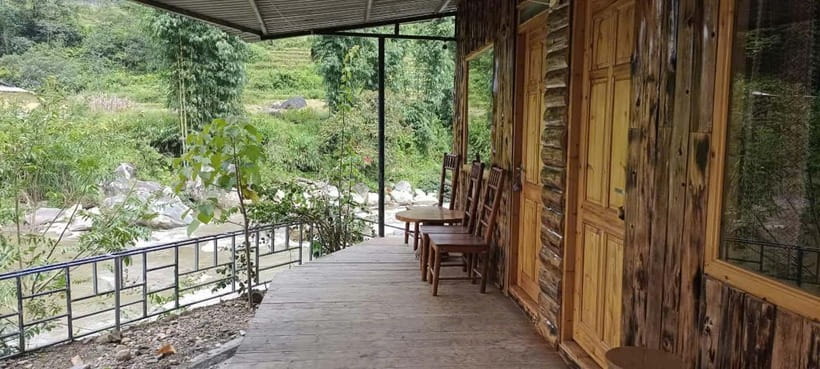
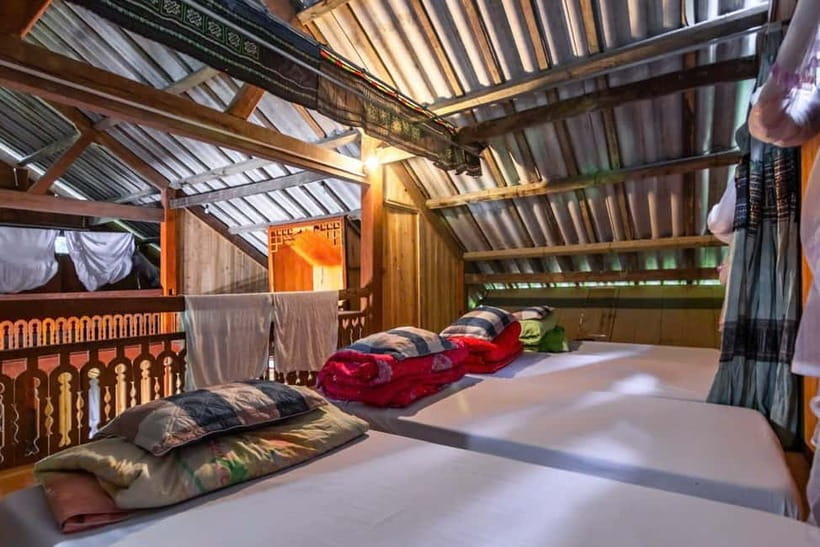
Keep your expectations realistic. The homestay is clean but basic. You sleep on a single mattress in a shared room unless you pay a supplement for a private room. The bathroom is public, and the facilities are simple. If you need hotel-style privacy, this will feel like a compromise. If you want a direct look at village hospitality, it is one of the strongest parts of the trip.
More two-day trips around Hanoi:
- From HCM: Mekong Delta & Cai Rang Floating Market 2-Day Tour
★ 4.5 · 1,183 reviews - Cai Rang Floating Market & Mekong Delta 2-Day Tour from HCM City
★ 5.0 · 942 reviews - Mekong Delta & Cai Rang Floating Market 2-Day Tour from HCMC
★ 5.0 · 813 reviews - Small-group 2-Day Mekong Delta: Floating market, Cooking Class…
★ 5.0 · 194 reviews
What the Ta Van homestay adds
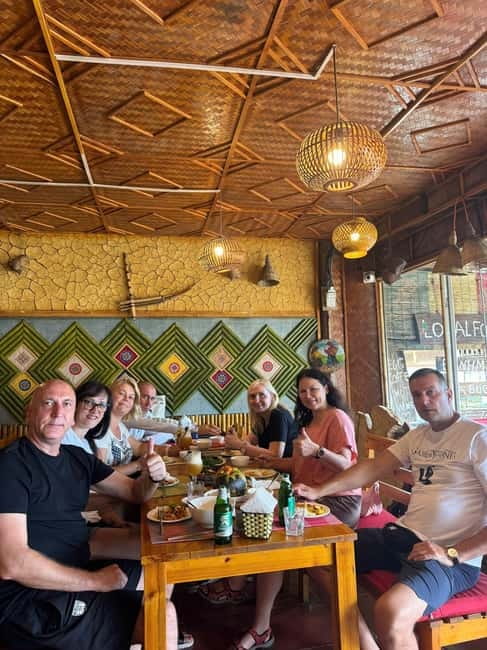
A homestay changes the rhythm of the trip. Instead of returning to a standard hotel in Sapa, you remain in the village you reached on foot. That makes the overnight stay feel connected to the trek rather than tacked onto it.
The included dinner gives you a chance to eat local food without having to search for a restaurant after a tiring walk. Breakfast follows the next morning before the second trek. Clean water and fresh food are provided, but the homestay’s simple facilities are clearly part of the deal.
The shared sleeping arrangement is worth considering before you book. A single mattress and public bathroom may suit you perfectly after a day outside, but it can be uncomfortable if you are a light sleeper or want personal space. A private room is available only with an added single supplement.
The strongest reason to choose this stay is the human contact. Guides such as Soa can explain local culture from personal experience, while a guide such as Tung can add stories and humor to the route. A good guide makes a major difference here because the value lies in understanding what you see, not just walking past it.
Giang Ta Chai and the second morning
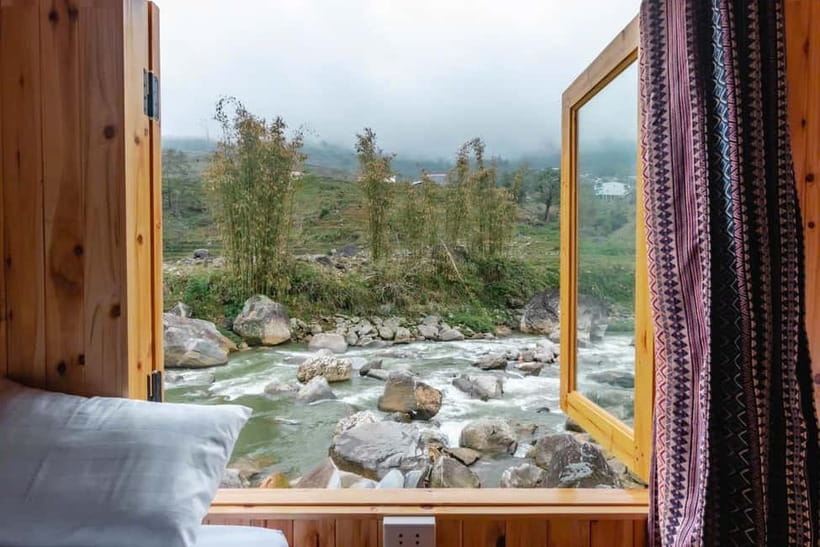
After breakfast, the walk continues from Ta Van toward Giang Ta Chai. This section is described as moderate and includes bamboo forest and views over Muong Hoa Valley.
Giang Ta Chai is connected with Red Dao, Giay, and Black H’Mong communities. The mix of groups adds a useful second look at the cultural variety around Sapa. You are not visiting a single village with one uniform identity. The route introduces several communities living within the same mountain area.
A car takes you back to Sapa for lunch. At this point, the standard two-day schedule moves quickly. Around 1:30 to 2:00 in the afternoon, you prepare your luggage for the bus to Hanoi. The return bus makes two or three breaks and stops at 160 Tran Quang Khai Street in Hanoi. From there, you make your own way back to your hotel.
This timing works well if you want an efficient Sapa visit, but it leaves little room for delay. You should not plan an important evening appointment in Hanoi unless you have plenty of spare time. Mountain roads and transfers can be tiring, and the trip does not end at your hotel door.
Adding Bac Ha Market on Sunday
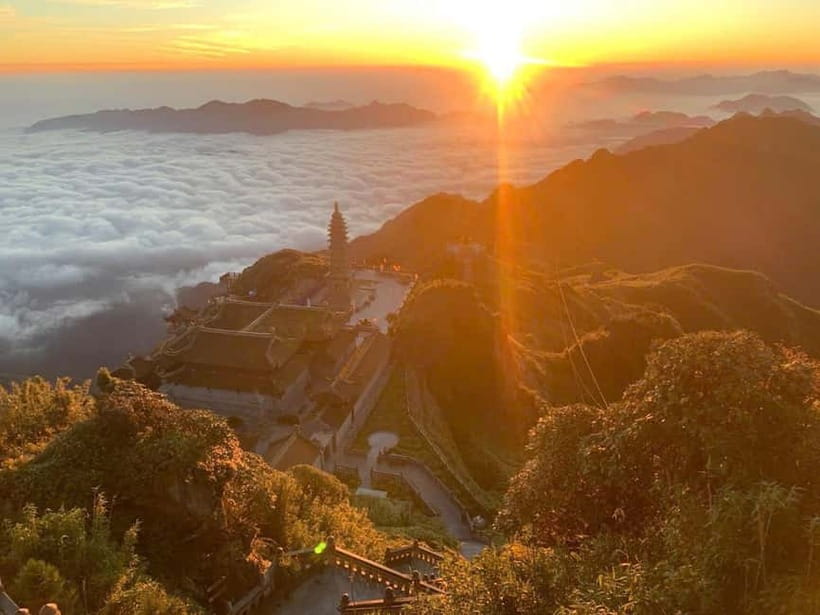
Bac Ha is not part of the basic two-day Sapa schedule. It is an optional extension that adds a night in Bac Ha and a private tour by car and guide.
After lunch in Sapa, the guide and driver take you toward Bac Ha, a journey of about two hours. You check into a hotel in the late afternoon and have dinner there. The next morning, which must be Sunday for the market visit, is given to Bac Ha Market.
The market is presented as a place where people exchange goods such as pigs, hens, souvenirs, and other products. Red H’Mong, Giay, Red Dao, and Tay people attend, creating a meeting point with a strong local character. The appeal is not simply buying something. It is seeing how trade, social contact, and daily needs come together in a mountain town.
You also visit Hoang A Tuong’s castle, associated with the former H’Mong ruler. The building offers a different side of Bac Ha, while nearby Pho village provides a quieter walk through local life.
After lunch, the car takes you to Lao Cai to catch the bus to Hanoi. As with the Sapa return, the bus makes two or three breaks and stops at 160 Tran Quang Khai Street. Since Bac Ha adds hotel and private transport costs, compare the full price before choosing it. The extension makes sense if Sunday matches your plans and the market is a main reason for visiting northern Vietnam.
Continuing from Sapa to Ha Giang
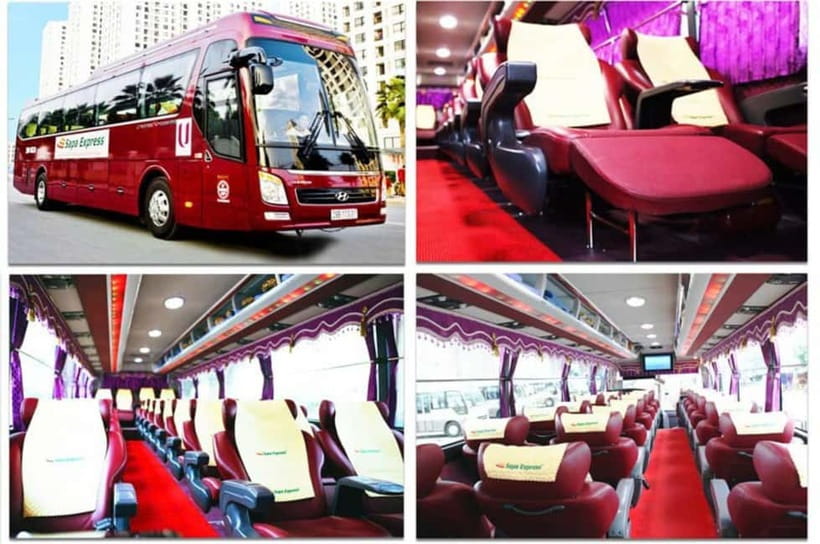
The Ha Giang connection is another option, not part of the $56 base experience. Two departures are listed from Sapa: a limousine bus at 2:30 in the afternoon and a sleeper bus at 7:30 in the evening.
The limousine has 18 seats and picks up at May Hotel. The sleeper bus has 40 seats and uses its own meeting point. Both journeys take about six hours. The listed additional cost is 300,000 Vietnamese dong per person, though you should confirm the current amount before paying.
This connection is useful if your wider trip continues toward Ha Giang instead of returning to Hanoi. The timing also affects your final morning in Sapa. Leaving at 2:30 gives you less spare time after lunch, while the later sleeper bus leaves more of the afternoon open but adds another overnight-style journey.
Confirm the exact pickup place, departure time, and payment method through the supplier before the trek. The activity asks you to provide a WhatsApp, Line, Viber, or KakaoTalk number so the local team can contact you.
Is $56 a fair price?
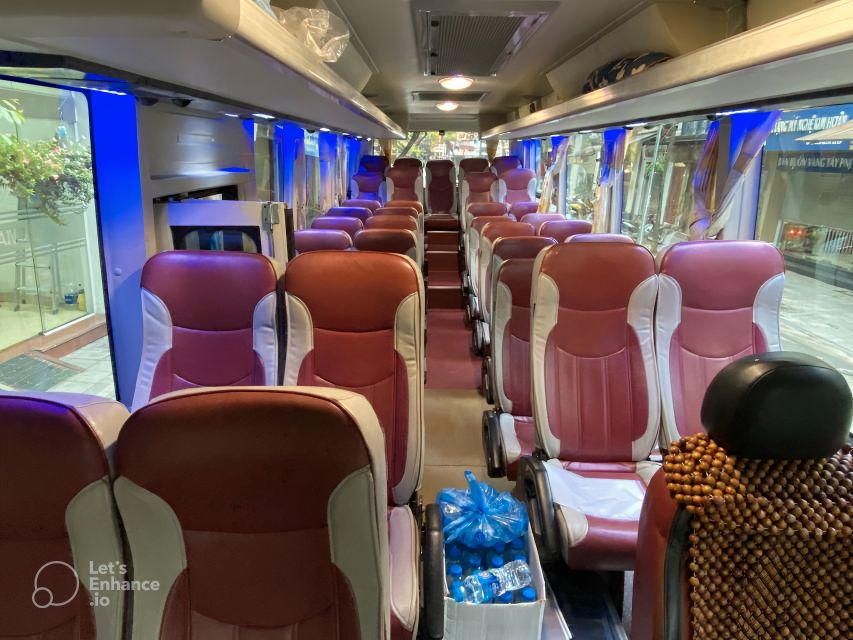
At $56 per person, the standard package offers solid value if you want transport and guiding arranged in one booking. The price includes Hanoi to Sapa and return transport using the selected train and bus combination, a local English-speaking guide, listed meals, the Ta Van homestay, and entrance fees named in the plan.
It does not include drinks, insurance, VAT, personal spending, private homestay space, or the Ha Giang bus. Bac Ha also requires an additional option with a private car, guide, and hotel. Holiday dates bring a surcharge of 700,000 Vietnamese dong per person on April 30, May 1, September 1 to 3, December 24 and 31, and January 1.
The value is strongest for someone who would otherwise have to arrange a night train, Lao Cai transfer, local guide, meals, village walks, and a return bus separately. The price is less attractive if you want a private room, dislike shared bathrooms, or plan to add both Bac Ha and Ha Giang. Ask for the complete cost of your chosen route, not just the starting price.
Free cancellation up to 24 hours before departure and the reserve-now, pay-later option make the booking more flexible. Still, confirm the transport choice and optional fees before committing.
Who should choose this Sapa experience?
You should consider it if you want a physically active introduction to Sapa and prefer village paths to a short town tour. It suits you particularly well if you enjoy local meals, simple lodging, and a guide who can explain culture along the way.
It is also useful for a larger northern Vietnam itinerary. The basic plan returns you toward Hanoi, while the optional bus lets you continue to Ha Giang. Bac Ha adds a Sunday market and a second mountain destination without requiring you to plan every transfer alone.
You may want a different arrangement if you need a private bathroom, hotel comfort, a slow schedule, or guaranteed accessibility. The walking days are long, the overnight transport can be tiring, and the homestay is deliberately basic.
Should you book it?
Book this experience if the heart of your Sapa visit is walking through Cat Cat, Lao Chai, Ta Van, and Giang Ta Chai, then sleeping in the village you reach. The guides, especially the cultural explanations associated with Tung and Soa, can make the trek far more meaningful than a route taken without local help.
Choose the Bac Ha add-on only if you can stay an extra night and visit on Sunday. Choose the Ha Giang bus only after confirming the pickup details and extra fee. For a low-cost, tightly scheduled mountain trip with authentic village contact, this is a strong choice. For comfort and free time, it is probably too busy.
FAQ
How long is the standard Sapa experience?
The standard experience lasts two days, with an overnight journey from Hanoi before the Sapa trekking schedule. The optional Bac Ha visit adds a third day.
Is transport from Hanoi included?
Yes. The package includes transport between Hanoi and Sapa using a night train and sleeper bus, depending on the option selected.
Where do you sleep?
You sleep in a Ta Van homestay on a single mattress in a shared room. The bathroom is public. A private room requires an additional supplement.
Is Bac Ha Market included in the $56 price?
No. Bac Ha is an optional private tour that requires an additional night, hotel stay, private car, guide, and other related costs. The market visit is available on Sunday.
Can you continue from Sapa to Ha Giang?
Yes. A limousine bus and a sleeper bus are listed as options from Sapa to Ha Giang. The journey takes about six hours and costs an additional fee, listed as 300,000 Vietnamese dong per person.
What should you bring?
Bring comfortable trekking shoes, sunglasses, sunscreen, insect repellent, and cash in Vietnamese dong. The tour is not suitable for pregnant women, children under six, or people with mobility limitations.
New market tours around Hanoi
- Hanoi: Vietnamese Cooking Class- Market Tour with Local Chef★ 5.0 · 2 reviews
- Hanoi’s Culinary: Authentic Cooking Class and Local Market★ 4.8 · 5 reviews
- Hanoi: Old Quarter Market Tour and Cooking Class with Meal★ 4.8 · 192 reviews
- Hanoi Food Adventure: Vietnamese Market Tour & Cooking Class★ 4.8 · 5 reviews
- Hanoi Cooking Class: Market Tour, Free Recipe & Beverages★ 5.0 · 10 reviews
- Weekend Hanoi Night Market & Street Food Tour★ 4.5 · 47 reviews
- Hanoi: Maya Traditional Cooking Class & Market Tour★ 4.9 · 243 reviews
- Hanoi Maya Kitchen: Traditional Cooking Class & Market Tour★ 5.0 · 287 reviews
Hanoi Market Tours, side by side.
Hanoi Cooking Class: Culture, Local Market & Meaning CSR Impact
Read our review →
5 Traditional Dishes Hanoi Cooking Class with Market Trip
Read our review →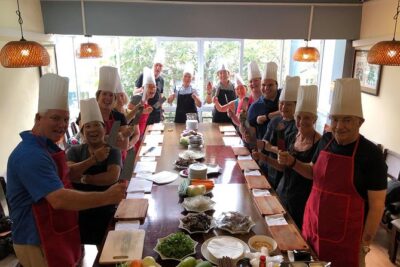
Vietnamese Food Cooking Class in Hanoi with Market Experience
Read our review →
Hanoi: Handcrafted Wood Carving Workshop with Local Artisan
Read our review →
Hanoi: 5 Local Dishes Cooking Class with Meal & Market Visit
Read our review →
Hanoi Cooking Class and Market Tour in Ancient House
Read our review →
Rose Kitchen Hanoi: Market, Cooking & Culture Tour + Free PickUp
Read our review →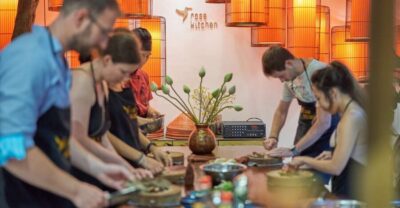
Hanoi: Cooking Class in a Local Villa with Market Tour
Read our review →This tour also appears in