
Review · KRAKOW
Krakow Pierogi Cooking Class with Market Visit & Home-Cooked Meal
The best part of this Krakow experience is that you do not simply eat pierogi in a restaurant. You help buy the ingredients, learn how to shape the dumplings, and then sit down to eat in a Polish home. I especially like the market visit with Polish phrases and the chance to cook with hosts such as Kasia, Alicja, Agata, or Magda. The group is capped at six, so the instruction stays personal.
The main point to consider is the setting. This is a real home kitchen, not a polished cooking studio, and the class requires transport from the market to the host’s apartment. That makes it feel more personal, but it may be less suited to anyone who wants a formal chef-led lesson or a central location from start to finish.
Key points to know before booking
- Shop before you cook: Visit a local farmers’ market and practice ordering ingredients in Polish.
- Cook in a family home: The class takes place in a private apartment, with hosts such as Kasia and Alicja teaching the recipe.
- Small group of six: You get room to ask questions, work with the dough, and receive direct help.
- A full Polish meal is included: Expect pierogi, cheese, pickles, snacks, dessert, beer, water, tea, and coffee.
- Transport is part of the plan: Public transport to the home is included, while private tours offer central hotel pickup.
- A useful souvenir: The class is hands-on enough that you can try making pierogi at home afterward.
Why this is more than a standard Krakow food class
Pierogi are simple to describe but surprisingly social to make. You roll dough, add filling, pinch the edges, and cook the dumplings. The real pleasure comes from doing that work around a kitchen table while talking about Polish customs, family meals, and daily life.
That is why I like this experience more than a quick tasting stop. You are not just handed a plate and told what it contains. You see ingredients at the market, hear the Polish names for them, and take part in the meal from start to finish.
The class lasts about four hours and costs $114.93 per person. That is not a cheap lunch, but the price covers a market visit, transport to the private home, instruction, food, drinks, and a small-group setting. You are paying for several hours of contact with a local host rather than only for the finished dish.
The strongest reason to book is the human side. Hosts such as Kasia have welcomed groups into their apartments, taught guests how to order at market stalls, and answered questions about Polish culture while the dough was being prepared. Some hosts also provide local suggestions for the neighborhood around their home.
More market tours with a home-cooked meal around the world:
- Fez: Souk Tour and Traditional Home Cooking Class
★ 4.9 · 186 reviews - Jaipur Market Tour & Vegetarian Rajasthani Home Cooking Class
★ 5.0 · 113 reviews - Home Cooking Class: Market, Garden and cooking 4 dishes
★ 5.0 · 61 reviews
Starting at Długa 1 and meeting your guide
The standard meeting point is Długa 1 in Krakow. You should arrive ready for a walking and public transport portion before the cooking begins. The private tour option is different: the guide can meet you in the lobby of a central Krakow hotel, holding a sign with your name.
The guide is English-speaking, and the experience may be led by different local hosts. Names that have been associated with the class include Kasia, Alicja, Agata, Magda, Magdalena, Dominika, Anna, Kate, and Tomasz. Your exact host is not guaranteed, so book this for the style of the experience rather than for one particular person.
The small size matters. With a maximum of six people, you should have a fair chance to work directly with the dough and ask questions. One person even received a one-to-one class when no one else had booked that day, though you should not count on having the kitchen to yourself.
Shopping at a Krakow farmers’ market
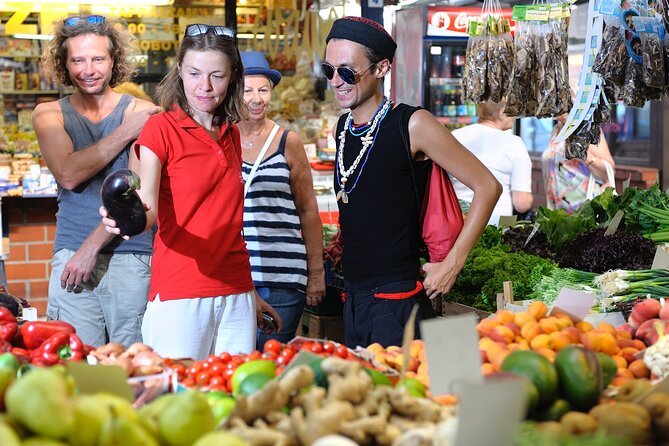
The class begins at a local farmers’ market away from the most obvious sightseeing routes. The market is not just a place to collect supplies. Your guide explains the produce and helps you try simple Polish words before you approach the vendors.
You might practice greetings, ask for ingredients, or try ordering a quantity. You do not need to speak Polish well. The point is to make a friendly attempt, and the guide helps you along. This small language lesson gives you a practical way to interact with vendors instead of watching the shopping from the side.
The market also gives the cooking class a useful sense of place. You can see the sort of food used in an ordinary Polish meal, rather than entering a kitchen with every ingredient already measured. The experience supports local vendors and focuses on regional products, which gives your spending a more direct connection to Krakow’s food culture.
There is one practical tradeoff. Market conditions can vary, and the stop is built around buying ingredients rather than browsing for souvenirs or taking a long food tour. If you want a broad market tasting session, this may feel brief. If you want to understand how the meal comes together, it works well.
Riding to a private apartment
After shopping, you travel to the host’s home by public transport. Several accounts of the experience describe a tram or taxi ride, and the tour information says public transport is included. For the private option, hotel pickup is offered, and transport to the home is covered.
This transfer is part of the experience, not dead time. You leave the central meeting area and see a little more of everyday Krakow before entering the host’s neighborhood. The home setting also changes the mood. You are not sitting at a demonstration counter with a chef behind glass. You are working in someone’s kitchen.
The home environment is worth keeping in mind when deciding if this is right for you. Space may be more limited than in a professional cooking school, and the experience is intentionally informal. That is a benefit if you want conversation and a look at ordinary domestic life. It may be a drawback if you want a highly structured lesson with individual workstations.
Some hosts have cats, and one class included time with two friendly household pets. If you have allergies, consider contacting the operator before booking. The provided information confirms that service animals are allowed, but it does not promise a pet-free home.
More Market and Cooking Class Tours in the world:
- Hanoi Cooking Class: Culture, Local Market & Meaning CSR Impact
★ 5.0 · 5,147 reviews - 5 Traditional Dishes Hanoi Cooking Class with Market Trip
★ 5.0 · 4,890 reviews - Cooking Class and Lunch at a Tuscan Farmhouse with Local Market Tour from Florence
★ 5.0 · 4,831 reviews - Chiang Mai: Cooking Class, Market & Thai Herbs Garden Tour
★ 4.9 · 4,824 reviews
Snacks, cheese, pickles, and Polish beer
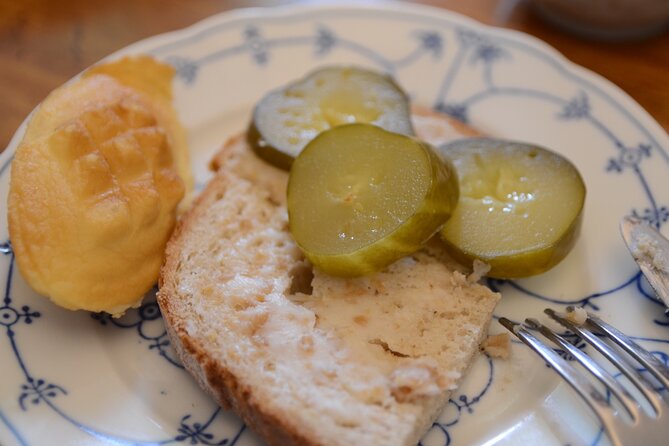
The cooking normally begins with food already set out for the group. Expect Polish cheese, local pickles, cabbage, and other snacks purchased at the market. Polish beer is provided, along with water, tea, and coffee.
These opening bites help you settle in while the host explains the meal. They also show that Polish food is not limited to pierogi. The cheese and pickles bring sharp, salty flavors to the table, while the beer fits the relaxed, social character of the meal.
If you do not drink alcohol, water, tea, and coffee are available. The experience is not built around beer tasting, so you can still enjoy the food and conversation without drinking.
Food needs are handled with some flexibility. Vegetarians are welcome, and the operator says most food allergies can be managed. One class prepared gluten-free pierogi for a participant, which is encouraging, but you should state your needs in advance. Multiple combined allergies or a vegan diet may be harder to accommodate.
Making pierogi step by step
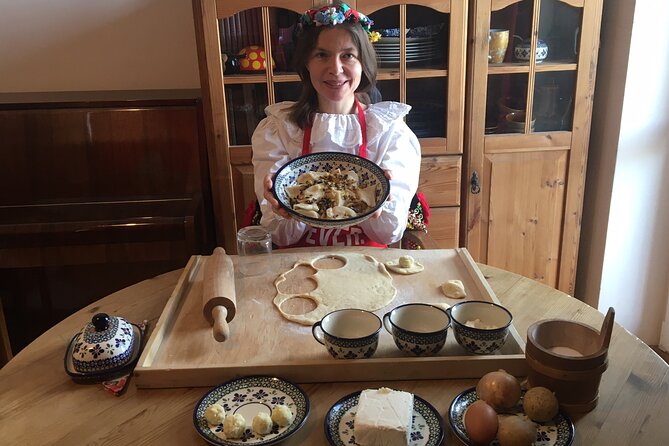
The central lesson covers the dough, filling, shaping, and cooking of the pierogi. You take part rather than watching the host do everything. The class is designed to show you that the dish is manageable at home, even if your first dumplings are not perfectly matched.
The filling can vary with the ingredients purchased at the market. The sample meal includes Polish pierogi as the main course, with cheese and pickles as starters, dessert, and local beer. Specific fillings are not fixed in advance, so you should expect a traditional preparation rather than a menu with several choices.
The small group makes a real difference here. You can ask how thin to roll the dough, how much filling to use, and how to seal the edges. You also get the pleasure of seeing everyone’s dumplings take shape, with plenty of room for a few lopsided examples.
The host explains the process while answering questions about Poland. That conversation is one of the class’s best features. You can ask about meal customs, ingredients, family traditions, and daily life while your hands are busy.
You may receive the recipe after the class. Several classes included enough instruction for participants to feel ready to make pierogi at home, and one group was emailed the recipe. Since this detail may vary by host, ask your guide if you want a written copy.
Sitting down to a home-cooked Polish meal
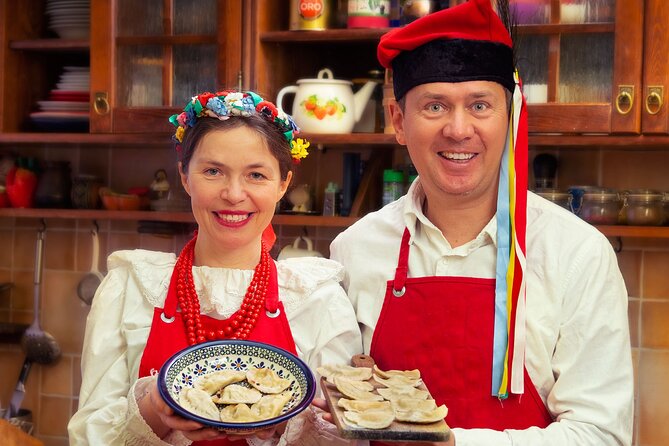
Once the pierogi are cooked, you eat what you made. That simple finish gives the class a satisfying shape: market, kitchen, table. Dessert follows, and the food may include traditional sweets, cake, fruit, or more than one dessert depending on the host.
The meal is not rushed in the style of a restaurant booking. You can talk with the host and ask about Polish culture. That conversation is where the private home setting earns its keep. You get to see how a local presents food and welcomes people, even if only for one afternoon.
I also like the fact that the meal includes the food bought during the market visit. The ingredients have a clear story. You saw them at the stall, carried them to the apartment, prepared them, and then ate them together.
The social element may be especially good for solo visitors and couples. A group of six gives you a chance to meet other people without the size of a large food tour. Families can also enjoy the format, though younger children need to be comfortable with a four-hour activity that includes language practice, transport, and hands-on kitchen work.
What the $114.93 price includes
At $114.93 per person, this is best judged as a half-day cultural activity, not as a cooking lesson priced by the plate. The fee includes the English-speaking guide, market shopping, transport to the private home, snacks, pierogi, dessert, Polish beer, water, tea, and coffee.
You are also getting access to a setting that ordinary restaurant meals do not provide. The host’s time is part of the value. You can ask questions during the class, hear about Polish food habits, and receive guidance at each stage.
The private and small-group options do not offer exactly the same arrangement. Private tours include central hotel pickup, while the small-group option does not include hotel pickup. The standard meeting point is Długa 1, and the activity ends back at that meeting point.
Gratuity is not included. If your guide gives you a warm welcome and careful instruction, budget for a tip. It is optional, but the operator says it is meaningful to the people leading the experience.
Who should book this pierogi class?
I would choose this for you if you want food tied to people and place. It suits visitors who enjoy cooking, asking questions, trying a few local words, and seeing how a meal is made in a real home.
It is also a good choice for:
- Couples looking for a relaxed shared activity
- Families who want something more active than sightseeing
- Solo visitors who enjoy small groups
- Food lovers who want to learn a recipe they can repeat
- Vegetarians and many people with manageable food allergies
- Anyone curious about Polish homes, customs, and everyday meals
I would think twice if you want a professional culinary school, a fixed menu, or a class entirely in the city center. You also need to be comfortable with public transport and a private apartment setting unless you choose the private option with hotel pickup.
The activity is offered in English, and mobile tickets are accepted. Confirmation is provided at booking. You can cancel for a full refund up to 24 hours before the start time. Changes or cancellations inside that window are not accepted.
My take: a strong choice for an edible Krakow memory
I would book this class if I had four hours to spare in Krakow and wanted more than a restaurant meal. The market language practice, small group, and home kitchen give the experience a clear identity. You are not only tasting Polish food. You are learning how it reaches the table.
The main reason to skip it would be a need for a fully accessible, formal studio setting or a strict vegan menu. For most other food-focused visitors, the $114.93 cost is reasonable because it covers instruction, transport, a full meal, drinks, and a personal introduction to Polish home cooking.
If you want to leave Krakow with a recipe, a few Polish words, and a better sense of how local hospitality works, this is a smart booking. Bring an appetite, expect to get your hands busy, and do not worry if your first pierogi looks more artistic than traditional.
FAQ
Where does the Krakow pierogi class begin?
The standard meeting point is Długa 1, 31-147 Kraków, Poland. The activity ends back at the meeting point.
Is hotel pickup available?
Hotel pickup is available for the private tour option from central Krakow hotels. The small-group option does not include hotel pickup.
How many people can join the class?
The activity has a maximum of six participants. This keeps the instruction personal and gives you more opportunity to work directly with the dough.
What food and drinks are included?
The experience includes pierogi, Polish cheese, local pickles, snacks, dessert, Polish beer, water, tea, and coffee.
Can vegetarians or people with food allergies join?
Vegetarians are welcome. The operator says most food allergies can be managed, and gluten-free pierogi have been prepared before. You should provide your dietary information in advance. Vegan diets and multiple combined allergies may be difficult to accommodate.
What happens if I need to cancel?
You can cancel up to 24 hours before the experience for a full refund. Cancellations or changes made less than 24 hours before the start time are not refunded or accepted.
New market tours around the world
- Tel Aviv: 2-Hour Carmel Market Tour in English with Lunch★ 4.8 · 23 reviews
- Tel Aviv: Carmel Market & Neighborhood Guided Walking Tour★ 4.7 · 3 reviews
- Tel Aviv: 2-Hour Jaffa Flea Market Tour with Tastings★ 4.9 · 8 reviews
- Tel Aviv: Carmel Market Food Tasting Tour “Shuk Hacarmel”★ 4.0 · 8 reviews
- Tel Aviv: 2-Hour Levinsky Market Tour with Full Lunch★ 4.7 · 10 reviews
- Tbilisi 2 Parks: Turtle Lake & Dedaena Park with Flea Market★ 5.0 · 3 reviews
- Tbilisi: Street Food & Sightseeing Tour with Local Markets★ 5.0 · 8 reviews
- Teguise: Market and César Manrique Foundation Tour★ 4.3 · 39 reviews
Market Tours, side by side.

Bangkok: Damnoen Saduak Market and Maeklong Railway Market
Read our review →
The Old Siam: Damnoen Saduak and Maeklong Railway Market
Read our review →
Dubai: Old Town, Creek, Museums, Souks, & Street Food Tour
Read our review →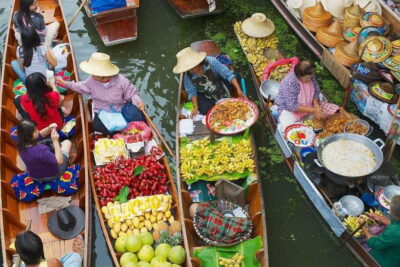
Bangkok: Train Market & Floating Market with Boat Ride
Read our review →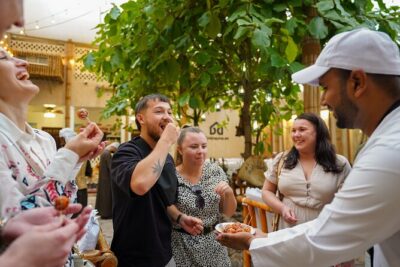
Dubai: Old Town, Souks, Street Food, Guided Tour & Abra Ride
Read our review →
Dubai: Frame Tickets, Creek, Souks & Blue Mosque Guided Tour
Read our review →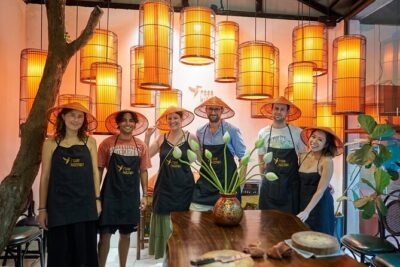
Hanoi Cooking Class: Culture, Local Market & Meaning CSR Impact
Read our review →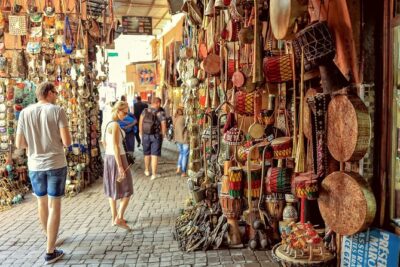
Marrakech: Bahia Palace, Saadian Tombs, Souk and Medina Tour
Read our review →This tour also appears in