Review · INDIA
Agra: Street Food Tour with Spice Market on Tuk-Tuk Ride
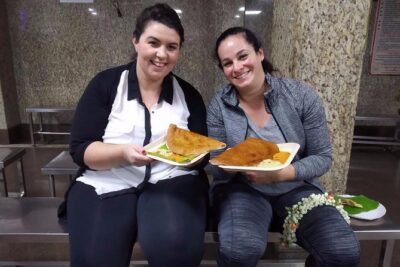
Agra’s street food is best understood one small plate at a time, and this three-hour tour takes you straight into the city’s busy food lanes. You’ll ride by private tuk-tuk and traditional rickshaw, then walk through Old Agra with a guide who explains what you are eating and how it is made. Chaat Gali is the main event, with pani puri, aloo tikki, samosas, jalebi, and other local favorites.
I like the personal service, especially when guides such as Amir and Shubham adjust the tasting to your appetite and comfort level. I also like the easy hotel pickup and the chance to see Agra’s markets from a rickshaw instead of spending the whole afternoon in a car.
The main thing to consider is that this is not only a food outing. The route can include a temple, Jama Masjid, a spice market, and marble or art shops, so the exact balance between eating and sightseeing may vary. You should also arrive hungry, since the portions add up quickly.
Key points at a glance
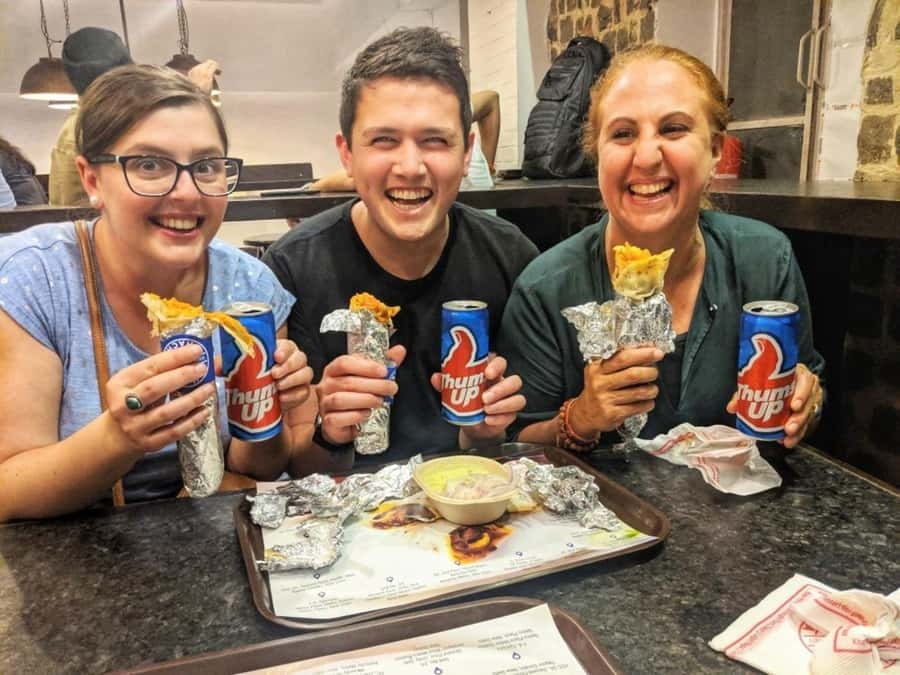
- Chaat Gali tasting: Try pani puri, aloo chaat, aloo tikki, pav bhaji, vada pav, samosas, and kachori.
- Agra sweets: Look for syrup-soaked jalebi, milk-based petha, milk cake, and lassi.
- Private transport: Hotel pickup and return are provided by private tuk-tuk, with a traditional rickshaw ride during the tour.
- Old Agra sights: The route can include Shri Mankameshwar Mandir and Jama Masjid, both close to the old market area.
- Personal guidance: Amir and Shubham are named guides associated with the experience, and the food stops can be adjusted to your taste.
- Good value: At $16 per person, the price covers transport, a private guide, selected food and sweets, water, and the rickshaw ride.
Why this food tour works well in Agra
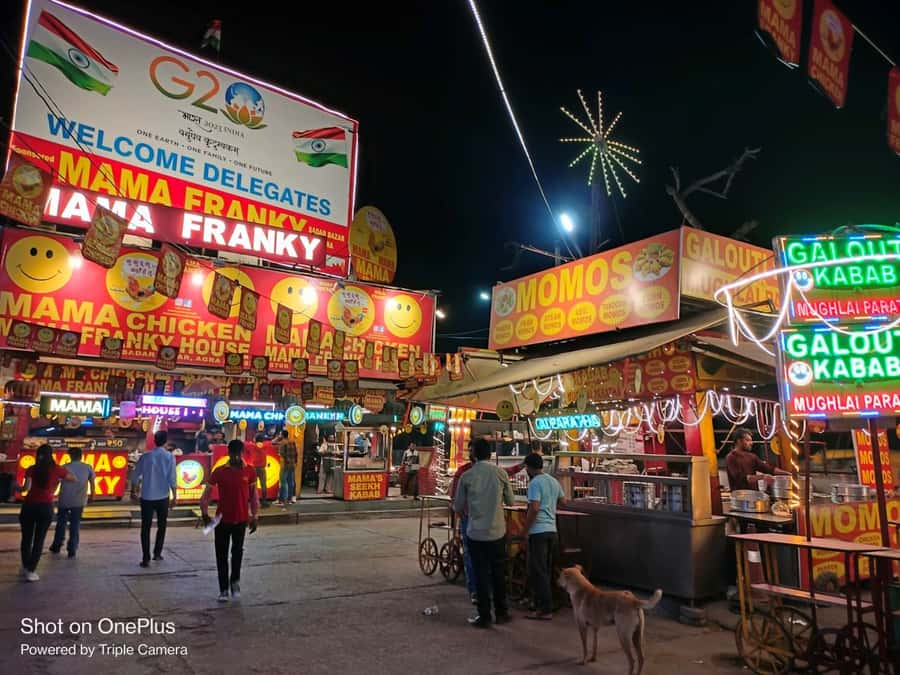
Most Agra sightseeing follows a familiar pattern: Taj Mahal, Agra Fort, hotel, dinner. This tour gives you a useful change of pace. It places you in the old city, where food stalls, shrines, shops, traffic, and daily life all occupy the same narrow streets.
You are not simply handed a plate and left to guess. Your guide explains the ingredients, the cooking method, and the level of spice before you try each item. That matters in India, where the same word, such as chaat or curry, can cover many different preparations.
The tour lasts about three hours and is private or arranged for a small group. That makes it easier to pause for questions, skip a dish, or ask for something less spicy. It also gives you a better chance to stay close to your guide in the crowded market lanes.
The food is the main reason to book, but the setting adds much of the pleasure. A rickshaw ride through the old market lets you watch the city move around you. You see vendors serving customers, shopkeepers arranging goods, and pedestrians sharing space with scooters and cycle rickshaws. It is not polished sightseeing, and that is exactly why it feels useful.
More Market Food Tours in India
- Mumbai: Street Food and Night Markets Tour
★ 4.9 · 719 reviews - Jaipur Bazaar & Food Walking Tour
★ 5.0 · 281 reviews - Mumbai Street Food & Night Markets
★ 5.0 · 225 reviews
Starting with pickup and a tuk-tuk ride
Pickup is available from any desired location in Agra, with start times offered between 3:00 PM and 6:00 PM. This afternoon window is practical if you have spent the morning at the Taj Mahal or Agra Fort.
The private tuk-tuk handles the transfers, including the return to your hotel. You do not need to work out which local vehicle to take next, and you can keep your attention on the streets outside rather than on directions.
Expect the ride to be part sightseeing and part transport. Agra traffic can be noisy and tightly packed, and a tuk-tuk puts you close to it all. If you prefer a quiet, air-conditioned transfer, this may feel basic. If you want to see the city at street level, it is a good fit.
Communication about pickup has been especially useful for guests with changing schedules. One family also made clear that it did not want shopping stops, and the tour respected that request. It is worth stating your preferences clearly at the start, particularly if you want the focus kept on food.
Shri Mankameshwar Mandir and Jama Masjid
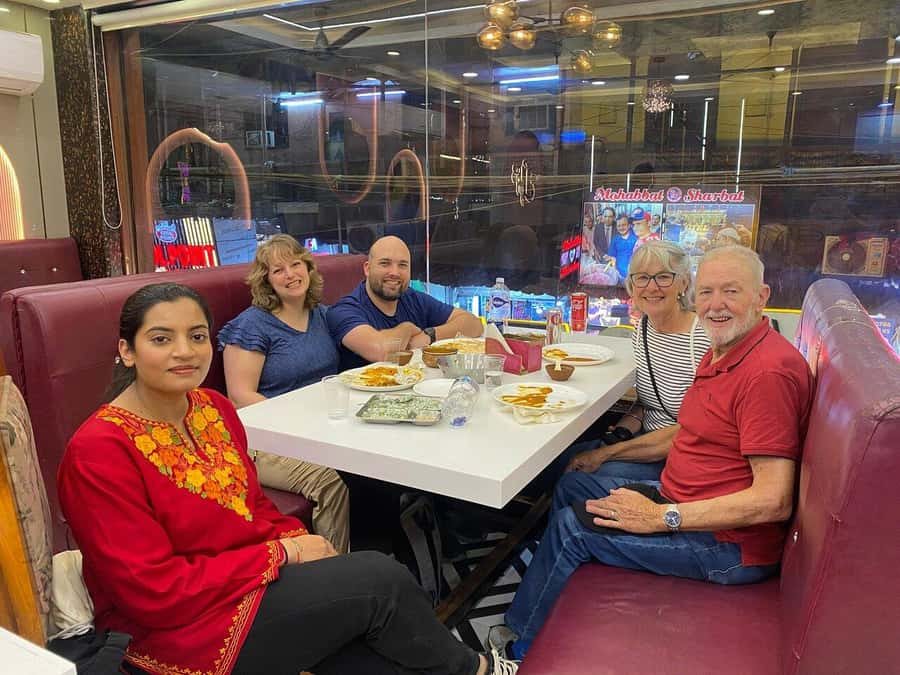
The route may begin or pass through Shri Mankameshwar Mandir, an old Hindu temple dedicated to Lord Shiva. The temple contains a statue and idols of the deity, who is regarded in Hindu belief as the destroyer of evil.
This is a short cultural stop rather than a separate temple tour. You should dress and behave respectfully, and remember that a working place of worship is not simply a photo stop. The temple helps show how religious life remains part of the old city’s everyday rhythm.
Jama Masjid adds another layer to the route. The mosque was built by Jahanara Begum, daughter of Shah Jahan, the Mughal ruler who commissioned the Taj Mahal. Its location near the old market makes it an easy companion to the food walk.
These sights give you context before the tasting begins. Agra’s food traditions did not develop in isolation. The old city has long been shaped by different communities, royal kitchens, religious centers, traders, and neighborhood stalls. You will not get a full lecture on all of that in three hours, but the stops help make the market feel like more than a collection of snack counters.
Chaat Gali, where the tasting begins
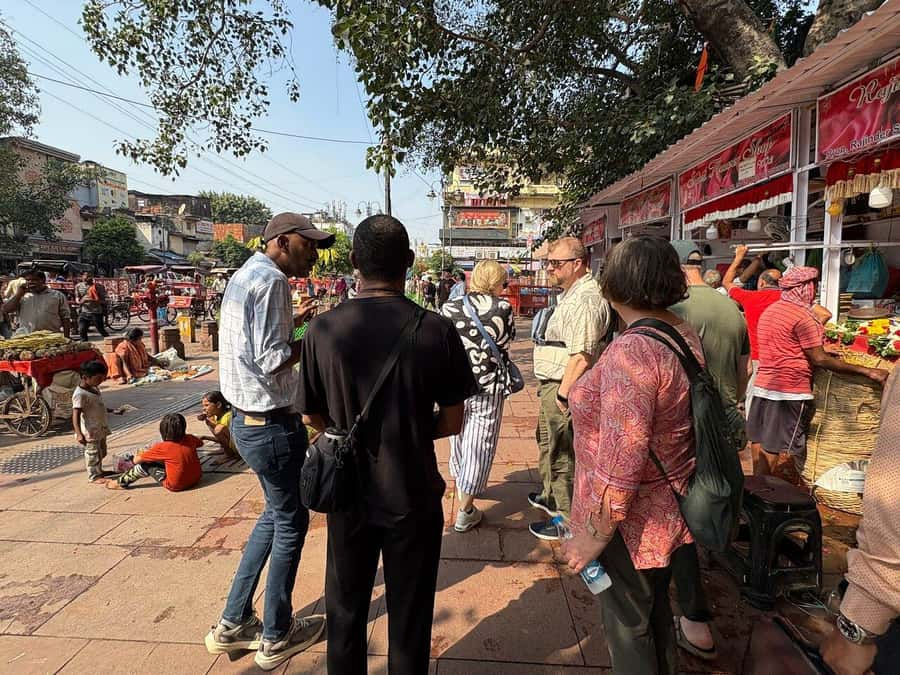
The tour heads to the famous Chaat Gali, a street lined with vendors selling some of North India’s most popular savory snacks. This is the part of the outing where you should pace yourself.
Pani puri is a crisp, hollow shell filled with potato, onion, chickpeas, and flavored water. It is small, quick, and easy to underestimate. Aloo chaat combines potato with chutneys and seasoning, while aloo tikki uses a fried potato patty as its base.
You may also try pav bhaji, a soft bun served with a spiced vegetable mixture, and vada pav, sometimes described as an Indian burger. Vada pav places a fried potato mixture inside a bun with chutneys. Samosas and kachori add more fried pastry, usually with savory fillings.
Your guide helps decide the order and portion size. That is valuable because a generous sampling can become a full meal before you reach the sweets. Amir has been praised for knowing the vendors and helping food arrive without a long wait, which is a small but meaningful advantage in a crowded food lane.
If you have a sensitive stomach, tell your guide before the first stop. The tour is designed around local street food, so it is not a controlled restaurant tasting. You can still ask for milder choices and smaller portions, but you should not expect every dish to be adapted to tourist tastes.
More Spice Market and Bazaar Tours around India:
- Old Delhi Food-Spice Market-Temples Tour Soon Featured on NETFLIX
★ 5.0 · 304 reviews - Old Delhi Odyssey: A Tour of Religion, Spice Market, & Best Food
★ 5.0 · 284 reviews - Agra: Street Food Walking Tour, Spice Market, & Tuk-tuk Ride
★ 4.9 · 102 reviews - Delhi: Old Delhi & Spice Market Tour
★ 4.8 · 45 reviews
Jalebi, petha, lassi, and other sweets
The sweet course is not an afterthought. Jalebi is made by frying coils of batter and soaking them in syrup, giving it a crisp outside and a sticky sweetness. It is best approached as a small taste rather than a dessert you plan to finish after a large meal.
Petha is closely associated with Agra and is a soft, sweet confection made from ash gourd. You may also encounter milk cake and other local treats. One particularly unusual tasting mentioned for this route is ice cream made from buffalo milk, a good example of why a guide can add more than a printed food list.
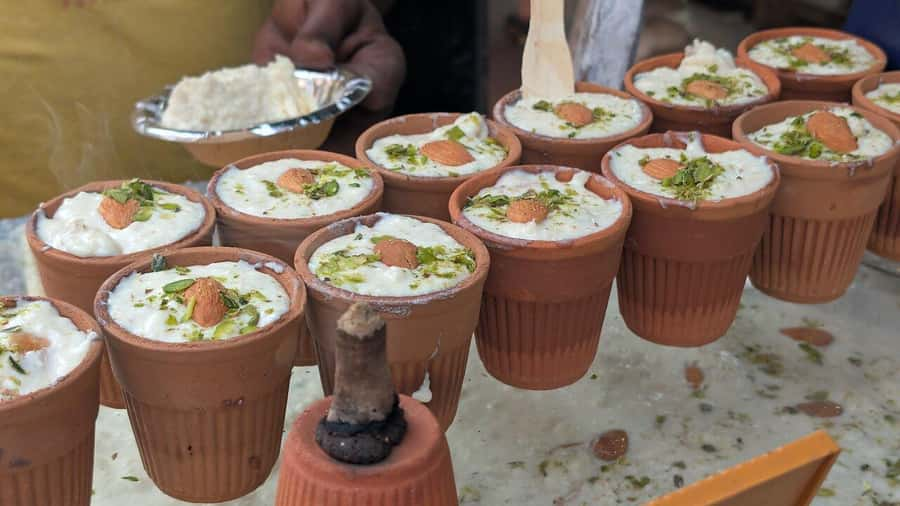
Lassi gives you a cooler, creamy break between savory dishes. You may find it sweet, thick, or lightly spiced depending on the vendor. Your guide can explain what you are trying and point out which foods are meant as snacks, sweets, drinks, or quick meals.
I would treat the food list as a menu of possibilities, not a promise that every item will appear in one fixed sequence. The exact selection depends on what is available, your dietary choices, your appetite, and the options selected at booking. Street food is partly about what is being prepared that afternoon.
The spice market by rickshaw
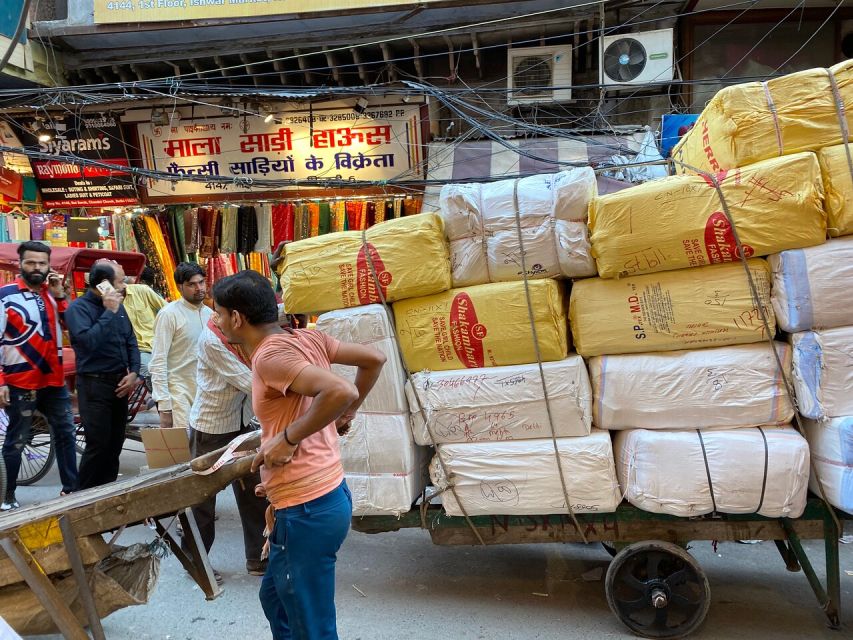
The ride to the spice market is one of the more distinctive parts of the tour. Instead of rushing through the market on foot, you travel by rickshaw and watch the old city pass close by.
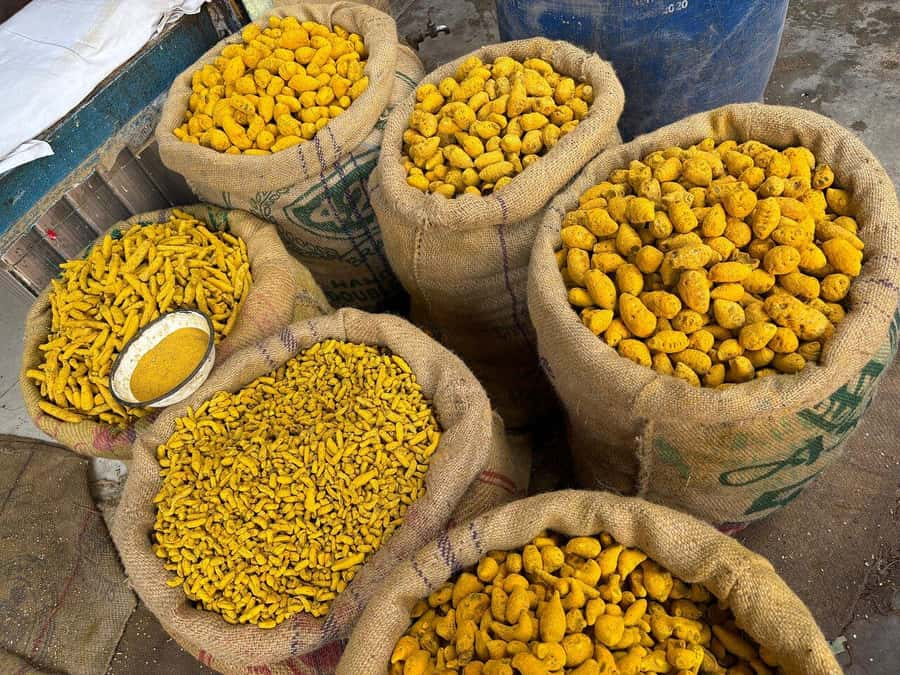
At the market, your guide explains spices and their traditional medical and health uses. This is useful context, but you should treat such explanations as cultural information rather than medical advice. The stop is about understanding how spices fit into cooking and local life, not buying a remedy for an illness.
The rickshaw also changes how you see the streets. On foot, you concentrate on avoiding vehicles and keeping up with the group. From the seat, you have more time to watch the market flow around you. The ride is not luxurious, and traffic can make it noisy, but it gives the afternoon a strong local feel.
The experience may also include a marble workshop or art and embroidery shop. These stops have not been a problem for every group, and one guide made the marble visit interesting without applying hard selling. Still, if shopping is not your priority, say so at pickup. The tour can be most satisfying when you know in advance how much time you want to give to food, sights, and shops.
What the guides add to the afternoon
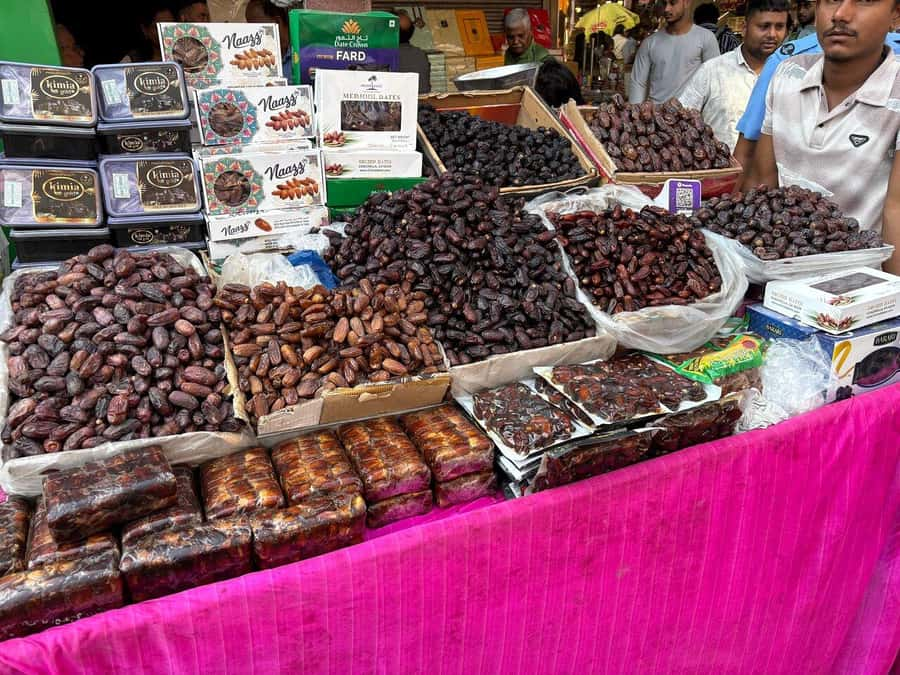
A good street food guide does three jobs. First, the guide helps you find stalls that are suitable for a visitor who does not know the city. Second, the guide explains the food. Third, the guide keeps the walking manageable and helps you move through busy streets safely.
Amir is repeatedly associated with friendly service, careful attention to safety, and strong local food knowledge. He has also helped with dinner recommendations and adjusted a tuk-tuk route when asked. Shubham has been praised for combining food tasting with an Old Agra walk, including Jama Masjid, and for explaining the dishes in an entertaining way.
Your experience may depend on which guide is assigned, but the private format gives you a useful advantage. You can ask why one snack is served with a particular chutney, how a dish is prepared, or which sweet is typical of Agra. You can also say no to an item without slowing down a large group.
Guides speak English and Spanish. Food and sweets are included when that option is selected, and a non-vegetarian option is also available when selected. Check your chosen option carefully if your diet matters, since the basic price does not automatically mean every food add-on is included.
Is $16 a fair price?
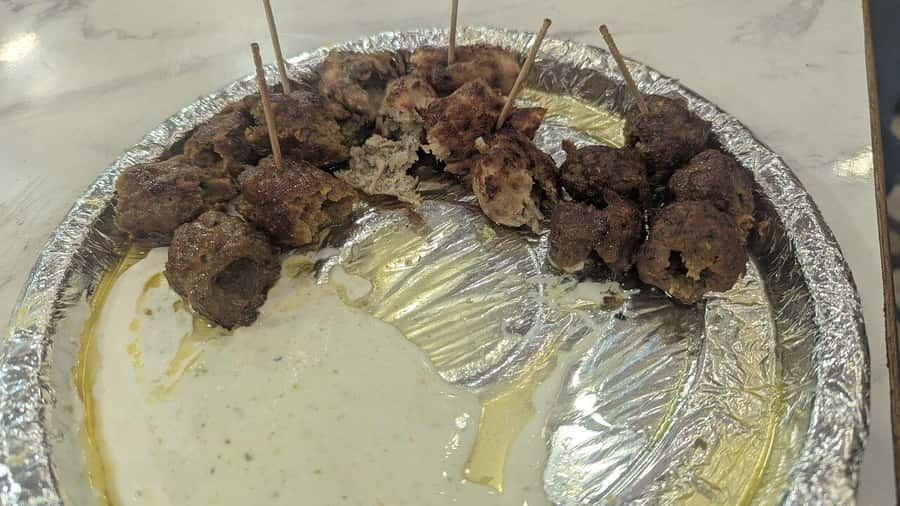
At $16 per person, this is a strong value if you want transport and guidance as well as food. The price includes hotel pickup and drop-off, a private tuk-tuk, a live guide, the traditional rickshaw ride, cold mineral water, and a napkin. Food and sweets are included when that option is selected.
You are paying for access and organization as much as for the snacks. Without a guide, you could certainly buy samosas or jalebi for very little. The value here is having someone lead you through Old Agra, explain unfamiliar dishes, manage the route, and help you decide what to taste.
Personal expenses are not included. You should also allow for the possibility of shopping stops or optional purchases if you choose to visit a marble or art shop. The low price makes the tour appealing for solo visitors and couples, while a family or small group can benefit from the private transport.
Who should book this Agra food tour?
I would recommend it to first-time visitors who want to understand Agra beyond its monuments. It suits curious eaters, couples, families, and solo visitors who would rather have local help than choose food stalls at random.
It is also a good option if you have only one afternoon in the city. The route combines tasting, local transport, market streets, a temple, a mosque, and a spice stop without requiring you to organize each part separately.
You should think twice if you have serious mobility limitations. The experience includes walking through old market streets, getting in and out of tuk-tuks and rickshaws, and moving through crowded areas. Comfortable shoes are essential.
This is also not the right choice if you want a formal restaurant meal or a quiet cultural tour. The appeal is the noise, movement, and uncertainty of street food. Come hungry, keep an open mind, and tell the guide about any food limits before the tasting begins.
Final call: book it for food, access, and local context
Book this tour if you want to sample several Agra specialties in one organized afternoon and prefer a private guide to help you make sense of the food. The combination of Chaat Gali, spice-market transport, Old Agra sights, and rickshaw travel gives you more than a simple snack walk.
The best practical tip is to skip a large meal beforehand. Three hours of pani puri, chole bhature, samosas, kachori, jalebi, petha, lassi, and other samples can fill you quickly.
I would also make your wishes clear at pickup. Ask for a stronger food focus if that is your priority, mention dietary needs, and say if you prefer to skip shops. At $16, the tour offers a lot for the money, especially when you value a safe route, local explanations, and private transport.
FAQ
How long does the Agra street food tour last?
The tour lasts about three hours.
What start times are available?
You can choose a pickup time between 3:00 PM and 6:00 PM.
Is hotel pickup and drop-off included?
Yes. Hotel pickup and drop-off are included, with private tuk-tuk transport.
Which foods can I expect to taste?
Possible tastings include pani puri, aloo chaat, aloo tikki, pav bhaji, vada pav, samosas, kachori, jalebi, petha, lassi, milk cake, and other snacks and sweets. The exact selection can vary.
Is the rickshaw ride included?
Yes. A traditional rickshaw ride is included, including the ride to the spice market.
Which languages are available?
The tour is available with guides who speak English or Spanish.
Is the tour suitable for people with mobility impairments?
No. The tour is not suitable for people with mobility impairments, and comfortable shoes are recommended.
More market rides by bike or tuk-tuk around India
- Jaipur Tuk-Tuk Tour with Flower Market Visit
★ 5.0 · 124 reviews - Jaipur Tour by Tuk-Tuk or Car with Flower Market
★ 5.0 · 120 reviews - Agra: Sadar Bazar Food Market Night Walking Tour by Tuk-Tuk
★ 4.9 · 25 reviews - Jaipur Sightseeing by Tuk-Tuk: Temples, Palaces & Markets
★ 5.0 · 4 reviews
New market tours around India
- Mumbai: Local Markets & Temples Tour★ 4.6 · 45 reviews
- Old Delhi: Spices, Heritage and Bazaars Walking Tour★ 5.0 · 173 reviews
- Old Delhi Street Food and Spice Market Tour★ 5.0 · 12 reviews
- Old Delhi Temples and Spice Market Tour★ 5.0 · 5 reviews
- Old Delhi: Khari Bawli – Asia’s Largest Spice Market★ 5.0 · 3 reviews
- Night Tour: Mumbai’s Nights & Buzzing Bazaars★ 5.0 · 7 reviews
- Mysore: Palace, Art Gallery & Devaraja Market Walking Tour★ 5.0 · 7 reviews
- Mumbai:Dhobi Ghat Laundry,Dharavi Slum & Flower market Tour★ 5.0 · 12 reviews
India Market Tours, side by side.

Old Delhi Food-Spice Market-Temples Tour Soon Featured on NETFLIX
Read our review →Old Delhi Odyssey: A Tour of Religion, Spice Market, & Best Food
Read our review →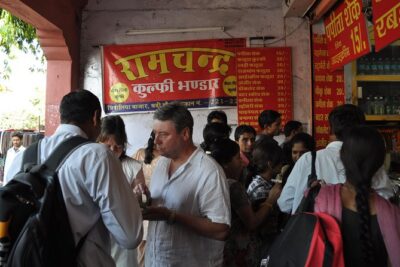

Ultimate Mumbai Full Day: Sights, Bollywood Dance, Lunch & Spices
Read our review →
Old Delhi: Spices, Heritage and Bazaars Walking Tour
Read our review →