
Review · MUMBAI
Mumbai: Local Markets & Temples Tour
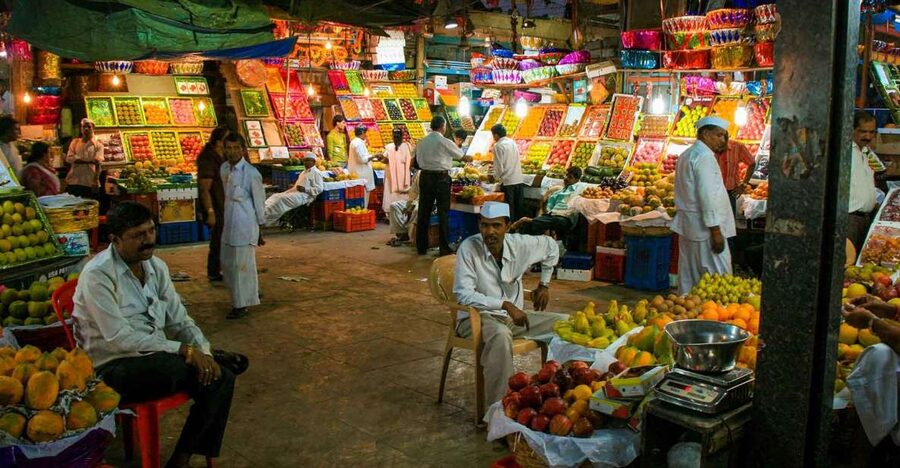
Mumbai’s best street scenes often happen away from the grand monuments. This tour takes you through Crawford Market, Mangaldas Market, and Zaveri Bazaar, where fruit, vegetables, meat, clothing, jewelry, flowers, and food move through the city every day. You also visit Mumbadevi Temple, the shrine linked to Mumbai’s name, and Bombay Panjrapole, a shelter caring for more than 350 cows.
I like the mix of working markets and religious places. I also like the compact length: in roughly three hours, you get a close look at several parts of old Mumbai without giving up a full day. Guides including Rakesh and Javid have been noted for their gentle manner and clear explanations.
The main drawback is the pace. You cover several stops in a short time, and the markets are active, crowded places rather than polished sightseeing sites. You’ll need comfortable shoes, patience, and a willingness to walk through narrow lanes in rain or heat.
Key details to know before you book
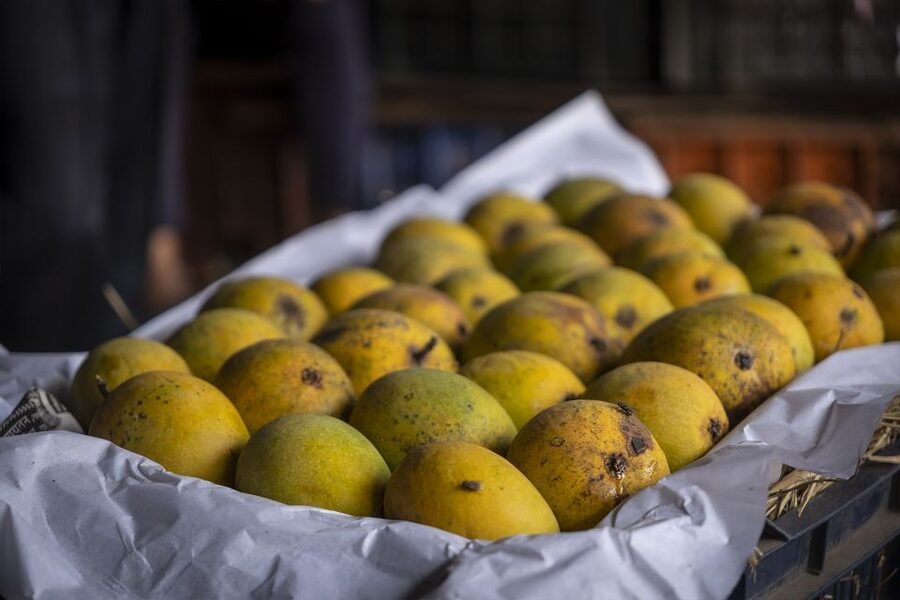
- Crawford Market shows Mumbai at work: Expect wholesale fruit, vegetables, meat, flowers, and other daily supplies rather than a calm shopping hall.
- Mangaldas Market focuses on local textiles: This is where Mumbai residents shop for clothing and fabric, giving you a useful look at everyday commerce.
- Mumbadevi Temple explains the city’s name: The historic Hindu temple connects directly to the name Mumba, an important piece of local identity.
- Bombay Panjrapole cares for more than 350 cows: The shelter offers a different view of Mumbai’s religious customs and animal welfare.
- A black cab links the route: The ride from Regal Cinema takes about 15 minutes, followed by walking between several central stops.
- The price is modest for a private-style city introduction: At $27 per person, the value comes from the guide and access to places that can be hard to understand on your own.
Why this short Mumbai tour works
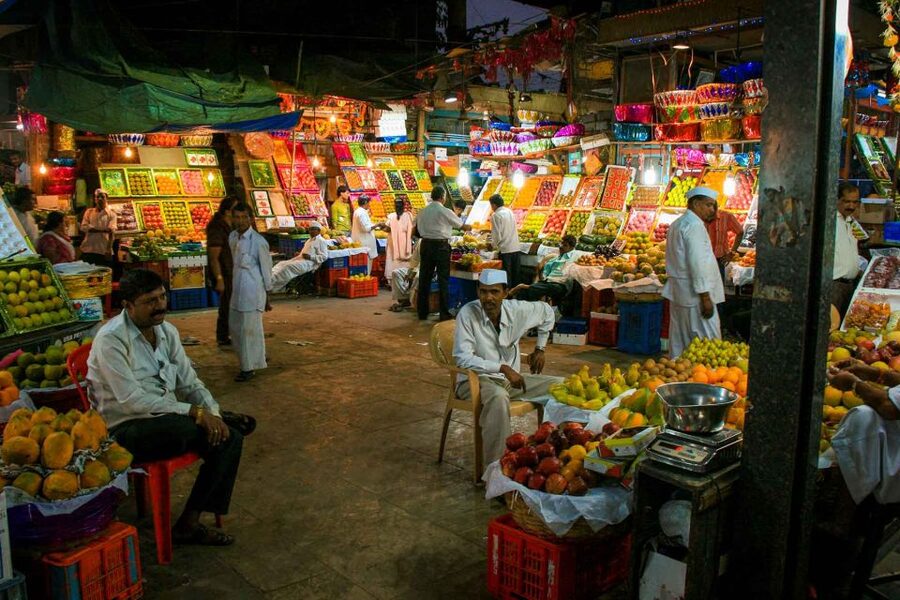
Mumbai can feel like several cities pressed together. Colonial buildings, wholesale trade, temples, railway lines, food stalls, and narrow lanes sit close to one another. This experience makes that jumble easier to read by taking you through places tied to ordinary city life.
You are not simply looking at market stalls. You are seeing where goods enter the city, where local people buy fabric and clothes, how jewelry merchants work around Zaveri Bazaar, and how temples fit into the old street pattern. The guide provides the thread connecting those scenes.
The route lasts about 2.5 to 3 hours. That makes it useful for a first morning in Mumbai, a short stop between major sights, or a day when you want local streets without committing to a full-day tour. It also means the stops are brief. The listed visits range from about five to fifteen minutes, so you should expect an introduction rather than time to browse every lane.
The experience begins at one of two possible starting points around Regal Cinema. Since the exact meeting point can vary with the option booked, check your confirmation carefully. Hotel pickup and drop-off are not included, so you will need to reach the start yourself.
More Local and Farmers Market Tours in Mumbai:
- Hanoi Cooking Class: Culture, Local Market & Meaning CSR Impact
★ 5.0 · 5,147 reviews - Cooking Class and Lunch at a Tuscan Farmhouse with Local Market Tour from Florence
★ 5.0 · 4,831 reviews - Chef Guided Food Tour of Pike Place Market
★ 5.0 · 3,733 reviews
From Regal Cinema to Crawford Market by black cab
The tour begins with a roughly 15-minute black-cab ride. This is a practical way to move from the starting point toward the market district, and it gives you a short introduction to Mumbai’s traffic and street life before the walking portion begins.
Do not think of the cab ride as a private sightseeing circuit. Its value is mainly transport. The heart of the experience begins when you reach Crawford Market and start moving through the trading streets.
Crawford Market: Mumbai’s daily supply line
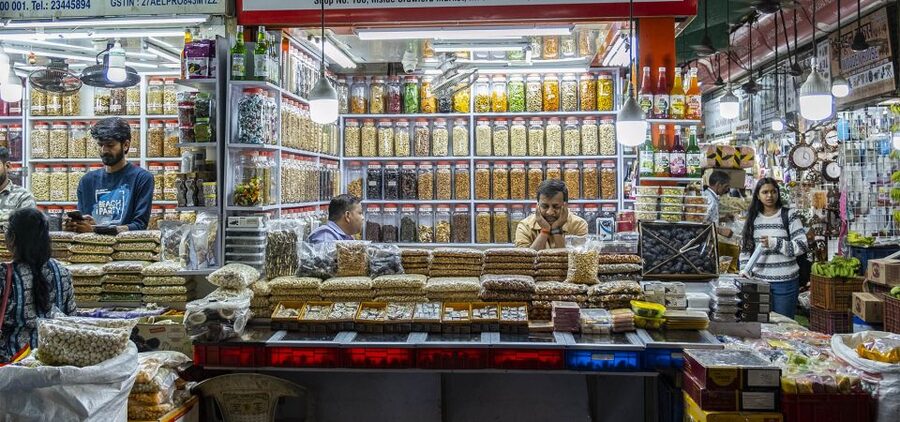
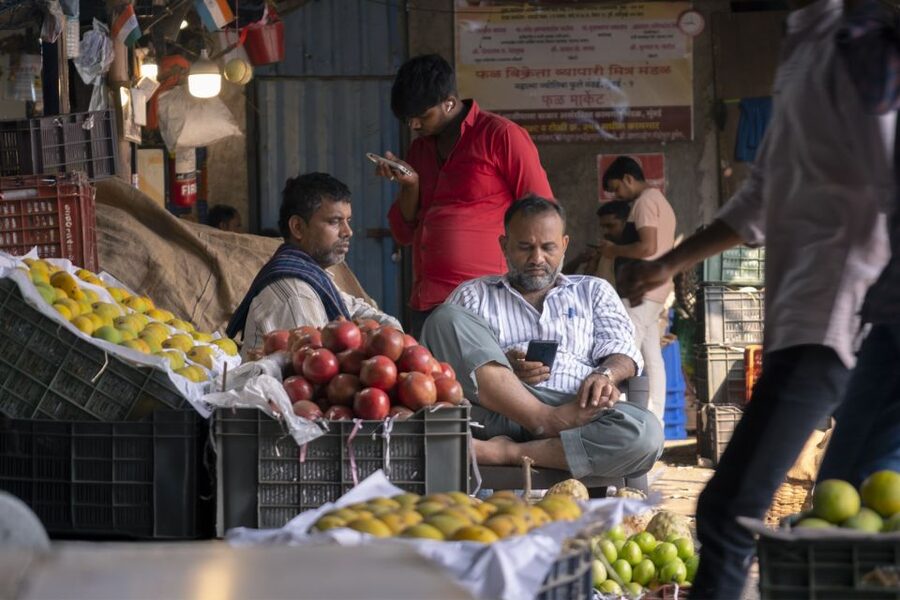
Crawford Market is one of the major stops, and it gives the tour its strongest sense of place. You see a wholesale market handling fruit, vegetables, meat, and other food goods. The point is not a neat row of souvenir stalls. It is a working part of the city.
This is where the tour feels most useful with a guide. A first-time visitor may see a blur of carts, produce, sellers, customers, and narrow passages. Your guide can explain what is being sold and how the market fits into Mumbai’s daily life.
The visit is listed at about 15 minutes, so keep your expectations sensible. You will get a focused walk and explanation, not a long shopping session. Wear shoes you can trust, keep your belongings close, and avoid bringing the idea that you will pause for a quiet photograph every few steps.
The market may be especially rewarding for people interested in food systems and urban life. It shows the practical side of Mumbai, where the city’s meals begin before most visitors reach a restaurant.
Mangaldas Market and the clothing trade
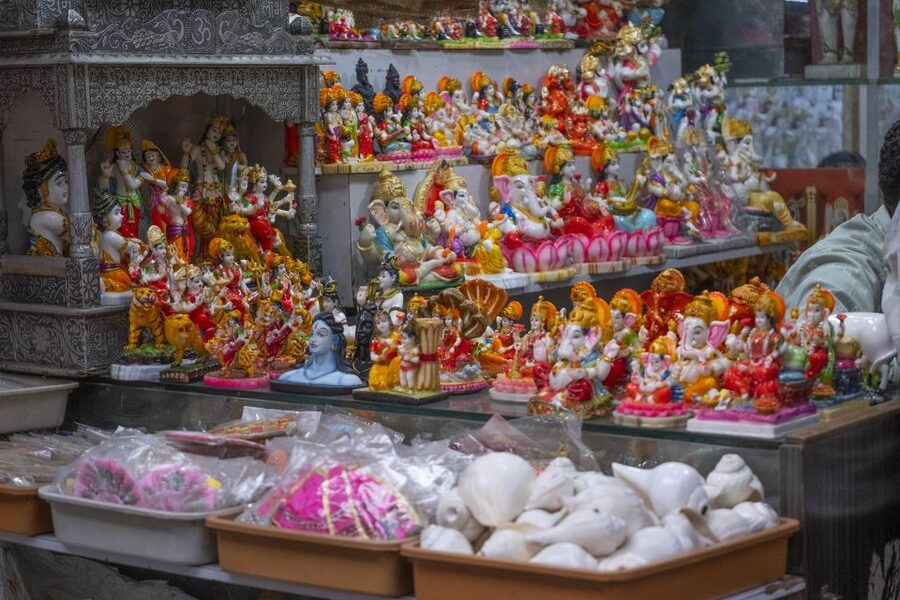
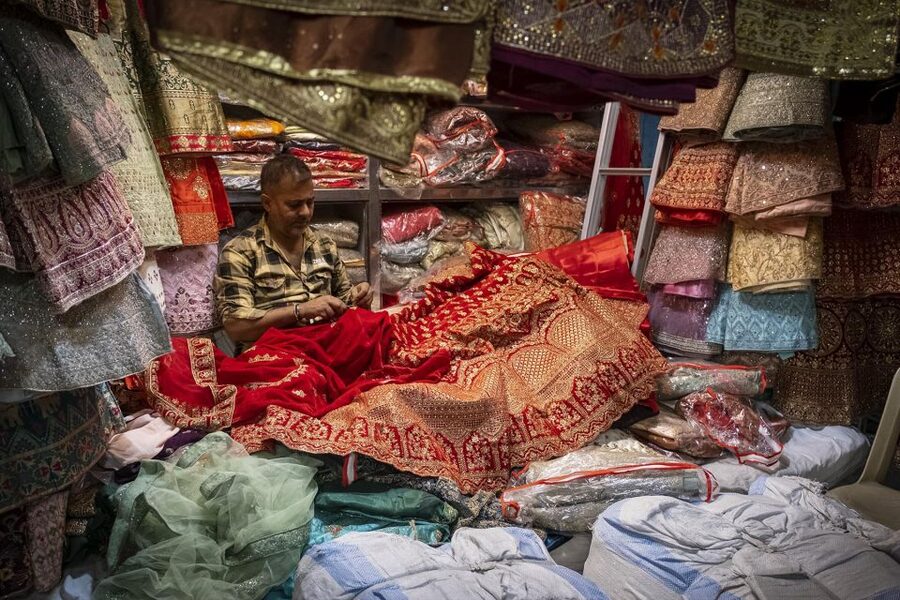
Mangaldas Market changes the subject from food to textiles. It is described as Mumbai’s largest indoor wholesale textile market, and locals shop here for clothing and fabric. That makes it more than a quick photo stop. It shows how people buy and sell everyday goods in a setting aimed at local trade.
You pass through the market with a guide, with around ten minutes assigned to the stop. The short visit gives you the basic picture of the market’s role, but it may not leave much time for careful comparison or serious shopping.
I like this part because it keeps the tour grounded in normal city activity. You are not being shown only grand temples and colonial façades. You are also seeing the commercial networks that dress the city.
If you hope to buy fabric, ask the guide how much time is available before you start negotiating or examining items. The tour’s schedule is tight, and the group needs to keep moving.
More market tours around Mumbai:
- Mumbai: Street Food and Night Markets Tour
★ 4.9 · 719 reviews - Mumbai Street Food & Night Markets
★ 5.0 · 225 reviews - Mumbai Street Food and Evening Bazaar Tour
★ 5.0 · 172 reviews - Mumbai Morning Market Tour of Flowers, Fish, and More
★ 5.0 · 100 reviews
Zaveri Bazaar and old Mumbai’s jewelry lanes
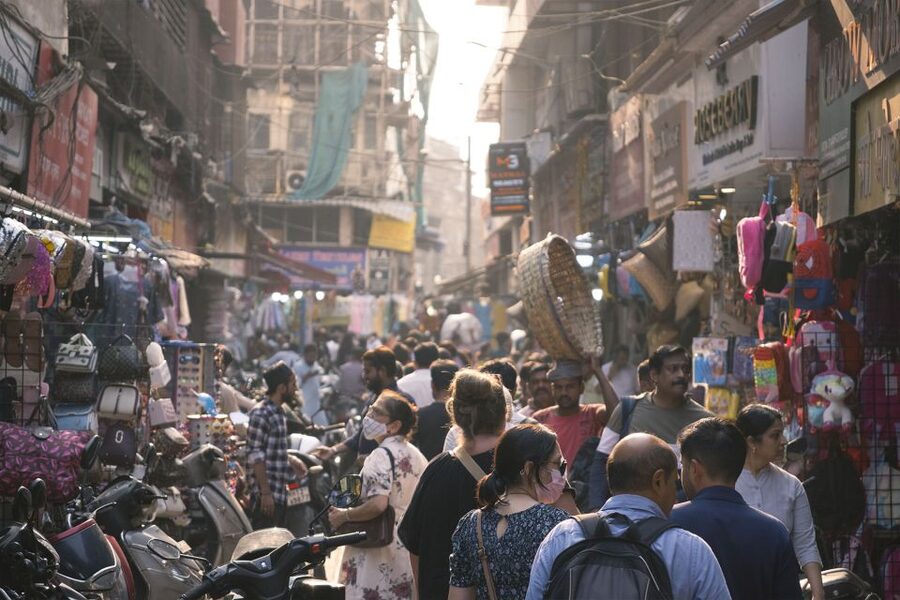
Zaveri Bazaar brings you into one of Mumbai’s best-known commercial districts. The route includes a guided visit and sightseeing, with roughly ten minutes here. You should expect a short orientation to the area rather than a detailed jewelry-shopping appointment.
This stop adds another layer to the market story. Crawford handles food supplies, Mangaldas focuses on textiles, and Zaveri Bazaar brings in jewelry and precious-metal commerce. Taken together, the markets show how specialized Mumbai’s old trading quarters can be.
The lanes can feel intense, especially if you are used to broad shopping streets. That is part of the point, but it can also be tiring. Keep your group in sight and listen for the guide’s instructions before crossing or stopping for pictures.
A brief local restaurant stop
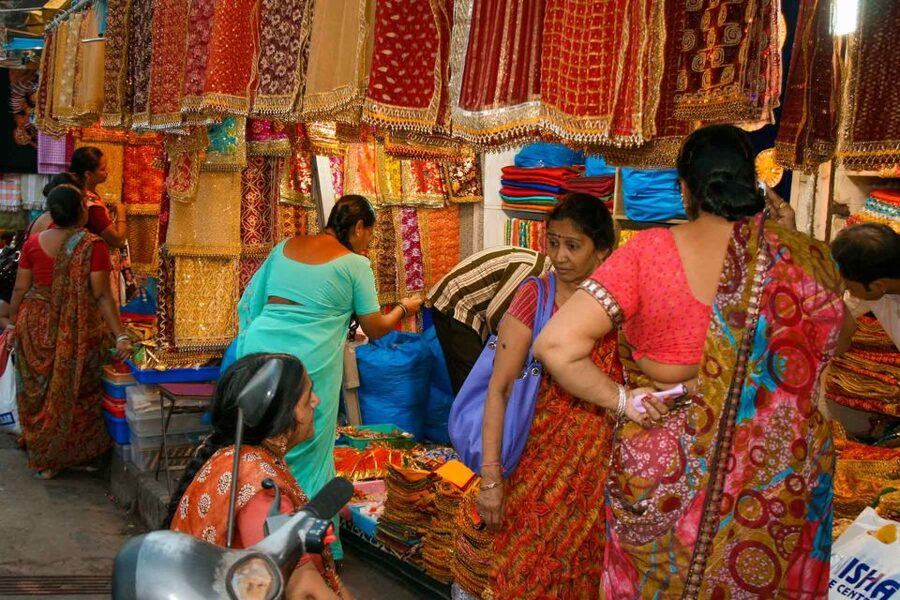
The route passes a local restaurant for about five minutes. Food is not included, so this is not a scheduled meal or tasting. Treat it as a quick look at the area’s food culture rather than a chance to sit down and eat.
This detail matters when you plan your day. Have breakfast before the tour or arrange a proper meal afterward. The route includes food markets and a restaurant, but it does not provide lunch.
Mumbadevi Temple and the name Mumbai
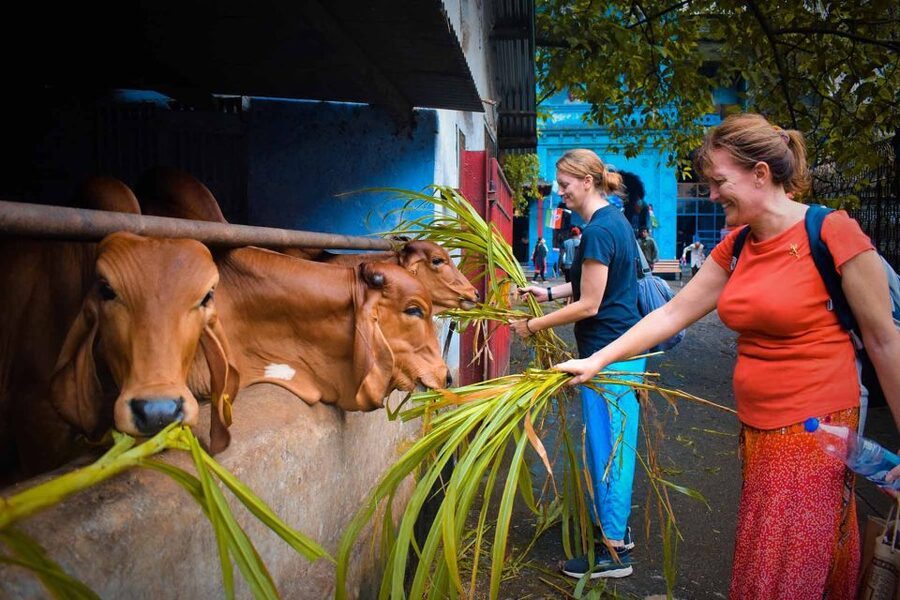
Mumbadevi Temple is one of the most meaningful stops because it connects directly to the city’s name. The temple is dedicated to Mumbadevi, and the name Mumbai is linked to Mumba. You visit with a guide and walk through the surrounding area.
The listed temple visit lasts around ten minutes. That is enough for an introduction, but not for a long period of quiet observation. Religious sites also require a respectful approach. Follow the guide’s directions, dress sensibly, and remember that this is an active place of worship rather than a museum.
For many people, this will be the tour’s clearest link between Mumbai’s present-day identity and its older religious traditions. It also shows how a temple can sit within a busy commercial district instead of being separated from ordinary street life.
One useful expectation: this is not a tour of Mumbai’s most famous grand temples. The focus is Mumbadevi and the older lanes around the market areas. If you want a wider survey of major temples across the city, you may need a separate experience.
Bombay Panjrapole and more than 350 cows
The final major stop is Shri Mumbai Panjrapole, also known as Bombay Panjrapole. It is a sanctuary for the welfare of more than 350 cows. The visit lasts about 15 minutes and gives the tour a change of pace after the markets and crowded lanes.
This stop helps explain why cows have such a visible place in Indian religious and cultural life. It is also a working animal shelter, not just a symbolic sight. Your guide can provide context for the role of the sanctuary and the care given to the animals.
I appreciate the contrast here. The markets show Mumbai’s trade and movement; the temple shows worship; the cow shelter shows a form of organized care shaped by religious values. In a short tour, that is a useful range of subjects.
Do not expect a farm visit or a long animal encounter. The stop is brief, and the experience is primarily guided sightseeing. Follow the shelter’s rules and listen to the guide about appropriate behavior.
How much value do you get for $27?
At $27 per person, this tour offers solid value if you want context rather than independent wandering. The price includes an English-speaking local guide, water or cold drinks, the black-cab transfer listed in the route, and guided visits to several distinct areas.
The biggest part of the value is the guide. Markets such as Crawford and Mangaldas can be confusing when you do not know what you are looking at or how the lanes connect. A guide turns a fast-moving scene into something you can understand.
The price does not include food, hotel pickup, or hotel drop-off. Factor in your transport to Regal Cinema and your meal before or after the tour. If you are booking a private group, the cost may make more sense for families or friends who want a focused introduction.
The tour has an overall rating of 4.6 from 45 ratings, and the strongest praise centers on the guides’ personal approach and explanations. Rakesh is described as a gentle, well-spoken guide with strong devotion and enthusiasm for the markets and temple. Javid is noted for being kind, personable, and clear about Mumbai’s culture and history. These guides are not guaranteed, but their names give you a useful idea of the style to expect: human, local, and explanation-led.
Timing, walking, and weather
The total duration is short, but the route is active. You ride for about 15 minutes, then walk through several markets, temple lanes, and the cow shelter. The individual stops are brief, so the tour feels more like a moving street lesson than a series of long visits.
Wear shoes suited to uneven or crowded city streets. Carry only what you need, keep water available, and allow extra time if the weather is hot or wet. The tour operates rain or shine, and the market lanes may feel very different depending on the conditions.
There are two possible drop-off locations: Chhatrapati Shivaji Terminus or Charni Road Railway Station in Girgaon. Those endings can help you continue sightseeing or connect with public transport, but check which option applies to your booking.
The tour is offered with a live English-speaking guide, and a private group option is available. A private group may be worth considering if you want to pause for questions or manage the pace more easily. The standard format may suit you if you prefer a compact route with clear movement from one stop to the next.
Who should choose this experience?
I would choose this tour if you want to understand Mumbai through local commerce and religion. It suits first-time visitors who want more than landmark photographs, photographers who enjoy street scenes, and anyone interested in how a major city supplies itself.
It is also a good fit for people with limited time. In three hours, you see markets, a temple, a historic neighborhood, and a cow sanctuary. You do not need to spend a full day planning a route through these areas.
You may want something else if you dislike crowds, prefer long visits at each sight, or want a food-focused tour. Food is visible along the way, but no food is included. You should also choose another tour if your main goal is Mumbai’s grandest temples, since Mumbadevi is the central religious stop here.
Free cancellation is available up to 24 hours before the start, and you can reserve now and pay later. Those terms help if your Mumbai schedule is still changing, though the meeting point can vary by booking option.
Should you book the Mumbai markets and temples tour?
Book it if you want a brisk, guided look at the working heart of old Mumbai. The combination of wholesale markets, Mumbadevi Temple, and Bombay Panjrapole gives you more cultural range than a simple shopping walk, while the $27 price keeps it accessible.
Go in ready for noise, crowds, short visits, and plenty of walking. If you do, the tour offers a practical way to see how Mumbai’s food trade, textile business, jewelry lanes, worship, and animal care fit together. For a first taste of the city’s everyday character, it is a sensible choice.
FAQ
How long does the Mumbai markets and temples tour last?
The tour lasts approximately 2.5 to 3 hours. Starting times depend on availability.
Where does the tour begin?
The listed starting option is at Regal Cinema, though the meeting point may vary depending on the option booked.
What markets are included?
The route includes Crawford Market, Mangaldas Market, and Zaveri Bazaar. It also passes through Flower Alley and other old Mumbai lanes.
Is food included?
No. Food is not included. The route includes a brief stop or pass by a local restaurant, but it is not a scheduled meal.
What does the price include?
The $27 price includes a local English-speaking guide and water or cold drinks. Hotel pickup, hotel drop-off, and food are not included.
Where does the tour finish?
Drop-off options include Chhatrapati Shivaji Terminus and Charni Road Railway Station in Girgaon. The available drop-off may depend on the option booked.
New market tours around Mumbai
- Night Tour: Mumbai’s Nights & Buzzing Bazaars★ 5.0 · 7 reviews
- Mumbai:Dhobi Ghat Laundry,Dharavi Slum & Flower market Tour★ 5.0 · 12 reviews
- Mumbai Morning Market Tour of Flowers, Fish, and More★ 5.0 · 100 reviews
- Mumbai Street Food Tour with Evening Bazaar Walk★ 4.9 · 79 reviews
- Mumbai Heritage, Street Food & Bazaar Walking Tour★ 5.0 · 4 reviews
- Mumbai Market and Temple Tour With Cow Shelter Visit★ 4.3 · 3 reviews
- Mumbai: Magical Markets Tour★ 4.5 · 23 reviews
- Mumbai Market Tour★ 4.6 · 12 reviews
Mumbai Market Tours, side by side.

Ultimate Mumbai Full Day: Sights, Bollywood Dance, Lunch & Spices
Read our review →
Mumbai Morning Market Tour of Flowers, Fish, and More
Read our review →
Mumbai:Dhobi Ghat Laundry,Dharavi Slum & Flower market Tour
Read our review →
Mumbai: Evening Street Food Tasting & Cultural Market Tour
Read our review →This tour also appears in