
Review · MUMBAI
Mumbai Market Tour
South Mumbai’s markets give you a more revealing look at the city than a quick run through its famous landmarks. You move past colonial buildings, temples, mosques, flower sellers, spice stalls, fabric shops, and carts loaded with snacks. I like the chance to see how Mumbai shops and socializes in its old market districts, rather than simply photographing grand buildings. I also like the practical help with bargaining, especially in the textile market.
The English-speaking guides can make the walk much more useful. Kieran is praised for explaining local life, while Dinesh is noted for a relaxed pace and strong market knowledge. The main caution is that the experience may include several shopping-oriented stops, and one unhappy customer felt it was closer to a buying tour than a cultural walk.
Key points to know before booking
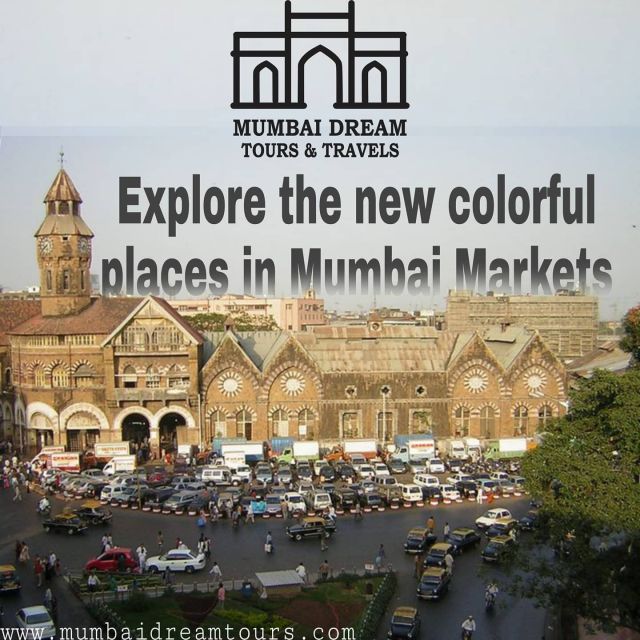
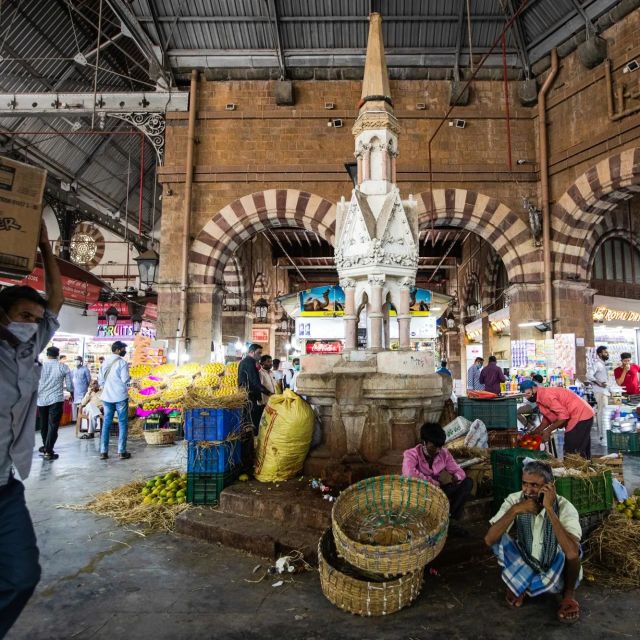
- Crawford Market brings several themes together: Expect produce, spices, flowers, household goods, scented candles, cake molds, party supplies, and accessories in one of South Mumbai’s best-known market areas.
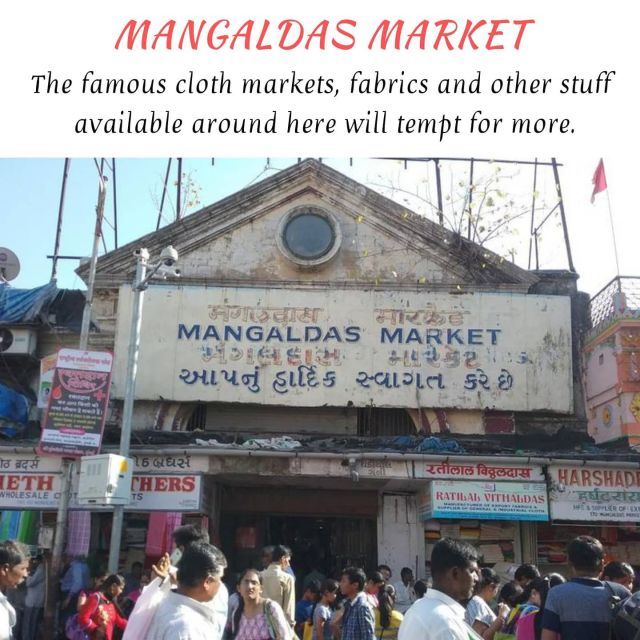
- Mangaldas Market is the main textile stop: It is a useful place to compare fabrics and clothing, but bargain firmly and do not feel obliged to buy.
- Religious sites add local context: Jama Masjid, Mumba Devi Temple, and Madhav Baugh help connect the market streets with Mumbai’s religious life.
- The strongest guides teach as they walk: Kieran and Dinesh are specifically praised for clear explanations, patience, and a well-judged pace.
- The tour suits curious shoppers: It works best if you enjoy browsing, asking questions, tasting or examining local goods, and seeing ordinary city life.
- Keep your expectations clear: This is not a quiet museum-style walk. Sellers, narrow streets, and commercial stops are part of the experience.
Why South Mumbai’s markets tell you more than a landmark visit
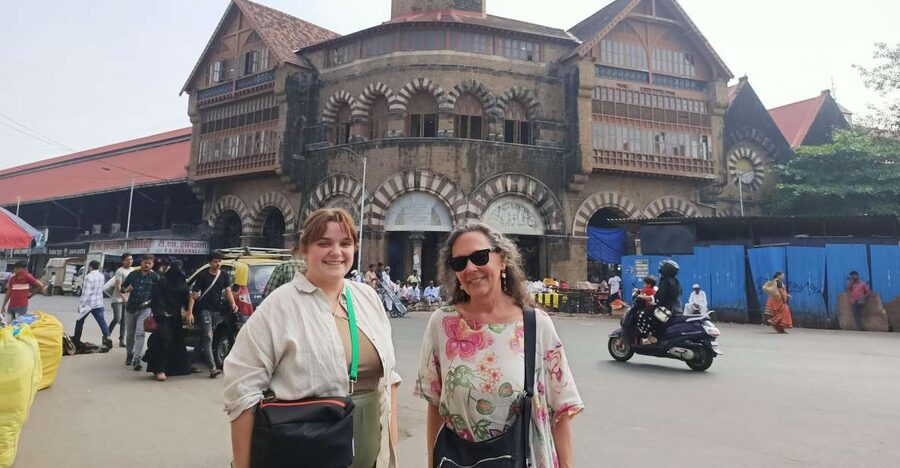
I like this tour because it puts you in the middle of Mumbai’s everyday trade. A grand colonial building can tell you about the city’s past, but a market shows how the city works right now. Vendors call out from carts, shoppers compare prices, flowers change hands, and narrow lanes carry on beside broad streets.
The setting is part of the appeal. You may pass colonial facades, temples, mosques, and old commercial buildings within a short walk. The contrast is sharp: formal architecture on one side, piles of produce or fabric on the other. That mixture is what gives the route its character.
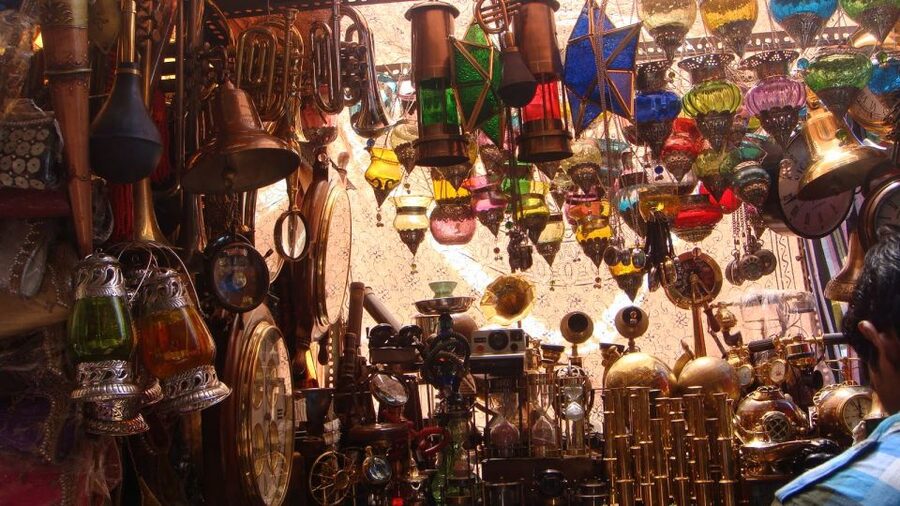
This is not a polished shopping mall experience. Goods are displayed in stalls, shops, carts, and crowded interiors. You may see colorful birds, spicy snacks, flowers, Indian clothes, and daily-use items close together. For me, that variety makes the walk more useful than a market visit focused on only one product.
The tour costs $23 per person. That is fair if you want an English-speaking guide to explain what you are seeing, help you handle bargaining, and lead you through a large commercial area without having to work out every stop yourself. The value is less about included purchases and more about orientation, explanation, and access to places that can feel confusing on your own.
More market tours around Mumbai:
- Mumbai: Street Food and Night Markets Tour
★ 4.9 · 719 reviews - Mumbai Street Food & Night Markets
★ 5.0 · 225 reviews - Mumbai Street Food and Evening Bazaar Tour
★ 5.0 · 172 reviews
Crawford Market and the many sides of one famous stop
Crawford Market is the best-known market on the route and appears to cover several different interests. You may find fresh produce, spices, scented candles, cake molds, party supplies, clothing accessories, and other small goods.
That mix matters because it gives you a broad introduction to Mumbai’s shopping culture. You are not limited to one souvenir category. If you like food, the spice section should interest you. If you enjoy browsing household goods, there may be plenty of small items to inspect. If you are looking for something practical or decorative, the candles, molds, accessories, and party supplies offer a different angle.
The market is also a place to watch transactions. A guide can explain what is being sold, how goods are displayed, and how to approach a purchase. That help is especially useful if you are unsure when to bargain or how strongly to negotiate.
Still, you should not expect every part of Crawford Market to feel like a sightseeing attraction. Some stalls are simply shops serving local customers. That is part of the point, but it also means the experience can feel commercial rather than scenic.
The spice section may overlap with the separate spice-market portion of the tour. This is not necessarily a problem. Spices are among the most visually and fragrant parts of the route, and an English-speaking guide can help you identify familiar items such as cumin, coriander, turmeric, and cardamom.
Mangaldas Market and the art of buying fabric
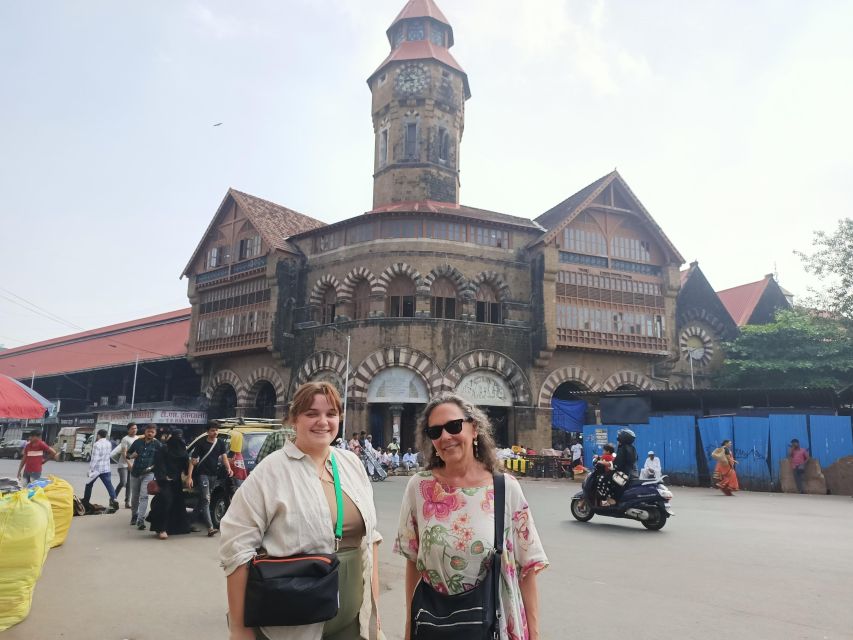
Mangaldas Market is the main stop for textiles and fabrics. This is likely to be one of the more hands-on parts of the experience. You may look through rolls of cloth, compare colors and textures, and consider Indian clothing or fabric as a practical souvenir.
The shopping can take time, especially if you are interested in textiles. One guide was praised for patience in this market, which is useful because fabric shopping is rarely a quick glance and go activity. You may need to explain what you want, compare several choices, and decide if the price makes sense.
I would arrive with a simple plan. Know whether you want fabric, ready-made clothing, or only a look at the market. If you are buying, ask the guide for help with bargaining, but remember that the final choice and price are yours. A friendly shopkeeper does not mean you must purchase.
This stop also shows the difference between a market tour and a sightseeing walk. You are not only looking at buildings. You are handling goods, speaking with sellers, and seeing how a major textile trade works. That can be rewarding if you enjoy shopping with local context.
The drawback is clear: if you dislike sales pressure, this may be the least comfortable part of the route. One negative account described several shop visits and felt the prices were too high. I would treat the listed price as a guide to the market area, not a promise that every shopping stop will feel purely cultural.
Spices, flowers, and jewelry in close quarters
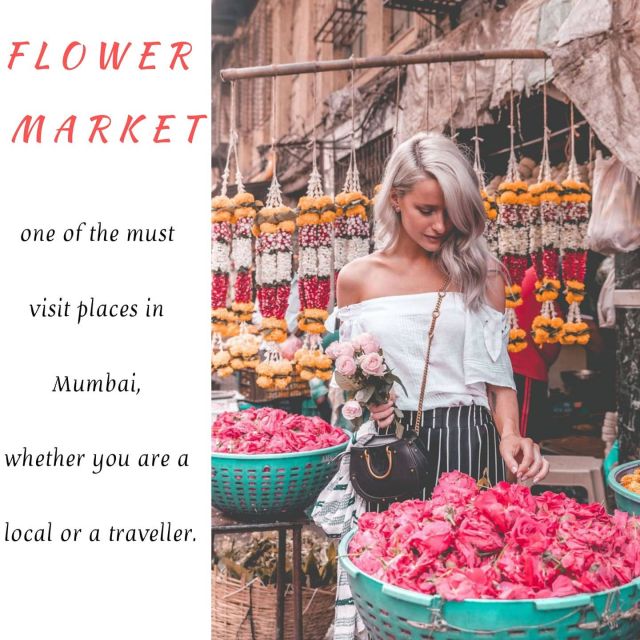
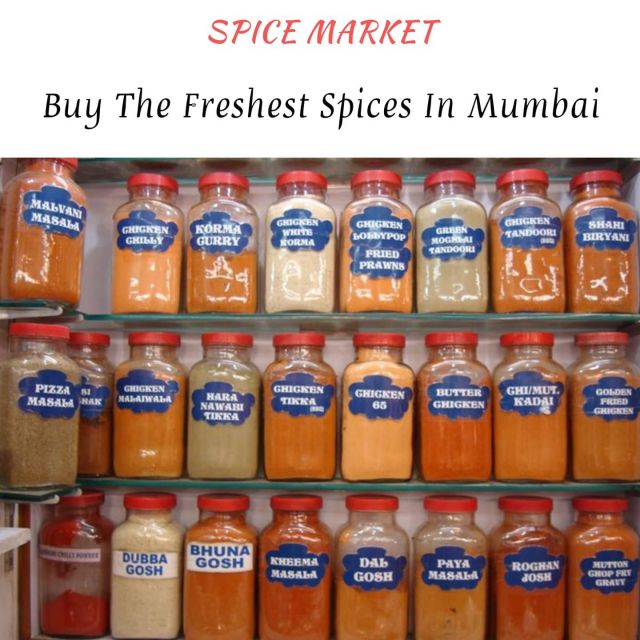
The spice market gives the route its strongest food connection. You can expect familiar Indian spices such as cumin, coriander, turmeric, and cardamom, along with the sights and smells of fresh produce trading. Even if you are not buying, this is a good place to notice how ingredients move from market stalls into homes and restaurants.
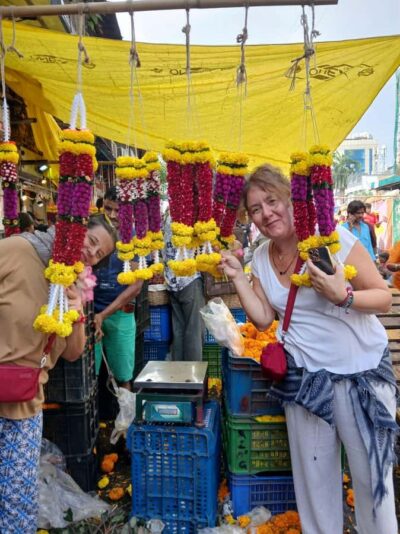
The flower market offers a completely different mood. Marigolds, roses, lilies, and orchids are among the flowers you may see. The color comes from the goods themselves, not from decoration added for visitors. Flower sellers work with material that is used for worship, ceremonies, gifts, and daily business.
This stop can be especially useful if you want to understand how religious and commercial life overlap in Mumbai. Flowers are not only pretty objects. They can carry a practical and devotional role, which helps explain why the market has such a strong place in the city.
The jewelry market adds another layer. You may find gold, silver, diamond jewelry, and precious or semi-precious stones. It is one of the older and busier commercial areas mentioned for the tour, so you should browse carefully and avoid rushing into a purchase.
I would treat jewelry as a viewing and learning stop unless you already know what you want and feel confident checking quality and price. The guide can help you understand the setting, but the tour information does not promise independent appraisals or purchase guarantees. For most people, the value here is seeing a specialist market and watching local commerce at close range.
Same city, another market:
- Ultimate Mumbai Full Day: Sights, Bollywood Dance, Lunch & Spices
★ 5.0 · 201 reviews - Mumbai Morning Market Tour of Flowers, Fish, and More
★ 5.0 · 100 reviews - Mumbai Street Food Tour with Evening Bazaar Walk
★ 4.9 · 79 reviews - Mumbai: Local Markets & Temples Tour
★ 4.6 · 45 reviews
Jama Masjid, Mumba Devi Temple, and Madhav Baugh
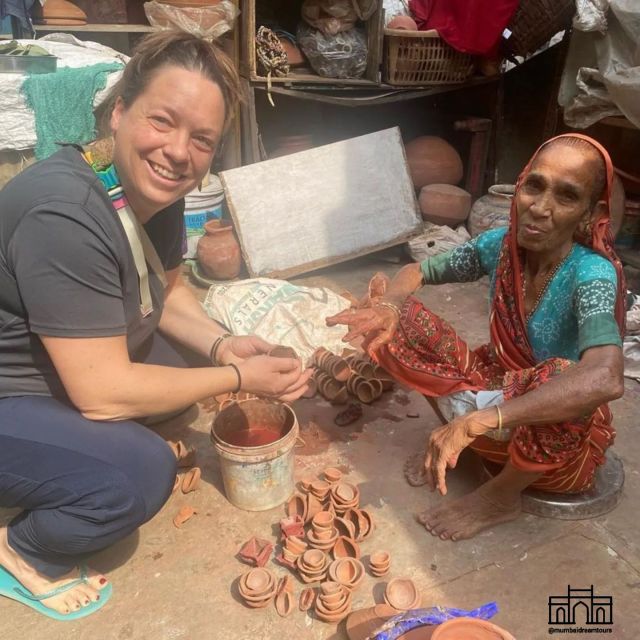
The religious sites help keep the market walk from becoming only a shopping trip. Jama Masjid and Mumba Devi Temple bring different religious traditions into the same South Mumbai route. Madhav Baugh adds another local site to the itinerary.
The appeal is not simply ticking off three names. These places help explain why the surrounding streets contain flower sellers, cloth merchants, incense or spice connections, and a constant flow of people. Markets in Mumbai are tied to homes, worship, celebrations, food, and neighborhood routines.
You should keep your expectations realistic. The information provided does not promise long guided visits inside each site, detailed religious instruction, or an extended architectural tour. The stops may work best as cultural points along the market walk rather than as full temple and mosque visits.
Dress and behavior should be respectful at religious places. Follow your guide’s instructions about where to stand, what you may photograph, and whether entry is appropriate at that moment. Even a brief stop can add useful context if you pay attention to how the place fits into the surrounding streets.
The guides can shape the whole experience
The guide matters a great deal here because markets can be difficult to read without local help. An English-speaking guide can explain what you are seeing, introduce the logic of the shopping areas, and help you judge when a price is negotiable.
Kieran received praise for giving clear insight into market life and for being patient in the textile market. That combination is important. A guide who knows the facts but rushes you through a purchase would not be as useful as someone who gives you time to look.
Dinesh was noted for his strong market knowledge and relaxed pace. That is a good sign if you prefer to observe rather than hurry from one stop to the next. The available information also describes another guide whose name begins with A as especially pleasant, enthusiastic, and willing to show places that matched the group’s interests.
The experience will not be identical with every guide. The names and comments suggest that the human element is a major part of the tour. I would tell the guide early if you want more history, more shopping time, more food-related stops, or less time in stores.
Shopping advice and the tour’s main limitation
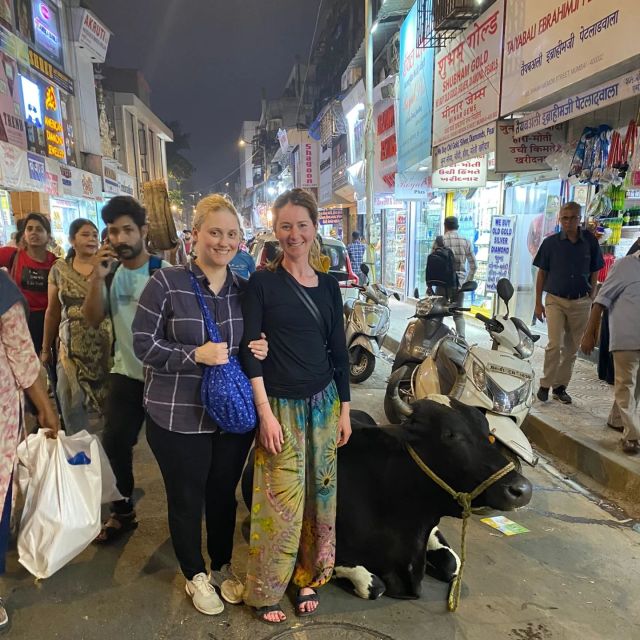
The biggest question is simple: do you want a market walk that includes shopping, or a sightseeing walk that only passes markets? This experience leans toward the first option.
That does not make it a poor choice. Shopping is one of the best ways to see how a city functions, and the textile, spice, flower, and jewelry stops each show a different trade. You also get chances to practice bargaining and ask about products you might otherwise pass without understanding.
But you should be cautious about expectations. The tour description gives strong attention to shops and market goods, and one account found the route too focused on stores selling pashminas, spices, and women’s clothing. If you do not want to buy anything, say so politely and clearly. You can still learn from the display, the sellers, and the guide’s explanations.
Ask prices before showing strong interest in an item. Compare similar goods when possible. Do not assume the first price is final, and do not bargain for fun if you have no intention of buying. These simple habits will make the shopping side more comfortable.
Who will get the most from this $23 tour
I would recommend this tour to first-time visitors who want a practical introduction to South Mumbai’s markets. It is also a good fit if you enjoy street photography, textiles, spices, flowers, local religious sites, or the small details of daily trade.
You will probably enjoy it most if you:
- Like walking through commercial districts rather than only visiting monuments
- Want an English-speaking guide to explain local customs and products
- Are interested in buying fabric, spices, clothing, jewelry, or small gifts
- Prefer a relaxed pace with time to look around
- Want to practice bargaining with support from someone familiar with the markets
I would be more cautious if you want a strictly historical tour, a quiet route, or a walk with no shopping stops. The itinerary includes temples, a mosque, colonial buildings, and market streets, but shopping is a central part of the experience.
The price is reasonable for the guiding and orientation, particularly if you are new to Mumbai. It becomes less appealing if you see no value in browsing stores or if you expect every stop to be a formal cultural visit.
Booking can remain flexible because you may reserve and pay later, and cancellation is allowed up to 24 hours in advance for a full refund. The stated language is English. No duration, group size, transport arrangement, or accessibility information is provided, so ask before booking if any of those details affect your plans.
Should you book the Mumbai Market Tour?
Book it if you want to see South Mumbai through its goods, sellers, religious places, and working streets. The strongest reasons are the range of markets, the chance to learn bargaining, and the guides’ reported patience and clear explanations.
Skip it if you want a pure walking tour with no sales component. The route can feel like a shopping tour, especially at the fabric and specialty-store stops. At $23, it offers good value for an English-speaking introduction to Mumbai’s market districts, but only if you are comfortable with commerce being part of the culture.
FAQ
How much does the Mumbai Market Tour cost?
The tour costs $23 per person.
What language is the tour offered in?
The stated tour language is English.
Which markets are included?
The experience includes Crawford Market, Mangaldas Market, a spice market, a jewelry market, and a flower market.
Which religious and cultural sites are included?
The route includes Jama Masjid, Mumba Devi Temple, and Madhav Baugh. It also passes colonial buildings and market streets in South Mumbai.
Can I reserve now and pay later?
Yes. You can reserve your spot and pay later, allowing you to keep your plans flexible.
What is the cancellation policy?
You can cancel up to 24 hours before the experience for a full refund.
New market tours around Mumbai
- Mumbai: Local Markets & Temples Tour★ 4.6 · 45 reviews
- Night Tour: Mumbai’s Nights & Buzzing Bazaars★ 5.0 · 7 reviews
- Mumbai:Dhobi Ghat Laundry,Dharavi Slum & Flower market Tour★ 5.0 · 12 reviews
- Mumbai Morning Market Tour of Flowers, Fish, and More★ 5.0 · 100 reviews
- Mumbai Street Food Tour with Evening Bazaar Walk★ 4.9 · 79 reviews
- Mumbai Heritage, Street Food & Bazaar Walking Tour★ 5.0 · 4 reviews
- Mumbai Market and Temple Tour With Cow Shelter Visit★ 4.3 · 3 reviews
- Mumbai: Magical Markets Tour★ 4.5 · 23 reviews
Mumbai Market Tours, side by side.

Ultimate Mumbai Full Day: Sights, Bollywood Dance, Lunch & Spices
Read our review →
Mumbai Morning Market Tour of Flowers, Fish, and More
Read our review →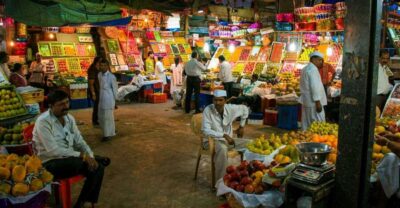
Mumbai:Dhobi Ghat Laundry,Dharavi Slum & Flower market Tour
Read our review →
Mumbai: Evening Street Food Tasting & Cultural Market Tour
Read our review →This tour also appears in