
Review · MUMBAI
Mumbai: Magical Markets Tour
Mumbai’s market district is best understood on foot, one crowded lane at a time. This tour takes you from Bhuleshwar and Zaveri Bazaar to Kalbadevi, Chor Bazaar, Mangaldas Market, and Crawford Market, with temples and local landmarks along the way. The real draw is the variety: flowers, gold, silk, antiques, spices, cheese, and household goods all appear within a short walk.
I like the access to small lanes you could easily miss alone, and I like the masala chai served in a clay cup. Guide Nisar earns repeated praise for explaining the city clearly, keeping an eye on guests, and offering useful local help. The main caution is the pace: two hours is tight for eight stops, and one poor experience involved a route that did not match expectations and unwanted shopping suggestions.
Key points at a glance
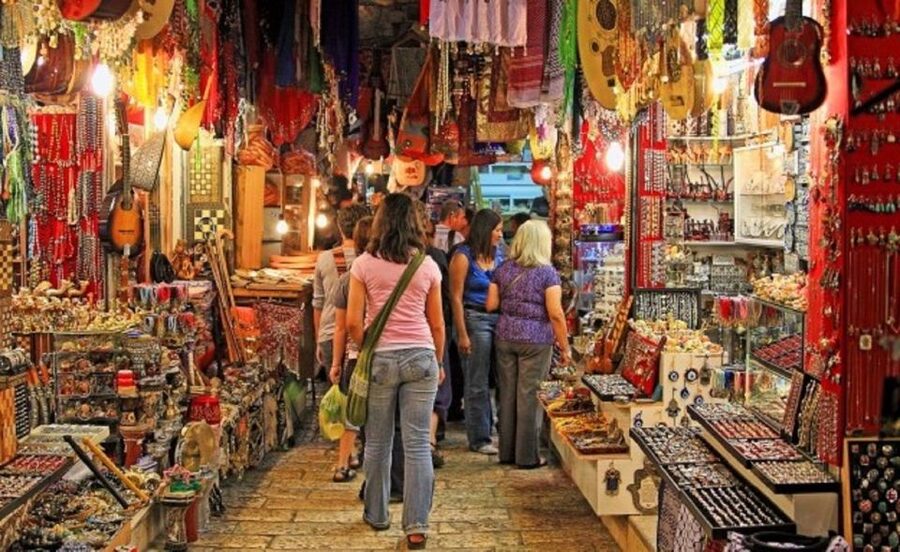
- Four major market areas in two hours: Bhuleshwar, Zaveri Bazaar, Chor Bazaar, Mangaldas Market, and Crawford Market are linked by short walks.
- A local guide makes the difference: Nisar is specifically praised for clear explanations, friendly care, and staying with a guest until a driver arrived.
- Temples add meaning to the markets: Shri Swaminarayan Mandir and Mumba Devi Temple give the walk a religious and historical setting.
- This is a walking tour, not a shopping trip: You can browse cloth, jewelry, antiques, produce, and religious goods, but personal purchases are not included.
- Expect crowds and changing conditions: The tour runs in rain or shine, markets can be especially busy during festivals, and some shops take cash only.
- Good value at $18: For a private two-hour introduction to central Mumbai markets, the price is modest, though the short duration limits time at each stop.
Why Mumbai’s markets are worth two hours
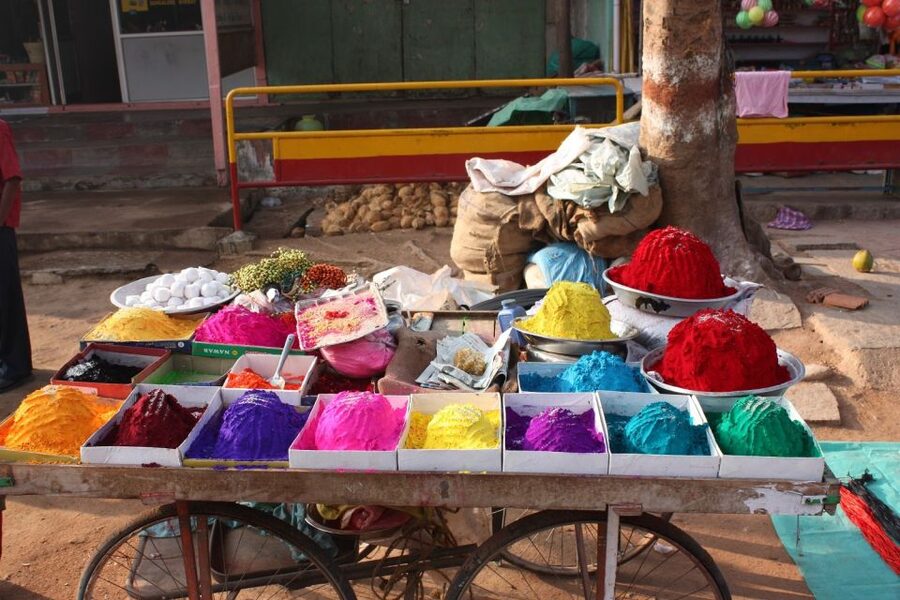
South Mumbai’s older commercial quarters are not polished attractions arranged for visitors. They are working markets, with shopkeepers, worshippers, delivery workers, shoppers, and street traffic sharing narrow streets. That can feel untidy and intense, but it also gives you a close look at how the city buys, sells, worships, and moves.
I like this kind of tour because the guide provides the missing frame. Without local help, you might see a jewelry shop, a flower stall, or a cloth counter without understanding its place in the district. With a guide, the walk becomes a lesson in Mumbai’s neighborhoods rather than a quick hunt for photo spots.
The private-group format is another plus. It should give you more room to ask questions and adjust the pace than a large group tour. Still, do not expect a leisurely market-by-market study. The route includes several walks of 10 to 20 minutes, and the two-hour clock moves quickly.
More market tours around Mumbai:
- Mumbai: Street Food and Night Markets Tour
★ 4.9 · 719 reviews - Mumbai Street Food & Night Markets
★ 5.0 · 225 reviews - Mumbai Street Food and Evening Bazaar Tour
★ 5.0 · 172 reviews
Starting at Café Coffee Day and Shri Swaminarayan Mandir
The meeting point is Café Coffee Day at the VT Capital Cinema Building, Noor Fort, Mumbai. You need to arrive there on your own because hotel pickup and drop-off are not included. The tour then begins with a walk of about 10 minutes to Shri Swaminarayan Mandir.
This temple is the first useful change of pace. Instead of opening with shopping, the route begins in a religious setting linked with the Shri Laxmi-Narayan Dev Gadi. You can expect a short visit and an introduction to the temple’s role before moving into the market streets.
Dress and behavior matter here. Photography may be restricted inside temples, so ask before taking pictures. I would also keep your clothing practical and respectful, and avoid treating the temple as just another stop on a photo walk.
Bhuleshwar Market: flowers, worship goods, and daily shopping
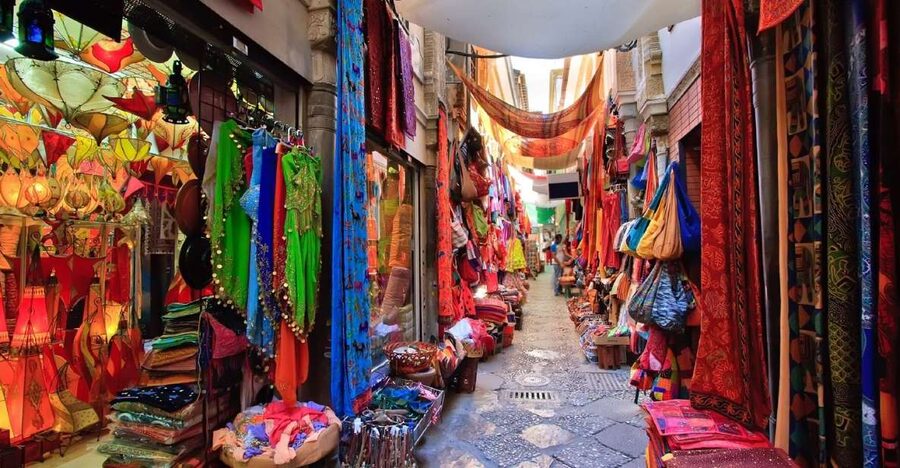
The route continues into Bhuleshwar Market, with around 20 minutes set aside for walking and browsing. This is one of the tour’s strongest sections because the goods are varied and tied to ordinary city life.
You might see fruits and vegetables beside imitation jewelry, rose petals, household items, cloth accessories, and pooja supplies. That mix tells you more about the neighborhood than a single specialty market would. Religious items sit close to practical purchases, and the street itself becomes part shop, part passageway, and part social space.
This is a good place to follow your guide’s explanations rather than trying to photograph everything. The lanes can be crowded, and your attention needs to stay on the group and your belongings. If you want to purchase something, ask about the price and payment method first. Some shops accept cash only.
Zaveri Bazaar and Mumbai’s jewelry trade
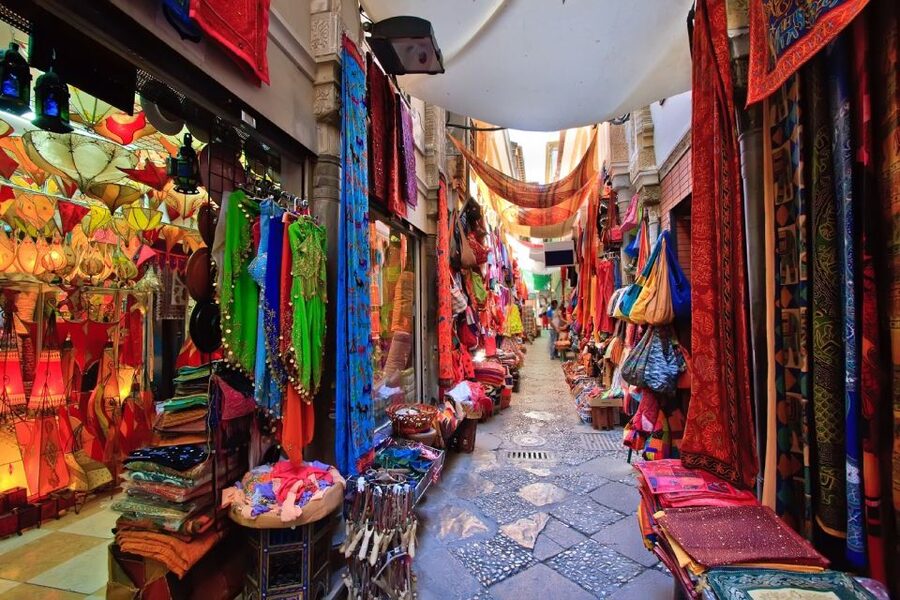
From Bhuleshwar, the walk leads toward Zaveri Bazaar, Mumbai’s largest jewelry market. The route allows about 15 minutes here, so you should think of it as an introduction rather than a chance to compare dozens of pieces.
The visual change is immediate. Gold, glittering stones, and other ornaments replace the produce and religious goods of Bhuleshwar. Even if you have no intention of shopping, the district helps explain how specialized markets shape Mumbai’s old commercial quarters.
A guide is especially useful here because jewelry markets can feel difficult to read from the outside. You can ask what is being sold and how the area works without having to pretend you are ready to buy. Keep your hands and bags close, and do not expect the guide to arrange purchases or provide a guarantee about merchandise.
Same city, another market:
- Ultimate Mumbai Full Day: Sights, Bollywood Dance, Lunch & Spices
★ 5.0 · 201 reviews - Mumbai Morning Market Tour of Flowers, Fish, and More
★ 5.0 · 100 reviews - Mumbai Street Food Tour with Evening Bazaar Walk
★ 4.9 · 79 reviews - Mumbai: Local Markets & Temples Tour
★ 4.6 · 45 reviews
Kalbadevi: the walk between market districts
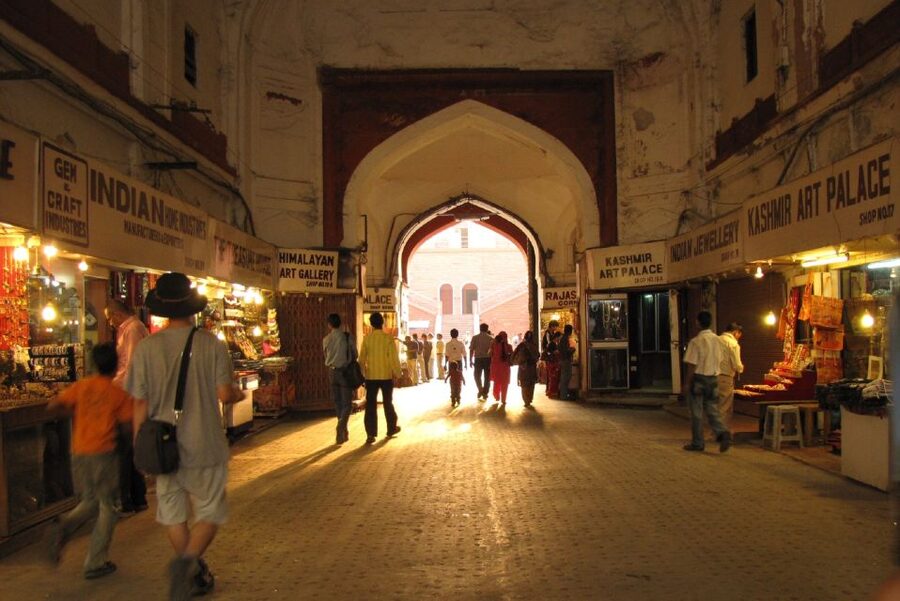
Kalbadevi is listed as a 10-minute walk with scenic views along the way. It is not presented as a long standalone visit, and that is worth knowing before you book. This part connects the larger stops and lets you see how the commercial streets run into one another.
I appreciate these connecting walks because they keep the tour grounded in the city. You are not being driven from one isolated attraction to the next. The drawback is that traffic, crowds, heat, and uneven pace can make the route tiring, especially if you are not used to walking in busy urban streets.
Wear comfortable shoes, use sunscreen, and bring sunglasses and a hat. A water bottle is not included, so bring your own. Large bags and luggage are not allowed, which makes sense in tight market lanes.
Chor Bazaar, where browsing gets more unpredictable
Chor Bazaar is known for antiques and furniture, and the tour allows about 20 minutes for shopping and walking. This is likely to be one of the more curious stops because it shifts the focus from new goods to older objects and household pieces.
The name and reputation may make the market sound theatrical, but the practical point is simpler: you are looking at a different type of trade. The shops and stalls may appeal to anyone interested in furniture, decorative items, or unusual finds. The supplied details do not promise specific antiques or a set list of merchandise, so treat this as browsing time rather than a guaranteed purchase opportunity.
This is also the stop where expectations need care. One guest left early after feeling unwell and reported that the route had included pressure to visit a shop after repeated refusals to buy. That is not a reason to reject the entire tour, but it is a fair reminder to state clearly that you are browsing only. A good guide should respect that boundary.
Mangaldas Market and the feel of Mumbai’s cloth trade
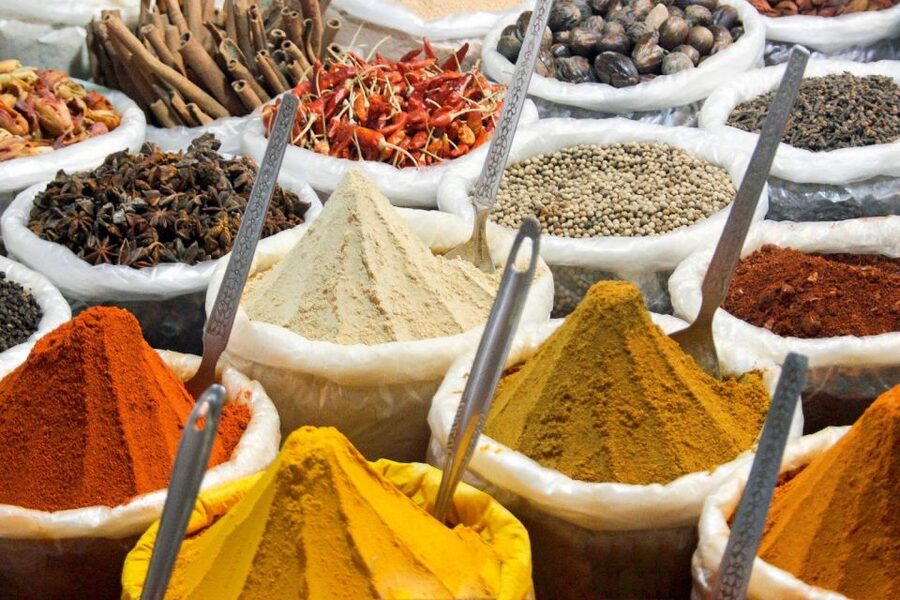
Mangaldas Market opened in 1893 and is known for silk and cloth. The tour sets aside about 15 minutes here. For shoppers, this may be the most useful stop, especially if you are interested in textiles or want to understand how Mumbai’s fabric trade is organized.
Fifteen minutes is enough to look around and ask questions, but not enough for careful fabric shopping. If you want to buy cloth, tell the guide early so you do not run out of time at the end. You may also need cash, since not every shop accepts cards.
I like this stop because it adds material culture to the route. Bhuleshwar shows everyday and religious goods, Zaveri Bazaar shows jewelry, and Mangaldas adds silk and cloth. The markets are not interchangeable, and that variety gives the tour its value.
Crawford Market and the route’s grand finish
Crawford Market is the final major market listed in the route. You get about 20 minutes to walk and browse. The building is known for Gothic and Romanesque architectural details, so this stop offers both a market visit and a chance to look at one of South Mumbai’s older commercial structures.
Inside and around the market, you might find fruits, vegetables, imported cheese, and homemade chocolate. That combination makes Crawford a fitting final stop: it brings together ordinary produce and specialty foods in one place.
There is a small route detail to clarify before booking. The description places Mumba Devi Temple early in the experience and also lists Shri Mumbadevi Temple as the finish point, while Crawford Market appears as the last major market. Routes can shift, especially when markets are crowded or guests have already visited one area. Ask the guide at the start which order you will follow if seeing every named stop matters to you.
Mumba Devi Temple and the city’s name
Mumba Devi Temple is connected with the origin of Mumbai’s name, making it more than a quick religious stop. Its presence gives the market walk a clear local anchor. You are not only moving through places to shop; you are also seeing a temple tied to the identity of the city.
Photography may be restricted inside, and the tour is not designed as a long temple study. Think of this as a concise cultural visit within a larger walking route. If the temple is a major reason for booking, confirm how much time the guide expects to spend there.
What the guides add to the walk
The listed languages are English and Hindi, and Nisar is the guide named most often in the available feedback. Edward called him friendly and well informed about Mumbai, while Katie found his explanations useful and said he helped her learn a great deal during the walk. A German guest also noted that Nisar showed places easy to miss and waited until a driver arrived.
Those details matter because the guide’s role is practical, not just interpretive. In crowded lanes, you need someone who can keep the route moving, explain what you are seeing, and help you feel secure. Brenda, writing in Spanish, also described feeling safe with Nisar and appreciated his help across the markets.
At the same time, guide quality and route delivery can vary. One very poor experience reported missing temples and markets and ended after about 20 minutes. Another guest found the shopping suggestions unwelcome. I would set your priorities at the beginning: tell the guide which markets matter most, whether you want to buy anything, and if you need a slower pace.
Price, pace, and practical value
At $18 per person, this is a low-cost way to get a private introduction to several central Mumbai markets. The value comes from the guide, the route planning, and the chance to enter lanes you might skip alone. If you attempted the same route without local help, you could still see parts of it, but you would lose much of the context.
The limitation is time. Eight listed stages, several walks, temple visits, and market browsing make two hours feel brisk. You will not study every market in detail, and you may have to choose between shopping, photographs, and listening.
The tour operates rain or shine. It may be especially crowded during festivals, and the route is not suitable for wheelchair users or pregnant women. I would not bring luggage or a large day bag. Since water is not included, pack a bottle and keep your valuables secure.
Free cancellation is available up to 24 hours before the start, and you can reserve now and pay later. Those terms are useful if your Mumbai schedule is still shifting, but they do not change the need to check the meeting point and starting time before you go.
Who should book the Magical Markets Tour?
I would book this for a first visit to Mumbai, especially if you want a fast introduction to local commerce, temples, and older neighborhoods. It suits curious walkers who are comfortable with crowds, heat, short stops, and a little street-level confusion.
It is less suitable if you want a slow shopping trip, a polished food tour, or a detailed temple visit. You should also be direct about not buying anything if shopping is not your aim. At $18, the tour is a sensible value when Nisar or another attentive guide delivers the full route, but its success depends heavily on clear communication and realistic expectations.
FAQ
How much does the Magical Markets Tour cost?
The tour costs $18 per person.
How long does the tour last?
The walking tour lasts two hours.
Where does the tour begin?
Meet at Café Coffee Day, VT Capital Cinema Building, Noor Fort, Mumbai.
Where does the tour finish?
The listed finishing point is Shri Mumbadevi Temple, Mumbai. Crawford Market is the final major market on the route, so confirm the exact order with your guide at the start.
Which languages does the guide speak?
The live guide speaks English and Hindi.
Is this a private tour?
Yes. The activity is arranged for a private group.
What markets are included?
The route includes Bhuleshwar Market, Zaveri Bazaar, Kalbadevi, Chor Bazaar, Mangaldas Market, and Crawford Market.
Is hotel pickup included?
No. Hotel pickup and drop-off are not included.
What should I bring?
Bring comfortable shoes, sunglasses, a sun hat or hat, sunscreen, and your own water bottle. Do not bring luggage or large bags.
New market tours around Mumbai
- Mumbai: Local Markets & Temples Tour★ 4.6 · 45 reviews
- Night Tour: Mumbai’s Nights & Buzzing Bazaars★ 5.0 · 7 reviews
- Mumbai:Dhobi Ghat Laundry,Dharavi Slum & Flower market Tour★ 5.0 · 12 reviews
- Mumbai Morning Market Tour of Flowers, Fish, and More★ 5.0 · 100 reviews
- Mumbai Street Food Tour with Evening Bazaar Walk★ 4.9 · 79 reviews
- Mumbai Heritage, Street Food & Bazaar Walking Tour★ 5.0 · 4 reviews
- Mumbai Market and Temple Tour With Cow Shelter Visit★ 4.3 · 3 reviews
- Mumbai Market Tour★ 4.6 · 12 reviews
Mumbai Market Tours, side by side.


Ultimate Mumbai Full Day: Sights, Bollywood Dance, Lunch & Spices
Read our review →
Mumbai Morning Market Tour of Flowers, Fish, and More
Read our review →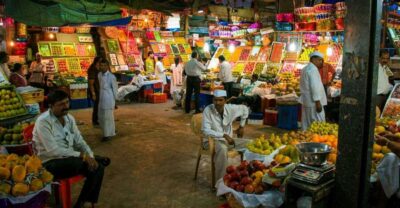
Mumbai:Dhobi Ghat Laundry,Dharavi Slum & Flower market Tour
Read our review →
Mumbai: Evening Street Food Tasting & Cultural Market Tour
Read our review →This tour also appears in