
Review · MUMBAI
Mumbai Morning Market Tour of Flowers, Fish, and More
Mumbai’s day begins long before its offices and sightseeing landmarks stir. At Sassoon Dock, fish sellers sort the night’s catch under harsh lights. At Dadar, flowers, chilies, coriander, fruit, and vegetables change hands at a fast clip. This early-morning market tour gives you a close look at the work that feeds and decorates the city.
I like two things in particular: the chance to ride a local Mumbai train with help from a guide, and the mix of markets, Dhobi Ghat, and street food in one compact outing. Guides including Jay, Jawwad, Subhan, Abhi, Sharon, and Chirag have been praised for clear English and steady care. The drawback is simple: you must get up very early, and the fish market can be wet, slippery, and strongly scented.
Key points at a glance
- Fish auction at Sassoon Dock: Watch vendors sort, clean, and prepare seafood for the day.
- Three working markets: Visit Dadar’s fruit and vegetable market, followed by its flower market.
- Dhobi Ghat visit: See one of Mumbai’s best-known laundry operations and learn how it serves homes, hotels, and hospitals.
- Local train practice: Your guide helps you use the railway system and move through crowded public spaces.
- Chai and a street snack: A small tea break, and sometimes samosa or vada pav, adds a tasty local pause.
- Good value at $19: Transport, guiding, market visits, and the train ride are included, with hotel pickup available on selected options.
Why this early start earns its alarm clock
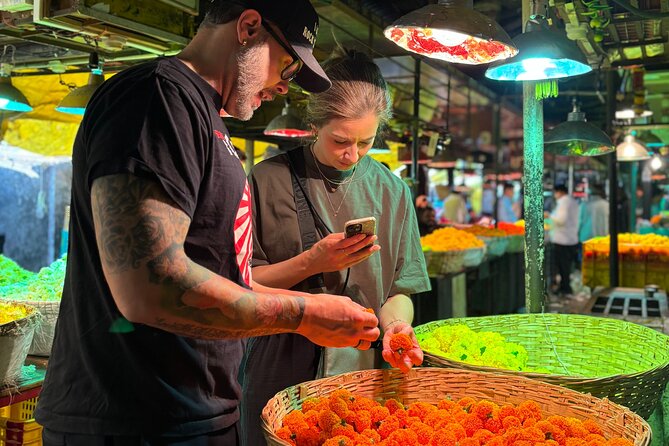
This is not a polished food tour or a gentle walk through decorated shopping streets. It is a working-morning tour. You see people buying, selling, washing, carrying, bargaining, and preparing goods before much of Mumbai is awake.
The timing matters. Fish markets are most active early, and the market scenes change as the morning goes on. Some people choose the earliest departure, around 5:00 or 5:30 a.m., for sunrise and the first activity. Others choose a 6:00 or 7:00 a.m. start to avoid the heaviest fish-market rush. The later option may be easier on your sleep, though market activity can be different.
The tour lasts about three to three and a half hours. That is enough time for several strong snapshots of city life without using your whole day. You can still visit major sights, rest, or take a late breakfast afterward.
I would book this early in your Mumbai stay. The guide can show you how to cross busy roads, use the train, and understand basic local routines. That makes the rest of your time in the city feel less intimidating.
More market tours around Mumbai:
- Mumbai: Street Food and Night Markets Tour
★ 4.9 · 719 reviews - Mumbai Street Food & Night Markets
★ 5.0 · 225 reviews - Mumbai Street Food and Evening Bazaar Tour
★ 5.0 · 172 reviews
Sassoon Dock, where Mumbai’s seafood day begins
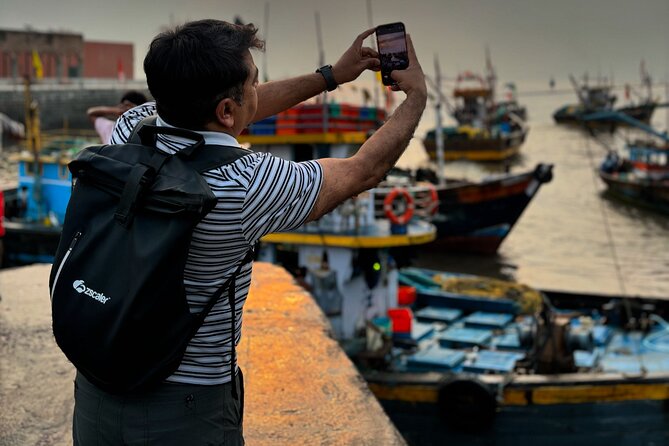
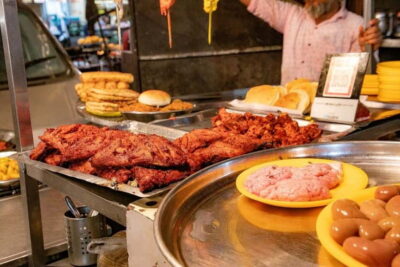
Sassoon Dock is the tour’s most striking stop. Women sell fish from stalls while men display the catch arriving for the day. You may see auctions, sorting, cleaning, and preparation of prawns, shrimp, and other seafood.
The appeal is not just visual. Your guide explains how the market functions and helps translate when needed. Without help, you would see plenty of activity but miss much of its meaning. With a guide such as Jawwad, Jay, or Subhan, you can ask how vendors work, what different seafood is used for, and how the market fits into Mumbai’s daily food supply.
Expect strong smells, wet surfaces, and a working environment rather than a staged attraction. Wear sturdy shoes and clothes you do not mind getting splashed. The market is not the right place for delicate sandals or your best outfit.
Photography calls for care. Ask before taking close pictures of vendors, and stay close to the guide in narrow or crowded areas. Several guides have made safety a priority, helping visitors cross streets and remain together while moving through busy market lanes.
The fish market may be the best reason to choose the earliest start. If you prefer a quieter look, a 7:00 a.m. option can miss some of the heaviest activity while still showing you the market. Check the available departure times and decide what matters more to you: maximum action or a slightly kinder wake-up.
A railway stop and a short taste of Mumbai’s transit system

The route includes a visit to an important railway station, listed as Churchgate Railway Station in the stop-by-stop plan, while the included sights also refer to the iconic Chhatrapati Shivaji Maharaj Terminus, commonly called CSMT. The exact station sequence can depend on the selected option, so confirm the day’s route with your guide.
The station visit gives useful context before the train ride. Mumbai’s rail network is not just a sightseeing feature. It is part of the city’s daily machinery, carrying people across long distances in a place where road traffic can slow every trip.
Your guide helps you understand how to move through the system. This is especially useful if you want to use local trains later but are unsure about platforms, timing, or the pace of boarding. One visitor described being shown how to use the train and walk through Mumbai with more confidence afterward.
The ride itself is short, but it can be one of the tour’s most memorable moments. You are not simply looking at Mumbai from a car window. You are using the same transport system that supports ordinary workdays across the city.
Crowds vary by time. The early schedule is designed to get you moving before the trains become harder to manage. Still, keep your belongings secure, listen carefully, and stay with the guide. This is a practical introduction, not a long railway journey.
Dhobi Ghat and the work behind Mumbai’s clean clothes
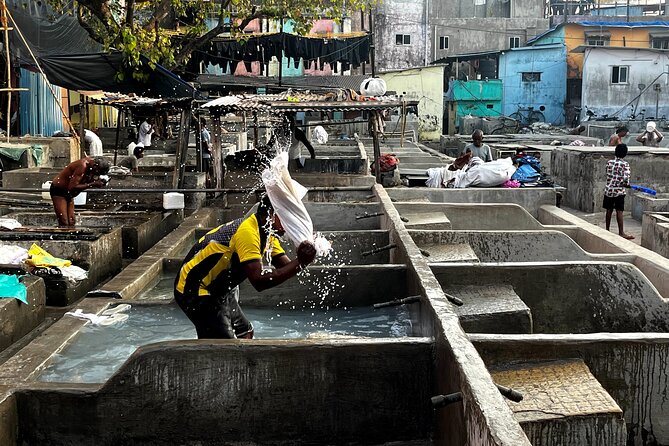
At Dhobi Ghat, washers handle more than 2,000 pieces of clothing each day. The laundry comes from hotels, hospitals, private homes, and other parts of the city.
You will have a photo stop and a guided visit of about 30 minutes. The value here comes from seeing an organized service that is easy to overlook when you stay focused on monuments and museums. Laundry is one of those everyday systems that keeps a huge city functioning.
Your guide explains the work and gives the site a human scale. Instead of treating it as a quick photo opportunity, you learn what is being washed and who depends on the service.
The stop is brief, so do not expect an extended walk through every part of the operation. It works best as a clear, focused visit between the fish market and Dadar markets.
Same city, another market:
- Ultimate Mumbai Full Day: Sights, Bollywood Dance, Lunch & Spices
★ 5.0 · 201 reviews - Mumbai Street Food Tour with Evening Bazaar Walk
★ 4.9 · 79 reviews - Mumbai: Local Markets & Temples Tour
★ 4.6 · 45 reviews - Mumbai: Magical Markets Tour
★ 4.5 · 23 reviews
Dadar’s fruit and vegetable market
The Dadar fruit and vegetable market brings a different set of smells and colors. Coriander, chilies, fruit, and vegetables replace the salt and sharp scent of Sassoon Dock.
Your guide can explain how vendors arrange produce and how buyers move through the market. This is a good place to notice small details: the way goods are stacked, the speed of transactions, and the range of ingredients used in Mumbai kitchens.
The market is also a useful counterpoint to the fish stop. You see that Mumbai’s food network is not one single scene. It is a chain of separate trades, each with its own rhythm, products, and workers.
The tour allows about 30 minutes here. That is long enough for a guided look, but not enough for leisurely shopping. If you want to buy something, ask the guide first. They can help with language, prices, and choosing a suitable item.
Dadar Flower Market, the tour’s most colorful finish
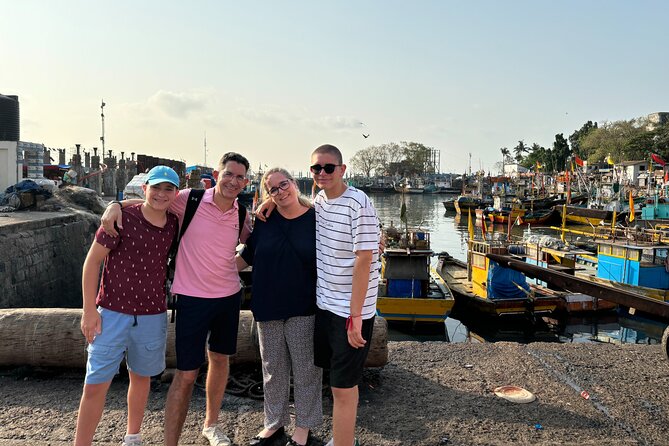
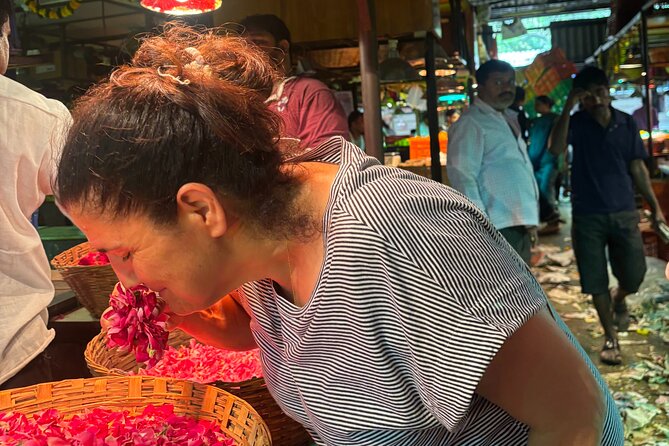
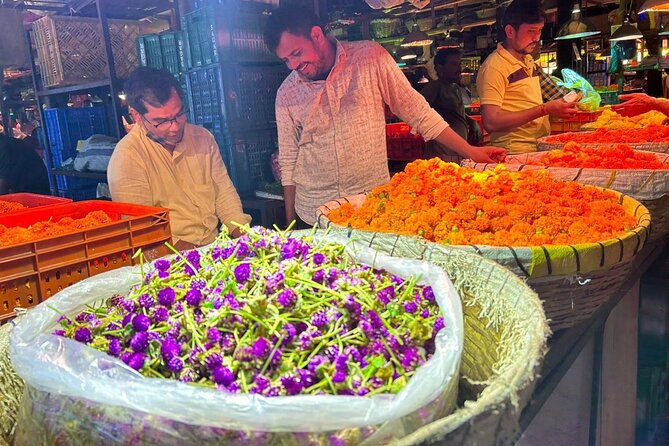
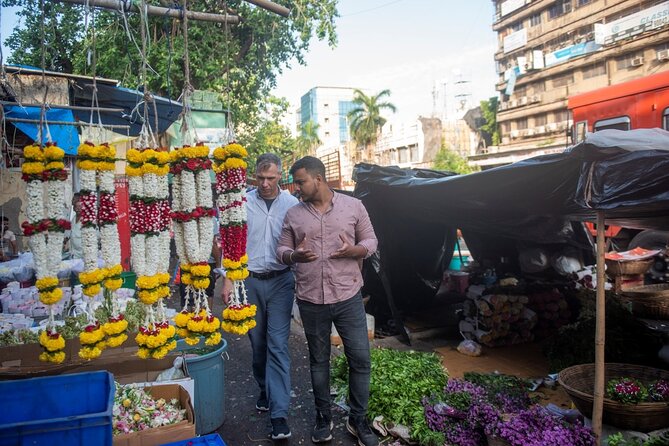
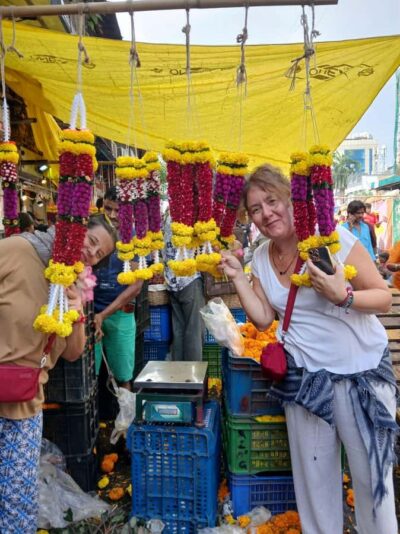
The Dadar Flower Market is often the prettiest stop. Sellers arrange heaps of flowers for homes, religious use, ceremonies, and businesses. The scent is a welcome change after the fish market, and the colors make this a natural place for photographs.
This stop also shows another side of market life. Flowers are not merely decoration. They play an important part in daily religious practice and public celebrations, so the market connects commerce with local customs.
You may find the flower market more comfortable than Sassoon Dock, but it is still a working market. Walk carefully, avoid blocking sellers, and ask before photographing people at close range.
The tour usually ends at or near Flower Market Dadar, though selected options may include hotel drop-off. That location can be useful if you want to continue exploring Dadar independently.
Chai, vada pav, and a useful breakfast pause
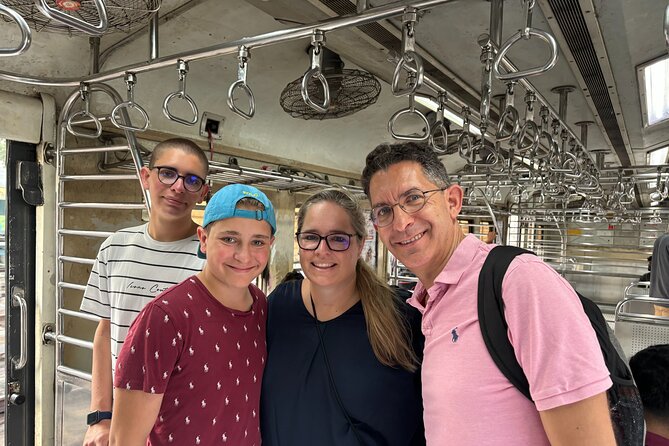
A small chai stop is included in the experience, and several itineraries also include a street snack such as samosa or vada pav. Food and drinks are not formally included, so carry some small cash if you want to buy something.
This pause matters because the tour begins so early. A hot cup of tea gives you a chance to sit or slow down while the guide explains what you have seen. It also adds a simple taste of Mumbai without turning the tour into a full food excursion.
Do not expect a large breakfast or a set menu. The food stop is casual and can vary. If you need a substantial meal, plan to eat after the tour.
Transport, pickup, and the $19 value
At $19 per person, this is a strong-value introduction to parts of Mumbai that are difficult to organize alone. You get a guide, transport between areas, a local train ride, and visits to four distinct working sites.
Hotel pickup and drop-off are available with selected options. Other bookings meet the guide and driver near Pizza Express Colaba, close to the Gateway of India. Read the chosen option carefully, since the meeting arrangement affects your early-morning planning.
The transport mix is part of the value. You may use a car or local taxi between stops and then travel by train. Some outings also use a local bus. This keeps the morning practical and gives you more than a drive past the city.
A private or small-group feel may depend on the option you choose, so check the booking details if that matters to you. Drivers such as Saddam, Deepak, Pranav, Wasim, and Satyam have been praised for punctuality, calm driving, and care with transfers. Guide assignments can vary, but Jay, Jawwad, Subhan, Chirag, Abhi, Sharon, and Ayan are among the names associated with highly rated outings.
The tour has a full refund cancellation policy up to 24 hours before departure, and you can reserve without paying immediately. Those policies are useful if your Mumbai schedule is still shifting.
What to wear and carry for the markets
Your clothing choices can make the difference between an enjoyable morning and an uncomfortable one.
- Wear closed, sturdy shoes with good grip.
- Choose clothes that can handle water, fish scales, dust, and crowded streets.
- Carry tissues or hand sanitizer.
- Bring a little cash for chai or snacks.
- Keep your phone and wallet secure during the train ride and in crowded markets.
- Carry a light layer if you are sensitive to early-morning cool air, though conditions vary.
The fish market is the main place to prepare for. It can smell powerful and feel damp underfoot. That is part of seeing a real working market, but you should know it before booking.
Who will enjoy this tour most
I recommend it to first-time visitors who want more than Mumbai’s headline sights. It is especially useful if you are curious about daily work, food supply, public transport, and the people who keep the city running.
It also suits solo visitors. An English-speaking guide can help with directions, translation, street crossings, and train travel. Several guides are described as attentive and willing to adjust the pace when someone feels unwell or wants a shorter outing.
Families with older children may enjoy the variety, though the start time and market conditions require patience. The fish market can be intense, and the tour involves walking, standing, and moving through crowded places.
It is less suitable if you dislike early mornings, strong smells, uneven surfaces, or public transport. It is also not a shopping tour. The focus is on seeing how the markets operate, not spending long periods choosing goods.
My verdict: book it if you want working Mumbai
Book this tour if you want to see Mumbai through its morning workday rather than only through monuments. The combination of Sassoon Dock, Dhobi Ghat, Dadar’s produce market, the flower market, chai, and a train ride gives you a useful view of how the city functions.
Choose the earliest start for the best chance of sunrise and full fish-market activity. Choose the later morning option if sleep matters more and you would rather miss the biggest rush. Either way, wear tough shoes, stay near the guide, and bring a little cash.
At $19, the tour offers good value, particularly for a first visit. I would not book it for a slow, polished sightseeing morning. I would book it for the smells, movement, practical local knowledge, and the chance to begin the day inside the real machinery of Mumbai.
FAQ
How long does the Mumbai morning market tour last?
The tour lasts approximately three to three and a half hours.
What markets are included?
The experience includes Sassoon Dock Fish Market, Dadar Fruit and Vegetable Market, and Dadar Flower Market.
Is Dhobi Ghat part of the tour?
Yes. You visit Dhobi Ghat for a photo stop and guided visit of about 30 minutes.
Is a local train ride included?
Yes. A local train ride is included in the tour package.
Where is the meeting point?
The stated meeting point is Pizza Express Colaba, near the Gateway of India. Hotel pickup is available with selected options.
Is hotel pickup included?
Hotel pickup and drop-off are included with the applicable pickup option. Some options require you to meet the guide and driver at the stated meeting point.
Is food included in the price?
Food and drinks are not included. A small chai break and, depending on the outing, a street snack may be available for purchase.
What language does the guide speak?
The live guide speaks English.
New market tours around Mumbai
- Mumbai: Local Markets & Temples Tour★ 4.6 · 45 reviews
- Night Tour: Mumbai’s Nights & Buzzing Bazaars★ 5.0 · 7 reviews
- Mumbai:Dhobi Ghat Laundry,Dharavi Slum & Flower market Tour★ 5.0 · 12 reviews
- Mumbai Street Food Tour with Evening Bazaar Walk★ 4.9 · 79 reviews
- Mumbai Heritage, Street Food & Bazaar Walking Tour★ 5.0 · 4 reviews
- Mumbai Market and Temple Tour With Cow Shelter Visit★ 4.3 · 3 reviews
- Mumbai: Magical Markets Tour★ 4.5 · 23 reviews
- Mumbai Market Tour★ 4.6 · 12 reviews
Mumbai Market Tours, side by side.

Ultimate Mumbai Full Day: Sights, Bollywood Dance, Lunch & Spices
Read our review →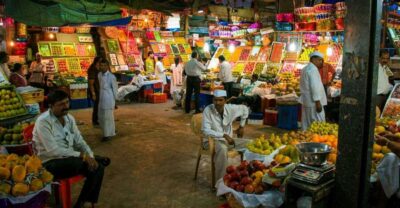


Mumbai:Dhobi Ghat Laundry,Dharavi Slum & Flower market Tour
Read our review →
Mumbai: Evening Street Food Tasting & Cultural Market Tour
Read our review →This tour also appears in