
Review · INDONESIA
Bali: Balinese Cooking Class and Market Tour
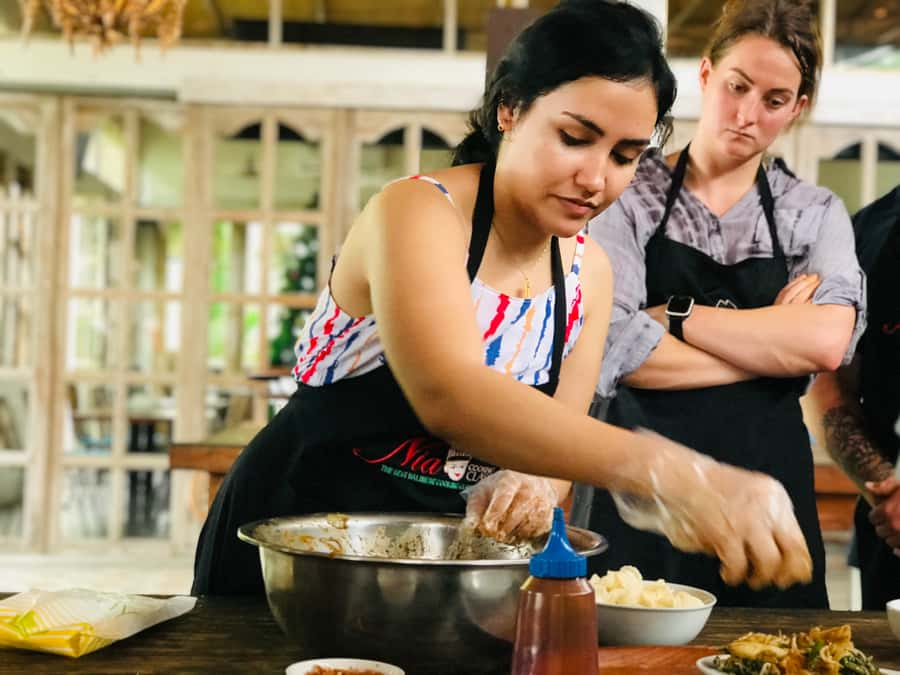
The most interesting part of this five-hour experience happens before the cooking begins: you walk through a market, see the produce and spices used in Balinese kitchens, and practice bargaining as you gather ingredients. I like that the class connects the food to its source, and I like that you eat the meal you help prepare rather than simply watching a chef perform.
The class also includes morning tea with a Balinese cake, lunch, a recipe book, and a certificate. The main caution is that the market visit may be brief and tightly managed, and one detailed account found the cooking too assembly-line-like. Your enjoyment may depend on how much hands-on work your group gets.
Key points to know before booking
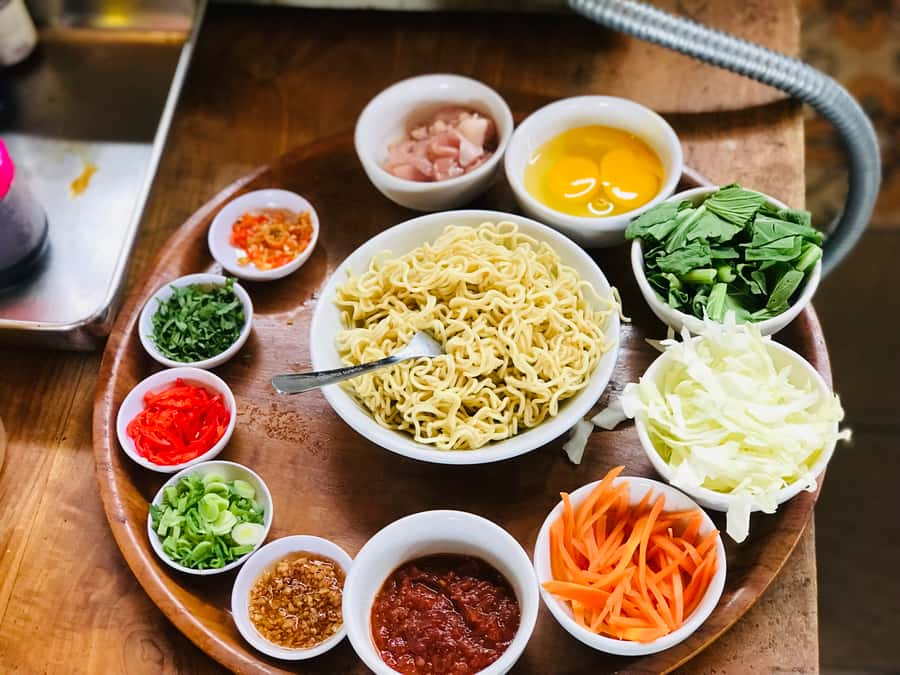
- A market visit comes first: See local fruit, vegetables, spices, and ingredients before cooking with them.
- You cook several Balinese dishes: The chef demonstrates techniques while assistants help guide the group.
- Lunch is part of the experience: You eat the food made during the class, along with additional dishes prepared for the meal.
- You take home useful extras: The package includes a cookbook and certificate.
- Pickup is included, not drop-off: Meet your driver in your hotel lobby 10 minutes early and plan your return journey.
- The rating is strong but not spotless: The activity holds a 4.8 score from 19 reviews, with one detailed complaint about crowding and limited hands-on cooking.
Starting at the market in Seminyak
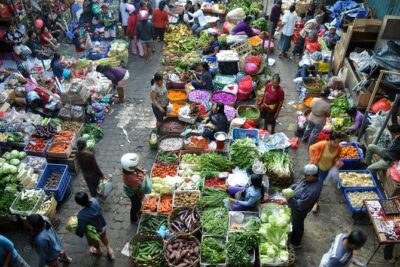
The market tour gives the cooking class its cultural footing. Instead of meeting the chef at a kitchen and jumping straight into chopping, you first see the kinds of produce, herbs, and spices that shape Balinese food. You may encounter tropical fruit, fresh vegetables, and the fragrant seasonings that later appear in your dishes.
The market is also where you can practice haggling. That sounds like a small detail, but it helps you understand that food shopping in Bali is part of daily life, not just a stop on a sightseeing route. If you are new to local markets, the guide can help you make sense of what you are seeing and how ingredients are used.
Keep your expectations measured. One unhappy account described the market portion as a stop at only two stalls, with a strong sales feel and inconsistent prices. That is a real concern if you want an open-ended market walk with time to browse independently. The market portion may suit you best if you see it as an introduction to ingredients rather than a full market expedition.
The timing also matters. A five-hour class has to move along, so you are unlikely to spend a long morning wandering every aisle. Still, even a short visit can make the cooking more meaningful when you recognize the spices and produce on the worktable.
More Market and Cooking Class Tours in Indonesia:
- Ubud: Cooking Class with Transfers and Optional Market Visit
★ 4.9 · 824 reviews - Balinese Ubud cooking school (9 Dish Cooking and Market Tour)
★ 5.0 · 540 reviews - Ubud: Balinese Cooking Class and Market Tour
★ 4.8 · 531 reviews
Morning tea and the first taste of Bali
After the market visit, you receive morning tea with a Balinese cake. This is a modest inclusion, but it helps break up the morning and gives you a first taste of local food before the main cooking begins.
The snack also creates a natural pause between the market and the kitchen. You can ask questions, meet the other people in your group, and settle into the class before the more active work starts. The available information does not name the specific cake or tea, so do not book this expecting a particular dessert.
This is one of the strengths of the format. You are not being rushed from one formal demonstration to the next. Food appears at several points during the session, including snacks connected with dishes being prepared. One particularly positive account noted that some food was served along the way, so the class was not simply five hours of waiting for lunch.
How the cooking class works
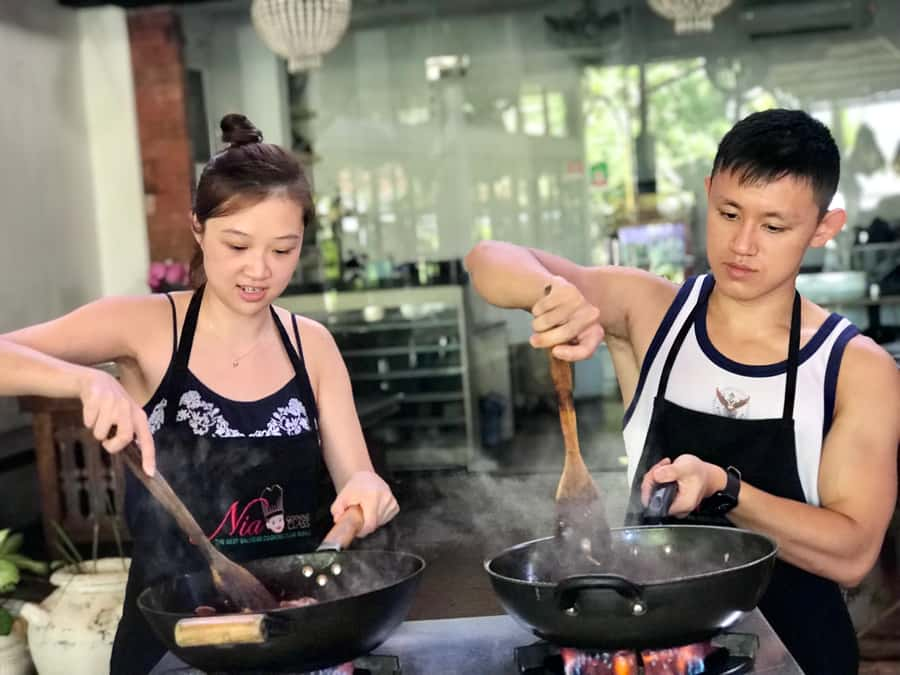
The chef explains how to prepare local dishes and demonstrates the techniques before you begin. You then work with the group to chop, mix, season, and cook. The chef speaks English and Indonesian, and an audio guide is also listed in those languages.
The class is designed for participation, not just observation. A strong part of the format is that the chef tries to give everyone a chance to cook. That matters in a group setting, where it is easy for one confident person to take over the work while everyone else watches.
The exact menu is not provided, so you should not book this expecting named dishes. You are promised popular Balinese dishes and a cookbook, which gives you a way to check the recipes after you return home. The book is more useful than a quick demonstration alone, since you can refer back to the ingredient list and methods later.
The feedback is not entirely uniform. Several high-scoring accounts describe clear instruction, good organization, and plenty of food. One detailed complaint said that assistants did much of the work and that the participant spent a long time on basic tasks such as cutting garlic. That criticism is worth taking seriously.
My advice is to ask early how the work will be divided. If you want to practice a particular technique, say so politely. In a group class, your experience can change depending on the number of people at your station, the pace of the chef, and how actively you claim a task.
The value of cooking with a group
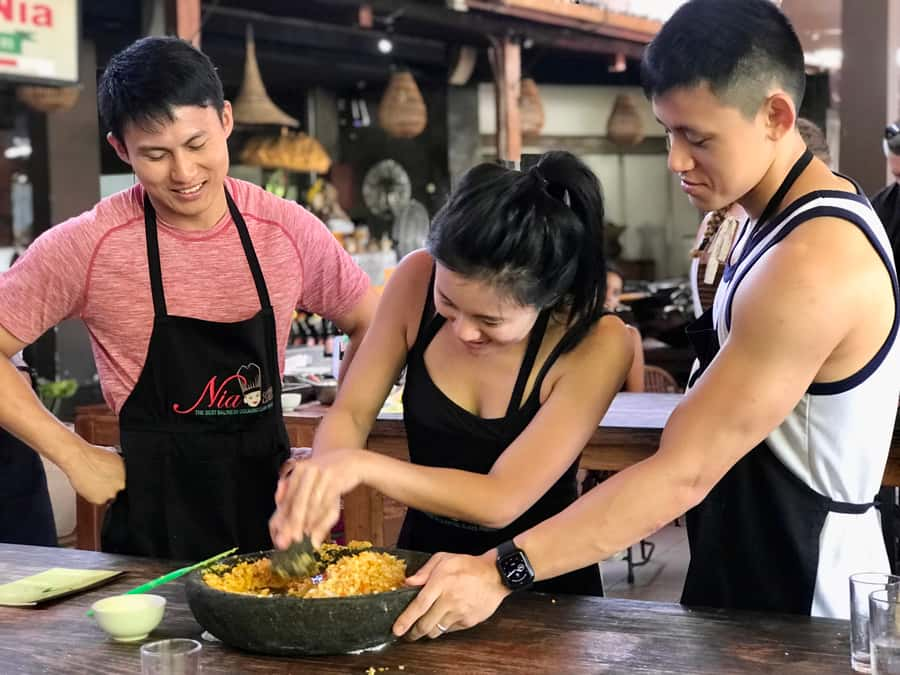
A cooking class is often as social as it is culinary. Here, you work alongside other people, share preparation jobs, and sit down together for the meal. That makes this a good choice if you enjoy meeting people during a trip and prefer an activity with a relaxed social rhythm.
The group format can also be a limitation. If you want private instruction or individual attention from start to finish, this may feel too communal. The provider is Nia Balinese Cooking Class, and the information supplied does not state the maximum group size, so you should not assume an intimate class.
The best approach is to think of this as a shared workshop. You will have a chef leading the room and assistants helping with the work. You may not personally prepare every part of every dish, but you should have opportunities to participate if you stay engaged.
One especially good sign is the repeated praise for the chef’s explanations and the orderly way the session is run. The chef is described as friendly and clear, with instructions that help people follow along. That makes the class approachable even if you are not comfortable in a kitchen.
More market tours around Indonesia:
- Active Volcano, Rice Field, Hot Spring, Fruit market, Tea Plantation with Lunch
★ 5.0 · 513 reviews - Seminyak: Balinese Cooking Class & Market Tour
★ 4.9 · 458 reviews - Balinese Cooking class with traditional morning market visit
★ 5.0 · 161 reviews - Jambangan bali cooking class with morning market tour
★ 5.0 · 35 reviews
Eating the food you helped prepare
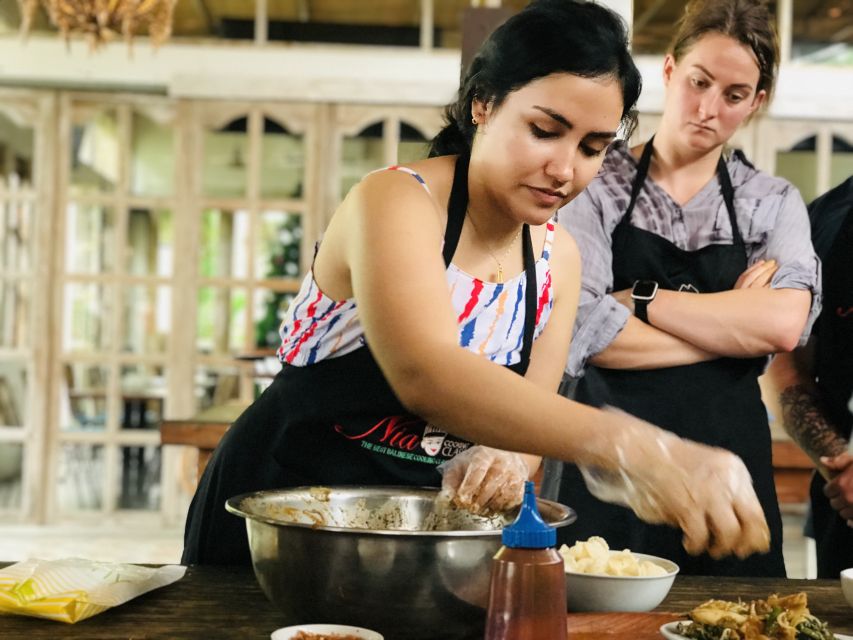
Lunch is the payoff. After the preparation and cooking, you sit down with your group and eat. For many people, this is the moment that makes the class feel worthwhile. The food is not an abstract demonstration. You see the ingredients, help with the preparation, and then taste the finished dishes.
The meal may include more food than the items you personally handled. One negative account said that the final spread included many dishes that the participant had not prepared. That could disappoint you if your main goal is to eat only what you cooked, but it can also mean a broader sampling of Balinese food.
The supplied information promises lunch and says you will taste food made with your group. It does not list the number of courses, portion sizes, or exact menu. Go in ready for a shared meal rather than a personalized restaurant order.
I like this part of the experience because it gives the class a clear social finish. You can compare results, talk about the market, and enjoy the food without worrying about cleaning up a home kitchen. The cookbook and certificate then give you something practical and memorable to take away.
What the $40 price includes
At $40 per person, the package offers solid value if you want a half-day activity with several parts included. You receive pickup, the market tour, morning tea, the cooking class, lunch, a certificate, and a cookbook. If you paid separately for transport, a meal, and a cooking lesson, the total could easily rise.
The value depends on your priorities. If you mainly want a long, serious cooking lesson with one-on-one coaching, the price may feel less attractive, especially if assistants handle much of the preparation. If you want a convenient cultural activity that combines food, a market visit, instruction, and lunch, the package makes more sense.
The certificate is a pleasant souvenir, but I would not treat it as a reason to book. The cookbook is the more useful extra. It gives you a chance to recreate the dishes and continue the experience after Bali.
Pickup is included, but drop-off is not. That small detail affects the real cost and convenience. You need to arrange your own return to your hotel or next destination, so allow time and money for that when comparing this with other cooking classes.
Pickup, timing, and practical planning
The activity lasts five hours, with starting times depending on availability. Pickup is included, and you should wait in your hotel lobby 10 minutes before the scheduled time. The driver will wait no longer than five minutes after the pickup time, so this is not the morning to arrive casually with coffee in hand.
Because the return transfer is not included, check where the class ends before booking. The experience is in Seminyak, but the supplied details do not state the exact drop-off point or the likely return transport. You can use the free-cancellation period to confirm any detail that matters to your plans.
The class is listed as wheelchair accessible. That is useful, but accessibility can involve several parts of a day, including the vehicle, market paths, cooking stations, and seating. If you need specific assistance, confirm the arrangements before paying.
The age information is inconsistent. The activity is listed as unsuitable for children under 2, under 3, and under 4, as well as babies under 1, and it also lists restrictions for people over 70 and over 95. Since those limits conflict, ask the provider for the exact age policy if you are booking for a young child or an older adult.
English and Indonesian are available for instruction and the audio guide. That makes the class workable for English speakers, though the level of individual attention can still vary in a group.
Who will enjoy this class most
I would recommend this experience to you if you want a friendly introduction to Balinese food and prefer learning by doing. It suits couples, friends, and solo visitors who enjoy a shared meal and do not need a private lesson.
It is also a smart pick for people who want one organized half-day rather than several separate bookings. You get transport to the activity, a market stop, tea, cooking, lunch, and take-home material in one package.
You may want another option if your first priority is a detailed market visit. The market section appears to be structured around collecting ingredients, not browsing at your own speed. You may also want another class if you dislike group cooking or expect to prepare every dish yourself.
Families should check the age rules carefully. Babies and very young children are not suitable according to the listed restrictions, and the information does not explain how older children participate. People with mobility needs can consider it because wheelchair access is listed, but specific arrangements should be confirmed.
Should you book the Nia Balinese Cooking Class?
Book it if you want a well-organized, social introduction to Balinese cooking for about half a day. The strongest reasons are the market connection, the chef-led instruction, the shared lunch, and the useful cookbook. The high 4.8 score from 19 reviews reflects how well the class works for many people.
Go in with realistic expectations. This is not clearly a private lesson, and the market visit may be short. If your group is large, assistants may handle some of the more complex work, leaving you with simpler preparation tasks.
For most food-curious visitors, the $40 price is fair because it covers far more than cooking instruction alone. I would book it for the cultural context and shared meal, not for advanced kitchen training. If you want maximum hands-on time, contact Nia Balinese Cooking Class first and ask how many people share a station and how the cooking duties are divided.
FAQ
How long does the Balinese cooking class and market tour last?
The activity lasts five hours. Starting times vary, so check availability when you choose your date.
What is included in the price?
The price includes pickup, the market tour, morning tea with a Balinese cake, lunch, a certificate, and a cookbook.
Is hotel drop-off included?
No. Pickup is included, but you arrange your own return after the class.
What languages are available?
The instructor and audio guide are available in English and Indonesian.
Do I get to eat the food prepared during the class?
Yes. Lunch is included, and you eat food made with your group during the experience.
Do I receive a cookbook?
Yes. A cookbook is included to take home.
How early should I be ready for pickup?
Wait in your hotel lobby 10 minutes before the scheduled pickup. The driver will wait no longer than five minutes after the scheduled pickup time.
Can I cancel for a full refund?
Yes. You can cancel up to 24 hours in advance for a full refund.
New market tours around Indonesia
- Nusa Dua: Balinese Cooking Class with Market Tour★ 5.0 · 4 reviews
- Jambangan bali cooking class with morning market tour★ 5.0 · 35 reviews
- Denpasar: Museum, Traditional Market and Food Tasting Tour★ 4.9 · 33 reviews
- Balinese cooking class/Go shopping at the market, cook, eat★ 5.0 · 12 reviews
- Bali – Ubud Night Market Food Tour★ 3.8 · 14 reviews
- Bali: Ubud Monkey Forest, Coffee Plantation, and Market Tour★ 5.0 · 5 reviews
- Bali: Safari Zoo and Ubud Palace and Market Day Tour★ 4.7 · 6 reviews
- Bali: Turtle Conservation and Education Tour & Local Market★ 4.8 · 20 reviews
Indonesia Market Tours, side by side.
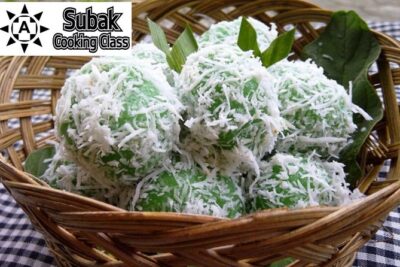
Balinese Ubud cooking school (9 Dish Cooking and Market Tour)
Read our review →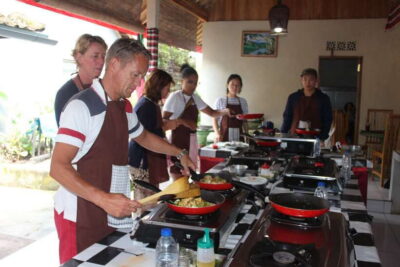

Active Volcano, Rice Field, Hot Spring, Fruit market, Tea Plantation with Lunch
Read our review →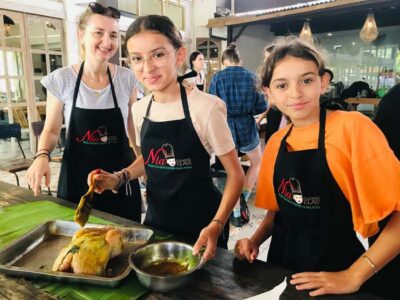
Balinese Cooking class with traditional morning market visit
Read our review →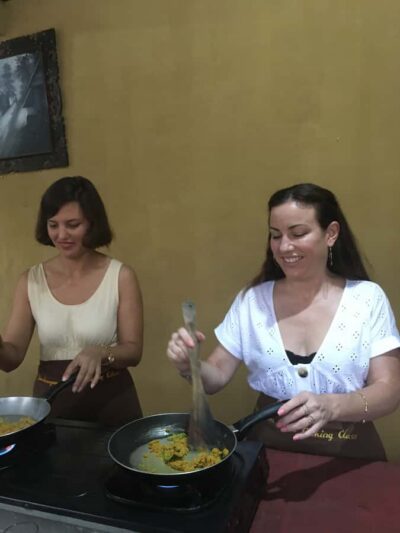
Jambangan bali cooking class with morning market tour
Read our review →
Denpasar: Museum, Traditional Market and Food Tasting Tour
Read our review →
Bali: Turtle Conservation and Education Tour & Local Market
Read our review →This tour also appears in