
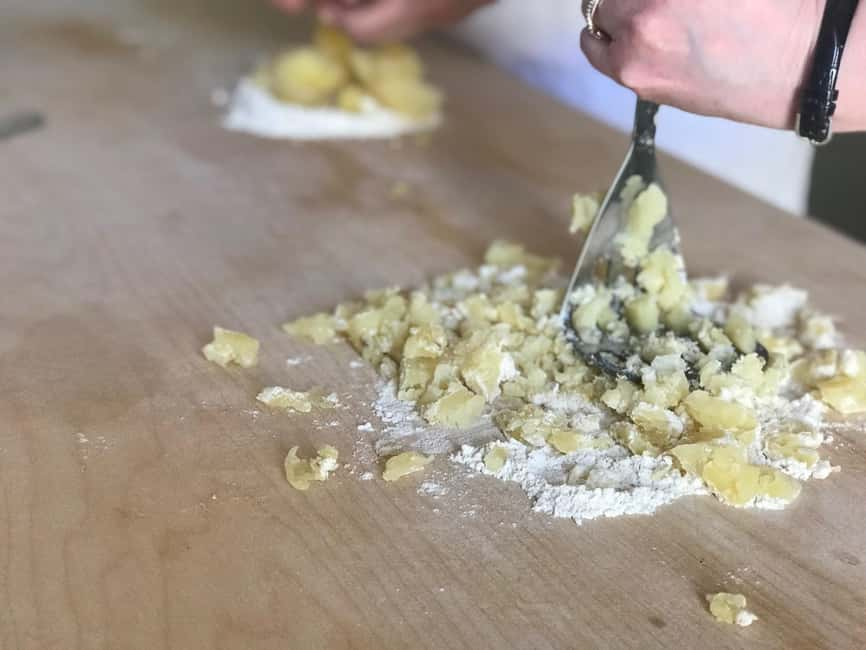
Review · ITALY
Discover the old market and make fresh pasta
The best part of this four-hour experience is the link between shopping and cooking. You start at Villafranca’s old market, choose the ingredients with your chef, then carry them a short distance to a traditional kitchen beside the Scaliger Castle. You are not simply handed a plate of pasta. You help decide what goes into it, then turn flour and eggs into lunch.
I like two things especially: the chance to make the local Nodo d’amore tortellini, and the relaxed meal that follows with Veronese wines. You also prepare pappardelle or seasonal vegetable tortelli and finish with tiramisu, so the class covers a proper Italian meal rather than one isolated recipe.
The main caution is scheduling. The market operates on Wednesdays, while on other days you shop in selected local stores. One booking also had a serious communication problem, with confirmation arriving only an hour before the start, so keep an eye on your messages and contact the provider early if your plans are tight.
Key points at a glance
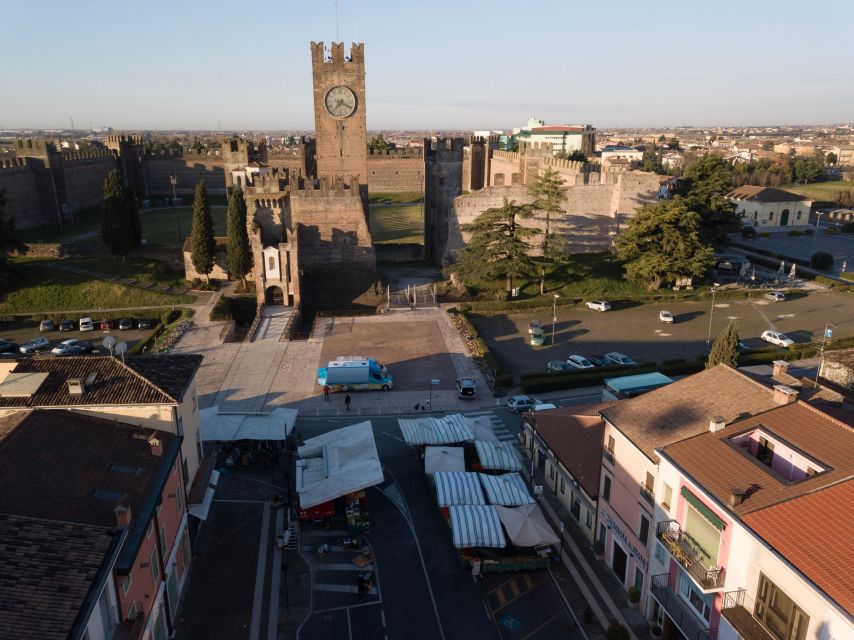
- Wednesday market visit: Choose local ingredients with the chef among Villafranca’s market stalls.
- Nodo d’amore tortellini: Learn to shape the famous local pasta associated with the area.
- Several dishes in one class: Make fresh pasta, stuffed tortelli or pappardelle, and tiramisu.
- Castle-side setting: Cook in a Venetian-style kitchen with a garden and views toward the Scaliger Castle.
- Veronese wine pairing: Eat what you prepare with local wines rather than rushing off after the lesson.
- Small class size: The group is limited to 10 people, with instruction in Italian and English.
Why the market visit gives this class its character
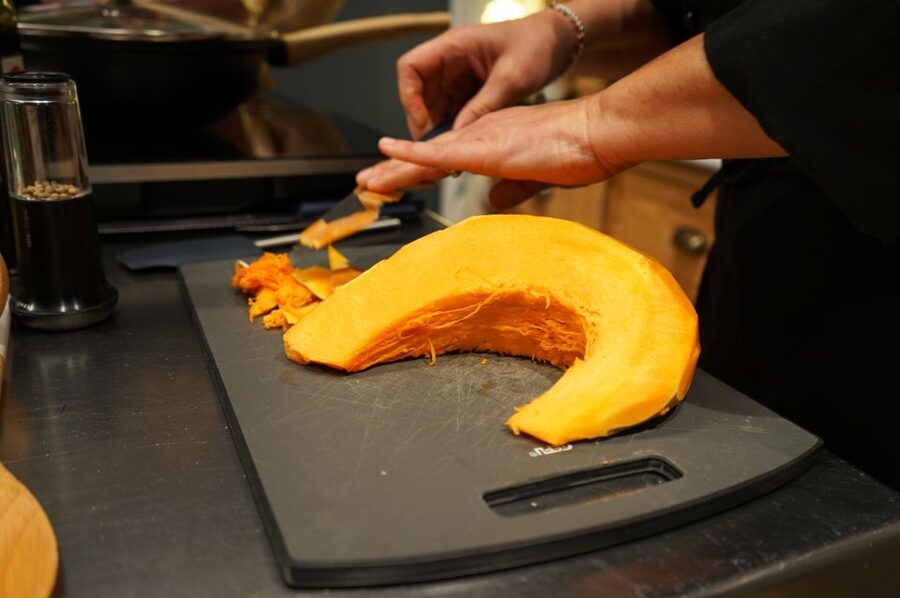
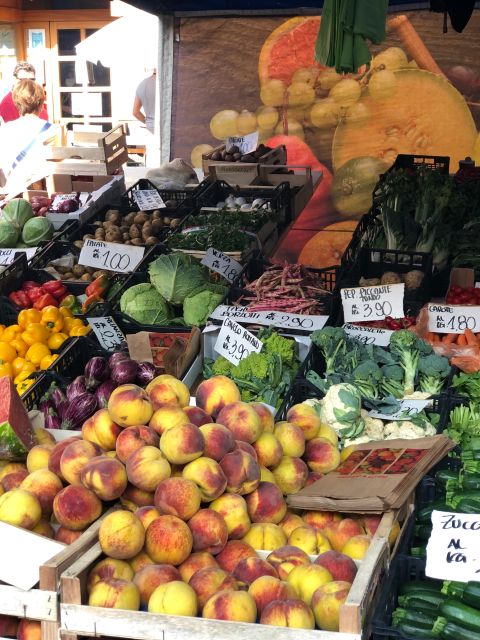
Many pasta classes begin with a bowl of flour already waiting on the table. This one begins outside, at Villafranca’s old market. That small change matters. You see the raw materials first, consider what is in season, and take part in the decisions that shape the meal.
The market day is Wednesday. If you can arrange your visit for then, you get the fullest version of the outing, with stalls and the easy pleasure of choosing produce as you walk. The chef helps select the ingredients for the cooking lesson, so the market is not just a sightseeing stop. It is the first step in making lunch.
On other days, you do not lose the food-shopping element. You choose products with the chef in selected local shops instead. The feel will be different, and the market atmosphere will be missing, but the practical point remains: you are still connected to the ingredients before you cook them.
I like this format for visitors who want a little more local context without signing up for a long food tour. You are not spending hours hearing a lecture about Italian cuisine. You are seeing what is available, choosing what will be used, and then putting those ingredients to work.
More pasta classes around Italy:
- Bologna Food & Market Tour with 6 Tastings, Pasta, Wines & More
★ 5.0 · 1,328 reviews - Pasta and Tiramisu Cooking Class with optional Local Market Tour
★ 5.0 · 515 reviews - Rome: Pasta Cooking Class with Market Visit and Wine
★ 4.9 · 277 reviews
Meeting at Villafranca’s Scaliger Castle
The meeting point is in front of the Scaliger Castle in Villafranca, at coordinates 45.3514404296875, 10.846451759338379. The host’s direct contact details are provided after booking, and you should use them to confirm the exact meeting instructions before the day.
The castle gives you a clear landmark and makes the arrival point easier to identify than a generic street address. From there, the market walk leads into the cooking portion only a few steps away. That compact layout is useful because the four-hour schedule can focus on food rather than long transfers.
The activity is described as a Veronese experience in Villafranca, in the Verona area. The general location information also refers to Lombardy, so I would read the meeting details carefully and rely on the supplied coordinates and host contact rather than assuming the class takes place in central Verona.
This is not a bus tour or a city sightseeing circuit. You make your own way to the meeting point, then spend the bulk of the time walking locally, cooking, eating, and tasting wine. If you are comparing it with a Verona pasta class held in the city center, the tradeoff is clear: this option gives you a smaller-town setting and a market connection, but it requires attention to the meeting location.
From flour and eggs to handmade pasta
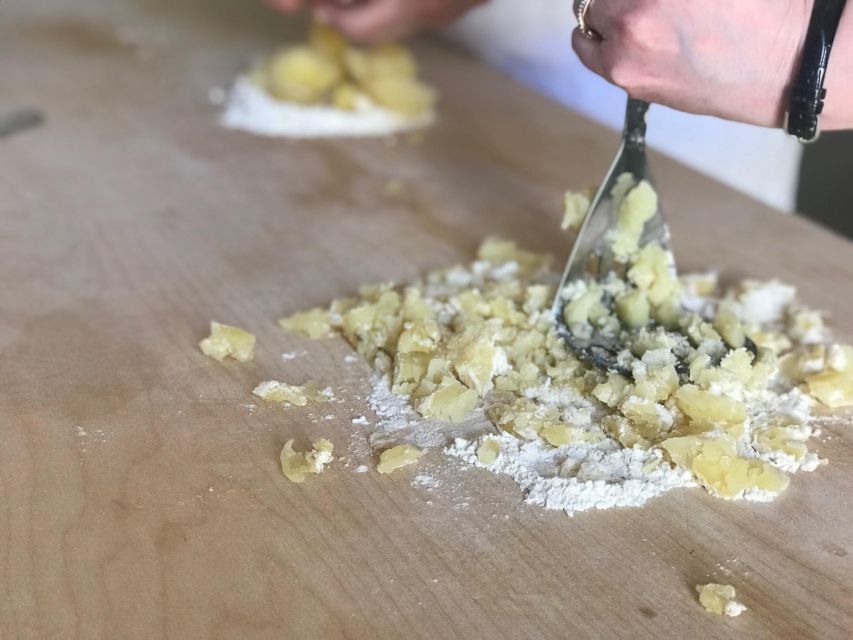
The heart of the class is the old-fashioned method. With eggs and flour, you knead the dough by hand and learn the techniques used by Italian grandmothers. The point is not only to watch the chef. You work the dough yourself, which gives you a better sense of texture, pressure, and timing.
That hands-on approach is useful even if you already cook at home. Fresh pasta looks simple, but dough can feel too dry, too wet, or too stiff. A chef can show you how to respond as you work instead of leaving you with a fixed recipe that may not behave the same way in your kitchen.
The pasta selection also gives the class a local focus. You prepare the famous tortellini called Nodo d’amore, along with other local forms such as pappardelle or tortelli filled with seasonal vegetables from the market or shops.
The name Nodo d’amore means knot of love, and the shape is a regional specialty associated with the area around Valeggio sul Mincio and Villafranca. The supplied details do not promise a particular filling, so expect the exact ingredients to depend on what is available and selected that day. That flexibility is part of the appeal, though anyone hoping for one fixed menu should keep it in mind.
Pappardelle gives you a wider, rustic ribbon of pasta, while stuffed tortelli asks for more care with filling, sealing, and shaping. Making more than one style keeps the lesson active and lets you compare the different skills involved.
A full meal, including tiramisu
This is not a class that ends after the pasta goes into the pot. You also prepare tiramisu, Italy’s much-loved coffee and mascarpone dessert. The dessert gives the lesson a satisfying finish and means you take part in the meal from first course to last.
The exact sequence and ingredient details are not specified, so I would not expect a printed menu to be identical on every date. Seasonal vegetables and market choices can change the pasta filling. That is a benefit if you enjoy cooking with what is available, but less convenient if you have strict dietary needs or want a guaranteed recipe.
The useful lesson here is adaptability. You see how one shopping trip can produce several dishes, then sit down to eat the results. A cooking class can feel artificial when the food is prepared in advance or when the meal is only a token tasting. This format promises a more complete table experience, with the work and the reward connected.
I would tell you to pace yourself. Four hours sounds generous, but the time includes the market visit, shopping, preparation, cooking, and meal. You are likely to be busy, especially if you want to ask questions and shape the pasta carefully. The class suits people who enjoy taking part, not people looking for a quick demonstration followed by a free afternoon.
More market tours around Italy:
- Cooking Class and Lunch at a Tuscan Farmhouse with Local Market Tour from Florence
★ 5.0 · 4,831 reviews - Rome: Colosseum, Roman Forum & Trajan’s Market Exterior Tour
★ 4.3 · 2,038 reviews - Small Group Cooking Class & Market Food Tour in Florence
★ 5.0 · 1,574 reviews - Venice Street Food Tour with Local Guide with Local Food Market Visit
★ 5.0 · 822 reviews
Wine, conversation, and the castle view
The finished dishes are paired with renowned Veronese wines. Wine is part of the meal rather than an unrelated tasting added at the end, which makes sense here. Fresh pasta, stuffed tortelli, and tiramisu are best appreciated around a table, with time to talk about what you have made.
The kitchen is described as a typical Venetian-style kitchen with a garden and views toward the castle. That setting adds atmosphere without taking the focus away from the food. You are not cooking in a silent laboratory. You are sharing a meal in a home-style space, with the castle providing a strong sense of place.
The group is limited to 10 participants. That is small enough for the chef to watch your technique and explain how to handle the dough, though it is not a private lesson. If everyone wants individual help at the same moment, you may still need to wait your turn.
Instruction is offered in Italian and English. This makes the class suitable for English-speaking visitors, while the bilingual setting may also give it a more natural local feel. The chef has been praised for being attentive, professional, and willing to explain cooking ideas and suggest useful ways to work with available ingredients. Those practical tips may be the most lasting part of the class, especially if you want to improve your cooking at home.
What the feedback tells you about the teaching
The strongest pattern in the available feedback is praise for the chef’s attitude and teaching. One participant described the chef as prepared and professional, with a habit of explaining the ideas behind the food and offering advice. Other comments highlight a kind, attentive chef who made an effort to help and taught many interesting things.
That points to a class that is more than a photo opportunity. You can expect guidance on using the ingredients in different ways, not just instructions to copy a single dish. If you like learning small techniques that transfer to other recipes, this is a good sign.
There is one important warning about the booking process. A participant from the United States reported unclear instructions, poor customer service, and no confirmation until one hour before the morning start. This is not a complaint about the cooking itself, but it can affect your day if you are coordinating trains, accommodation, or another tour.
I would contact the host as soon as you book, confirm the start time and meeting point, and keep the host’s details available on the day. Do not leave this until the last minute if you have a firm schedule. The experience provider is Verona In Tour, and the direct host contacts are supplied with the booking.
Who gets the best value from this four-hour experience
Because no price is provided here, I cannot judge whether the cost is a bargain against a specific competing class. I can judge what you receive for four hours: a market or local-shop visit, ingredient selection, hands-on pasta making, several dishes, tiramisu, a shared meal, local wine, and a small group.
That is a useful package for someone who wants food, culture, and conversation in one outing. You are paying for instruction and participation, not simply for lunch. The value improves if you use the techniques again at home, particularly the pasta dough and shaping methods.
You are a good match for this activity if you:
- Want to make pasta by hand rather than only watch a chef
- Enjoy eating in a group and sharing the meal you helped prepare
- Like seasonal cooking and do not need a fixed menu
- Can reach Villafranca’s castle meeting point
- Prefer a small class over a large demonstration
- Want a taste of the Verona area beyond the main city sights
It may not suit you if you need a guaranteed dish list, dislike alcohol-centered meals, or have only a narrow window before another booking. The activity does not allow alcohol and drugs as prohibited items, and wine is part of the planned tasting, so the food-and-wine format should be clear before you reserve.
Timing, booking, and practical planning
The activity lasts four hours, with starting times subject to availability. Wednesday is the best day if the market itself is important to you. On other days, the shopping takes place in selected local shops, so the class remains practical but loses the market-stall portion.
The small group limit of 10 is a real advantage for a pasta lesson. You should have more chance to receive help with kneading and shaping than in a large class, while still meeting other people around the table.
Free cancellation is available up to 24 hours in advance for a full refund. You can also reserve now and pay later, which helps if your Verona plans are still moving around. Those policies reduce the risk of booking ahead, but they do not replace the need to confirm the meeting details.
The class is offered in Italian and English. The host’s contacts are provided, and I recommend using them to clarify the start time, especially given the one report of late confirmation. Bring an appetite and allow enough time for the full four-hour session. The market, kitchen, cooking, and meal are all part of the experience.
Should you book the Villafranca pasta class?
Book it if you want to make several local dishes, learn by doing, and sit down afterward with wine and the food you prepared. The market connection, Nodo d’amore tortellini, castle-side kitchen, and small group give it more character than a basic pasta lesson.
Choose another option if your priority is central Verona, a guaranteed menu, or flawless last-minute communication. For the best version, schedule it on a Wednesday, confirm the meeting details early, and treat the four hours as a main activity rather than a quick add-on.
FAQ
Where does the experience meet?
You meet the chef in front of the Scaliger Castle in Villafranca. The listed coordinates are 45.3514404296875, 10.846451759338379, and the host’s contact details are provided with the booking.
How long does the activity last?
The experience lasts four hours. Starting times depend on availability.
Is the Villafranca market open every day?
The market day is Wednesday. On other days, you choose the products with the chef in selected local shops.
What pasta will I learn to make?
You learn to make fresh pasta by hand, including the local tortellini called Nodo d’amore. You may also prepare pappardelle or tortelli filled with seasonal vegetables.
Is tiramisu included in the cooking lesson?
Yes. You prepare tiramisu as part of the experience, then enjoy the dishes you have made.
Are wines included?
The meal is paired with local Veronese wines. Wine tasting is part of the experience.
What languages are available?
The instructor offers the activity in Italian and English.
What is the cancellation policy?
You can cancel up to 24 hours in advance for a full refund. You can also reserve your place and pay later.
New market tours around Italy
- Taormina: Sicilian Cooking Class & Market Tour★ 4.9 · 212 reviews
- Florence: Markets and Food Tasting Tour★ 5.0 · 2 reviews
- Taormina: Sicilian Cooking Class w/ a Visit to Local Market★ 4.9 · 76 reviews
- From Taormina: Syracuse Tour with lunch in Food Market★ 4.9 · 12 reviews
- Syracuse: Traditional Cooking Class & Ancient Market Visit★ 4.9 · 72 reviews
- Spoleto: Market Tour and Meal at a Local’s Home★ 5.0 · 2 reviews
- Sorrento: Markets and Cooking Class at a Cesarina’s Home★ 3.7 · 3 reviews
- Taormina Half-Day Sicilian Cooking Class & Market Tour★ 5.0 · 82 reviews
Italy Market Tours, side by side.
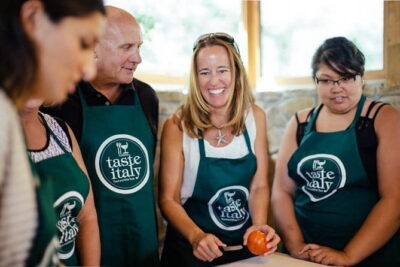
Cooking Class and Lunch at a Tuscan Farmhouse with Local Market Tour from Florence
Read our review →
Rome: Colosseum, Roman Forum & Trajan’s Market Exterior Tour
Read our review →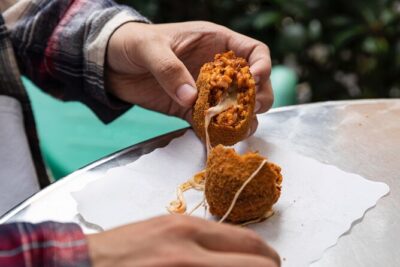
Taste of Testaccio: Special 15 Year Anniversary Edition
Read our review →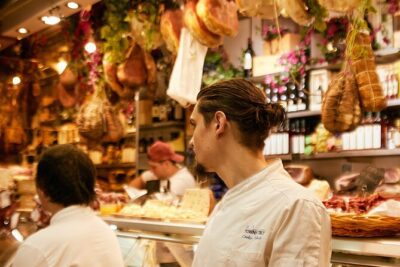
Small Group Cooking Class & Market Food Tour in Florence
Read our review →
Bologna Food & Market Tour with 6 Tastings, Pasta, Wines & More
Read our review →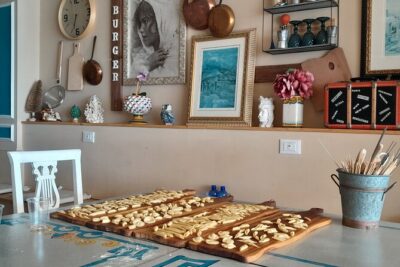
Seaview Cooking Class & Taormina local flavors with Chef Mimmo
Read our review →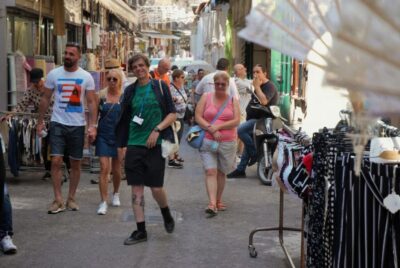
Palermo: Street Food and Local Market Tasting Tour
Read our review →
Palermo: Walking Tour of Historic Markets and Monuments
Read our review →This tour also appears in