
Review · SRI LANKA
Galle: Cooking Class at a Local Home and Market Tour
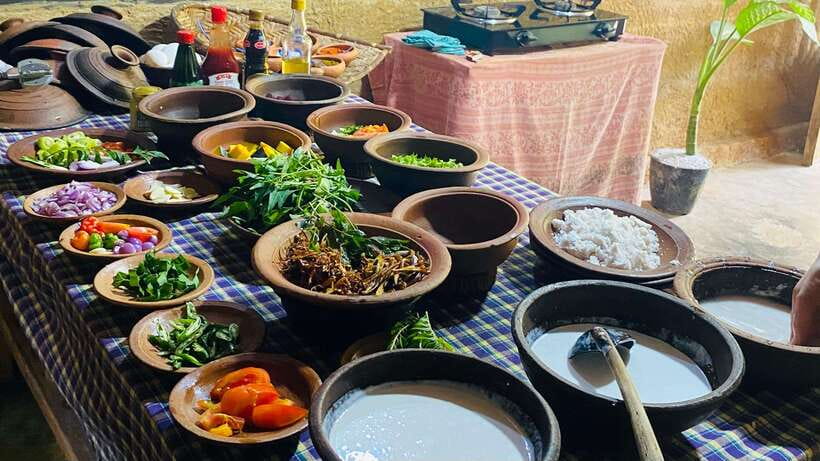
Sri Lankan food makes the most sense when you see the ingredients before they reach the pot. This three-hour experience takes you from a local market in Galle to Madhu’s family home in Kotapola, where you help prepare a broad spread of curries, sambol, rice, and side dishes. I like the market stop because it turns unfamiliar vegetables and spices into things you can recognize, and I like that everyone contributes to a shared meal instead of cooking alone at separate stations.
The home setting is the other big draw. Madhu and her family offer a warm, personal welcome, and the traditional kitchen gives the lesson a lived-in feel. The main consideration is time: three hours goes quickly when shopping, cooking several dishes, and sitting down to eat. If you want a slow, highly technical cooking course, this may feel brisk. If you want food, family contact, and practical recipes, it hits the mark.
Key points to know before booking
- Market shopping comes first: Choose fresh vegetables, fish, or other ingredients while Madhu explains how they are used.
- Madhu leads the class: She teaches in English and welcomes questions about spices, techniques, and Sri Lankan food customs.
- You cook as a team: The group works together on several dishes, giving you more chances to taste the cuisine.
- The meal is generous: Expect vegetable curry, fish or chicken curry, coconut sambol, side dishes, and dessert, with the exact spread varying.
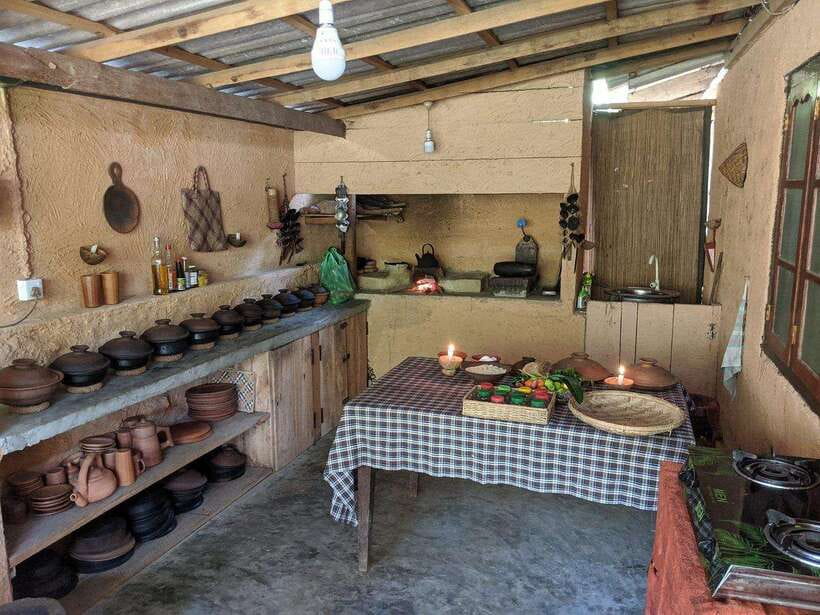
- The setting is a family home: This is less formal than a studio class and more like being invited into a local kitchen.
- Small groups keep it personal: Numbers are limited to 10, with hotel pickup and drop-off included.
From Galle’s market to Madhu’s family kitchen
The experience begins with hotel pickup and a welcome from Madhu. One recent arrangement included a tuk-tuk pickup, which is a fitting start for an activity built around everyday Sri Lankan life. The published location is Kotapola, while the market visit is described as taking place in Galle, so check the exact pickup point and meeting details when you book.
At the market, you help select the ingredients for the meal. This is not just a quick shopping stop. Madhu explains the vegetables, spices, and other products, and you can ask how each one fits into Sri Lankan cooking. The chance to choose the vegetables gives you some control over the meal, especially useful if you are vegetarian or have foods you prefer to avoid.
You may also sample street food at one of the local markets. The point is not to race through a list of sights. It is to see how Sri Lankan food works at different levels, from market snacks to a family lunch. The market is also the best place to notice how much of the cuisine depends on fresh produce, coconut, fish, and carefully balanced spice mixtures.
A spice-shop visit has also formed part of the outing. This gives you another look at the ingredients behind the food and may be useful if you want to take spices home. Buying anything extra is your choice, so do not confuse the shopping opportunity with something required by the class.
The market can be lively and crowded, and conditions may be less polished than a tourist food hall. That is part of the appeal, but it also means you should wear comfortable shoes and expect a practical local setting rather than a staged cooking attraction. The market portion is valuable because it adds context to the meal, though people who want to get straight to the stove may find it a little long.
More Market and Cooking Class Tours in the world:
- Hanoi Cooking Class: Culture, Local Market & Meaning CSR Impact
★ 5.0 · 5,147 reviews - 5 Traditional Dishes Hanoi Cooking Class with Market Trip
★ 5.0 · 4,890 reviews - Cooking Class and Lunch at a Tuscan Farmhouse with Local Market Tour from Florence
★ 5.0 · 4,831 reviews
Cooking in a traditional Sri Lankan home
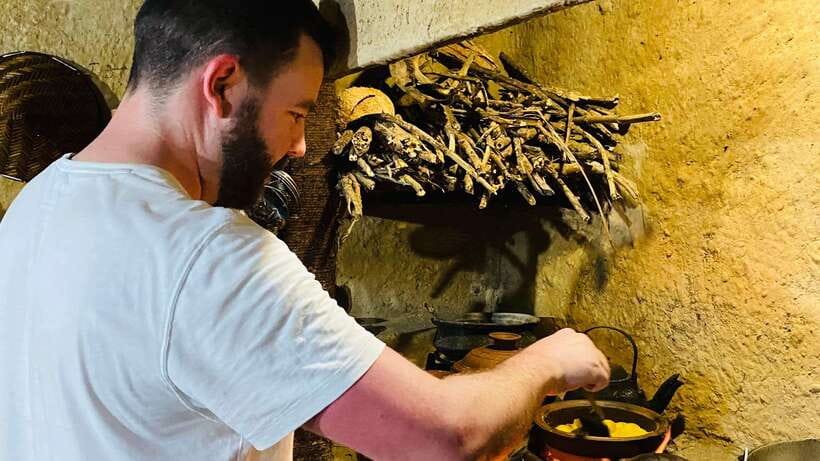
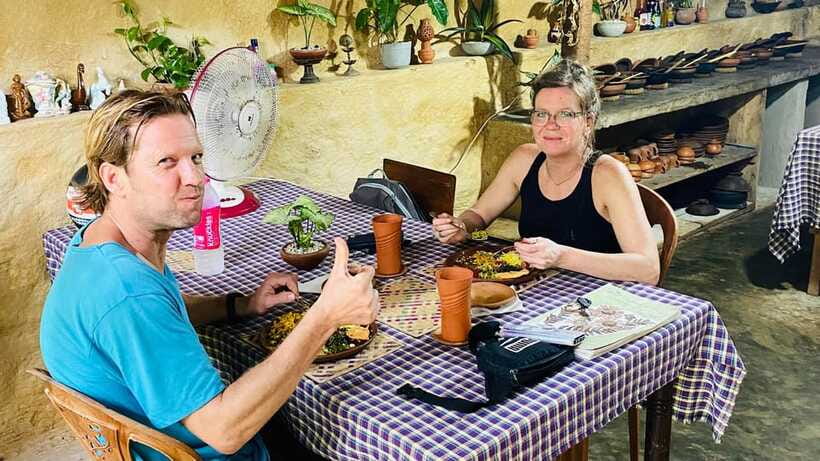
After shopping, you go to the cooking venue, which is Madhu’s home and family kitchen. This changes the tone of the class. You are not simply watching an instructor prepare a demonstration meal. You are working in a domestic setting where recipes are connected to family habits and daily cooking.
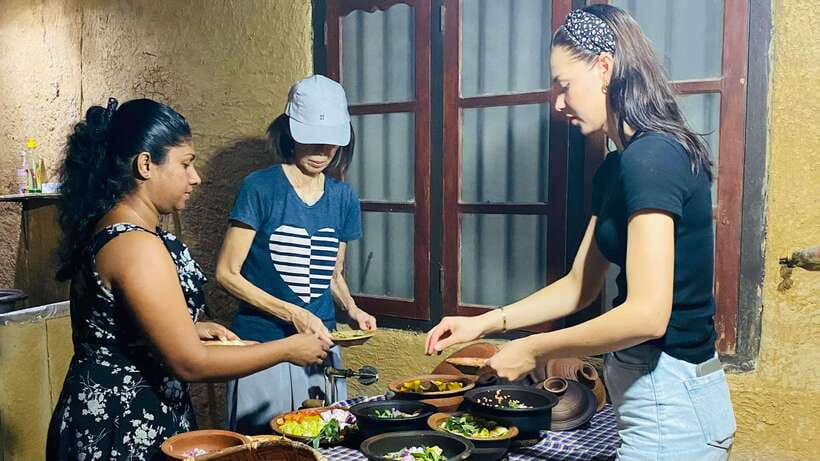
Madhu explains the ingredients and the purpose of the spices as you go. She also offers the chance to learn a few Sri Lankan phrases, a small detail that can make the visit feel more social and less like a standard food lesson. English is the teaching language, so you do not need to know Sinhala to follow the class.
The format is hands-on, but it is collaborative. Everyone helps with parts of the dishes, and the group shares the work. This is one of the strongest features for people who want to try many foods. Instead of each person preparing one recipe from start to finish, you can contribute to several dishes and taste a wider range at the table.
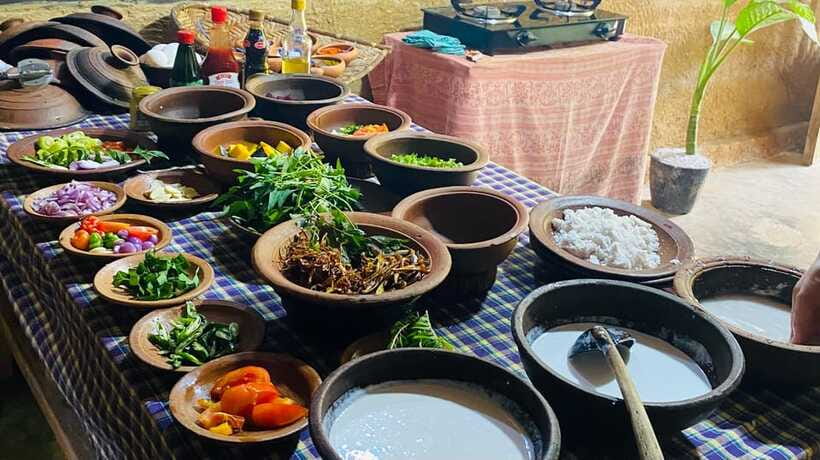
The menu is centered on classic Sri Lankan flavors. The published meal description includes seven vegetable curries, fish or chicken curry, coconut sambol, side dishes, and dessert. The exact selection can depend on the ingredients bought at the market and the preferences of the group. One group reported helping make 11 different traditional dishes, so you may cook more than the basic menu suggests.
That does not mean you should expect a fixed 11-course lesson every time. The important point is variety. You may work with unfamiliar vegetables, learn how coconut milk is used, and see how several modest dishes become a full Sri Lankan meal. The class is a good choice if you want to understand the balance of curry, sambol, rice, and vegetable dishes rather than learn one recipe in isolation.
The kitchen setting may be less comfortable for visitors who expect a large counter, individual equipment, and a printed lesson plan. You will be sharing space and tasks. For me, that is a fair trade for seeing how food is made in a real household, but it is worth knowing before you book.
What you actually learn about Sri Lankan food
A good cooking class should leave you with more than a full stomach. Here, the useful lesson is how Sri Lankan cooks build a meal from several different textures and flavors.
Curries do not all serve the same purpose. A vegetable curry, a fish or chicken curry, coconut sambol, and rice can each bring a different level of heat, creaminess, sharpness, or sweetness. Cooking several dishes together helps you understand why Sri Lankan meals are served as a group rather than as one large main course.
Madhu also explains ingredients and their uses as you cook. This matters when you return home and try the recipes. You may remember a spice more easily after seeing it at the market, handling it in the kitchen, and tasting the finished dish.
The recipes are included, which adds real value to the $40 price. A cooking class is more useful when you can recreate the food, though your results will depend on finding the right ingredients at home. The recipes give you a starting point, while the market tour helps you understand what to look for.
Vegetarians should pay attention to the booking conversation and explain their needs in advance. A vegetarian participant described receiving careful consideration throughout the activity, and the menu includes a strong selection of vegetable curries. The experience also works for mixed groups, since fish or chicken can be prepared alongside vegetarian dishes.
The same flexibility applies to spice levels. One group had a guest who preferred less spice, and Madhu prepared a milder fish dish for that person. This suggests that it is worth raising dietary preferences before cooking begins rather than hoping the finished meal will suit everyone.
The shared meal is the payoff
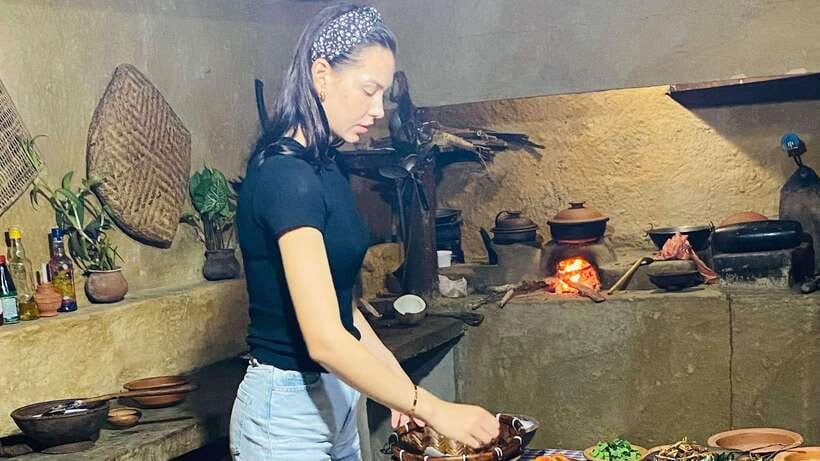
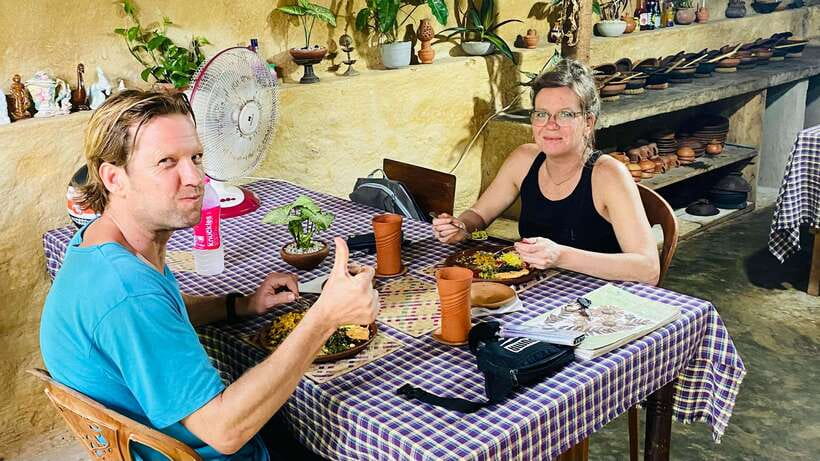
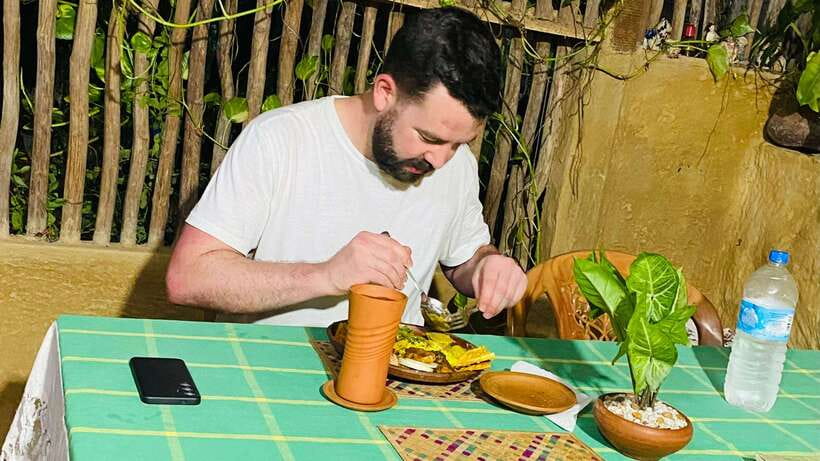
Once the cooking is finished, you sit down to eat the food prepared by the group. The meal includes side dishes, water, and dessert, and the spread can be substantial. Because you helped choose the ingredients and prepare the dishes, the meal feels like the natural end of the lesson rather than a separate restaurant stop.
I especially like the shared format for couples, families, and groups of friends. Children are welcomed, and the work is divided so that younger participants can take part without needing to manage an entire recipe. The class can also be a good way to meet other people, since the meal gives everyone an easy subject to talk about.
The food is likely to be the highlight for anyone who enjoys curry. Several participants described the finished meal as among their best in Sri Lanka, with particular praise for the fish curry and fresh ingredients. That enthusiasm makes sense: coconut milk, market vegetables, homemade elements, and freshly cooked dishes are hard to match with a routine restaurant meal.
Still, food taste is personal. Sri Lankan cooking often includes strong spice, and the meal may be broader and more varied than what you normally eat. Tell Madhu about allergies, dietary rules, and spice preferences before the class. The available information confirms vegetarian accommodation and a milder preparation for one guest, but it does not provide a full allergy policy.
More market tours around the world:
- Bangkok: Damnoen Saduak Market and Maeklong Railway Market
★ 4.5 · 26,723 reviews - The Old Siam: Damnoen Saduak and Maeklong Railway Market
★ 4.5 · 10,992 reviews - Dubai: Old Town, Creek, Museums, Souks, & Street Food Tour
★ 4.8 · 10,816 reviews - Bangkok: Train Market & Floating Market with Boat Ride
★ 4.7 · 9,547 reviews
Why the $40 price can be good value
At $40 per person, the cost covers more than a cooking lesson. You get hotel pickup and drop-off, a market tour, a professional chef-led class, ingredients, equipment, a welcome drink, water, the meal, recipes, and photo and video service.
That is a solid bundle for a three-hour activity, especially because the meal replaces a restaurant lunch or dinner. The market visit and home setting also add the kind of personal contact that is hard to buy through a standard sightseeing tour.
The value is strongest if you want to eat a full meal and learn recipes you can use later. It is less compelling if you only want a quick demonstration or a short market visit. The price also makes more sense for a group, since the shared work and family setting are built for participation rather than private instruction at every step.
You should also factor in the included transport. Pickup and drop-off remove one practical chore, though the exact pickup area and timing should be confirmed. Starting times depend on availability, and the experience lasts three hours, so leave room in your day rather than scheduling another fixed appointment immediately afterward.
Who will enjoy this most
This class suits you if food is one of the main reasons you travel. It gives you several ways to learn: market shopping, street-food tasting, ingredient explanations, hands-on preparation, and a sit-down meal.
It is especially good for:
- Couples who want a personal cultural activity
- Families with children who enjoy helping in the kitchen
- Vegetarian diners who want a broad choice of vegetable dishes
- Groups of friends who prefer sharing one meal over making separate plates
- First-time visitors who want a practical introduction to Sri Lankan flavors
- Home cooks who want recipes and ideas to take back
You do not need advanced kitchen skills. The emphasis is on taking part, asking questions, and learning the role of each ingredient. A small group, limited to 10 people, should make it easier to receive guidance, though the class can still feel busy when many dishes are underway.
Wheelchair access is listed as available, which is useful for many visitors. Since the activity includes a market and a private home, confirm the specific access arrangements for your needs before booking.
Booking details worth checking
Free cancellation is available up to 24 hours before the activity for a full refund. You can also reserve now and pay later, which helps if your Sri Lanka plans are still shifting.
The class is offered in English. Hotel pickup and drop-off are included, but you should provide accurate hotel details and confirm the pickup area, especially because the experience connects a Galle market with a venue in Kotapola.
Bring an appetite and wear clothing that is comfortable for a market and a working kitchen. The provider supplies ingredients and equipment, so you do not need to bring cooking tools. If you have dietary restrictions or want fish, chicken, or vegetarian dishes, tell Madhu ahead of time.
Should you book this Galle cooking class?
I would book this if you want a food experience that feels connected to ordinary Sri Lankan life. The strongest parts are the market selection, Madhu’s patient teaching, the family-home setting, and the chance to help prepare many dishes before sitting down together.
I would hesitate only if you want a polished cooking studio, a fixed menu with exact timings, or a quiet private lesson. This is a shared, active experience with a market stop and a home kitchen. For most people who value local food, practical recipes, and a generous meal, the $40 price is fair, and the three hours are well used.
FAQ
Where does the cooking class take place?
The market visit is in Galle, and the cooking session takes place at Madhu’s family home in Kotapola. Hotel pickup and drop-off are included.
How long does the experience last?
The activity lasts three hours. Starting times depend on availability.
What food will I cook and eat?
The meal includes seven vegetable curries, fish or chicken curry, coconut sambol, side dishes, and dessert. The exact dishes can vary based on the ingredients selected and the group.
Is the class suitable for vegetarians?
Yes. Vegetarian dishes are part of the meal, and dietary preferences can be considered. You should explain your requirements before the class.
What language is the class taught in?
The class is taught in English. You may also learn a few Sri Lankan phrases during the experience.
What is included in the $40 price?
The price includes the market tour, hotel pickup and drop-off, cooking instruction, ingredients, equipment, welcome drink, water, the meal with side dishes, photo and video service, and recipes.
New market tours around the world
- Tel Aviv: 2-Hour Carmel Market Tour in English with Lunch★ 4.8 · 23 reviews
- Tel Aviv: Carmel Market & Neighborhood Guided Walking Tour★ 4.7 · 3 reviews
- Tel Aviv: 2-Hour Jaffa Flea Market Tour with Tastings★ 4.9 · 8 reviews
- Tel Aviv: Carmel Market Food Tasting Tour “Shuk Hacarmel”★ 4.0 · 8 reviews
- Tel Aviv: 2-Hour Levinsky Market Tour with Full Lunch★ 4.7 · 10 reviews
- Tbilisi 2 Parks: Turtle Lake & Dedaena Park with Flea Market★ 5.0 · 3 reviews
- Tbilisi: Street Food & Sightseeing Tour with Local Markets★ 5.0 · 8 reviews
- Teguise: Market and César Manrique Foundation Tour★ 4.3 · 39 reviews
Sri Lanka Market Tours, side by side.
Kandy: Village Cooking Class 12 Dishes with Market Tour
Read our review →
Colombo: Local Market Tour & Cooking Demo with Lunch
Read our review →This tour also appears in