
Review · SOUTH KOREA
Hidden Stories & Flavors: Traditional Market Food Tour
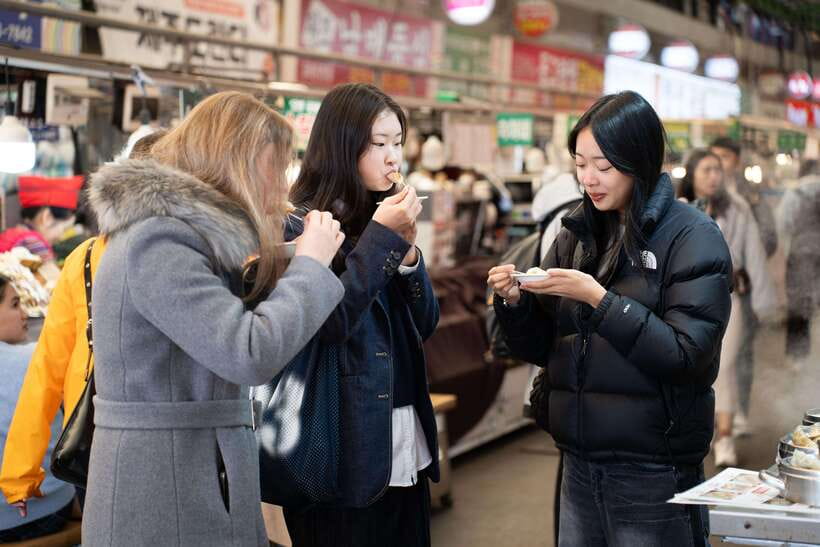
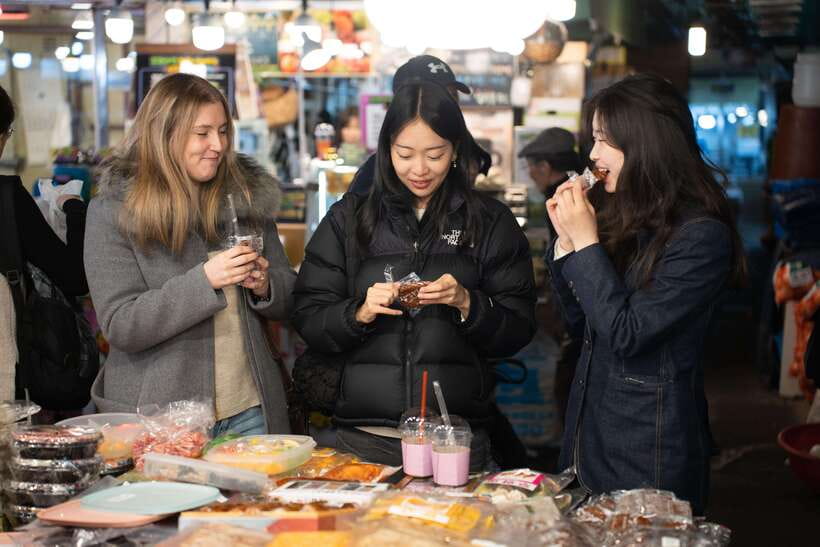
Gwangjang Market is the setting, but the food is only half the story. You move from stall to stall with an English-speaking guide, tasting familiar Korean street foods while hearing how modern Korea works, including the difficult subject of the peninsula’s division. Taeseong has led some outings, and his warm, sociable style adds a personal touch.
I like the generous food list and the chance to ask questions as you eat. I also like that the talk goes beyond sightseeing, touching on military service and everyday life in South Korea. The main caution is simple: $100 for two hours is a serious price for market snacks, and the portions may leave you very full.
Key points at a glance
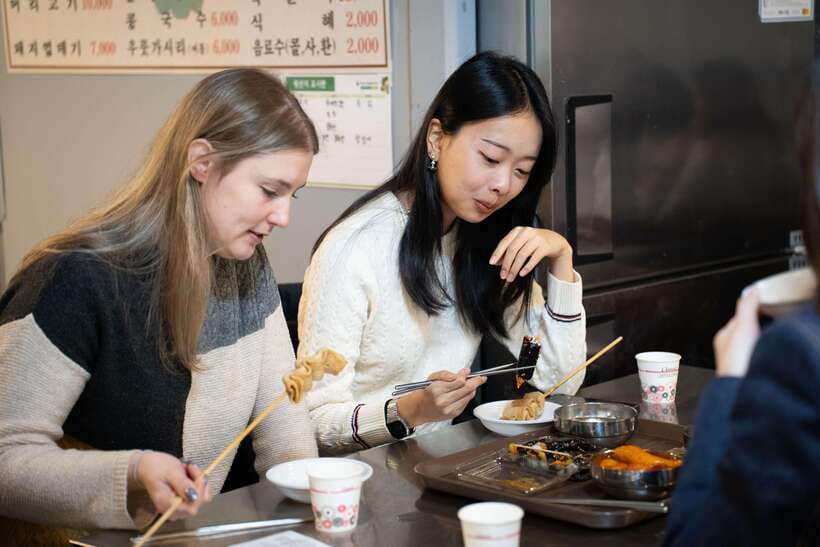
- Eight or more Korean market foods: Expect dumplings, meatballs, Korean hotdogs, rice rolls, spicy rice cakes, fish cake, sweet Korean pancakes, fish-shaped buns, and water.
- Gwangjang Market setting: The tour takes place inside one of Seoul’s best-known traditional markets, with food stalls providing the route.
- Modern Korea, not a formal history lesson: The guide discusses culture, Seoul, peninsula division, and military experience, but this is not sold as a historical tour.
- English-speaking small group: The group is limited to 10 people, giving you a better chance to ask questions.
- Come hungry: One Dutch participant found the portions large enough that skipping breakfast would be sensible.
- Flexible booking: You can cancel up to 24 hours before the tour for a full refund and reserve without paying immediately.
Gwangjang Market is the classroom
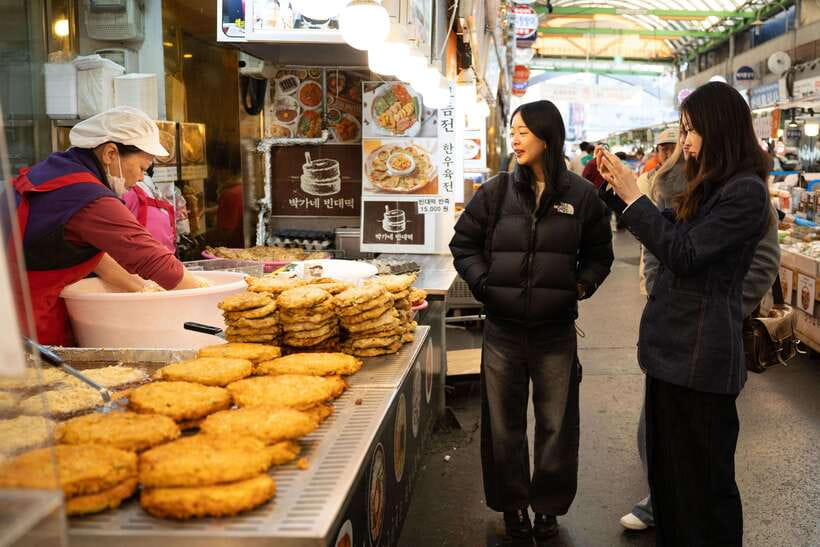
The tour begins near Jongno 5-ga Station Exit 8, then heads into Gwangjang Market for a two-hour guided food walk. The starting point is listed as 407, so follow the meeting instructions carefully and allow enough time to find the group around the station exit.
Gwangjang Market works well for this kind of outing because food stalls provide a natural route through Seoul’s traditional market culture. You are not sitting in one restaurant while a guide explains Korea from a distance. You are looking at the food, tasting it, and talking about it as the experience unfolds.
That format matters if you are new to Korean food. A menu can tell you what a dish is called, but it cannot always explain how it fits into daily life or why one snack is different from another. A guide can point out what you are eating, explain the dish, and help you compare flavors as you go.
The group size is capped at 10 people. That is small enough to keep the walk manageable in a busy market and gives you room to ask questions. It also means the experience may feel more like a guided conversation than a large organized food crawl.
More Market Food Tours in South Korea
- Seoul Street Food Market Tour
★ 5.0 · 1,226 reviews - Seoul: Night Market Food Tour with Local Guide
★ 4.9 · 943 reviews - Seoul: Palace, Temple and Market Guided Foodie Tour at Night
★ 4.9 · 750 reviews
Eight Korean foods, with room for changes
The food list is broad. You are scheduled to taste a dumpling, meatball, Korean hotdog, rice roll, spicy rice cake, fish cake, sweet Korean pancake, and fish-shaped bun. Water is also included.
This gives you a useful sample of Korean market eating. You get savory items, fried or hot snacks, rice-based food, something spicy, and sweet treats to finish. The range is more interesting than ordering one large meal because it lets you see how Korean street food shifts from one texture and flavor to the next.
The dumpling and meatball provide familiar starting points for many visitors. The Korean hotdog offers another popular snack style, while the rice roll gives you a chance to try a compact rice-based dish. Spicy rice cake is likely to be the boldest item for anyone sensitive to heat, so ask the guide about the flavor and spice before taking a large bite.
Fish cake is another common market food, often served hot. The sweet Korean pancake and fish-shaped bun bring a sugary finish, though the exact preparation can change. The menu is not fixed, since items may be replaced according to circumstances at the market.
That flexibility is worth understanding before you book. You should expect the listed range rather than treat every item as a guaranteed promise. The strength of a market tour is that it responds to what is available, fresh, and practical that day. The tradeoff is less control than you would have in a restaurant with a permanent menu.
The guide adds the meaning behind the snacks
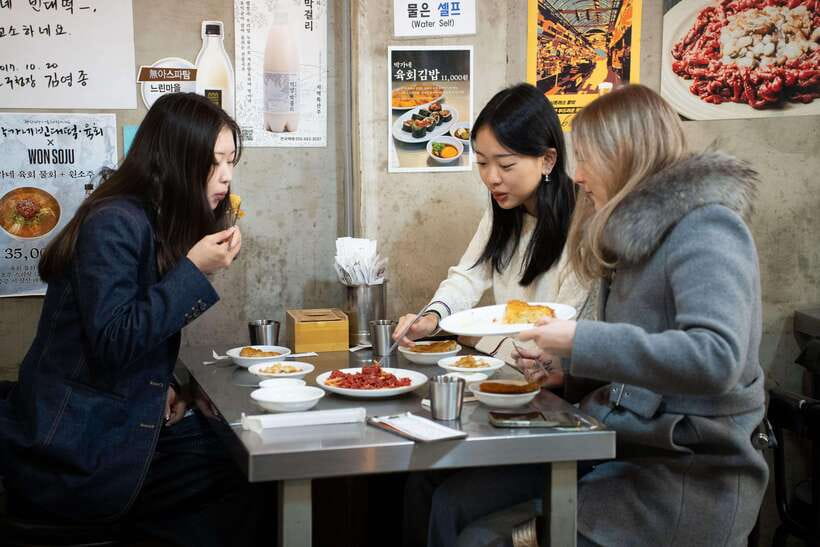
The food gives you something to do with your hands, but the conversation gives the tour its character. The guide discusses Seoul’s sights, Korean culture, and the realities of the Korean peninsula’s division.
This is an important distinction. The experience is not simply a list of tastings followed by a quick explanation of ingredients. It aims to connect the market to modern Korea, including subjects that many short food walks avoid.
The guide also brings personal perspective from time in South Korea’s reserve forces. That can help you understand why military service and security remain part of public life in the South. The topic is especially useful for visitors who know the peninsula’s division only from headlines but want a clearer sense of how it affects people and conversation.
Still, keep the stated limits in mind: this is not a historical tour. You should not book it expecting a structured account of Korean dynasties, major dates, or a full political lecture. The history and military discussion supports the food walk rather than replacing it.
That balance may suit you well. If you want a formal academic tour, this will probably feel too casual. If you want to ask direct questions while seeing and tasting everyday food, the format has more appeal.
What Taeseong’s style may add
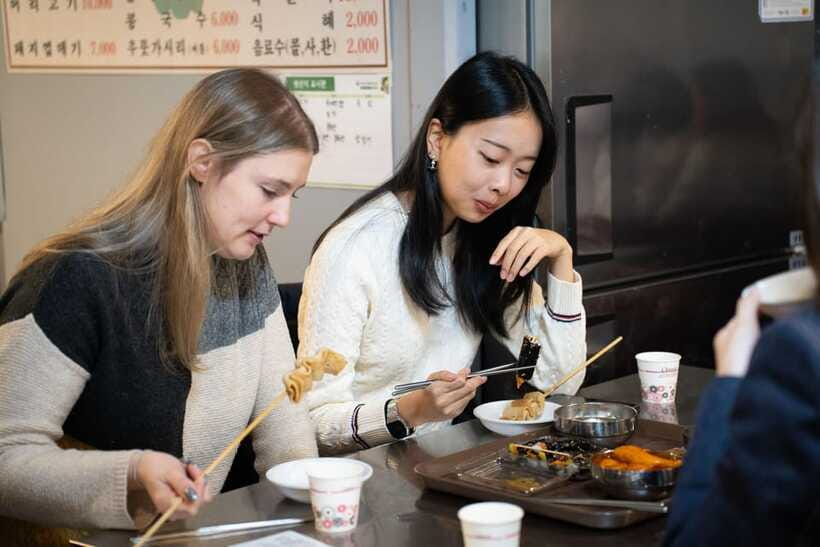
Taeseong is named in the feedback associated with this experience. His approach is described as friendly, enthusiastic, accommodating, and easy to talk with. The useful point for you is not just that he explains the dishes, but that he appears comfortable holding wider conversations about life in South Korea and how people relate to one another.
Guide quality matters a great deal on a food tour. The food is already there, but a good guide decides whether you merely swallow a snack or understand why the stop is worth your time. Clear English also matters when the conversation turns from food to sensitive issues such as division and military service.
The available feedback repeatedly highlights strong English, clear explanations, and good conversation. I would treat Taeseong as a possible guide rather than assume he leads every departure, since the details do not promise a named guide for each date.
A small group helps here. With no more than 10 participants, you should have a fair chance to speak rather than listen from the back of a crowd. The exact feel will depend on the guide and the other people in your group, but the format is built for conversation.
Same city, another market:
- Local Home Korean Cooking Class & Market Adventure in Seoul
★ 5.0 · 1,024 reviews - Seoul: Korean Cooking Class at a Local Home and Market Tour
★ 5.0 · 348 reviews - Seoul: Guided Food & Market Tour with 8+ Tastings
★ 4.9 · 342 reviews - Seoul Night Palace & Market Food Tour with Vehicle
★ 5.0 · 275 reviews
A generous lunch, not just a few samples
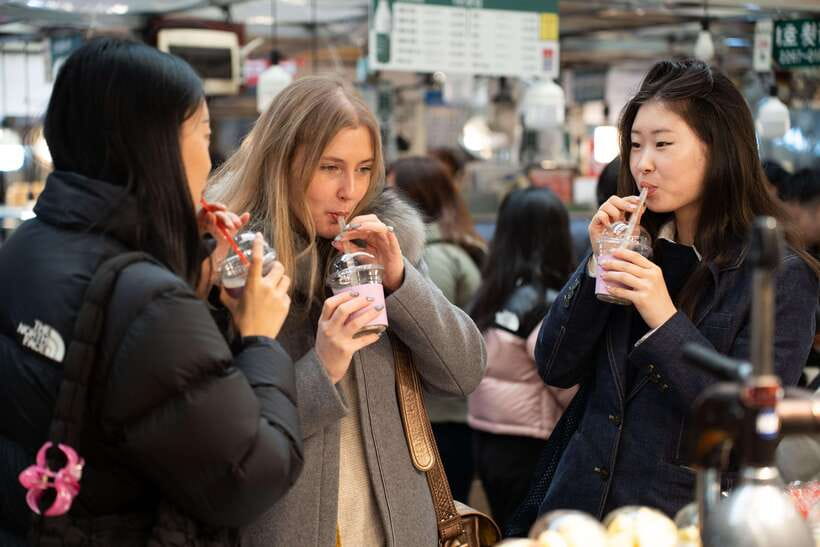
Do not think of this as a light tasting. The food list is long, and the portions may be substantial. One useful piece of advice is to skip or reduce breakfast if you want to sample everything.
That tip changes the value calculation. At $100 per person, you are paying for more than eight snack portions. You are also paying for a guide, English explanations, a small group, and the chance to discuss Korea while eating in a traditional market.
Even so, $100 is not a low-cost way to grab market food. If your only goal is to fill up cheaply, you can spend less by choosing your own stalls. You pay the premium here for structure and context: someone chooses the route, introduces the dishes, and helps you make sense of the setting.
I see the value most clearly for a first visit to Seoul, especially if you are uncertain about ordering Korean street food on your own. You can try several foods without guessing from a sign, and you can ask what you are eating as you go.
The value is weaker for experienced Seoul visitors who already know Gwangjang Market and feel comfortable choosing dishes independently. In that case, the conversation about modern Korea and the peninsula may be the main reason to book.
Who should book this market walk?
I would choose this experience if you want food and conversation in equal measure. It suits solo visitors, couples, and small groups who like asking questions and are open to discussing Korea beyond palaces and shopping streets.
It also works well for people who want a gentle introduction to Korean market food. You do not need to build your own tasting plan, and the guide can explain the dishes as they appear. The variety means you can discover a few favorites quickly.
Families and cautious eaters should note the unknowns. The menu can change, and spicy rice cakes may not suit every palate. The food is served as part of the market experience, so you should be ready for a quick-moving, informal meal rather than a quiet restaurant setting.
I would not make this your first choice if you want a dedicated historical tour. The experience includes history and politics, but it openly frames itself as a market food tour. That difference prevents a lot of disappointment.
Timing, meeting point, and booking details
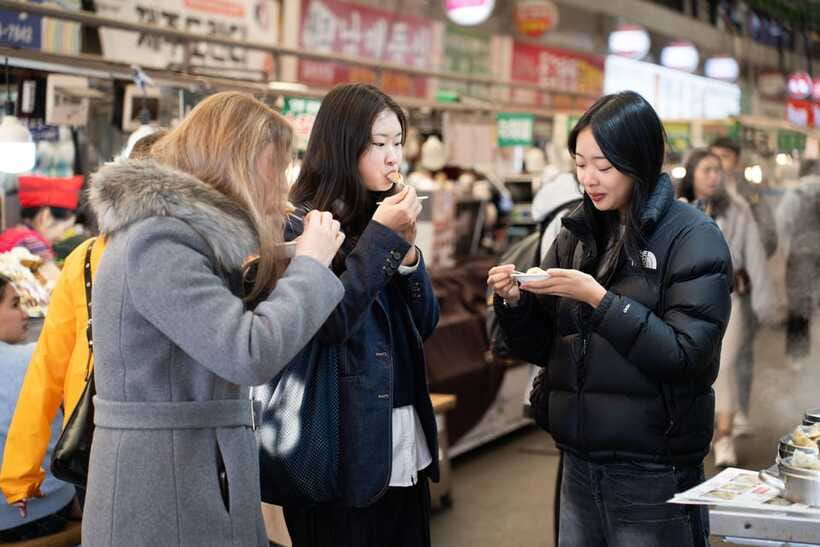
The tour lasts two hours, which is enough time for a focused market route without taking up an entire day. You meet at Jongno 5-ga Station Exit 8, making the subway a practical way to reach the starting area, though the supplied details do not specify other transport arrangements.
Availability depends on the chosen start time, so check the schedule before building the rest of your day around it. With food, conversation, and a market walk packed into two hours, arrive ready to begin rather than treating the meeting time casually.
The tour is offered in English. You can reserve now and pay later, and cancellation is free up to 24 hours in advance for a full refund. Those terms are useful if your Seoul plans are still moving, but they should not distract from the bigger decision: are you paying for food alone, or for an interpreted introduction to Korea?
Should you book Hidden Stories & Flavors?
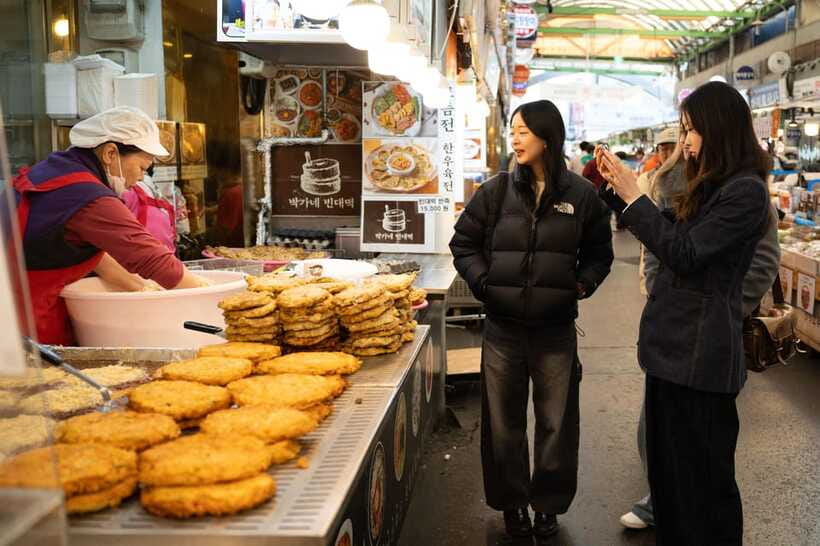
Book it if you want to taste a broad range of Korean market foods while talking with a local English-speaking guide about modern Korea, military service, and the peninsula’s division. The small group, generous portions, and personal guide style make it more substantial than a quick snack stop.
Skip it if you are mainly hunting for the cheapest meal or want a formal history lesson. At $100, the experience needs to earn its price through conversation and guidance, not just food.
For most first-time visitors who are curious, hungry, and willing to discuss serious subjects between bites, I think the combination is appealing. Just arrive with an empty stomach, an open mind, and realistic expectations about what a two-hour market tour can cover.
FAQ
Where does the tour meet?
The meeting point is Jongno 5-ga Station Exit 8. The starting location is also listed as 407.
How long does the food tour last?
The guided visit to Gwangjang Market lasts two hours.
What food is included?
The listed foods include a dumpling, meatball, Korean hotdog, rice roll, spicy rice cake, fish cake, sweet Korean pancake, fish-shaped bun, and water.
Is the menu fixed?
No. Menu items may change depending on circumstances.
Is this a historical tour?
No. The experience is a food tour that includes discussion of modern Korea, Seoul, Korean culture, the peninsula’s division, and military perspectives.
What language is the tour in?
The live tour guide speaks English, and the activity is offered in English.
New market tours around South Korea
- Seoul: The Biggest Sea-food Noryangjin Market Tour★ 4.3 · 30 reviews
- Seoul: Noryangjin Fish Market Dinner★ 5.0 · 6 reviews
- Seoul: Sokcho beach, market, hot spring and Seorak Cable Car★ 4.8 · 5 reviews
- Seoul: Gyeongbokgung Palace Tour & Lunch at Authentic Market★ 4.5 · 2 reviews
- Seoul: Mt.Seorak(+CableCar Option)+Sokcho Fish Market&Beach★ 4.5 · 9 reviews
- Seoul: Namdaemun Market Food Tour★ 4.9 · 34 reviews
- Seoul: Guided Street Food Tour at Namdaemun Market★ 5.0 · 10 reviews
- Seoul: Gwangjang Market Vegan & Vegetarian Food Tour★ 5.0 · 16 reviews
South Korea Market Tours, side by side.
Local Home Korean Cooking Class & Market Adventure in Seoul
Read our review →
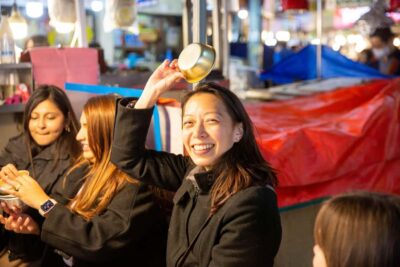
Seoul: Palace, Temple and Market Guided Foodie Tour at Night
Read our review →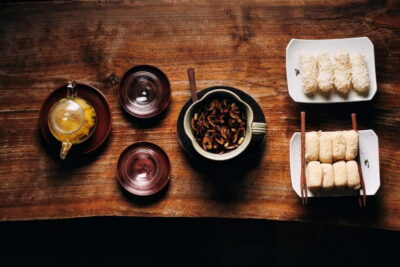
Seoul: Guided Food & Market Tour with 8+ Tastings
Read our review →
Seoul: Nighttime Tour of Palace, Market, Naksan Park & More
Read our review →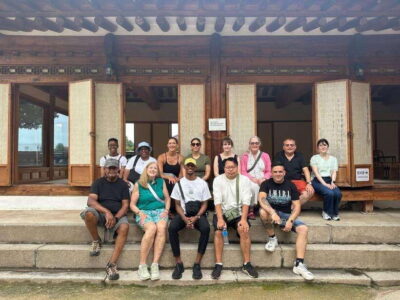
Seoul: Gyeongbok Palace, N Tower, & Local Market City Tour
Read our review →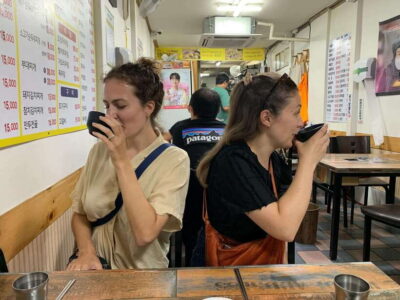
Busan: Food Market Tour, Smash Seafoods and Street Foods
Read our review →This tour also appears in