
Review · INDIA
Madurai: City Highlights Temple and Market Tour
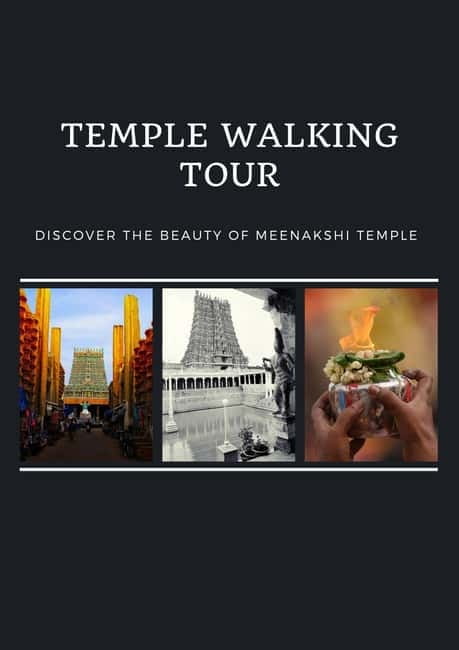
Madurai’s great temple is the heart of this walk. You’ll pass from the lanes around Meenakshi Amman Temple into halls crowded with sculpture, ritual, and stories from Hindu mythology, then continue to markets and the grand remains of Nayakkar Mahal. The temple visit is the main event, not a quick photo stop.
I like the private format, which gives Balan, also known as Bala, room to explain Tamil culture at your pace. I also like the mix of sacred sights and ordinary city life, from the Thousand Pillars Museum to banana stalls and Elu Kadal Street.
The main caution is practical: the palace may be under restoration, and the tour has strict temple rules. You cannot bring professional cameras, flash equipment, drones, or several other restricted items, so check what you carry before meeting your guide.
Key points to know before booking
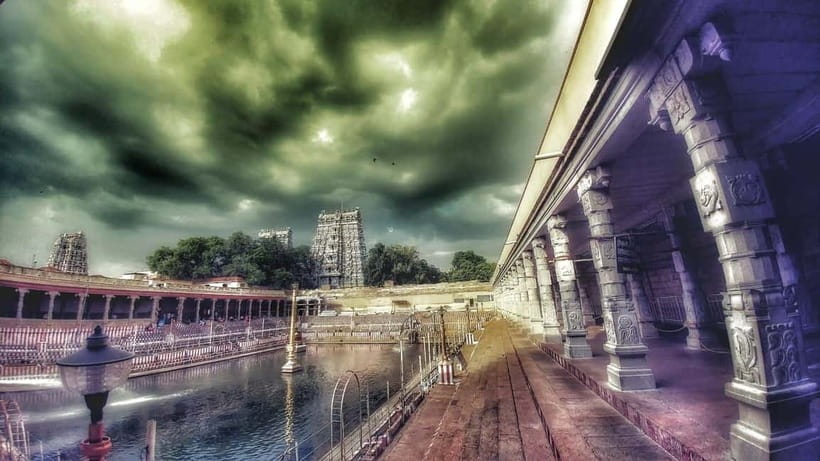
- Two hours inside Meenakshi Amman Temple: The temple receives the most time, with attention to worship, mythology, ceremonies, and architectural detail.
- Private English-language guiding: Dhanabalan Perumal, called Balan or Bala in guest comments, leads the walk for a private group.
- A useful city-centre route: You go from the temple to the Thousand Pillars Museum, Elu Kadal Street, the banana market, and Thirumalai Nayakkar Mahal.
- Rituals are part of the visit: Timing can help you see an evening ceremony or other traditional temple activity.
- Four hours without hotel transport: You meet near the south entrance of Meenakshi Temple and finish at the palace.
- Good value for a focused private tour: The listed price is $38 per group of up to one person, including entry and a guide, but not personal spending or pickup.
Why Meenakshi Temple deserves the full two hours
Meenakshi Amman Temple is not simply a monument you walk around once and leave. It is a living place of worship, and that changes how you should approach it. You’ll see people praying, rituals taking place, and visitors trying to understand a religious setting that can feel unfamiliar at first.
Your guide’s job matters here. A good explanation can connect the temple’s sculpted figures with Hindu stories, the history of Madurai, the city’s dynasties and kings, and the way worship works today. Balan has been praised for explaining these layers patiently, which is especially useful if you want more than a quick look at colorful towers.
The tour gives the temple about two hours, far more than the time allotted to any other stop. I think that is the right balance. A shorter visit would leave you with photographs but little sense of why the temple matters to Madurai.
The temple is also where the schedule can shift. Ritual activity and queues may affect the pace, and an early start can be valuable. Balan has arranged a 5:30 am meeting for at least one visitor to avoid very long queues. That early option is not presented as the standard start time, so ask about availability when booking, but it is a useful tip if you want a quieter entry and more time for conversation.
Strict rules apply. Weapons, sharp objects, drones, professional cameras, flash photography, alcohol, drugs, chewing gum, video recording, flashlights, cellphones, and other electronic devices are listed as prohibited. Rules can be enforced differently at religious sites, so pack lightly and follow your guide’s instructions. Do not assume that a small camera or phone will be acceptable.
More market tours around India:
- Mumbai: Street Food and Night Markets Tour
★ 4.9 · 719 reviews - Private Heritage Walking Tour in Jaisalmer Fort and Old Bazaar
★ 5.0 · 306 reviews - Old Delhi Food-Spice Market-Temples Tour Soon Featured on NETFLIX
★ 5.0 · 304 reviews
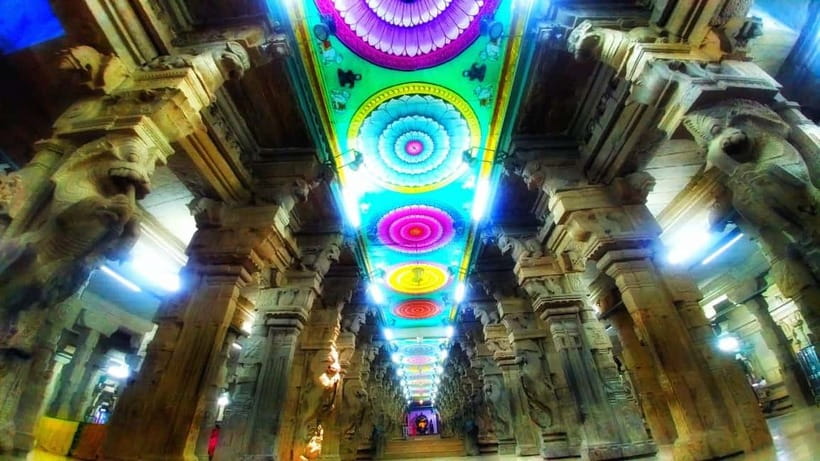
The Thousand Pillars Museum and its carved interior
After the main temple visit, you spend about 20 minutes at the Thousand Pillars Museum. The name points to the hall’s forest of columns, but the appeal is not just counting them. Look at how the pillars shape the interior and how sculpture, structure, and religious storytelling work together.
This is a short stop, so your guide’s interpretation makes a difference. Ask Balan to point out details connected with Hindu mythology and temple building. Without context, a hall filled with carved stone can blur into one large visual impression. With context, you have a better chance of noticing the figures and patterns that give the space its character.
The museum is included in the temple portion of the day, and the entry fee is included in the activity. You should still allow time for the group to move between areas and for temple procedures to slow things down. This is not an architecture lecture with unlimited time for sketching or close study. It is a compact but worthwhile introduction to one of the temple’s most memorable interiors.
Elu Kadal Street brings the temple back to street level
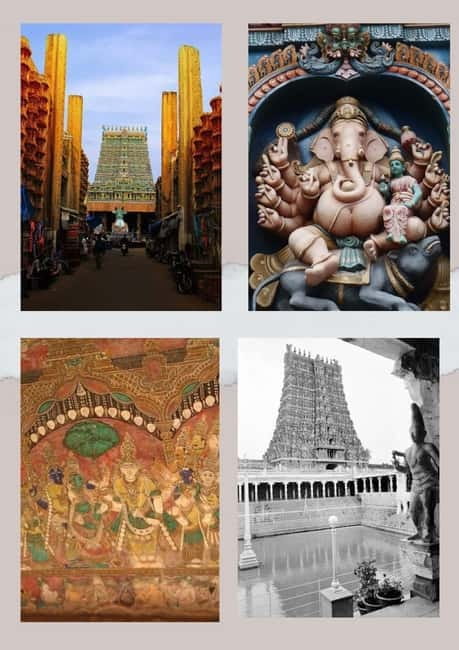
The visit to Elu Kadal Street lasts about 20 minutes. This stop helps you shift from sacred interiors to the working streets around the temple.
You’ll see the city in a more everyday setting, with the guide explaining what you are looking at rather than simply leading you past it. The value is in the contrast. Inside the temple, the focus is ritual and sculpture. Outside, the lanes show how the temple remains tied to shopping, movement, food, and daily life.
This is also a good place to ask practical questions about Madurai. If you have been concentrating on the temple’s mythology, Elu Kadal Street gives you a chance to talk about the city itself, its markets, and the way local commerce fits around a major religious centre.
The stop is brief, so keep your expectations in check. It is a guided street visit, not a long shopping session or a dedicated food tour.
A quick look at Madurai’s banana market
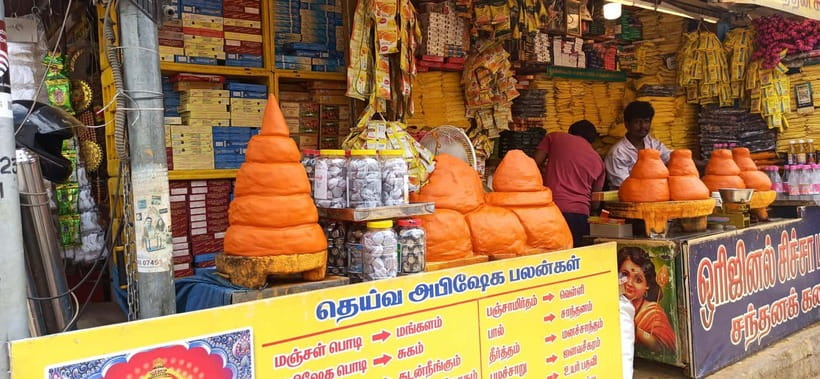
The banana market receives about 10 minutes, making it the shortest scheduled stop. It is mainly a visit and photo stop, but it adds an important note of ordinary life to the route.
Markets can tell you a great deal with very little explanation. Here, the bananas and the surrounding activity offer a simple contrast to the monumental scale of Meenakshi Temple and the palace. You will not spend long enough for a full market exploration, but you can take photographs and get a glimpse of a local trade scene.
I would treat this as a scene-setting stop rather than a major attraction. If you want to linger over produce, shop, or photograph details at length, the fixed four-hour schedule may feel tight. The benefit is that you see several sides of Madurai in one outing without setting aside a separate half-day for the market.
Same city, another market:
- Old Delhi Odyssey: A Tour of Religion, Spice Market, & Best Food
★ 5.0 · 284 reviews - Jaipur Bazaar & Food Walking Tour
★ 5.0 · 281 reviews - Mumbai Street Food & Night Markets
★ 5.0 · 225 reviews - Ultimate Mumbai Full Day: Sights, Bollywood Dance, Lunch & Spices
★ 5.0 · 201 reviews
Thirumalai Nayakkar Mahal, a grand final stop
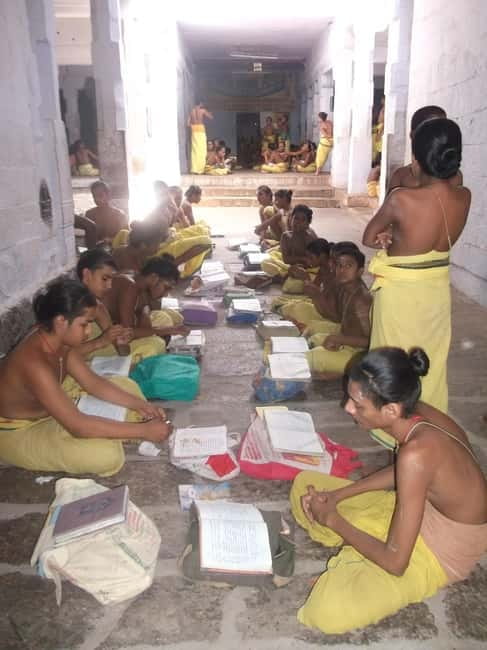
The tour ends at Thirumalai Nayakkar Mahal after about 30 minutes of sightseeing and a photo stop. The palace provides a different kind of architecture from the temple, with a focus on royal power and the city’s dynastic past.
Your guide can connect the building with Madurai’s kings and explain how the palace fits into the wider story of the city. That historical framing is useful because a short palace visit can otherwise become a few photographs of large arches and open spaces.
There is an important qualification. One recent visit found the palace under restoration, with limited access and not much to see inside. Restoration work changes, so you should check the current condition if the palace is a major reason for booking. The tour still finishes here, but the temple is the more dependable highlight.
Ending at the palace is convenient if you want to continue exploring Madurai independently afterward. The tour does not include a return transfer, and no pickup or drop-off is provided, so plan your onward transport from the palace rather than expecting to be taken back to your hotel.
What the guide adds to the four-hour route
The strongest part of this experience is the human explanation. Dhanabalan Perumal is identified as the tourist facilitator, and visitors have referred to him as Balan or Bala. His role is not limited to pointing out buildings. He explains temple history, Tamil culture, Hindu beliefs, kings, dynasties, and worship practices.
That range matters because the stops are varied. You need one kind of explanation for a temple ritual, another for a carved hall, and another for a market street. A guide who can move between those subjects makes the route feel connected rather than like a string of unrelated stops.
The private format also gives you more control. You can ask for clarification, slow down at a detail, or spend less time on a stop that interests you less. One visitor was offered extra walking to other sites after the planned route, without pressure to accept. That kind of flexibility can be useful, but treat any extra sightseeing as dependent on time and the guide’s availability.
The tour is offered in English. If you want a guide in another language, this activity does not list one.
Price, group size, and what you receive
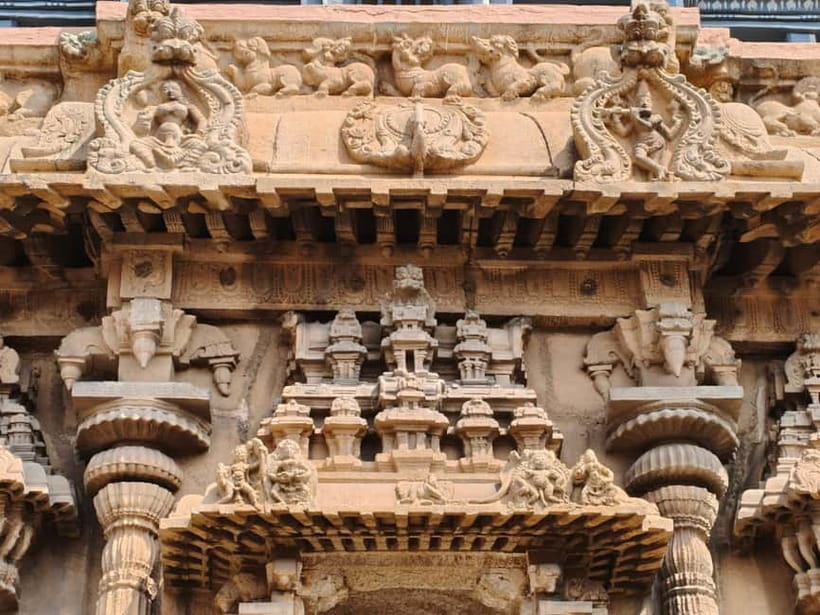
The listed price is $38 per group of up to one person. That wording is unusual, so check the final price carefully if you are booking for more than one person. The value is strongest if you want a private guide and temple entry arranged together, rather than simply wandering around the complex on your own.
The price includes the entry fee and private guide. It does not include your own expenses, food, shopping, or pickup and drop-off.
For four hours, the route covers a lot: two hours at the temple, 20 minutes at the Thousand Pillars Museum, 20 minutes on Elu Kadal Street, 10 minutes at the banana market, and 30 minutes at the palace. The listed times total about three hours and 20 minutes, leaving roughly 40 minutes for walking, meeting procedures, queues, and changes in pace.
That built-in margin is helpful in a temple complex where schedules are not always predictable. Still, this is a compact city walk, not an unhurried day tour. You get breadth and explanation, but only limited time at the street and palace stops.
Timing, clothing, and temple etiquette
The meeting point is near the south entrance of Meenakshi Temple, close to SPS Tiffins and Fruit Shop, known for Madurai jigarthanda. Look for the meeting area near the temple entrance rather than expecting a hotel pickup.
The activity offers starting times based on availability. Ask about an early start if avoiding queues matters to you. The 5:30 am arrangement used for one visit shows that the guide may be able to adapt, but it should not be treated as guaranteed.
Dress and behave as you would at any major Hindu temple. The supplied information does not give a specific clothing list, so I would choose modest clothing and be ready to follow temple instructions. Keep your belongings simple. Phones, electronic devices, cameras, flash equipment, drones, and video recording are specifically restricted in the rules provided.
Do not chew gum, carry alcohol or drugs, or bring weapons and sharp objects. These are not minor suggestions. A restricted item can complicate entry or cause you to miss part of the visit.
Who will get the most from this Madurai walk
I would choose this tour if you want cultural context and a private conversation rather than a self-guided circuit of famous buildings. It suits first-time visitors who want the temple explained clearly, especially if Hindu mythology, Tamil culture, and local history are central to their interests.
It also works well for someone with only half a day in central Madurai. You see the city’s main religious landmark, a carved museum hall, nearby streets, a market, and a palace without arranging several separate visits.
The tour may be less suitable if you want a photography-focused outing, since professional cameras, flash photography, video, and electronic devices are not allowed. It may also disappoint if the palace is your main target and restoration limits access.
People looking for a long food tour, extended shopping, or a quiet architectural study should choose something more specialized. The market stops are short, and the temple takes priority.
Booking and cancellation details
You can cancel up to 24 hours before the activity for a full refund. A reserve-now, pay-later option is also offered, which helps if your Madurai schedule is still changing.
The tour lasts four hours, uses a private group format, and is guided in English. You meet at the temple and finish at Thirumalai Nayakkar Mahal, so plan your transport on both ends. The activity includes entry and guiding, but not personal costs or transfers.
Should you book this Madurai temple and market tour?
Book it if you want Meenakshi Temple to make sense, not merely appear in your camera roll. The strongest reasons are the private guide, the long temple visit, the explanation of rituals and Hindu traditions, and the useful contrast between sacred halls, market streets, and royal architecture.
Go in with realistic expectations about the shorter stops and the palace. Restoration may reduce what you can see there, and the strict restrictions mean this is not a flexible photo walk. If you can accept those limits, $38 for the listed private format and included entry offers solid value for a focused introduction to Madurai.
FAQ
How long does the Madurai City Highlights Temple and Market Tour last?
The tour lasts four hours.
Where does the tour begin?
It begins near the south entrance of Meenakshi Amman Temple in Madurai, near SPS Tiffins and Fruit Shop.
Where does the tour finish?
The tour finishes at Thirumalai Nayakkar Mahal.
Is hotel pickup or drop-off included?
No. Pickup and drop-off are not included.
What language does the guide speak?
The live tour guide speaks English.
Is this a private tour?
Yes. It is offered for a private group.
What is included in the price?
The price includes the entry fee and a private tour guide.
Can I cancel for a full refund?
Yes. You can cancel up to 24 hours in advance for a full refund.
Are cameras and cellphones allowed?
The supplied rules prohibit professional cameras, flash photography, video recording, cellphones, and electronic devices. Drones and flashlights are also not allowed.
New market tours around India
- Mumbai: Local Markets & Temples Tour★ 4.6 · 45 reviews
- Old Delhi: Spices, Heritage and Bazaars Walking Tour★ 5.0 · 173 reviews
- Old Delhi Street Food and Spice Market Tour★ 5.0 · 12 reviews
- Old Delhi Temples and Spice Market Tour★ 5.0 · 5 reviews
- Old Delhi: Khari Bawli – Asia’s Largest Spice Market★ 5.0 · 3 reviews
- Night Tour: Mumbai’s Nights & Buzzing Bazaars★ 5.0 · 7 reviews
- Mysore: Palace, Art Gallery & Devaraja Market Walking Tour★ 5.0 · 7 reviews
- Mumbai:Dhobi Ghat Laundry,Dharavi Slum & Flower market Tour★ 5.0 · 12 reviews
India Market Tours, side by side.


Old Delhi Food-Spice Market-Temples Tour Soon Featured on NETFLIX
Read our review →Old Delhi Odyssey: A Tour of Religion, Spice Market, & Best Food
Read our review →

Ultimate Mumbai Full Day: Sights, Bollywood Dance, Lunch & Spices
Read our review →
Old Delhi: Spices, Heritage and Bazaars Walking Tour
Read our review →
Bengaluru Pete City Market Half-Day Walking Tour
Read our review →This tour also appears in