
Review · ACCRA
Makola Market Walking Tour
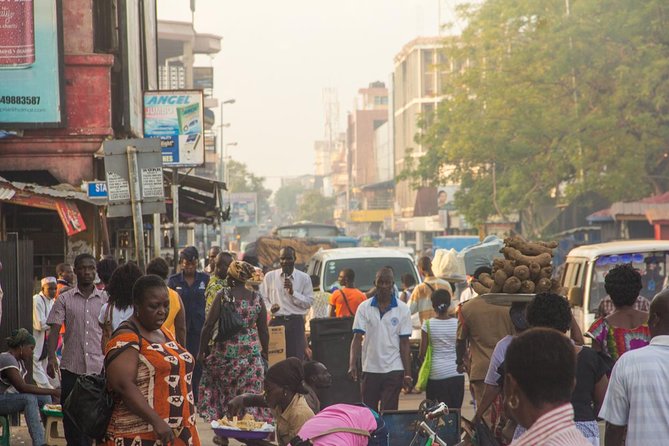
Makola Market is where Accra gets practical. Food, clothing, cosmetics, medicine, electronics, building supplies, and everyday gossip all meet in one huge market district. You move on foot from Ghanaian kitchen staples to textiles and used shoes, with the sound and smell of ordinary city life around you. This is culture in working clothes, not a staged performance.
I like the local guide and the chance to ask about things you would probably walk past alone, such as bush meat, giant snails, palm oils, gari, and edible cow hide. I also like the private format, which lets you stop for a snack, search for a particular item, or ask for help with prices. The main consideration is the setting: Makola can be crowded and intense, and two hours goes quickly if you want to cover every section.
Key points to know before you go
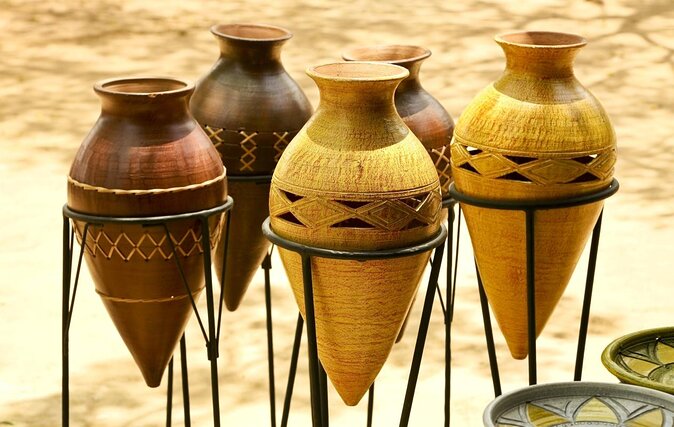
- Food first: See palm oils, gari, local spices, fish, fruits, vegetables, giant snails, and other ingredients used in Ghanaian cooking.
- A guide matters: Ben, Benjamin, and Prince are among the guides associated with this experience, helping with directions, explanations, shopping, and price discussions.
- Far more than food: The route can include textiles, jewelry, cosmetics, groceries, pharmaceuticals, electronics, used clothing, and building materials.
- Private and flexible: You tour with your own group and an English-speaking local guide, rather than following a large crowd.
- Plan your shopping list: Telling your guide what you want can save time in a market with many separate sections.
- Allow for sensory overload: The market is rewarding, but crowded walkways, noise, and constant activity may feel tiring.
Why Makola Market is worth your time in Accra
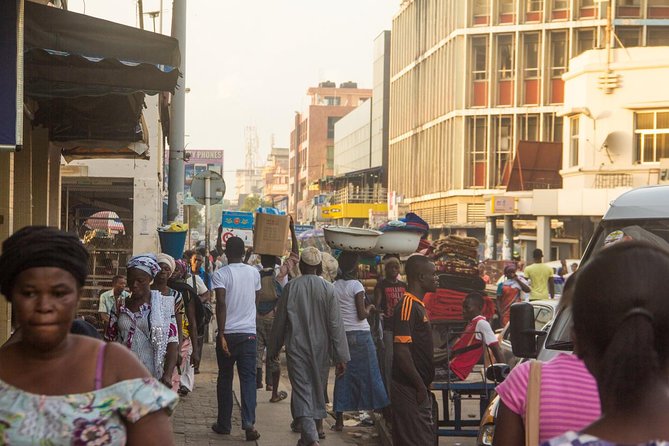
Many city tours show you important buildings and tell you where history happened. Makola shows you how people shop, cook, dress, repair, build, and earn a living today. That makes it one of the more useful introductions to Accra.
You are not simply looking at stalls. You are learning how a Ghanaian household might stock its kitchen, how fabrics enter the clothing trade, and how a giant market divides itself into specialist areas. The tour also gives you a chance to ask questions without having to guess what is polite, what something costs, or where to find a particular product.
I would not treat Makola as a quick photo stop. The value comes from the explanations and the connections between sections. A bottle of palm oil, a pile of cassava flour, a rack of secondhand shirts, and a display of electrical goods each tell you something different about daily life in Accra.
The experience is priced at $58 per person. That is not a bargain if you only want a short walk and a few photographs. It becomes better value if you want a private guide, help navigating the market, interpretation in English, and practical assistance while shopping. Since the route can include many sections, the price also makes more sense for someone who would feel uncertain entering Makola alone.
More Market Walking Tours in the world:
- Bangkok: City Highlights Temple and Market Walking Tour
★ 4.5 · 3,990 reviews - Tokyo Tsukiji Fish Market Food and Culture Walking Tour
★ 5.0 · 3,184 reviews - Marrakech: Ben Youssef, Secret Garden, & Souks Walking Tour
★ 4.6 · 2,802 reviews
Meeting your guide and getting oriented
Your pickup or meeting point depends on the option you choose. The advertised end points are in Accra Metropolis, including the Accra Metropolitan Assembly area. Confirm the exact meeting details when booking, since the starting point is not one fixed location for every option.
The walk begins with an introduction to the market and its layout. This matters more than it may sound. Makola is not one neat hall with clearly marked aisles. It is a large market district with different lines of trade, and a local guide can help you reach the right area instead of spending your whole visit trying to get your bearings.
The private group format is especially useful here. You can tell your guide if you want to focus on food, fabric, gifts, clothing, or household goods. If you have a broken suitcase or need a replacement item, a guide may also help you locate the right kind of shop. Benjamin, for example, is noted for spending extra time helping with a replacement suitcase during one visit.
Guides named in connection with this experience include Ben, Benjamin, and Prince. The guide you receive depends on the day, but the useful role is the same: explain what you are seeing, keep the route moving, and help you deal with the practical side of shopping.
Starting with Ghanaian food and kitchen ingredients
The food section is the strongest opening because it gives the tour a clear purpose. You begin with the ingredients behind Ghanaian cooking rather than with souvenirs made for visitors.
Expect to see products such as gari, made from cassava, along with local spices, fruits, vegetables, fish, and palm oils. The red and white oils from the palm tree are especially useful points of discussion because they look simple on a stall but have an important place in local cooking. Your guide can explain how these products fit into the kitchen and what you might use them for.
The selection also includes food items that may be unfamiliar to you. The tour description calls out bush meat, giant snails, and edible cow hide. This can be an eye-opening part of the walk, but it is also a reminder to approach the market with respect. These are working food stalls, not a display arranged for outsiders.
One visitor tried Agneli kaklo and tiger nuts during the market walk. If your guide points out a snack or ingredient you have not seen before, asking before you taste is sensible. The point is not to collect the strangest food photograph. It is to understand what people buy and eat, and to let the market guide your curiosity.
This section is also good for travelers interested in cooking. You may not be able to carry every ingredient home, but seeing the raw materials makes Ghanaian food easier to understand later in a restaurant or kitchen. Gari, spices, produce, fish, and palm products stop being abstract menu words and become real market goods.
Textiles, jewelry, cosmetics, and everyday shopping
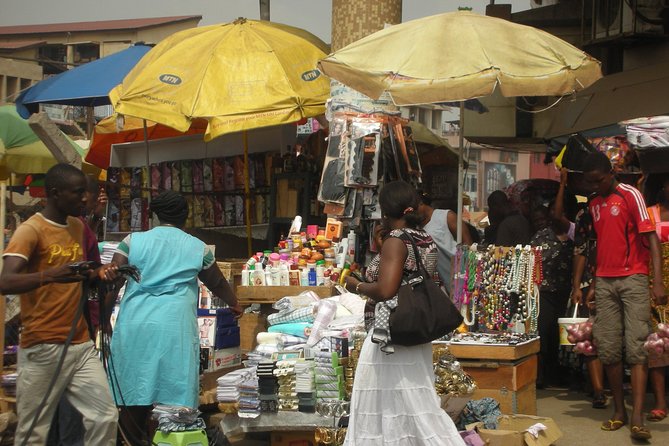
After the food section, the route can move into the parts of Makola that serve personal style and household needs. Textiles are a major draw. You might see fabrics sold for clothing, ceremonies, or everyday wear, with colors and patterns that are difficult to understand from a hotel shop alone.
Your guide can help you ask where to find a particular kind of fabric or item. This is where the private tour earns its keep. Instead of browsing randomly, you can explain what you want and get directed to the right part of the market.
Jewelry and cosmetics add another layer. Cosmetics are not merely a side attraction for visitors. They are part of ordinary shopping, just like groceries and clothing. Seeing these goods alongside food and household products helps you understand Makola as a complete commercial center rather than a tourist market.
The pharmaceutical and grocery sections show the same thing from a different angle. Makola serves practical needs. Electronics do as well, with shops and stalls offering goods that have little connection to the traditional image of Ghana often presented to tourists.
You should expect the pace to vary. Some stops may be brief explanations as you walk through, while a shopping request can take longer. If you want a short, tightly timed route, tell your guide early. If you are willing to follow your interests, the market can become much more personal.
More market tours around the world:
- Bangkok: Damnoen Saduak Market and Maeklong Railway Market
★ 4.5 · 26,723 reviews - The Old Siam: Damnoen Saduak and Maeklong Railway Market
★ 4.5 · 10,992 reviews - Dubai: Old Town, Creek, Museums, Souks, & Street Food Tour
★ 4.8 · 10,816 reviews - Bangkok: Train Market & Floating Market with Boat Ride
★ 4.7 · 9,547 reviews
Shopping with help on prices and directions
Shopping is optional, but it is one of the most useful parts of the experience. A guide can help you locate something specific and may assist with price discussions. That does not mean every item will be cheap or that your guide will purchase everything for you. It means you have local support when a price or sales conversation is unclear.
Ben is praised for helping find requested items and getting good prices. Flora’s guide also helped with negotiations when prices appeared inflated. These details matter because market shopping is not always a simple matter of reading a label and paying the posted amount.
A good approach is to decide what you actually want before you enter. Are you looking for fabric, jewelry, snacks, a suitcase, clothing, or a small gift? Tell your guide. The market is large enough that a clear request can save a great deal of walking.
Do not feel obliged to buy. You can ask questions, compare items, and continue walking. If you do shop, agree on the price before handing over money and keep your purchases secure. The guide can help with communication, but you still make the final choice.
The tour description includes water, which is useful during a walking route. Still, the duration is only two to three hours, so think of this as an introduction with shopping time, not a full-day market expedition.
Beyond the central stalls: timber, artisans, and building goods
If you still have energy and time, the route can extend to the artisan and timber market. This section shifts away from food and personal shopping toward materials and practical goods used for building.
It is a useful contrast. In one part of the market you see ingredients for a meal. Later you may see materials connected with construction and skilled trade. The artisan area is known for its craftspeople, while the timber market serves building needs.
The exact length of this extension depends on the time available and your group’s interests. If you want to see it, say so at the beginning. Otherwise, the guide may keep the walk focused on the main market sections.
This optional stretch is best for anyone interested in how a city supplies itself beyond retail goods. It also helps show why Makola cannot be reduced to a food market or souvenir stop. The market is tied to work, repair, construction, and local business.
Agblobloshie and the used clothing section
The route may also include Agblobloshie, described as Ghana’s largest vegetable market. This adds another food stop, but with a different emphasis from the earlier kitchen section. You can expect more produce and a sense of the market as a supply point for everyday cooking.
Another possible extension is the used clothing area, known locally as Broni wawu, or bend-down boutique. The phrase refers to secondhand clothing, and the selection can include everything from underwear and shirts to shoes.
This section may be especially interesting if you want to understand how clothing is reused and resold. It is also more practical than polished. Do not expect a boutique-style shopping experience. You are looking through used goods in a busy market setting, and patience will help.
The choice between more vegetables, used clothing, timber, or artisan goods is one reason to speak up about your interests. You may not have enough time to visit every section in a two-hour walk. A three-hour option gives you more room, but even then, Makola is too large to cover in a single short visit.
What the walk feels like in practice
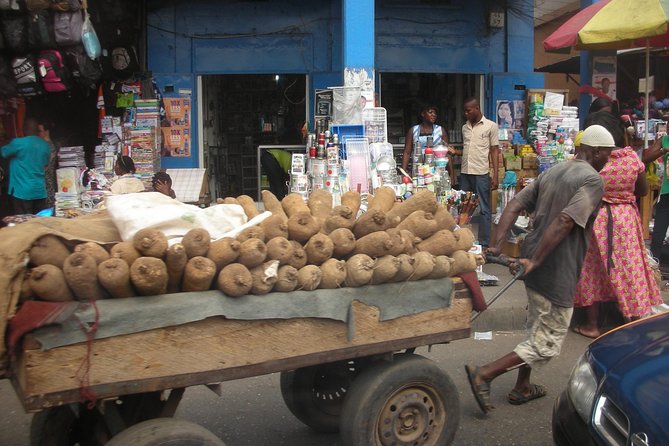
The tour lasts two to three hours and is conducted in English. It is a walking experience, so comfortable footwear is a sensible choice. You should also expect noise, close quarters, changing surfaces, and a lot of activity around you.
The market can be busy, but the private format gives your guide room to watch your comfort. Flora’s guide was praised for being attentive in crowded areas, and that kind of care matters when you are trying to listen while people move around you.
Do not expect a quiet lecture. You will learn while walking, stopping, looking, asking, and sometimes negotiating. The strongest moments are likely to come from small questions: What is this ingredient? Who uses it? How is this fabric sold? Which section has the item I need?
Because the route is active, you should keep your valuables secure and avoid bringing more than you need. The supplied information does not promise a specific luggage or security arrangement, so use normal city-market care. Your guide is there to lead and assist, not to replace your own attention.
Who will get the most from this tour
I would recommend the Makola Market Walking Tour to first-time visitors who want to see Accra through ordinary commerce. It suits curious eaters, shoppers, photographers who ask permission, and anyone interested in Ghanaian food and clothing.
It is also a good choice if you feel uneasy entering a large market without local help. One visitor said they would not have explored Makola alone, and that is a fair assessment. The market’s size and separate sections can be confusing if you do not know where to go.
You will get the most from it if you:
- Want to buy a particular item and need help finding it.
- Enjoy asking questions about food, clothing, and daily life.
- Prefer a private guide to a large group.
- Can handle noise, crowds, and an informal market setting.
- Have two or three hours available in Accra.
- Want local context rather than only photographs.
It may be less suitable if you want a quiet stroll, a highly polished attraction, or a fixed route that guarantees every section. The optional extensions depend on time and energy, and the market itself is active and unpredictable.
How the $58 price works for your trip
At $58 per person, this is best judged as a private guided experience rather than simple entry to a market. There is no separate admission attraction here. You are paying for the guide’s time, local direction, English-language help, water, and assistance with shopping and prices.
The cost is easier to justify if you are visiting Makola for the first time, want to purchase something specific, or plan to combine the walk with other Accra activities. One group combined its market visit with an Accra Slave Tour and had Prince guide them through a full day of local sights and history.
The price is less compelling if you only want to walk past the stalls for a few minutes. You could see parts of the market without booking a tour, but you would lose the explanations, route planning, and help finding specific sections.
Free cancellation up to 24 hours before the experience and reserve-now, pay-later terms reduce the risk of committing early. Check the available start times because the duration and schedule depend on the selected option.
Should you book the Makola Market Walking Tour?
Book it if you want Accra explained through food, shopping, work, and ordinary routines. The strongest reason to go with a guide is not simply safety or convenience. It is access to meaning. A pile of gari, a rack of textiles, a cosmetics stall, and a used-clothing table become more interesting when you understand what role they play.
I would especially choose this tour if you have a shopping request, want to try local snacks, or would rather have Ben, Benjamin, Prince, or another local guide lead you through the market’s many sections. Give your guide your priorities early, and you will use the two to three hours well.
Skip it if crowded markets exhaust you or if your Accra plans leave no room for a flexible walking experience. For everyone else, Makola offers a direct, useful look at Ghanaian city life, with enough food, trade, color, and human contact to make the $58 worthwhile.
FAQ
Where does the Makola Market Walking Tour take place?
The tour takes place at Makola Market in Accra, Ghana. The listed location is Ghana’s Central Region, and the activity ends at drop-off points in Accra Metropolis, including the Accra Metropolitan Assembly area.
How long does the tour last?
The tour lasts two to three hours. The available starting times depend on the option selected when you book.
Is the tour private?
Yes. This is a private group experience, so you tour with your own group and a live local guide rather than joining a standard large group.
What language does the guide speak?
The live tour guide speaks English. English is also the listed tour language.
What can I see at Makola Market?
You can see food ingredients, local meats, fish, giant snails, edible cow hide, palm oils, gari, spices, fruits, vegetables, cosmetics, jewelry, textiles, pharmaceuticals, groceries, electronics, artisan goods, timber, vegetables, and used clothing.
Is water included?
Yes. Water and guiding services from a local expert are included.
New market tours around the world
- Tel Aviv: Carmel Market & Neighborhood Guided Walking Tour★ 4.7 · 3 reviews
- Tel Aviv: 2-Hour Carmel Market Tour in English with Lunch★ 4.8 · 23 reviews
- Tel Aviv: 2-Hour Jaffa Flea Market Tour with Tastings★ 4.9 · 8 reviews
- Tel Aviv: Carmel Market Food Tasting Tour “Shuk Hacarmel”★ 4.0 · 8 reviews
- Tel Aviv: 2-Hour Levinsky Market Tour with Full Lunch★ 4.7 · 10 reviews
- Tbilisi 2 Parks: Turtle Lake & Dedaena Park with Flea Market★ 5.0 · 3 reviews
- Tbilisi: Street Food & Sightseeing Tour with Local Markets★ 5.0 · 8 reviews
- Teguise: Market and César Manrique Foundation Tour★ 4.3 · 39 reviews
Market Tours, side by side.
Bangkok: Damnoen Saduak Market and Maeklong Railway Market
Read our review →
The Old Siam: Damnoen Saduak and Maeklong Railway Market
Read our review →
Dubai: Old Town, Creek, Museums, Souks, & Street Food Tour
Read our review →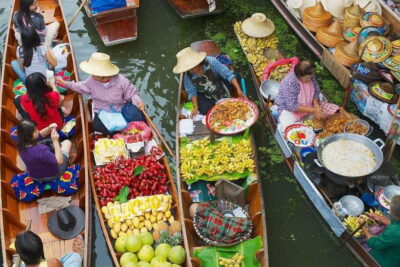
Bangkok: Train Market & Floating Market with Boat Ride
Read our review →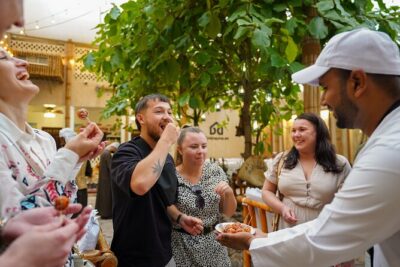
Dubai: Old Town, Souks, Street Food, Guided Tour & Abra Ride
Read our review →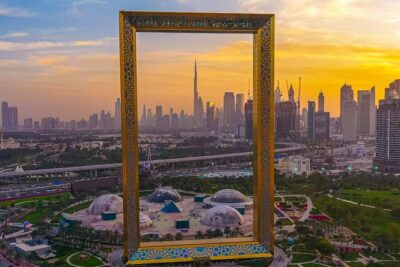
Dubai: Frame Tickets, Creek, Souks & Blue Mosque Guided Tour
Read our review →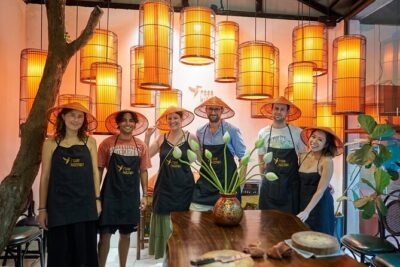
Hanoi Cooking Class: Culture, Local Market & Meaning CSR Impact
Read our review →
Marrakech: Bahia Palace, Saadian Tombs, Souk and Medina Tour
Read our review →This tour also appears in