
Review · MANILA
Manila: Guided Night Market Experience
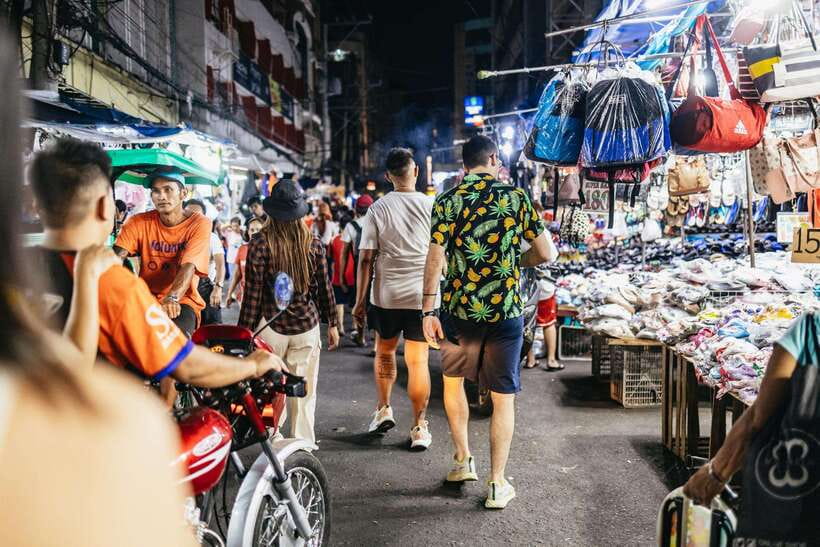
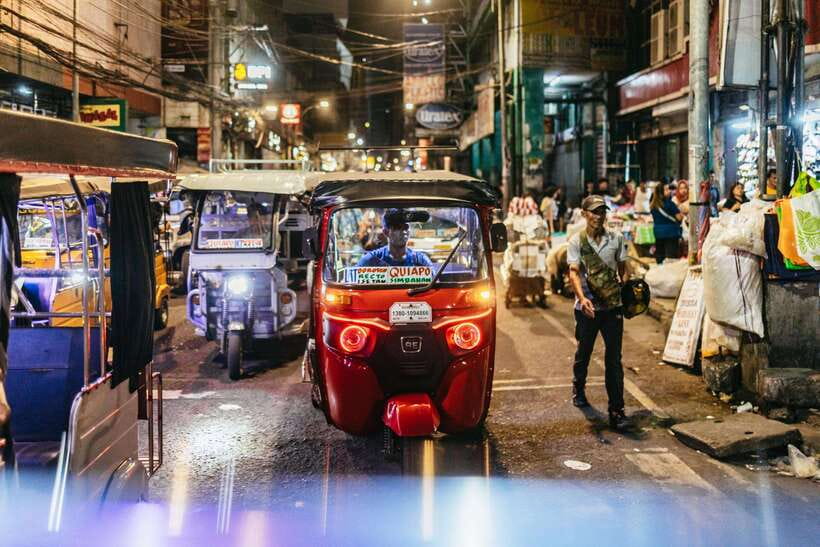
Divisoria after dark is Manila at full volume: neon signs, packed stalls, food carts, produce sellers, and shoppers hunting for a bargain. This is less a polished sightseeing route than a close look at how the city shops, eats, works, and moves at night. I like the local transport rides and the way guides Floyd and Venus help you try food and find your bearings. I also like that the route can include Binondo, the world’s oldest Chinatown, rather than stopping at a market photo op.
The main consideration is pace. Two hours is short for a market, Chinatown, food stops, and several rides, so you may not linger everywhere. Expect crowds, street noise, and uneven walking conditions. The advertised location says Nueva Vizcaya, while the meeting point and route details clearly point to Manila’s Divisoria area, so confirm the exact start point before booking.
Key points at a glance

- Tutuban Center Mall meeting point: Find the Bonifacio Monument and ask mall security for help if needed.
- Divisoria after dark: Shop for low-cost clothes, accessories, household goods, electronics, and other everyday items.
- Food beyond sightseeing: Try Filipino street food and local dishes with help from your guide.
- A local-style transport sampler: The experience may include a tuktuk, train, and jeepney, depending on the route.
- Floyd and Venus as guides: Both are named in the booking details and are praised for friendly care, local insight, and good route handling.
- Small group format: Numbers are limited to 10, with a two-hour duration and English guidance.
What this Manila night market tour is really about
Many Manila tours keep you on broad roads and familiar sights. This one puts you in Divisoria, a working market district where shopping is the main event, not a performance staged for visitors. You will see stalls selling clothes, accessories, home goods, electronics, and other low-cost items under bright signs and market lights.
I like this setting because it gives you a practical look at city life. You are not just passing a market on the way to dinner. You can see how people shop for daily needs, how sellers work late, and how goods move through one of Metro Manila’s busiest commercial areas.
The tour is also built around conversation. Guides Floyd and Venus are the named guides associated with the experience. Floyd is especially praised for keeping a calm pace, answering questions, explaining food and market traditions, and helping people feel at ease. Venus is described as friendly, attentive, and well connected to the neighborhoods along the route.
That matters in Divisoria. A first visit can feel confusing, with many lanes, stalls, sounds, and people moving in different directions. A local guide can help you focus on what you are seeing instead of spending the whole evening trying to work out where to go next.
More Night Market Tours in the world:
- Phuket: Full Day City Tour with Night Market
★ 4.5 · 2,888 reviews - Seoul: Night Market Food Tour with Local Guide
★ 4.9 · 943 reviews - Cancun Taco Tour, Local Beer and Night Market with Transportation
★ 5.0 · 816 reviews
Starting at Tutuban Center Mall and Bonifacio Monument
Your meeting point is Tutuban Center Mall. The guide waits at the Bonifacio Monument, and mall security can direct you there if you are unsure of the location.
This is a useful start because it gives you a fixed, public place to meet before entering the market streets. Still, allow time to find the monument. Large commercial areas can have several entrances and busy pedestrian flows, so do not assume the first mall entrance will put you beside your guide.
At the beginning, expect a short introduction to Divisoria and its place in Manila’s story. The guide should also explain the route and the area’s importance before you set off. Since the tour lasts only two hours, this opening is likely brief, which is sensible. The real value comes once you reach the market lanes.
Wear comfortable shoes. You will walk before dinner, and the route combines market streets with transport connections. The description also advises you to come hungry, a good tip if food tasting is one of your main reasons for booking.
Divisoria after dark: shopping, noise, and low prices
Divisoria is the heart of the experience. At night, the market fills with shoppers and workers, and the colorful signs give the streets a bright, restless feel. You can look for local clothes, accessories, home decorations, electronics, and other goods at prices that are often far below those in upscale shopping areas.
If you want to dress in a Filipino style, this is the part of the tour that gives you the most direct chance to shop. The guide can help you understand what you are seeing and may point you toward stalls that fit your interests. Do not expect a quiet browsing session. The fun comes from the noise, close-packed stalls, and fast-moving rhythm.
I would set a simple shopping rule before you arrive: choose one or two things you genuinely want, and keep your purchases easy to carry. Two hours goes quickly, and every minute spent comparing clothes is a minute you are not spending on food, Chinatown, or the transport rides.
You should also keep your expectations realistic. The experience gives you access to a market, not a personal shopping service. Prices, stock, and stall locations can change. Bargaining may be part of the atmosphere, but the supplied information does not promise a particular discount or a set shopping list.
The night vegetable market and the work behind Manila’s meals
A particularly useful part of the route is the night vegetable market. This offers a look at the work behind feeding a city, with produce moving through the market after dark while sellers and buyers get on with business.
This stop adds weight to the tour. Divisoria is not only a place to find cheap shirts or souvenirs. It is part of the supply chain that supports everyday Manila. You may see organized chaos, heaps of fresh produce, and people working on schedules that do not match a normal sightseeing day.
The guide can help explain local ingredients, food customs, and the route from market goods to the plate. This is where Floyd’s food-focused guiding style can be useful, especially if you want context instead of simply pointing at unfamiliar produce.
Be ready for a working market rather than a staged attraction. The setting may be crowded and active, and you should follow the guide closely. Keep bags secure and avoid blocking sellers or customers. The tour is designed to show daily life, so respectful behavior matters.
More guided market mornings around the world:
- Dubai: Old Town, Souks, Street Food, Guided Tour & Abra Ride
★ 4.9 · 7,170 reviews - Dubai: Frame Tickets, Creek, Souks & Blue Mosque Guided Tour
★ 4.8 · 5,980 reviews - Chef Guided Food Tour of Pike Place Market
★ 5.0 · 3,733 reviews - Marrakech: Colorful Medina Souks Guided Walking Tour
★ 4.7 · 2,470 reviews
Filipino food stops and the case for arriving hungry
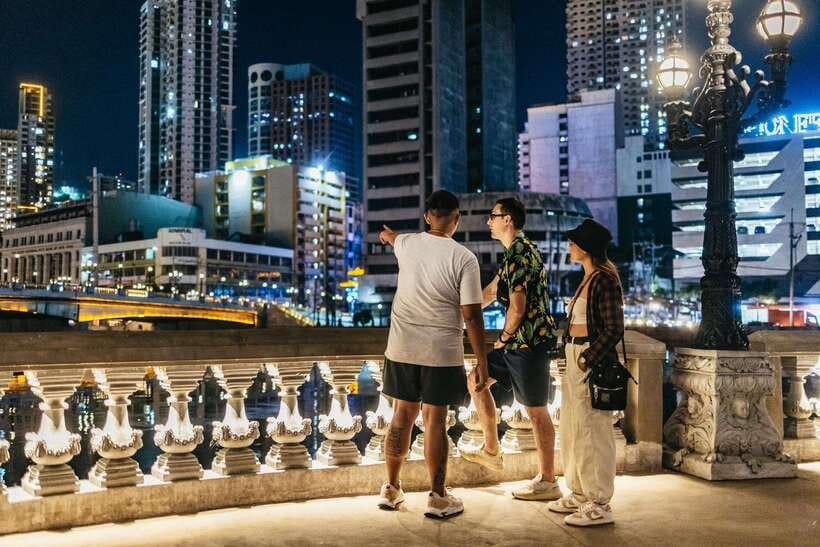
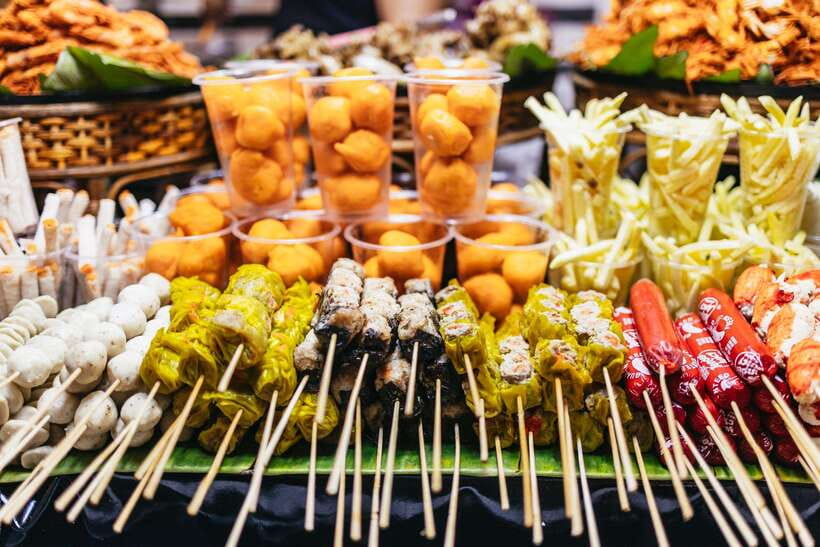
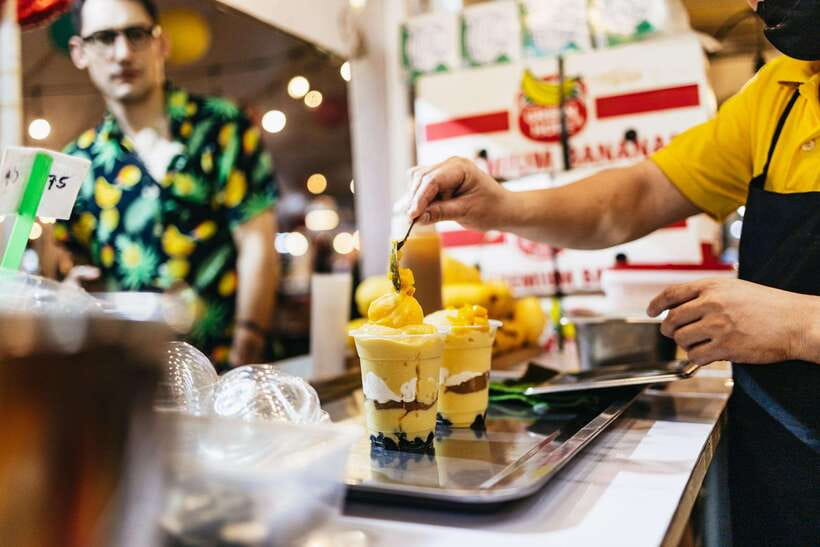
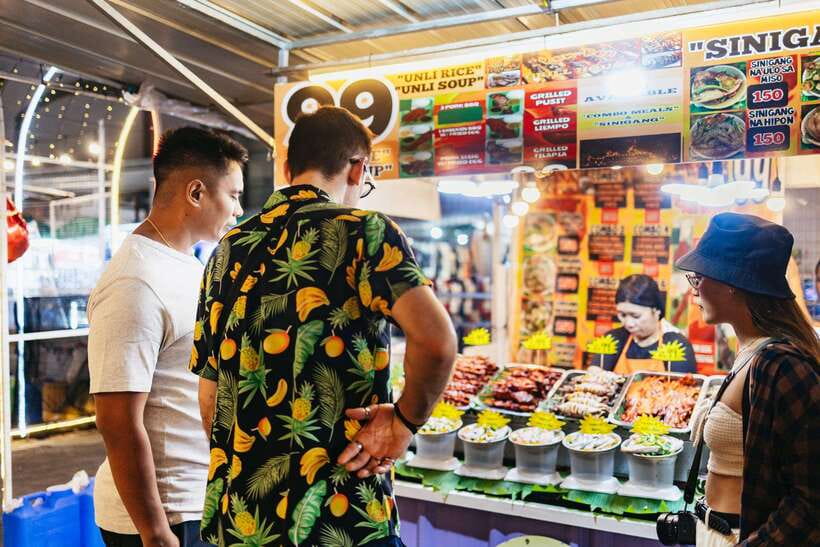
Food is one of the strongest reasons to choose this experience. The route includes Filipino street food and local dishes, with the guide helping you decide what to try. Several specific food details appear in the experience feedback, including halo-halo, authentic dishes, fresh market produce, and a street food plaza with live music.
I like the guided approach here. If you are new to Filipino food, a stall menu may not tell you much, and you may hesitate to order something unfamiliar. Floyd or Venus can explain what you are looking at and suggest options. You remain free to decide what you want to eat, but you are not left guessing alone.
The food portion is not presented as a fixed tasting menu. That distinction matters. Your choices, appetite, and the pace of the group can shape how much you try. One person found there was room for more street food, while another had a snack earlier than planned. If you know you get hungry quickly, tell the guide rather than waiting until the end.
The street food plaza, when included, adds a social side to the meal. Live music has been part of the route for some groups, and the evening can finish at a rooftop bar with a view over Manila. These details appear to vary by route, so treat them as possible stops rather than guaranteed inclusions.
Binondo and Manila’s Chinese Filipino connection
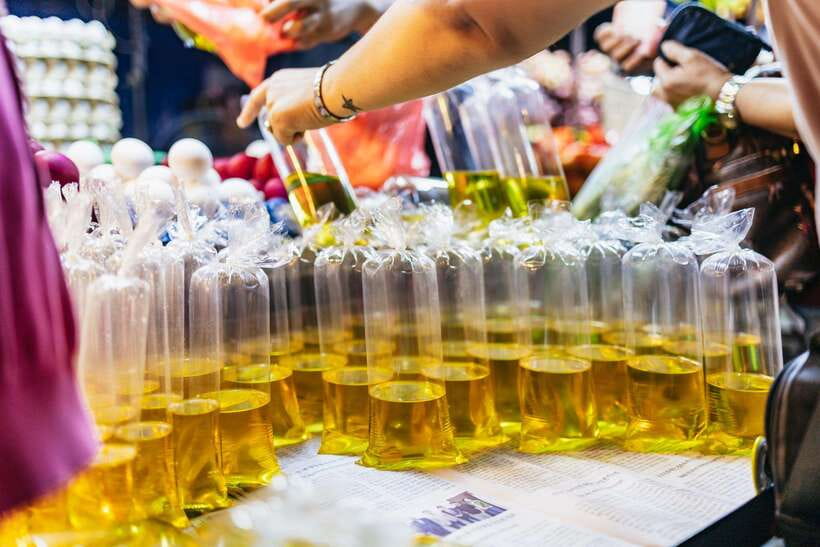
The experience can also include Binondo, described as the oldest Chinatown in the world. Its value is not just the label. The district links food, faith, commerce, and Manila’s long Chinese Filipino connection in a compact area.
Expect historic churches, food stalls, and busy market streets. The route gives you a chance to see how Chinatown fits beside Divisoria rather than treating the two districts as separate postcard stops. That combination helps explain why the evening feels broader than a simple shopping walk.
Binondo is also a good place to ask questions. You might want to know which foods are linked to Chinese Filipino cooking, how the market districts connect, or why the area remains important to Manila’s daily trade. The guides are there to provide that local setting and answer questions in English.
The trade-off is time. You cannot expect a full Chinatown tour in the same two hours that also cover Divisoria, food, and transport. Think of Binondo as one part of a fast-moving introduction, not a detailed historical walk.
Tuktuk, train, and jeepney: transport as part of the lesson
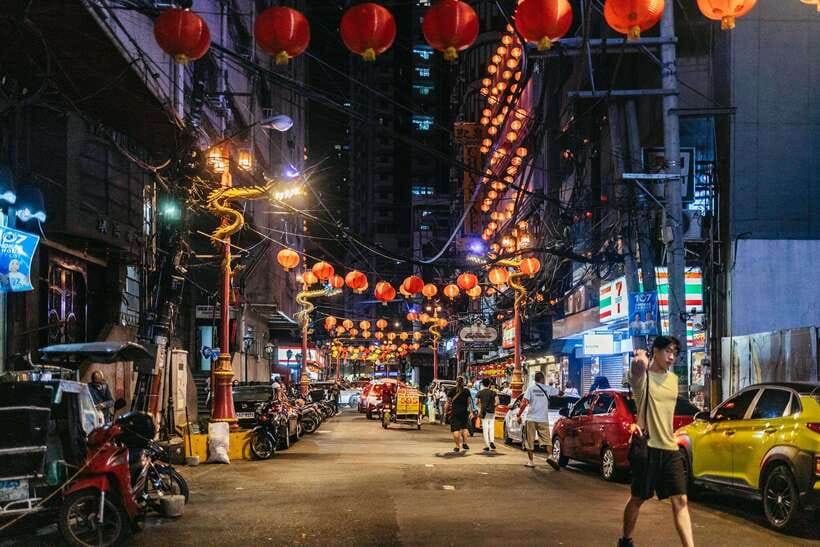
Transport is one of the most distinctive elements. The included details list a tuktuk and train, while the route description also mentions a jeepney. Past routes have used combinations of tuktuk, LRT, and jeepney, so the exact mix may depend on the night’s plan.
This is not just a way to get from one market to another. It gives you a short experience of the transport systems people use to move around Manila. A jeepney ride can be especially memorable because it places you inside an ordinary part of city life rather than behind a private vehicle window.
The rides also help break up the walking. That is useful in a busy district, though you should still expect an active evening. Boarding public transport and moving through stations or streets takes time, and the group must stay together.
Ask your guide at the start which rides are planned that night. The supplied information uses several transport descriptions, and a clear answer will help you know what to expect. The route may not include every vehicle mentioned in every booking description.
How much value do you get for $68?
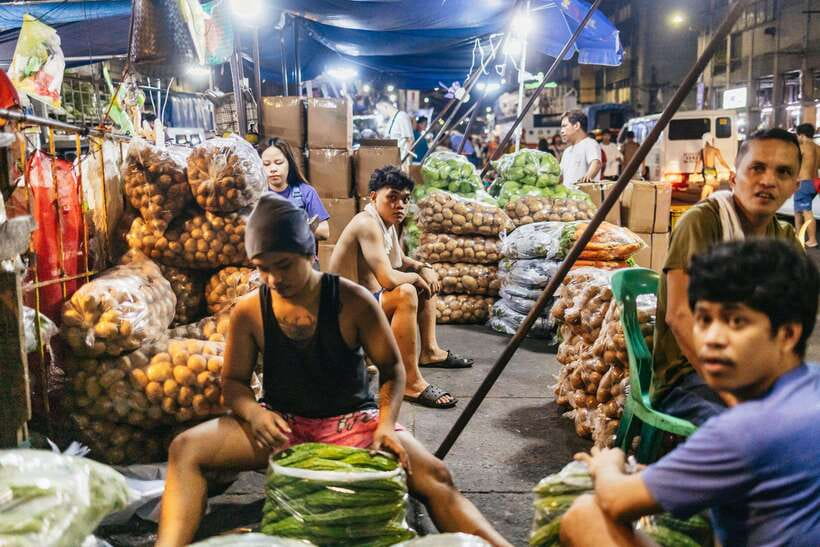
At $68 per person, this is not a bargain-priced market stroll. You are paying for a small group capped at 10 people, an English-speaking guide, route planning, local transport elements, photography, and help navigating an area that can be hard to read on a first visit.
The value is strongest if you want food, local transport, and market life in one compact evening. A solo visitor may find the guide especially useful, since the route offers company and a clearer way to approach night markets. It also suits people who prefer a planned introduction before exploring Divisoria independently.
The value is weaker if your only goal is shopping. You can spend less by visiting a market on your own, and the two-hour schedule limits how long you can browse. The price also does not clearly promise that food or drinks are included, so budget separately for anything you want to eat or buy.
For me, the deciding question is simple: do you want context and support, or only access? If you want a local person to guide you through the food, neighborhoods, and transport, the price is easier to justify. If you want a long, slow shopping session, it may feel expensive and rushed.
Who should book, and who should think twice?
This tour suits you if:
- You want to see Manila outside the main sightseeing circuit.
- You enjoy street food and are open to trying unfamiliar Filipino dishes.
- You are traveling alone and prefer a guide at night.
- You like public transport and want to try a tuktuk, train, or jeepney.
- You want a short introduction to Divisoria and Binondo.
- You value conversation and local explanation more than a rigid checklist.
It may not suit you if you dislike crowds, noisy markets, uneven walking, or quick transitions. The activity is not suitable for children under 4 or people over 70, according to the booking information. The supplied age rule is broad, so anyone with mobility concerns should consider the walking and public transport before reserving.
The small-group limit of 10 is a useful middle ground. You get more personal attention than on a large bus tour, but you should not expect a private guide. Private tours are advertised separately by the provider, so ask about that option if you need a slower pace or a tailored route.
Practical details before you go
The activity lasts two hours and is offered with a live English-speaking guide. Floyd and Venus are the named guides connected with the experience, and the route has included photography as well as transport by tuktuk, train, and jeepney.
Free cancellation is available up to 24 hours before the activity for a full refund. You can also reserve now and pay later, which helps if your Manila schedule is still shifting.
Bring comfortable shoes, a little spending money for food and shopping, and an appetite. Keep your belongings secure in crowded areas, stay near the guide, and ask about the exact transport plan at the start.
The location information deserves one final check. The summary identifies Nueva Vizcaya, but the meeting point is Tutuban Center Mall and the entire route description concerns Manila, Divisoria, and Binondo. Confirm the meeting details with V.S Tour Services before you set out.
Should you book the Divisoria night market experience?
Book it if you want a lively, practical look at Manila’s working side and you are happy to trade comfort for access. The best parts are the market setting, guided food choices, the night vegetable market, and the chance to move around by local transport. Floyd and Venus add the personal element that makes a fast route easier to follow.
Skip it if you want a quiet dinner, a long shopping window, or a detailed history tour. Two hours cannot cover every corner of Divisoria and Binondo, and the exact food and transport stops may vary.
For a first night in Manila, I would choose this when my priority was local food and daily city life, not polished attractions. Confirm the meeting point, wear good shoes, and arrive ready to walk, taste, shop, and keep moving.
FAQ
Where does the Manila night market tour begin?
Meet your guide at Tutuban Center Mall by the Bonifacio Monument. Ask mall security for help if you cannot find the monument.
How long does the activity last?
The activity lasts two hours. Starting times depend on availability.
Is the tour conducted in English?
Yes. The experience includes a live English-speaking guide.
How many people are in the group?
The activity is a small-group tour limited to 10 participants.
What transport is included?
The included details list a tuktuk and train. The route information also mentions a jeepney, and past routes have used combinations of tuktuk, LRT, and jeepney. Ask the guide which vehicles are planned for your departure.
Is food included in the price?
The experience includes opportunities to try Filipino street food and local dishes, but the supplied information does not state that food is included in the $68 price. Bring money for anything you choose to eat.
Can I cancel the booking?
Yes. You can cancel up to 24 hours in advance for a full refund. Reserve now and pay later is also available.
New market tours around the world
- Tel Aviv: 2-Hour Carmel Market Tour in English with Lunch★ 4.8 · 23 reviews
- Tel Aviv: Carmel Market & Neighborhood Guided Walking Tour★ 4.7 · 3 reviews
- Tel Aviv: 2-Hour Jaffa Flea Market Tour with Tastings★ 4.9 · 8 reviews
- Tel Aviv: Carmel Market Food Tasting Tour “Shuk Hacarmel”★ 4.0 · 8 reviews
- Tel Aviv: 2-Hour Levinsky Market Tour with Full Lunch★ 4.7 · 10 reviews
- Tbilisi 2 Parks: Turtle Lake & Dedaena Park with Flea Market★ 5.0 · 3 reviews
- Tbilisi: Street Food & Sightseeing Tour with Local Markets★ 5.0 · 8 reviews
- Teguise: Market and César Manrique Foundation Tour★ 4.3 · 39 reviews
Market Tours, side by side.
Bangkok: Damnoen Saduak Market and Maeklong Railway Market
Read our review →
The Old Siam: Damnoen Saduak and Maeklong Railway Market
Read our review →
Dubai: Old Town, Creek, Museums, Souks, & Street Food Tour
Read our review →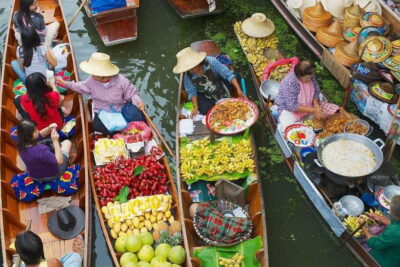
Bangkok: Train Market & Floating Market with Boat Ride
Read our review →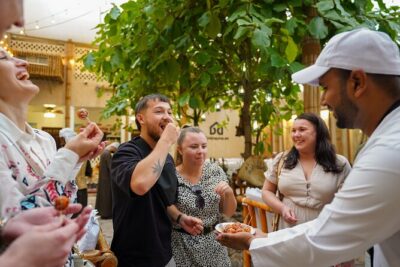
Dubai: Old Town, Souks, Street Food, Guided Tour & Abra Ride
Read our review →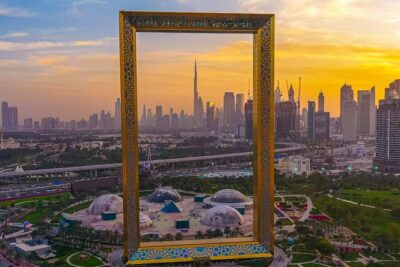
Dubai: Frame Tickets, Creek, Souks & Blue Mosque Guided Tour
Read our review →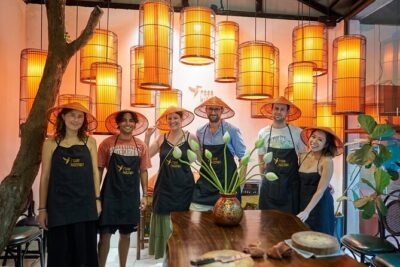
Hanoi Cooking Class: Culture, Local Market & Meaning CSR Impact
Read our review →
Marrakech: Bahia Palace, Saadian Tombs, Souk and Medina Tour
Read our review →This tour also appears in