
Review · ROME
Rome: Prati Food & Wine Market Tour with St. Peter Square
Rome’s food traditions make the most sense when you meet them at a market table, not just on a restaurant menu. This two-hour walk through Prati and Trionfale brings you to one of the city’s oldest farmers markets for Roman pizza, regional cheeses, cured meats, and Italian wine, then finishes near St. Peter’s Square.
I like the direct link between food and neighborhood life, and I like that the guide adds stories about recipes, customs, and places to eat. Guides named Marco and Christian have been singled out for their warmth, advice, and interesting anecdotes. The main drawback is the tight food policy: this tour cannot accommodate vegan, gluten-free, or dairy-free diets, and it is not suitable for wheelchair users.
Key points at a glance
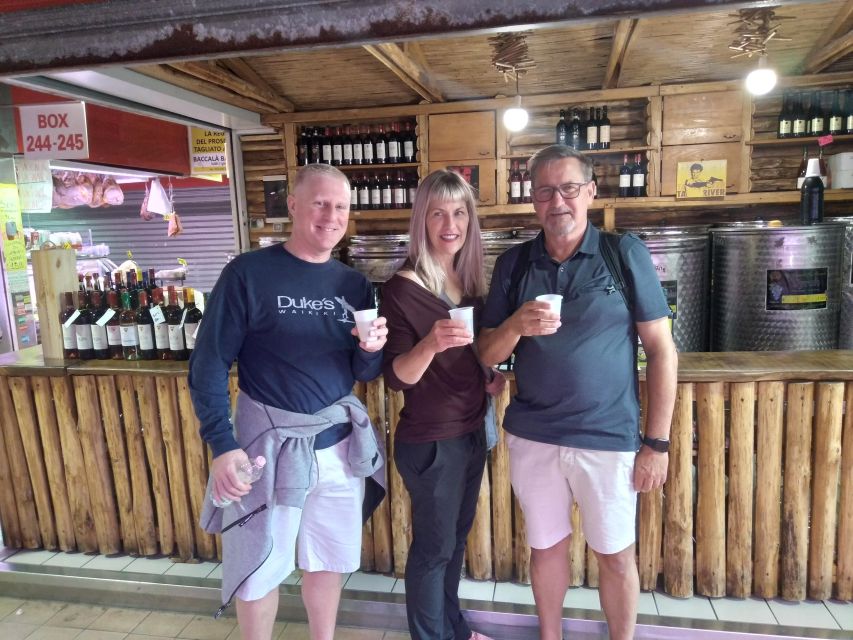
- A market-based Roman food walk: Taste local specialties inside one of Rome’s major farmers markets rather than spending the whole tour in restaurants.
- Prati and Trionfale beyond the Vatican: You see the neighborhoods around the Vatican and learn how local food fits everyday Roman life.
- A practical two-hour format: The short length works well before or after Vatican sightseeing, though it leaves little time for lingering.
- A dessert finish near St. Peter’s Square: The route ends with something sweet and a famous Roman landmark.
- Guides add personal advice: Marco and Christian have been praised for stories, food explanations, and restaurant suggestions, but the assigned guide may vary.
- Strict dietary limits: Vegetarian options require advance notice, but vegan, gluten-free, and dairy-free requests cannot be accepted.
Starting near Santa Maria delle Grazie al Trionfale
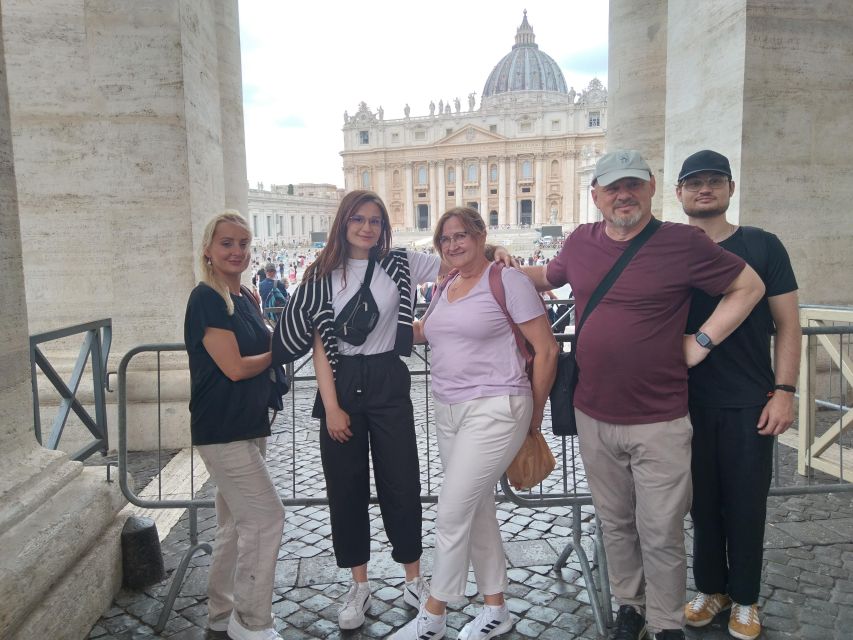
You meet your guide in front of the church of Santa Maria delle Grazie al Trionfale. Look for the guide holding a sign marked Food Tour. This meeting point places you in the Trionfale district, a useful change of scene from the grand entrances and souvenir stalls around St. Peter’s Basilica.
I like this start because the tour does not treat the Vatican area as a single tourist zone. Prati and Trionfale are working neighborhoods with their own food shops, market routines, and Roman character. You begin by seeing the area through the habits of people who shop and eat there, rather than rushing straight to a monument.
Wear comfortable shoes and dress for the weather. The route combines walking, market stops, food tastings, and a final stretch toward St. Peter’s Square. The tour lasts two hours, so it is manageable for most people who can walk comfortably, but it is not designed as a slow, all-day food crawl.
More market tours around Rome:
- Rome: Colosseum, Roman Forum & Trajan’s Market Exterior Tour
★ 4.3 · 2,038 reviews - Roman Food Tour with Visit to the Trionfale Food Market
★ 5.0 · 471 reviews - Authentic Roman Cooking Class & Market Experience
★ 5.0 · 363 reviews
Inside one of Rome’s oldest farmers markets
The market is the heart of the experience. It is described as one of the oldest farmers markets in Rome and one of the largest in Europe, giving the food stops a stronger sense of place than a standard tasting in a hotel or cooking studio.
You can expect your guide to use the market as a lesson in Roman and Italian food traditions. The point is not just to eat several samples. You learn how familiar ingredients fit into regional recipes, why certain products matter, and how Roman food differs from the broad idea of Italian cuisine often presented abroad.
The market setting also gives you visual context. Instead of receiving a plate with no explanation, you see the kind of produce, meats, cheeses, and other products that support local cooking. The exact vendors and order of stops are not specified, so you should think of this as a guided market route rather than a fixed list of named stalls.
That flexibility can be useful. A guide can adjust the conversation to the group and point out details that would be easy to miss alone. The tradeoff is that you should not book this expecting a formal tasting menu with identical portions and a printed schedule.
Roman pizza, cheeses, and cured meats
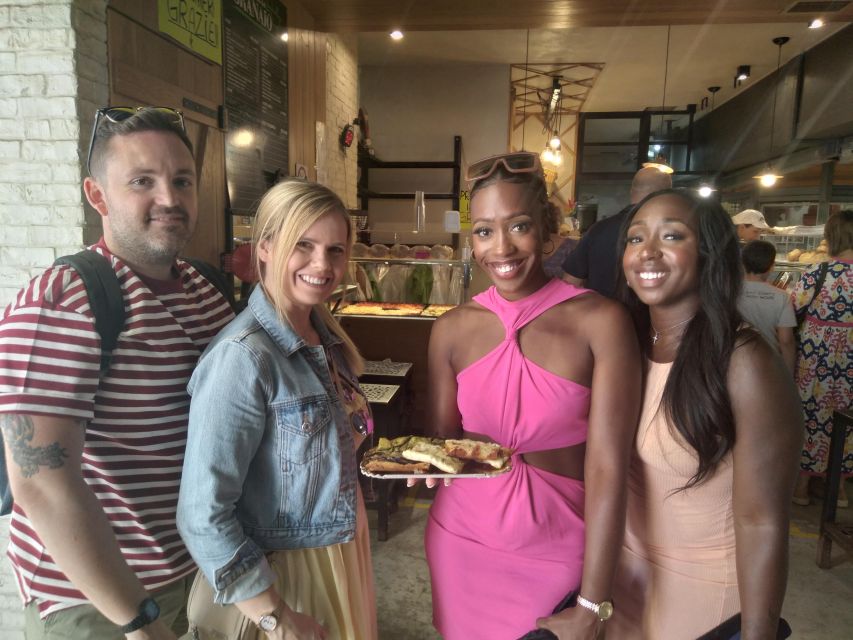
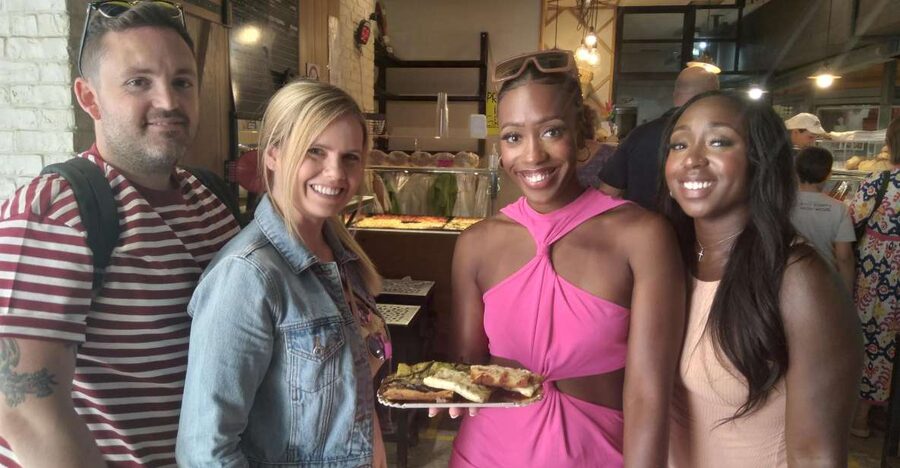
The tasting focuses on classic savory foods. Roman pizza is one of the key samples, along with cheeses and cured meats from the region. These foods give you a compact introduction to the local table: bread and dough, dairy, preserved meat, and wine working together.
Roman pizza can mean different things depending on the preparation. This tour information does not specify a particular style or topping, so you should avoid arriving with a fixed expectation about a certain famous pizzeria recipe. The useful part is the chance to taste it in context and hear how your guide explains Roman food habits.
The cheeses and cured meats are especially helpful for understanding Lazio’s everyday flavors. They are simple products, but the guide’s comments can explain how they are served, paired, and used in meals. If you enjoy tasting small portions and comparing flavors, this will likely be the strongest part of the walk.
The tour is not a full meal replacement for everyone. It includes food and wine tasting, but the amount of food is not stated. I would treat it as a substantial introduction to local specialties, not as a guarantee of lunch or dinner.
Lazio wine with local food
Wine is included, and the focus is on Italian and regional selections. Pairing wine with pizza, cheese, and cured meat makes the tasting more useful than sampling each item in isolation. You get a sense of how acidity, salt, richness, and texture work together at the table.
You do not need to be a wine expert to enjoy this part. The guide is there to explain the choices in plain terms and connect them to the food. The activity description promises stories and anecdotes about Italian culinary traditions, so you can expect conversation rather than a technical tasting lesson.
The tour is conducted in English. Past feedback highlights guides who offered interesting information and practical restaurant advice. Marco was praised for sharing stories about Rome and showing parts of the city that might otherwise be missed. Christian was also described as warm, entertaining, and generous with cooking tips and restaurant recommendations.
Guide assignments can change, so do not book solely to meet one particular person. Still, the personal guide element is important here. The market itself is a fixed attraction, but the quality of the explanation determines how much you take away from it.
Same city, another market:
- Taste of Testaccio: Special 15 Year Anniversary Edition
★ 5.0 · 1,658 reviews - Trevi Fountain, Pantheon, and Campo Dei Fiori Market Food and Wine Tour
★ 5.0 · 320 reviews - Rome: Pasta Cooking Class with Market Visit and Wine
★ 4.9 · 277 reviews - Rome: Food Tour with Market Visit
★ 4.9 · 200 reviews
Walking through Prati and Trionfale
The neighborhood walk gives the food a setting. Prati is close to the Vatican but has a different rhythm from the monument zone, while Trionfale is tied closely to the market and local shopping area. The tour lets you connect these districts with food rather than simply using them as a route between sights.
I like this for a first or second day in Rome. You get a quick orientation to the area, hear local suggestions, and finish close to one of the city’s most famous public spaces. If you are staying near the Vatican, the meeting point should also fit neatly into a day spent in this part of Rome, though hotel pickup is not included.
The guide’s anecdotes are likely to be more valuable than a long list of dates. You may hear about recipes, eating customs, and neighborhood life, along with suggestions for restaurants to try later. That kind of advice can save you from choosing dinner based only on the nearest menu board.
The walk is still brief. Two hours is enough for a focused introduction, but not enough for a broad tour of all Prati and Trionfale. If your priority is architecture, shopping, or detailed Vatican history, this is not the right tour. The neighborhoods are here mainly as the setting for food.
A sweet stop on the way to St. Peter’s Square
After the savory tastings and wine, the route includes a dessert stop before ending at St. Peter’s Square. That final sweet bite gives the walk a pleasant change of pace and prevents the experience from feeling like a series of similar market samples.
The precise dessert is not specified, so you should not book this expecting a named pastry or a guaranteed tiramisu. The value lies in the progression: market foods first, something sweet later, then a walk toward a major Roman landmark.
Ending at St. Peter’s Square is a smart use of the route. You finish in a place that is easy to recognize and easy to combine with other sightseeing. The tour does not include entry to St. Peter’s Basilica or the Vatican Museums, so you should plan those separately if they are on your list.
The square is also a strong closing point for photographs and orientation. After a small-group food walk, you can continue sightseeing, return to your hotel, or use the guide’s restaurant advice for a later meal.
What the $81 price means
At $81 per person, this is not the cheapest way to eat in Rome. You are paying for a guided neighborhood walk, several food and wine tastings, local explanation, and a convenient finish near St. Peter’s Square.
The value depends on how you use the guide. If you simply want a plate of pizza and a glass of wine, you can spend less on your own. If you want to understand what you are tasting, find a market you might not visit alone, and collect practical food advice for the rest of your stay, the price becomes easier to justify.
The two-hour duration keeps the cost from turning into a major time commitment. You can fit it around a Vatican visit or use it as a first-day introduction to the area. Still, you should remember that the listed price does not include hotel pickup and drop-off, and the amount of food included is not defined.
I see this as a good-value orientation and tasting for someone who wants context, not a bargain lunch. It is less convincing for a person who eats very little, avoids wine, or expects a long list of full-size dishes.
Dietary rules deserve careful attention
This tour has strict limits, and you need to take them seriously when booking. The provider must know in advance if you need a vegetarian option or have allergies or intolerances.
Vegetarian participation may be possible with advance notice. The activity specifically does not accommodate vegan, gluten-free, or dairy-free participants. It is also listed as unsuitable for people with lactose intolerance and gluten intolerance.
That restriction matters because the main tastings are Roman pizza, cheeses, and cured meats. Much of the experience depends on those ingredients, and there is no promise of equivalent substitutions. If you have a serious allergy, contact the provider before paying rather than assuming a market guide can adjust the menu on the day.
The tour is also not suitable for wheelchair users. The route includes a market and neighborhood walking, but no detailed accessibility information is provided. Anyone who needs step-free access or special seating should choose another experience unless the provider confirms that the route works for them.
Who will enjoy this food walk most
I would recommend this tour to you if you want a short introduction to Roman food and prefer a neighborhood setting to a formal restaurant. It suits first-time visitors who are staying near the Vatican, couples looking for a relaxed activity, and curious eaters who like stories with their samples.
It is also useful for anyone who wants restaurant ideas early in a Rome visit. The guide’s food advice can shape later meals, and that practical benefit may be worth as much as the tasting itself.
You should think twice if you want a long, food-heavy tour. The two-hour schedule is focused, and the included food may not replace a full meal. It is also a poor fit if you do not eat dairy, gluten, or animal products.
The English-only format is clear and simple. If you need another language, this is not the right choice based on the information available.
My take on the guide-led experience
The strongest part of this activity is the combination of a real market and a guide who talks about food as part of daily life. That gives you more than a checklist of samples. You begin to see why a Roman meal is built around particular ingredients and how neighborhood markets connect to the wider city.
The past guide feedback points to a warm, personal style. Marco was appreciated for interesting stories and for revealing an area that might be missed on your own. Christian was praised for food advice and restaurant recommendations, although one account connected with him also described a cooking class, so you should not assume those cooking activities are part of this market tour.
That distinction is worth making. This experience is a guided tasting walk, not a cooking class. You will taste Roman specialties and wine, hear explanations, and visit food stops. You should not expect to prepare pasta or dessert during this particular two-hour route.
Should you book the Prati food tour?
Book it if you want a compact food introduction near the Vatican, enjoy cheese, cured meat, Roman pizza, dessert, and wine, and value a guide’s local suggestions. The market setting and final walk to St. Peter’s Square give the experience a useful sense of place.
Skip it if you need vegan, gluten-free, or dairy-free food, use a wheelchair, or want a full meal with generous portions. Also skip it if your main goal is Vatican history or museum entry.
For the right eater, $81 buys a pleasant two-hour orientation with food, stories, and a practical neighborhood route. I would schedule it near the start of your Rome stay, then use the guide’s advice when choosing where to eat next.
FAQ
How long does the Prati food and wine tour last?
The tour lasts two hours. Starting times vary, so you need to check availability for the date you want.
Where does the tour meet?
Meet your guide in front of Santa Maria delle Grazie al Trionfale. The guide will hold a sign marked Food Tour.
What food and drink are included?
The tasting includes Roman pizza, regional cheeses, cured meats, Italian food specialties, wine, and a dessert stop. The exact dessert and the precise tasting portions are not specified.
Is the tour conducted in English?
Yes. The listed live tour guide language is English.
Can vegetarians join the tour?
A vegetarian option may be available, but you must tell the activity provider in advance. The tour does not accommodate vegan, gluten-free, or dairy-free participants.
Does the tour include hotel pickup or Vatican entry?
No. Hotel pickup and drop-off are not included, and the activity does not include entry to St. Peter’s Basilica or the Vatican Museums.
New market tours around Rome
- Rome: Trajan’s Markets & Museum of The Imperial Fora Tour★ 4.8 · 4 reviews
- Rome: The Vatican Market Experience Tasting and Class★ 4.7 · 10 reviews
- Rome: Vatican Street Food and Wine Tour with Farmers Market★ 5.0 · 37 reviews
- Rome: Taste of Testaccio Food & Market Tour★ 4.9 · 38 reviews
- Rome: Testaccio Food & Market Tour with Pasta & Wine★ 5.0 · 38 reviews
- Rome: Temples, Squares & Markets Guided Walking Tour★ 4.8 · 26 reviews
- Farmers Market Shopping and Roman Full Course Class – SHARED★ 5.0 · 12 reviews
- Rome: Guided Testaccio Market Food Tour with Tastings★ 5.0 · 3 reviews
Rome Market Tours, side by side.
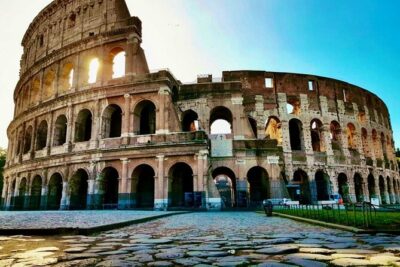
Rome: Colosseum, Roman Forum & Trajan’s Market Exterior Tour
Read our review →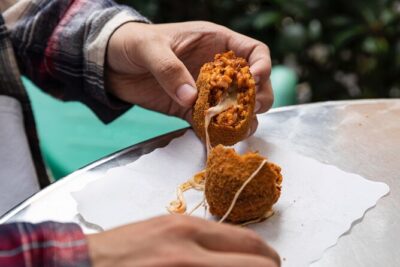
Taste of Testaccio: Special 15 Year Anniversary Edition
Read our review →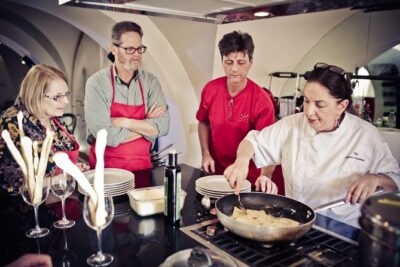
Authentic Roman Cooking Class & Market Experience
Read our review →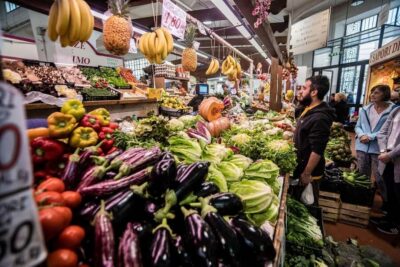
Rome: Pasta Cooking Class with Market Visit and Wine
Read our review →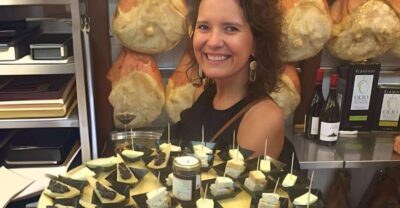
Rome: Trajan Markets Experience with Multimedia Video
Read our review →
Rome E-Bike Tour: Ultimate Street Food and Market Feast
Read our review →
This tour also appears in