Review · ROME
Farmers Market Shopping and Roman Full Course Class – SHARED
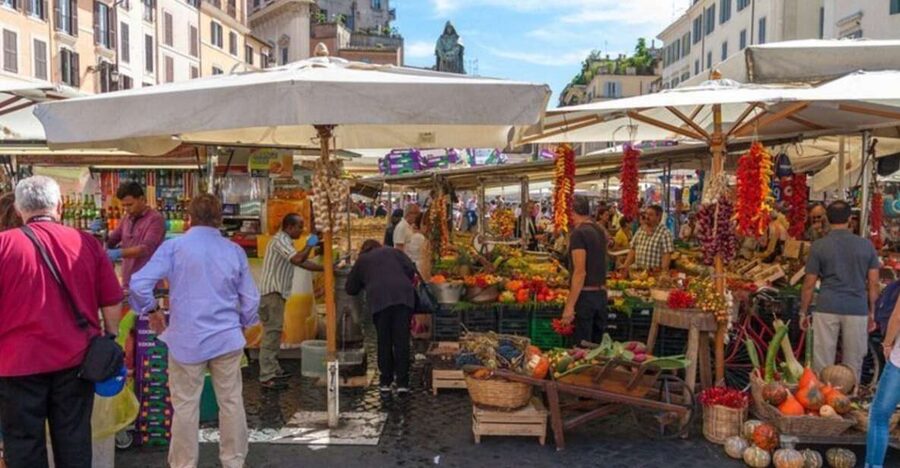
Rome’s Campo de Fiori market is the real starting point here. You shop for fresh ingredients with your chef, then turn them into pasta, a main course, a side dish, and dessert. This gives you more than a meal. You learn how the pieces of a Roman lunch fit together.
I like the market visit and the hands-on cooking. You choose ingredients, ask questions, and work through each recipe instead of sitting back while someone else cooks. I also like the relaxed finish: prosecco and snacks begin the class, then your homemade meal comes with Italian wine.
The main drawback is the price, $186.92 per person. That is a serious spend for a half-day activity, and the class is not suited to people with mobility impairments. Still, the food, drinks, instruction, market visit, and central location make it a strong choice for visitors who want a practical food experience.
Key points to know before booking
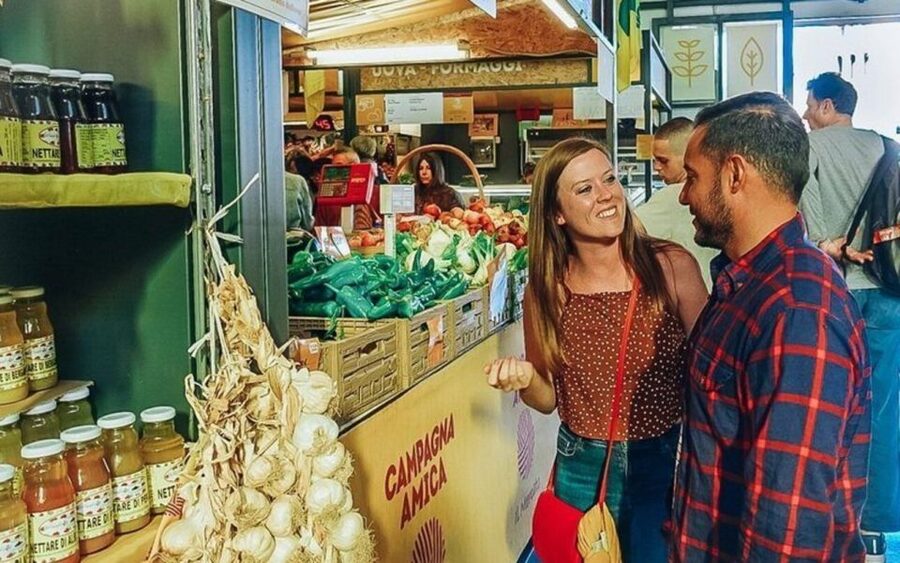
- Start at Campo de Fiori: Meet in front of the flower shops, then shop for the day’s ingredients with the chef.
- Four parts of the meal: Prepare pasta, a main course, a contorno, and dessert in a guided class.
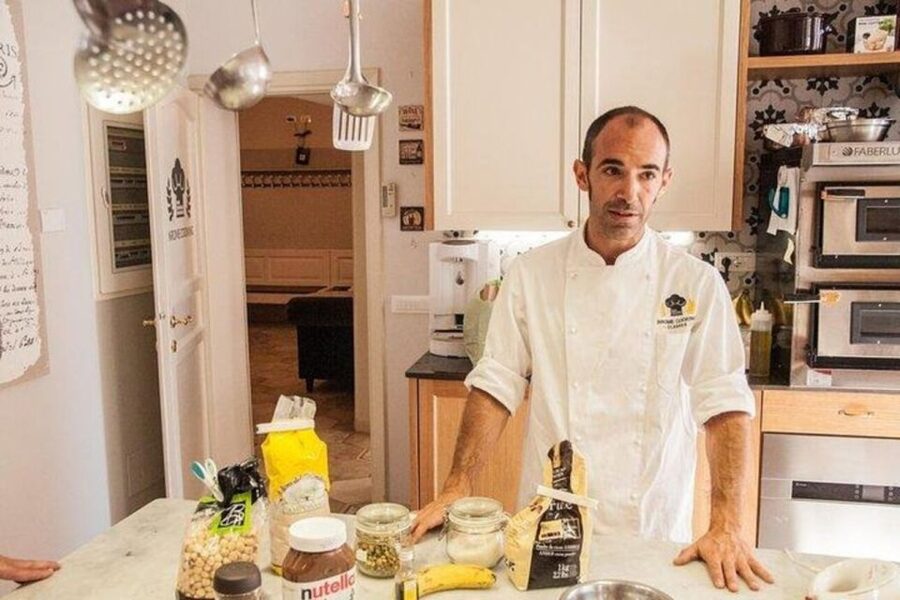
- English-speaking instruction: The chef leads the class step by step, with Alessandro and Simone singled out for especially warm and capable teaching.
- Dietary needs can be discussed: One group received help with onion, dairy, and nut allergies, though you should share your needs before booking.
- Central Roman setting: The cooking school is near Piazza Navona or the Pantheon, and you return to the meeting point at the end.
- A full social meal: Prosecco, antipasti, and selected Italian wine are part of the experience, not extra purchases.
Starting with shopping at Campo de Fiori
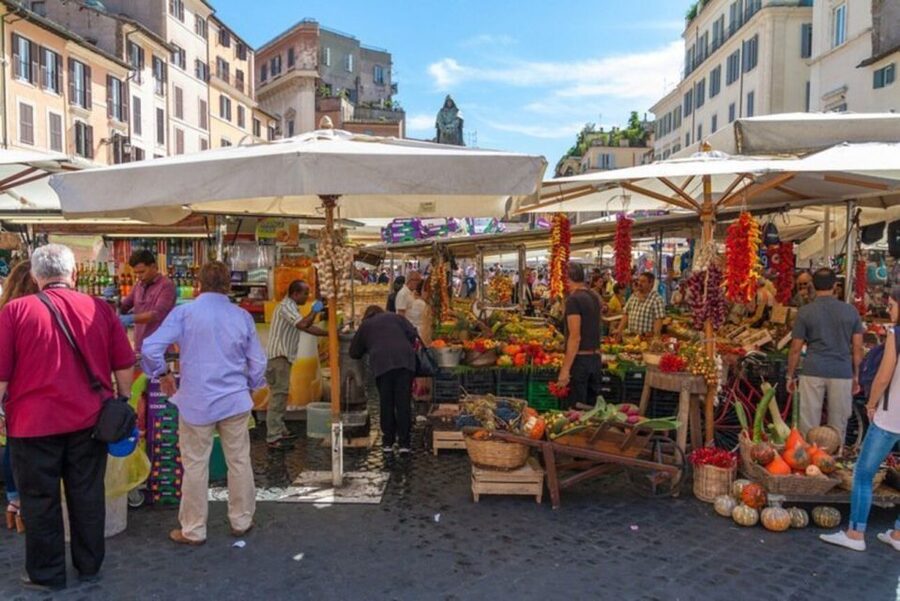
The meeting point is Campo de Fiori, in front of the flower shops. This is a useful place to begin because the activity gets you into Rome’s food culture before the cooking starts.
Instead of arriving at a school with ingredients already laid out, you walk through the local market and help gather what will be used in class. The chef guides your choices, so you do not need to know the Italian names for every vegetable or understand which ingredients are best that day.
I like this part because it gives the meal a sense of place. A pasta dish made from ingredients selected in a Roman market feels more connected to the city than a cooking lesson built around anonymous supplies. The market also gives you a quick look at an everyday side of Rome, away from the major ancient sites and art collections.
The experience includes market ingredients and tastings. One particularly detailed account describes stops at smaller shops near the market as well as tastings, which suggests that the shopping may include more than a quick walk past produce stalls. The exact market route can vary, so you should treat that as a possibility rather than a guaranteed sequence.
The market is also where the chef can begin explaining the meal. You may learn why one ingredient is chosen over another, how to judge freshness, or how a simple Roman dish depends on good raw materials. Those lessons are often more useful at home than a long list of facts about Italian cuisine.
Wear shoes you can walk in comfortably. The class lasts 4.5 hours, and the activity starts on foot at the market before moving to the cooking school. A passport or identity card is required, and a copy is accepted.
More Local and Farmers Market Tours in Italy
- Rome: Vatican Street Food and Wine Tour with Farmers Market
★ 5.0 · 37 reviews - Eat Like a Roman – Traditional Food, Local Market & History
★ 5.0 · 3 reviews - Cooking Class and Lunch at a Tuscan Farmhouse with Local Market Tour from Florence
★ 5.0 · 4,831 reviews
A short walk to the cooking school
After the market visit, you head to one of two schools in the center of Rome. One is close to Piazza Navona, and the other is near the Pantheon.
That central setting matters. You are not spending half the day on a long transfer to an outlying kitchen. The activity begins and ends at its stated meeting point, and hotel pickup and drop-off are not included. Plan your route to Campo de Fiori in advance and leave enough time to find the flower shops.
The exact school depends on the scheduled class. Both locations put you in the middle of Rome, so the activity can fit neatly into a day built around central sights. You could pair it with nearby sightseeing before or after, but do not crowd the schedule too tightly. Cooking classes tend to run at the pace of the food and the group, not at the pace of a museum timetable.
The schools are described as being in the heart of the city, which is convenient but may also mean an urban setting rather than a countryside kitchen. If you want vineyards, rural views, or a farm visit, this is not that sort of class. You are choosing a city-based Roman food lesson.
Prosecco, antipasti, and settling into the class
At the school, the welcome begins with prosecco and snacks. This is a smart way to shift from shopping into cooking. You have time to settle in, meet the chef and other participants, and get ready for the hands-on part.
The reception is not just a token drink listed among the extras. Prosecco and antipasti are included, and the final meal also comes with drinks. That helps explain some of the price. You are paying for a four-and-a-half-hour food experience, not only for a recipe demonstration.
The atmosphere should suit people who like to eat socially. The class finishes in a dining room, where you sit down with the food you prepared. If you prefer a fast, highly structured lesson with little conversation, this may feel leisurely. If you like sharing a table and comparing results, the format should work well.
The group size is not provided, so I would not book this expecting either a private class or a very small workshop. In December, one group ended up with a private experience because of the season, but that is not a promise for every date. The safest assumption is a shared class with the possibility of a smaller group at quieter times.
Cooking pasta, the main course, contorno, and dessert
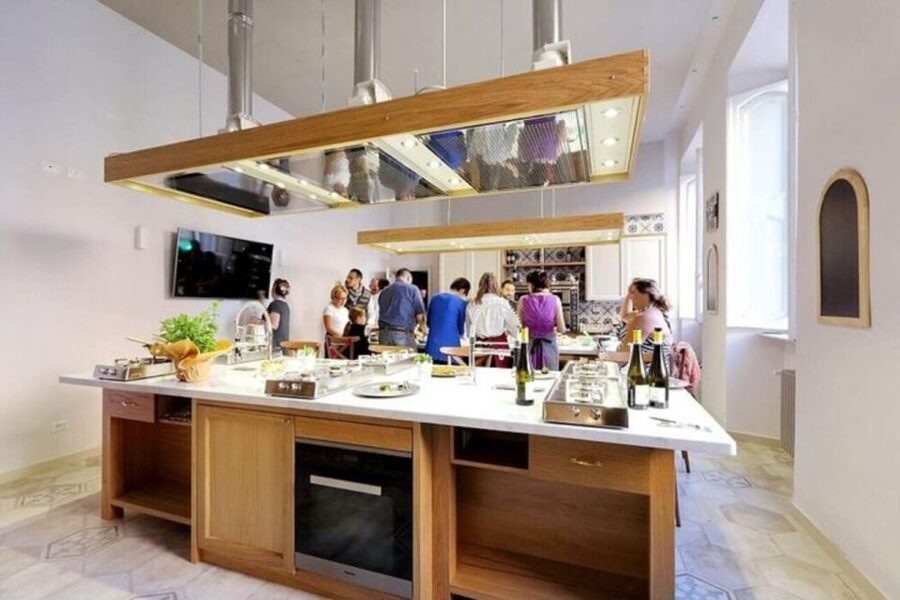
The central lesson covers four parts of the meal:
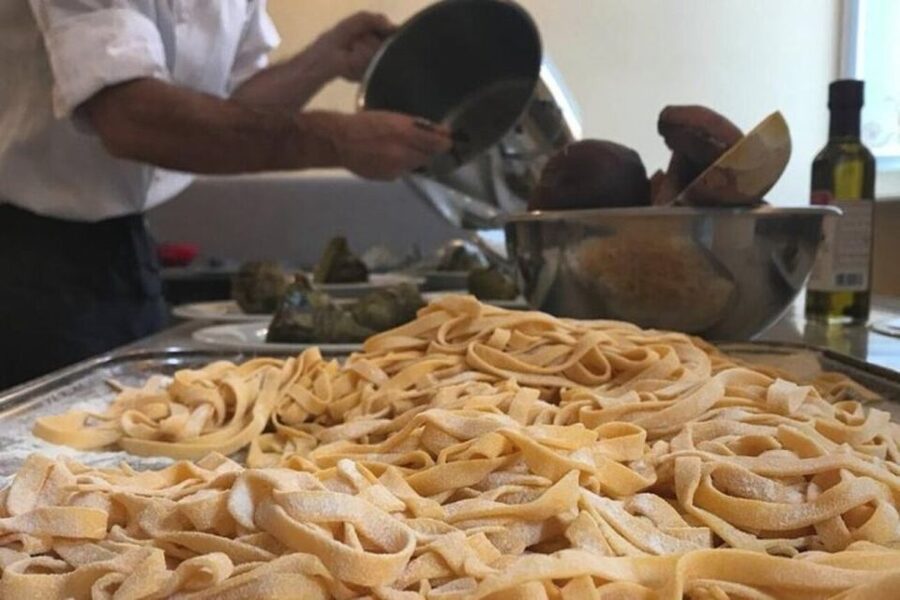
- A homemade pasta dish
- A main course
- A side dish, called a contorno in Italian
- A dessert
The title describes the activity as a Roman full-course class, while the detailed meal format presents these four elements. In practical terms, you should expect a full meal rather than a single pasta lesson.
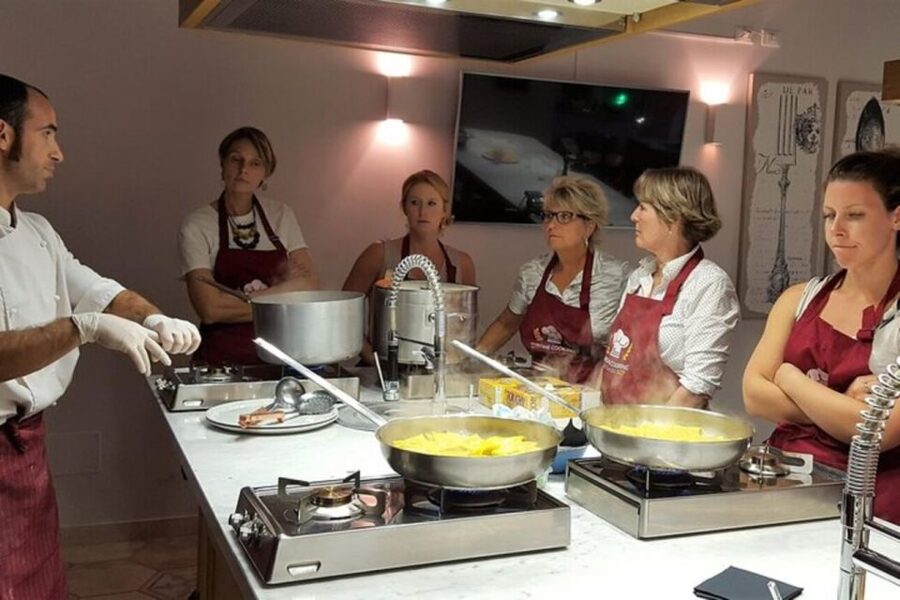
The chef takes you through the recipes step by step. That matters if you are not confident in the kitchen. You do not need to arrive with professional skills, and the experience includes all ingredients and equipment.
Pasta is often the part people most want to learn, but the wider menu is what makes this class useful. A main course teaches you how an Italian meal is balanced. The contorno shows that vegetables and side dishes are not afterthoughts. Dessert gives the class a proper finish and lets you practice a different kind of preparation.
The recipes follow traditional methods, and they can be adjusted to your preferences. That does not mean every possible diet is automatically covered. If you have allergies or restrictions, tell the provider ahead of time and confirm what can be accommodated. Alessandro received specific praise for handling onion, dairy, and nut allergies, which is encouraging for guests with food concerns, but advance notice remains essential.
I would also keep your expectations realistic. You are learning several dishes in one session, so the aim is a useful introduction rather than mastery of every Roman technique. You should leave with methods you can repeat, but perhaps not with the precision of a professional cooking school.
More Local and Farmers Market Tours in Rome:
- Hanoi Cooking Class: Culture, Local Market & Meaning CSR Impact
★ 5.0 · 5,147 reviews - Chef Guided Food Tour of Pike Place Market
★ 5.0 · 3,733 reviews - Cooking Class Hoi An:Local Market, Basket Boat, Fishing & Cooking
★ 5.0 · 3,660 reviews - London Bridge & Borough Market Food Tour with 7 Authentic Dishes
★ 5.0 · 1,972 reviews
The chefs make a real difference
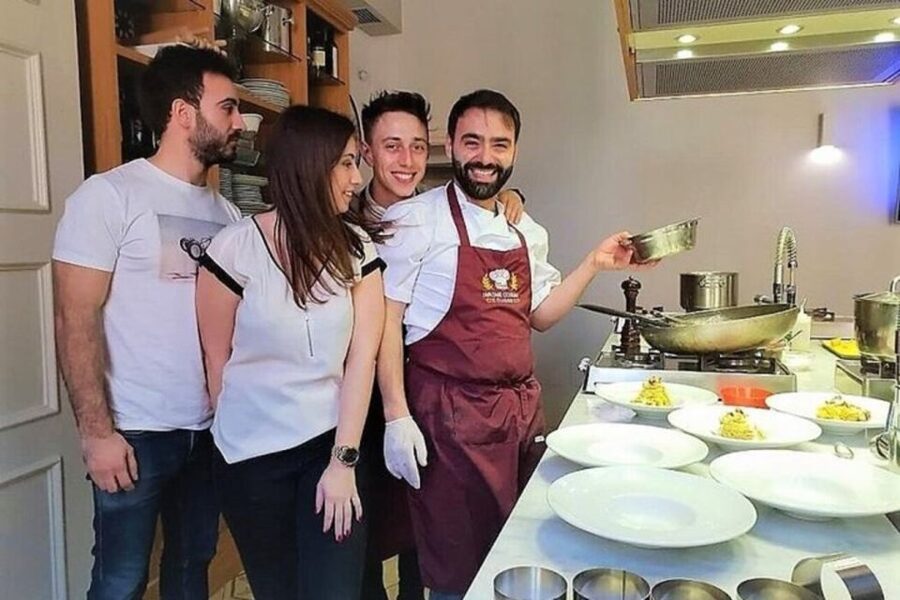
The instructor language is English, which removes one of the biggest barriers in a cooking class abroad. You can ask why a step matters, check an ingredient, and follow timing instructions without relying on gestures alone.
Alessandro is named as a friendly and capable chef who handled dietary needs carefully. Simone is also singled out for guidance throughout the experience. Since chef assignments can vary, you should not assume one particular person will lead your date, but these names give you a useful sense of the teaching style associated with the class.
I especially value the reports of patient, step-by-step instruction. That is more useful than a chef who simply performs a recipe while you watch. The point is to understand enough to repeat the dish after returning home.
The chef also helps at the market, which broadens the lesson. You are not just learning how to mix ingredients. You are learning how to select them, prepare them, and serve them as part of a Roman meal.
Sitting down to eat what you made
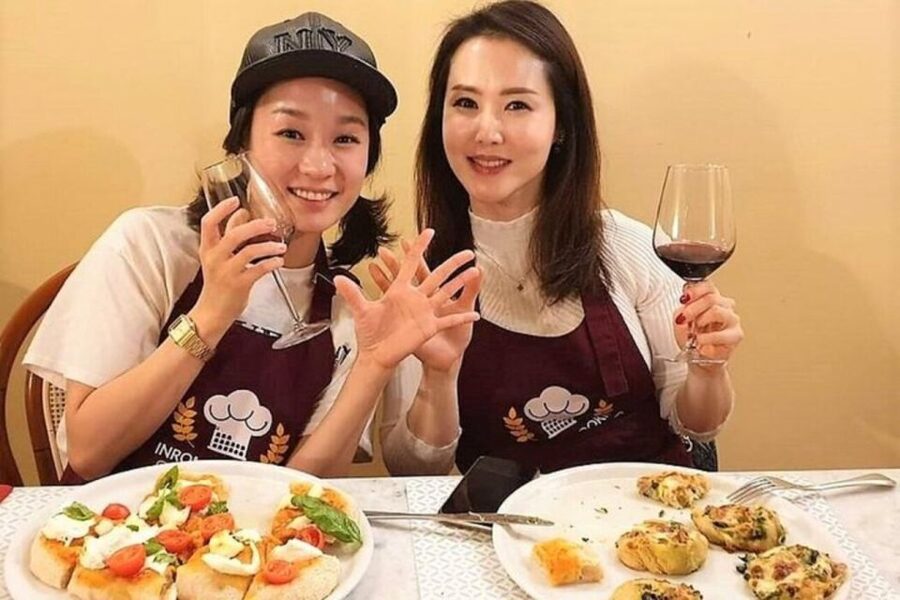
The final meal takes place in the dining room at the school. You eat the dishes prepared during the class, accompanied by selected Italian wine.
This is where the experience earns much of its emotional value. You have handled the ingredients, followed the instructions, and watched the meal take shape. Sitting down afterward gives the class a clear payoff and lets you enjoy the food without rushing straight back into sightseeing.
The drinks are included, with prosecco and snacks at the welcome and wine served with the meal. That makes the experience easier to budget. You do not have to wonder if the advertised price covers only the lesson while every drink costs extra.
The dining portion also makes this a good choice for a special occasion or a shared activity with family. Three sisters described having a particularly enjoyable time together, and the private setting they received in December added to the experience. Even in a shared class, the format gives you plenty of room to make the meal part of the memory.
You should not expect a restaurant tasting menu. This is home-style food prepared by the class, with the normal variations that come from a group cooking together. That is part of the appeal. You are eating the result of your own work, not ordering a polished plate from a professional kitchen.
Is $186.92 a fair price?
At $186.92 per person, this is not a bargain cooking demonstration. The value depends on how much of the full experience you will use.
The price includes:
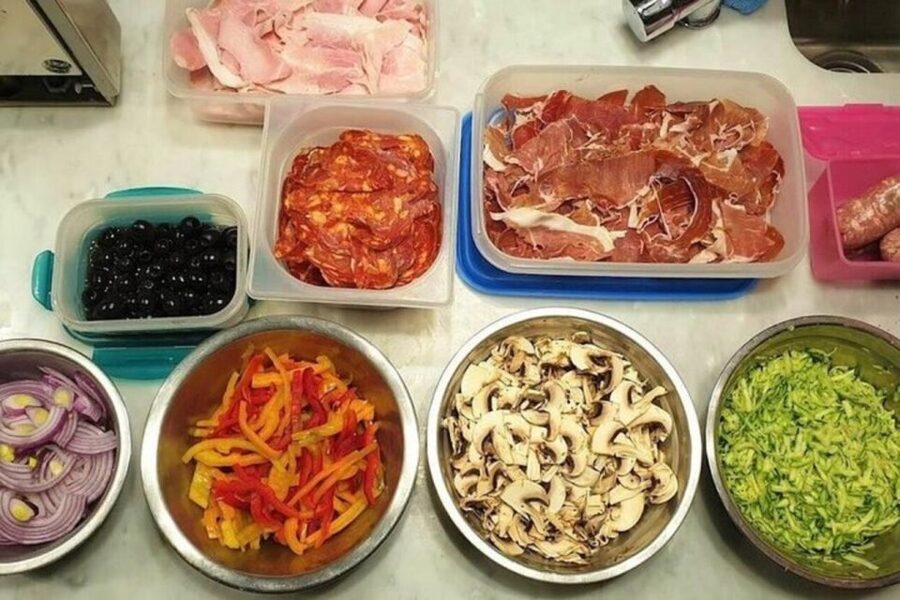
- The market visit and market ingredients
- An English-speaking chef
- A hands-on cooking lesson
- All ingredients and equipment
- Prosecco and snacks
- Your homemade meal
- Drinks with the meal
If you count only the recipes, the cost may feel high. If you see it as a half-day activity combining a market tour, food tastings, instruction, several dishes, and a sit-down meal with drinks, the price is easier to defend.
I would book it for a trip where food is a main interest, especially if you want to bring home techniques rather than just photographs. I would skip it if you are trying to keep daily costs low or would rather spend the same money on several restaurant meals.
The activity also has free cancellation up to 24 hours before the start time, and you can reserve now and pay later. Those terms help if your Rome schedule is still changing. Starting times vary, so check availability before planning the rest of your day.
Who should choose this Roman cooking class?
This experience suits you if you:
- Want an active food activity rather than a passive tasting
- Enjoy markets and local ingredients
- Prefer instruction in English
- Like sitting down to eat with a group
- Want to learn pasta along with a complete meal
- Have a family or small group looking for a shared activity
- Value included drinks and equipment
It is also a good fit for first-time cooks. The chef leads each stage, and you are not expected to arrive with advanced skills.
I would be more cautious if you have limited mobility. The activity is not suitable for people with mobility impairments, and it begins with a market visit before moving to the school. I would also confirm allergy arrangements in advance, even though the class has handled several dietary restrictions successfully.
The class is less suitable for someone who wants a private lesson on every date. It is described as shared, and group size is not specified. A private experience may happen at a quiet time, but you should not count on it.
Should you book it?
Book this class if you want Rome to enter your kitchen as well as your photo album. The market visit, English-speaking instruction, full meal, and wine give you a lot to do over 4.5 hours, and the class has earned a current score of 5 out of 5 from 12 ratings.
The strongest reasons to choose it are the chef’s hands-on approach, the chance to shop for ingredients, and the complete meal at the end. Alessandro and Simone are both associated with especially positive teaching experiences, and the careful handling of allergy needs is a useful sign for guests who need adjustments.
Skip it if $186.92 is beyond your food budget, if you have mobility concerns, or if you want a private class guaranteed from the start. For food-focused visitors who want to learn, cook, and eat in central Rome, this is a well-rounded half-day choice.
FAQ
Where does the activity begin?
Meet at Campo de Fiori, in front of the flower shops.
Where does the activity end?
The activity ends back at the meeting point.
How long does the cooking experience last?
The full activity lasts 4.5 hours. Starting times vary, so check availability for the date you want.
Is the class taught in English?
Yes. The instructor language is English, and an English-speaking chef leads the class.
What food will I prepare?
You prepare a pasta dish, a main course, a side dish called a contorno, and a dessert.
Are ingredients and cooking equipment included?
Yes. The activity includes all ingredients and equipment.
Are drinks included?
Yes. Prosecco and snacks are provided at the reception, and drinks are included with the homemade meal.
Is hotel pickup included?
No. Hotel pickup and drop-off are not included. You must make your own way to Campo de Fiori.
What should I bring?
Bring a passport or identity card. A copy is accepted.
Can I cancel the booking?
Yes. You can cancel up to 24 hours in advance for a full refund. You can also reserve now and pay later.
More Market Shopping Tours around Rome
- Hanoi: Handcrafted Wood Carving Workshop with Local Artisan
★ 5.0 · 733 reviews - Marrakesh: Guided Souk Shopping Tour with a Local Guide
★ 4.9 · 651 reviews - Shopping in the Souks of Marrakech Private Tour
★ 5.0 · 620 reviews - Cairo: Local Markets & Khan el Khalili Private Shopping Tour
★ 4.6 · 614 reviews
New market tours around Rome
- Rome: Trajan’s Markets & Museum of The Imperial Fora Tour★ 4.8 · 4 reviews
- Rome: The Vatican Market Experience Tasting and Class★ 4.7 · 10 reviews
- Rome: Vatican Street Food and Wine Tour with Farmers Market★ 5.0 · 37 reviews
- Rome: Taste of Testaccio Food & Market Tour★ 4.9 · 38 reviews
- Rome: Testaccio Food & Market Tour with Pasta & Wine★ 5.0 · 38 reviews
- Rome: Temples, Squares & Markets Guided Walking Tour★ 4.8 · 26 reviews
- Rome: Prati Food & Wine Market Tour with St. Peter Square★ 5.0 · 7 reviews
- Rome: Guided Testaccio Market Food Tour with Tastings★ 5.0 · 3 reviews
Rome Market Tours, side by side.
Rome: Colosseum, Roman Forum & Trajan’s Market Exterior Tour
Read our review →
Taste of Testaccio: Special 15 Year Anniversary Edition
Read our review →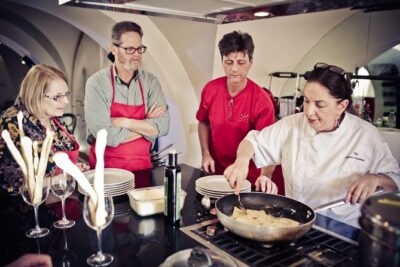
Authentic Roman Cooking Class & Market Experience
Read our review →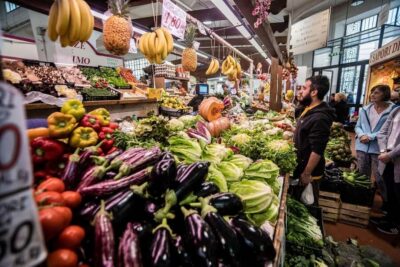
Rome: Pasta Cooking Class with Market Visit and Wine
Read our review →
Rome: Trajan Markets Experience with Multimedia Video
Read our review →
Rome E-Bike Tour: Ultimate Street Food and Market Feast
Read our review →