
Review · SPAIN
San Sebastián: Market Tour, Cooking Class, & Meal
San Sebastián’s food culture makes the most sense when you handle the ingredients yourself. This market-to-table cooking class starts at La Bretxa Market, then puts you beside a local chef to prepare a full Basque menu before sitting down to eat it.
I like the small group of up to eight, which should give you room to work and ask questions. I also like that the recipes go to your email, and that the class explains why each task matters, a useful detail if you want to repeat the dishes at home. The main consideration is the $153 price, which makes the most sense if you want instruction, a market visit, a full meal, and drinks rather than just a cooking lesson.
Key points at a glance
- La Bretxa Market meeting point: Find the entrance beside Coffee Break cafeteria, where your chef carries a San Sebastian Cooking Classes tote bag.
- Four classic dishes: Prepare tortilla de patatas, bacalao al pil-pil, txuleta, and Basque Burnt Cheesecake.
- Small, practical class: The group is limited to eight people, with instruction in English and Spanish.
- Cider house-style meal: Sit down after cooking and choose txakoli, Basque cider, local beer, or water.
- Useful take-home material: Recipes are sent by email so you can cook the menu again.
- Important age and group rules: The class is for ages 14 and up and needs at least four people to proceed.
Starting at La Bretxa Market in San Sebastián
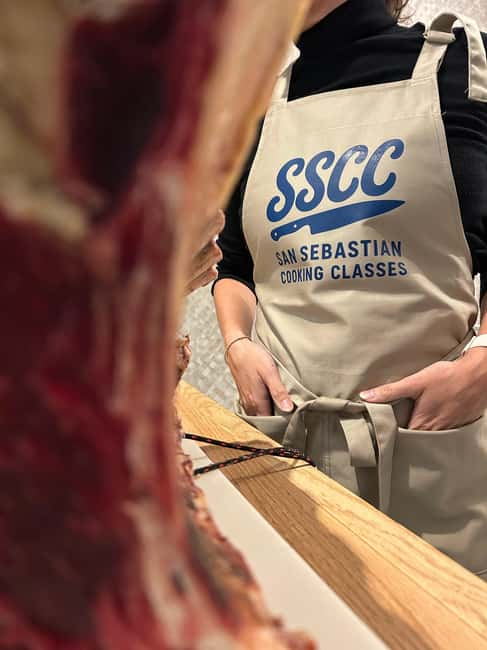
Your meeting point is the entrance to La Bretxa Market, right beside Coffee Break cafeteria. Look for the chef carrying a San Sebastian Cooking Classes tote bag. Since the activity is in the city center, you do not need to arrange a separate transfer. Transportation to the meeting point is not included, so plan to make your own way there.
The market visit gives the class a useful beginning. Instead of meeting in a kitchen and skipping straight to recipes, you first look at the seasonal ingredients used in Basque cooking. That matters because Basque food is closely tied to what is available locally and at the right time of year.
I like this approach for two reasons. First, a market shows you ingredients in their everyday setting, not just measured and cleaned on a work counter. Second, it gives the chef a chance to explain the choices behind the menu before you start cooking. One Japanese-language evaluation specifically praised the explanations of why each task was needed, saying they made the process easier to understand and apply later. That is exactly the kind of instruction that helps you move beyond copying a recipe.
The market stop is not presented as a long sightseeing tour, so keep your expectations practical. You are there to learn about Basque ingredients and prepare for the kitchen, not to spend half a day shopping. If you enjoy food markets, this opening should feel natural. If you mainly want to eat, it adds time before the meal.
More Market and Cooking Class Tours in Spain
- Barcelona: Paella Cooking Experience & Boqueria Market Tour
★ 4.8 · 3,661 reviews - Barcelona Paella Cooking Class with Market Visit, Tapas & Sangria
★ 5.0 · 2,531 reviews - Paella Cooking Class, Wine Tasting & Central Market in Valencia
★ 5.0 · 1,150 reviews
Cooking four Basque dishes with a local chef
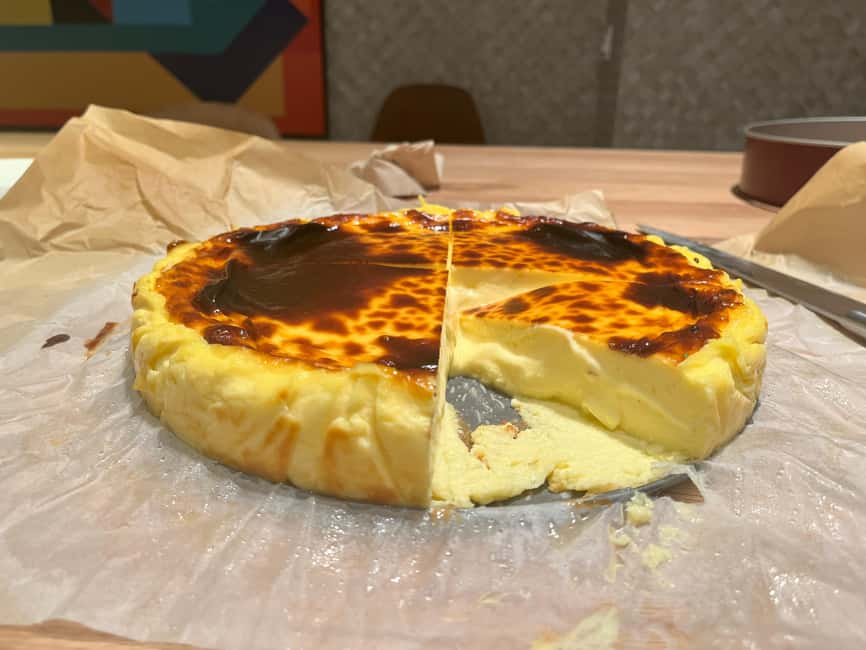
After the market, you return to the kitchen for a hands-on class. The menu covers several important parts of Basque cooking: tortilla de patatas, bacalao al pil-pil, txuleta, and Basque Burnt Cheesecake.
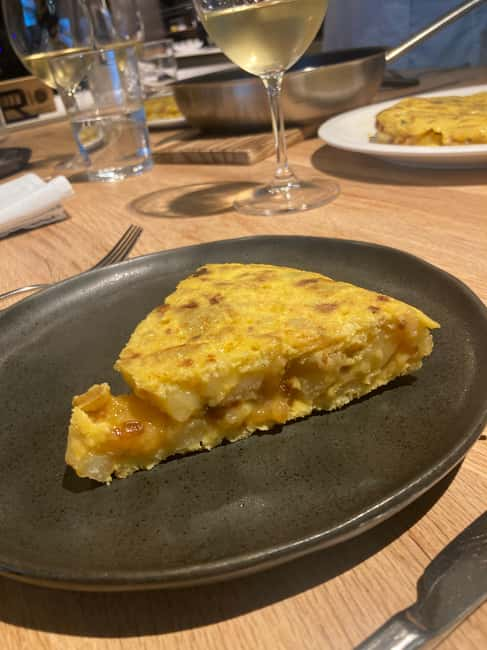
The tortilla de patatas is the familiar Spanish omelet made with potato and egg. It may look simple, but simple dishes often depend on timing and technique. Here, you are not just handed a slice at a bar. You take part in preparing one of Spain’s most recognizable dishes and learn the steps that make it work.
Bacalao al pil-pil brings a different lesson. This salt cod dish is served with a garlic sauce, giving the class a chance to move from an everyday-style omelet to a more distinctive Basque preparation. The menu description does not promise a demonstration of every technical detail, so you should expect guided cooking rather than a professional chef certification course. Still, the explanation of why each task matters should help you understand the process instead of blindly following instructions.
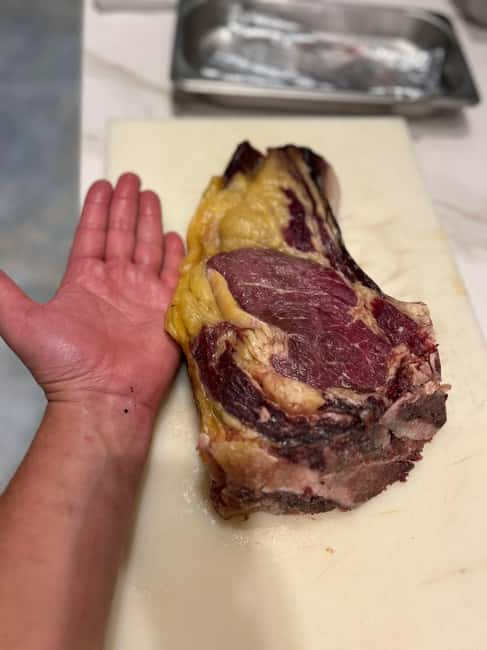
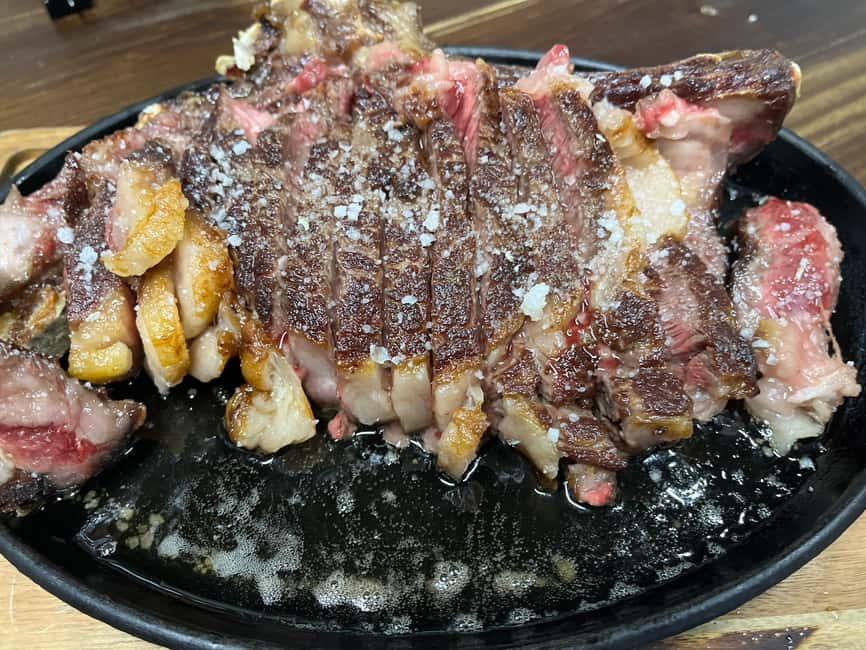
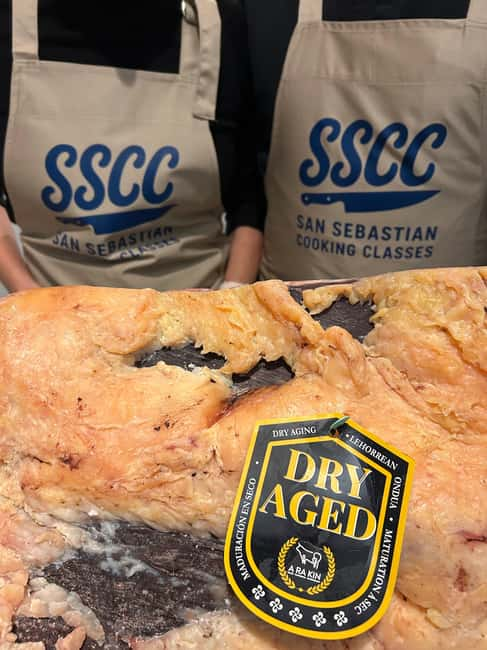
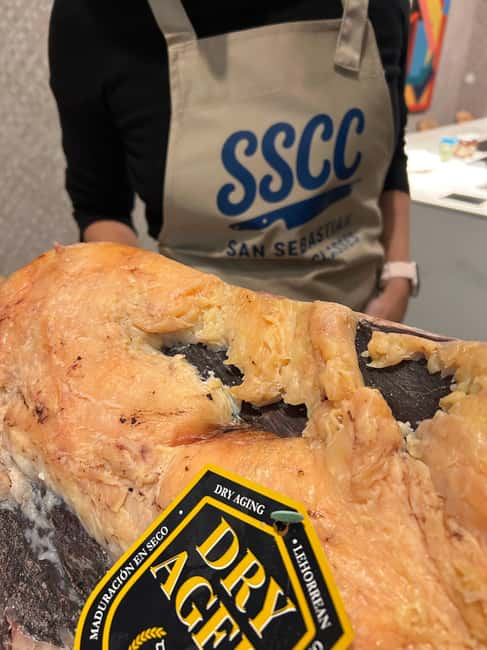
Then comes the txuleta, a grilled bone-in steak. It is a hearty dish and an important part of the meal’s cider house character. Because the menu includes both fish and meat, you get a broad sample of Basque cooking in one sitting. The class also ends on a sweet note with Basque Burnt Cheesecake, known for its dark top and soft center.
The menu has a good rhythm. You work with eggs and potatoes, handle fish, prepare steak, and finish with dessert. That variety keeps the class from feeling like a single-recipe workshop. It also gives you more to take home from the emailed recipes.
There is one point to clarify before booking: the headline material refers to tortilla txuleta in one place, while the detailed menu lists tortilla de patatas and txuleta as separate dishes. The detailed menu is the clearer guide, so I would expect the Spanish omelet and the bone-in steak as two different preparations.
Why the small group matters
The class accepts no more than eight participants. That is a useful size for a hands-on kitchen activity because you are less likely to feel lost in a crowd. You should have a better chance to see the chef’s demonstrations, take part in the preparation, and ask for clarification.
The class needs a minimum of four people to proceed. That condition matters if you are booking early or building a tight itinerary around it. A confirmed booking does not remove the possibility that the minimum group size affects whether the class runs, so keep some flexibility in your schedule.
Instruction is offered in English and Spanish. The experience is therefore suitable for English speakers, Spanish speakers, and mixed-language groups. The available information does not name the individual chefs, so you should book based on the format and menu rather than expecting a particular instructor.
The class is wheelchair accessible. Baby strollers and baby carriages are not allowed, and bare feet are not permitted. Children under 14 cannot join, making this better suited to adults and older teenagers.
The meal feels like the payoff
Once the cooking is finished, you sit down to eat the food you prepared. The meal follows a cider house-style format, which gives the class a more social ending than simply tasting a few small samples at the counter.
Your drink choice is txakoli, Basque cider, local beer, or water. Txakoli is a local Basque white wine, while cider fits the sidrería theme particularly well. Beer and water keep the choice simple for anyone who does not want wine or cider.
The important point is that the drink is part of the experience, not an extra purchase listed outside the meal. You are paying for a complete food activity that includes the market, instruction, cooking, and sitting down to eat. Personal expenses are not included, so do not assume anything beyond the stated meal and drink is covered.
I like the order of the experience. You first see the ingredients, then learn the techniques, then eat the result. That sequence gives the meal more meaning. A restaurant can serve you txuleta or cheesecake, but it cannot give you the same connection to the dishes unless you have helped prepare them.
The cider house-style format also makes this a good choice for people who like shared food and a relaxed table afterward. It may be less appealing if you want a quiet, formal restaurant meal or if you would rather spend the whole activity tasting without cooking.
Same city, another market:
- Valencian paella cooking class, tapas and visit to Ruzafa market.
★ 5.0 · 828 reviews - Spanish Cooking Class & Triana Market Tour in Sevilla
★ 5.0 · 760 reviews - Seville: 3.5-Hour Spanish Cooking Class & Triana Market Tour
★ 4.9 · 751 reviews - Valencia: Paella Cooking Class with Central Market Tour
★ 5.0 · 721 reviews
Is $153 a fair price?
At $153 per person, this is not a cheap way to get lunch. The value comes from combining several services in one 3.5-hour experience: a traditional market visit, a guided cooking class, four dishes, a full meal, a choice of drink, and recipes sent by email.
I would judge the price by asking what you want from the outing. If your goal is simply to eat Basque food, you can probably find a more direct option by booking a restaurant. If you want to understand the menu, practice the methods, and leave with recipes, the price is easier to justify.
The small group also helps the value. A class limited to eight feels more personal than a large demonstration, especially when the cooking is hands-on. The market visit adds local context, while the meal means you are not paying for instruction and then arranging dinner somewhere else.
You should also account for the 3.5-hour length. This is a substantial part of your day, not a quick activity between two sights. That works well on a food-focused day or during a longer San Sebastián stay. It is harder to fit into a packed schedule of museums, beaches, and day trips.
Who should book this cooking class?
I would recommend it to you if you want to learn through doing. The class suits people who enjoy food markets, want to cook with local guidance, and prefer a meal with a social cider house feel.
It is also a good pick if you are curious about several Basque staples at once. You will work with tortilla, salt cod, steak, and cheesecake rather than spending the full session on one dish. The emailed recipes add lasting value for anyone who cooks at home.
This experience is less suited to young families because children under 14 are not allowed and strollers are prohibited. It may also disappoint you if you expect a private class, since the group can include up to eight people and needs at least four to operate.
The class is wheelchair accessible, which makes it easier to consider for people with mobility needs. You should still confirm any personal requirements when booking, since the available details do not describe kitchen layout or specific equipment.
Practical timing and booking advice
Allow the full 3.5 hours and arrive at La Bretxa Market’s entrance beside Coffee Break cafeteria. Since transportation is not provided, leave enough time to reach the city-center meeting point on your own.
The class offers free cancellation up to 24 hours in advance for a full refund. You can also reserve now and pay later, which helps if your San Sebastián plans are still changing. These policies are useful, but they do not replace checking the starting time for your chosen date.
The experience is offered in English and Spanish. If you need one language in particular, confirm the session details before booking, especially if your group has mixed language needs.
Final call: a strong choice for food-focused visitors
Book this class if you want more than a meal. The market visit, explanations of why each cooking step matters, small group, broad Basque menu, drink choice, and emailed recipes make it a practical food experience rather than a simple tasting.
Skip it if $153 feels high for a three-and-a-half-hour activity, if you dislike hands-on cooking, or if your schedule cannot spare half a day. For everyone else, this is a sensible way to connect San Sebastián’s ingredients, cooking methods, and table traditions in one well-shaped outing.
FAQ
Where does the San Sebastián cooking class meet?
Meet at the entrance of La Bretxa Market, next to Coffee Break cafeteria. The chef carries a San Sebastian Cooking Classes tote bag.
How long does the experience last?
The activity lasts 3.5 hours.
What dishes will I cook?
You will prepare tortilla de patatas, bacalao al pil-pil, txuleta, and Basque Burnt Cheesecake.
Is a market visit included?
Yes. The experience begins with a visit to a traditional San Sebastián food market, where you learn about seasonal Basque ingredients.
What drinks can I choose?
You can choose txakoli, Basque cider, local beer, or water with the meal.
Are recipes provided after the class?
Yes. The recipes are sent to your email so you can recreate the dishes at home.
Is the class available in English?
Yes. The class is hosted in English and Spanish.
Can children join the experience?
Children under 14 are not allowed to participate.
Is the activity wheelchair accessible?
Yes. The activity is listed as wheelchair accessible. Baby strollers, baby carriages, and bare feet are not allowed.
New market tours around Spain
- Teguise: Market and César Manrique Foundation Tour★ 4.3 · 39 reviews
- Tapas Cooking Workshop & Market Visit★ 4.8 · 10 reviews
- Sunday Markets: Santa Brígida, San Mateo, and Teror★ 4.6 · 5 reviews
- Seville: Tasting, History, Market visit and Tapas Tour★ 5.0 · 2 reviews
- Seville: Triana Market Tour with Tastings★ 4.9 · 32 reviews
- Seville: Morning Market & Tapas Tour★ 5.0 · 11 reviews
- Santoña: Anchovy Art Gallery with Fishing Port and Market★ 4.5 · 4 reviews
- San Sebastián: Market Tour and Basque Cooking Class English★ 5.0 · 5 reviews
Spain Market Tours, side by side.
Barcelona: Paella Cooking Experience & Boqueria Market Tour
Read our review →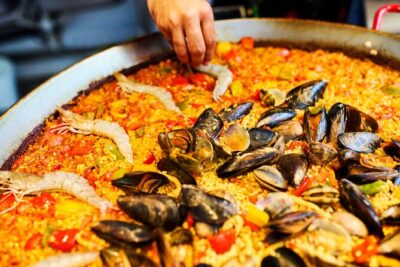
Barcelona Paella Cooking Class with Market Visit, Tapas & Sangria
Read our review →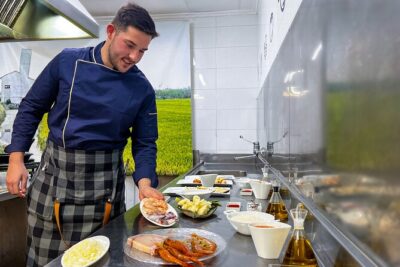
Paella Cooking Class, Wine Tasting & Central Market in Valencia
Read our review →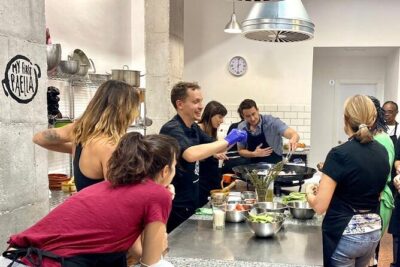
Valencian paella cooking class, tapas and visit to Ruzafa market.
Read our review →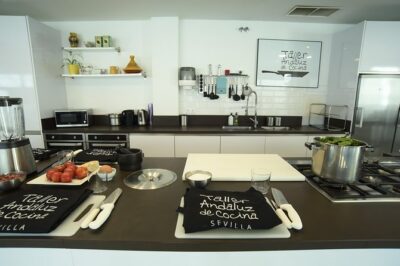
Spanish Cooking Class & Triana Market Tour in Sevilla
Read our review →
Seville: 3.5-Hour Spanish Cooking Class & Triana Market Tour
Read our review →
Valencia: Paella Cooking Class with Central Market Tour
Read our review →
Barcelona: Paella Cooking Class with Market Visit and More
Read our review →This tour also appears in