Review · MALAGA
Tapas Cooking Workshop & Market Visit
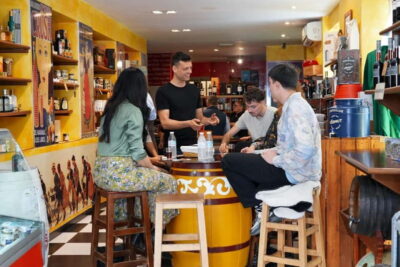
The best part of this Málaga food experience happens before the cooking begins. You walk through Atarazanas Market, see the local produce and seafood, and help choose ingredients before heading to a modern kitchen in the Soho District. It gives the class a useful connection to everyday Andalusian food.
I like the mix of market shopping and cooking, and I like that the meal includes four tapas, drinks, churros, and the recipes. The main thing to consider is the hands-on level: one participant found they chopped a single garlic clove and watched the chef handle much of the cooking, so this may feel more like a demonstration with participation than a full cook-from-scratch class.
Key points at a glance
- Atarazanas Market visit: Weekday and Saturday morning sessions begin with a guided look at Málaga’s main food market and a chance to gather ingredients.
- Four classic tapas: The sample menu includes crispy noodles, tortilla de patatas, sirloin with Pedro Ximénez sauce, and churros.
- A full food-and-drink package: You get olive oil tasting, sangria, regional wine or beer, and all four dishes.
- Modern Soho kitchen: Sunday and evening sessions skip the closed market and begin directly at Kulinera, near the market.
- English-language instruction: The culinary team explains the recipes in a clear, participatory format.
- Useful take-home extras: You receive the recipes and an apron to keep.
Starting at Atarazanas Market in central Málaga
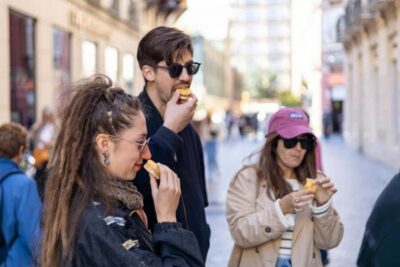
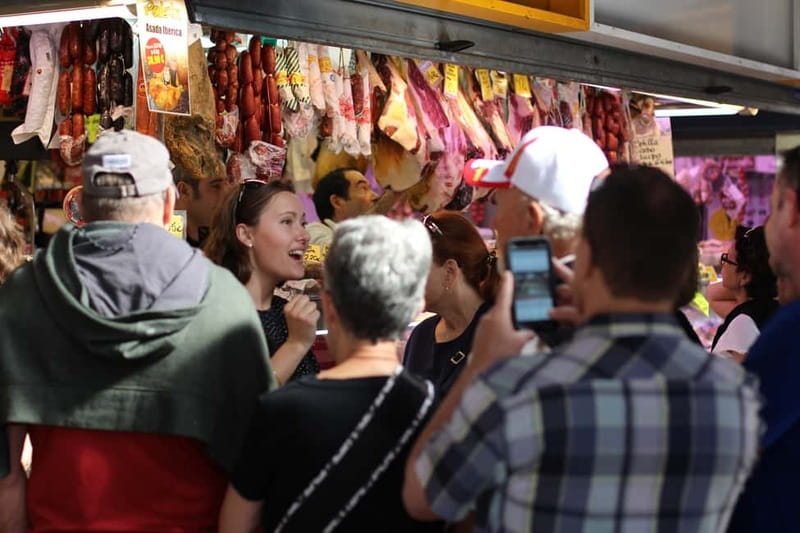
On weekday and Saturday morning departures, the experience starts with a walk through Atarazanas Market. This is not just a quick stop for a few ingredients. The market visit helps you understand the raw materials behind the food you will later eat.
The team points out seasonal products and explains local ingredients while you stock up for the class. You might see the produce, meats, seafood, oils, and other goods that shape cooking in Málaga, though the exact selection changes with the season.
That seasonal approach matters. Spanish cooking often depends on using what looks good that day rather than following a rigid shopping list. It also means the menu can change. The sample dishes are a guide, not a promise, since ingredients and dietary needs may affect what you prepare.
I like this opening because it gives the recipes a setting. A tortilla is more interesting when you have just seen the potatoes and eggs being selected. An olive oil tasting also makes more sense after you have been introduced to the food culture of the region.
The market visit is especially useful if you are new to Málaga. It gives you a quick orientation to one of the city’s best-known food spaces without requiring you to plan a separate visit. The market guide has received especially strong praise, with clear explanations of local products and recipes singled out as a highlight.
There is one timing detail to watch. Atarazanas Market is closed on Sundays and during evening sessions. Those departures go straight to the kitchen, so choose a weekday or Saturday morning if the market is a main reason for booking.
More Market and Cooking Class Tours in Spain
- Barcelona: Paella Cooking Experience & Boqueria Market Tour
★ 4.8 · 3,661 reviews - Barcelona Paella Cooking Class with Market Visit, Tapas & Sangria
★ 5.0 · 2,531 reviews - Paella Cooking Class, Wine Tasting & Central Market in Valencia
★ 5.0 · 1,150 reviews
Moving from the market to Kulinera
The cooking session takes place at Kulinera, at Av Manuel Agustín Heredia 24, in the creative Soho District. The kitchen is described as spacious and contemporary, and it is only a short distance from the market.
The location is practical. You do not need a separate taxi or long ride between the shopping and cooking portions. If you drive, the Parking de La Marina underground garage is directly opposite the meeting point.
Bring yourself, but leave large luggage behind. Large bags and suitcases are not allowed, which is worth knowing if you are changing hotels or arriving before a train or flight. A small personal bag is the sensible choice.
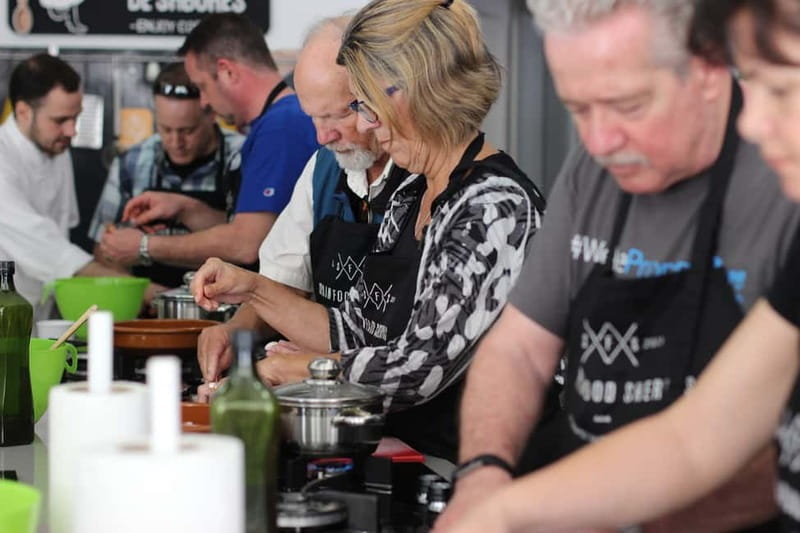
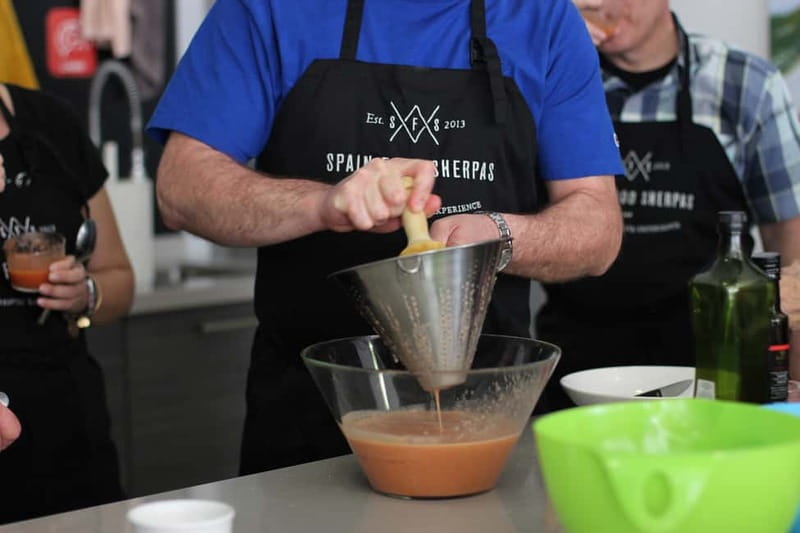
The group works with an English-speaking culinary team. The teaching style is intended to be didactic and participatory, with explanations of the recipes as you prepare them. The approach is friendly rather than formal, so you can expect an activity built around shared work, food, and conversation.
Still, keep your expectations realistic. The word workshop can suggest that every participant prepares every part of every dish. That may not happen here. One account of the class described limited individual cooking, with most of the work handled by someone else. If you want a highly structured cooking school with each person assigned a station, ask about the current format before booking.
What you cook: four Spanish tapas with a changing menu
The sample menu gives you a good sense of the range. It includes a drink, several savory dishes, and a sweet finish.
Sangría
The class begins with sangria, a familiar Spanish drink that works well as a social opener. You get to enjoy it while the ingredients are organized and the cooking gets underway.
Because the experience includes wine or beer with the meal as well, this is not a dry cooking lesson. If you do not drink alcohol, check with the provider about available alternatives before reserving. The supplied information confirms sangria and wine or beer, but does not specify nonalcoholic options.
Same city, another market:
- Valencian paella cooking class, tapas and visit to Ruzafa market.
★ 5.0 · 828 reviews - Spanish Cooking Class & Triana Market Tour in Sevilla
★ 5.0 · 760 reviews - Seville: 3.5-Hour Spanish Cooking Class & Triana Market Tour
★ 4.9 · 751 reviews - Valencia: Paella Cooking Class with Central Market Tour
★ 5.0 · 721 reviews
Fideos tostados, or crispy noodles
Crispy noodles add a different texture to the meal and show that tapas are not limited to the usual potato and ham combinations. The dish also gives the group a chance to work with a preparation that is less familiar to many visitors.
The exact method and ingredients may change with the seasonal menu. You should treat the listed dishes as examples rather than a fixed contract.
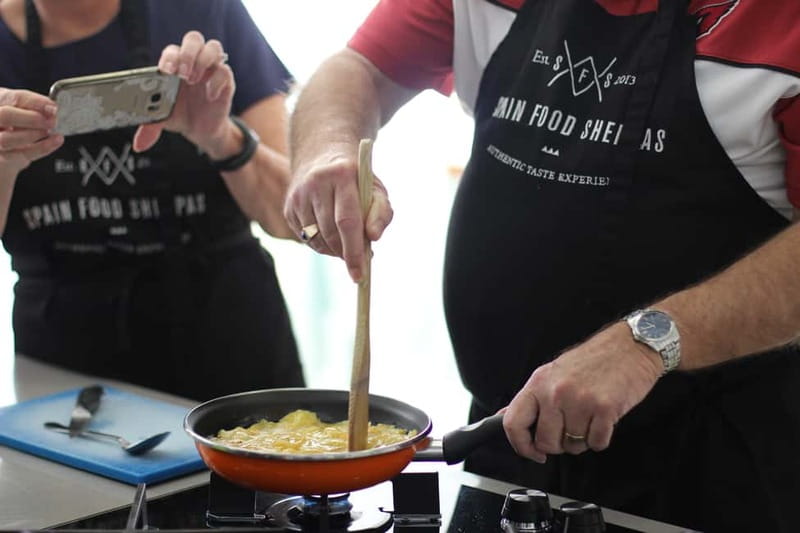
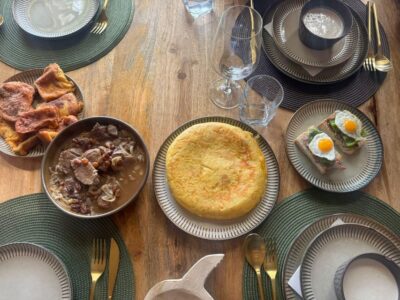
Tortilla de patatas
The Spanish omelette is one of the country’s most recognizable home-style dishes. It looks simple, but the balance of potato, egg, oil, and seasoning makes a difference.
This is one of the most useful recipes to learn because it is realistic for a home kitchen. You do not need rare ingredients or special equipment to make it again. The value of the class is not just eating the tortilla in Málaga, but taking home a method you can repeat.
Solomillo al Pedro Ximénez
The sirloin with Pedro Ximénez sauce brings a sweeter, darker note to the menu. Pedro Ximénez is a Spanish sweet wine, so this dish gives you a taste of how wine can shape a sauce rather than simply accompany the food.
The course also adds a meat dish to the meal, balancing the lighter or egg-based tapas. Dietary substitutions may be possible, but they are not guaranteed automatically. Contact the provider in advance if you have restrictions.
Churros
Churros finish the meal on a familiar, cheerful note. They provide the sweet course after the savory tapas and make the session feel like a complete meal rather than a series of cooking samples.
The experience includes the food, so you are not paying extra each time a dish reaches the table. You also receive the recipes, which makes the churros and the savory dishes useful beyond the day itself.
Olive oil, wine, and the social side of tapear
Tapas are built around small portions, shared plates, and relaxed eating. This class follows that pattern instead of treating cooking as a silent technical exercise.
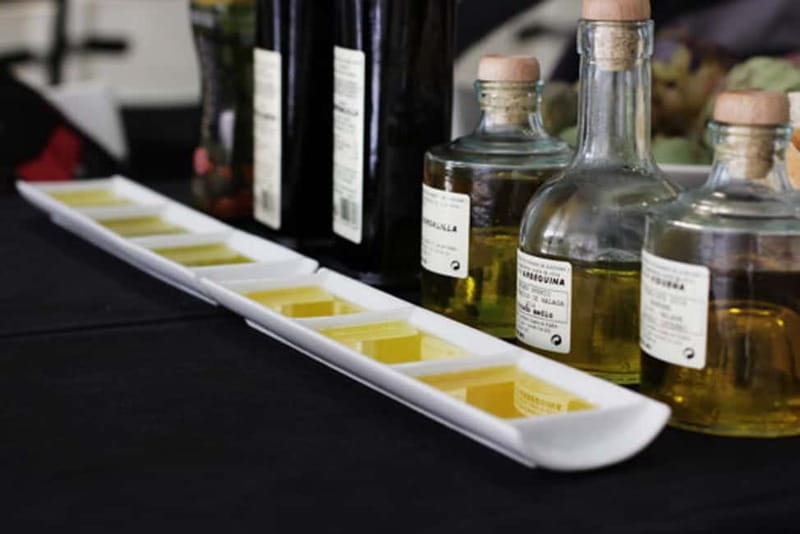
The olive oil tasting is a small but worthwhile part of the program. Oil is central to Spanish cooking, and tasting it on its own helps you notice qualities that disappear once it is mixed into a dish.
Wine from the region or beer is paired with the menu. The pairing adds value, especially since a four-hour activity with several dishes can replace a separate lunch. The meal is not an elaborate restaurant tasting menu, but you do receive a substantial food experience alongside the instruction.
I would think of the social element as part of the product. You are learning recipes, but you are also practicing the Spanish habit of sitting down over several small plates. That makes this a good choice for solo visitors who want an organized way to meet people, couples looking for an activity beyond sightseeing, and families with older children who enjoy food.
The alcohol also deserves a practical note. Since sangria and wine or beer are included, pace yourself, particularly if you have afternoon plans. Four hours can pass slowly if you are cooking, eating, and tasting throughout the session.
How hands-on is the cooking class?
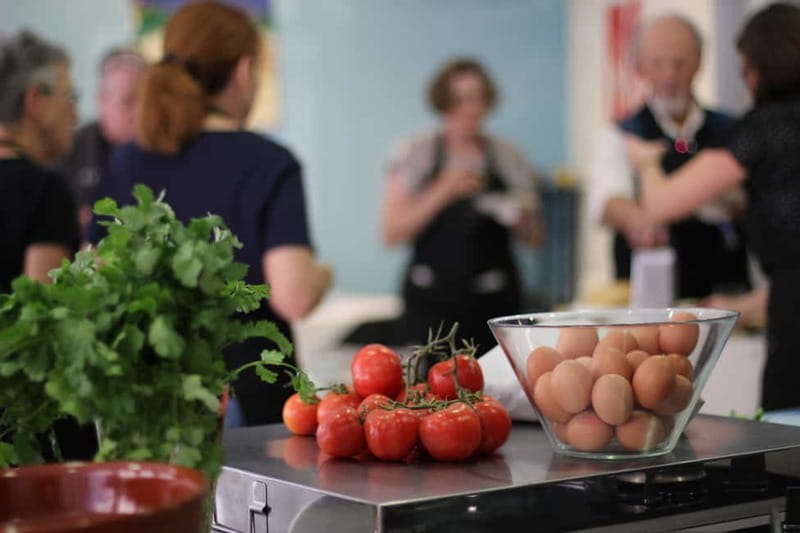
This is the key question before you book. The advertised format is participatory, and the team aims to teach through explanation and group involvement. You should expect to take part, but not necessarily to prepare every dish independently from start to finish.
Some parts of the cooking may be demonstrated by the chef while participants assist with selected tasks. That can be a good format if you want to learn without the pressure of managing several pans at once. It also keeps the food consistent for the whole group.
If your goal is to master knife skills, sauce work, and timing through repeated practice, this may feel too passive. One participant specifically found that the class involved chopping one garlic clove and then watching much of the rest. That criticism is important because it identifies a possible gap between the word cooking and the actual experience.
On the other hand, the market walk and explanations received strong praise. The class may suit you better if you want a guided food experience with cooking included, rather than a serious professional-style lesson.
When you arrive, it is reasonable to ask how tasks will be divided. The information provided does not give a group size or promise individual workstations, so do not assume that each person will have a separate cooking station.
The value of $94 for four hours
At $94 per person, this is not a budget lunch. The price makes more sense when you count the parts included: a market visit on eligible departures, olive oil tasting, sangria, four traditional dishes, wine or beer, churros, recipes, and a take-home apron.
You are also paying for a four-hour block in a central Málaga kitchen with an English-speaking team. If you booked a market tour, a full meal, and a separate cooking lesson, the costs could add up quickly.
The value depends on what you want from the cooking portion. If you mainly want lunch, the price is high compared with eating tapas at a local bar. If you want an organized introduction to Spanish food, a market orientation, drinks, and recipes you can use later, the package is easier to justify.
The apron is a nice practical extra, though it should not decide the booking on its own. The recipes have more lasting value. They let you recreate the dishes at home and give the experience a life beyond Málaga.
The strong overall rating and repeated praise for the market explanations, modern kitchen, and friendly team support the price. The lower assessment of the hands-on cooking also deserves weight. I would book it for the complete food experience, not solely for intensive cooking instruction.
Choosing the right session
Your departure time changes the shape of the experience.
Choose a weekday or Saturday morning if you want the Atarazanas Market visit. This is the best option for seeing the ingredients before cooking and for getting the fullest version of the experience.
Choose a Sunday or evening session if the kitchen matters more to you than the market. The market will be closed, so you go directly to Kulinera. This may also fit better if you prefer a later meal or already have morning plans.
The total duration is four hours. That is long enough for a proper meal and several cooking stages, but it also means you should not schedule a tightly timed museum visit, bus departure, or airport transfer immediately afterward.
The meeting point is easy to identify by its address, Av Manuel Agustín Heredia 24. The nearby Parking de La Marina garage helps if you are driving, but no other transport details are provided, so check your route before arrival.
Who should book this Málaga food experience?
I would recommend it to you if you want a friendly introduction to Spanish food with a real market component. It is especially useful during a first stay in Málaga, when a guided look at local products can make later meals more understandable.
It also suits you if you enjoy eating as much as cooking. The combination of sangria, tapas, regional wine or beer, and churros makes the day feel generous rather than narrowly instructional.
Families and mixed-interest groups may find it a good compromise. One person can focus on recipes, another on the market, and everyone shares the meal.
I would hesitate if you are an experienced cook seeking advanced instruction or guaranteed individual practice. The class may involve more watching than you expect, and the menu can change. Dietary needs can be accommodated in some cases, but you should arrange that ahead of time rather than assume substitutions will be available.
Should you book it?
Book this experience if you want four hours of Spanish food, an Atarazanas Market visit, a modern kitchen, drinks, and recipes you can take home. The strongest parts are the market explanations, the range of food, and the relaxed social format.
Choose a weekday or Saturday morning for the market. If you want a serious hands-on cooking course, confirm how much individual preparation is included before paying. At $94, the experience offers fair value as a market tour, meal, and cooking demonstration with participation, but it may disappoint anyone expecting four hours of intensive personal cooking.
FAQ
How long does the tapas cooking experience last?
The activity lasts four hours.
What is the price per person?
The listed price is $94 per person.
Where is the meeting point?
Meet at Kulinera, located at Av Manuel Agustín Heredia 24 in Málaga.
Does the experience include a market visit?
Weekday and Saturday morning sessions include a visit to Atarazanas Market. Sunday and evening sessions go directly to the kitchen because the market is closed.
What food is included?
The sample menu includes sangria, crispy noodles, tortilla de patatas, sirloin with Pedro Ximénez sauce, and churros. The menu may change based on seasonal ingredients or dietary needs.
Are drinks included?
Yes. The experience includes sangria, plus regional wine or beer paired with the menu.
Is the activity offered in English?
Yes. The live tour guide and culinary instruction are provided in English.
Can I cancel for a full refund?
You can cancel up to 24 hours in advance for a full refund.
New market tours around Spain
- Teguise: Market and César Manrique Foundation Tour★ 4.3 · 39 reviews
- Sunday Markets: Santa Brígida, San Mateo, and Teror★ 4.6 · 5 reviews
- Seville: Tasting, History, Market visit and Tapas Tour★ 5.0 · 2 reviews
- Seville: Triana Market Tour with Tastings★ 4.9 · 32 reviews
- Seville: Morning Market & Tapas Tour★ 5.0 · 11 reviews
- San Sebastián: Market Tour, Cooking Class, & Meal★ 5.0 · 2 reviews
- Santoña: Anchovy Art Gallery with Fishing Port and Market★ 4.5 · 4 reviews
- San Sebastián: Market Tour and Basque Cooking Class English★ 5.0 · 5 reviews
Malaga Market Tours, side by side.
Malaga: The Ultimate Tapas Workshop with Market Visit
Read our review →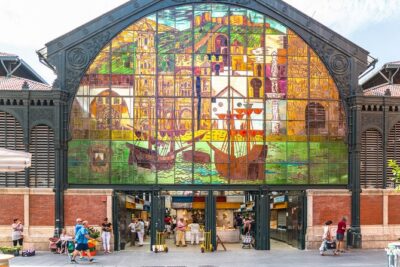
Malaga Market Food Tour: Tapas, Drinks, and Local Flavors
Read our review →
Private Malaga: Alcazaba, Museum, Market, Cathedral & Picasso
Read our review →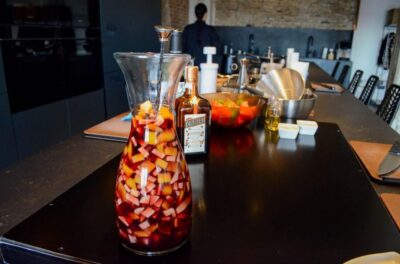
Málaga: Paella and Sangria Cooking Class with Market Visit
Read our review →