
Review · SPAIN
Santoña: Anchovy Art Gallery with Fishing Port and Market
Santoña’s anchovy trade is not just a food story. It is a working port story, and this tour connects the two. You begin at the fishing harbor, learn how catches are sold, then move into Conservas Ana María’s Anchovy Art Gallery to see how a small fish becomes one of Cantabria’s signature foods.
I like two things especially. First, the port visit gives the tasting some context: you see the boats, auction system, and fishing activity before judging the finished product. Second, guide Nicolás C. explains the subject with unusual care, using physical and online material when needed. He also speaks Spanish, French, and English.
The main drawback is that the published timing is unclear. The full activity is described as lasting one day, while the port segment is listed as 30 hours, almost certainly a timing error. The gallery visit is listed at 40 minutes, so confirm the starting time and total schedule before you set your day around it.
Key points to know before booking
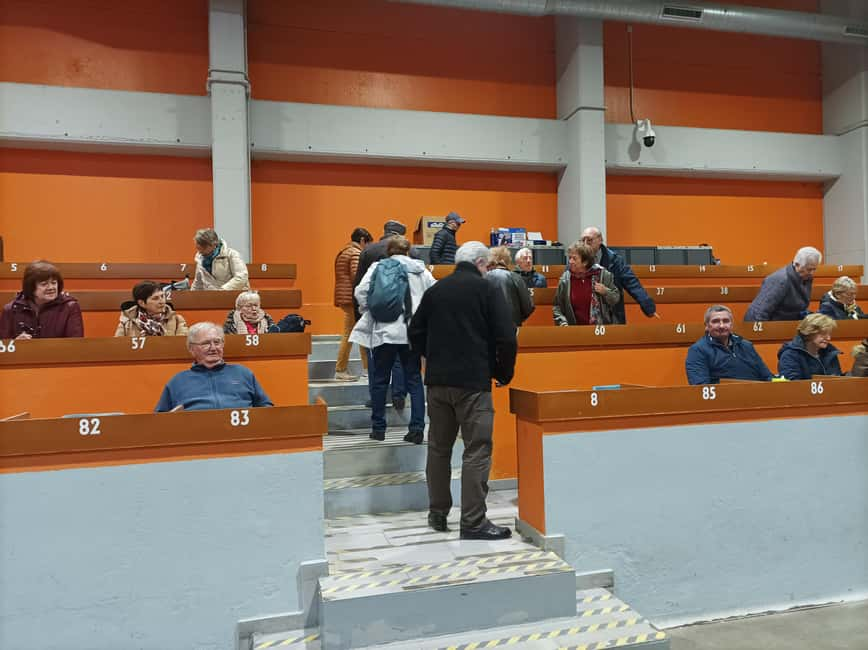
- The port comes first: You learn about purse seine boats, ship registrations, and the auction process before visiting the gallery.
- Sicilian roots meet Cantabrian tradition: The tour explains how anchovy filleting methods from Sicily became part of the local fishing trade.
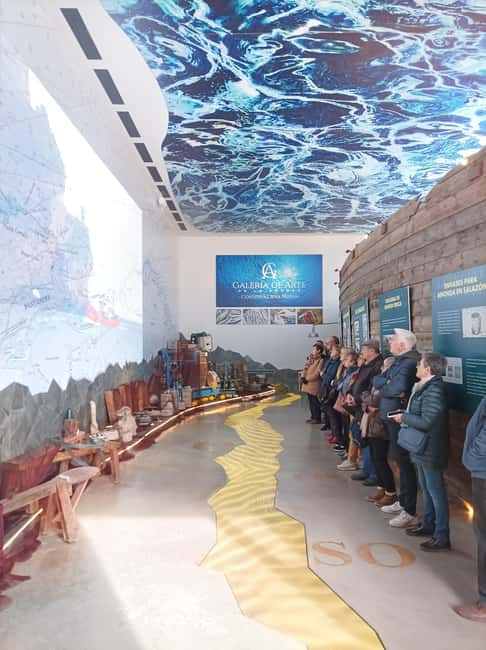
- The gallery is hands-on: Antique machinery from the early 20th century helps show how the trade developed.
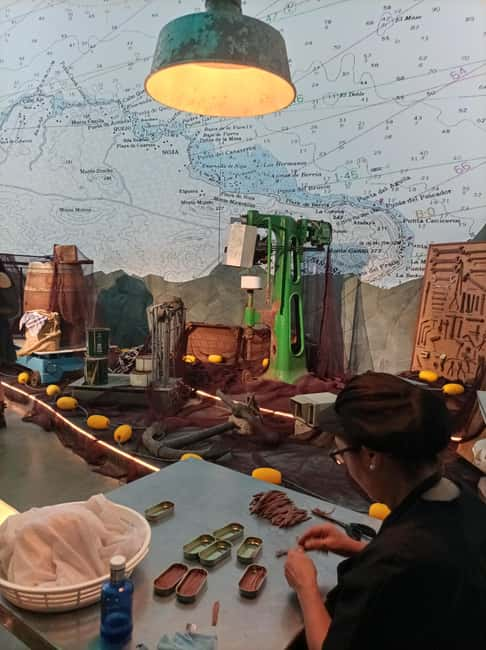
- You see filleting in practice: A skilled worker demonstrates the careful removal of bones and preparation of the anchovy.
- The tasting is included: Your visit ends with prepared anchovy fillets at the gallery’s bar and shop.
- Nicolás is the key asset: His clear explanations and supporting materials suit visitors who want more than a quick sample.
Start at Santoña’s fishing port
Your meeting point is the Mirador de las Marismas, by Santoña port. This is a useful place to begin because the activity starts with the setting rather than with a product display. You first see the harbor and then learn how the fishing economy works.
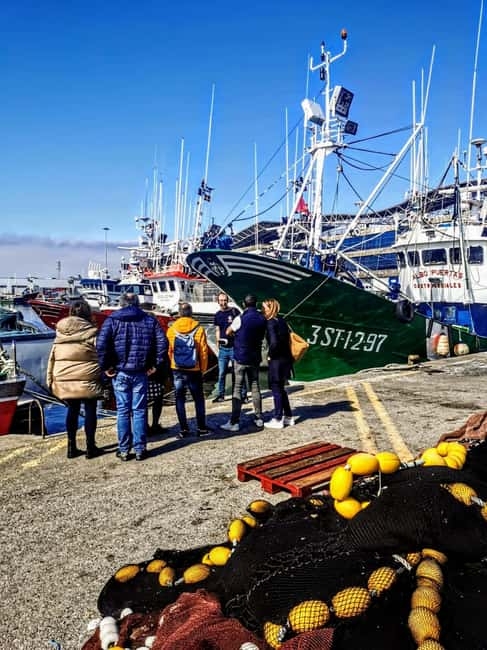
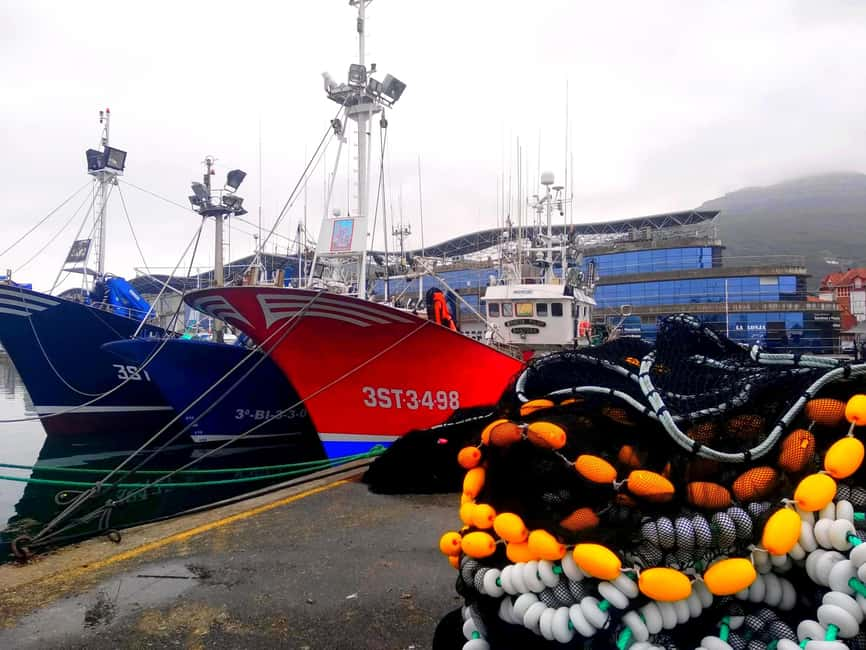
The port portion focuses on purse seine vessels. These boats use a large surrounding net to gather fish, so you get a basic look at the equipment and method behind the catch. You also learn how to read ship registrations, a small detail that helps make the boats feel less anonymous. Instead of seeing a row of vessels as background scenery, you gain a way to identify them.
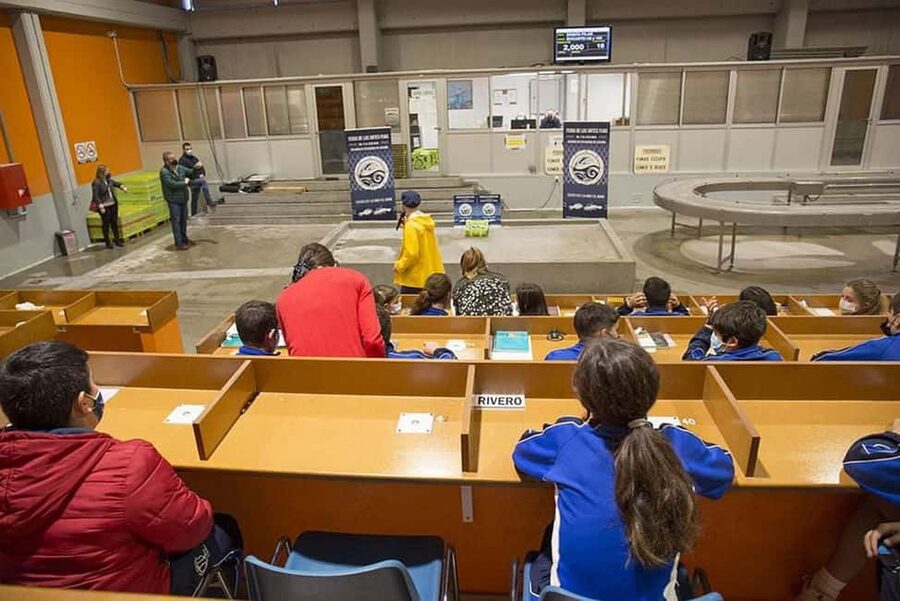
The guide also explains the auction process, where the day’s catch is sold. This matters because anchovies do not simply appear in a tin or on a plate. They pass through a chain of boats, crews, buyers, processors, and sellers. The auction is the point where the catch enters that commercial system.
The port is a working place, not a theatrical show built for visitors. Activity can depend on the day and on what is happening at the harbor. You should expect an explanation of operations and a chance to observe the setting, not a guaranteed close-up of every stage of the auction.
A short photo stop is also included. It gives you time to take in the harbor before continuing to the gallery. Since the photo stop is listed at only five minutes, keep your camera ready rather than expecting a long pause.
More fishing trips around Spain:
- Cooking Class Hoi An:Local Market, Basket Boat, Fishing & Cooking
★ 5.0 · 3,660 reviews - Hoi An Cooking Class(Local market,Basket Boat,Fishing & Cooking)
★ 5.0 · 1,323 reviews - Hoi An: Market Experience with Optional Fishing and Cooking
★ 4.7 · 928 reviews
Why the fishing port adds value
You can buy anchovies all over Spain, but the port visit helps you understand why Santoña gives the product such importance. The fish is tied to local work, local businesses, and a specific coastal identity. That link makes the tasting more meaningful.
I also like the order of the tour. Many food visits begin with a finished product and offer a few facts afterward. Here, you start with vessels and sales before reaching the processing room. That sequence gives you a clearer picture of how the local industry fits together.
The port segment may be less exciting for young children or for anyone expecting a fast-moving sightseeing stop. There are boats, business practices, and terminology to follow. If you enjoy places where people work, the practical focus is a strength. If you want only food and scenery, the first part may feel technical.
The timing needs special attention. The port tour is listed as 30 hours in the supplied schedule, which cannot reasonably match the rest of the activity or a one-day booking. Treat that figure as an error and ask the provider to confirm the actual duration before paying.
Enter Conservas Ana María’s Anchovy Art Gallery
From the port, you continue to Conservas Ana María, home of the Anchovy Art Gallery. This is not simply a shop with shelves of tins. The gallery uses old equipment and working demonstrations to explain the trade.
The collection includes antique machinery dating from the early 20th century. Machinery gives the visit a physical sense of time. You can see that anchovy preparation depended on tools, labor, and repeated handwork long before modern food tourism turned the process into an attraction.
The gallery also covers the Sicilian origins of anchovy filleting in the Cantabrian Sea. That detail adds an important layer to the story. Food traditions often cross borders, and this tour shows how a technique associated with Sicily became part of Santoña’s own identity.
You then watch a skilled worker fillet anchovies. This is the part I would pay close attention to. Filleting looks simple when you see the finished fish, but the demonstration shows the care behind the clean presentation. The work requires the fish to be handled properly, prepared neatly, and made ready for preservation or serving.
The listed gallery visit lasts about 40 minutes and includes a tasting. That is long enough for a focused explanation without turning the visit into a half-day factory program. You should expect a compact, subject-specific stop rather than a large museum.
The filleting demonstration is the real lesson
The best food tours explain a technique instead of handing you a sample and sending you on your way. Here, the worker’s demonstration helps you understand why the final anchovy can have such a different texture and flavor from an ordinary canned fish.
You will see the care involved in removing the fish’s unwanted parts and preparing the fillet. The tour does not treat the anchovy as a minor garnish. It presents the fish as the main product, with its own working tradition and standards.
Nicolás is particularly important here. His role is not limited to moving the group from one room to another. He explains the history and the anchovy trade in detail, and he has additional physical and online material available to help make difficult points clear. His ability to guide in English, French, or Spanish is useful for mixed-language groups.
The experience is a good fit if you like understanding how food is made. It is less suitable if you dislike fish, have no interest in production methods, or want a broad tour of Santoña’s monuments. The focus stays firmly on the port, the anchovy trade, and the gallery.
More museum stops around Spain:
- Private Malaga: Alcazaba, Museum, Market, Cathedral & Picasso
★ 5.0 · 28 reviews - Dubai: Old Town, Creek, Museums, Souks, & Street Food Tour
★ 4.8 · 10,816 reviews - Cairo 8 Hour Private Tour of Pyramids, Egyptian Museum and Bazaar
★ 5.0 · 2,931 reviews - Cairo: Female-Guided Pyramids, Sphinx & Museum City Tour
★ 4.8 · 1,614 reviews
Taste the finished anchovy at the gallery bar
The final stop is a tasting of freshly prepared anchovy fillets at the bar and shop inside the gallery. The tasting is included in the $20 price, so you do not need to budget separately for the featured food sample.
This is where the earlier explanation pays off. You have seen the fishing setting, learned about the sale of the catch, looked at old machinery, and watched the filleting method. The taste becomes a way to bring those details together.
Expect a savory, strongly flavored bite. Anchovies are not shy food, and the point is to appreciate their concentrated character rather than expect something mild. If you already enjoy anchovies, this is the natural payoff. If you are unsure about them, the included tasting gives you a low-cost way to try the local style without ordering a full meal.
The bar and shop also make it easy to continue the food experience after the formal tour. The supplied information confirms the tasting and the shop setting, but it does not specify additional products, portions, drinks, or purchase requirements. You should treat the included fillets as the guaranteed food element.
What $20 gets you
At $20 per person, this is good value if you want a focused local experience rather than a general sightseeing tour. The fee covers entry to the Anchovy Art Gallery, the guided port visit, the gallery explanation, the filleting demonstration, and the anchovy tasting.
The value comes from the connection between the parts. A simple sample at a shop would cost less, but it would not explain the boats, auction, Sicilian technique, or older machinery. A general harbor walk might show you the port, but it would not give you access to the gallery and food preparation.
I would compare this price with your own interests. If you are already planning to visit Santoña and enjoy regional food, the tour gives you a clear reason to spend time in the fishing quarter. If you are passing through only for a quick photograph, the scheduled explanation may feel like more commitment than you want.
The guide also affects the value. Nicolás receives especially strong praise for his detailed explanations, fluency, and attention to making sure people understand. That matters in a subject with specialized terms such as purse seine vessels, ship registrations, and auction procedures.
Timing, languages, and practical details
The activity is valid for one day, with starting times based on availability. The meeting point is the Mirador de las Marismas by Santoña port, and the route returns you to that same area after the gallery visit.
The available tour languages are Spanish, French, and English. Choose the language that lets you follow technical explanations comfortably. The port section is more useful when you understand the vocabulary, and the gallery story has enough detail to reward close listening.
The published schedule includes a 30-hour port tour, a five-minute photo stop, and a 40-minute gallery visit. Since those figures do not fit together, ask Nicolás C. Servicios Turísticos to confirm the correct port duration and the total time before booking. This is the one practical point I would not leave vague.
You can cancel up to 24 hours before the activity for a full refund. The reserve-now, pay-later option lets you hold a place without paying at once, which is useful if you are still arranging your Cantabria plans.
No separate transport is described. Plan to reach the meeting point at the Santoña port area yourself unless the provider tells you otherwise. The information supplied does not specify group size, accessibility arrangements, meal service beyond the anchovy tasting, or hotel pickup, so ask about those points if they affect your decision.
Who will enjoy this Santoña experience
I would recommend this tour to several types of visitors:
- Food-minded visitors: You get a local product, its preparation method, and a tasting in one short experience.
- People interested in working ports: The tour looks at boats, registrations, auctions, and the daily fishing trade.
- Culinary history fans: The Sicilian connection gives the anchovy story an international angle.
- Slow-sightseeing visitors: You spend time understanding one part of Santoña rather than rushing through many unrelated sights.
- Visitors who value a strong guide: Nicolás provides detailed explanations and extra material in three languages.
I would hesitate if you want a broad city tour, dislike seafood, or need a precisely timed activity with no schedule uncertainty. I would also check the details first if your day is tightly planned around transport, since the published duration has an obvious inconsistency.
Should you book the Anchovy Art Gallery tour?
Book it if you want to understand why Santoña’s anchovies matter, not just taste one. The combination of fishing port, auction explanation, historic machinery, Sicilian filleting tradition, live demonstration, and included tasting gives you a well-shaped local experience for $20.
The strongest reason to go is Nicolás. His detailed approach and supporting material can turn a specialized subject into a clear story. The strongest reason to pause is the unclear duration, especially the port segment listed as 30 hours. Confirm the schedule, then book if you enjoy food with a working-life story behind it.
FAQ
Where does the tour begin?
The meeting point is the Mirador de las Marismas by the port of Santoña.
What places does the experience visit?
It visits Santoña’s fishing port and the Anchovy Art Gallery at Conservas Ana María.
What can I learn at the port?
You can learn about purse seine vessels, ship registrations, and the auction process used to sell the day’s catch.
What happens at the Anchovy Art Gallery?
You see antique machinery from the early 20th century, learn about the Sicilian origins of anchovy filleting in the Cantabrian Sea, and watch a worker demonstrate filleting.
Is food included?
Yes. The activity includes a tasting of anchovy fillets at the gallery’s bar and shop.
Which languages are available?
The live guide is available in Spanish, French, and English.
Can I cancel the booking?
Yes. You can cancel up to 24 hours in advance for a full refund. You can also reserve now and pay later.
New market tours around Spain
- Teguise: Market and César Manrique Foundation Tour★ 4.3 · 39 reviews
- Tapas Cooking Workshop & Market Visit★ 4.8 · 10 reviews
- Sunday Markets: Santa Brígida, San Mateo, and Teror★ 4.6 · 5 reviews
- Seville: Tasting, History, Market visit and Tapas Tour★ 5.0 · 2 reviews
- Seville: Triana Market Tour with Tastings★ 4.9 · 32 reviews
- Seville: Morning Market & Tapas Tour★ 5.0 · 11 reviews
- San Sebastián: Market Tour, Cooking Class, & Meal★ 5.0 · 2 reviews
- San Sebastián: Market Tour and Basque Cooking Class English★ 5.0 · 5 reviews
Spain Market Tours, side by side.
Barcelona: Paella Cooking Experience & Boqueria Market Tour
Read our review →
Barcelona Paella Cooking Class with Market Visit, Tapas & Sangria
Read our review →
Paella Cooking Class, Wine Tasting & Central Market in Valencia
Read our review →
Valencian paella cooking class, tapas and visit to Ruzafa market.
Read our review →
Spanish Cooking Class & Triana Market Tour in Sevilla
Read our review →
Seville: 3.5-Hour Spanish Cooking Class & Triana Market Tour
Read our review →
Valencia: Paella Cooking Class with Central Market Tour
Read our review →
Barcelona: Paella Cooking Class with Market Visit and More
Read our review →This tour also appears in