
Review · SEOUL
Seoul: Bukchon Village, Gyeongbokgung, Gwangjang Market
Seoul’s past comes into focus quickly on this half-day outing. You walk the steep lanes of Bukchon Hanok Village, watch the colorful royal guard ceremony, then finish with Korean street food at Gwangjang Market. It is a brisk route, but it gives you a useful first look at the city.
I like the mix of major sights and everyday Seoul, especially the chance to try bindaetteok and mayak gimbap rather than simply photograph palaces. I also like the practical guides, including Alice, Eva, Kelly, and Lina, who have been praised for clear explanations and thoughtful help with photos. The main drawback is time: Bukchon and Gwangjang Market each deserve longer than one hour if you want to explore at an easy pace.
Key points to know before booking
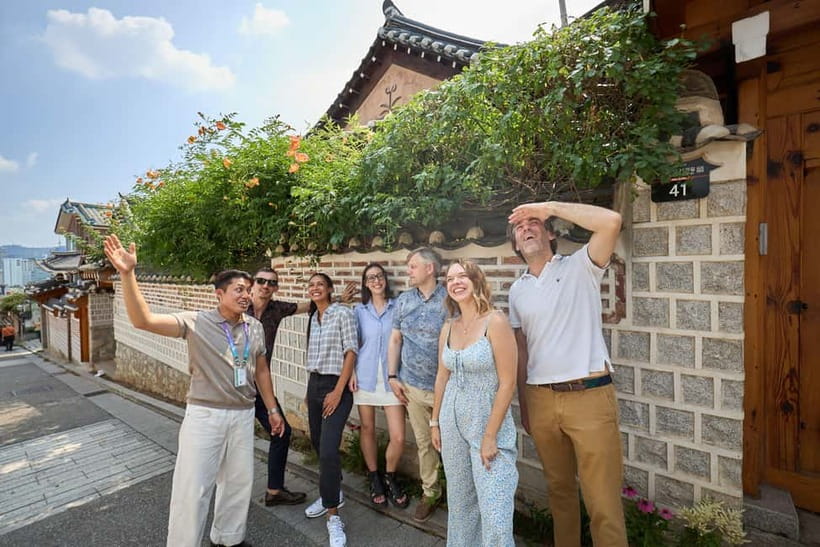
- Bukchon gives you Seoul’s best old-meets-new views: Traditional hanok roofs fill the foreground while the modern city rises behind them.
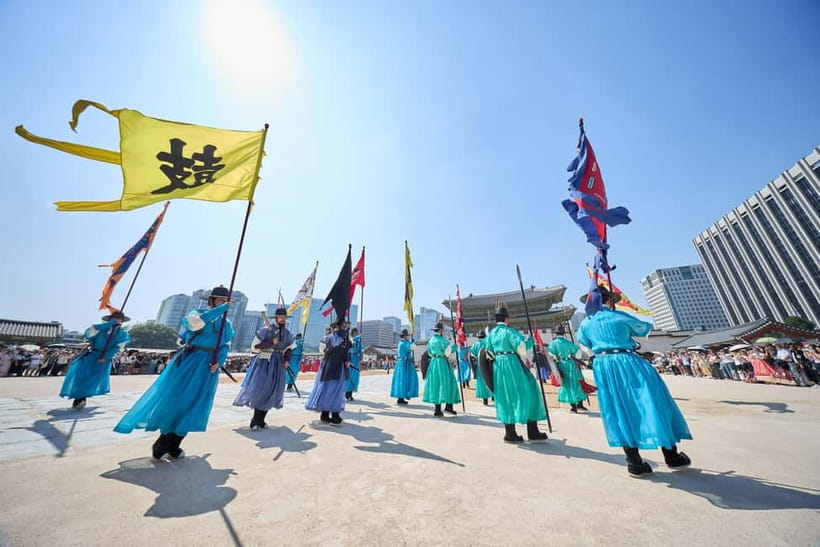
- The royal guard ceremony is a set-piece worth timing your day around: Colorful uniforms, music, and formal movements make this more memorable than a routine palace walk.
- Gwangjang Market is your meal stop: Food tasting is included in the visit, but meals are not included, so bring cash for anything you want to buy.
- Tuesdays follow a different route: Gyeongbokgung and the ceremony are closed, so you visit Changdeokgung Palace and Insadong instead.
- The tour works well for a short Seoul stay: It begins and ends near Myeongdong and covers several important sights in 210 minutes.
- The ginseng stop is partly educational and partly commercial: You can learn about Korean ginseng, drink herbal tea, browse, and buy nothing if you wish.
Why this half-day route works in Seoul
At $30 per person, this is a strong value if you want an organized introduction to central Seoul. You get transportation between stops, an English-speaking guide, palace admission, a market visit, and a planned route that would take more effort to arrange alone.
The value is less obvious if you already know Seoul well. You will move at a group pace, and the schedule leaves little room for wandering, shopping, or sitting down for a full meal. I would see it as a first-day orientation, not a complete exploration of the neighborhoods.
The route lasts 210 minutes, or three and a half hours. That is enough time to see the main sights without using an entire day, which makes it especially useful during a short visit or a long layover. One person used the tour during a 23-hour Seoul stopover and found it covered a great deal in a limited window.
Recent guides have included Alice, Eva, Kelly, Claire, Judy, Alex, and Lina. The guide can make a real difference here because the buildings and streets become more meaningful when someone explains Joseon-era customs, Korean daily life, and the purpose of the places you are seeing. Judy, for example, was praised for taking photos and helping a group reach the ceremony early, while Alex was careful to find shade during palace explanations in hot weather.
More market tours around Seoul:
- Seoul Street Food Market Tour
★ 5.0 · 1,226 reviews - Local Home Korean Cooking Class & Market Adventure in Seoul
★ 5.0 · 1,024 reviews - Seoul: Night Market Food Tour with Local Guide
★ 4.9 · 943 reviews
Bukchon Hanok Village: old Seoul in narrow lanes
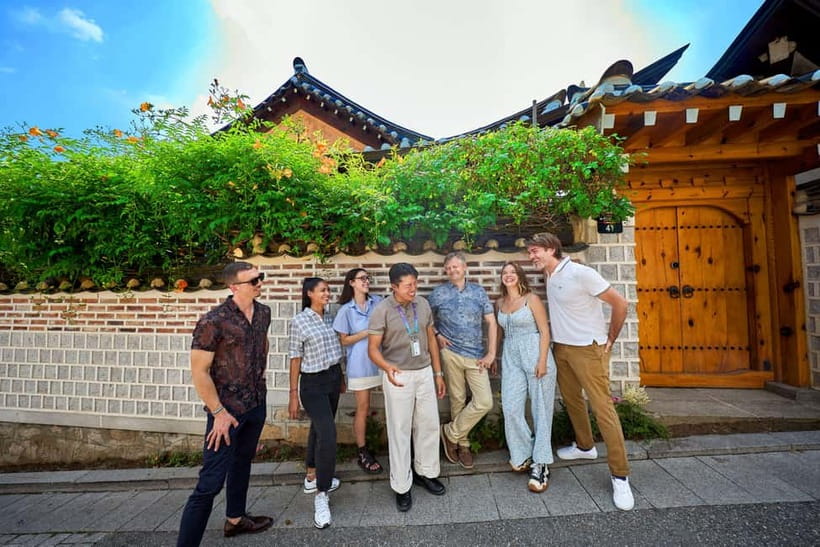
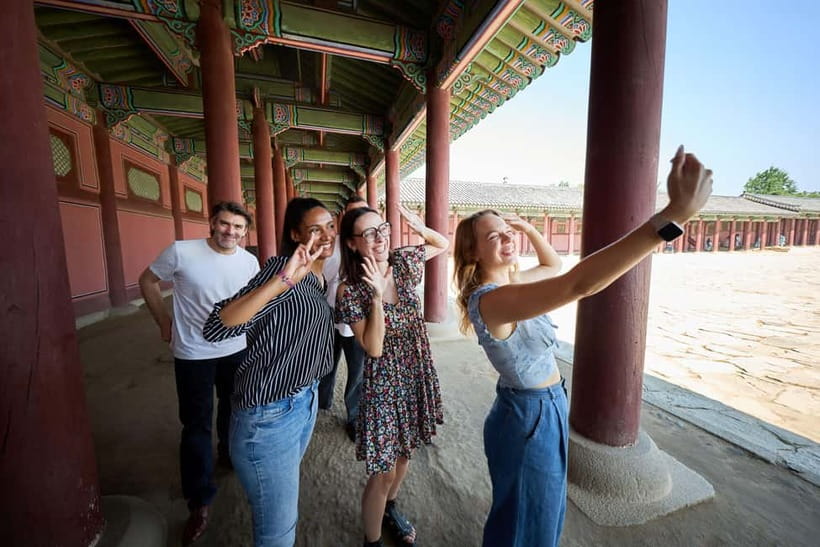
Bukchon is the most atmospheric walking portion of the outing. Its narrow streets are lined with hanok, traditional Korean houses with tiled roofs, timber details, and enclosed courtyards. The neighborhood sits between major palaces, so it feels connected to the city’s royal past rather than preserved as an isolated museum.
You will have time for photos, guided commentary, and a walk through the lanes. Look beyond the nearest roofline. From higher points, you can often see a sharp contrast between the orderly tiled houses and Seoul’s modern buildings in the distance.
The charm comes with a practical catch: Bukchon is a real residential neighborhood, not just a tourist display. Keep your voice low, stay on the public path, and avoid blocking doorways while taking pictures. The streets can also be steep, so comfortable shoes matter.
One hour is enough to get a feel for Bukchon and take memorable photographs. It is not enough for a slow wander through every lane or a long tea stop. One booking specifically wished for more time in Bukchon and a chance to enjoy tea there. If that sounds appealing, plan to return independently.
The tour may use a bus between locations, but you still walk at each stop. Carry only what you need, especially if you are combining this outing with a full day of sightseeing.
Gyeongbokgung and the royal guard ceremony
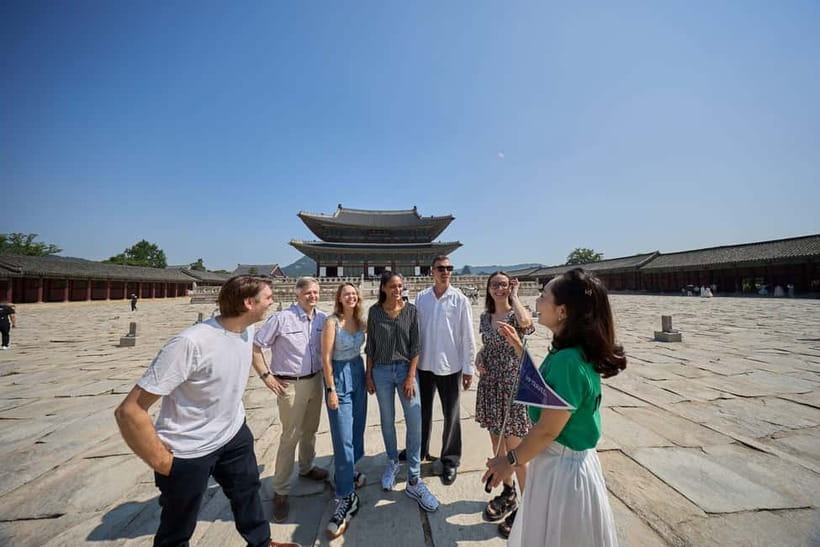
Gyeongbokgung is Seoul’s largest and most famous palace, first built in 1395 during the Joseon dynasty. Its broad gates, courtyards, ceremonial buildings, and quiet ponds give you a sense of how the royal center was organized.
The palace is not a single grand building. It is a sequence of spaces, each with a different purpose and scale. Your guide helps connect those spaces to the people who used them, from royal ceremonies to court routines. That context is useful because the architecture can otherwise blur into a series of impressive gates and painted beams.
The Royal Guard Changing Ceremony adds movement and color. Guards appear in traditional uniforms, accompanied by ceremonial instruments and carefully timed gestures. It is a formal reenactment, not an everyday palace operation, but it offers an accessible way to see clothing, music, and military customs associated with the Joseon court.
Try to reach the ceremony area with enough time to find a clear view. A recent departure arrived early and got a front-row position, which also made it easier for the guide to take photographs. The exact viewing position depends on the day and the group, so do not treat that result as guaranteed, but arriving promptly is sensible.
The palace portion lasts about an hour, including walking and explanation. That is a good introduction, though not enough for every hall or museum space. If royal architecture is your main interest, return later for a longer visit.
Tuesday changes: Changdeokgung and Insadong
Gyeongbokgung Palace and the Royal Guard Changing Ceremony are closed on Tuesdays. The alternative is Changdeokgung Palace, a UNESCO World Heritage site known for architecture that fits more gently into its natural setting.
Many people consider Changdeokgung the most graceful of Seoul’s palaces. Its appeal is quieter than Gyeongbokgung’s grand ceremonial spaces. You can expect traditional buildings, calmer surroundings, and a stronger sense of the palace as a place shaped by gardens and terrain.
The advertised Tuesday route does not include the royal guard ceremony, so do not book that day expecting the colorful procession. Instead, you receive a different kind of palace visit, one focused more on harmony, setting, and historical importance.
Tuesday also adds Insadong. This central cultural district is known for tea houses, art galleries, antique shops, craft stores, and traditional souvenirs. It gives you more room to browse than the tightly timed palace stops, though you should still keep an eye on the schedule.
If you want the ceremony specifically, avoid Tuesday. If you prefer Changdeokgung and enjoy browsing for crafts or small gifts, Tuesday may suit you better.
Same city, another market:
- Seoul: Palace, Temple and Market Guided Foodie Tour at Night
★ 4.9 · 750 reviews - Seoul: Korean Cooking Class at a Local Home and Market Tour
★ 5.0 · 348 reviews - Seoul: Guided Food & Market Tour with 8+ Tastings
★ 4.9 · 342 reviews - Seoul Night Palace & Market Food Tour with Vehicle
★ 5.0 · 275 reviews
Passing the Blue House
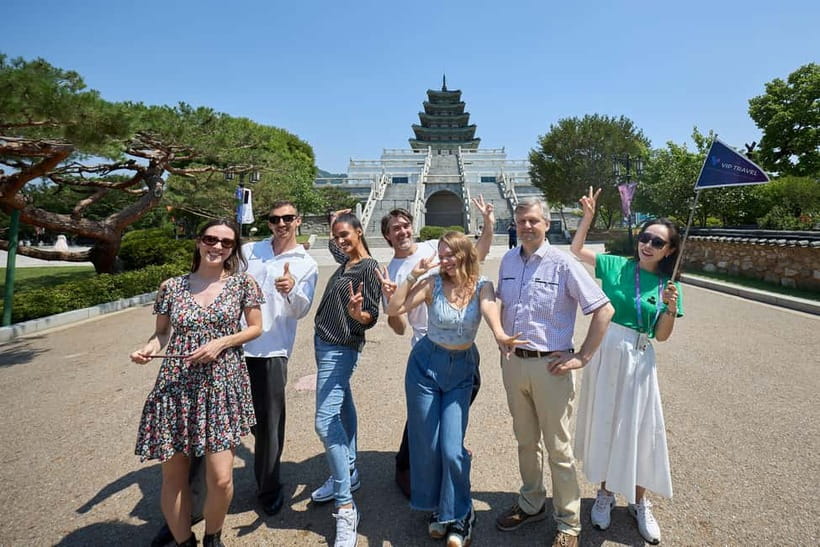
After the palace, the vehicle passes Cheongwadae, commonly called the Blue House. It served as South Korea’s presidential residence and executive office.
This is a drive-by, not a stop. You will see it from the vehicle and receive sightseeing commentary, but there is no time to explore the grounds or take a dedicated walking tour. Treat it as a useful orientation point between the palace district and the next stop.
The brief pass also helps show how Seoul’s political center sits within the same broad part of the city as its older royal sites. It is a small part of the outing, but it adds modern national history to a route otherwise focused on traditional culture.
The Ginseng Center: useful context, optional shopping
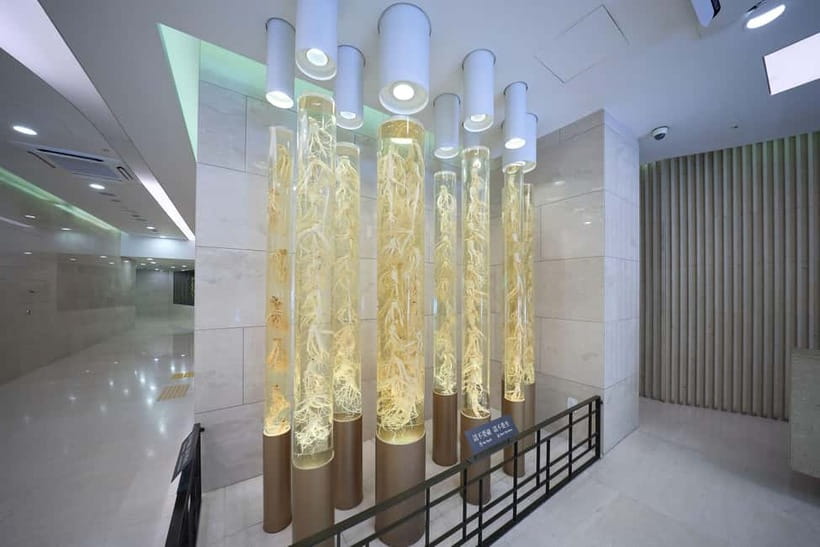
The visit to the Cheongha Korean Ginseng Museum lasts about 30 minutes. You receive a cup of traditional Korean herbal tea and hear about ginseng’s history, health claims, and place in Korean wellness traditions.
This stop has a sales element. You can browse or purchase ginseng products, but you are not required to buy anything. One person who had been concerned about the stop found the historical explanation worthwhile and did not feel pressured to make a purchase.
That distinction matters. If you enjoy learning how a local product fits into food and wellness culture, the visit can be interesting. If you prefer uninterrupted sightseeing, the stop may feel like a pause in the middle of the day.
You may also get to try some ginseng, depending on the presentation. Keep your expectations practical. This is not a full food workshop or a medical consultation. Listen to the cultural explanation, enjoy the tea, and treat the shopping section as optional.
Gwangjang Market: finish with Seoul on a plate
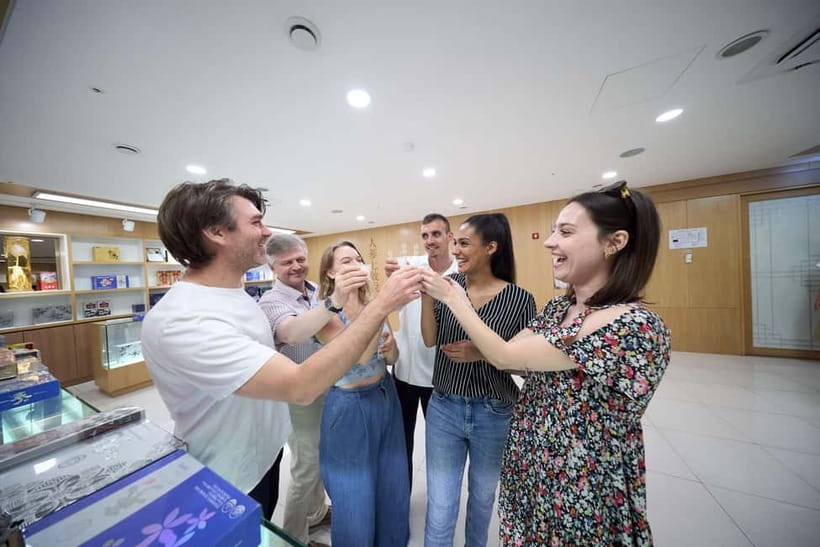
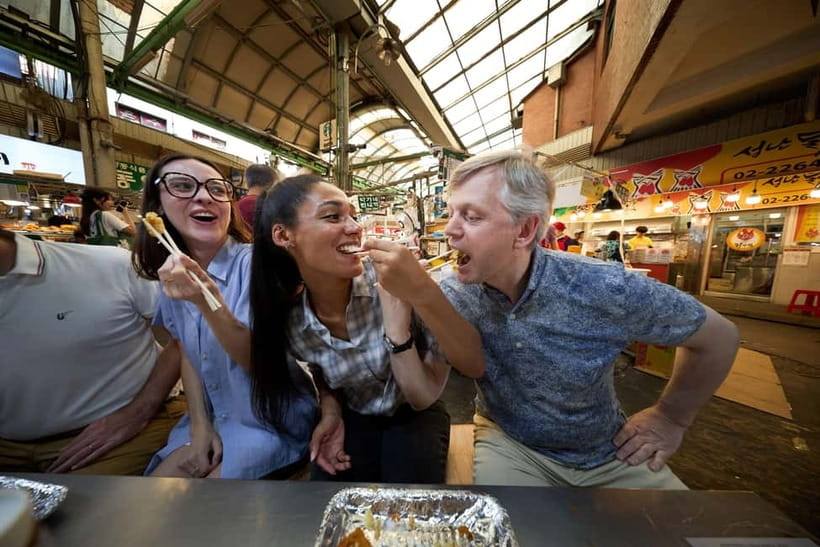
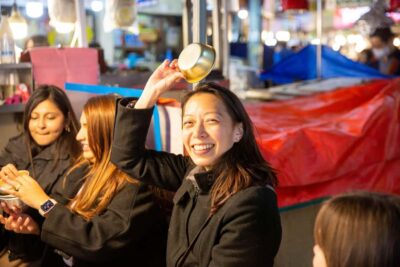
Gwangjang Market is one of the city’s oldest and best-known traditional markets. The final hour is devoted to walking, photos, browsing, and food tasting.
This is where the route feels most connected to ordinary city life. Instead of palace gates and ceremonial uniforms, you see food stalls, cooks, shoppers, and compact counters serving familiar Korean dishes. The market can be lively and crowded, so stay close enough to hear your guide and keep your belongings secure.
Look for bindaetteok, a savory mung bean pancake; mayak gimbap, small rolls of rice and fillings wrapped in seaweed; and tteokbokki, chewy rice cakes in a spicy sauce. These are easy foods to sample, but the tour does not include every meal or personal purchase. Bring cash, as requested in the practical information, and budget extra if you want more than the included tasting.
An hour gives you a good introduction to the market and its food. It may not allow time to compare many stalls or sit down for a relaxed lunch. If you find a dish you love, note the location and return later on your own.
I especially like ending here. After hearing about royal customs and traditional architecture, you get to experience food and commerce in a less formal setting. It rounds out the day.
Meeting point, timing, and transport
The standard meeting point is Myeongdong Subway Station Exit 8, and the tour returns to Myeongdong. Pickup information also lists Itaewon Station Exit 1 at 8:20, Myeongdong Station Exit 9 at 8:50, and City Hall Station Exit 6 at 9:00.
Because the information names both Myeongdong Exit 8 and Exit 9, check the exact instructions attached to your booking before setting out. Subway exits can be several minutes apart, and a guide may be waiting at only one location.
If you are coming directly from Incheon Airport, allow plenty of time. One person on a layover found that the airport train and subway took longer than expected and advised allowing at least two and a half hours. Do not schedule this tour immediately after landing unless your arrival buffer is generous.
Hotel pickup within Seoul is available on request for groups of five or more. The tour ends at Myeongdong for everyone, which is convenient for shopping, dining, and onward subway connections.
Wear comfortable shoes. You will walk through Bukchon, palace grounds, and the market, with some uneven or sloping streets. Bring a camera, cash, and weather-appropriate clothing. In hot weather, shade can be limited in open palace courtyards, although guides may help the group find more comfortable places during explanations.
Free cancellation is available up to 24 hours before departure, and you can reserve now and pay later. Those terms are useful if your Seoul plans are still shifting.
Who should book this Seoul tour?
I would recommend it to first-time visitors who want a guided introduction without spending a full day on organized sightseeing. It also fits solo visitors, couples, families, and short-stay visitors who want help connecting several central locations.
It is particularly useful if you want cultural context. The guide does more than point out photo stops, explaining Joseon history, Korean customs, ginseng traditions, and local life. Guides such as Alice, Eva, Kelly, and Lina have been noted for patience, clear explanations, coordination, and personal help with photos.
You should think twice if you dislike shopping stops or prefer to explore at your own speed. The ginseng center takes half an hour, and the market and Bukchon visits are fairly short. Independent visitors with a full day could spend longer at each location and eat at their own pace.
Should you book it?
Book this tour if you want a well-priced, time-efficient introduction to Seoul’s traditional neighborhoods, royal sites, local food, and modern civic center. The mix is the real strength: Bukchon for atmosphere, Gyeongbokgung for ceremony, the Blue House for modern context, ginseng for local tradition, and Gwangjang Market for food.
Choose a non-Tuesday departure if the guard ceremony is important to you. Choose Tuesday if Changdeokgung’s quieter style and Insadong’s shops appeal more.
At $30, the tour offers good value for a first visit, especially when transportation and an English-speaking guide are included. Just expect a fast pace, an optional shopping stop, and only a taste of each place. If you want a practical overview before exploring Seoul on your own, this is a sensible way to begin.
FAQ
How long does the tour last?
The tour lasts 210 minutes, or three and a half hours.
Where does the tour begin?
The listed meeting point is Myeongdong Subway Station Exit 8. Pickup information also lists Itaewon Station Exit 1, Myeongdong Station Exit 9, and City Hall Station Exit 6 at specified morning times, so check your booking instructions for the exact meeting location.
Where does the tour end?
The tour ends at Myeongdong Station for all participants.
What happens on Tuesdays?
Gyeongbokgung Palace and the Royal Guard Changing Ceremony are closed on Tuesdays. The tour visits Changdeokgung Palace and Insadong instead.
Is food included at Gwangjang Market?
The tour includes a food market visit and tasting, but meals and personal expenses are not included. Bring cash if you want to purchase additional food.
Do I have to buy anything at the Ginseng Center?
No. You can enjoy the herbal tea, learn about Korean ginseng, browse the products, and choose not to buy anything.
What should I bring?
Bring comfortable shoes, a camera, and cash. You will walk through Bukchon, palace grounds, and Gwangjang Market.
New market tours around Seoul
- Seoul: The Biggest Sea-food Noryangjin Market Tour★ 4.3 · 30 reviews
- Seoul: Sokcho beach, market, hot spring and Seorak Cable Car★ 4.8 · 5 reviews
- Seoul: Gyeongbokgung Palace Tour & Lunch at Authentic Market★ 4.5 · 2 reviews
- Seoul: Mt.Seorak(+CableCar Option)+Sokcho Fish Market&Beach★ 4.5 · 9 reviews
- Seoul: Namdaemun Market Food Tour★ 4.9 · 34 reviews
- Seoul: Guided Street Food Tour at Namdaemun Market★ 5.0 · 10 reviews
- Seoul: Gwangjang Market Vegan & Vegetarian Food Tour★ 5.0 · 16 reviews
- Seoul Gwangjang Market Foody Walking Tour★ 4.1 · 7 reviews
Seoul Market Tours, side by side.
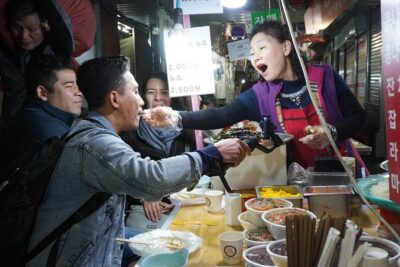
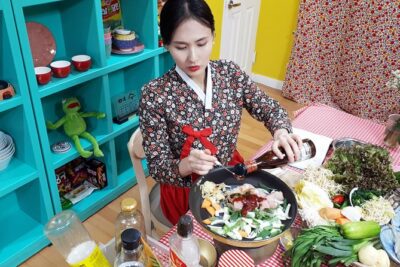
Local Home Korean Cooking Class & Market Adventure in Seoul
Read our review →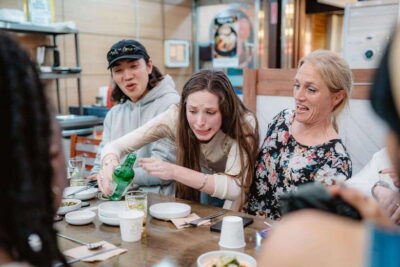
Seoul: Palace, Temple and Market Guided Foodie Tour at Night
Read our review →
Seoul: Guided Food & Market Tour with 8+ Tastings
Read our review →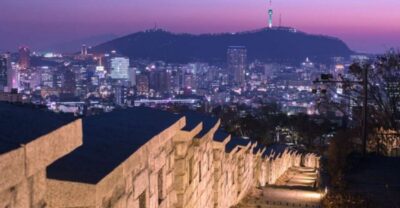
Seoul: Nighttime Tour of Palace, Market, Naksan Park & More
Read our review →
Seoul: Gyeongbok Palace, N Tower, & Local Market City Tour
Read our review →
This tour also appears in