
Review · SINGAPORE
Singapore Market to Table Culinary Experience (Wet Market Tour included)
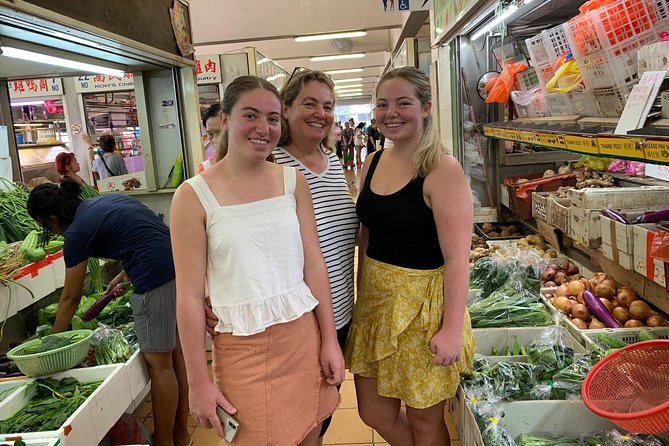
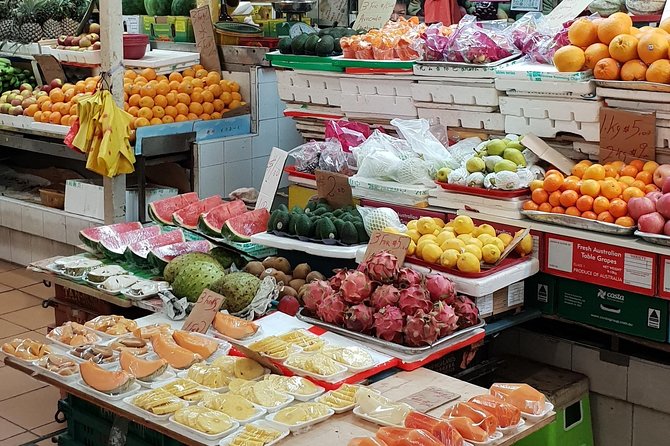
Singapore’s best food lessons often begin away from the famous hawker centers. This morning experience starts at a local wet market, where you learn how ingredients connect to Singapore’s Chinese, Malay, Indian, and other food traditions. Then you sit down for a simple coffee-shop breakfast before cooking several local dishes from scratch.
I especially like the small class size, capped at 10, and the mix of market time, breakfast, cooking, and lunch. Guides such as Denise, Colin, Vivian, and Vidhya bring both kitchen skill and local stories. I also like that you learn how to order coffee in local style, not just how to chop vegetables.
The main thing to keep in mind is that the experience can run longer than the advertised three hours, with one account putting it at about three and a half hours. The menu may also change, and recipes are not always provided, so this is better for cultural learning than for a tightly scripted cooking lesson.
Key points to know before you book
- The morning starts at a real wet market: You learn about ingredients and daily food shopping before entering the kitchen.
- Breakfast is part of the lesson: You visit a local coffee shop, eat a simple breakfast, and practice ordering coffee to suit your taste.
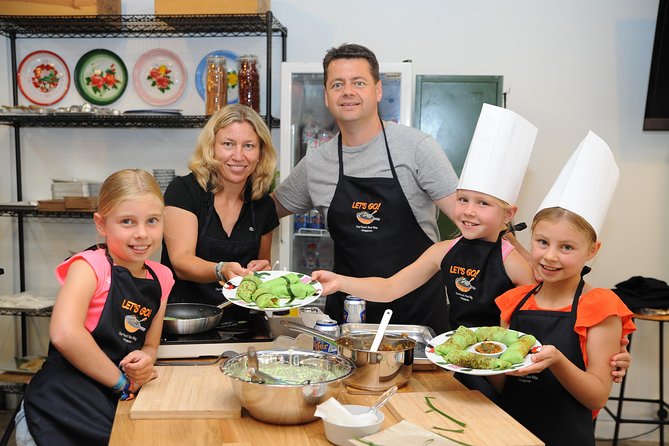
- The class is genuinely hands-on: You prepare several dishes, with examples including Hainanese chicken rice, Ngoh Hiang, shrimp rolls, and Kueh Dadar.
- Chefs lead the experience: Denise, Colin, Vivian, and Vidhya are among the named instructors associated with the class.
- The group stays small: No more than 10 people allows for personal attention, though the amount of help can depend on the chef and group.
- Plan your morning carefully: The meeting point is in Crawford Lane at 9 am, transport is not included, and the session may last around three to three and a half hours.
Why this Singapore food tour begins at the market
The smart idea here is to start with ingredients rather than recipes. At the market, you see the foods that form the base of Singapore cooking and hear how different communities shaped the country’s daily meals. That gives the cooking class a useful frame: you are not simply following instructions, you are learning why certain foods belong together.
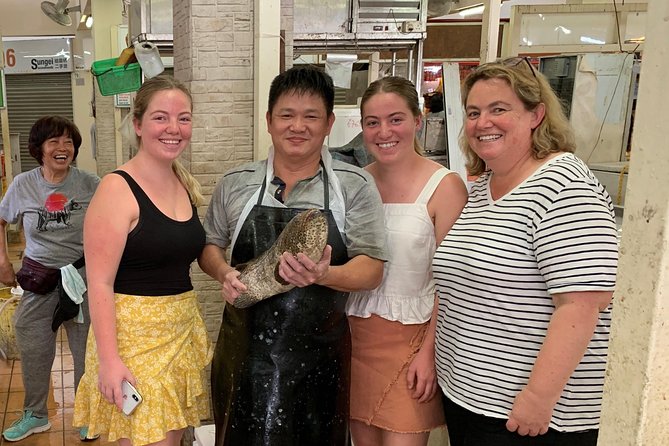
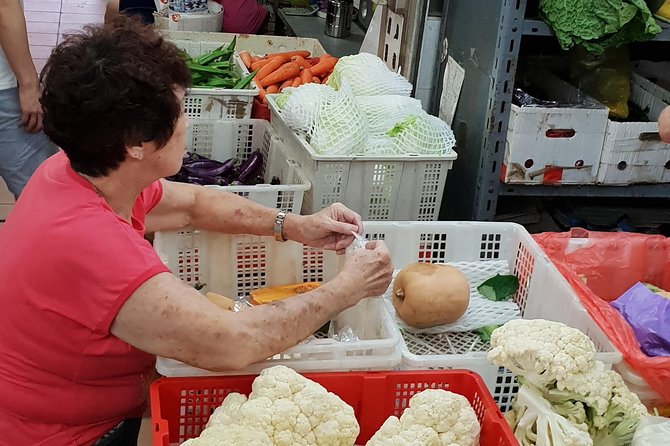
The market portion is also a chance to see a less polished side of Singapore. It is not a grand attraction built for sightseeing. It is part of an everyday neighborhood, and some stalls may be closed depending on the morning. One less positive account found the market underwhelming because several vendors were not open and the surrounding area felt quiet and older.
I would treat that as a matter of expectation. If you want a huge food hall packed with activity, this may feel modest. If you want to see where ordinary food shopping happens and get away from Singapore’s glossy center, the visit has more value.
Your guide explains the ingredients and points out links between Singapore’s Chinese, Malay, Indian, and other culinary traditions. That cultural background is one of the strongest reasons to choose this activity. Singapore’s food makes more sense when you see it as the result of many communities sharing a small island and adapting each other’s techniques and flavors.
More wet and livestock market tours around the world:
- Immersive Cooking Class & Wet Market Tour by Local Chef +Cookbook
★ 5.0 · 367 reviews - Chef Samuel’s Private Malaysian Cooking Class with Wet Market Tour
★ 5.0 · 92 reviews - Beijing: Dumpling-Making Class with wet Market visit
★ 5.0 · 9 reviews
Coffee-shop breakfast and the art of ordering local coffee
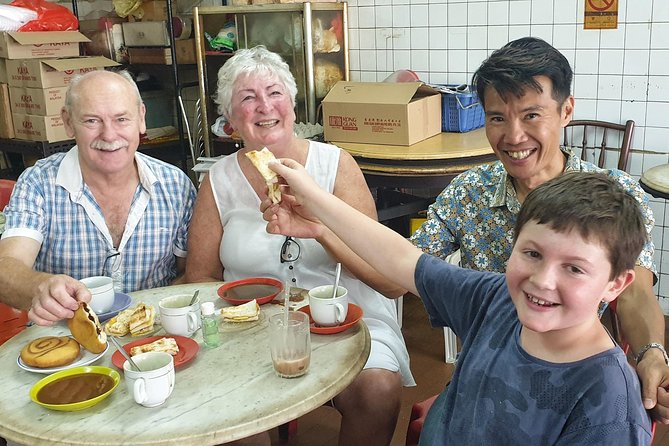
After the market walk, you stop at a local coffee shop for breakfast. The meal is described as simple, with toast and local snacks among the foods served. This is not meant to be a large restaurant breakfast. It is a practical introduction to one of Singapore’s most familiar eating settings.
You also learn how to order coffee in the local way. The lesson is useful because Singaporean coffee orders can be tailored by strength, sweetness, milk, and preparation style. Rather than standing at a counter and guessing, you get to place the order yourself with guidance from the chef.
That small detail adds a lot. Food tours often explain what is on a plate but skip the social habits around eating. Here, you get a look at how people order, sit, and eat in a neighborhood coffee shop. It is a short stop, but it connects the market visit to daily life.
The supplied details mention bottled water, but one account wished that water had been offered more often during the morning. I would carry your own bottle, especially if the weather is warm.
What happens in the cooking class
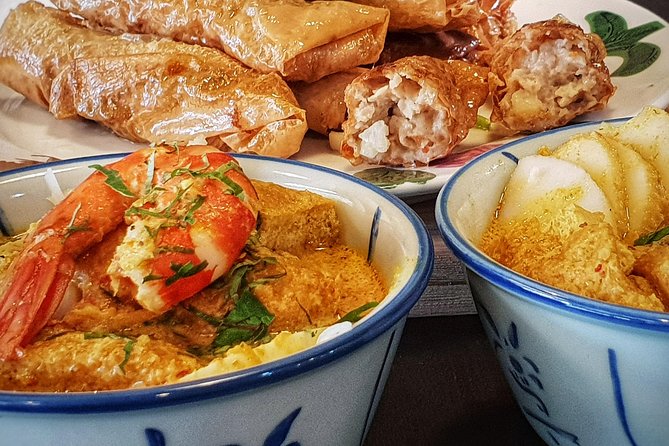
Back at the cooking school, the chef leads you through several Singaporean dishes. The exact menu can vary, but the dishes described include Hainanese chicken rice, Ngoh Hiang, shrimp rolls, and Kueh Dadar. Some groups have prepared three dishes, while others have made four, including a dessert.
Hainanese chicken rice is a particularly useful dish to learn because its success depends on technique, not just ingredients. The rice, chicken, and sauce each need attention, and the finished dish can taste very different from a rushed version served at a casual food counter. One especially useful lesson from the class is the importance of cooking garlic properly before using it in a stir-fry.
Ngoh Hiang, described as a large fried chicken roll, gives the class a different texture and method. Kueh Dadar adds a sweet finish and shows that local cooking is not limited to savory hawker food. If your group makes shrimp rolls or another dish instead, you still get a broader look at Singaporean flavors and methods.
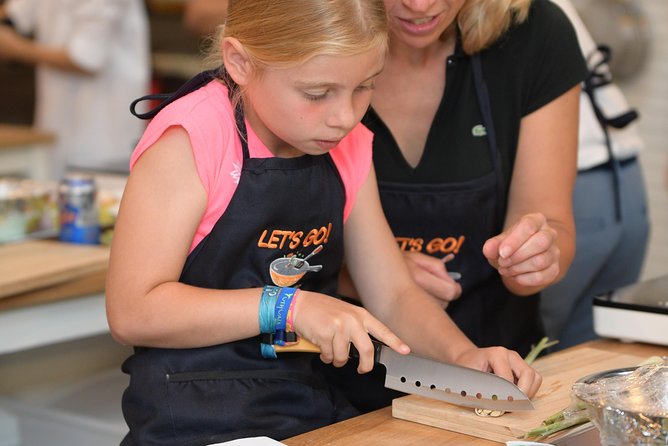
The chefs demonstrate each stage and ask you to take part. You are not simply watching a chef prepare lunch for you. You handle ingredients, follow the method, and then eat the food you helped make. The class suits beginners, but your result may depend on how much individual guidance you receive.
Chef Denise is repeatedly singled out for warm instruction, clear explanations, and strong cultural background. Colin is praised for step-by-step teaching, good English, and useful tips about other foods to try in Singapore. Vivian is described as friendly and well informed, while Vidhya is noted for her grasp of local culture and cooking skill.
That range matters because a small group class depends heavily on the person leading it. The experience is designed around experienced local chefs and licensed guides, but teaching styles can differ. Most of the time, the format encourages questions and participation. One less satisfied participant felt that the cooking guidance was not detailed enough and that the finished dishes did not turn out well.
The food is the reward, but the lessons are the point
You should expect to eat a substantial meal by the end. The food is prepared by the group and shared after cooking, with several accounts describing generous portions and dishes that were worth trying again later.
The strongest praise centers on flavor. One useful comparison came from someone who had already tried chicken rice at a hawker center and a well-known hotel restaurant but did not understand its appeal until making it in class. That is a good reason to take the lesson early in your Singapore stay. Afterward, you will have more context when ordering the same dish elsewhere.
The class also gives you techniques you can take home. You learn how certain ingredients are treated, why a cooking method is used, and how a familiar dish is built from basic components. That makes the experience more useful than a meal alone.
Still, do not book it expecting a guaranteed printed recipe collection. Some participants did not receive recipes, and the menu can differ from what you expected. If you have a seafood allergy or a strong food preference, contact the operator before booking and confirm the menu. At least one person who had raised a seafood restriction still encountered prawns in the class, which is a serious point for anyone with an allergy.
More market tours around the world:
- Bangkok: Damnoen Saduak Market and Maeklong Railway Market
★ 4.5 · 26,723 reviews - The Old Siam: Damnoen Saduak and Maeklong Railway Market
★ 4.5 · 10,992 reviews - Dubai: Old Town, Creek, Museums, Souks, & Street Food Tour
★ 4.8 · 10,816 reviews - Bangkok: Train Market & Floating Market with Boat Ride
★ 4.7 · 9,547 reviews
A small group, with a few practical limits
The maximum group size is 10. That is a good number for a cooking lesson because you can see the demonstrations and take part without being lost in a crowd. It also makes it easier to ask about ingredients, Singaporean food customs, or places to eat later.
Small does not always mean perfect personal attention. One group found the guidance excellent, while another felt the chef did not offer enough help during the cooking. Your experience may depend on the size of the group that day, the pace of the menu, and how actively you ask questions.
The cooking school is at Let’s Go Cook Singapore, Block 462, Crawford Lane, unit 01-57. You arrange your own way there and back, and the activity ends at the same meeting point. The start time is 9 am, so leave enough time to reach the location without rushing through the first part of the morning.
The setting has drawn mixed practical comments. One complaint described the shared premises as cluttered and too small for cooking, with poor toilet facilities. That concern is worth taking seriously if you expect a polished culinary studio. The experience is built around local character and function, not luxury presentation.
How much value do you get for $112.33?
At $112.33 per person, this is not the cheapest way to eat in Singapore. You can have a good hawker meal for far less. The price makes more sense when you count the market walk, breakfast, guide, ingredients, equipment, instruction, and cooked meal as one package.
The best value is for someone who wants context. You are paying to understand ingredients, learn local food customs, cook several dishes, and speak with a chef who can explain the culture behind the food. The class can also help you make better choices for the rest of your trip, since the guides offer suggestions about dishes and places to try.
The value is weaker if you only want a polished recipe lesson with guaranteed handouts and a fixed menu. You may make three dishes or four, and the food can change from the advertised examples. Group discounts may be available, which could make the cost easier to justify for families or friends booking together.
A 99 percent recommendation rate and a 4.9 rating from 479 ratings indicate very strong overall satisfaction, but the lower ratings point to real limits rather than minor complaints. The market may be quiet, the venue may feel basic, the menu may not match expectations, and recipe follow-up is not certain.
Who will enjoy this morning most?
I would choose this for couples, families with older children, and friends who want an activity that mixes food with local culture. A 13-year-old who enjoys cooking took part successfully, and the format works well for beginners who like to do things rather than just watch.
It is also a good choice for a honeymoon morning or for the first full day of a Singapore visit. You come away with food ideas, coffee-ordering practice, and suggestions for what to eat next. The experience can help you get past the familiar tourist version of Singapore.
You may want to skip it if your schedule is tightly packed. The start is early, the activity lasts about three hours and may reach three and a half, and you cannot count on finishing at an exact time. Do not place an important appointment immediately afterward.
You should also think twice if you have strict dietary needs unless the operator confirms they can accommodate you. The available information does not promise vegetarian, vegan, allergy-safe, or other special menus.
Booking, timing, and cancellation details
Confirmation arrives within 48 hours, subject to availability. The activity requires a minimum number of participants, so if that minimum is not met, you are offered another date or experience, or a full refund.
Free cancellation applies when you cancel at least 24 hours before the 9 am start time. Changes or cancellations made less than 24 hours ahead are not accepted for a refund. The cut-off follows Singapore local time, so check the time difference if you are booking from overseas.
The experience is near public transportation, but transport to and from the meeting point is not included. Bring a little room in your schedule, wear something suitable for a cooking activity, and carry water.
Should you book the Singapore Market to Table experience?
Book it if you want a small, personal food lesson that begins with real neighborhood shopping and ends with a meal you helped prepare. The market and coffee-shop stops give the class a stronger local setting than a cooking studio alone, and chefs such as Denise and Colin add useful food and cultural background.
Do not book it expecting a luxury kitchen, a fixed menu, or a guaranteed recipe booklet. The market can be quiet, the venue may feel basic, and the level of hands-on help can vary. For most people who value local context and practical cooking, the mix is worth the price. For a tightly scheduled visitor or anyone with serious dietary restrictions, confirm the details first.
FAQ
Where does the experience begin?
It begins at Let’s Go Cook Singapore, Crawford Lane, Block 462, unit 01-57, Singapore 190462.
What time does the experience start?
The start time is 9 am.
How long does the activity last?
The stated duration is approximately three hours. It may take around three and a half hours, so allow extra time afterward.
Does the tour include transportation?
No. Transportation to and from the meeting point is not included.
Is breakfast included?
Yes. The experience includes a simple breakfast at a local coffee shop near the wet market.
Will I learn how to order Singaporean coffee?
Yes. The coffee-shop stop includes guidance on ordering local coffee according to your preferred taste.
How many people can join the class?
The maximum group size is 10 participants.
What food will I cook?
Menus can vary. Dishes associated with the class include Hainanese chicken rice, Ngoh Hiang, shrimp rolls, and Kueh Dadar.
Are ingredients and cooking equipment included?
Yes. The ingredients and equipment required for the cooking class are included.
Can I cancel for a full refund?
Yes, if you cancel at least 24 hours before the experience start time. Cancellations or changes made less than 24 hours before the start are not accepted for a refund.
New market tours around the world
- Tel Aviv: 2-Hour Carmel Market Tour in English with Lunch★ 4.8 · 23 reviews
- Tel Aviv: Carmel Market & Neighborhood Guided Walking Tour★ 4.7 · 3 reviews
- Tel Aviv: 2-Hour Jaffa Flea Market Tour with Tastings★ 4.9 · 8 reviews
- Tel Aviv: Carmel Market Food Tasting Tour “Shuk Hacarmel”★ 4.0 · 8 reviews
- Tel Aviv: 2-Hour Levinsky Market Tour with Full Lunch★ 4.7 · 10 reviews
- Tbilisi 2 Parks: Turtle Lake & Dedaena Park with Flea Market★ 5.0 · 3 reviews
- Tbilisi: Street Food & Sightseeing Tour with Local Markets★ 5.0 · 8 reviews
- Teguise: Market and César Manrique Foundation Tour★ 4.3 · 39 reviews
Market Tours, side by side.

Bangkok: Damnoen Saduak Market and Maeklong Railway Market
Read our review →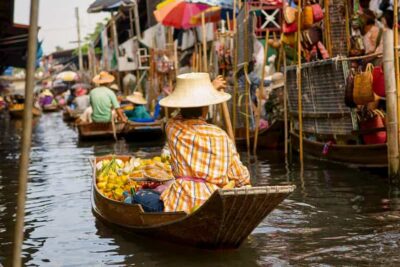
The Old Siam: Damnoen Saduak and Maeklong Railway Market
Read our review →
Dubai: Old Town, Creek, Museums, Souks, & Street Food Tour
Read our review →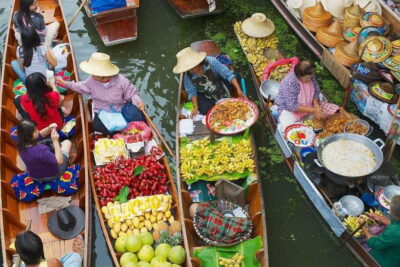
Bangkok: Train Market & Floating Market with Boat Ride
Read our review →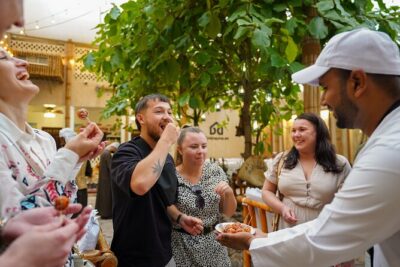
Dubai: Old Town, Souks, Street Food, Guided Tour & Abra Ride
Read our review →
Dubai: Frame Tickets, Creek, Souks & Blue Mosque Guided Tour
Read our review →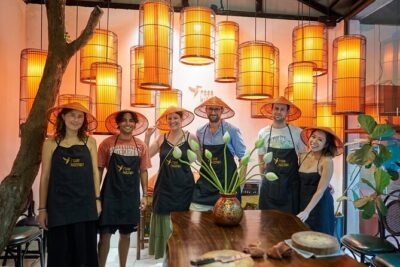
Hanoi Cooking Class: Culture, Local Market & Meaning CSR Impact
Read our review →
Marrakech: Bahia Palace, Saadian Tombs, Souk and Medina Tour
Read our review →This tour also appears in