Review · CRYSTAL GARDEN
Sofia: Flea and Food Markets Tour
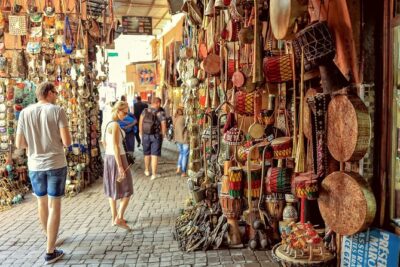
Sofia’s markets tell the city’s story better than a row of monuments can. On this walking tour, you move from the Flea Market to the Central Market Hall, Hali Market, and Women’s Market, with four local food stops along the way. I like the way the route connects everyday shopping with four distinct historical periods, and I like having a local guide explain what you are eating instead of leaving each dish a mystery.
The main drawback is simple: you walk about 3 kilometers, and the route is not suitable for wheelchair users or people with mobility impairments. Timing also deserves attention. One booking began later than expected and ran into evening plans, so confirm the start time before you commit to dinner or a show.
Key points at a glance
- Four markets, four eras: Connect Sofia’s Flea Market, Central Market Hall, Hali Market, and Women’s Market with the postcommunist, communist, Kingdom, and Ottoman periods.
- Four food stops: Try traditional Bulgarian dishes and local drinks, with a soft drink included at the final stop.
- A useful first-day walk: See major sights while getting your bearings in central Sofia.
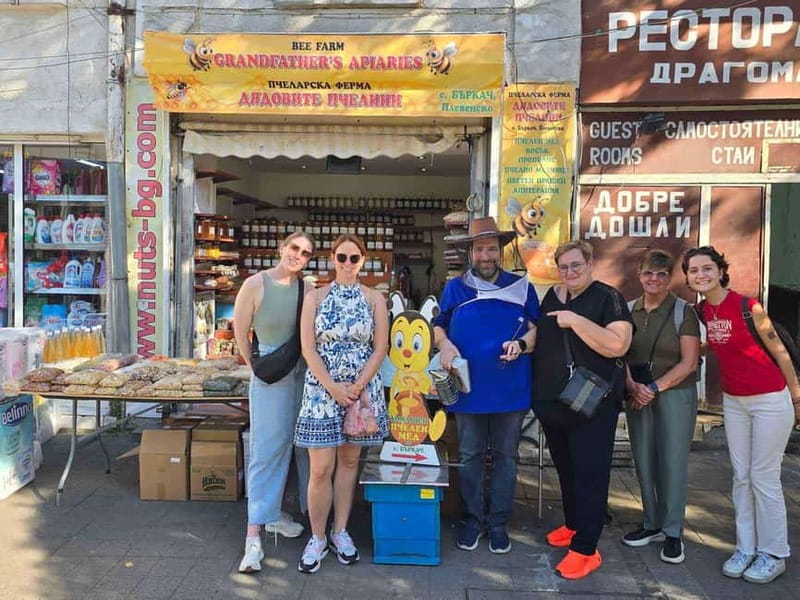
- Guides who add personality: Guides named Ivo, Daniella, Dany, Nesi, and Theodora have led the experience, with praise for their humor, care, and command of local history.
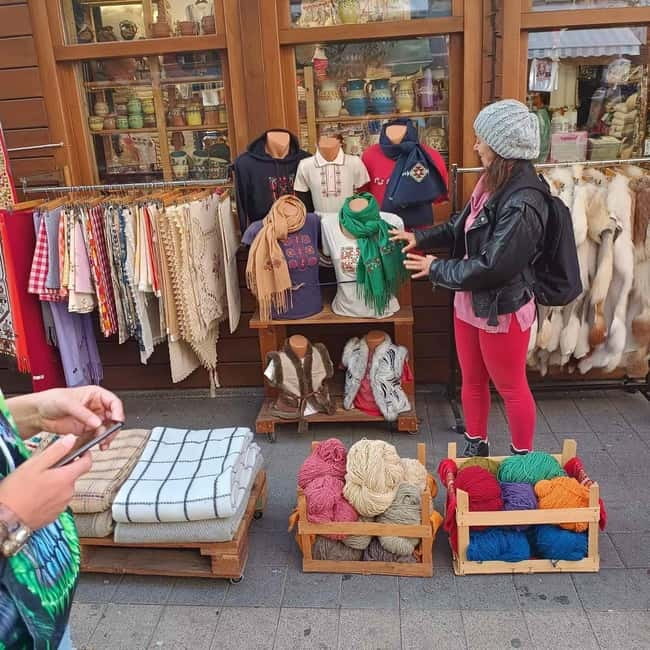
- A chance to shop: Look for antiques, small souvenirs, and market finds rather than standard tourist-shop goods.
- A moderate but real walk: Expect roughly 3 kilometers with stops, so wear supportive shoes.
Why Sofia’s markets make a better history lesson
Sofia can feel like several cities placed on top of one another. Roman remains sit near grand government buildings. An Ottoman mosque shares the central area with a synagogue, a cathedral, and modern shops. The markets give you a practical way to understand those layers because each one grew out of a different period in Bulgaria’s past.
The tour links the Flea Market with the postcommunist era, when informal selling and secondhand goods became a visible part of urban life. The Central Market Hall represents the communist period in the route’s historical framework. Hali Market points to the Kingdom period, while the Women’s Market reflects the Ottoman presence in Bulgaria.
That structure matters. You are not just walking from one food counter to another. You are being shown how politics, trade, migration, and daily meals shaped Sofia. I find this more useful than a string of disconnected dates because you can see the past in places where people still shop.
Your guide also supplies the missing context. The tour is conducted in English, and several guides have led it, including Ivo, Daniella, Dany, Nesi, and Theodora. The strongest part of the experience is the conversation: you can ask about Bulgarian customs, food, the city’s past, and the meaning of what you see.
More market tours around the world:
- Bangkok: Damnoen Saduak Market and Maeklong Railway Market
★ 4.5 · 26,723 reviews - The Old Siam: Damnoen Saduak and Maeklong Railway Market
★ 4.5 · 10,992 reviews - Dubai: Old Town, Creek, Museums, Souks, & Street Food Tour
★ 4.8 · 10,816 reviews
Starting at Crystal Park and the Flea Market
The meeting point is the Stefan Stambolov Monument in Crystal Park. It is a sculpture of a split head, an unusual landmark that should be easy to identify. Arrive 10 minutes early, especially if you are unfamiliar with Sofia’s center.
Starting here puts you near some of the city’s important sights before the market walk gets going. You may pass Alexander Nevsky Cathedral and Saint Sofia Church, two major landmarks that help establish Sofia’s religious and national identity. The exact order can depend on the guide and timing, but the route is designed to combine market visits with the city center’s main sights.
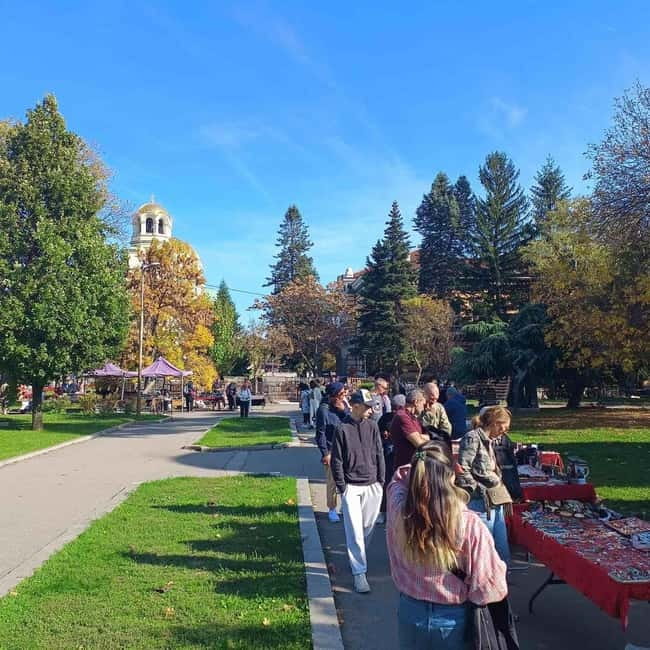
The Flea Market is the right opening stop for a tour built around ordinary life. You can browse secondhand objects, souvenirs, and possible antiques while hearing how Sofia changed after communism. Do not expect a polished shopping center. The appeal is the mix of objects and the chance to ask your guide what is worth a closer look.
If you like hunting for small keepsakes, this is where you should keep your eyes open. The information does not promise any specific type of antique or a guaranteed purchase, so treat shopping as an optional bonus rather than the main reason to book. Prices, stock, and quality will naturally vary.
Central Market Hall and the food stops
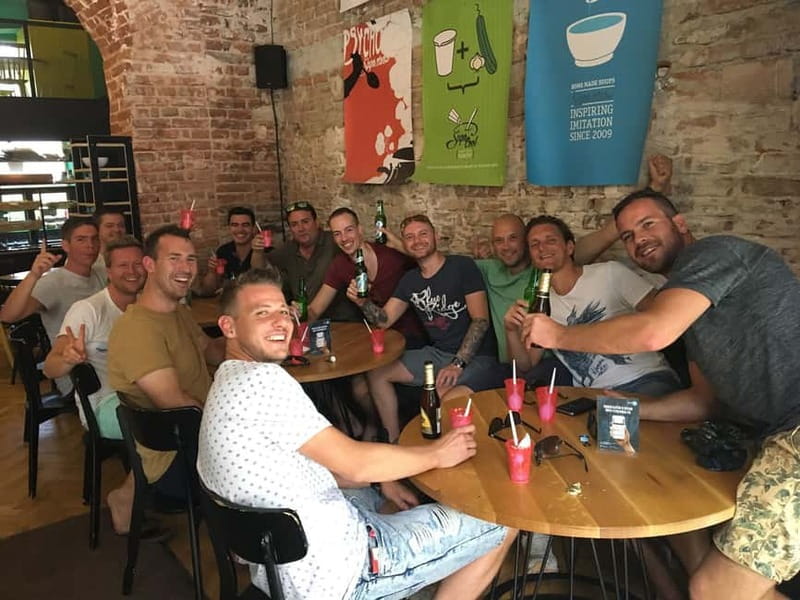
The Central Market Hall gives the tour a more formal market setting. Its place in the route connects it with the communist period, adding another chapter to the city’s political story. Your guide explains how the market fits into Sofia’s past and how food shopping changed over time.
The four food stops are the heart of the day. You sample traditional dishes and local drinks at different points rather than sitting down for one long meal. That format lets you taste more than you might order alone, and it keeps the walking route connected to the food.
The exact dishes are not specified, so I would not book this expecting a fixed menu. Instead, think of it as a guided introduction to Bulgarian cuisine. You get explanations about local food traditions, the origins and meaning of what you taste, and the way meals connect with Bulgarian culture.
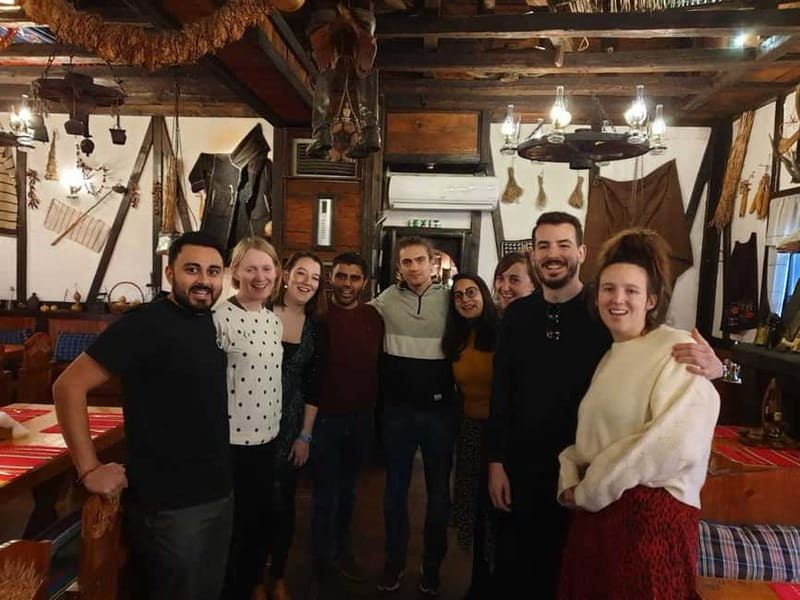
Come hungry. One group of younger adults found the portions filling enough to remain stuffed, and another described the food as tasty and plentiful. A soft drink is included at the last food stop. Other drinks and personal purchases may not be covered, so bring some spending money if you want to order beyond the included tasting.
This is also a good place to ask questions. The tour has been praised for explaining Bulgarian yogurt, spring water, Ottoman influence, and local traditions. Those details give you more than a quick taste. They help you recognize food and customs during the rest of your time in Bulgaria.
Hali Market and Sofia’s royal period
Hali Market represents the Kingdom period in the tour’s historical plan. The value here is the comparison. Instead of treating every market as the same, your guide shows how different political eras shaped the buildings, commerce, and role of food in city life.
This part should appeal to anyone who likes history in small doses. You do not need a specialist’s interest in Bulgarian politics. The guide connects the market to larger changes in Sofia, then brings the discussion back to things you can see and eat.
The route also passes The Largo and the Roman ruins. The Largo is one of central Sofia’s most important architectural areas, while the Roman remains reveal how old the city is beneath its modern streets. Walking between a market and Roman ruins gives the day its best contrast: present-day shopping on one side, ancient city layers on the other.
You may find the pace leisurely rather than rushed. That is a plus if you want time to ask questions or look at objects along the way. It can be a drawback if you prefer a fast sightseeing tour with a strict schedule.
Same city, another market:
- Bangkok: Train Market & Floating Market with Boat Ride
★ 4.7 · 9,547 reviews - Dubai: Old Town, Souks, Street Food, Guided Tour & Abra Ride
★ 4.9 · 7,170 reviews - From Bangkok: Ayutthaya & Ayothaya Floating Market Day Trip
★ 4.7 · 6,084 reviews - Dubai: Frame Tickets, Creek, Souks & Blue Mosque Guided Tour
★ 4.8 · 5,980 reviews
Women’s Market and the Ottoman connection
The Women’s Market is tied to Sofia’s Ottoman presence. It adds a different feel to the route because markets are not only monuments. They show how people buy food, meet neighbors, and carry old habits into modern city life.
Your guide explains how Ottoman rule influenced Bulgaria and how those influences fit into the country’s later development. That context can make the mosque, food traditions, and market culture easier to understand.
The route includes Banya Bashi Mosque and the Sofia Synagogue, giving you two more important points of reference. Along with Alexander Nevsky Cathedral and Saint Sofia Church, they show how several religious traditions have shaped central Sofia. The tour does not simply point at buildings. It connects them to the city’s changing population, rulers, and food culture.
Lion Bridge is another named landmark along the way. It adds to the sense that you are crossing a broad slice of Sofia rather than visiting one isolated market district. If you are using this tour on your first day, it can help you decide which central sights deserve a longer visit later.
The guides make the difference
A market tour depends heavily on the person leading it. A guide who only names buildings will leave you with a walk and a snack. A guide who explains why the places matter turns the same route into a useful introduction to Sofia.
The guides associated with this experience include Ivo, Daniella, Dany, Nesi, and Theodora. Ivo has been singled out for being friendly and clear, including during rainy weather. Daniella has been praised for answering questions, adding humor, and looking after her group. Nesi and Theodora have also been described as warm and engaging.
Small-group conditions can make the day especially good. One couple had the tour run just for the two of them, which gave them plenty of room for questions. Another small group appreciated having every question answered. Group size is not specified as a fixed number, so do not assume a private tour, but a smaller group would make the conversational style work best.
There is also a practical side to the guides’ role. Daniella helped one group with parking tickets and arranging a taxi back to their car. That is not a promised part of the tour, but it shows the kind of local help that can matter when a day in an unfamiliar city goes slightly off plan.
Is $50 a fair price?
At $50 per person, the value depends on how you use the experience. You are paying for an English-speaking local guide, four food stops, a soft drink at the final stop, and a walking introduction to several important parts of Sofia. You also get historical interpretation that would be difficult to assemble from a map alone.
The price is reasonable for someone who wants food and sightseeing in one outing. Four tastings can also cost a fair amount if bought separately, though the exact dishes and portions are not listed. The real value is the connection between the markets and the city’s story.
It is less compelling if you mainly want a full meal, serious antique shopping, or a private tour. Food portions sound generous, but this remains a tasting walk rather than a restaurant meal with a published menu. Likewise, the markets offer chances to browse, but there is no guarantee of a specific item or bargain.
The free cancellation policy allows you to cancel up to 24 hours ahead for a full refund. You can also reserve and pay later, which helps if your Sofia schedule is still shifting.
Who should book this Sofia market walk?
I would put this near the top of the list for a first day in Sofia. The route gives you a basic map of the center, introduces Bulgarian food, and explains the city’s major historical layers. You can then return to the cathedral, mosque, synagogue, Roman ruins, or markets that interest you most.
It suits couples, friends, and younger groups, as well as anyone who likes to learn through food. It also works for people who prefer a relaxed pace and conversation instead of a formal lecture.
You should think twice if you have trouble walking 3 kilometers, need wheelchair access, or dislike uneven city walks with frequent stops. Comfortable clothes and shoes are essential. Also check the start time carefully, since a late departure could push the finish into your evening plans.
Final verdict: book it if food and context matter
Book this tour if you want more than a list of Sofia sights. The four-market structure gives the day a clear purpose, and the food stops make the history easier to remember. I especially like it for a first visit, when you want to get your bearings while learning what Bulgarian food and daily life feel like.
Skip it if you want a fixed menu, a guaranteed private group, or a short, effortless outing. For most people who can manage the walk, $50 buys a useful mix of tasting, sightseeing, shopping, and local conversation. Arrive early, wear good shoes, and leave room in your stomach and your evening schedule.
FAQ
Where does the Sofia Flea and Food Markets Tour begin?
Meet at the Stefan Stambolov Monument in Crystal Park. The monument is a sculpture of a split head.
How early should I arrive?
Arrive 10 minutes before the activity starts.
How long does the tour last?
The activity is valid for one day. Starting times vary, so check availability when booking.
How much walking is involved?
The tour involves about 3 kilometers, or roughly 2 miles, of walking with stops.
Which markets are included?
The route includes the Flea Market, Central Market Hall, Hali Market, and Women’s Market.
How many food stops are included?
You visit four food stops and sample local dishes. A soft drink is included at the final stop.
Is the tour conducted in English?
Yes. The tour has a live English-speaking guide.
Which Sofia landmarks are included along the route?
The route passes Alexander Nevsky Cathedral, Saint Sofia Church, The Largo, the Roman ruins, Banya Bashi Mosque, Sofia Synagogue, Lion Bridge, and other city sights.
Is the tour suitable for wheelchair users?
No. The experience is not suitable for wheelchair users or people with mobility impairments.
Can I cancel the booking?
Yes. You can cancel up to 24 hours in advance for a full refund. You can also reserve now and pay later.
New market tours around the world
- Tel Aviv: 2-Hour Carmel Market Tour in English with Lunch★ 4.8 · 23 reviews
- Tel Aviv: Carmel Market & Neighborhood Guided Walking Tour★ 4.7 · 3 reviews
- Tel Aviv: 2-Hour Jaffa Flea Market Tour with Tastings★ 4.9 · 8 reviews
- Tel Aviv: Carmel Market Food Tasting Tour “Shuk Hacarmel”★ 4.0 · 8 reviews
- Tel Aviv: 2-Hour Levinsky Market Tour with Full Lunch★ 4.7 · 10 reviews
- Tbilisi 2 Parks: Turtle Lake & Dedaena Park with Flea Market★ 5.0 · 3 reviews
- Tbilisi: Street Food & Sightseeing Tour with Local Markets★ 5.0 · 8 reviews
- Teguise: Market and César Manrique Foundation Tour★ 4.3 · 39 reviews
Market Tours, side by side.

Bangkok: Damnoen Saduak Market and Maeklong Railway Market
Read our review →
The Old Siam: Damnoen Saduak and Maeklong Railway Market
Read our review →
Dubai: Old Town, Creek, Museums, Souks, & Street Food Tour
Read our review →
Bangkok: Train Market & Floating Market with Boat Ride
Read our review →
Dubai: Old Town, Souks, Street Food, Guided Tour & Abra Ride
Read our review →
Dubai: Frame Tickets, Creek, Souks & Blue Mosque Guided Tour
Read our review →
Hanoi Cooking Class: Culture, Local Market & Meaning CSR Impact
Read our review →