
Review · ZANZIBAR
Zanzibar: 3 Hours Private Stone Town walking Tour with Guide
Stone Town’s most powerful lesson is found in its contrasts: carved doors and grand palaces on one corner, the former slave market on the next. This private walk connects Swahili culture, Arab and Indian influence, European rule, and the slave trade without reducing the city to a quick photo stop. I like the chance to ask questions as you go, and I like that guides such as Khameez, Mau, and Kassim adjust the pace for photos, shopping, children, or a tight schedule. The main drawback is simple: three hours on uneven streets, often in heat, can feel demanding, and some sights require extra payment.
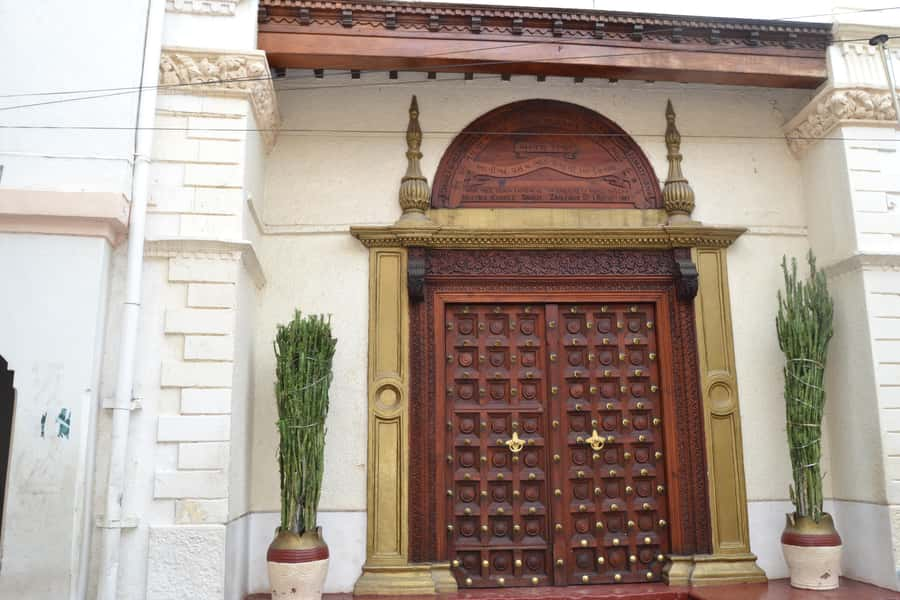
- Walk through Stone Town’s narrow lanes, where carved Zanzibar doors, balconies, old houses, and small shops tell stories that a map cannot.
- Visit the former slave market and Anglican Cathedral, an essential but difficult stop that explains a painful part of East African history.
- Explore Darajani Market, with fish, meat, fruit, vegetables, spices, coffee, and local shopping.
- See major landmarks, including Sultan Palace, House of Wonders, Old Fort, Forodhani Garden, and Freddie Mercury’s birthplace.
- Enjoy a private, flexible format, with guides praised for clear English, French, humor, patience, and strong local knowledge.
- Pay $24 per person, with water and guiding included, while museum admission and transport beyond Stone Town cost extra.
Stone Town’s narrow lanes tell the real story
Stone Town is best understood on foot. Its old center is compact, but its lanes twist, narrow, widen, and suddenly open onto the sea or a small square. A private guide helps you notice what you would otherwise pass without a second glance: a heavy wooden door, a fading balcony, a carved detail above a doorway, or the remains of a building that once held far more power than it does today.
The town’s design reflects centuries of contact between Africa, Arabia, India, Portugal, and Europe. You will hear about Swahili life alongside the influence of sultans, merchants, colonial officials, missionaries, and sailors. Stone Town was declared a UNESCO World Heritage site in 2000, but its value is not only architectural. It is also a living town, with residents, markets, cafés, mosques, churches, souvenir stalls, and working streets.
I especially like the private format here. You are not tied to a large group’s pace, and you can ask why a building looks the way it does or pause when a market catches your eye. Several guides, including Khameez and Mau, are praised for explaining difficult subjects clearly and with humor. That matters in a place where the past can become either a dry list of dates or a shallow collection of photo stops.
The former slave market is the essential difficult stop
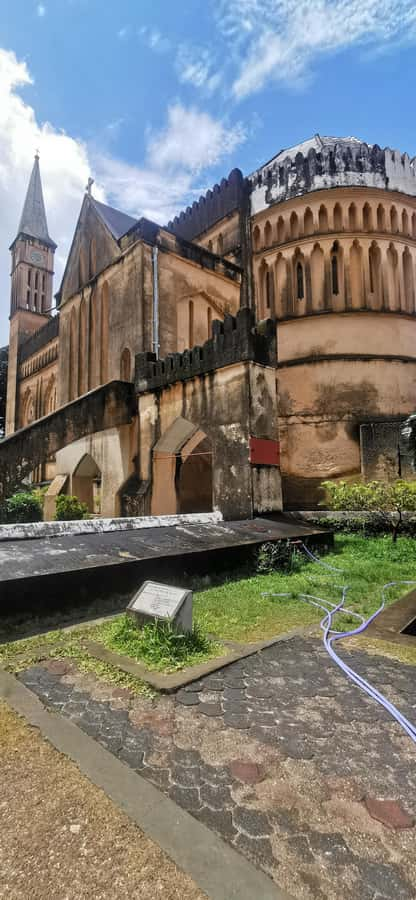
The former East African slave market, now associated with the Anglican Cathedral, gives the tour its emotional weight. This is not a light sightseeing stop, and it should not be treated as one. The site traces the slave trade that operated through Zanzibar and the wider East African coast, helping you understand how the island’s commercial power was tied to human suffering.
Expect a serious visit. You may have time to look around and read the displays, but the exact access can change. One recent tour had to skip the site because it was closed during election-related disruption, so I would treat this stop as important but not absolutely guaranteed.
A good guide can help place the site in context without turning the experience into a lecture. Khameez is often praised for clear storytelling, while Mau and Kassim are also described as patient and willing to answer questions. The subject is painful, yet it is central to understanding Zanzibar. If you have only a short time in Stone Town, I would choose this over another generic viewpoint.
More Market Walking Tours in the world:
- Bangkok: City Highlights Temple and Market Walking Tour
★ 4.5 · 3,990 reviews - Tokyo Tsukiji Fish Market Food and Culture Walking Tour
★ 5.0 · 3,184 reviews - Marrakech: Ben Youssef, Secret Garden, & Souks Walking Tour
★ 4.6 · 2,802 reviews
Darajani Market brings Stone Town down to street level
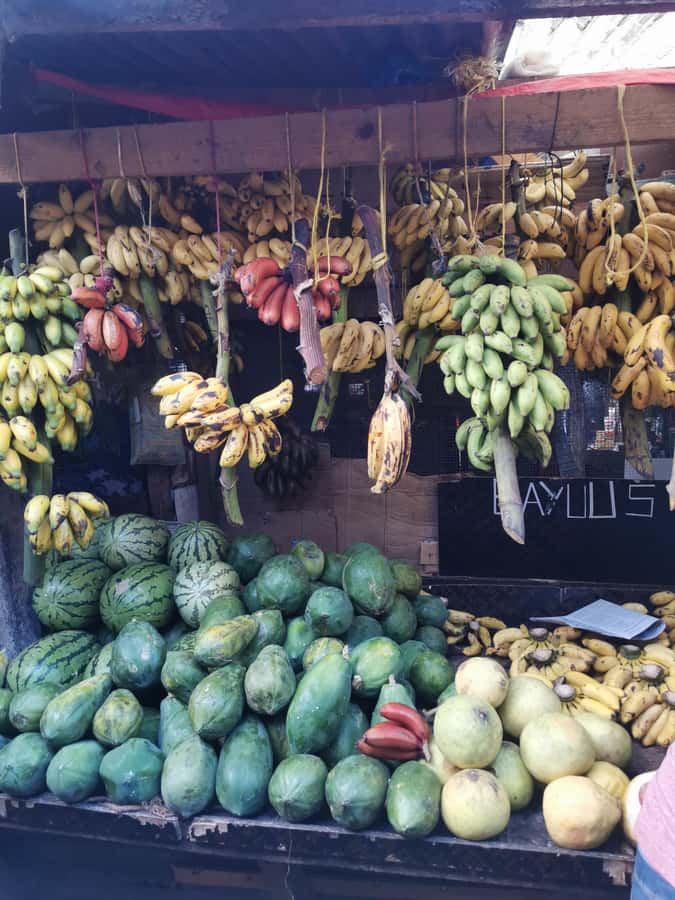
After the solemnity of the former slave market, Darajani Market offers a very different view of daily life. This is where the tour becomes sensory and practical. You may see fruit, vegetables, meat, fish, spices, coffee, and other goods used by local residents. The market can be crowded and visually intense, but that is part of its value.
The fish section and fresh catches from the Indian Ocean are among the more memorable parts of the visit. You can take photographs, look at local produce, and shop for spices or coffee. Be considerate around sellers and ask before taking close portraits. A market is a workplace first, not a stage set for visitors.
This is also a useful place to compare the polished Stone Town landmarks with the town people use every day. The tour does not keep you only around restored façades. It takes you into the practical center of the city, where the smells, sounds, and movement make Zanzibar feel present rather than preserved.
Some guides will help you find a particular item or steer you toward a suitable purchase. Anne Dominique’s guide took extra time to show a more distant section of the market after she asked for specific goods. That sort of flexibility is one of the better reasons to book a private walk instead of a fixed group route.
Coffee, local conversation, and a pause at Jaws Corner
A stop at Zanzibar Coffee House or the well-known Jaws Corner provides a welcome pause. The description includes time for a coffee, and one guest particularly enjoyed having coffee with locals at Jaws Corner. The break gives you a chance to sit down, cool off, and let the layers of Stone Town settle.
Do not expect this to be a formal tasting session. It is better understood as a chance to try a local coffee and see a social side of town. The exact café may depend on the route, timing, and guide. If coffee is not your thing, the stop may feel less important, but it can still break up three hours of walking.
I like this detail because it keeps the tour from becoming a parade of monuments. Stone Town is not only palaces and old forts. It is also where people meet, talk, drink coffee, work, and move through the day.
Sultan Palace explains the island’s ruling dynasty
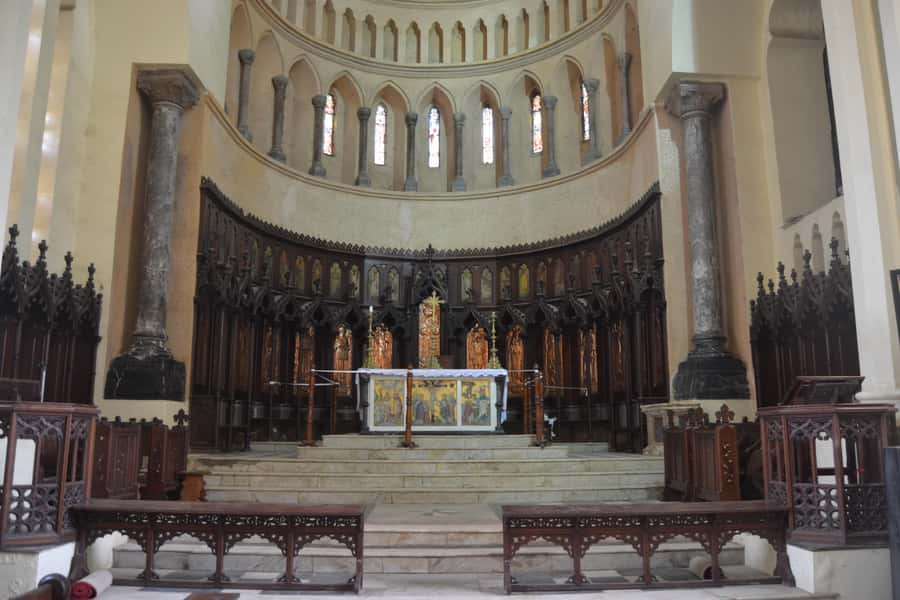
The Sultan Palace introduces the political side of Zanzibar. The palace complex helps explain the sultan dynasty and the role of Zanzibar as a major center of trade and power. Its scale and setting make more sense after you have walked through the narrower residential and commercial lanes.
Allow time for the setting and photographs, but keep expectations realistic. Parts of Stone Town are worn and weathered, and not every building has been fully restored. That decay is not automatically a failure of the tour. It is part of the present condition of the town, though it can disappoint anyone expecting a polished museum district.
A guide adds the most value here by connecting rooms, façades, and royal history to the wider story of the island. You can ask about the sultans, foreign influence, architecture, and the transition from royal power to modern Zanzibar. Kassim is noted for adapting the route to interests and timing, which is useful if the palace becomes a priority for you.
More Private Market Tours around the world:
- Cairo 8 Hour Private Tour of Pyramids, Egyptian Museum and Bazaar
★ 5.0 · 2,931 reviews - Private Excursion to Maeklong Railway and Floating Markets
★ 5.0 · 850 reviews - Floating and Railway Market (Optional Waterfall): Private Tour
★ 5.0 · 827 reviews - Cairo: Private Pyramids, Museum & Bazaar Tour with Lunch
★ 4.6 · 744 reviews
House of Wonders and Old Fort show Stone Town’s public face
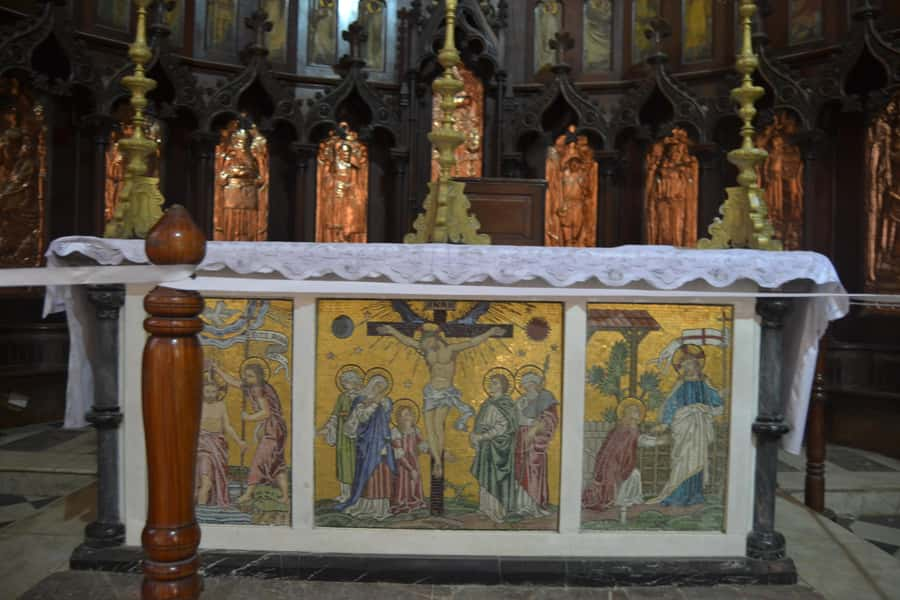
The House of Wonders, also called Bait el-Ajab, is one of Stone Town’s most recognizable landmarks. It was built as a ceremonial palace and is described as the tallest building in East Africa. Its name alone hints at the stories attached to it, and the outside makes a strong photo stop.
The condition of historic buildings can be uneven, so I would not judge the experience only by whether every interior is open or pristine. The guide’s explanation is what makes the stop worthwhile. You get a sense of how the building functioned, why it mattered, and how it fits into the story of Zanzibar’s rulers and public life.
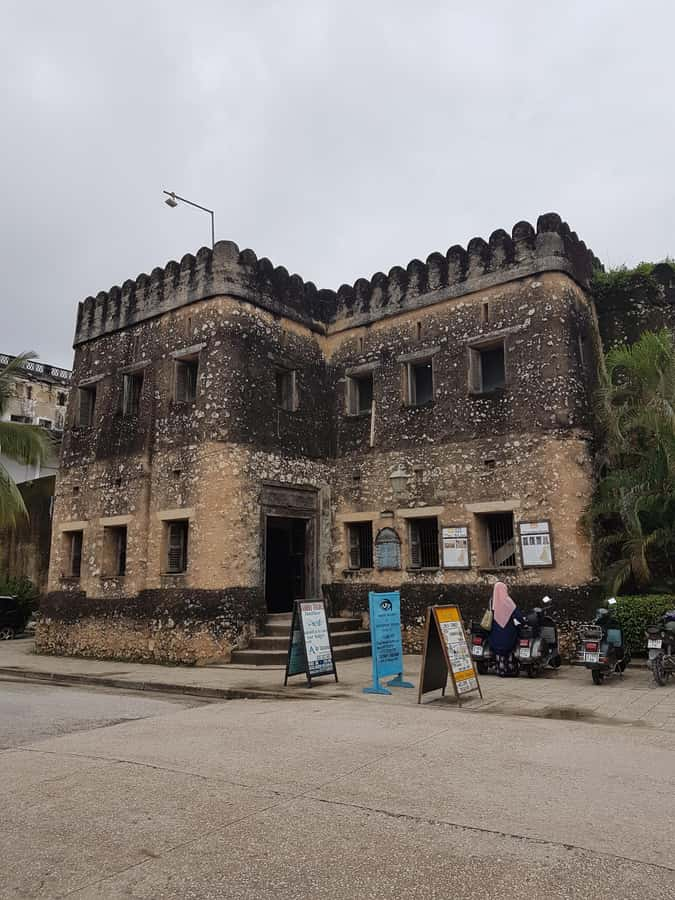
The Old Fort offers another shift in mood. This Portuguese-origin structure was later developed under Arab rule and has served several roles, including defense, a battle arena, and a former railway-related site. It is a sturdy reminder that Stone Town was not only a commercial center. It was also contested ground.
The fort is often easier to appreciate when you know what you are looking at. Without context, it can seem like a rough stone enclosure. With a guide, its changing uses make the structure more interesting.
Forodhani Garden is better as a later visit
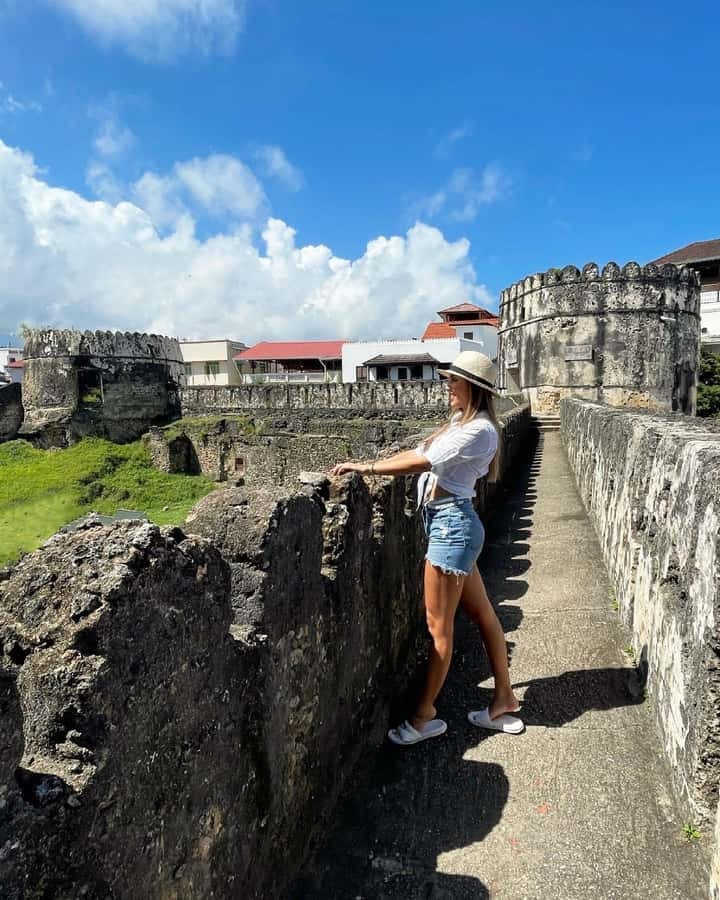
Forodhani Garden is famous as an evening food area, with grilled seafood, sugarcane juice, Zanzibar pizza, and other local dishes. On a daytime walking tour, you may see the setting before its evening food activity reaches full speed. If you plan to return later, the guide can help you understand what the area becomes after dark.
This is a useful distinction when planning your day. The tour can introduce you to Forodhani Garden, but it does not replace a separate evening food visit. Prices, food choices, and crowd levels are not specified, so I would ask your guide what is operating on the day before making a meal plan.
Freddie Mercury adds a modern, personal connection
Freddie Mercury was born in Zanzibar, and the tour passes his former home. This gives Stone Town a link to a much more recent and globally familiar story. You can hear about his early life and take photographs near the birthplace.
Admission to the Freddie Mercury Museum is not included and costs about $8 per person. The tour allows time to visit it, but you should decide if the extra fee fits your interests. If you are a Queen fan, it may be a highlight. If your main reason for visiting is architecture and older history, a photo stop may be enough.
The guide can also help place Freddie Mercury’s story within modern Zanzibar rather than treating it as a standalone celebrity stop. That mix of local, royal, colonial, religious, and popular culture is one of the tour’s strengths.
French Catholic Cathedral and the carved doors
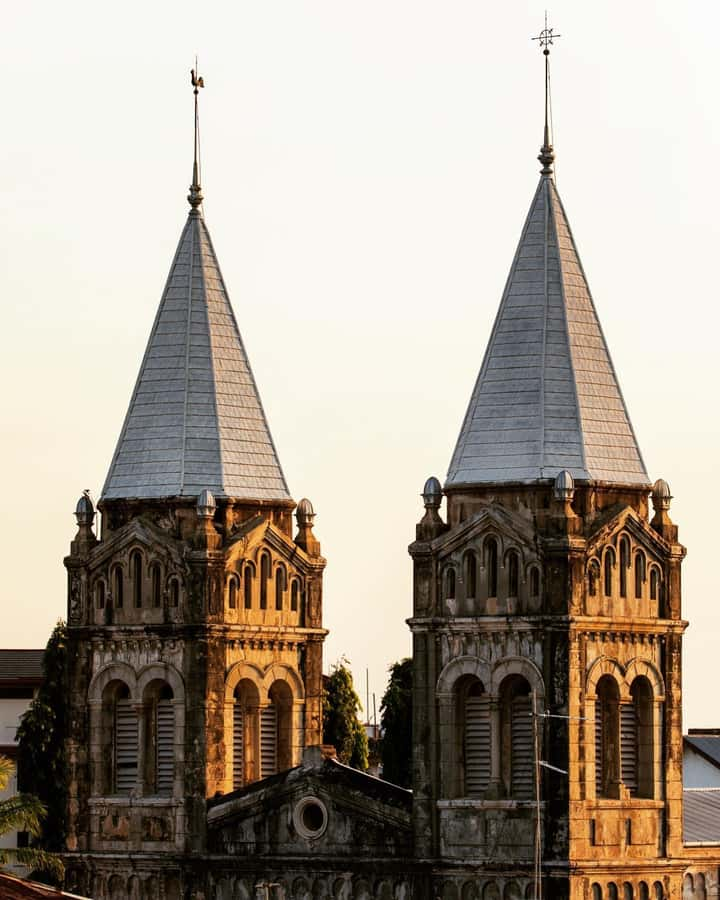
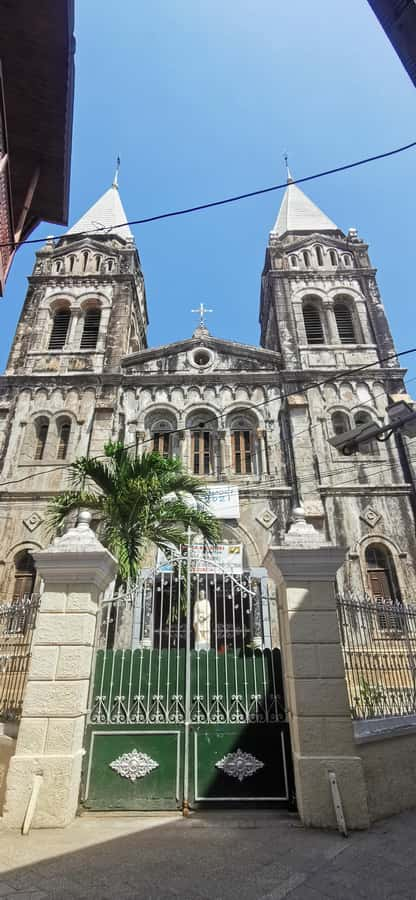
The French Catholic Cathedral, also known as Notre Dame of Zanzibar, brings another religious and architectural layer to the walk. It sits in the heart of Stone Town and is described as a carefully built church with its own stories. Its presence reflects the varied cultural and religious influences that shaped the old city.
The carved Zanzibar doors are a recurring feature of the route. Look closely at their size, metal studs, frames, and decorative work. They are not just attractive backdrops. They show wealth, status, craft, and outside influence. A guide can point out details that blend into the walls when you are walking alone.
The final part of the tour usually returns to the narrow streets, where you can browse souvenirs, boutiques, and small shops. This is the right time to buy something if you want a reminder of Zanzibar, although shopping can extend the route or reduce time at other stops. Tell your guide early if you want more market time.
How the three hours feel in practice
The published duration is three hours, but some tours have lasted around two hours, three and a half hours, or longer depending on stops and interests. That variation is not necessarily a problem, but you should confirm the starting time and desired route when you meet your guide.
You receive a bottle of mineral water, but bring more if you need regular hydration. The route involves substantial walking and is not suitable for people with back problems. Comfortable shoes, light clothing, sun protection, and a willingness to walk through crowded lanes will make the outing easier.
The tour is wheelchair accessible according to the activity details, but Stone Town’s narrow streets and old buildings can still vary in surface and access. If you use a wheelchair, make your needs clear when booking so the route can be discussed in advance.
Pickup is included from areas within Stone Town. Hotel transfer from outside Stone Town can be requested, but it is not part of the $24 price. The price includes the guide and water, while the former slave market admission costs about $10 and the Freddie Mercury Museum costs about $8.
At $24 per person, the tour offers good value if you want historical context and a planned introduction to the city. It is less attractive if you only want a short orientation and prefer to wander independently. The private format makes the price especially reasonable for couples, families, or small groups who want to shape the pace.
The booking terms are flexible: you can cancel up to 24 hours ahead for a full refund and reserve without paying immediately. Guides are available in English, German, French, Italian, Spanish, Arabic, Polish, Portuguese, and Chinese. English is repeatedly described as clear, while Khameez is noted for speaking French very well.
Which guide style suits you best
The guide makes more difference here than the official list of landmarks. Khameez is a strong choice if you want detailed explanations, clear language, warmth, and flexibility. Mau, also called Maulid, is praised for his humor, local pride, and ability to keep both adults and teenagers interested.
Kassim is a good fit if you want to adjust the timing, meeting place, route, or emphasis. Other guides, including Mao, Kasim, Sahin, Suleman, and Hassan, have also led highly praised walks. Names and availability can change, so you may not be able to request a particular person.
Families can manage this tour, especially with a guide willing to pause for an ice cream stop or adjust the pace. The route also works well for solo visitors because a private tour can feel more like walking with a local companion than joining a crowd. People who want a fast checklist of sights should say so early. People who want stories and questions should allow the guide room to talk.
Should you book this Stone Town walk?
I would book it if you have three hours in Zanzibar and want to understand more than the surface of Stone Town. The strongest parts are the former slave market, Darajani Market, the architecture, and the chance to ask a local guide about culture and daily life.
I would skip it only if you dislike walking, want a purely food-focused outing, or have already spent a full day with a guide in the old town. At $24 per person, it is a practical first look, especially for a first visit. Ask about the day’s route, confirm the pickup point, budget separately for the two paid attractions, and tell the guide whether history, shopping, coffee, architecture, or Freddie Mercury matters most to you.
FAQ
How long is the Stone Town walking tour?
The advertised duration is three hours. The actual walk may vary slightly depending on the route, stops, questions, shopping, and time spent at museums.
What does the $24 price include?
The price includes guiding services and one bottle of mineral water for each person during the tour.
Are museum and historic-site admission fees included?
No. Admission to the Freddie Mercury Museum costs about $8 per person, and entry to the former East Africa Slave Market costs about $10 per person.
Is hotel pickup included?
Free pickup is included from any area in Stone Town. Pickup from areas outside Stone Town can be requested, but it is not included as standard.
Which languages are available?
Guides may be available in German, English, French, Italian, Spanish, Arabic, Polish, Portuguese, and Chinese.
Is this a private tour?
Yes. The activity is arranged as a private group experience, so the route and pace can be adjusted to your interests and schedule.
Is the tour suitable for wheelchair users?
The activity is listed as wheelchair accessible. Because Stone Town has narrow old streets and historic buildings, discuss your specific access needs before the tour.
Can I cancel the booking?
You can cancel up to 24 hours in advance for a full refund. The activity also allows you to reserve now and pay later.
More three-hour market walks around the world
- Marrakech Monuments & Souks 3-Hour Tour
★ 3.8 · 1,540 reviews - Discover Palermo in 3 hours. Art, history, markets and street food
★ 5.0 · 352 reviews - 3h Private Walking Tour in Tangier Kasbah Medina & Colorful Souks
★ 5.0 · 148 reviews - Marrakech: 3-Hour Monuments, Souks & Old Medina Walking Tour
★ 4.7 · 133 reviews
New market tours around the world
- Tel Aviv: 2-Hour Carmel Market Tour in English with Lunch★ 4.8 · 23 reviews
- Tel Aviv: Carmel Market & Neighborhood Guided Walking Tour★ 4.7 · 3 reviews
- Tel Aviv: 2-Hour Jaffa Flea Market Tour with Tastings★ 4.9 · 8 reviews
- Tel Aviv: Carmel Market Food Tasting Tour “Shuk Hacarmel”★ 4.0 · 8 reviews
- Tel Aviv: 2-Hour Levinsky Market Tour with Full Lunch★ 4.7 · 10 reviews
- Tbilisi 2 Parks: Turtle Lake & Dedaena Park with Flea Market★ 5.0 · 3 reviews
- Tbilisi: Street Food & Sightseeing Tour with Local Markets★ 5.0 · 8 reviews
- Teguise: Market and César Manrique Foundation Tour★ 4.3 · 39 reviews