
Review · NEW DELHI
Old Delhi Temples and Spice Market Tour
Old Delhi reveals itself in layers: first through the scent of cardamom, chilies, and dry fruit at Khari Baoli, then through temples, wedding shops, Mughal-era streets, and a Sikh kitchen feeding people for free. This is not a polished sightseeing circuit. It is a close-up look at the city’s working heart.
I like the way the tour uses the metro, tuk tuk, and walking instead of keeping you behind a car window. I also like the final stop at Sis Ganj Gurudwara, where Vijay Kumar explains Sikh beliefs and the community kitchen’s daily work. The main consideration is comfort: crowded lanes, rough walking surfaces, traffic, and short tuk tuk rides make this a poor choice if you have back trouble or motion sickness.
Key points to know before you book
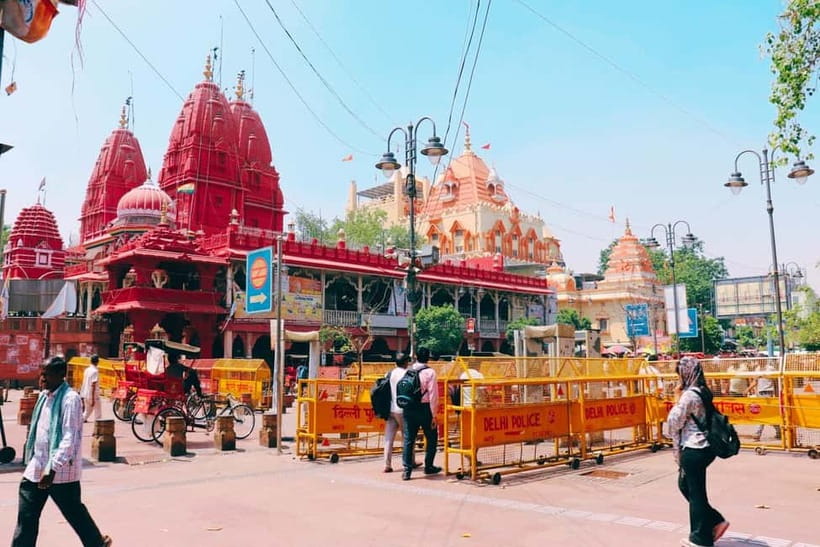
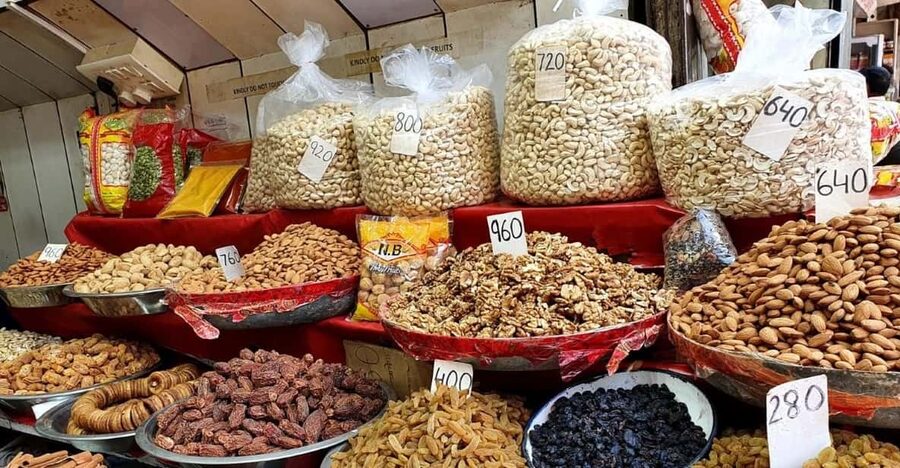
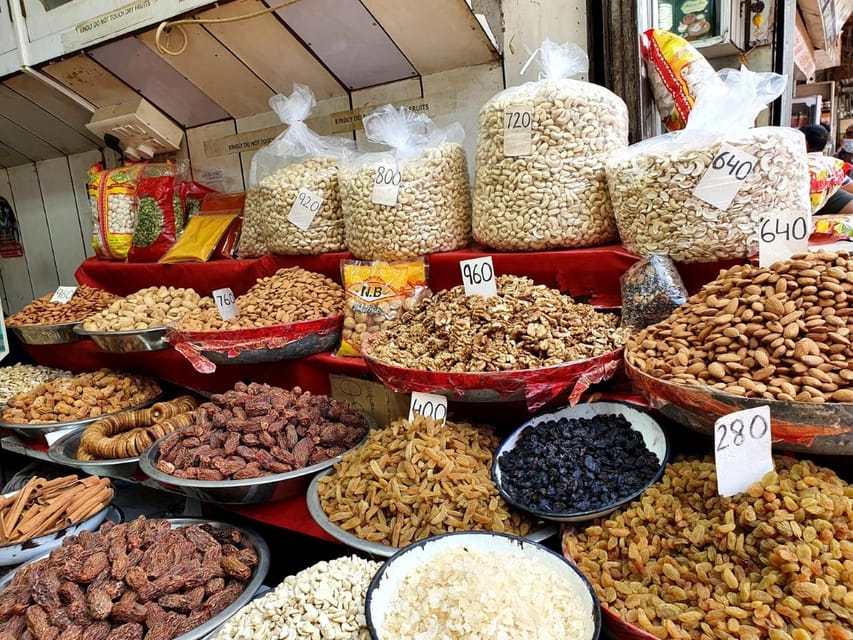
- Khari Baoli is the sensory high point: Asia’s largest wholesale spice market brings sacks, shopfronts, aromas, and constant movement into one tight area.
- Vijay Kumar leads the English tour: He is described as calm, courteous, flexible, and careful about giving people time for photos and brief stops.
- The transport is part of the experience: Your route uses the Delhi Metro, tuk tuk, and walking rather than one private vehicle.
- The Red Fort is viewed from outside: You learn about its Mughal role, but this tour does not include an interior visit.
- The Sikh temple offers more than sightseeing: You learn about Sikhism and see the free kitchen that feeds thousands of people.
- The $22 price covers movement and guiding: Metro tickets, tuk tuk fare, water, and an English-speaking guide are included, but food and drinks are not.
Why this Old Delhi route works
Old Delhi was founded as the Mughal Empire’s capital in 1639. Today, it is noisy, crowded, commercial, religious, and intensely local. In a single short tour, you move from wholesale spices to Mughal architecture, Jain worship, bridal shopping, and Sikh service.
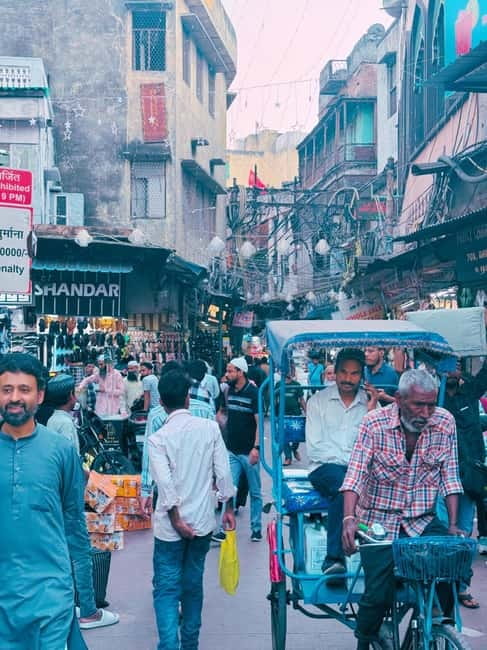
That mix is the real reason to choose this outing. You are not simply ticking off monuments. You are watching how different communities use the same dense city center. A lane may carry spice sacks in one direction, shoppers in another, and worshippers toward a temple entrance.
The route begins at Rajiv Chowk Metro Station, Gate 2, unless you select an option with pickup. Connaught Place is a useful starting point because the metro ride gives you a quick transition from modern central Delhi to Old Delhi. The ride takes about 25 minutes, and your metro ticket is included.
From there, the tour relies on tuk tuk rides and walking. That saves time in a district where roads can be clogged, but it also means you should expect noise, jolts, and very little personal space. Wear shoes that can handle uneven pavement, and keep your belongings close.
More Spice Market and Bazaar Tours around India:
- Old Delhi Food-Spice Market-Temples Tour Soon Featured on NETFLIX
★ 5.0 · 304 reviews - Old Delhi Odyssey: A Tour of Religion, Spice Market, & Best Food
★ 5.0 · 284 reviews - Agra: Street Food Walking Tour, Spice Market, & Tuk-tuk Ride
★ 4.9 · 102 reviews
Khari Baoli, where Old Delhi smells like spice
Khari Baoli is the first major stop and one of the most memorable. It is known as Asia’s largest wholesale spice market, and the scale matters. This is not a small market arranged for sightseeing. It is a working trade district, with shops and goods packed into narrow lanes.
You might see sacks and displays of spices, dry goods, and other market products. The air can carry several smells at once, from warm spices to dusty burlap. That sensory rush tells you more about Old Delhi’s daily economy than a quiet museum display could.
The tour description also refers to the Chawri Bazar spice market. These names can feel confusing because Chawri Bazar and Khari Baoli are nearby parts of Old Delhi’s market district. Your guide helps connect the streets and explain what you are seeing.
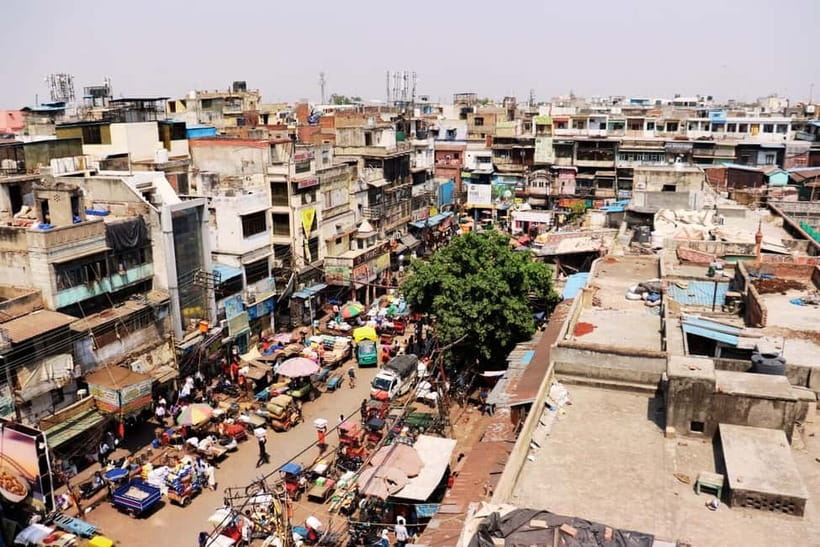
A rooftop view follows the spice-market visit. This is a valuable pause because ground-level Old Delhi can feel compressed. From above, you get a wider sense of the rooftops, lanes, and dense city blocks. It also gives you a better chance to take photographs without stopping in the middle of a crowded lane.
You may be offered a chance to buy spices. That is optional, and the tour does not require you to shop. I would treat this as a chance to look and smell first, then buy only if you know what you want and feel comfortable with the price.
Fatehpuri Mosque and the Mughal setting
Fatehpuri Masjid is reached by tuk tuk and receives about 30 minutes for a photo stop, visit, guided explanation, sightseeing, and possible shopping. The mosque helps place the market district in its Mughal setting.
The guide explains the mosque’s significance and the role of the surrounding area. The stop is not just a quick photograph. It gives you a chance to connect the crowded commercial streets with the imperial city created in the seventeenth century.
The Red Fort is viewed from the exterior rather than entered. This matters if you are hoping to explore palace buildings and courtyards, because that is not part of this particular experience. You do, however, get an explanation of the fort’s importance and a look at one of Old Delhi’s defining landmarks.
Vijay has also been flexible about adding a little extra Red Fort discussion when time allows. That sort of adjustment can make the difference between a route that feels rushed and one that responds to your interests. Still, the tour lasts only 2.5 hours, so do not expect a full fort visit or a long architectural lecture.
Jain Temple and the unexpected narrow lanes
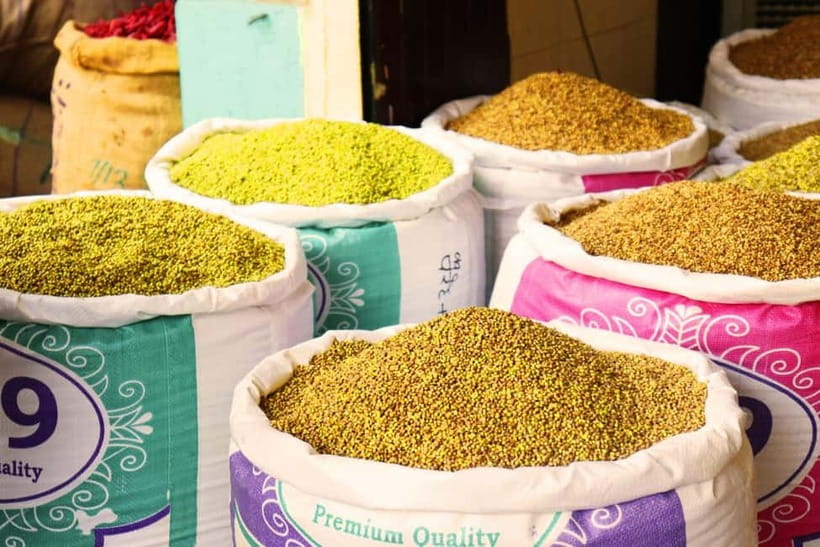
The Shri Digambar Jain Atishay Kshetra Lal Mandir is another important change of mood. After the open market energy and Mughal landmarks, the Jain temple introduces a different religious tradition and a quieter focus.
You have about 20 minutes here for a guided visit, sightseeing, photographs, and walking. The setting includes temple spaces and narrow passages that may surprise you. One particularly unusual feature is the mention of Jain tunnels and nearby shops, which adds a less obvious layer to the stop.
Your guide can help explain what you are seeing rather than leaving you to guess at symbols or customs. As with any religious site, follow instructions about where to walk, when to remove shoes if required, and whether photography is permitted.
The stop is brief, so think of it as an introduction rather than a full study of Jainism. That is not a flaw if you want variety. It would be limiting only if the temple is your main reason for booking.
More market tours around India:
- Mumbai: Street Food and Night Markets Tour
★ 4.9 · 719 reviews - Private Heritage Walking Tour in Jaisalmer Fort and Old Bazaar
★ 5.0 · 306 reviews - Jaipur Bazaar & Food Walking Tour
★ 5.0 · 281 reviews - Mumbai Street Food & Night Markets
★ 5.0 · 225 reviews
Kinaari Bazaar and the business of celebration
Kinaari Bazaar gives you a look at a different kind of Old Delhi commerce. It is associated with wedding goods, trims, decorations, and ceremonial shopping. The market can feel packed, colorful, and highly specialized.
This is where the tour moves beyond famous monuments. You see the commercial systems that support family celebrations and religious occasions. Shop displays, fabrics, decorations, and narrow lanes tell a more ordinary story than grand imperial buildings do.
The planned visit lasts about 30 minutes, with a guided walk. Your guide can point out the difference between simply passing through a market and understanding what its goods are used for.
Shopping is possible, but it is not compulsory. Keep the purpose of the stop in mind. If you want time to bargain and compare several purchases, 30 minutes may feel short. If you want a quick look at a market most sightseeing routes skip, the timing works well.
Sis Ganj Gurudwara and the free kitchen
The final major stop is Sis Ganj Gurudwara, also called Sis Ganj Guru Dwara in the schedule. This is the emotional center of the route for many people, not because it is the grandest building, but because it links religion with direct public service.
Here, Vijay explains Sikhism and the difficult parts of Delhi’s religious past. You also learn about the community kitchen, known as a langar, which provides free meals to thousands of people. The focus is on service and shared food, not on a paid attraction.
This is a place where respectful behavior matters. Dress modestly, listen to instructions, and be ready to remove your shoes if asked. The tour includes a guided visit and sightseeing, but it does not list food as an included part of the experience.
I value this stop because it gives the tour a human purpose. The spice market shows commerce. The Red Fort shows imperial power. The Jain temple shows religious practice. The Gurudwara shows organized service in action.
Metro, tuk tuk, and walking: what the pace feels like
The transport plan is practical and entertaining, but it is not especially restful. You take the metro for about 25 minutes, then use tuk tuks for roughly 20 minutes on parts of the route. You also walk through markets and temple areas.
The tuk tuk rides help you cover ground, yet they can be bumpy. The lanes may be crowded, and traffic adds noise and sudden stops. If you get motion sickness, have back problems, or dislike jolting rides, take the restrictions seriously.
The route is not suitable for wheelchair users, babies under one year, or people over 95 years old. That does not mean other older adults cannot enjoy it, but the walking, traffic, and uneven urban setting require reasonable mobility.
Bring water, though packaged water is included. Food and drinks are not included, so eat beforehand or plan to purchase something separately. The tour is short enough that you will not need to build your whole day around meals, but hunger can make a crowded market feel harder.
What the $22 price really covers
At $22 per person, this is a strong value if you want transport, a local guide, and a compact introduction to several parts of Old Delhi. The price includes metro tickets, tuk tuk fare, packaged water, and an English-speaking guide.
That matters in Delhi, where arranging several short rides and finding the right market lanes on your own can take time. You are paying less for entry tickets than for navigation, context, and a sensible route through a complicated district.
There are limits. Food, drinks, and shopping are extra. The Red Fort is seen from outside, and the tour does not promise entry tickets to major monuments. You also spend only about 20 to 30 minutes at most stops, so this is a sampler rather than a slow, specialist tour.
For a first taste of Old Delhi, I think the balance is good. If you prefer private transport, quiet streets, long museum visits, or detailed architectural study, you may find the format too quick and crowded.
The guide can shape the whole experience
Vijay Kumar is the named guide for this experience. The strongest praise centers on his manner: calm, courteous, flexible, and attentive to photographs and spontaneous interests.
That matters here because Old Delhi requires active navigation. A guide who can move you through traffic, explain the sudden changes in setting, and keep the group together is more useful than someone who simply recites dates.
The tour is conducted in English. Vijay has also been described as careful with research and able to explain the history and religious background of the places visited. You should still expect a practical walking tour, not a university lecture.
His flexibility is useful, but time remains limited. If you stop often for photos or spend longer shopping, another stop may receive less attention. Tell him early what interests you most, especially if the Red Fort, religious sites, or markets are your priority.
Who should book this tour
I would choose this for a first visit to Delhi when you want to understand how Old Delhi works, not just photograph its famous buildings. It suits people who enjoy street scenes, religious sites, local markets, and short bursts of history.
It is also a good option if you are staying near central Delhi and want a half-day activity without arranging several forms of transport yourself. The Rajiv Chowk meeting point is clear, and an optional pickup may be available depending on the booking choice.
You should think twice if you need a slow pace or have trouble with crowded streets, tuk tuk movement, or extended walking. The tour is not designed for wheelchair users, people with back problems, or those prone to motion sickness.
Free cancellation up to 24 hours before the start and reserve-now, pay-later booking make it easier to fit into a changing Delhi schedule. Check the available starting time before booking, since the exact departure varies.
Should you book the Old Delhi Temples and Spice Market Tour?
Book it if you want a compact, active introduction to Old Delhi with real markets, several faith traditions, and transport that keeps the route moving. The best parts are Khari Baoli, the rooftop view, Kinaari Bazaar, and the Sikh kitchen at Sis Ganj Gurudwara.
Skip it if you want to enter the Red Fort, spend an hour at each temple, or avoid tight lanes and tuk tuk rides. At $22, the tour offers good value for context and navigation, especially with Vijay Kumar, but its strength is breadth and local atmosphere rather than depth at any single monument.
FAQ
Where does the tour meet?
The standard meeting point is Rajiv Chowk Metro Station at Gate 2. Pickup may be available with selected options.
How long does the tour last?
The tour lasts 2.5 hours.
What language is the tour conducted in?
The live tour guide speaks English.
Is the metro ride included?
Yes. The metro ticket is included in the tour price.
Are tuk tuk fares included?
Yes. Tuk tuk fare is included.
Is food included?
No. Food and drinks are not included. Packaged water is provided.
Does the tour enter the Red Fort?
The tour views the Red Fort from the exterior and explains its significance. An interior visit is not included.
Is shopping required at the markets?
No. Shopping is optional, including the opportunity to buy spices.
Who should not join this activity?
The tour is not suitable for people with back problems, wheelchair users, people with motion sickness, babies under one year, or people over 95 years old.
New market tours around India
- Mumbai: Local Markets & Temples Tour★ 4.6 · 45 reviews
- Old Delhi: Spices, Heritage and Bazaars Walking Tour★ 5.0 · 173 reviews
- Old Delhi Street Food and Spice Market Tour★ 5.0 · 12 reviews
- Old Delhi: Khari Bawli – Asia’s Largest Spice Market★ 5.0 · 3 reviews
- Night Tour: Mumbai’s Nights & Buzzing Bazaars★ 5.0 · 7 reviews
- Mysore: Palace, Art Gallery & Devaraja Market Walking Tour★ 5.0 · 7 reviews
- Mumbai:Dhobi Ghat Laundry,Dharavi Slum & Flower market Tour★ 5.0 · 12 reviews
- Mumbai Morning Market Tour of Flowers, Fish, and More★ 5.0 · 100 reviews
New Delhi Market Tours, side by side.

Old Delhi Food-Spice Market-Temples Tour Soon Featured on NETFLIX
Read our review →Old Delhi Odyssey: A Tour of Religion, Spice Market, & Best Food
Read our review →
Old Delhi: Spices, Heritage and Bazaars Walking Tour
Read our review →
Spice Knight (Cooking Class -> Meal -> Local Market walk)
Read our review →
New Delhi: Traditional Indian Cooking Class & Market Visit
Read our review →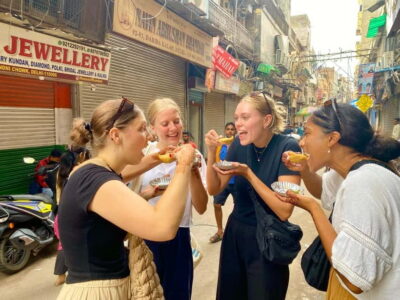
Delhi: Old Delhi’s Street Food, Temples & Spice Market Tour
Read our review →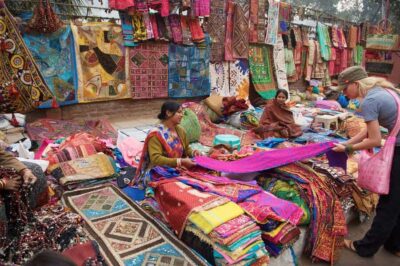
Delhi Markets: A Cultural Shopping Experience with an Expert
Read our review →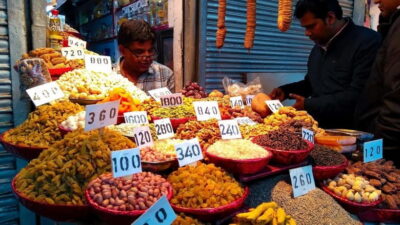
Old Delhi: Khari Bawli – Asia’s Largest Spice Market
Read our review →This tour also appears in