
Review · JAPAN
Osaka: Wakayama Cat Train, Seafood market, Hot Springs Tour
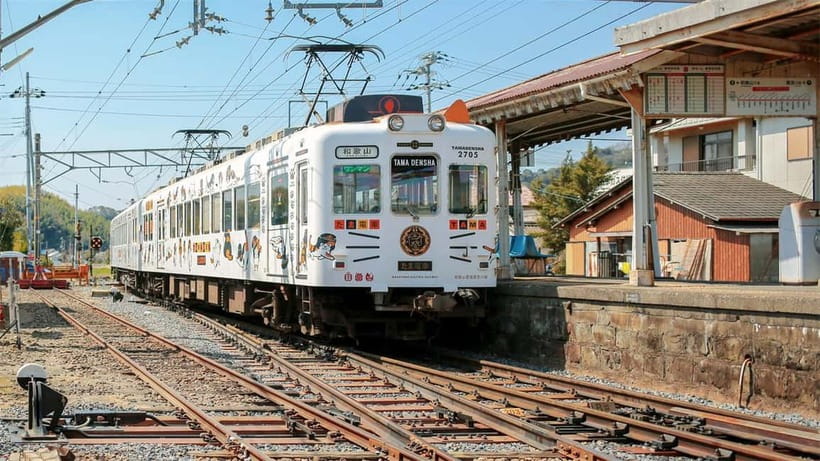
The most unusual part of this day is the little railway line leading to Kishi Station, a cat-faced country stop where a calico cat named Tama became an unlikely local hero. You will ride one of three cat-themed trains, then move on to a giant seafood market and the Pacific coast. It is a full day, but it packs several very different Japanese experiences into one outing.
I like the combination of Tama’s gentle local story and the live tuna-cutting show at Toretore Market. I also like that your guide handles the long roads from Osaka, with guide Tiger earning especially strong praise for clear updates, careful organization, and helpful food advice. The main drawback is time: about 10 hours on the road, with only a short cat-train ride and a schedule that can feel rushed at busy stops.
Key points to know before you book
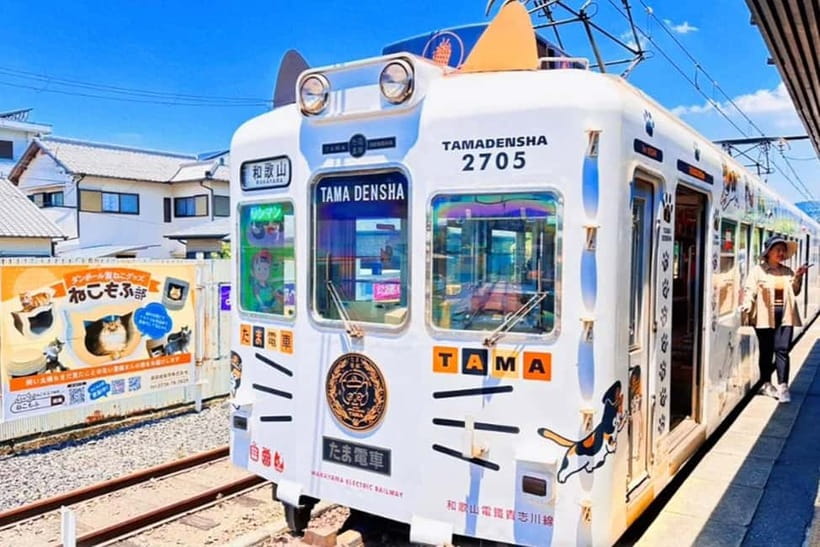
- Kishi Station has a real local story: Tama helped save a rural railway from closure, and Nitama now continues the stationmaster tradition.
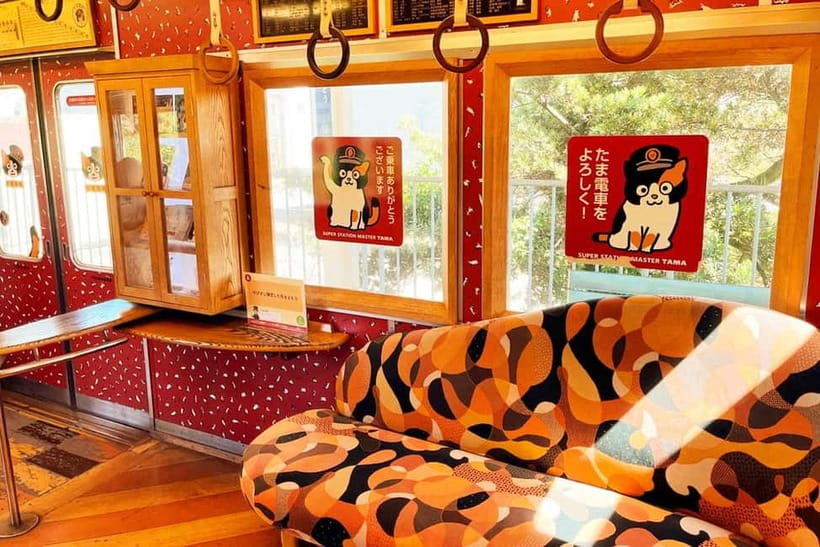
- The cat train depends on the day: You may ride the Tama Train, Strawberry Train, or Toy Train.
- Toretore Market is the food center of the day: Lunch is not included, but you can buy seafood, eat on site, and watch a tuna-cutting demonstration if timing allows.
- Shirahama gives you sea views and hot springs: The optional Toretore Onsen adds a traditional bathing stop, though tattoos may restrict entry.
- The coastal stops are dramatic but brief: Senjojiki and Sandanbeki each receive about 30 minutes, enough for photos and a walk, not a long coastal outing.
- The $83 price covers the awkward parts: Round-trip bus transport, fuel, tolls, parking, guide service, and the cat-themed train are included.
Why this Wakayama day trip works
Wakayama is close enough to Osaka for a day trip, yet it feels different almost at once. The city gives way to smaller towns, citrus-growing areas, railway stops, fishing ports, and the open Pacific. Public transport can reach some of these places, but connecting Kishi, Shirahama, Toretore Market, and the cliffs in one day takes planning.
That is where this tour earns its price. At $83 per person, you are paying for a long air-conditioned bus ride, an English, Japanese, or Chinese-speaking guide, the train ticket, and the practical costs of getting around. Lunch, the hot spring, and Sandanbeki Cave admission are extra, but the main transport is covered.
I would not call this a slow, restful day. It is a sightseeing circuit, and the bus ride from Osaka takes roughly 1.5 hours before the first main stop. The return journey takes about 2.5 hours, with an estimated Osaka arrival around 6:40 p.m. Traffic can change the order or shorten stops, especially on weekends, holidays, and peak travel dates.
More Fish Market Tours around Japan:
- Tokyo Tsukiji Fish Market Food and Culture Walking Tour
★ 5.0 · 3,184 reviews - Tokyo: Tsukiji Fish Market Food and Walking tour
★ 5.0 · 1,724 reviews - Tokyo: Tsukiji Fish Market Guided Walking Tour
★ 4.9 · 1,397 reviews
Meeting at Nipponbashi and getting on the road
The meeting point is Nipponbashi Station Exit 2, near the Namba and Shinsaibashi area, at 8:30 a.m. Use the address 1-chōme-3-6 Nipponbashi, Chuo Ward, Osaka, and arrive at least 15 minutes early. This is important: several tour groups may gather around the same area, and late arrivals are not refunded.
You receive the final details by email the evening before, including the guide, driver, vehicle, and meeting information. The vehicle depends on group size. Reports from the road point to comfortable, spacious coaches and a careful driver, but you should still expect a substantial amount of sitting.
Bring comfortable shoes, a camera, and cash. Food is not allowed inside the vehicle, so plan to eat during the market stop rather than carrying lunch aboard.
Kishi Station and the Tama railway story

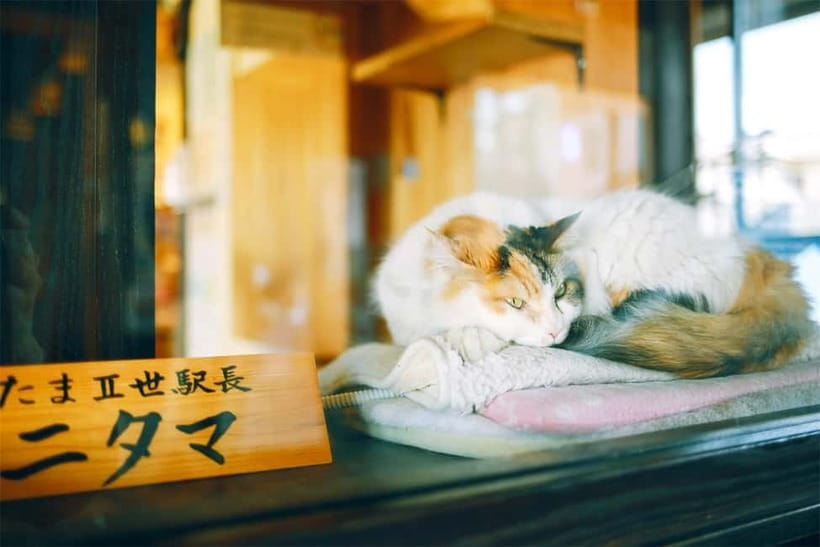
Kishi Station is the emotional centerpiece of the morning. The building is shaped like a cat’s face, and the station became famous because of Tama, a calico cat who greeted passengers and helped draw attention to a railway line that was close to shutting down.
This is more than a cute photo stop. Tama’s story shows how a small local railway used charm and community identity to bring attention to an otherwise easy-to-miss corner of Wakayama. The station’s cat theme is playful, but the reason it matters is quite practical: a tiny rural stop became a reason for people to visit.
Today, Nitama, or Second Tama, carries on the stationmaster role. You can look around the cat-themed café, browse the Tama Shop, collect cat stamps, and find local souvenirs. The station is compact, so do not expect a large museum or a long formal presentation. Its appeal is in the details: the architecture, the railway setting, and the story behind the cat decorations.
The cat train is one of three designs: the Tama Train, Strawberry Train, or Toy Train. The exact train changes according to the day’s service. That means you should enjoy the theme rather than book this expecting one specific carriage.
The actual cat-themed ride is described as about 15 minutes, while the broader rail portion in the schedule takes longer. Either way, keep your expectations sensible. This is a short, whimsical railway experience, not an extended scenic rail journey. One visitor wanted more from the cat train, and that is a fair warning for anyone booking mainly for the ride itself.
Toretore Market and the tuna-cutting show
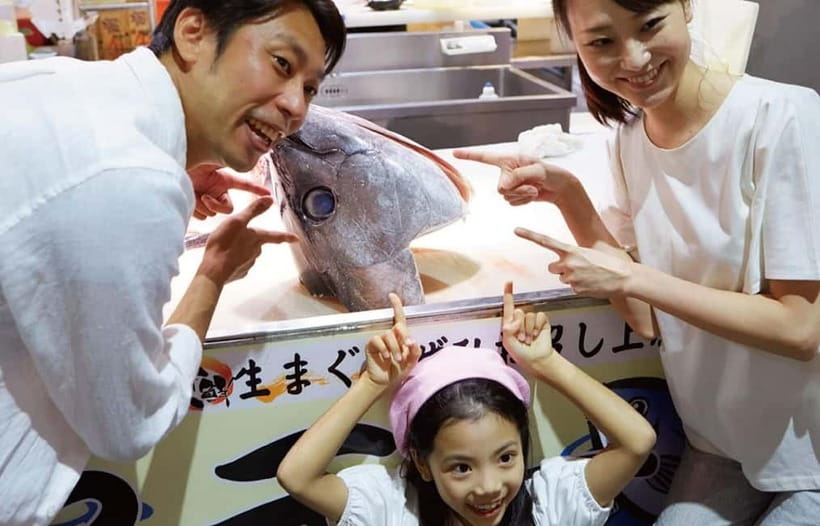
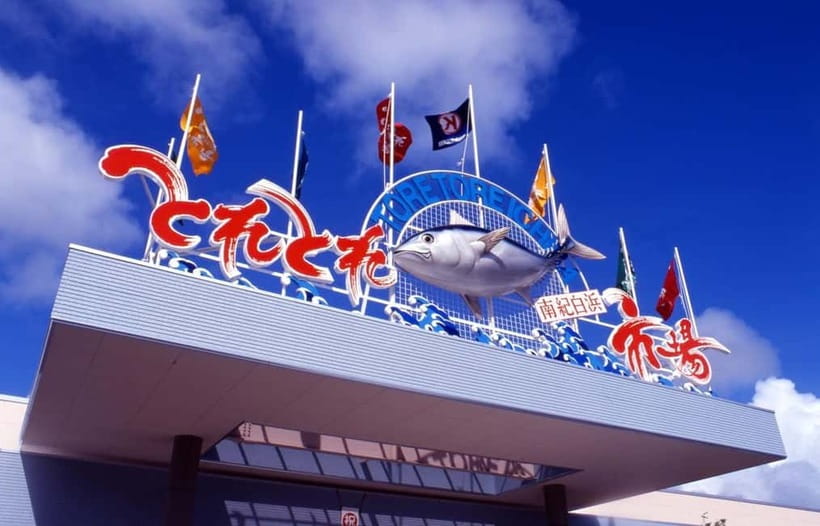
After Kishi Station, the tour heads to Toretore Ichiba, described as the largest seafood market in western Japan. This is where the day becomes much more useful for your appetite.
You get roughly two hours for the market, guided sightseeing, and lunch. The selection includes tuna sashimi bowls, grilled fish, octopus rice, and other seafood dishes. Some areas let you buy seafood to eat at barbecue tables, so you can choose between a prepared meal and a more hands-on market lunch. Prices and choices are your responsibility, so carry cash and leave room in your budget.
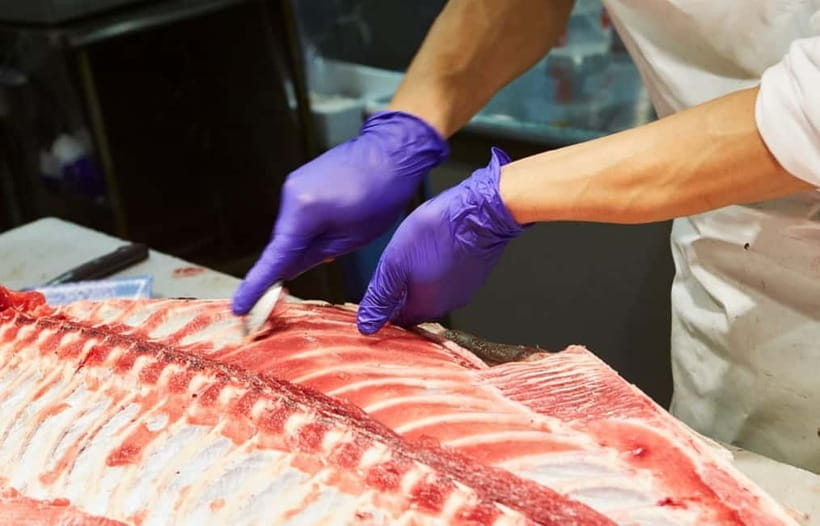
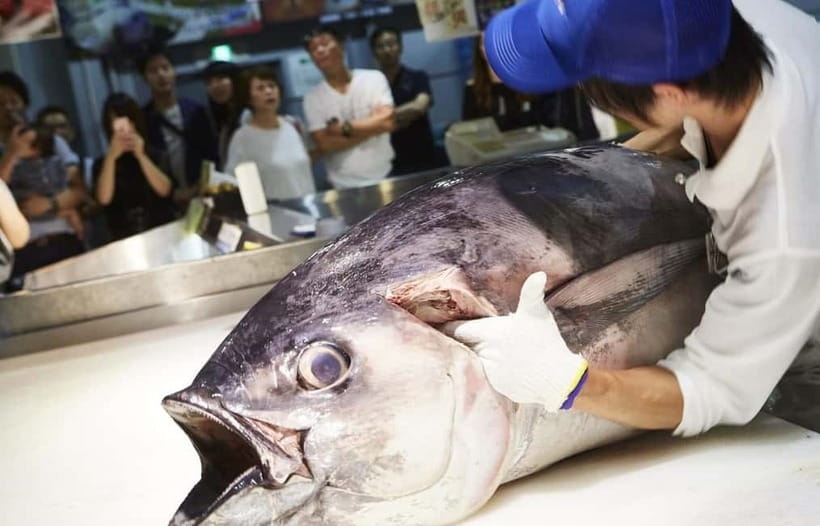
The tuna-cutting show is the market’s most memorable scheduled sight. A large tuna is broken down in front of you while the presenter explains the fish’s anatomy and the cuts being made. The work is quick and precise, and it gives you a better sense of how the fish served in Japanese restaurants is prepared.
The show runs two or three times a day, but the exact time changes. It can also be canceled because of weather or other special circumstances. Treat it as a welcome possibility, not a guarantee. If seeing it matters to you, ask your guide about the timing as soon as you arrive.
The market also has a souvenir area with seasoned seafood, packaged foods, and local gifts. I would save a little time for this, but do not let shopping replace lunch. Two hours sounds generous until you find a meal, watch the show, browse the stalls, and try to regroup with the bus.
More spa stops around Japan:
- Active Volcano, Rice Field, Hot Spring, Fruit market, Tea Plantation with Lunch
★ 5.0 · 513 reviews - Seoul: Sokcho beach, market, hot spring and Seorak Cable Car
★ 4.8 · 5 reviews
Toretore Onsen and the practical bathing question
The optional hot spring stop adds a traditional Japanese bath to the day. Toretore Onsen in Shirahama has more than 1,300 years of history and is linked with old Japanese texts and imperial visits. The spring water is described as sodium bicarbonate water, known for a smooth feel, and the facility includes a salt-stone bedrock bath.
This is a good choice if you enjoy Japanese bathing culture and want a break after the market. It is less suitable if you dislike communal bathing, do not have time to change, or would rather spend the daylight at the coast.
The admission is not included, so bring cash. Also note the tattoo policy. Entry may be restricted if you have tattoos, so check with the operator or your guide before counting on the bath.
Because this is a sightseeing day with several stops, do not expect a long spa visit. The hot spring is an optional addition within a packed schedule, not a full wellness retreat.
Senjojiki: broad rock shelves above the Pacific
Senjojiki means something like a thousand tatami mats, a name that refers to the broad layers of rock spread beside the sea. Here you walk over large slabs facing the Pacific and look across a powerful coastal setting.
The stop is scheduled for about 30 minutes. That gives you enough time to step onto the rocks, take photographs, and enjoy the sea air. If the timing lines up with sunset, the view can be especially striking, but traffic and the day’s running order determine when you arrive.
Wear shoes with a firm grip. The rock surface is uneven, and comfortable footwear matters throughout the tour. Stay aware of the edge and changing conditions. This is a natural viewpoint, not a landscaped park with a long, level path.
Senjojiki is also a useful counterpoint to the morning’s indoor and railway stops. After the cat station and seafood market, you get open space, wind, and a sense of Wakayama’s Pacific coast.
Sandanbeki Cave and the pirate stories
Sandanbeki is another coastal stop, with cliffs and sea-level caves reached by an elevator that descends 36 meters. The caves were once associated with Heian-era pirates, and displays recreate parts of that story. Natural erosion has also shaped the rock formations inside.
Admission is optional and not included. If you pay to enter, the cave gives you a closer look at the coast than the viewpoint above. If you skip it, you can still enjoy the cliffs and take photographs, but you will miss the underground exhibits and the elevator descent.
Like Senjojiki, this stop lasts about 30 minutes. That is enough for a quick visit, but not for lingering over every display. If the tour is running late, the guide may adjust the order or shorten the time at stops. Keep your ticket decision in mind before you arrive, since a short stop leaves little room for hesitation.
The guide can shape the day
The tour is offered in English, Japanese, and Chinese. Guide Tiger receives particularly strong praise for organization, communication, and personal help at the market. He has used WhatsApp updates, explained each stop clearly, kept track of the group, and offered restaurant suggestions for the evening.
That matters on a day with several moving parts. At the market, a good guide can point you toward the best use of your lunch time and explain what you are seeing. At Kishi Station, the Tama story is more meaningful when you understand why the railway needed attention. At the coast, clear meeting instructions help prevent a beautiful viewpoint from becoming a stressful one.
The guide assigned to your date may differ, so do not assume Tiger will lead every departure. Still, the multilingual format and included guide service are valuable, especially if you do not speak Japanese.
Who should book this 10-hour outing?
I would recommend this tour to you if you want to see beyond Osaka but do not want to organize several train connections, local buses, market timing, and coastal admissions yourself. It suits first-time visitors, families who enjoy unusual stops, seafood fans, cat lovers, and anyone who likes mixing culture, food, scenery, and a bath in one day.
It is also a good fit if you want a taste of Wakayama rather than a deep stay in Shirahama. You will see several highlights, but none receives a long, unhurried visit.
I would hesitate if your priority is a long hot spring session, a serious railway trip, or extended time on the coast. The cat train is short, the optional bath is brief, and the return drive can be tiring. The tour is not suitable for wheelchair users, and the uneven rock areas require care even for people who walk comfortably.
The price is fair when you value convenience. Transport alone would be complicated to arrange across this route, and the included train ride, tolls, parking, driver, and guide reduce the usual day-trip friction. You should budget extra for lunch, the hot spring, Sandanbeki Cave, and souvenirs.
Should you book it?
Book this Wakayama day trip if you want a cheerful, varied escape from Osaka and understand that the cat train is a short highlight within a much larger day. The best moments are the Tama story, the fresh market lunch, the tuna-cutting show if scheduled, and the Pacific views at Senjojiki and Sandanbeki.
Skip it if you want to move slowly or spend most of the day in a hot spring. For everyone else, the $83 cost buys a practical route, several memorable stops, and a pleasant look at rural Wakayama that would be difficult to assemble on your own.
FAQ
Where does the tour depart from?
It departs at 8:30 a.m. from Nipponbashi Station Exit 2, near the Namba and Shinsaibashi area. The address is 1-chōme-3-6 Nipponbashi, Chuo Ward, Osaka, 542-0073.
How long is the tour?
The experience lasts about 10 hours, with an estimated return to Osaka at 6:40 p.m. Arrival can change because of traffic and the day’s schedule.
Which cat train will I ride?
The train design depends on the daily service. The line uses the Tama Train, Strawberry Train, and Toy Train.
Is lunch included?
No. Lunch is at your own expense at Toretore Market, where you can choose from seafood meals and other dishes.
Is the tuna-cutting show guaranteed?
No. The show usually takes place two or three times per day, but the timing varies. It may be canceled because of weather or other special circumstances.
Are the hot spring and Sandanbeki Cave included?
No. Entry to Toretore Onsen and Sandanbeki Cave is optional and costs extra. If you have tattoos, the hot spring may restrict entry.
New market tours around Japan
- Taste of Nishiki Market Walking Food Tour with Local guide★ 5.0 · 17 reviews
- Private Toyosu & Tsukiji Market Adventure with Tuna Auction★ 4.8 · 191 reviews
- Osaka: Food Tour Kuromon Market & Dotonbori with Guide★ 4.5 · 15 reviews
- Osaka: Kuromon Market Street Food Tour with Pro Local Guide★ 5.0 · 5 reviews
- Osaka: Cooking Class & Sake Tasting with Local Market Visit★ 4.8 · 31 reviews
- Osaka: Kuromon Market 1.5-Hour Seafood & Street Food Tour★ 5.0 · 8 reviews
- Okinawa Explorer: Shrines, Markets & Vibrant Streets★ 3.0 · 3 reviews
- Kyoto: Nishiki Market Brunch Walking Tour-7 Tastings+Brunch★ 4.8 · 197 reviews
Japan Market Tours, side by side.
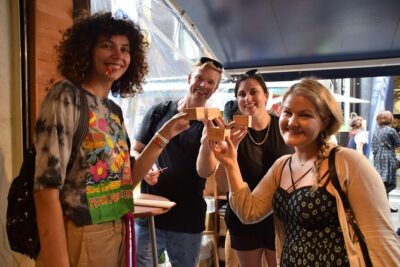
Tokyo Tsukiji Fish Market Food and Culture Walking Tour
Read our review →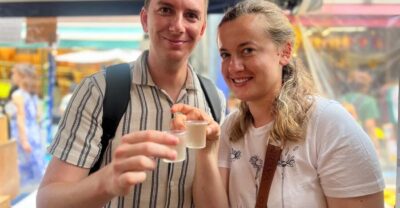
Tokyo: Tsukiji Fish Market Guided Walking Tour
Read our review →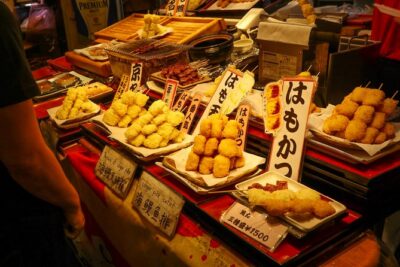
Nishiki Market Brunch Walking Tour (7 Tastings + Brunch)
Read our review →
Tsukiji Fish Market Guided Tour and Sushi Making with Pro Chef
Read our review →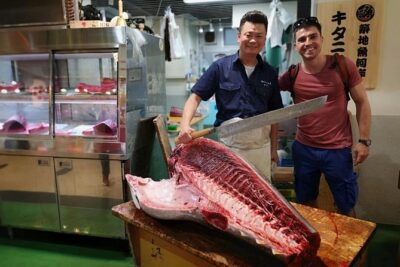
Tsukiji Fish Market Small-Group Food Walking Tour
Read our review →
Kuromon Market Food Walking Tour in Osaka (6 stops, 6 tastes)
Read our review →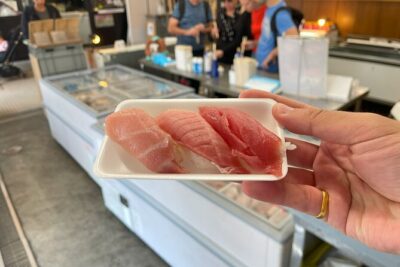
Tokyo Food Tour Taste Fresh Delights at Tsukiji Market
Read our review →
Kyoto Nishiki Market Food and Culture Walking Tour
Read our review →This tour also appears in