
Review · TOKYO
Private Toyosu & Tsukiji Market Adventure with Tuna Auction
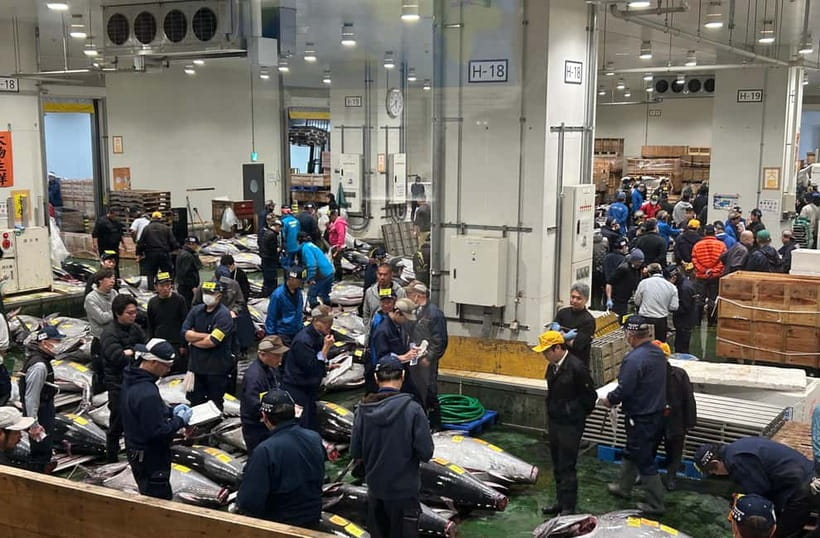
The bluefin tuna auction is the star here: a fast, silent-looking ritual of inspection, gestures, and bidding that makes far more sense when an English-speaking guide explains what you are seeing. I especially like that the morning links Toyosu’s working wholesale market with Tsukiji’s food lanes, and that guides such as Nobby, Sachiyo, Yumi, and Mayumi use photos, diagrams, and local tips to make the auction easier to follow.
I also like the freedom of a private group. You can pause for sushi, ask about a knife or tea whisk, and adjust the morning to your interests instead of trailing behind a large crowd. The catch is the brutal start, usually around 5 a.m., plus your taxi to Toyosu and breakfast are extra. The first-floor auction view also depends on a lottery, so the headline experience is not guaranteed.
Key points to know before booking
- The auction begins before most of Tokyo wakes up: Plan on a very early hotel departure, often by taxi.
- First-floor viewing requires a lottery: If you do not win, you can still watch from the second floor.
- Two markets give you two different mornings: Toyosu is a modern wholesale operation, while Tsukiji is a food-and-shopping district.
- Food is bought separately: Sushi, sashimi, eel, yakitori, mochi, tamago, drinks, and breakfast are not included.
- Shopping is a major part of the appeal: Look for Japanese knives, pottery, chopsticks, matcha tools, miso, pickles, sake, dried mushrooms, and kombu.
- The guide makes the difference: Nobby, Sachiyo, Yumi, Mayumi, Emi, Eriko, and other English-speaking guides have been praised for clear explanations and useful food suggestions.
Why the 5 a.m. start can be worth it
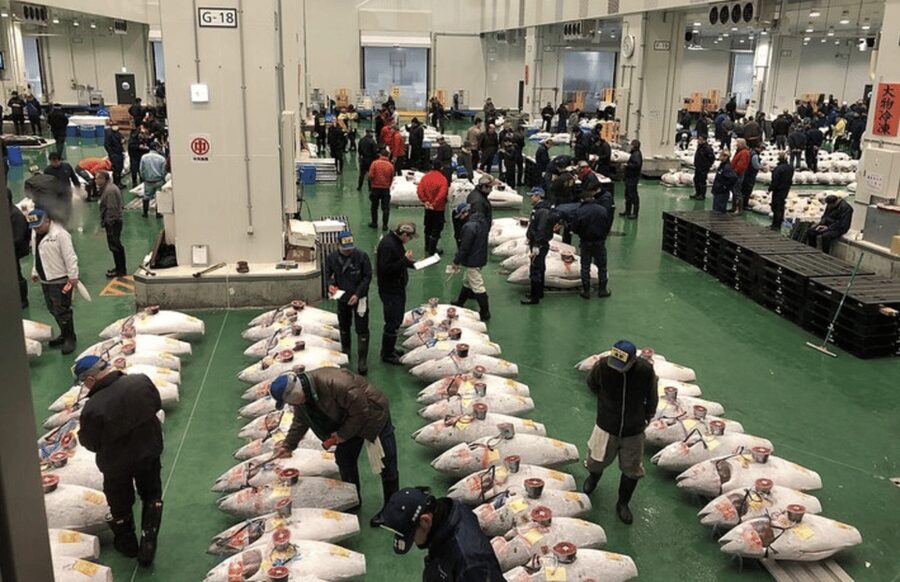
Toyosu is not a sleepy tourist display. It is a working seafood market, and the action happens early. Your guide meets you at your hotel, if you choose pickup, or at Shijo-mae Station on the Yurikamome Line. From there, the morning begins with the tuna auction and the professional market areas.
I will be plain: this is an early start. Subways and buses are not running when many groups leave their hotels, so you will need a taxi to Toyosu. The fare is not included, and it can vary by hotel location. Staying around Toyosu, Tsukiji, or Ginza helps keep that extra cost under control.
The payoff is seeing Tokyo’s seafood trade at its most focused. Buyers inspect bluefin tuna before bidding, and your guide explains the process, the fishing trade, and the role of the market. Several guides use printed photos, diagrams, or binders to show details that are hard to catch from a viewing area.
That explanation matters. Without it, you may see people examining tuna and making quick gestures, but miss the meaning behind the ritual. With a guide beside you, the auction becomes a lesson in grading, buying, and Japanese food culture rather than a quick photo stop.
More Fish Market Tours around Tokyo:
- Tokyo Tsukiji Fish Market Food and Culture Walking Tour
★ 5.0 · 3,184 reviews - Tokyo: Tsukiji Fish Market Food and Walking tour
★ 5.0 · 1,724 reviews - Tokyo: Tsukiji Fish Market Guided Walking Tour
★ 4.9 · 1,397 reviews
Toyosu Market, from auction floor to professional market
The Toyosu portion lasts about 70 minutes. The exact viewing experience depends on the auction schedule and your access level, but the plan is to watch the tuna auction and then explore the market’s professional areas.
The optional first-floor observation deck offers the closest view, but access is handled through a lottery run by the market authorities. You need to book by the fifth day of the previous month and register through the official link. The tour company sends a reminder and registration link through the GetYourGuide app, but winning is not certain.
If you do not win, you can still see the auction from the second floor. That is an important distinction when you compare this tour with other Tokyo food experiences. You are not buying a guaranteed close-up view. You are buying a guided chance to see the auction, with a better position possible through the lottery.
December has an extra restriction. The lottery does not take place at the end of the month, so viewing is from the second floor during that period. If you win a first-floor place, bring your passport or another accepted ID.
Toyosu also gives you time away from the tuna viewing area. Your guide can point out shops selling Japanese kitchen tools, matcha, miso, pickles, sake, and other market goods. This is where the experience becomes useful for cooks and food lovers. You can ask about knife types, tea equipment, dried ingredients, or the right kind of Japanese seasoning for a gift.
The market is also notably clean. You should still dress for an early morning in an active food facility, but the absence of a strong fish smell may surprise you. A guide can help you move through the area without wasting time or missing the parts open to the public.
The first food stop: sushi, seafood, and an early breakfast
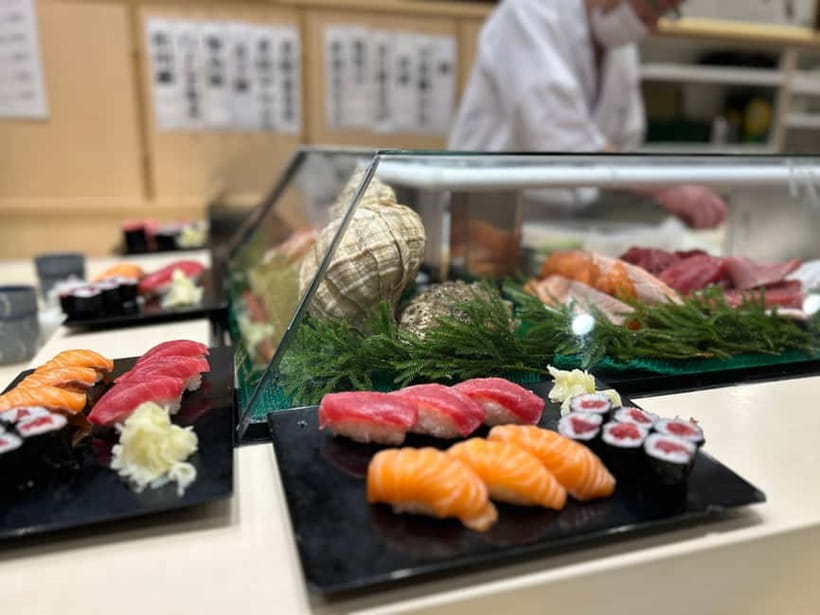
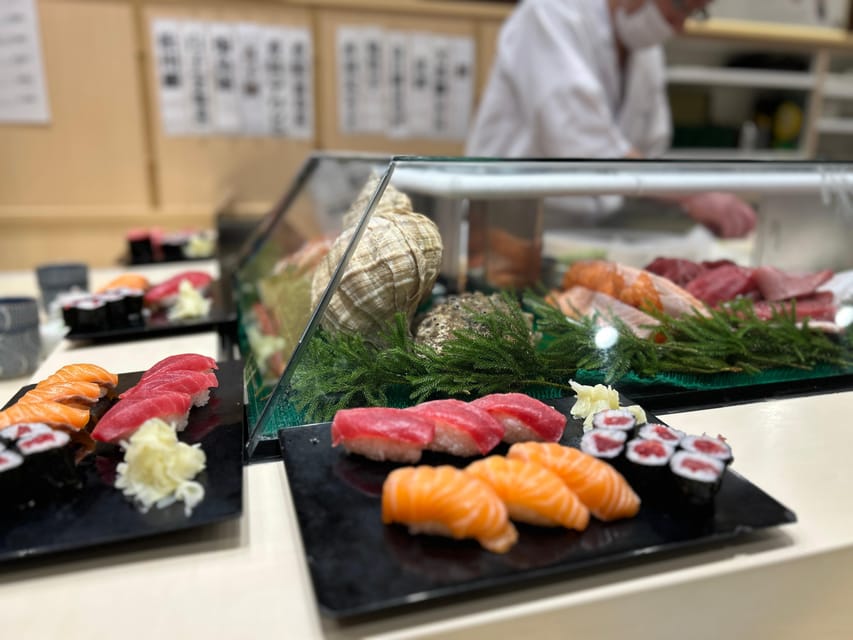
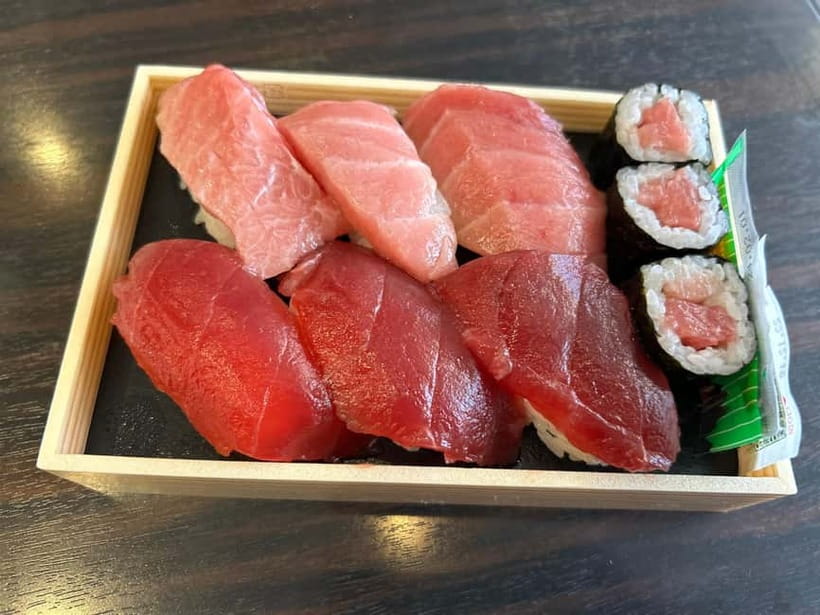
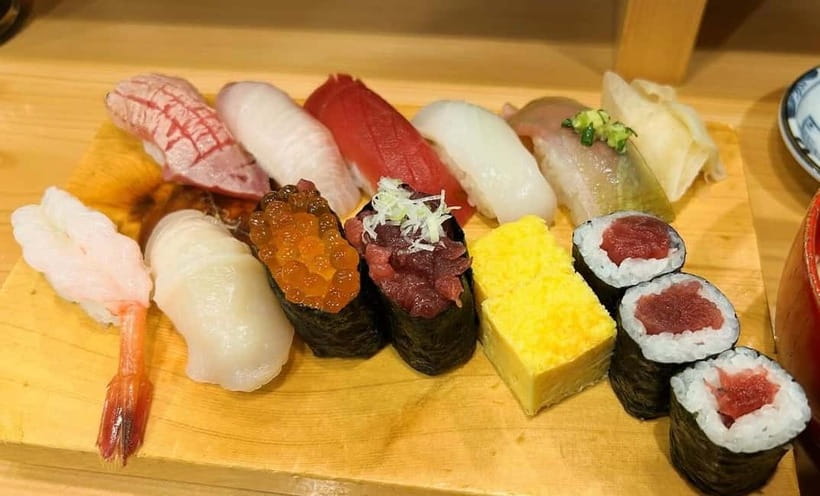
Breakfast is not included, but it is one of the natural rewards of the morning. Depending on timing, you may eat sushi or seafood at Toyosu or wait for Tsukiji.
Fresh sushi at 6:30 a.m. is not for everyone, but it fits the setting. You are eating seafood close to the market that supplies it, and the guide can help you choose a restaurant or stall that suits your appetite and budget. Some guides point out less costly places rather than steering every group toward the most famous option.
That local judgment is valuable because the early food choice can feel difficult when you are tired and surrounded by unfamiliar menus. One practical concern is that discussing food options during the taxi ride can be hard when you would rather rest. If you are traveling with children or have a large group, decide in advance how much breakfast you want.
The food list is broad. You might find sushi, sashimi, grilled eel, yakitori, tamago, mochi, tuna steak, matcha, seasonal produce, and other market snacks. Vegetarian and vegan visitors are welcome, and the guide can help identify suitable ingredients, although you should explain your needs clearly before ordering.
Taking the bus to Tsukiji’s old outer market
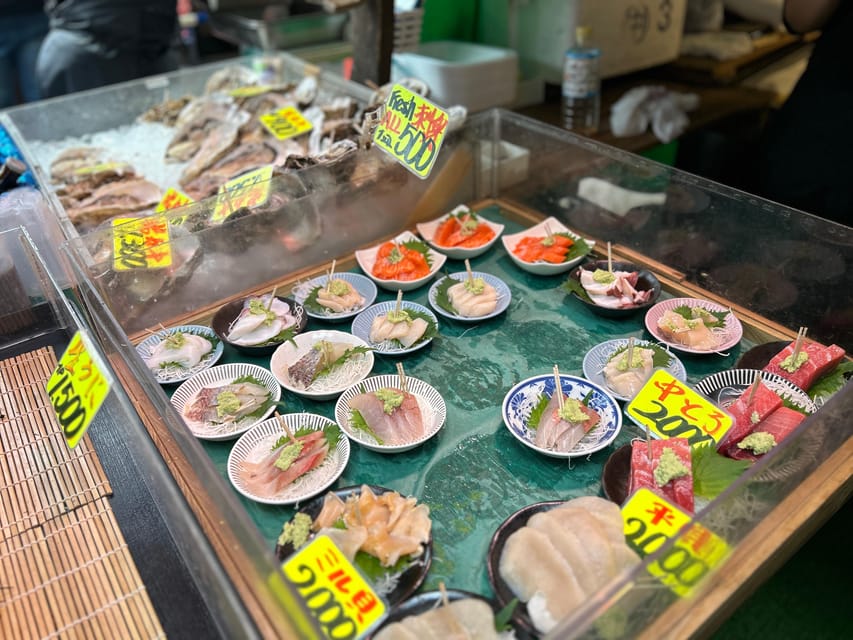
After Toyosu, the group takes a local bus to Tsukiji, a ride of about 15 minutes. Bus fare is extra. The change in mood is part of the appeal.
Toyosu is a modern wholesale market designed around large-scale trade. Tsukiji’s outer market is more personal and street-level, with small food shops, kitchenware stores, tea sellers, and places to eat. It is not the old wholesale market that once filled the entire neighborhood, but it remains a strong place to browse and sample Japanese food.
The Tsukiji portion lasts about 70 minutes. Your guide can lead you to shops that are easy to miss, explain products, and help with purchases. That is especially useful for knives and pottery, where a short explanation can help you compare materials, uses, and prices.
You can also shop for chopsticks, matcha whisks, wasabi graters, pottery, pickles, dried mushrooms, and dried kombu. Bring cash, as the activity specifically advises it. If you want tax-free shopping help, a guide may also assist with directions to the tax refund building, as one guest experienced.
The tour can include a local shrine as an optional stop. It is a small cultural pause after the food market, but it also gives the morning a little breathing room. You are not locked into one long meal or shopping session.
More Private Market Tours around Tokyo:
- Cairo 8 Hour Private Tour of Pyramids, Egyptian Museum and Bazaar
★ 5.0 · 2,931 reviews - Private Excursion to Maeklong Railway and Floating Markets
★ 5.0 · 850 reviews - Floating and Railway Market (Optional Waterfall): Private Tour
★ 5.0 · 827 reviews - Cairo: Private Pyramids, Museum & Bazaar Tour with Lunch
★ 4.6 · 744 reviews
What your guide adds to the morning
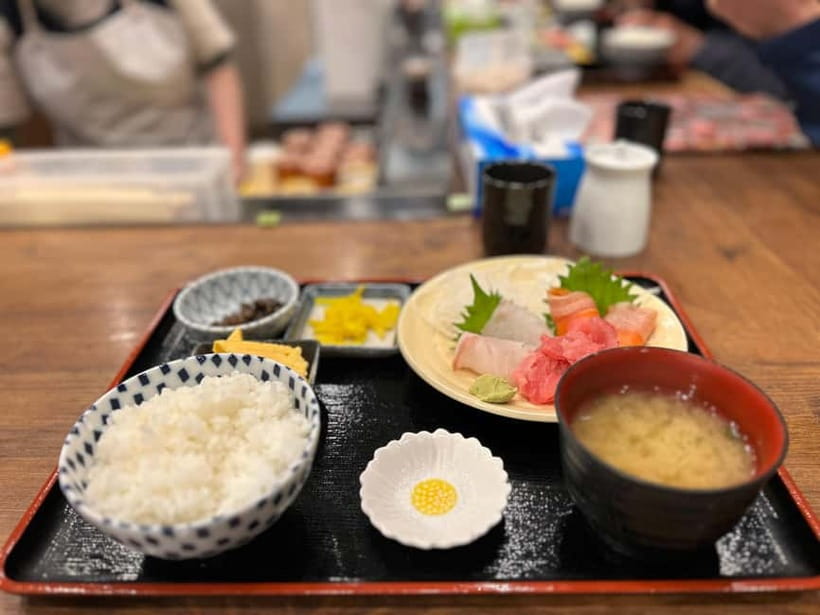
The guide is the main reason to pay for this experience rather than simply visiting the markets alone. Tokyo’s food markets are easy to enter but not always easy to understand. Signs, customs, auction procedures, and menus can leave you watching from the edge.
Nobby has been praised for clear auction explanations, good timing, and food suggestions, including popular items for families with teenagers. Sachiyo is known for using diagrams and photos, guiding groups through both markets, and helping with practical tasks such as shopping. Yumi, Mayumi, Emi, Eriko, Hiroshi, Tomoko, and Naomi have also led groups during this experience.
You will not necessarily receive a particular guide, so book for the tour format rather than a named person. Still, the repeated strength of the guiding team is worth noting. The best guides do more than translate. They explain why the auction works, help you read the market, recommend food, and adjust the pace when you want to stop for snacks or shopping.
That flexibility is easier with a private group of up to 10 people. You can ask more questions than you could in a large tour, and the guide can focus on your interests. It is also a good setup for families, since children are welcome and the pace can be adapted.
Food and shopping without losing control of your budget
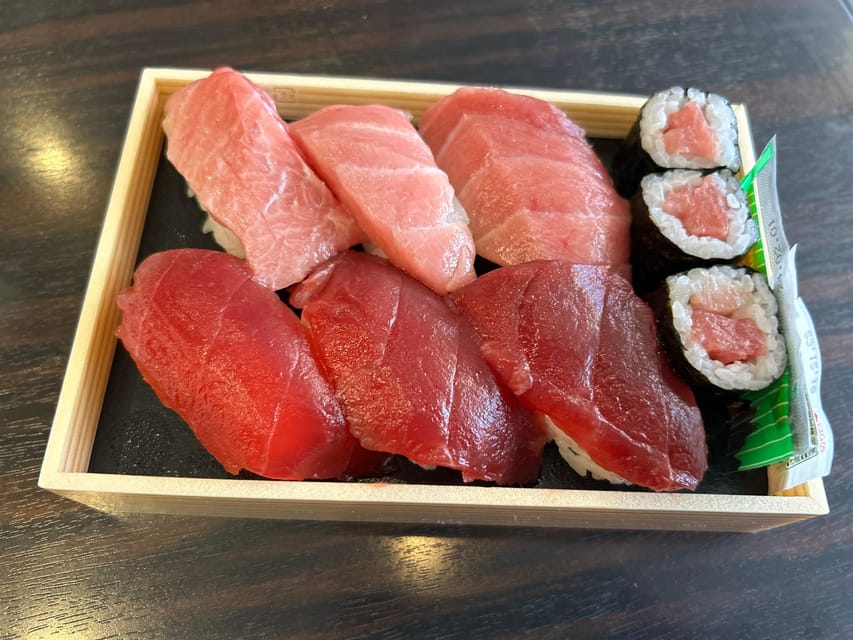
The price is $153 per person for three hours. That is not a low-cost market walk, especially once you add the taxi to Toyosu, the bus to Tsukiji, breakfast, drinks, and anything you buy.
Still, the value improves if you are sharing the private guide with family or friends. You are paying for access to a guide who can organize a difficult early morning, explain a specialized auction, steer you through two markets, and help with food and shopping decisions. If your main goal is simply to see Tsukiji and eat a snack, you can spend less on your own.
The tour makes more sense for you if the tuna auction is a priority or if you want to shop for Japanese kitchen tools. A good knife, pottery item, tea whisk, or set of chopsticks can turn the morning into a practical shopping trip rather than a short sightseeing stop.
Food spending is flexible. You can choose a full sushi breakfast, small bites, or a mix of samples. Since the guide can suggest both famous and less expensive places, you have some control over the final bill.
Timing, comfort, and small practical details
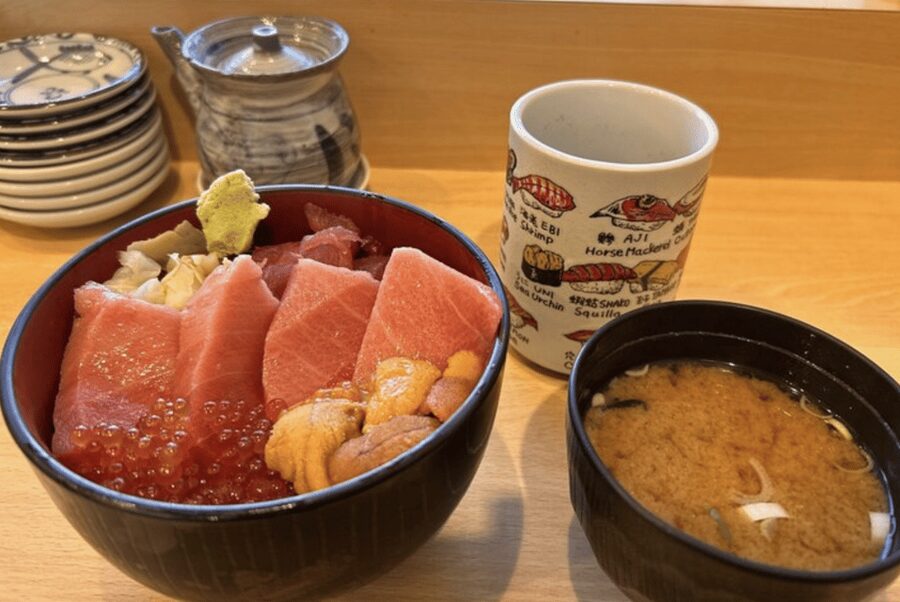
Wear comfortable shoes. The experience includes walking through two large market areas, stopping at shops, and moving between transport points. The tour is listed as wheelchair and stroller accessible, but it is still wise to tell the operator about your needs in advance.
Bring your passport or ID, especially if you win first-floor auction access. Bring cash for food and shopping, and download WhatsApp before the tour. The guide uses WhatsApp or the GetYourGuide app to contact you, so provide an accurate phone number and allow notifications from Japanese numbers.
The meeting point at Shijo-mae Station is the ticket gate on the Yurikamome Line. Before 5 a.m., the escalator shutters may still be closed, so use the stairs or elevator to reach the second-floor ticket gate.
Pickup is optional. If you choose it, the guide meets you in your hotel lobby or outside the hotel at about 5 a.m., but you arrange and pay for the taxi. Be careful with the wording of pickup: it means the guide can meet you first, not that transport to Toyosu is included.
Cancellation is free up to 24 hours before the activity, and you can reserve now and pay later. Those policies help if your Tokyo schedule is still moving, but they do not solve the main risk: auction viewing on the first floor depends on the lottery and market rules.
Who should book this Toyosu and Tsukiji tour?
I would choose this for first-time visitors who want a food-focused morning with context, not just a quick look at a market. It also suits cooks, photographers, families, and anyone hoping to buy a Japanese knife or other kitchen goods with help from a local guide.
It is a strong fit if you like to eat early, ask questions, and let a guide make sense of unfamiliar places. It is less suitable if you dislike pre-dawn starts, want guaranteed first-floor auction access, or prefer to set your own pace without added transport and guide costs.
The private format is especially useful for families and small groups. Children can join, vegetarian and vegan diners can get help finding suitable options, and wheelchair and stroller users are welcome. Just remember that the three-hour schedule moves quickly, so serious shoppers may need to choose between more food stops and more time in the shops.
Should you book it?
Book this tour if seeing the tuna auction is high on your Tokyo list and you want the morning explained in plain English. The combination of Toyosu’s professional market, Tsukiji’s food lanes, early sushi, and kitchenware shopping gives you more range than a Toyosu-only visit.
Skip it if the 5 a.m. start sounds miserable or if you need a guaranteed close-up auction view. For everyone else, the guide is the key value. You get a better chance of understanding what you are seeing, finding worthwhile food, and leaving Tsukiji with something useful instead of just a handful of market photos.
FAQ
How long does the tour last?
The tour lasts three hours. The Toyosu Market visit takes about 70 minutes, the bus ride to Tsukiji takes about 15 minutes, and the Tsukiji visit takes about 70 minutes.
Where do I meet the guide?
You can meet the guide at the ticket gate of Shijo-mae Station on the Yurikamome Line, or choose hotel pickup. For the station meeting, the escalator shutters may not open until 5 a.m., so use the stairs or elevator to the second-floor ticket gate.
Is transportation included?
Walking with the guide is included, but the taxi from your hotel to the market and the bus from Toyosu to Tsukiji are not included. Taxi costs vary by hotel location.
Is the tuna auction guaranteed?
You can view the tuna auction from the second floor if you do not win the first-floor lottery. First-floor observation requires registration through the market authority’s lottery, and winning is not guaranteed.
How do I enter the first-floor auction lottery?
Book the tour by the fifth day of the previous month and register through the official link. The tour company sends a reminder and registration link through the GetYourGuide app.
Can I watch from the first floor in December?
The lottery does not take place at the end of December. During that period, auction viewing is from the second floor.
Is breakfast included?
No. Breakfast, drinks, sushi, seafood, and other food purchases are paid separately. You may eat at Toyosu or Tsukiji, depending on timing.
Can children, wheelchair users, and stroller users join?
Yes. Children are welcome, and the activity is listed as accessible for wheelchair and stroller users.
What should I bring?
Bring your passport or another ID, especially if you win first-floor auction access, along with cash. Download WhatsApp and provide an accurate phone number so the guide can contact you before the tour.
New market tours around Tokyo
- Tsukiji Fish Market: Street Food & Culture Walking Tour★ 4.8 · 259 reviews
- Tokyo Tsukiji Fish Market Tour and Sushi Making Lesson★ 5.0 · 390 reviews
- Tokyo Food Tour Taste Fresh Delights at Tsukiji Market★ 5.0 · 429 reviews
- Tokyo: Tsukiji Fish Market Sushi Making Class with Pro Chef★ 4.9 · 506 reviews
- Tsukiji Fish Market: Street Food & Culture Walking Tour★ 5.0 · 669 reviews
- Tsukiji Fish Market Small-Group Food Walking Tour★ 5.0 · 621 reviews
- Tokyo: Tsukiji Fish Market Food and Culture Walking Tour★ 4.7 · 757 reviews
- Tsukiji Fish Market Guided Tour and Sushi Making with Pro Chef★ 5.0 · 775 reviews
Tokyo Market Tours, side by side.
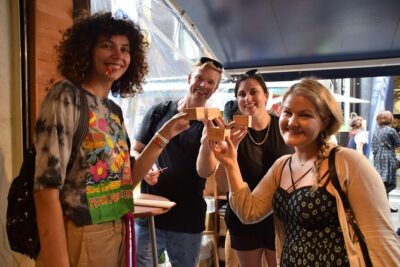
Tokyo Tsukiji Fish Market Food and Culture Walking Tour
Read our review →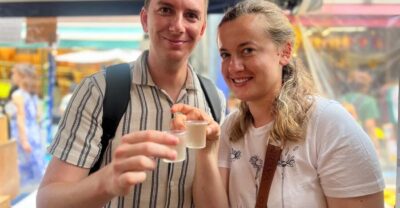
Tokyo: Tsukiji Fish Market Guided Walking Tour
Read our review →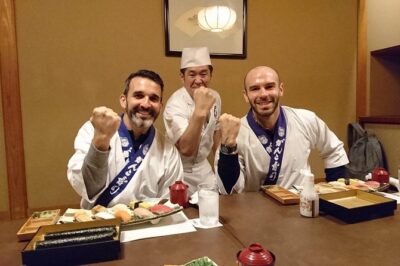
Tsukiji Fish Market Guided Tour and Sushi Making with Pro Chef
Read our review →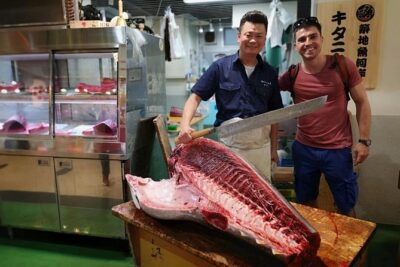
Tsukiji Fish Market Small-Group Food Walking Tour
Read our review →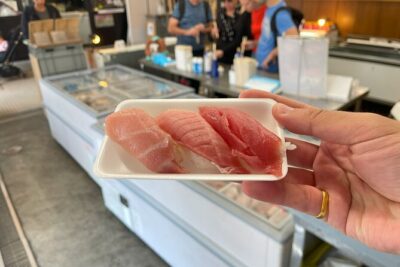
Tokyo Food Tour Taste Fresh Delights at Tsukiji Market
Read our review →
Tokyo Tsukiji Fish Market Tour and Sushi Making Lesson
Read our review →This tour also appears in