Review · TOKYO
Tokyo: Tsukiji Fish Market Food and Culture Walking Tour
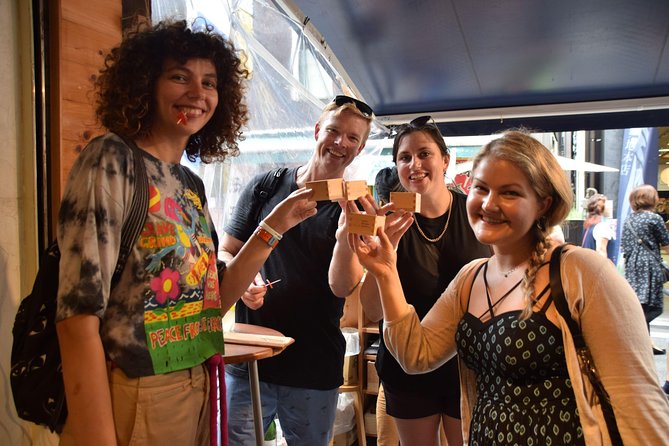
Tsukiji is best understood with food in hand. This three-hour walk takes you through the market’s narrow lanes, where you can sample Wagyu beef skewers, tamagoyaki, fish cake, seasonal fruit, and sushi or a seafood bowl. It is less about checking off sights and more about learning what to eat, where to look, and how this famous market fits into Tokyo’s food culture.
I like the small groups of two to eight people, which make it easier to hear your guide and stop at busy stalls. I also like the final seafood meal, where a chef may prepare fish for a sushi or sashimi bowl. The main catch is that Tsukiji can be crowded and noisy, and the market’s wholesale section and some shops close on Wednesdays, Sundays, public holidays, and other market holidays.
Key points to know before you book
- Start at Tsukiji Honganji Temple: Meet at the main gate, then begin with the temple and the story of the area.
- Expect a full three hours of eating: The menu includes Wagyu, fish cake, Japanese omelet, fruit, and sushi or a seafood bowl.
- Small groups matter here: With only two to eight people, your guide can help you navigate tight lanes and busy food stalls.
- Guide quality is a major strength: Shun, Nazu, Miki, Kenji, Yuki, and other guides have been praised for friendly explanations and useful food advice.
- Market days affect the food: Some stalls close on Wednesdays, Sundays, public holidays, and other closed market days.
- This is not a vegetarian tour: Vegetarian, vegan, halal, and gluten-free requests cannot be accommodated.
Starting at Tsukiji Honganji Temple
Your meeting point is the main gate of Tsukiji Honganji Temple, written in Japanese as 浄土真宗本願寺派 築地本願寺. This is a sensible place to begin. It gives you a clear landmark beside the market, and it lets the tour connect food with the neighborhood’s religious and commercial past.
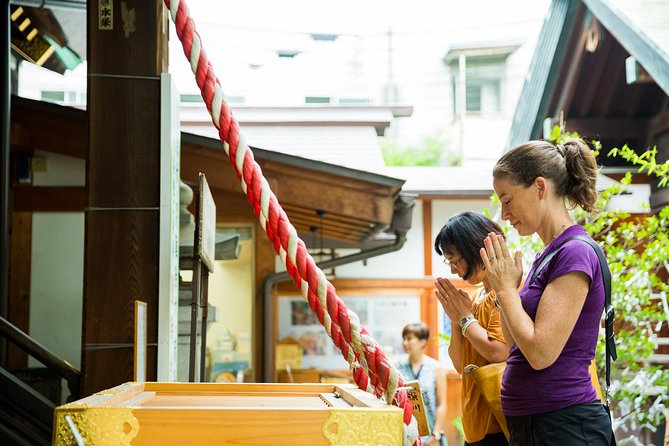
The tour returns to the temple after the market walk. The opening stop is not a long temple visit, but guides may explain the area’s development, the history of Tsukiji, and the difference between the former inner market and today’s outer market. Guides such as Nazu, Tadashi, and Miwako have been especially good at adding local background and explaining proper shrine or temple etiquette.
You should arrive ready to walk. The meeting point is central to the experience, but the market itself is crowded and easy to get turned around in. Allow extra time to reach Tsukiji Honganji Temple, particularly if you are changing trains or visiting during the morning rush.
More Market Food Tours in Japan
- Tokyo Tsukiji Fish Market Food and Culture Walking Tour
★ 5.0 · 3,184 reviews - Tokyo: Tsukiji Fish Market Food and Walking tour
★ 5.0 · 1,724 reviews - Tsukiji Fish Market: Street Food & Culture Walking Tour
★ 5.0 · 669 reviews
Walking the Tsukiji Outer Market lanes
The first market portion lasts about 30 minutes, followed by a longer two-and-a-half-hour route with food stops. In practice, the two sections blend into one extended visit through the outer market, with pauses to look at seafood, prepared foods, cooking items, tea, fruit, and other Japanese ingredients.
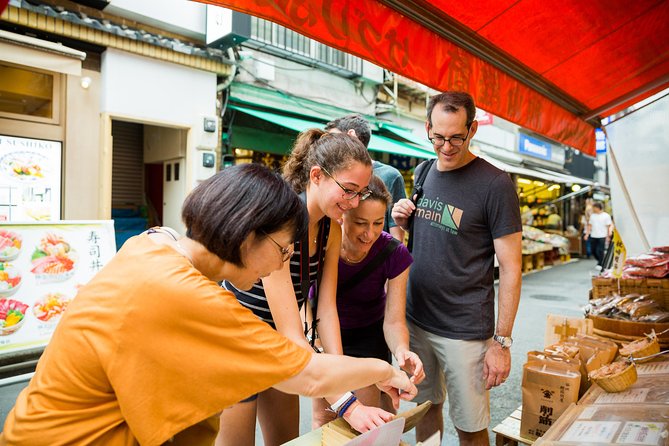
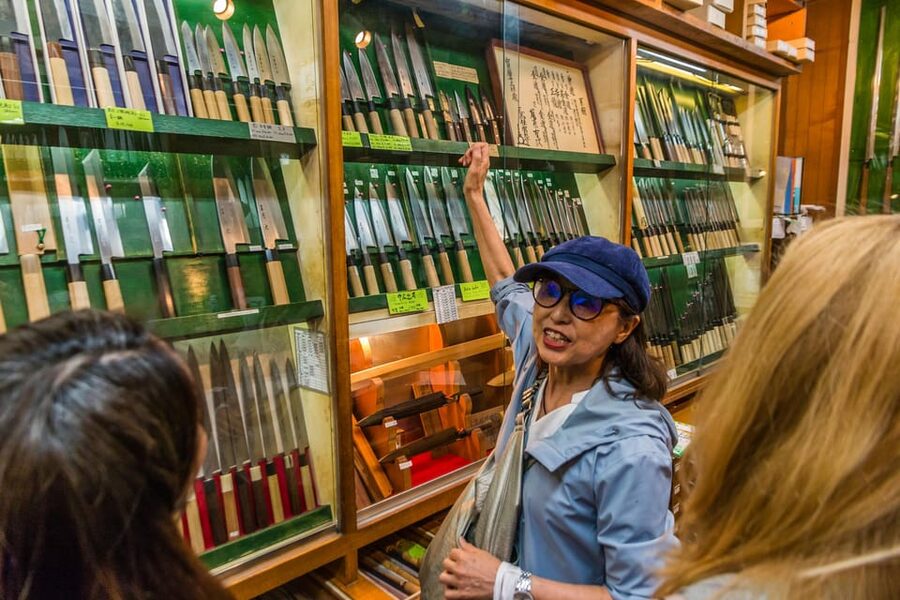
Tsukiji’s outer market is not a single hall with neat rows. It is a maze of small shops and narrow lanes. Some businesses sell directly to shoppers, while others serve restaurants and chefs. Your guide helps you understand what you are seeing and reduces the guesswork that comes with ordering food in a crowded Japanese market.
This is where a local guide earns the fee. You might notice a seafood stall, a tea shop, or a tray of unfamiliar snacks, but you may not know what is worth trying. A guide can point out the food included in the tour, explain how it is eaten, and help with purchases after the formal tasting stops.
The group size is especially useful here. A party of two to eight people can stay together more easily than a large bus group, and your guide can usually answer individual questions. The tradeoff is that the group may still need to pause often for pedestrians, vendors, and other market visitors.
The food menu, from Wagyu to tamagoyaki
The first big food highlight is the high-grade Wagyu beef skewer. This is one of the most praised parts of the experience, and it gives you a clear taste of why premium Japanese beef costs more. The portion is a tasting rather than a full meal, but it is one of the more memorable bites on the route.
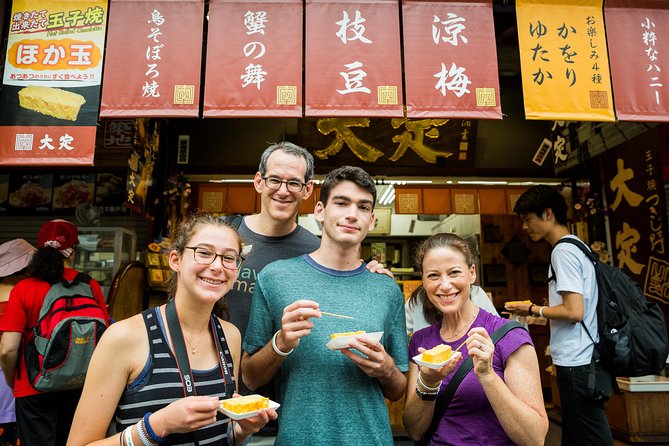
You may also receive Japanese omelet, known as tamagoyaki, along with fried fish cake and seasonal fruit. These foods show different sides of market cooking. The omelet is soft and lightly sweet, the fish cake gives you a savory snack, and the fruit depends on what is available during the season.
The menu is not limited to the listed items in every single account of the day. Depending on the route and stalls open, you might also have chances to try seafood, squid, sea urchin, matcha ice cream, oysters, strawberries, tea, or other small bites. Extra purchases are separate, so bring some money if you see something you want to try later.
I like this flexible approach because Tsukiji is more fun when the food does not feel locked to a printed checklist. At the same time, the quality of the middle tastings can vary. The Wagyu and final seafood dish are the clear anchors, while some smaller samples may feel more ordinary if you are expecting a parade of luxury ingredients.
Finishing with sushi or a seafood bowl
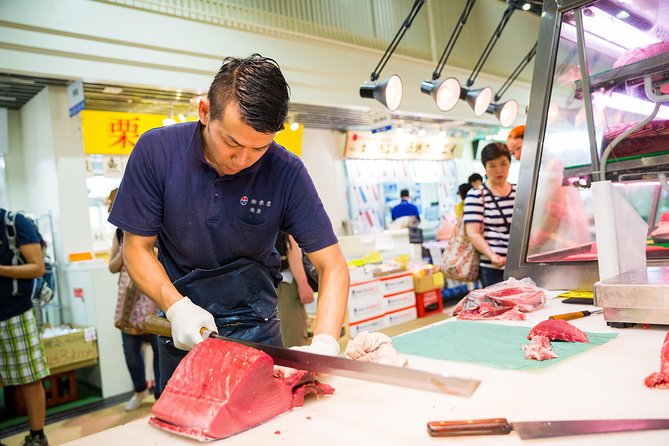
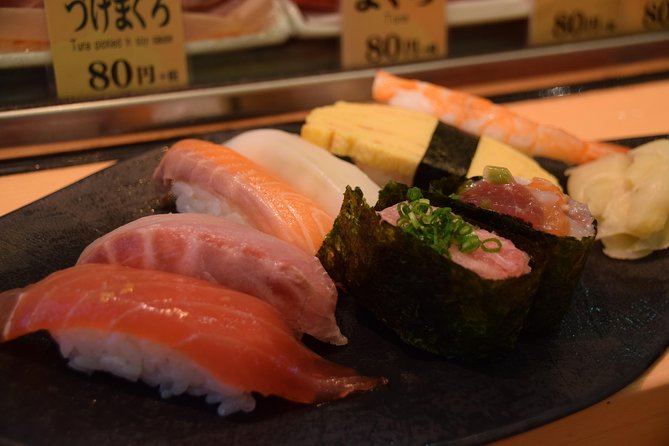
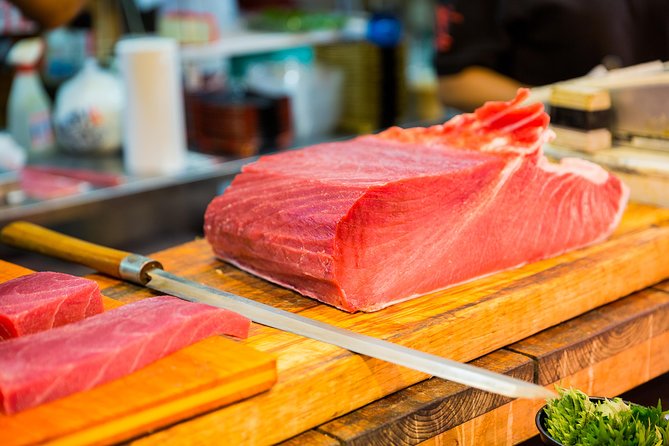
The tour ends with a substantial seafood meal. Depending on the day, you receive sushi or a fresh fish bowl, sometimes described as a sashimi bowl. This is more than a quick market snack. It gives the tour a proper finish after the smaller tastings.
One of the most interesting parts may be the chef presentation. A sashimi chef can demonstrate how the fish is cut and prepared before you receive the bowl. That small piece of theater adds context to the meal and helps you notice the care behind Japanese fish preparation.
The exact dish changes with the day, so do not book this expecting one fixed menu. You may receive sushi on one date and a seafood bowl on another. If the planned restaurant suddenly closes, an alternative meal is provided.
By the time you reach this final stop, you may not be very hungry. The route includes enough food that the seafood bowl works best as the final course rather than an add-on. One smart plan is to eat lightly before meeting the group, especially if you are taking the morning tour.
More Market Food Tours in Tokyo
- Tsukiji Fish Market Small-Group Food Walking Tour
★ 5.0 · 621 reviews - Tokyo Food Tour Taste Fresh Delights at Tsukiji Market
★ 5.0 · 429 reviews - Tsukiji Fish Market: Street Food & Culture Walking Tour
★ 4.8 · 259 reviews
Why the guides make a difference
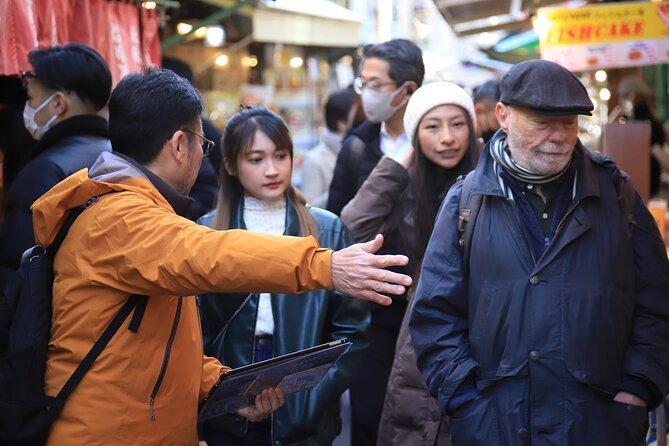
Food tours live or die by the person leading them, and the guide is a major part of this experience. The guides named in the feedback include Shun, Nazu, Miki, Kenji, Yuki, Nori, Luna, Robert, Yoshiko, Kay, Miwako, and others. The strongest pattern is clear English, warmth, and a willingness to answer questions.
Shun has been praised for combining food explanations with cultural background. Nazu has been singled out for explaining the market’s history and helping people understand the stalls. Kenji has been described as especially good at finding authentic food and adding fun facts without making the walk feel like a lecture.
The guides also help with practical choices. Tadashi has helped explain temple etiquette and suggest places to visit afterward. One guide helped a participant select tea to take home. Miwako, who is from the area, has been praised for making a crowded market feel easier to handle.
You should not assume you can request a particular guide unless the booking system allows it. Guide assignments can change. The useful point is that the experience depends heavily on having someone who knows the stalls and can keep the group moving without rushing.
Crowds, weather, and the best day to go
Tsukiji is busy by nature. The lanes are tight, food stalls attract lines, and umbrellas make movement harder in the rain. A morning tour on a Saturday can be particularly crowded, while a rainy day may make it difficult to hear explanations even when the guide is standing close by.
Midweek can be a better choice for a calmer walk, but check the market calendar before booking. The fish market’s wholesale section is closed on Wednesdays, Sundays, and other closed market days. On those days, some of the planned Japanese omelet, fish cake, and fruit stops cannot operate because the shops are closed.
This matters because the tour may still run on a closed market day. You can still walk through the outer market and sample whatever is available, but the experience will not be identical. One traveler booked on a public holiday Monday and found that the indoor market and several outdoor shops were closed, so this is worth checking before you pay.
Rain does not automatically ruin the outing, but it changes the experience. Wear shoes with a good grip, keep clothing comfortable, and bring protection from the weather. An umbrella can make it harder to hear and move through the lanes, so a compact one is easier than a large model.
Is $96 good value for three hours?
At $96 per person, this is not a cheap way to buy breakfast. You are paying for the food, the guide, the language support, the route planning, and the confidence to order in a crowded market without guessing.
The value is strongest if you are new to Tokyo, short on time, or uncomfortable navigating food stalls on your own. The guide can show you where to go, explain what you are eating, and help you avoid spending the whole morning wandering without finding the best stops. The final sushi or seafood bowl also makes the price easier to justify than a tour built only around tiny samples.
If you are already comfortable with Japanese markets and can research Tsukiji stalls yourself, you may prefer to spend $96 on individual dishes and shopping. The tour does not give you unlimited food, and drinks such as sake or beer may not be included. One participant felt drinks should not have cost extra, so ask before ordering alcohol.
For most first-time visitors, I see the cost as reasonable if you treat it as both breakfast and a guided introduction to Tsukiji. It is less convincing for repeat visitors who mainly want a quiet meal or a specific restaurant.
Who should book this market walk?
This tour suits you if you enjoy trying several small portions instead of sitting down for one long meal. It is also a good fit if you want cultural context but prefer it delivered in short explanations while you walk and eat.
Families with older children may enjoy the variety, though the market lanes require attention. The minimum drinking age is 20, but alcohol is not central to the tour. People who move slowly should know that there is a moderate amount of walking, and the tour is not suitable for wheelchair users or people with mobility impairments.
Diet is the biggest limitation. The experience cannot accommodate vegan, vegetarian, halal, or gluten-free requests. Seafood and meat are central to the menu, so choose another activity if you need strict dietary control.
After the tour, save time to revisit any stall that caught your eye. The guided route gives you a useful first look, but you may want to return for extra fruit, tea, seafood, or snacks at your own pace.
Should you book the Tsukiji food tour?
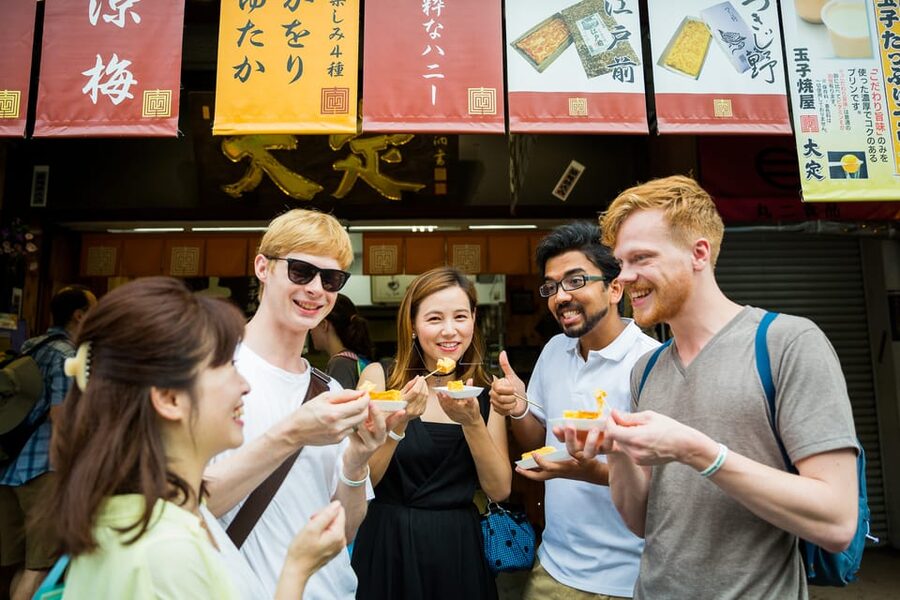
I would book it for a first Tokyo visit, especially if you want a friendly introduction to Japanese market food without having to choose every stall yourself. The small group, English-speaking guide, Wagyu skewer, and final sushi or seafood bowl create a good balance of food and local background.
I would skip it if you need a vegetarian, vegan, halal, or gluten-free menu, or if you want a deep food history lesson rather than a practical tasting walk. Check the market closing days before selecting your date, and choose a weekday if you want a better chance of avoiding the worst crowds.
FAQ
Where does the Tsukiji food tour start?
The tour starts at the main gate of Tsukiji Honganji Temple, written as 浄土真宗本願寺派 築地本願寺.
How long does the experience last?
The tour lasts three hours. It includes a short initial market visit followed by about two and a half hours of guided walking and food tasting.
What food is included?
The included menu features high-grade Wagyu beef skewers, fresh fish bowl or sushi depending on the day, Japanese omelet, seasonal fruit, and fried fish cake.
Is sushi served on every tour?
No. Depending on the day, the final meal is either sushi or a seafood bowl.
Is the tour available in English?
Yes. The tour has a live English-speaking guide.
What happens on Wednesdays and Sundays?
The fish market wholesale area is closed on Wednesdays, Sundays, and other closed market days. Some shops in the outer market may also be closed, so Japanese omelet, fish cake, and fruit may not be available.
Can vegetarians or vegans join?
The tour does not accommodate vegetarian or vegan requests. It also cannot accommodate halal or gluten-free requests.
Is the tour suitable for wheelchair users?
No. The tour is not suitable for wheelchair users or people with mobility impairments, and it includes a moderate amount of walking.
What should I bring?
Wear comfortable shoes and clothes, and bring a camera if you want photos of the market and food.
More Fish Market Tours around Tokyo
- Tokyo Sushi Making Class in Tsukiji with Professional Chef
★ 5.0 · 1,177 reviews - Tsukiji Fish Market Guided Tour and Sushi Making with Pro Chef
★ 5.0 · 775 reviews - Tokyo: Tsukiji Fish Market Sushi Making Class with Pro Chef
★ 4.9 · 506 reviews - Tokyo Tsukiji Fish Market Tour and Sushi Making Lesson
★ 5.0 · 390 reviews
More Market Walking Tours in Japan
- Tokyo: Tsukiji Fish Market Guided Walking Tour
★ 4.9 · 1,397 reviews - Nishiki Market Brunch Walking Tour (7 Tastings + Brunch)
★ 5.0 · 1,355 reviews - Kuromon Market Food Walking Tour in Osaka (6 stops, 6 tastes)
★ 5.0 · 550 reviews - Kyoto Nishiki Market Food and Culture Walking Tour
★ 5.0 · 412 reviews
New market tours around Tokyo
- Private Toyosu & Tsukiji Market Adventure with Tuna Auction★ 4.8 · 191 reviews
- Tsukiji Fish Market: Street Food & Culture Walking Tour★ 4.8 · 259 reviews
- Tokyo Tsukiji Fish Market Tour and Sushi Making Lesson★ 5.0 · 390 reviews
- Tokyo Food Tour Taste Fresh Delights at Tsukiji Market★ 5.0 · 429 reviews
- Tokyo: Tsukiji Fish Market Sushi Making Class with Pro Chef★ 4.9 · 506 reviews
- Tsukiji Fish Market: Street Food & Culture Walking Tour★ 5.0 · 669 reviews
- Tsukiji Fish Market Small-Group Food Walking Tour★ 5.0 · 621 reviews
- Tsukiji Fish Market Guided Tour and Sushi Making with Pro Chef★ 5.0 · 775 reviews
Tokyo Market Tours, side by side.
Tokyo Tsukiji Fish Market Food and Culture Walking Tour
Read our review →
Tokyo: Tsukiji Fish Market Guided Walking Tour
Read our review →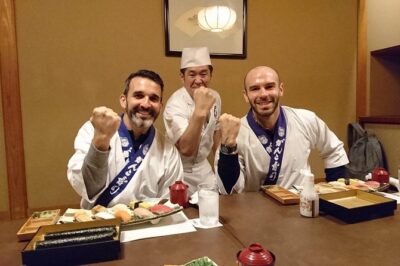
Tsukiji Fish Market Guided Tour and Sushi Making with Pro Chef
Read our review →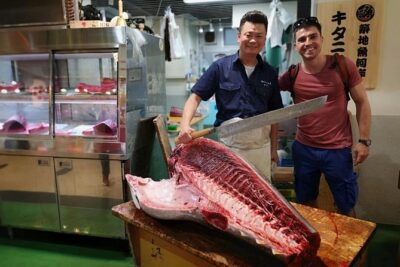
Tsukiji Fish Market Small-Group Food Walking Tour
Read our review →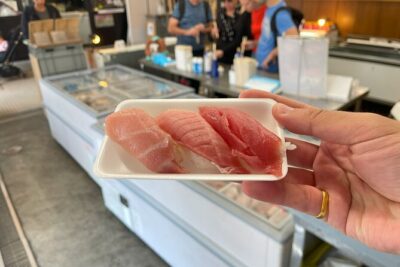
Tokyo Food Tour Taste Fresh Delights at Tsukiji Market
Read our review →
Tokyo Tsukiji Fish Market Tour and Sushi Making Lesson
Read our review →