
Review · KATHMANDU
Kathmandu Food Crawl & Market Tour
Kathmandu’s best food stops are often down side lanes, behind market fronts, and far from the menus aimed at tourists. This two-hour walk starts at Chhaya Devi Complex in Thamel and heads toward Ason Bazar, pairing local history with at least five foods and drinks.
I like the way the tour uses food to explain Kathmandu’s mixed Nepali, Tibetan, and Indian influences. I also like the chance to try dishes such as chatamari, laphing, panipuri, and lalmohan without having to find each place yourself. The main limitation is time: two hours gives you a good first taste, not a full survey of the city’s food scene.
Key points to know before you book
- At least five tastings are included: Food and drinks are covered in the $25 price, so you are not counting every small purchase as you walk.
- The route links Thamel with Ason Bazar: You get food, market life, temples, stupas, and local streets in one compact outing.
- Guides make the difference: Santosh, Manoj, and a guide identified as Namaste are specifically associated with friendly walks and lesser-known food stops.
- The group can reach 20 people: That keeps the price accessible, though a large group may feel less personal than a solo or small-group walk.
- It works well early in a Nepal trip: The food introductions can help you recognize dishes and feel more at ease ordering later.
- The tour returns to its starting point: You begin and finish at Chhaya Devi Complex, which keeps the logistics simple.
Starting at Thamel’s Chhaya Devi Complex
The meeting point is Chhaya Devi Complex on Amrit Marg in Thamel, a familiar part of central Kathmandu and an easy place to use as your starting marker. The tour ends back at the same point, so you do not need to arrange a taxi from an unfamiliar neighborhood after dark or after a full meal.
From here, your English-speaking guide leads you away from the usual tourist routine. The walk heads toward Ason Bazar, described as one of Kathmandu’s oldest local market areas. This is not a food hall with tidy counters and printed menus. You are moving through working streets where food shops, temples, small stalls, and everyday commerce share the same space.
That setting matters. A food tour is most useful when it explains how people actually eat, not just which dishes look good in a photograph. The route gives you a chance to see ingredients, vendors, and local habits alongside the dishes on your plate.
The meeting point is central, but Kathmandu streets can be busy and crowded. Keep the starting address handy on your phone, and arrive ready to walk through narrow market lanes. The tour is about two hours, with no separate transport listed.
More market tours around the world:
- Bangkok: Damnoen Saduak Market and Maeklong Railway Market
★ 4.5 · 26,723 reviews - The Old Siam: Damnoen Saduak and Maeklong Railway Market
★ 4.5 · 10,992 reviews - Dubai: Old Town, Creek, Museums, Souks, & Street Food Tour
★ 4.8 · 10,816 reviews
Walking toward Ason Bazar
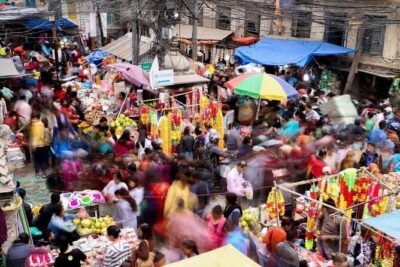
Ason Bazar is the heart of the outing. The market area brings together shops, food stalls, temples, stupas, and the steady movement of local life. Your guide can give context about Kathmandu’s cultures and traditions while you make your way through the streets.
The value here is not only the number of tastings. You are learning where food fits into the city. A snack bought from a small stall can tell you more about daily life than a formal restaurant meal, especially when your guide explains what you are eating and why it matters.
The walk also gives you a useful first orientation to central Kathmandu. Several people who took the tour used it near the beginning of a Nepal visit, and I think that timing makes sense. You can ask basic questions about dishes, drinks, markets, and local customs before you begin ordering food on your own.
Do not expect a slow architectural walk with long stops at every temple. The main purpose is food, and the sights appear as part of the route. If you want a dedicated cultural or religious tour, this experience will feel too brief. If you want a practical introduction to the city with plenty of tasting, the balance works well.
What you may taste along the route
The tour promises a minimum of five food and drink items, but the exact menu can vary. That flexibility is useful in a city where stall openings, ingredients, and daily availability may change. It also means you should not book expecting one fixed tasting list.
The dishes associated with the walk include several good introductions to Kathmandu’s snack culture:
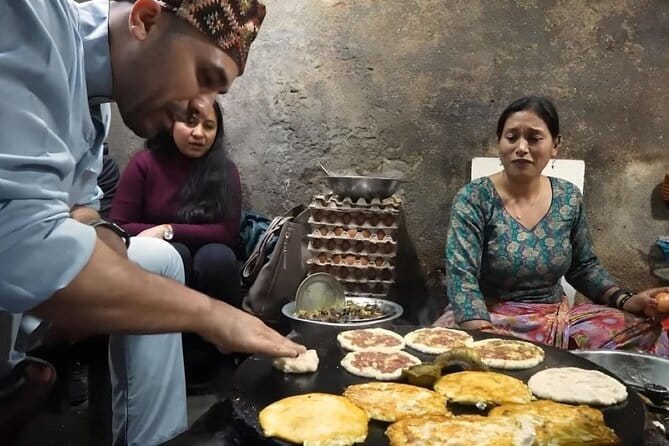
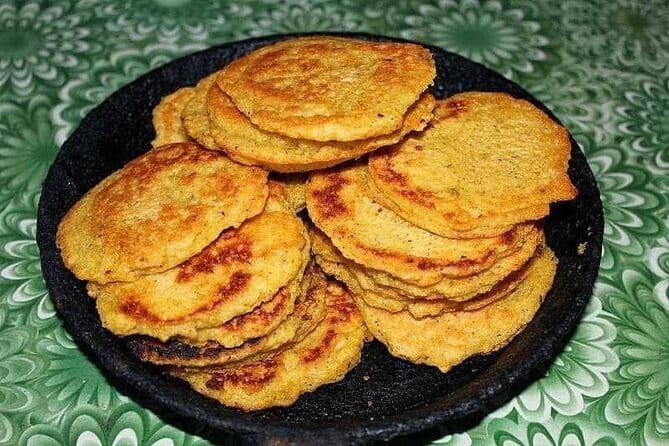
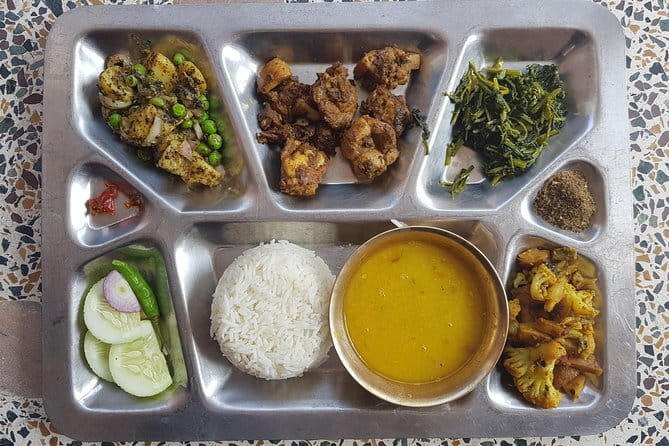
- Chatamari: Often called Newari pizza, this savory rice-flour dish offers a useful introduction to Newari cooking.
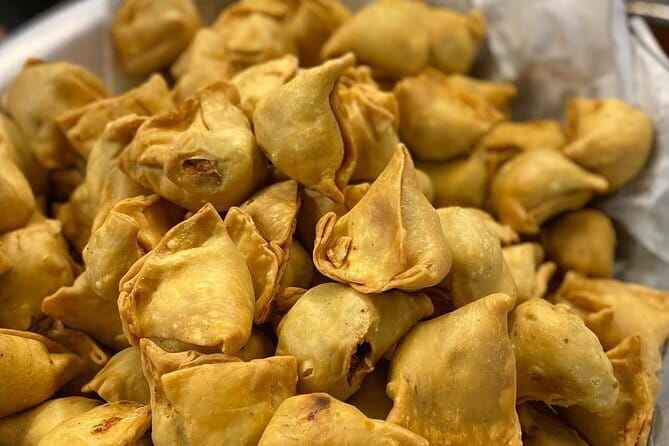
- Papadi chaat: A crisp, tangy snack with layered flavors and textures.
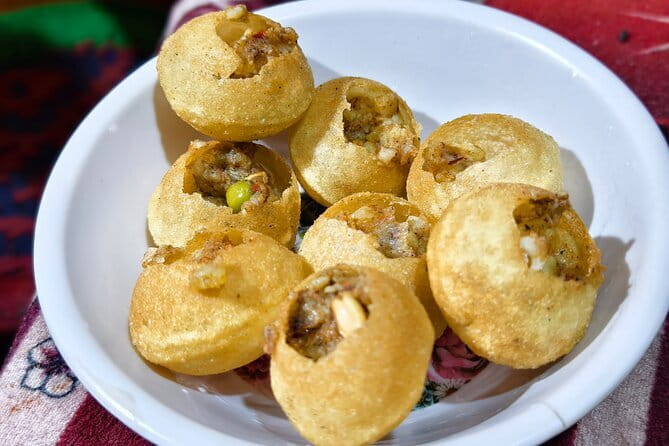
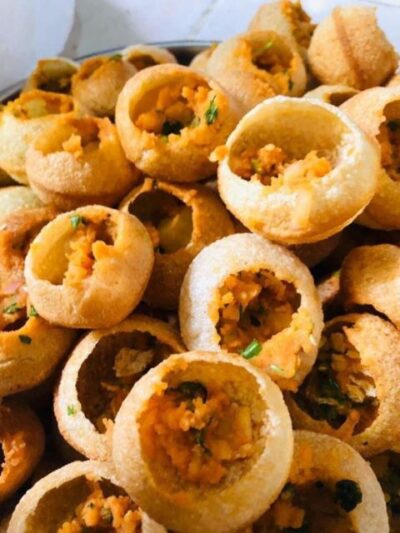
- Panipuri: Small, filled bites with a sharp, lively flavor and a playful way of eating.
- Lalmohan: A sweet treat that gives the route some balance after savory snacks.
- Laphing: A spicy dish with Tibetan influence and a very different texture from dumplings or flatbreads.
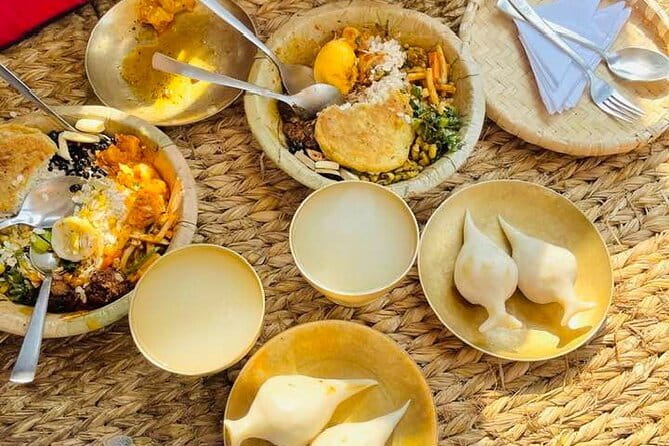
- Momos: Nepal’s famous dumplings may appear in different forms, though the exact preparation is not fixed.
These examples show why the tour is more interesting than a simple dumpling stop. You can move from Newari food to Indian-influenced snacks, Tibetan-style flavors, sweets, and drinks in a short walk.
The portions are best understood as tastings rather than a guaranteed full dinner. At least five items can add up to a satisfying outing, but appetite varies and the tour does not promise a set number of full meals. If you need a substantial dinner, plan to eat separately afterward.
Food allergies and dietary restrictions deserve a question before booking. The supplied details do not state that vegetarian, vegan, gluten-free, or allergy-specific options are guaranteed. Ask the provider in advance rather than relying on the guide to solve the issue on the street.
Why the guide matters more than the map
The route itself is useful, but the guide is the part that can turn a market walk into a real introduction to Kathmandu. Santosh receives particular praise for being friendly, genuine, and able to talk about local history, politics, culture, and food. That range is valuable because a good food walk should connect what you taste with the place around you.
Manoj is also associated with taking people to local food spots down side alleys, including places that can be hard to find alone. A guide identified as Namaste is described as friendly and helpful during a walk that visited about six different places. Guide names and assignments can vary, so you should not assume that Santosh or Manoj will lead every departure.
The strongest feature here is the willingness to move beyond the obvious. You may stop at modest food counters that do not look designed for sightseeing. That can feel more rewarding than eating a familiar dish in a polished restaurant, though it also means the experience is less controlled and predictable.
The guide also helps with unfamiliar foods. If you do not know how to eat panipuri, what to expect from laphing, or how chatamari differs from pizza, a friendly explanation makes the tasting less awkward. You can ask what is spicy, sweet, crisp, soft, or best saved for later.
Same city, another market:
- Bangkok: Train Market & Floating Market with Boat Ride
★ 4.7 · 9,547 reviews - Dubai: Old Town, Souks, Street Food, Guided Tour & Abra Ride
★ 4.9 · 7,170 reviews - From Bangkok: Ayutthaya & Ayothaya Floating Market Day Trip
★ 4.7 · 6,084 reviews - Dubai: Frame Tickets, Creek, Souks & Blue Mosque Guided Tour
★ 4.8 · 5,980 reviews
A compact food tour with a large possible group
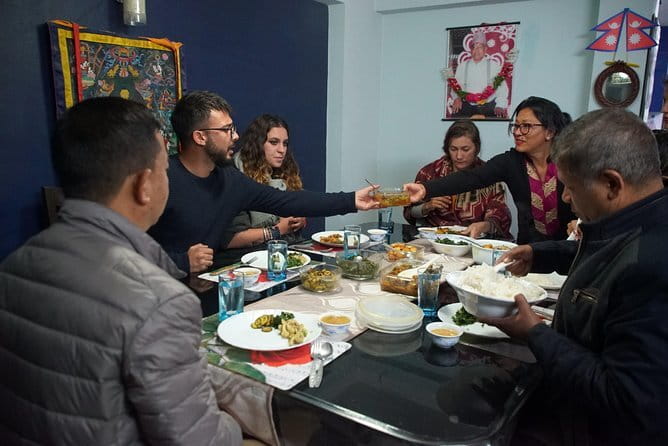
The advertised maximum is 20 people. That is not a huge group for a walking tour, but it is large enough to affect the feel of the outing. In a full group, you may need to wait while everyone receives a tasting, and conversations with the guide may be less personal.
On the other hand, a maximum of 20 helps keep the cost low. The price is $25 per person, and it includes the guide, all listed tastings, drinks, taxes, and official expenses. You are not paying the tour price and then discovering that every snack costs extra.
For that rate, the value is strongest if you want orientation and variety. Buying five or more items on your own may not cost much in Kathmandu, but locating the right stalls, choosing unfamiliar dishes, and understanding the cultural setting takes time. The guide’s local access and explanations are what justify the fee.
Group discounts are available, which may make this a practical choice for friends or family. A private tour is not listed, so you should think of this as a shared experience unless your booking confirms otherwise. Solo participants can still fit in well, and one walk was described as a solo outing with several food stops.
When to schedule the walk
The tour lasts about two hours, making it easy to place on a first afternoon or evening in Kathmandu. I like the idea of booking it early in a trip because the guide can help you get familiar with local dishes before you order on your own.
It is also a reasonable choice when your schedule is tight. You will not lose a full day to a food activity, and the route returns to the same meeting point. The short duration does mean the pace may feel brisk, especially if the group is full or the market is busy.
The experience is booked, on average, 22 days ahead. That does not mean you must reserve three weeks early, but it suggests that advance planning is sensible during popular travel periods. Confirmation is provided at booking, and a mobile ticket is available.
The supplied details do not name a specific departure time. Check the selected date and start time carefully, then allow enough time to reach Chhaya Devi Complex. Cancellation is free up to 24 hours before the start time. Inside that window, the amount paid is not refunded, and changes are not accepted.
What the tour does well, and where it is limited
The best part is the combination of local food and local streets. You are not simply driven to a restaurant and handed a plate. You walk from Thamel toward Ason Bazar, see daily market life, and taste dishes that may not be familiar to you.
The second strength is range. Chatamari, papadi chaat, panipuri, lalmohan, laphing, momos, and drinks point to a food culture shaped by several traditions. Even if one dish is not your favorite, the next stop may be entirely different.
The main drawback is that the itinerary remains broad rather than exact. The tour promises a minimum of five items, but it does not provide a fixed menu, restaurant list, or detailed route timing. That is normal for a street-food walk, but it may frustrate you if you want guaranteed dishes or carefully planned dietary alternatives.
The market setting can also be lively and crowded. You should be comfortable walking through narrow urban streets and eating at informal local stops. Most people can participate, according to the activity information, but the tour does not provide detailed accessibility notes, so ask ahead if you have mobility needs.
Who should book the Kathmandu food crawl
I would recommend this tour to first-time visitors who want a quick introduction to Kathmandu’s food and central markets. It also suits curious eaters who would rather try several small dishes than sit down for one long meal.
It is a good match for solo visitors, couples, and groups looking for an easy shared activity. The English-speaking guide can make unfamiliar food less intimidating, while the fixed meeting and return point keep the plan simple.
You may want something else if you already know Kathmandu well, need a private guide, or require a guaranteed menu for medical or dietary reasons. You should also skip it if you want a long, formal history walk. The tour gives cultural context, but food remains the main event.
Should you book it?
At $25, this is a sensible buy if you value guidance, variety, and the chance to find small local food stops without doing the research yourself. The strongest reason to book is not the promise of one famous dish. It is the combination of at least five tastings, Ason Bazar, side-street food, and a guide such as Santosh or Manoj who can help connect the meal to Kathmandu’s culture.
Book it early in your stay if you want help getting your bearings and learning what to order later. Just keep your expectations practical: this is a two-hour introduction, not a complete food tour of Nepal.
FAQ
Where does the Kathmandu Food Crawl begin?
It begins at Chhaya Devi Complex, also called Chhaya Center, on Amrit Marg in Kathmandu’s Thamel area.
Where does the activity finish?
The walk ends back at the meeting point at Chhaya Devi Complex.
How long does the food tour last?
The activity lasts approximately two hours.
How many food items are included?
At least five food and drink items are included.
Are drinks included in the price?
Yes. Food and beverages are included as part of the tour.
What dishes might be included?
Possible dishes mentioned for the experience include chatamari, papadi chaat, panipuri, lalmohan, laphing, and momos. The exact selection is not fixed.
Is a guide included?
Yes. An experienced, friendly, English-speaking guide is included.
How large can the group be?
The activity has a maximum of 20 travelers.
What is the price?
The listed price is $25 per person. Group discounts are available.
Can I cancel for a full refund?
Yes. You can cancel at least 24 hours before the local start time for a full refund. Cancellations or changes made within 24 hours are not refunded or accepted.
New market tours around the world
- Tel Aviv: 2-Hour Carmel Market Tour in English with Lunch★ 4.8 · 23 reviews
- Tel Aviv: Carmel Market & Neighborhood Guided Walking Tour★ 4.7 · 3 reviews
- Tel Aviv: 2-Hour Jaffa Flea Market Tour with Tastings★ 4.9 · 8 reviews
- Tel Aviv: Carmel Market Food Tasting Tour “Shuk Hacarmel”★ 4.0 · 8 reviews
- Tel Aviv: 2-Hour Levinsky Market Tour with Full Lunch★ 4.7 · 10 reviews
- Tbilisi 2 Parks: Turtle Lake & Dedaena Park with Flea Market★ 5.0 · 3 reviews
- Tbilisi: Street Food & Sightseeing Tour with Local Markets★ 5.0 · 8 reviews
- Teguise: Market and César Manrique Foundation Tour★ 4.3 · 39 reviews
Kathmandu Market Tours, side by side.
Best Nepali Cooking Class in Thamel with Local Market Trip
Read our review →
Oldest Local Market Walking Tour With Living Goddess Kumari
Read our review →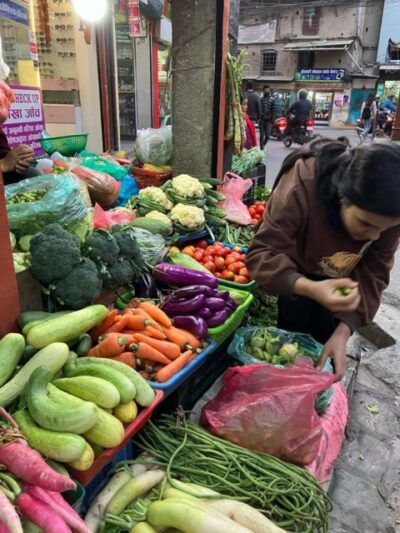
Half Day Cooking Class in Thamel with Local Market Visit
Read our review →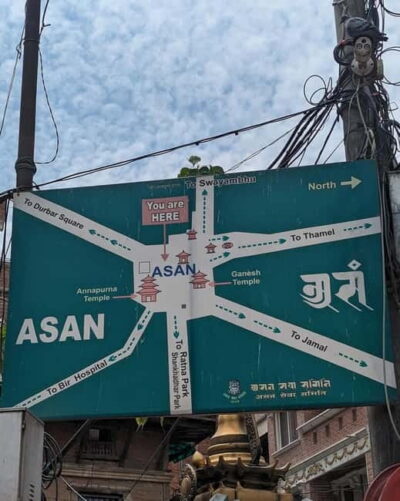
From Bazaar to Hippie Hub: Ason & Freak Street in Kathmandu
Read our review →This tour also appears in