
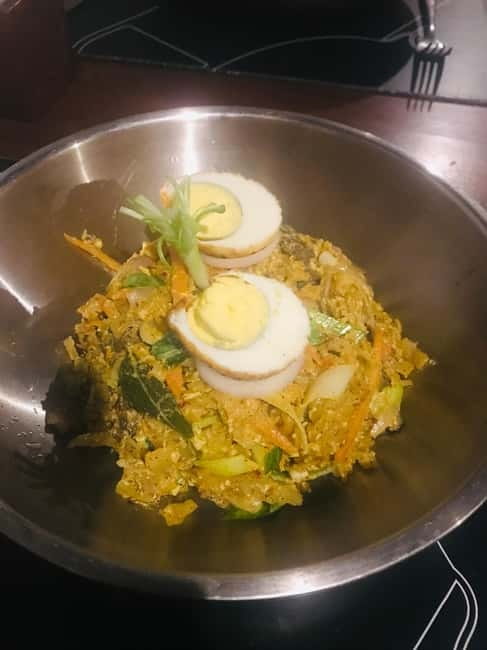
Review · SRI LANKA
Colombo Cooking Experiance with Explore Market
The best part of this Colombo cooking experience is that the meal begins before you reach the kitchen. You meet Bobby at a local market, inspect fruit, vegetables, spices, and dried fish, then head to Pradeep’s home to cook what you have chosen. I like the market-to-table link, and I like that you actually chop, stir, and season rather than simply watch a demonstration. The homemade dessert and wood apple juice are especially nice touches.
I also like the relaxed home setting, where food comes with conversation and a look at how Sri Lankan families cook. The main consideration is that the market can feel quiet or limited on a holiday, and one person found the class would have been more hands-on with a separate cooking station for each participant. Confirm the return transport, too, since pickup is included but drop-off is listed separately.
Key points to know before booking
- Market first, kitchen second: Choose ingredients with Bobby and learn about local fruit, vegetables, spices, and dried fish before cooking.
- Pradeep’s home kitchen: Prepare traditional dishes in a family setting, not a commercial cooking school.
- Hands-on curry making: The class explains each step and lets you take part, though some tasks may be shared.
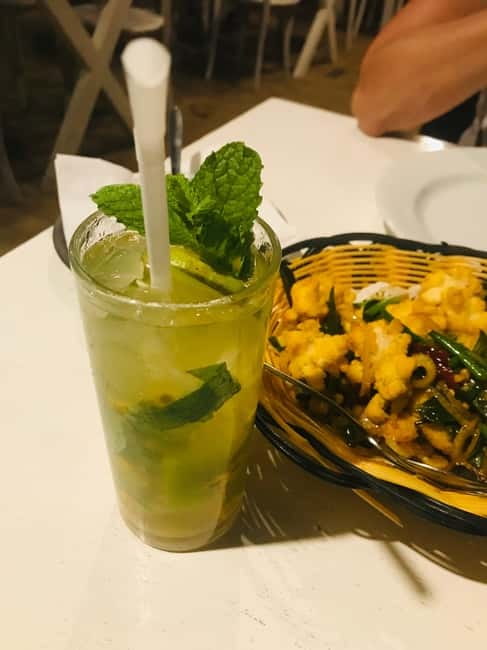
- A sociable meal: Eat the food you prepare with Lion beer or fresh juice, followed by homemade dessert.
- Useful take-home extras: Recipe notes and local spices may be available, giving you a better chance of recreating the meal.
- Short and flexible: The experience lasts about three and a half hours and includes hotel pickup within Colombo, with wider pickup areas arranged at extra cost.
Why the market visit gives the cooking class its purpose
A cooking lesson can feel disconnected from local life if every ingredient is already measured and waiting in bowls. Here, the outing starts at a Colombo market, where Bobby helps you look at the food before it reaches the cooking pot.
You can expect to see fresh produce, spices, and dried fish, with advice on choosing ingredients for the meal. That matters in Sri Lankan cooking because the flavor depends on more than a fixed recipe. The quality and type of chili, coconut, fruit, vegetables, and spices all shape the final dish.
I like this part because it gives you useful context without turning the morning into a long lecture. You are not only learning what an ingredient is called. You are also seeing how it looks in its everyday setting and deciding what goes into your lunch.
The market portion does have a practical weakness. Its energy depends on the day. A visit on New Year’s Day was described as quieter than expected, with fewer sellers available. If you want the fullest market atmosphere, avoid a major public holiday when possible. Even on a slower day, the produce, spices, and dried fish still give you a useful introduction to the food you will cook.
Personal shopping is not included in the price. You may be able to buy spices or other local products, but budget separately for anything you want to take home. The cooking team can also help you purchase local spices after the class.
More Market and Cooking Class Tours in the world:
- Hanoi Cooking Class: Culture, Local Market & Meaning CSR Impact
★ 5.0 · 5,147 reviews - 5 Traditional Dishes Hanoi Cooking Class with Market Trip
★ 5.0 · 4,890 reviews - Cooking Class and Lunch at a Tuscan Farmhouse with Local Market Tour from Florence
★ 5.0 · 4,831 reviews
From Colombo streets to a family kitchen
The transfer from the market to the cooking location takes about 15 minutes. Some bookings include hotel pickup, while other arrangements can begin directly at the meeting point. Pickup can also be arranged from an airport, railway station, cruise terminal, or port by contacting the operator on WhatsApp.
The published pickup area covers Colombo. For locations more than 8 kilometers away, an additional transport charge applies, so check this before booking if your accommodation is outside the central area. The return arrangement deserves the same attention. Pickup is included, but drop-off is listed separately, so do not assume that the return ride is automatically covered.
A colorful tuk-tuk was part of one recent outing, adding a distinctly Colombo touch to the short journey. That is not promised for every booking, so treat it as a possible feature rather than a guarantee. The important point is the change in setting: you leave the market and arrive at a private home where the cooking feels personal rather than staged for a large crowd.
One of the most useful details here is that this is not a commercial kitchen. You are cooking in the host’s home, with Pradeep guiding the meal and sharing homegrown spices. That can mean a warmer, more informal setting, but it also means you should not expect a polished cooking studio with identical workstations and restaurant-style equipment.
What you actually do during the three-hour class
The cooking portion lasts about three hours, making up most of the activity. Pradeep demonstrates the dishes step by step, then gives you opportunities to help with preparation and cooking. You learn traditional Sri Lankan food from the point of view of someone who makes it at home.
Curry is a major focus. One participant who was already interested in food found the process easy to follow and valuable because it showed how to make curry from scratch. Another appreciated being able to record the recipes and try them at home later. That is a good sign for anyone who wants practical skills rather than a one-time meal.
You should expect a shared cooking process rather than a private station for every person. Most of the feedback describes the class as hands-on, but one participant wanted more individual workspace. If you are booking with a group, you may chop or stir in turns instead of preparing every dish alone.
That arrangement has a plus and a minus. It encourages conversation and lets Pradeep show the technique clearly. On the other hand, a keen home cook who wants to practice every step may find the class less active than a school where each person has a separate burner and cutting board.
The language options are English, German, Spanish, and French. The cooking hosts are described as friendly and flexible, and one solo participant found the organizers especially kind when meeting-point confusion caused a delay. That flexibility matters if you are booking alone or have a special request. Still, mention food allergies and dietary restrictions in advance. Do not wait until the ingredients are already selected.
The meal is part of the lesson
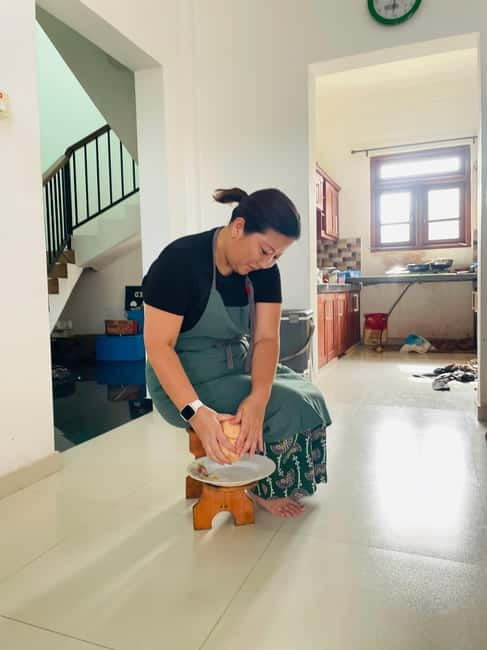
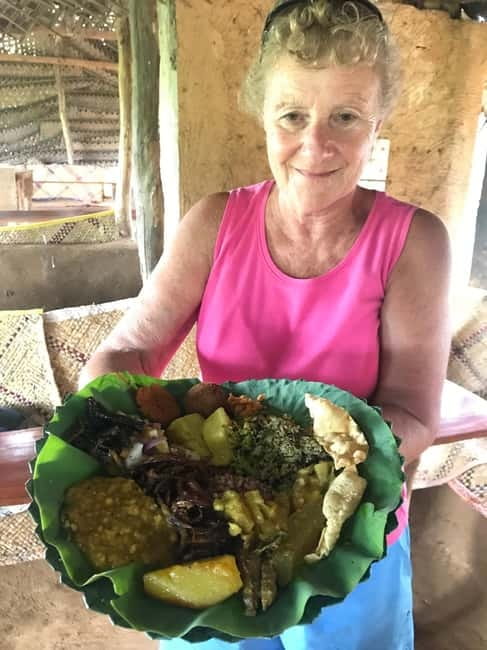
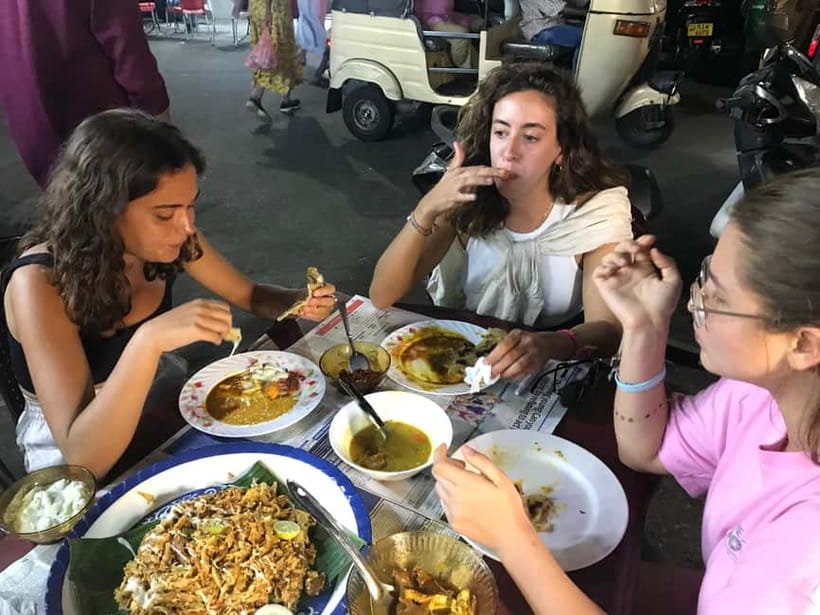
After cooking, you sit down to eat the dishes you helped prepare. This is more than a convenient lunch. It lets you taste the effect of the spices and cooking methods while the steps are still fresh in your mind.
Lion beer is available, along with fresh fruit juice. Wood apple juice was served on one occasion, and a fruit platter added another local taste to the meal. Homemade dessert finishes the session. These details give the experience a generous, family-table feel rather than the quick sample you might receive at a standard food demonstration.
I would treat the meal as a chance to ask questions. You can discuss ingredients, family cooking habits, and ways to adapt the recipes at home. Several participants valued the time to talk with Pradeep and Bobby as much as the cooking itself. The hosts are not simply presenting food and sending you away. The social side is a real part of the outing.
The meal also helps you judge the value of the $35 price. For that amount, you receive the market visit, transport pickup within Colombo, the class, the meal, a drink, dessert, and the chance to buy spices. Restaurant meals in Colombo may cost less, but they will not show you how the food was selected or prepared. A formal cooking course may offer more equipment and individual work space, but it may not provide the same home setting.
The value is strongest if you care about learning and conversation. If you only want to eat Sri Lankan food, the price may feel less compelling than a simple restaurant meal. If you want to understand curry and take the method home, the combination makes better sense.
More market tours around the world:
- Bangkok: Damnoen Saduak Market and Maeklong Railway Market
★ 4.5 · 26,723 reviews - The Old Siam: Damnoen Saduak and Maeklong Railway Market
★ 4.5 · 10,992 reviews - Dubai: Old Town, Creek, Museums, Souks, & Street Food Tour
★ 4.8 · 10,816 reviews - Bangkok: Train Market & Floating Market with Boat Ride
★ 4.7 · 9,547 reviews
What makes this feel local, and what it does not promise
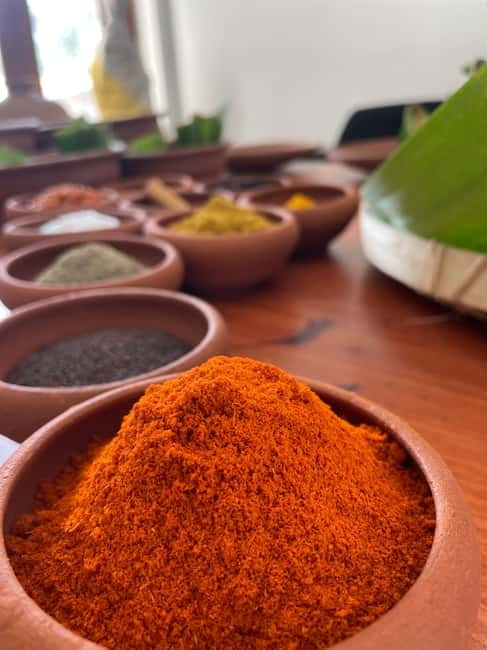
The strongest feature is the connection between the market and the home. You see ingredients in their everyday setting, then use them in a family kitchen. That sequence gives the meal a clear sense of place without requiring a long sightseeing program.
You also get a glimpse of home cooking rather than a restaurant performance. The host’s spices, family setting, and shared table make the activity feel more personal. A participant described the food as close to real Sri Lankan home cuisine, while another called it the best meal of the trip. I would not treat those personal judgments as a guarantee, but they point to the experience’s main strength: flavor and hospitality matter as much as technique.
There are limits. The market visit may be less interesting on a holiday. The class may not give everyone equal time at the counter. The exact dishes are not specified in advance, so you should book for the chance to cook Sri Lankan food rather than for one particular curry or dessert.
The experience is also not a broad Colombo sightseeing tour. The transfers are short, and the focus stays on ingredients, cooking, and eating. That is good news if you want a focused half-day. It is less suitable if you are trying to cover several major sights in one outing.
Timing, comfort, and practical preparation
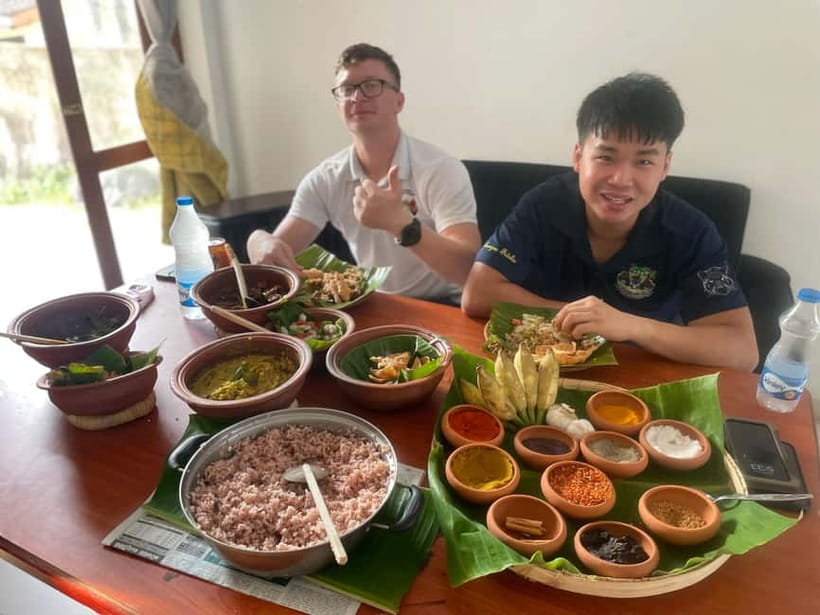
The full experience takes about three and a half hours. The outline allows roughly 15 minutes for the journey to the cooking location, three hours for the class and meal, and another 15 minutes for the return. Allow extra time around pickup because city traffic and different meeting points can affect the schedule.
Wear clothes that are comfortable for cooking. Loose, practical clothing is more useful than anything delicate, and a reusable water bottle is recommended. The kitchen may be warm, and the activity involves standing and handling ingredients.
The experience is listed as wheelchair accessible. Because the class takes place in a home rather than a purpose-built school, I would still confirm the exact access arrangements before booking if you use a wheelchair or have limited mobility. The listing also allows direct arrival at the location, which may suit you if you do not need hotel pickup.
You can cancel up to 24 hours before the start time for a full refund, and reserve now while paying later. Those terms are useful if your Colombo plans may shift. They do not remove the need to confirm transport charges for pickup points beyond 8 kilometers from the main service area.
Who will enjoy this Colombo cooking experience
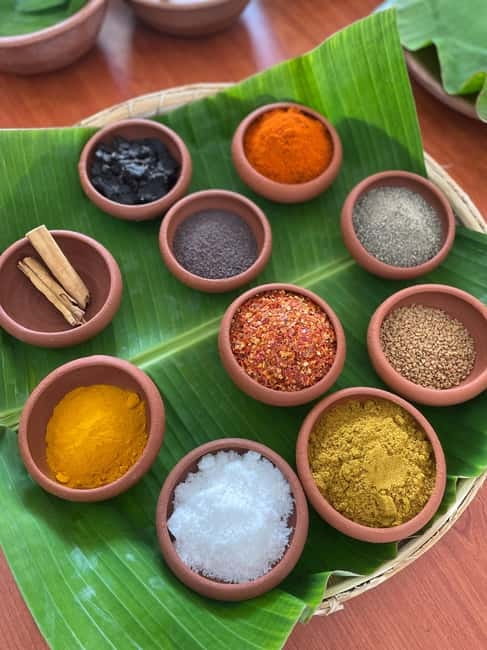
I would recommend it most strongly to people who want a personal introduction to Sri Lankan food. It suits solo visitors, couples, families, and small groups, especially if you enjoy asking questions and taking part in the preparation.
It also works well for beginners. The class explains the process step by step, and the cooking has been described as easier to follow than expected. You do not need to arrive with much kitchen experience. At the same time, experienced cooks can learn how a local home cook balances spices and handles familiar ingredients in a different food culture.
Solo bookings should work well. One person joined alone and came away with a particularly strong memory of the experience. The social setting gives you an easy way to meet the hosts and share a meal without needing to organize a larger group.
I would be more cautious if your main goal is a highly structured professional class. The shared setup may limit your time with the knife, pan, or stove. I would also reconsider if you have strict dietary needs and have not contacted the operator ahead of time. The team asks you to give advance notice, and that is important when the market shopping happens as part of the activity.
Should you book it?
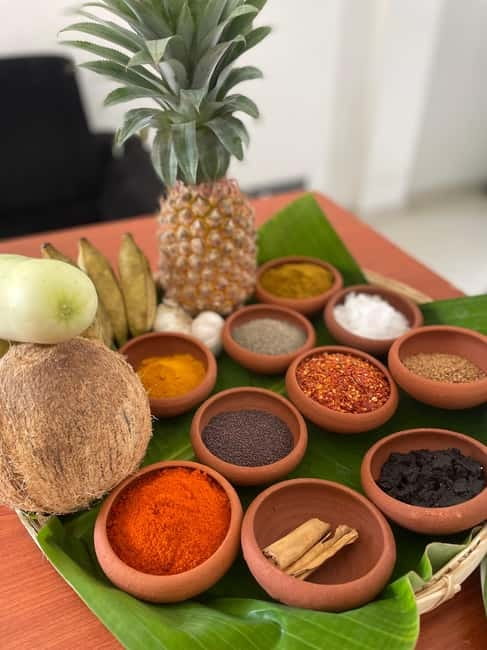
Book this experience if you want to understand Sri Lankan food through a market, a family kitchen, and a meal you helped prepare. The combination of Bobby’s ingredient guidance, Pradeep’s cooking instruction, local drinks, dessert, and home hospitality gives you much more than a standard food tasting.
Go in with realistic expectations. The market may be quiet on a holiday, the work space may be shared, and return transport needs checking. For $35, though, the package offers strong value if you want hands-on cooking and human contact rather than a polished culinary school. I would choose it early in a Colombo stay, then use the recipes and spice tips to make better food choices for the rest of your time in Sri Lanka.
FAQ
How long does the Colombo cooking experience last?
The activity lasts about three and a half hours. The plan includes roughly 15 minutes of transport to the cooking location, about three hours for the market, cooking, and meal, then about 15 minutes returning to Colombo.
Is hotel pickup included?
Hotel pickup within Colombo is included. Pickup can also be arranged from an airport, railway station, cruise terminal, or port by contacting the operator on WhatsApp. Locations more than 8 kilometers away may incur a transport charge.
What food and drinks are included?
You eat the Sri Lankan dishes prepared during the class. The meal includes Lion beer or fresh fruit juice, plus a homemade dessert.
Can I join if I have food allergies or dietary restrictions?
Yes, but you must notify the operator about allergies or dietary restrictions in advance. This allows the ingredients to be considered during the market visit and meal preparation.
Is the cooking class wheelchair accessible?
The activity is listed as wheelchair accessible. If you need specific access arrangements at the private home, confirm the details before booking.
Can I cancel or pay later?
You can cancel up to 24 hours before the activity for a full refund. The booking terms also allow you to reserve now and pay later.
New market tours around the world
- Tel Aviv: 2-Hour Carmel Market Tour in English with Lunch★ 4.8 · 23 reviews
- Tel Aviv: Carmel Market & Neighborhood Guided Walking Tour★ 4.7 · 3 reviews
- Tel Aviv: 2-Hour Jaffa Flea Market Tour with Tastings★ 4.9 · 8 reviews
- Tel Aviv: Carmel Market Food Tasting Tour “Shuk Hacarmel”★ 4.0 · 8 reviews
- Tel Aviv: 2-Hour Levinsky Market Tour with Full Lunch★ 4.7 · 10 reviews
- Tbilisi 2 Parks: Turtle Lake & Dedaena Park with Flea Market★ 5.0 · 3 reviews
- Tbilisi: Street Food & Sightseeing Tour with Local Markets★ 5.0 · 8 reviews
- Teguise: Market and César Manrique Foundation Tour★ 4.3 · 39 reviews
Sri Lanka Market Tours, side by side.
Galle: Cooking Class at a Local Home and Market Tour
Read our review →
Kandy: Village Cooking Class 12 Dishes with Market Tour
Read our review →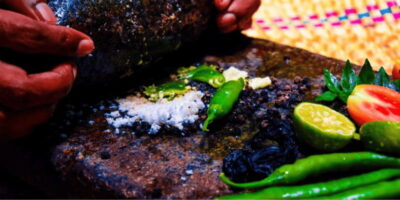
Colombo: Local Market Tour & Cooking Demo with Lunch
Read our review →This tour also appears in