
Review · SEOUL
Local Home Korean Cooking Class & Market Adventure in Seoul
Seoul has plenty of polished food tours, but this one takes you from Mangwon Market to a real local home kitchen. You shop, taste, cook, and then sit down to a traditional Korean table filled with your own dishes plus more than 10 side dishes.
I like the practical market lesson, where Sarah or Junghee explains ingredients, regional cooking habits, and useful Korean words. I also like the hands-on format: you do not just watch a chef work. The main consideration is the price, $91 per person, which is fair for a three-and-a-half-hour meal experience but more than a basic cooking class.
Key points to know before booking
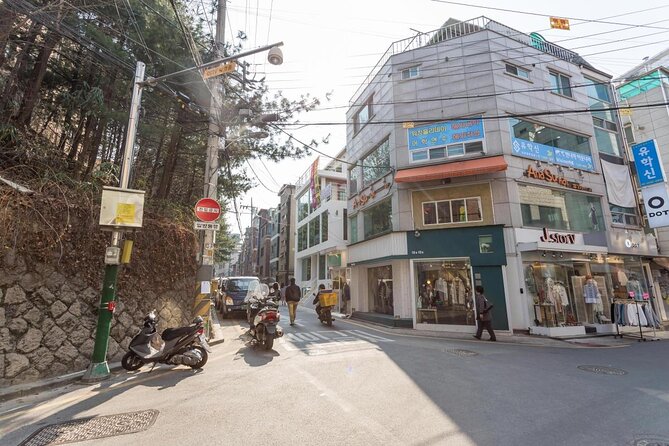
- Mangwon Market comes first: You learn about Korean produce, herbs, spices, and street snacks before cooking.
- You cook four dishes: Possible dishes include bibimbap rice and dakgalbi, though the exact menu can vary.
- The home setting feels personal: Cooking takes place at your host’s home rather than in a large commercial studio.
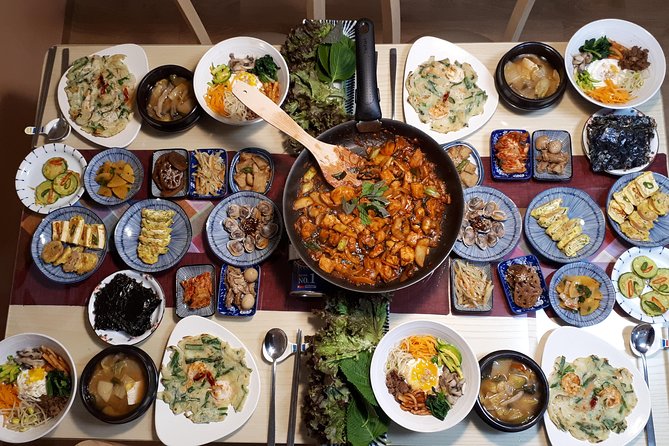
- The final meal is generous: Your dishes join a Hanjeongsik spread with more than 10 side dishes, dessert, and makgeolli.
- Sarah and Junghee bring different strengths: Both are praised for clear English, humor, cultural explanations, and warm hosting.
- The group is capped at 10: That keeps the lesson more manageable than a large tour-class format.
Why this Seoul cooking class feels different
The smart idea here is the order of the experience. You do not begin with pre-measured ingredients in a classroom. You first see where Seoul residents buy food, learn what the ingredients look like, and sample something from the market. Only then do you head home to cook.
That sequence gives the recipes some context. A Korean pepper, spring onion, rice cake, or seasoning is easier to remember after you have seen it in a market stall and talked about how it is used. You also get a better sense of how Korean meals are built around several small dishes rather than one large main course.
The host is a major part of the experience. Sarah is described as lively, funny, and easy to understand in English. Junghee receives similar praise for her humor, clear teaching, and ability to explain Korean customs without making the class feel formal. The tone appears friendly and social, with a few Korean phrases worked into the market walk and cooking lesson.
This is not the right pick if you want a quiet, highly technical chef’s course. The atmosphere is relaxed, and the host’s personality is part of the entertainment. That is a strength for most visitors, though anyone hoping for a serious professional kitchen session may find it more casual than expected.
More Market and Cooking Class Tours in Seoul:
- Seoul: Korean Cooking Class at a Local Home and Market Tour
★ 5.0 · 348 reviews - Seoul: Authentic Korean Cooking Class and Market Tour
★ 5.0 · 6 reviews - Hanoi Cooking Class: Culture, Local Market & Meaning CSR Impact
★ 5.0 · 5,147 reviews
Starting at Mangwon Station Entrance 2
You meet at Mangwon Station Entrance 2, with the listed starting point at 377-20 Mangwon-dong, Mapo-gu. The activity lasts about three hours and 30 minutes and returns to the meeting point at the end.
Mangwon is a useful setting because the class begins in an ordinary neighborhood market rather than at a major tourist sight. You get to see the everyday food-shopping side of Seoul. That matters because Korean cooking is closely tied to fresh vegetables, sauces, seafood, meat, rice products, and small prepared foods bought for several meals.
The tour is near public transportation, which makes it practical to fit into a day in western Seoul. Still, leave enough time to find the station exit and meet the host without rushing. The experience is built around a group start, so arriving promptly is wise.
A mobile ticket is provided, and confirmation comes at booking. The group can include up to 10 people. That is small enough for questions and individual help, though the experience will not necessarily be private unless nobody else books that departure.
Walking through Mangwon Market
The market visit is more than a quick stop for ingredients. Your guide explains local food names, common seasonings, seasonal produce, and the way Korean cooking uses different combinations of vegetables and aromatics.
One useful detail highlighted during the walk is the Korean preference for spring onions in places where visitors might expect chives. Small distinctions like this help you understand why a dish tastes the way it does. You may also learn Korean words for food and practice ordering or asking about items.
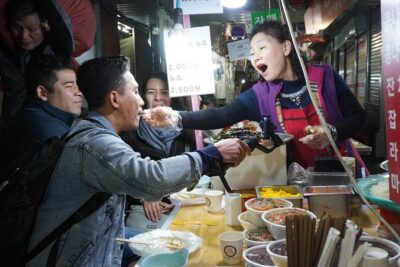
Street-food tasting adds an easygoing start. Kwabaeggi, a twisted Korean doughnut, is one example mentioned during the market walk. Another review recalls a honeydew-flavored popsicle on a hot day. These details suggest that the food stops are flexible and tied to what is available rather than a rigid tasting menu.
That flexibility is part of the charm, but it also means you should not book this expecting a fixed list of market samples. The central purpose is to learn, taste, and shop for the class, not to complete a formal street-food crawl.
The market is also where you begin to see the difference between Korean side dishes and the central item on the plate. A meal might include a main rice or meat dish, but the table is supported by many smaller portions with different textures, colors, and seasonings. The later Hanjeongsik meal makes more sense after this introduction.
Cooking four Korean dishes at home
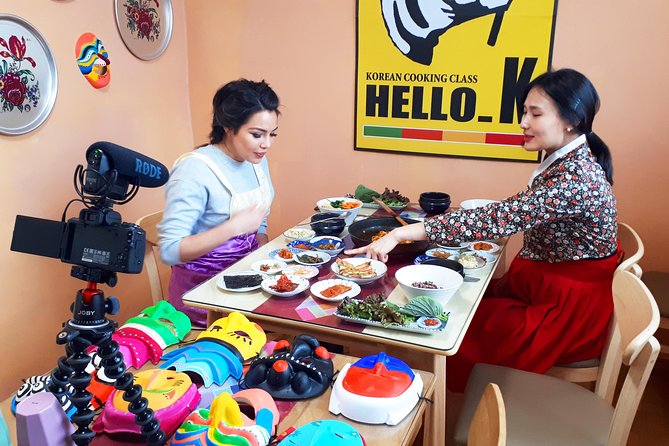
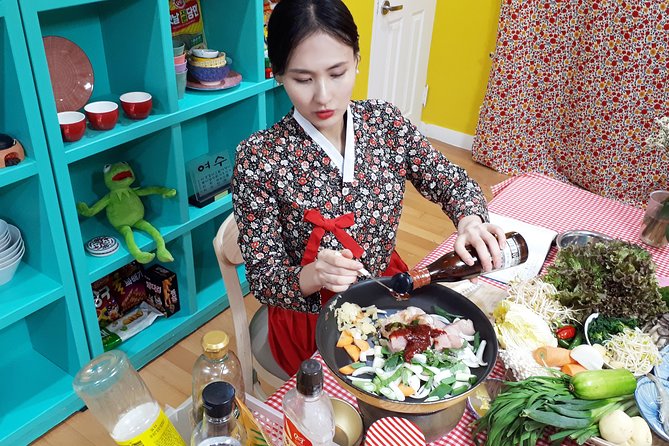
After the market, you go to the host’s home for the cooking portion. The class is described as 100 percent hands-on, which means you should expect to chop, mix, season, assemble, and cook rather than stand behind the host and watch.
The menu can include four Korean dishes, with bibimbap rice and dakgalbi given as examples. Bibimbap offers a good lesson in combining rice, vegetables, seasoning, and toppings. Dakgalbi, a seasoned chicken dish, shows a different style of Korean cooking, with strong flavors and a satisfying shared-meal feel.
The exact recipes are not guaranteed in the information provided, so I would treat those examples as possible dishes rather than promises. That is worth checking if you have a food allergy, a strict diet, or one particular recipe in mind.
The class seems designed for ordinary home cooks, not only confident ones. The host breaks down the steps, shares practical shortcuts, and keeps the mood light. Several comments point to recipes that are approachable enough to repeat at home. Copies of the recipes may be sent after class, which is especially useful if you want to recreate the meal rather than leave the techniques in Seoul.
You also get cultural notes along the way. The teaching is not limited to measurements and cooking times. The hosts explain why certain ingredients are used, discuss differences between Korean regions, and share pieces of daily life in Seoul. That kind of conversation is one reason the home setting works better here than a generic cooking studio.
The home kitchen does set a limit. The class is personal and social, but it is not described as a restaurant-grade facility or a professional culinary school. If your priority is advanced knife work or formal chef training, choose a more technical course. If your goal is to understand the food you are eating and learn a few dishes you can make later, this format is a better match.
More market tours around Seoul:
- Seoul Street Food Market Tour
★ 5.0 · 1,226 reviews - Seoul: Night Market Food Tour with Local Guide
★ 4.9 · 943 reviews - Seoul: Palace, Temple and Market Guided Foodie Tour at Night
★ 4.9 · 750 reviews - Seoul: Guided Food & Market Tour with 8+ Tastings
★ 4.9 · 342 reviews
Sitting down to a Hanjeongsik dinner
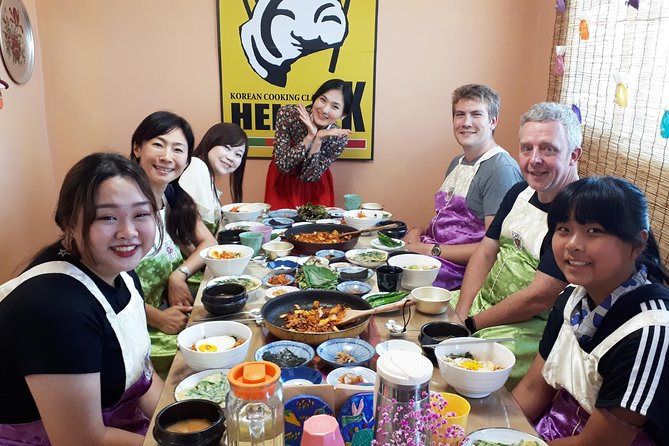
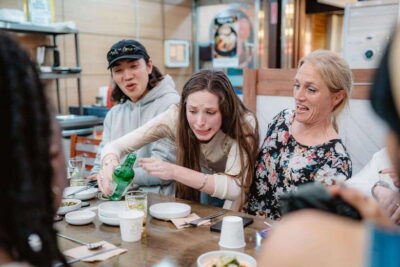
The final meal is the payoff. You eat the dishes you helped prepare, then add homemade side dishes, dessert, and a glass of makgeolli, the Korean rice wine.
Hanjeongsik is valued for its variety. Instead of one plate arriving alone, the table is filled with many small dishes. Here, the spread includes more than 10 side dishes, giving you a chance to compare salty, spicy, sweet, fresh, and fermented flavors in one sitting.
This is where the $91 price begins to make more sense. You are paying for the market walk, street-food tasting, instruction, ingredients, a substantial meal, cultural conversation, and the host’s time. It is not cheap if you only want to learn one recipe. It is more reasonable if you would otherwise book a market tour and a cooking class separately.
Makgeolli adds a traditional touch, though you should keep the drink component in mind if you do not drink alcohol. The supplied information does not state that a nonalcoholic substitute is available, so ask the operator in advance if that matters to you.
The meal also gives the class a social finish. You eat with the other people in the group, swap impressions, and get a chance to enjoy the food without racing to the next attraction. For families and couples, that shared table can be the most memorable part of the afternoon.
The hosts make or break the afternoon
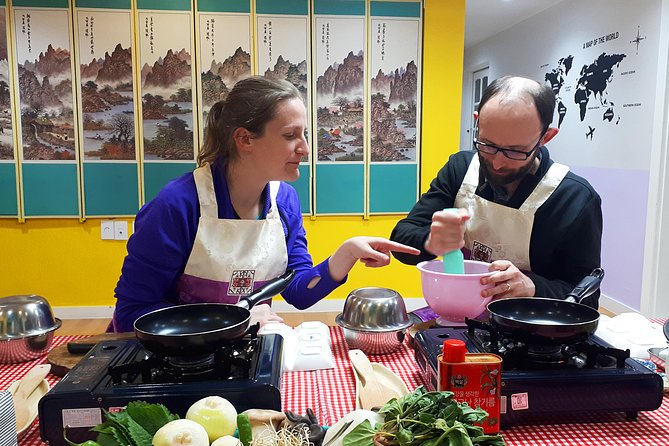
The most consistent strength of this activity is the host. Sarah is repeatedly described as warm, funny, energetic, and welcoming. Junghee is praised for her charm, humor, English, and ability to make cooking feel simple.
That personality matters because the class includes several hours of direct contact. A guide who can explain a market item, answer questions, demonstrate a technique, and keep a mixed group involved is more important here than a long list of recipes.
You may also learn basic Korean phrases along the way. Some visitors were encouraged to order market food in Korean, which turns a passive tasting into a small practical challenge. The host may also share restaurant suggestions for the rest of your Seoul stay and send class photos afterward.
The tone can be playful. One description compares the class to a cooking lesson mixed with a comedy show. That will appeal to most people, especially families and friend groups, but it is useful to know that this is not a hushed, formal demonstration.
Who will get the most from this experience
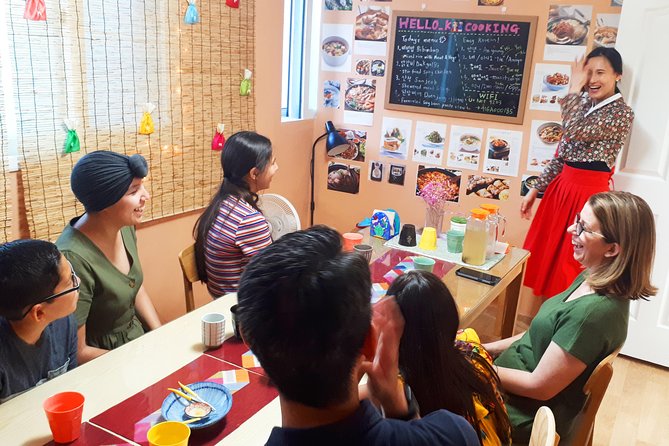
I would recommend this class to first-time visitors who want a clear introduction to Korean food without spending a full day on a food tour. It is also a strong choice for families with older children. The activity has worked well for groups with teenagers and adults, and the hands-on work gives children something concrete to do.
Couples and friends should find it easy to enjoy, too. The meal is social, the market walk keeps the pace moving, and the recipes give you something useful to take home. Solo visitors can also fit in well because the group format naturally creates conversation.
This is especially good for you if:
- You want food culture explained in plain English.
- You like meeting a local host in a home setting.
- You prefer cooking and tasting to simply watching demonstrations.
- You want a substantial meal during the activity.
- You enjoy learning a few words and food terms in Korean.
Think twice if you have strict dietary restrictions, dislike shared meals, or need a confirmed menu before booking. The available information does not provide a full allergy or dietary policy. Also remember that the tour includes walking through a market and moving to a home kitchen, so it is not just a seated class.
Practical value, timing, and cancellation
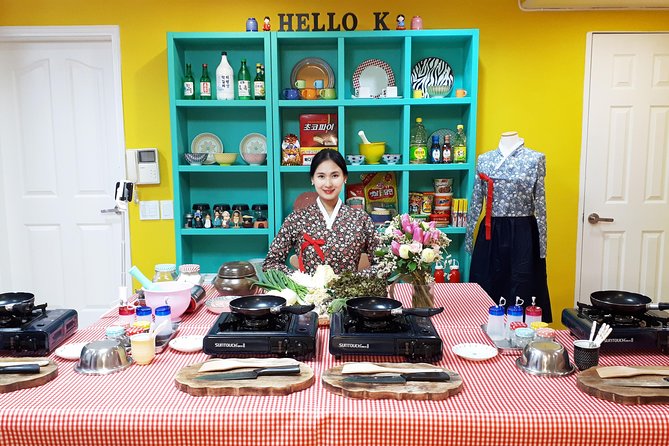
At $91 per person, this is a midrange food experience rather than a budget activity. The strongest value comes from the combination of four parts: a guided market visit, street-food tasting, hands-on cooking, and a large traditional meal.
A small group maximum of 10 helps justify the cost. You should receive more direct help than in a class packed with dozens of participants. If only a few people book, the session may feel nearly private, but that cannot be guaranteed.
The timing, about three hours and 30 minutes, makes this a substantial half-day plan. I would avoid placing a major timed attraction immediately afterward. The meal may be the kind of ending you want to enjoy slowly, and the market walk can take longer if the group has many questions.
Free cancellation is available if you cancel at least 24 hours before the start time. Cancellations made less than 24 hours in advance are not refunded, and late changes are not accepted. The cutoff follows Seoul local time, so check the clock carefully if you are booking from another time zone.
Should you book the Mangwon home cooking class?
Book it if you want more than a restaurant meal and more than a recipe demonstration. The best parts are the ordinary market setting, the generous Hanjeongsik table, and the lively personal teaching from Sarah or Junghee.
I would skip it if your main goal is advanced culinary training or a guaranteed dish list. For most visitors, though, the blend of shopping, tasting, cooking, language tips, and conversation gives you a useful way to understand Korean food in one afternoon.
At $91, it is a good choice for a special Seoul food experience, particularly for families, couples, and first-time visitors. Just confirm any dietary concerns before booking and arrive ready to participate, not simply watch.
FAQ
Where does the cooking class begin?
The meeting point is Mangwon Station Entrance 2, at 377-20 Mangwon-dong, Mapo-gu, Seoul.
How long does the experience last?
The activity lasts approximately three hours and 30 minutes.
What happens during the market visit?
You walk through a local market, learn about Korean ingredients, herbs, spices, and street foods, and sample market snacks.
How many dishes will I cook?
You will create four Korean dishes. Possible examples include bibimbap rice and dakgalbi, but the exact menu is not specified.
What is included in the final meal?
You eat the dishes you prepare along with a traditional Hanjeongsik spread containing more than 10 side dishes, dessert, and a glass of makgeolli.
How large is the group?
The activity has a maximum of 10 participants.
Can I cancel for a full refund?
Yes. You can receive a full refund by canceling at least 24 hours before the experience start time. Cancellations or changes made less than 24 hours in advance are not accepted for a refund.
New market tours around Seoul
- Seoul: The Biggest Sea-food Noryangjin Market Tour★ 4.3 · 30 reviews
- Seoul: Sokcho beach, market, hot spring and Seorak Cable Car★ 4.8 · 5 reviews
- Seoul: Gyeongbokgung Palace Tour & Lunch at Authentic Market★ 4.5 · 2 reviews
- Seoul: Mt.Seorak(+CableCar Option)+Sokcho Fish Market&Beach★ 4.5 · 9 reviews
- Seoul: Namdaemun Market Food Tour★ 4.9 · 34 reviews
- Seoul: Guided Street Food Tour at Namdaemun Market★ 5.0 · 10 reviews
- Seoul: Gwangjang Market Vegan & Vegetarian Food Tour★ 5.0 · 16 reviews
- Seoul Gwangjang Market Foody Walking Tour★ 4.1 · 7 reviews
Seoul Market Tours, side by side.
Seoul: Palace, Temple and Market Guided Foodie Tour at Night
Read our review →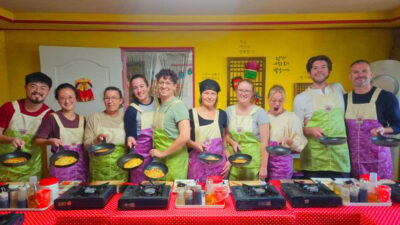
Seoul: Korean Cooking Class at a Local Home and Market Tour
Read our review →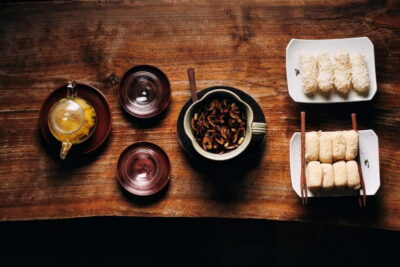
Seoul: Guided Food & Market Tour with 8+ Tastings
Read our review →
Seoul: Nighttime Tour of Palace, Market, Naksan Park & More
Read our review →
Seoul: Gyeongbok Palace, N Tower, & Local Market City Tour
Read our review →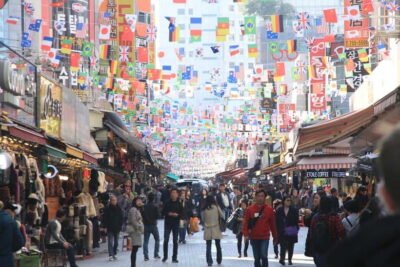
This tour also appears in