
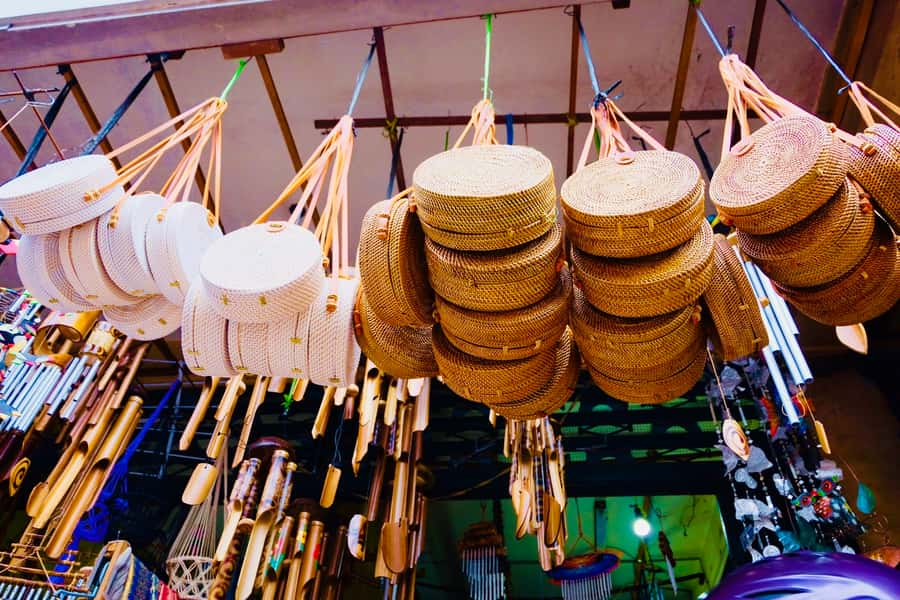
Review · INDONESIA
Denpasar: Museum, Traditional Market and Food Tasting Tour
Denpasar’s traditional market is the heart of this private tour. At Pasar Badung, you’ll see island-grown fruit, spices, and everyday food being sold to local shoppers, then taste some of it with your guide’s help. I like that the experience shows you working Denpasar rather than keeping you in Bali’s resort belt. I also like the mix of market food and civic history at Puputan Square and Bajra Sandhi Monument. The main caution is timing: afternoon markets may be winding down, and the museum can feel dated.
The private format makes the day flexible. Guides such as Dayu, Widi, Sagita, Gede, and Gusde have been praised for explaining Balinese customs in a friendly, personal way, while drivers handle hotel pickup and the city traffic. Five hours is enough for a useful introduction, but the schedule includes several stops, so you should expect a brisk outing rather than a slow museum visit.
Key points to know before booking
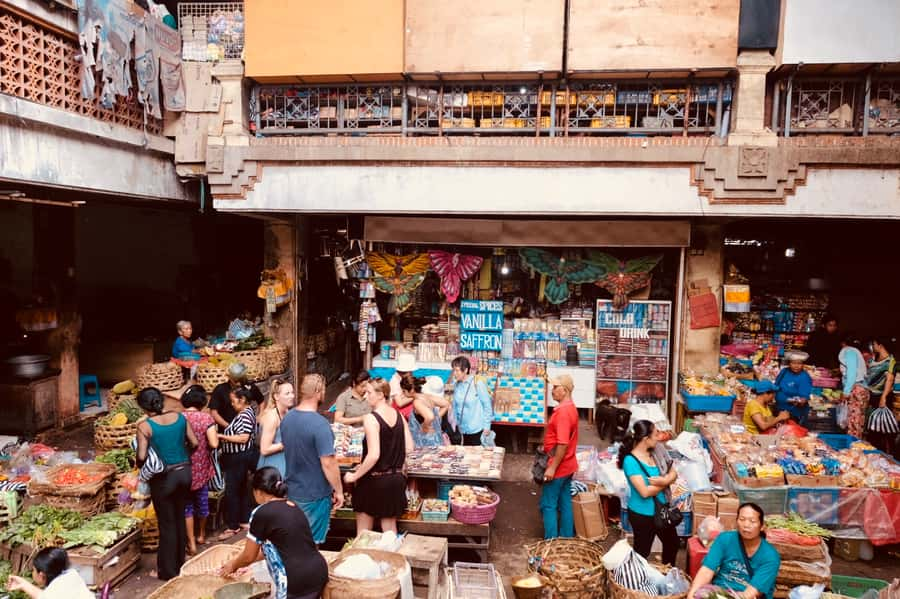
- Pasar Badung is the most local stop: Shop for fruit, spices, and snacks, and bring cash if you want to buy something.
- Bajra Sandhi may explain Bali’s past better than the Bali Museum: Its interior displays and historical diorama give the monument real substance.
- The private guide is the main strength: Dayu, Widi, Sagita, Gede, and Gusde have all been singled out for patient explanations and warm service.
- Morning is the better time for the market: It should be cooler and more active than an afternoon visit.
- Food tasting is not the same as a full meal: You receive local snacks and fruit, while meals and personal purchases cost extra.
- Add-ons can change the shape of the tour: Coffee tasting and traditional massage are available for some booking options.
Denpasar beyond Bali’s beach resorts
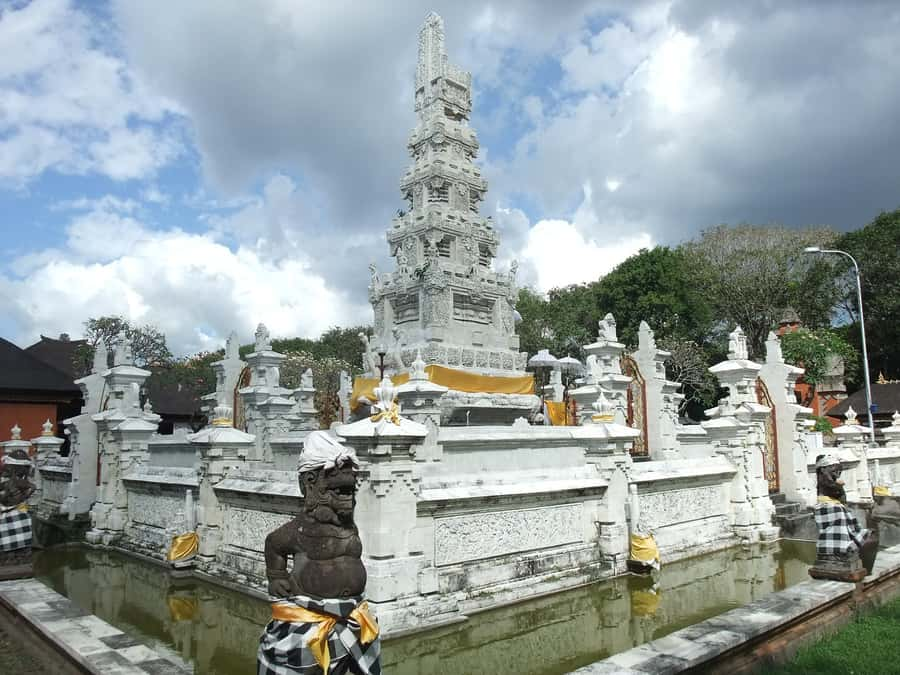
Many Bali itineraries keep you near beaches, rice fields, and resort towns. This one takes you into Denpasar, the island’s capital, where government offices, markets, temples, museums, and ordinary shopping streets give you a more grounded view of daily life.
I like the way the tour links several parts of the city. Puputan Square introduces Bali’s political past, the temple and museum explain local culture, the market brings you into present-day commerce, and Bajra Sandhi closes the loop with a look at resistance to Dutch colonial rule.
The experience costs $54 per person and lasts five hours. For a private tour with hotel transfer, guide, entrance fees, water, transport, and food tasting, that is a reasonable price if you value personal explanation and convenience. It is less attractive if you mainly want a long, leisurely meal or a full museum day.
The high 4.9 rating from 33 ratings reflects a consistent pattern: the guides are often the best part. Past guide names include Dayu, Widi, Sagita, Gede, Gusde, and Sukir. The exact guide is not guaranteed, but the experience depends heavily on who leads it, so good communication at pickup matters.
More Market Food Tours in Indonesia:
- Bali – Ubud Night Market Food Tour
★ 3.8 · 14 reviews - Bali: Denpasar Market Food Tour with 7 Tastings Must-Try
★ 3.9 · 3 reviews - Dubai: Old Town, Creek, Museums, Souks, & Street Food Tour
★ 4.8 · 10,816 reviews
Starting at Puputan Square
The tour begins at Puputan Square, a central city park near important government and cultural buildings. It is more than a place to stretch your legs before sightseeing. Your guide uses the square to explain Bali’s colonial period and the conflicts that shaped modern Denpasar.
This is a useful opening because it gives the later monuments some context. Instead of seeing a large public building or a memorial as a random photo stop, you begin to understand how Bali’s royal centers, colonial rule, and modern administration fit together.
The square also offers a glimpse of local city life. It is a place where residents gather, and it feels different from a resort promenade designed mainly for visitors. I would listen closely here, since the guide’s storytelling can make the difference between a quick park stop and a meaningful introduction.
The tour is private, so you can ask questions without holding up a large group. Several guides have been praised for answering questions clearly, sharing personal stories about Balinese customs, and making the conversation feel informal. That is particularly useful if you want help understanding religious practices or social traditions that are not obvious at first glance.
Jagatnatha Temple and the Bali Museum
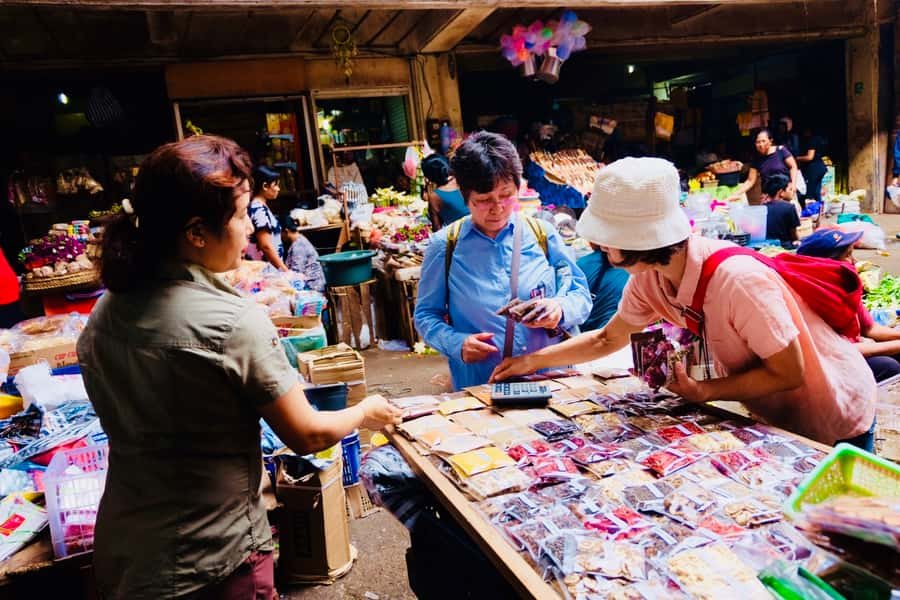
Near Puputan Square is Pura Jagatnatha, an important temple in central Denpasar. The temple visit adds a religious dimension to the tour, following the political introduction at the square.
Temple access can vary. One booking had to skip the temple because construction work had closed it, and other areas may be restricted according to on-site rules. Follow your guide’s instructions about where you may stand, what you may photograph, and how to dress or behave.
The Bali Museum is located near the former royal palace area. You usually spend around 30 to 40 minutes there, moving through four main buildings with displays connected to Indonesian history and Balinese cultural life.
I would set realistic expectations. The museum can be interesting, especially if you want an introduction to local objects and traditions, but some exhibits and descriptions may feel old-fashioned or brief. One guide openly suggested that the stops could use updating, and one visitor felt the monument offered a stronger history lesson than the museum.
That does not make the museum a bad stop. It means you should treat it as a compact orientation rather than a major museum visit. Your guide’s explanations may add much-needed context to displays that do not explain themselves at length.
The museum is also one place where the private format helps. If a particular object or custom catches your attention, you can ask about it. If museums are not your priority, you can tell the guide early that you would rather spend more time at the market or food stop, though the exact flexibility depends on the day’s schedule.
Pasar Badung, Denpasar’s food market
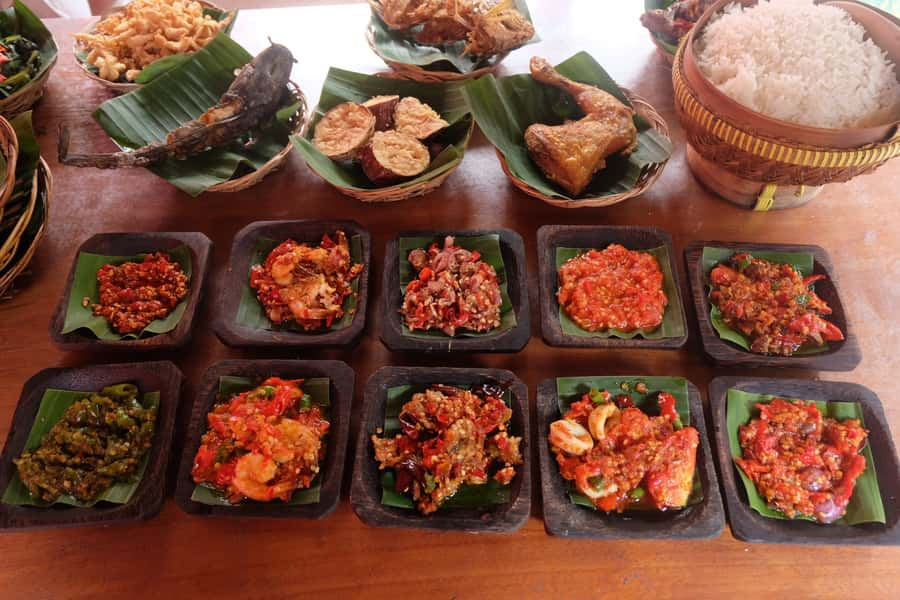
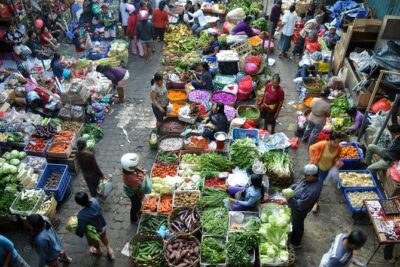
The most distinctive part of the tour is Pasar Badung, Bali’s largest food market. In Indonesian, pasar means market, and this one is a working shopping place rather than a polished tourist hall.
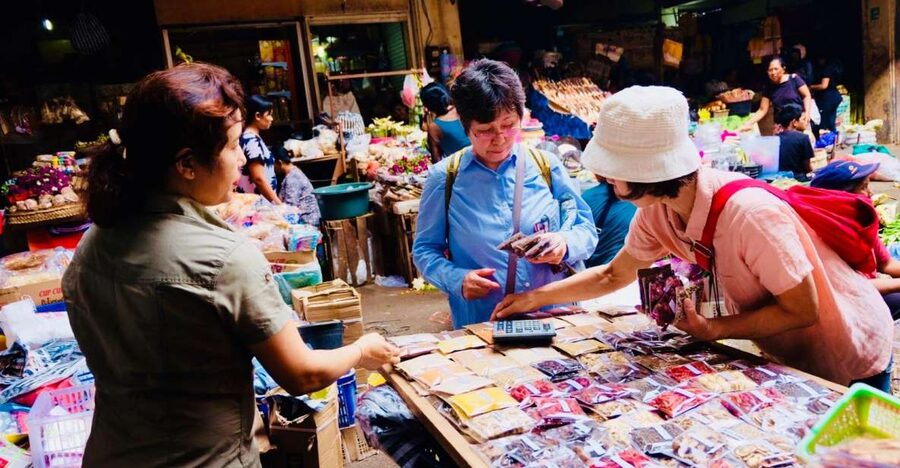
You’ll find fruit, spices, and other edible goods brought in from across Bali. The colors and smells change from stall to stall, and your guide can help you identify unfamiliar produce before you taste it. Exotic fruit is part of the food experience, along with local snacks.
This is where I would keep your camera ready but your bag secure. Markets can be crowded, and you should watch your belongings while moving through tight aisles. Bring cash for purchases, since personal shopping is not included.
The market is best earlier in the day. Morning should bring cooler temperatures and more activity. One afternoon visit found the market winding down, which reduced the energy of the stop. If you have a choice of starting times, I would choose the earliest practical option.
The food tasting includes local snacks and fruit, but it is not necessarily a complete lunch. Meals are not included, so check with your guide if you need a substantial meal during the five-hour outing. Some earlier arrangements included a traditional lunch, but you should not assume that every booking includes one.
Tell your guide about allergies before tasting anything. The activity is not suitable for people with food allergies, and the market setting may make it difficult to confirm every ingredient. Vegetarian preferences can sometimes be handled, as one guide found typical vegetarian food for a guest, but it is still best to explain your needs in advance.
The market is also a good place to learn how food connects with daily life. You are not simply sampling items chosen for visitors. You are seeing what local shoppers buy, how prices are discussed, and how food moves from farms and producers around the island into the city.
More museum stops around Indonesia:
- Cairo 8 Hour Private Tour of Pyramids, Egyptian Museum and Bazaar
★ 5.0 · 2,931 reviews - Cairo: Female-Guided Pyramids, Sphinx & Museum City Tour
★ 4.8 · 1,614 reviews - Frida Kahlo VIP [Museum Tickets Included] Bike, Markets & Churros
★ 5.0 · 1,072 reviews - Frida Kahlo VIP [Museum Tickets Included] Walk, Markets & Churros
★ 5.0 · 982 reviews
Bajra Sandhi Monument and Bali’s struggle
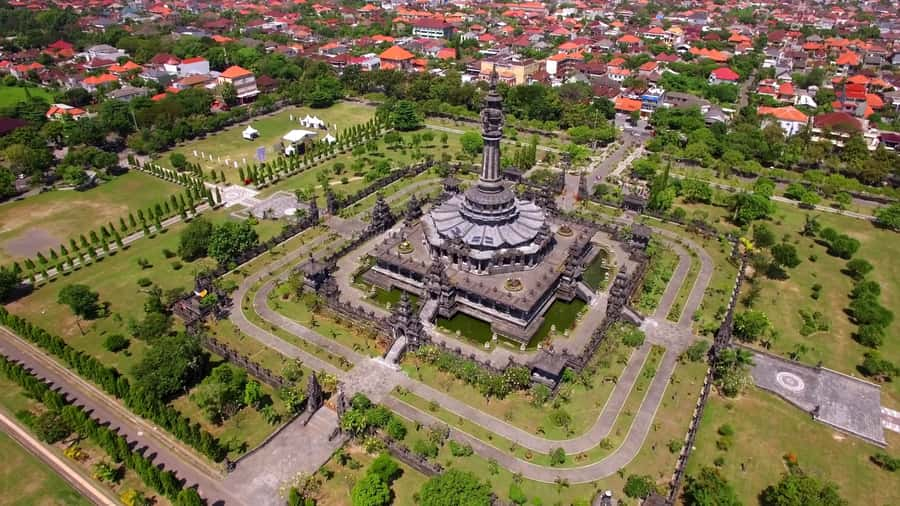
The final major stop is Bajra Sandhi Monument, located on Jalan Raya Puputan Niti Mandala in front of the Denpasar Governor’s office. Its design is striking, but the important part is inside: the monument and museum describe Bali’s struggle against Dutch colonial forces.
The interior diorama gives a clear overview of Bali’s past. Several accounts of the outing suggest that this display can communicate the island’s history more effectively than the Bali Museum’s shorter labels. If you have limited interest in museums, this is the history stop I would prioritize.
The monument also brings the themes of the morning together. Puputan Square introduces the city’s political memory, while Bajra Sandhi presents that memory in a formal memorial setting. You gain a better sense of why Denpasar’s public spaces carry such importance.
Outdoor sections can be affected by rain and heat, so wear light, comfortable clothing and bring sunscreen and a hat. The tour runs in all weather, although rain may change how much time you want to spend outside.
A private car and a personal guide
Hotel pickup is included from the main lobby of your accommodation. You ride in a private vehicle with air conditioning, and one past experience specifically praised the clean car and cold air conditioning, a small detail that matters in Denpasar’s heat.
The private setup is useful for more than comfort. You can ask direct questions, move at a pace that suits you, and discuss food preferences or cultural interests as you go. A tired guest received a patient, slower explanation from Dayu, while another guide helped with photographs and kept the day relaxed.
Several guides have been praised for being more than drivers. They explain local customs, answer questions, share stories about life in Bali, and help you feel at ease. Widi was also able to arrange a massage add-on for one booking.
Do not expect the same guide on every date. Names associated with this experience include Dayu, Widi, Sagita, Gede, Gusde, Sukir, and others. The language options are English and Korean.
Optional add-ons and what they mean for value
You can customize some booking options with extras such as coffee tasting or a traditional massage. Availability depends on the option you choose, so check the exact package before paying.
An add-on can make sense if you want a more relaxed cultural day. A massage gives the schedule a restorative finish, while coffee tasting adds another local food and drink angle. But extras cost more, and they may reduce time at the core stops.
At $54, the base tour is easiest to justify if you use the included hotel transfer, entrance fees, guide, transport, water, and tasting. You are paying for access plus local interpretation, not just a car ride between landmarks.
The value is weaker if you want a full meal, extensive shopping time, or long visits inside each museum. Meals, personal expenses, and add-ons are not included. Budget a little extra for market purchases and anything you choose to add.
Who will enjoy this Denpasar tour?
I would recommend it to first-time visitors who want a short introduction to Denpasar and prefer a private guide to exploring the city alone. It suits couples, families with older children, and solo visitors who want help with language, food, and cultural etiquette.
It is also a smart choice if you have already seen Bali’s major temples and want a closer look at ordinary city life. The market is the strongest fit for curious eaters, while Bajra Sandhi suits anyone interested in Bali’s political past.
I would hesitate if you dislike walking, crowded markets, outdoor heat, or foods whose ingredients are not always obvious. The experience is not suitable for wheelchair users or people with mobility impairments, and the operator also lists food allergies as a reason not to book.
Wear comfortable shoes and clothes. Bring sunscreen, a sun hat, water if you prefer more than the supplied mineral water, and cash. Pets, alcohol, and drugs are not allowed.
Should you book it?
Book this tour if you want a private, practical introduction to Denpasar with a strong local food and market element. The guide can add real value, especially when explaining Balinese customs or helping you understand unfamiliar market produce.
Choose a morning departure if possible. Expect the museum to be modest, and give the market and Bajra Sandhi Monument more weight when deciding if the itinerary suits you.
I would not book it for a slow food tour or a detailed museum study. I would book it for the combination of local shopping, history, temple culture, hotel pickup, and a guide who can adjust the conversation to your interests. The cancellation policy also keeps the decision flexible, with a full refund available when you cancel at least 24 hours ahead.
FAQ
How long does the Denpasar tour last?
The tour lasts five hours, including the visits to Puputan Square, Jagatnatha Temple, the Bali Museum, Pasar Badung, and Bajra Sandhi Monument.
Is hotel pickup included?
Yes. The host picks you up at the main lobby of the hotel where you are staying.
What languages are available?
The tour is offered with a live guide in English or Korean.
Is food included?
Food tasting is included, with local snacks and fruit. Full meals are not included, so you should bring money if you want to purchase a meal or other food.
Should I bring cash?
Yes. Cash is recommended for market purchases and personal expenses.
Can I cancel for a refund?
You can cancel up to 24 hours in advance for a full refund.
Is the tour suitable for wheelchair users?
No. The activity is not suitable for wheelchair users or people with mobility impairments. It is also not suitable for people with food allergies.
New market tours around Indonesia
- Nusa Dua: Balinese Cooking Class with Market Tour★ 5.0 · 4 reviews
- Bali: Balinese Cooking Class and Market Tour★ 4.8 · 19 reviews
- Jambangan bali cooking class with morning market tour★ 5.0 · 35 reviews
- Balinese cooking class/Go shopping at the market, cook, eat★ 5.0 · 12 reviews
- Bali – Ubud Night Market Food Tour★ 3.8 · 14 reviews
- Bali: Ubud Monkey Forest, Coffee Plantation, and Market Tour★ 5.0 · 5 reviews
- Bali: Safari Zoo and Ubud Palace and Market Day Tour★ 4.7 · 6 reviews
- Bali: Turtle Conservation and Education Tour & Local Market★ 4.8 · 20 reviews
Indonesia Market Tours, side by side.
Balinese Ubud cooking school (9 Dish Cooking and Market Tour)
Read our review →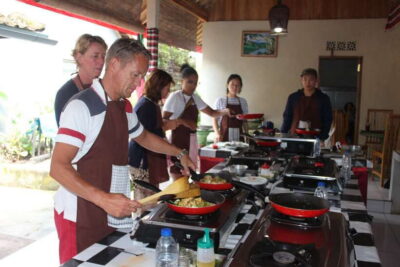
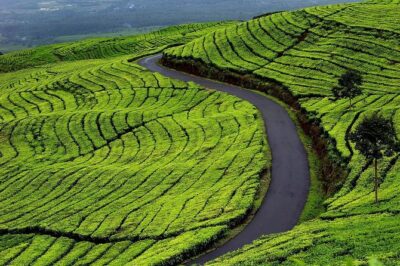
Active Volcano, Rice Field, Hot Spring, Fruit market, Tea Plantation with Lunch
Read our review →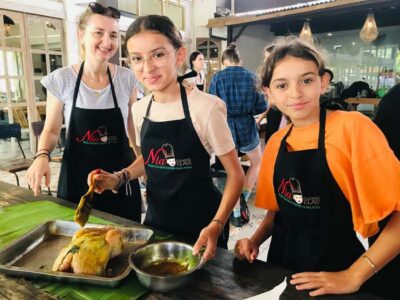
Balinese Cooking class with traditional morning market visit
Read our review →
Jambangan bali cooking class with morning market tour
Read our review →
Bali: Turtle Conservation and Education Tour & Local Market
Read our review →
This tour also appears in