
Review · INDONESIA
Bali: Denpasar Market Food Tour with 7 Tastings Must-Try
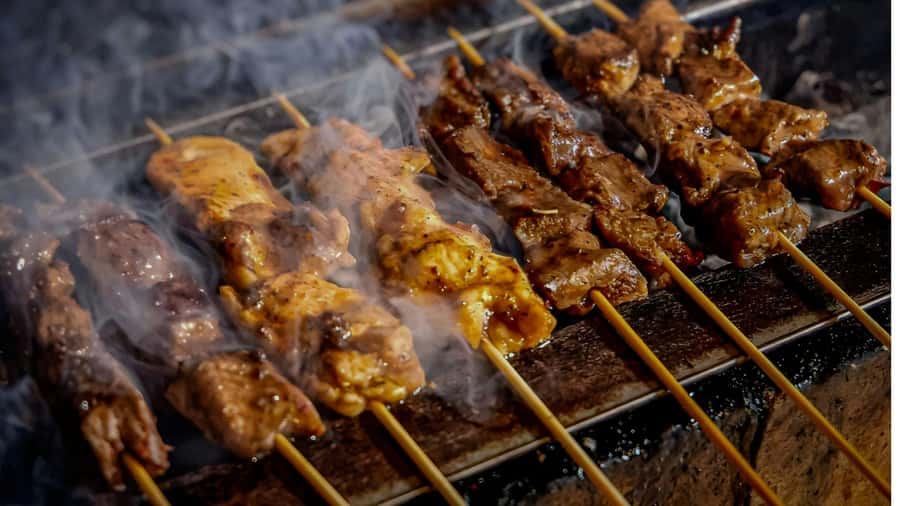
Denpasar’s Kreneng Market is the real draw here. You come for a plate of sate lilit or babi guling, but you also get a look at the food locals eat in the morning, not a polished restaurant version made for tourists. A friendly English-speaking guide explains how food connects with Balinese customs, daily life, and spiritual practice.
I like the wide range of tastings, from savory rice dishes to a cooling herbal drink. I also like the useful pickup option from places such as Ubud, Sanur, Kuta, Seminyak, and Canggu. The main caution is clear: this may feel more like a guided tasting session than a true walking food tour, since one reported experience involved being seated while food was brought over rather than watching vendors cook or touring every market aisle.
Key points to know before booking
- Kreneng Market is the heart of the experience: You meet at the main entrance and spend about two hours around one of Denpasar’s major local markets.
- Seven possible tastings cover a broad range: Expect dishes such as tipat cantok, sate lilit, bubur Bali, lawar, babi guling, nasi jinggo, and loloh.
- Guide quality matters: Gus has been praised for explaining Balinese food, history, and spiritual customs in clear, engaging terms.
- This starts early: The morning timing is designed around the local breakfast scene, so punctuality matters.
- Dietary limits are serious: Vegetarian choices are limited, and the tour is not suitable for vegans, pregnant women, or people with food allergies.
- The $32 price is reasonable if you value guidance: It covers the guide, market visit, and 5 to 7 tastings, but extra purchases and drinks cost more.
Why Kreneng Market makes a better food stop than a resort buffet
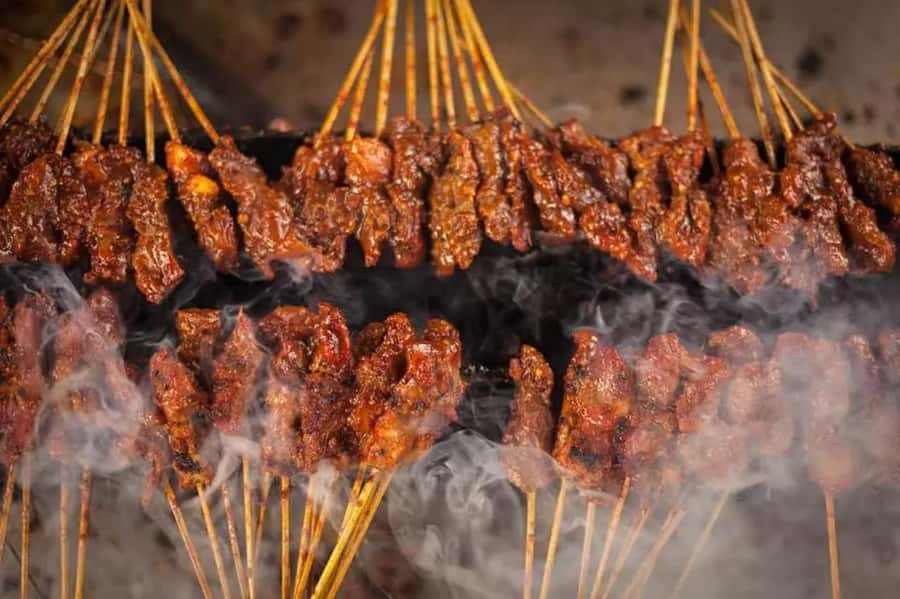
Many Bali food experiences keep you in a restaurant or cooking studio. This one takes you to Kreneng Market, where food is part of the everyday rhythm of Denpasar. The setting gives your meal more context. You are not simply handed a plate of Balinese food. You are shown where people shop, eat, and gather.
The market visit is listed as about two hours, inside a total activity time of two to four hours depending on the pickup option. That extra time is important if you are collected from another part of Central Bali. Without transport, the main market portion is the practical core of the tour.
You should expect a traditional market environment, not a quiet dining room. Floors may be uneven, stalls may be crowded, and vendors can close without warning for ceremonies or personal reasons. The exact dishes can change based on what is available that morning. That unpredictability is part of the appeal, but it also means you should not book this expecting a fixed restaurant menu.
Meet your guide at the main entrance of Kreneng Market, near the large Pasar Kreneng sign by the roadside. Look for a Bali Trip Gotik T-shirt and arrive 15 minutes early. The early start helps you catch the breakfast trade, and arriving late could make finding the group harder.
More Market Food Tours in Indonesia:
- Denpasar: Museum, Traditional Market and Food Tasting Tour
★ 4.9 · 33 reviews - Bali – Ubud Night Market Food Tour
★ 3.8 · 14 reviews - Dubai: Old Town, Creek, Museums, Souks, & Street Food Tour
★ 4.8 · 10,816 reviews
Seven dishes that give you a useful Balinese food lesson
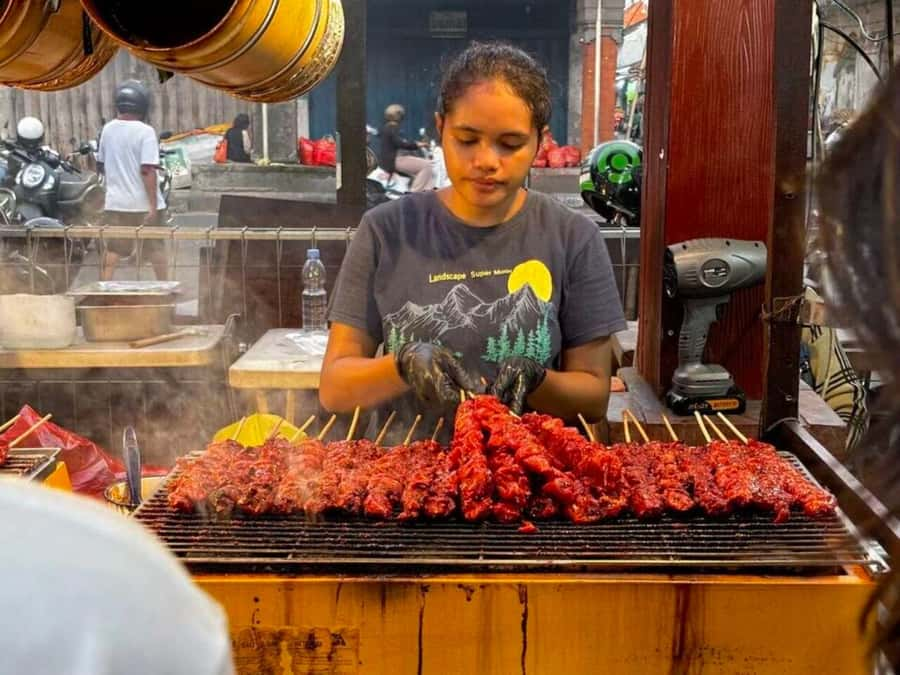
The tasting list is broad enough to show how Balinese food uses rice, spice, meat, vegetables, peanuts, herbs, and sambal in different ways. You may not receive every item below, since vendors and availability can change, but these are the foods the experience is built around.
Tipat cantok
Tipat cantok combines rice cake with peanut sauce. It is a good opening taste because it shows how a plain, filling base can become a satisfying snack once paired with sauce and vegetables.
You may want to ask about the peanut ingredients before eating. The tour is not suitable for people with severe food allergies, and peanuts may appear in more than one dish.
Sate lilit
Sate lilit is minced fish shaped around lemongrass before cooking. The lemongrass gives the skewer a fragrant center, while the minced texture makes it different from the familiar cubes of meat found in many satay dishes.
This is one of the more distinctive tastings on the route. If you like seafood and want something that feels specifically Balinese, it is likely to be one of the most useful bites of the morning.
More market tours around Indonesia:
- Ubud: Cooking Class with Transfers and Optional Market Visit
★ 4.9 · 824 reviews - Balinese Ubud cooking school (9 Dish Cooking and Market Tour)
★ 5.0 · 540 reviews - Ubud: Balinese Cooking Class and Market Tour
★ 4.8 · 531 reviews - Active Volcano, Rice Field, Hot Spring, Fruit market, Tea Plantation with Lunch
★ 5.0 · 513 reviews
Bubur Bali
Bubur Bali is a warm porridge served with meat and herbs. It brings a softer, more comforting note to the meal and fits the early morning setting well.
The dish also helps show that Balinese food is not all grilled meat and chili. A warm bowl can be hearty without being a full restaurant meal, which makes it a practical breakfast-style taste.
Lawar
Lawar mixes seasoned minced meat and vegetables. It is a traditional dish with strong savory and spicy elements, so ask your guide what is in the version being served before you try it.
Because the recipe can vary, this is a good moment to pay attention to local explanation rather than rely on a generic menu description. It is also one of the dishes that may be difficult for vegetarians, since the standard version contains meat.
Babi guling
Babi guling is Bali’s famous roast pork. For many people, this will be the dish they most want to try, and a market serving gives you a more everyday setting than a formal dinner.
The pork makes the tour unsuitable for Muslims who avoid pork, vegetarians, and vegans. If you have strict dietary rules, the limited alternatives mean this is not a sensible booking.
Nasi jinggo
Nasi jinggo is a small rice pack with sambal and toppings. Its compact size makes sense as a quick local meal, and it shows how rice can be packaged for people who need something convenient.
The portion is likely to be modest on its own, but this tour is built around several small tastings. By the end, you should expect to feel well fed rather than merely sample a few bites.
Loloh
Loloh is a cooling herbal drink. It gives your palate a break from savory food and spice, while introducing the role of herbs in Balinese refreshment.
Do not assume every drink is included beyond the planned tasting. Additional food and beverages are not covered, so bring cash if you want to buy something else from the market.
The guide can turn a meal into a cultural lesson
The strongest part of this experience depends on the person leading it. Guide Gus has been singled out for explaining Balinese food, local history, and spiritual practices. That matters because many dishes have meaning beyond their ingredients.
A good guide can tell you why a dish is eaten, how it fits into daily routines, and how food relates to Balinese rituals. You should ask questions as you walk or eat. The experience offers more value when you treat it as a conversation rather than a simple food delivery.
The guide also helps you handle the market setting. You may be eating local-style with your hands if utensils are not available. Tissues and utensils are provided when possible, but not guaranteed in every situation. If that would make you uncomfortable, consider the setting carefully before booking.
There is one important expectation to manage. The experience is described as a guided market food tour, but the exact format may vary. One account found the food excellent and plentiful but felt the activity was not much of a walking tour, with the guest seated while dishes were brought over. Another found the guide enthusiastic and enjoyed seeing the city and local life.
That difference suggests you should ask at the start how much walking and vendor interaction is planned that day. If you want to watch food being prepared at each stall, this may not always deliver that. If your main goal is to try many local dishes while learning from a guide, it remains a better fit.
What the two-hour market visit feels like
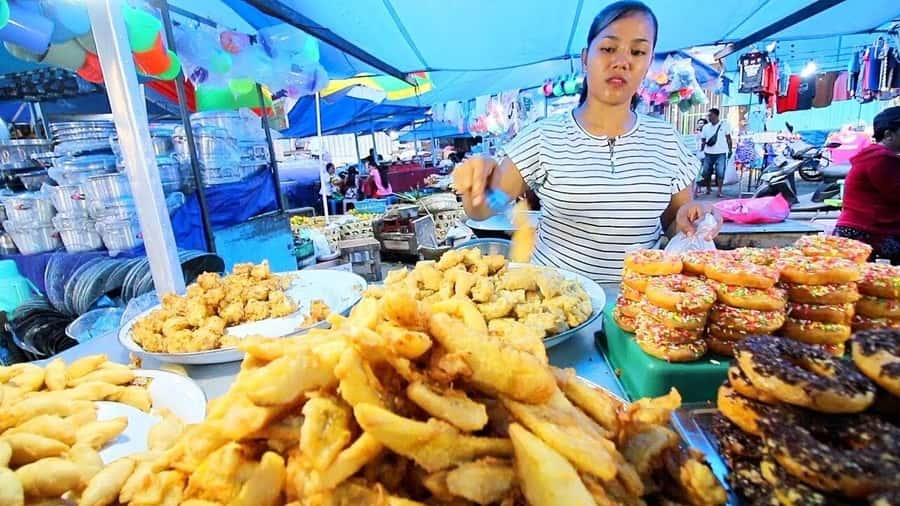
The market portion begins at the main entrance, where the guide meets you by the roadside sign. From there, expect walking through a traditional market and stopping for the arranged tastings.
Wear comfortable shoes. Uneven surfaces are specifically part of the setting, and sandals that offer little support may become tiresome. Comfortable clothes help too, especially if the tour is warm or rainy.
The morning schedule is one of the tour’s practical strengths. Food markets change through the day, and an early visit lets you see the breakfast scene rather than only the later shopping hours. It also means you need to resist the temptation to treat the start time casually.
The tour runs rain or shine. Bring an umbrella or raincoat if the forecast looks uncertain. A reusable water bottle is also useful, though you should not expect every drink you want to be included.
The market is an authentic working place, not a staged attraction. Do not litter, and take care when stopping near vendors or narrow paths. Your guide can help you move through the area with better awareness.
How much food you actually get for $32
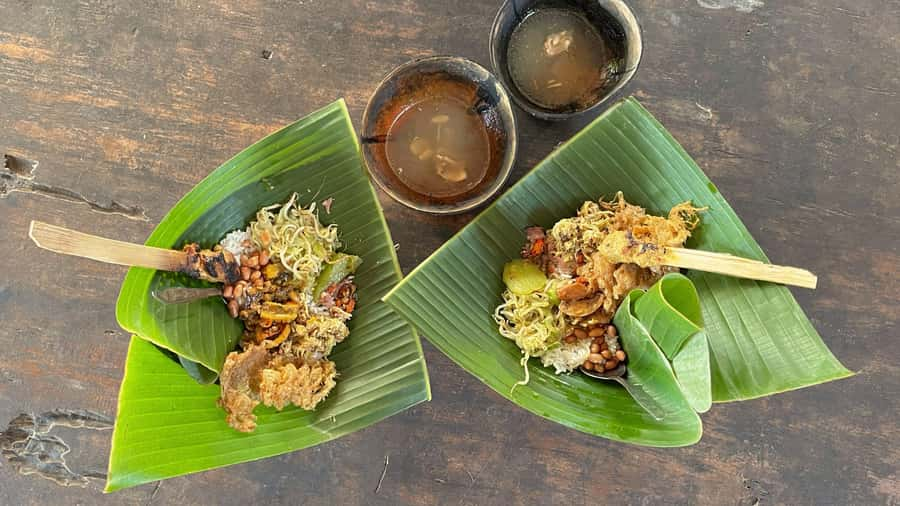
At $32 per person, the tour is fairly priced if you want a guided introduction to Balinese food and do not want to plan every stop yourself. The price includes the guide, the Kreneng Market visit, and 5 to 7 traditional tastings.
The value is strongest if you are new to Bali. You get a quick orientation to several dishes, help understanding unfamiliar ingredients, and a local setting that would be harder to interpret on your own. A first-day food tour can also help you decide what to seek out later during your trip.
Optional pickup adds convenience. Transport is available from Central Bali areas including Ubud, Sanur, Kuta, Seminyak, Nusa Dua, Canggu, Uluwatu, and Jimbaran, depending on the selected option. You should check the exact pickup choice before paying, since the total duration can stretch from two to four hours with transport.
The price does not include extra food or drinks. Bring cash if you want to buy snacks, ingredients, or market goods after the included tastings. This is a small but important detail. A market visit can tempt you into several purchases, and cards may not be useful at every stall.
The price is less attractive if you mainly want a private walking tour with close views of cooking. One experience found that the meal delivery side was stronger than the market exploration side. In that case, you are paying for food and explanation, not necessarily a full behind-the-scenes look at every vendor.
Dietary restrictions need careful thought
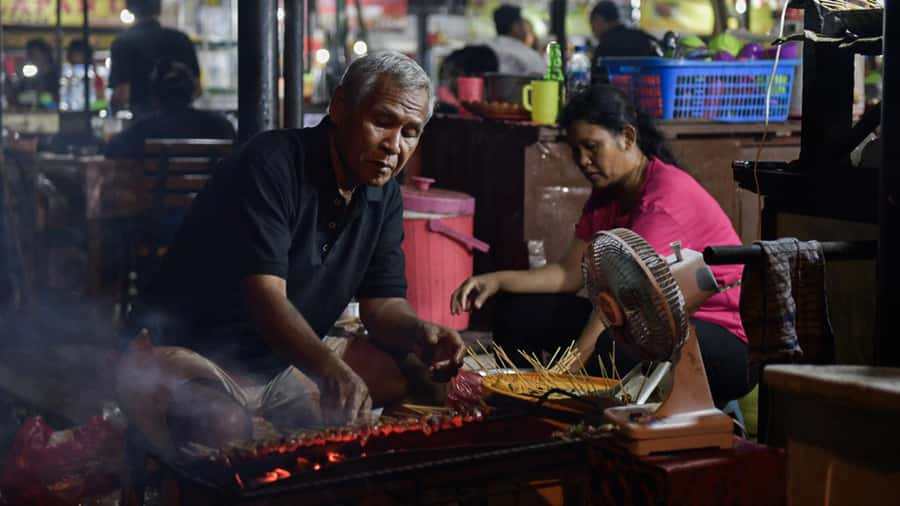
This is not a flexible food tour for every diet. Vegetarian choices are limited, and the experience is specifically not suitable for vegans, people with food allergies, or pregnant women.
Several tastings may contain pork, peanuts, or spicy ingredients. The tour provider also warns that it is not suitable for severe food allergies. If you have a medical allergy, do not assume the guide or vendors can safely adapt every dish.
Pork appears in babi guling, while meat may also feature in lawar and bubur Bali. Sate lilit is described with minced fish. You may ask what each dish contains, but the safest choice for strict dietary needs is to skip this tour.
Spice levels can vary, and food preparation conditions may not match the standards you are used to at home. Utensils and tissues are available when possible, but you may sometimes eat with your hands. That is normal for the setting, but it is worth knowing in advance.
Who will get the most from this market tour
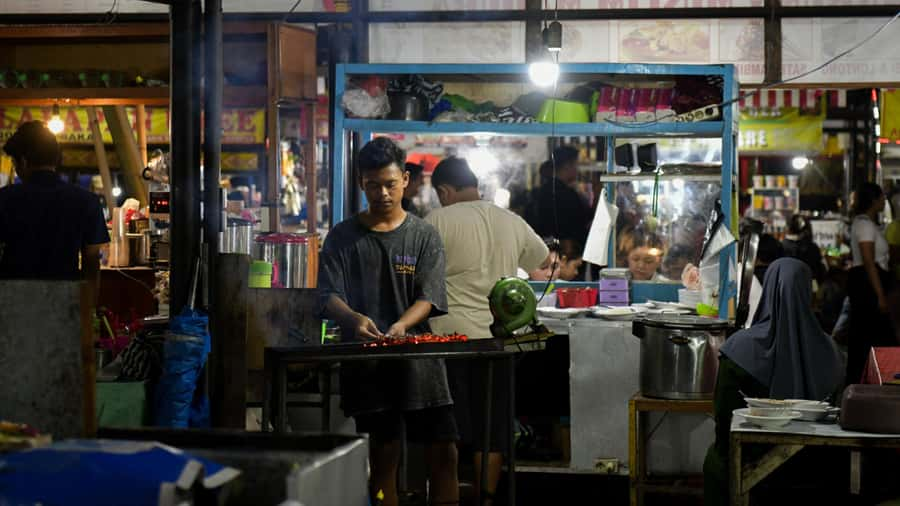
I would recommend this experience to first-time visitors who want a fast, guided introduction to Balinese food. It also suits curious eaters who enjoy trying several dishes without committing to full meals.
It works well for people who want cultural explanation along with food. Gus’s contribution, in particular, shows how a good guide can connect a snack to local customs and spiritual practice. If you enjoy asking questions, you can get far more from the morning than someone who simply wants to eat and leave.
The tour is also useful if you are staying outside Denpasar. Optional pickup from many Central Bali areas removes some of the planning burden, though it may lengthen the day.
I would be cautious if you want a tightly controlled itinerary. Vendors may close without notice, and dishes can change. I would also avoid it if you have strict food restrictions, dislike market conditions, or expect every dish to be prepared in front of you.
The overall rating is 3.9 from three ratings, which fits the experience as described: strong food variety and cultural guidance, with some uncertainty about how much actual market walking takes place. The best parts are the range of tastes and the chance to learn from a good local guide. The weak point is consistency in the format.
Should you book the Kreneng Market food tour?
Book it if you want a filling morning of traditional Balinese food in a genuine market setting, especially if this is your first visit to Bali and you enjoy local explanation. At $32, the mix of guide, transport option, market access, and 5 to 7 tastings gives you solid value.
Think twice if your main goal is to watch vendors cook, inspect every stall, or follow a fixed route. Ask how the day will be run when you meet your guide, since the balance between walking and seated tasting may change.
For food lovers who can eat pork, peanuts, fish, meat, and spicy dishes, this is a practical introduction to Denpasar’s everyday flavors. Arrive early, wear good shoes, carry cash, and come ready for a local-style meal rather than a polished restaurant service.
FAQ
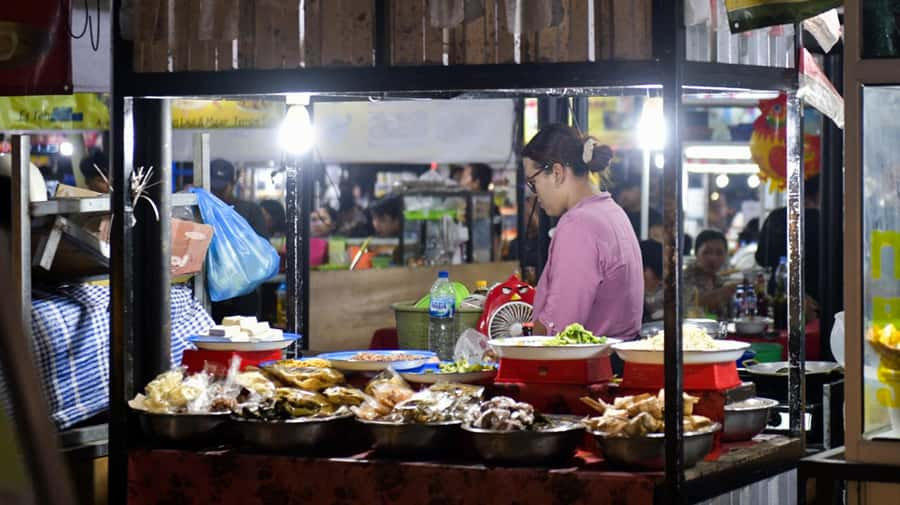
Where does the tour begin?
Meet your guide at the main entrance of Kreneng Market, near the large Pasar Kreneng sign by the roadside. The guide will wear a Bali Trip Gotik T-shirt.
How early should I arrive?
Arrive 15 minutes before the activity starts. The tour begins early to catch the local breakfast scene.
How long does the experience last?
The activity lasts between two and four hours. The market visit itself is listed as about two hours, while pickup and drop-off can affect the total time.
Which dishes might I taste?
Possible tastings include tipat cantok, sate lilit, bubur Bali, lawar, babi guling, nasi jinggo, and loloh. The exact dishes can change with vendor availability.
Is hotel pickup available?
Optional pickup and drop-off are available for Central Bali locations including Ubud, Sanur, Kuta, Seminyak, Nusa Dua, Canggu, Uluwatu, and Jimbaran, depending on the selected option.
Is the tour suitable for vegetarians?
Vegetarian choices are limited because of the traditional dishes included. The experience is not suitable for vegans.
Can people with food allergies join?
The experience is not suitable for people with food allergies, especially severe allergies. Dishes may contain pork, peanuts, fish, meat, or spicy ingredients.
What should I bring?
Bring comfortable shoes, comfortable clothes, a camera, cash, and a reusable water bottle. An umbrella or raincoat is useful during wet weather.
Can I cancel the booking?
You can cancel up to 24 hours in advance for a full refund. You can also reserve now and pay later to keep your plans flexible.
New market tours around Indonesia
- Nusa Dua: Balinese Cooking Class with Market Tour★ 5.0 · 4 reviews
- Bali: Balinese Cooking Class and Market Tour★ 4.8 · 19 reviews
- Jambangan bali cooking class with morning market tour★ 5.0 · 35 reviews
- Denpasar: Museum, Traditional Market and Food Tasting Tour★ 4.9 · 33 reviews
- Balinese cooking class/Go shopping at the market, cook, eat★ 5.0 · 12 reviews
- Bali – Ubud Night Market Food Tour★ 3.8 · 14 reviews
- Bali: Ubud Monkey Forest, Coffee Plantation, and Market Tour★ 5.0 · 5 reviews
- Bali: Safari Zoo and Ubud Palace and Market Day Tour★ 4.7 · 6 reviews
Indonesia Market Tours, side by side.
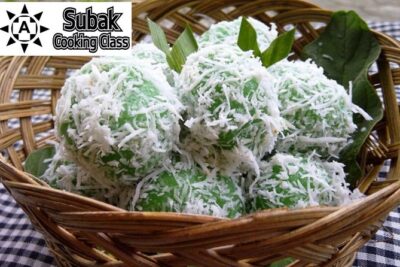
Balinese Ubud cooking school (9 Dish Cooking and Market Tour)
Read our review →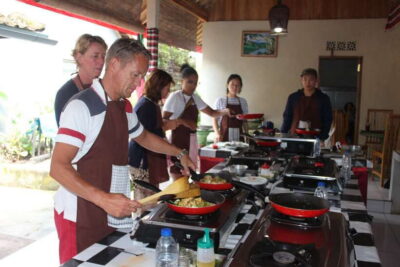

Active Volcano, Rice Field, Hot Spring, Fruit market, Tea Plantation with Lunch
Read our review →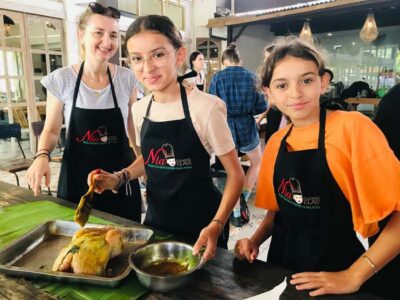
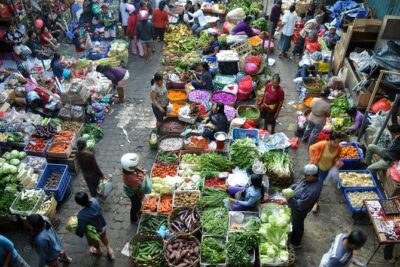
Balinese Cooking class with traditional morning market visit
Read our review →
Jambangan bali cooking class with morning market tour
Read our review →
Denpasar: Museum, Traditional Market and Food Tasting Tour
Read our review →
Bali: Turtle Conservation and Education Tour & Local Market
Read our review →This tour also appears in