
Review · SPAIN
De Mercados: A Neighborhood Market and Food Tour
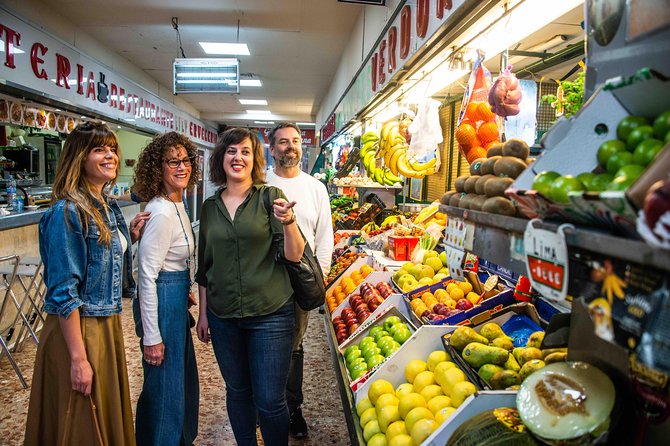
The most appealing part of this Madrid food tour is its mix of market shopping and sit-down bites. You move through Malasaña, one of central Madrid’s oldest and most stylish neighborhoods, while eating the sort of foods that explain daily life here better than a long museum label ever could.
I like the proper Spanish breakfast of churros, porros, chocolate, and coffee, followed by savory food at Mercado Barceló. I also like the small group limit of eight, which gives you room to ask questions and listen as guides such as Oliver, Amy, and Margit connect the food to Madrid life. The main consideration is the price: at $139.13, you should arrive hungry and treat this as a substantial meal, not a quick snack walk.
What makes this Madrid food tour worth considering
- Six tasting stops cover breakfast, market foods, tapas, and Spanish drinks in one outing.
- Mercado Barceló gives you a look at how locals shop, with tastings from market vendors.
- Malasaña on foot adds neighborhood stories between the plates and glasses.
- Churros, jamón, olives, anchovies, figs, and garlic shrimp create a broad taste of Madrid.
- Groups are capped at eight, a useful size for conversation and personal food advice.
- Food allergies can be addressed if you notify the provider at least 24 hours ahead.
Starting near Tribunal in Malasaña
The tour begins at Estación de TribunalCentro in Madrid’s 28004 postal district. This is a sensible starting point for a walking food tour because Malasaña is right at the center of the action, and the meeting point is near public transportation.
You should plan to arrive ready to walk and eat. The outing lasts about two hours and thirty minutes, then returns to the same meeting point. That simple out-and-back arrangement is helpful if you are fitting the tour into a busy Madrid day.
Malasaña has two faces. It is a centuries-old neighborhood of narrow streets, but it is also associated with modern Madrid, independent places to eat, and a younger local scene. The guide uses the walk to explain how the neighborhood changed and why its streets matter. This gives the food a setting instead of leaving you with a string of disconnected samples.
The English-speaking guide is an important part of the value. Guides named Oliver, Amy, and Margit have led this experience at different times, and the strongest personal accounts describe guides who offered useful suggestions beyond the scheduled food stops. You may receive advice on flamenco, tapas, and other places to eat, which can help shape the rest of your stay.
More Market Food Tours in Spain
- San Sebastian Pintxo Food, Wine & Market Foodie Tour(Small Group)
★ 5.0 · 621 reviews - Ultimate Barcelona Food Tour with visit to a Local Market
★ 5.0 · 507 reviews - Madrid: Ultimate Food Tour of Local Markets & Tapas
★ 4.8 · 151 reviews
The first meal: churros, porros, chocolate, and coffee
The day begins with a classic Spanish breakfast. You taste churros and porros with chocolate sauce, along with coffee. Porros are a thicker, often larger cousin of the familiar churro, so this first course gives you more than the standard tourist version of a fried pastry.
This is one of the cleverest parts of the tour. Madrid food culture is not only about late-night tapas. A morning stop for churros and coffee shows you how a simple, sweet breakfast fits into the city’s routine.
The portion of the tour also helps you set expectations. This is not a tasting where you receive one bite at every stop and finish still hungry. The combination of pastries, chocolate, coffee, savory food, market samples, and warm tapas can cover much of your food needs for the day.
For that reason, I would not schedule a large lunch immediately afterward. You may prefer to make the tour your main meal and leave the evening open for a lighter bite. Arriving hungry is practical, but arriving ravenous may make it harder to appreciate the later tastings.
Mercado Barceló and the art of shopping locally
The longest scheduled stop is Mercado Barceló, where you spend about 45 minutes. This is the tour’s clearest look at everyday food culture because you are not simply eating in a restaurant. You are seeing a traditional fresh-food market and learning how to shop there.
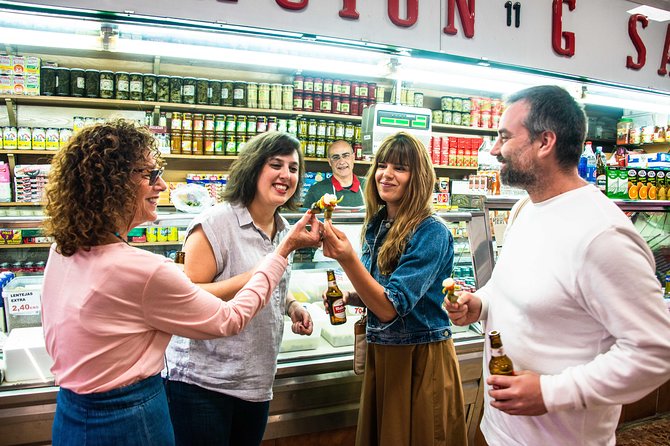
Your guide introduces you to market vendors and helps explain the specialties you taste. The food can include olives, anchovies, figs, and samples of olive oil. These are small products, but they say a lot about Spanish eating habits: preserved seafood, fruit, cured foods, and high-quality oil are central to the country’s pantry.
The olive oil tasting is especially useful. Oil is often treated as a background ingredient, yet tasting several oils side by side can make you pay attention to bitterness, fruitiness, and peppery flavor. You may leave with a better sense of what to look for if you decide to buy a bottle later.
Mercado Barceló also gives you a chance to watch how a neighborhood market works. The point is not only to collect samples. You learn what local shopping looks like, how vendors present their products, and why markets remain part of city life.
There is one practical limit. Market conditions can change, and the exact samples may vary. The listed foods give you a good idea of the style, but you should not expect a fixed plate at every stall. That flexibility is normal for a market-based tour and part of its appeal.
Plaza de San Ildefonso and Malasaña’s modern story
The walk continues to Plaza de San Ildefonso, with about five minutes set aside to explain the square. The stop is brief, but it breaks up the eating with neighborhood context.
You are not visiting the plaza as a separate sightseeing attraction. Instead, it works as a point on the walking route, helping you understand why this part of Malasaña has become important. The guide discusses the square and the modern story of the neighborhood while you move through its narrow streets.
This matters because food tours can sometimes feel like restaurant transfers. Here, the neighborhood itself is part of the subject. The streets, market, public square, and food stops all fit into one picture of Madrid.
The short timing also tells you what this tour is not. It is not a full historical walk through Malasaña, and it does not promise long visits to major landmarks. If you want a detailed architectural tour, you should pair this with a separate walking tour. If you want enough context to understand where you are eating, the balance works well.
Same city, another market:
- Barcelona: Paella Cooking Experience & Boqueria Market Tour
★ 4.8 · 3,661 reviews - Barcelona Paella Cooking Class with Market Visit, Tapas & Sangria
★ 5.0 · 2,531 reviews - Paella Cooking Class, Wine Tasting & Central Market in Valencia
★ 5.0 · 1,150 reviews - Valencian paella cooking class, tapas and visit to Ruzafa market.
★ 5.0 · 828 reviews
From jamón and cheese to Madrid drinks
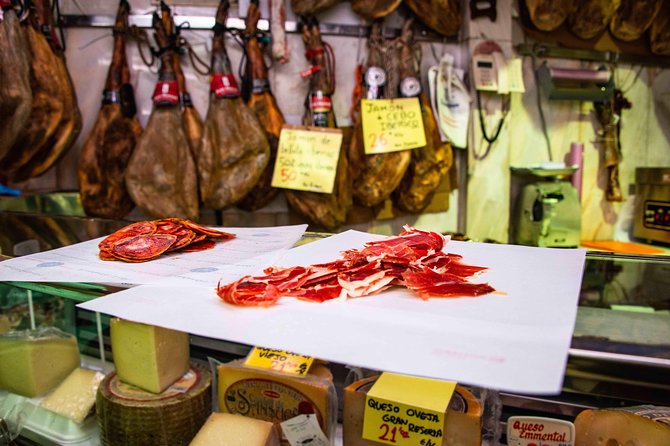
After the sweet breakfast and market tastings, the tour turns to savory Spanish food. You can expect jamón and cheese, accompanied by wine or beer. The meal adds salt, fat, and stronger flavors after the lighter market samples.
This is a useful part of the experience for anyone still learning the basics of Spanish food. Jamón is not simply ham in the everyday sandwich sense, and pairing it with cheese and a drink gives you a familiar way to notice the difference. The guide can also explain how these foods fit into Spanish social life.
Two drinks are included as part of the experience, described as coffee plus beer or wine. Non-alcoholic options are available, so you do not need to drink alcohol to take part. The tour also highlights classic Madrid drinks such as tinto de verano, a refreshing combination often associated with casual Spanish dining.
Because the drink plan is limited, you should not book this expecting a bar crawl. Alcohol supports the food rather than taking over the outing. That makes the tour a better fit for people who want cultural context and a meal, not a late-night drinking activity.
Warm tapas, garlic shrimp, and the final meal
The final food section brings you to warm tapas, including sizzling garlic shrimp. You may also encounter pintxos and other local favorites. This gives the tour a proper finish, moving from breakfast foods and market ingredients to cooked dishes meant for sharing.
Garlic shrimp are a good example of why a guided tasting can help. The dish is simple in its main ingredients, but the heat, garlic, oil, and cooking method make it more memorable than a cold sample. It also adds a cooked seafood course to a menu that already includes preserved fish and cured foods.
The end of the tour is substantial. You have already had churros and coffee, savory breakfast foods, market tastings, and drinks before reaching the warm tapas. I would plan your schedule around that fact. You may not need another full meal for the rest of the day.
The exact balance between food stops may depend on the group and the day. That is worth accepting. A food tour works best when you allow some room for local products and timing rather than demanding a restaurant-style sequence.
What the $139.13 price really covers
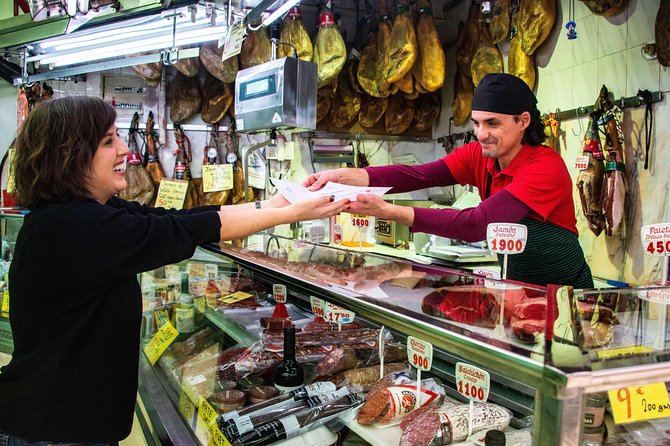
At $139.13 per person, this is not a bargain snack walk. The price makes more sense when you count what is included: breakfast, lunch-style tastings, six stops, coffee, two included beverages, market access, neighborhood guiding, and a small group of no more than eight people.
You are also paying for interpretation. A market is more useful when someone explains what to notice, introduces you to its foods, and connects them to Madrid habits. The same is true of the tapas stops. Without context, you might enjoy the plate but miss why it belongs in Madrid.
The small group helps protect that value. With eight people or fewer, the guide can answer questions and keep the walk personal. It also makes market stops easier than they would be with a large crowd.
Still, the price will feel high if you mainly want to sample one or two famous foods. You can buy churros, tapas, and drinks separately for less. I would book this if you value a guided introduction, several kinds of food, and practical suggestions for the rest of your time in Madrid.
Who will enjoy this best
I would recommend this tour to first-time visitors who want a quick introduction to Madrid’s eating habits. The route gives you breakfast, market food, cured meats, seafood, tapas, and local drinks without making you plan each stop yourself.
It also suits people who prefer a small group. The maximum of eight is large enough for a social outing but small enough for direct conversation with the guide.
Families can take part, and most people can participate. Service animals are allowed. If you have food allergies, tell Walk and Eat Spain at least 24 hours before the tour so special menus can be considered.
This may be less suitable if you dislike walking, want a strictly fixed menu, or are looking for a dedicated wine tour. The schedule moves through a neighborhood and market, so the setting matters as much as the food.
Practical details before you book
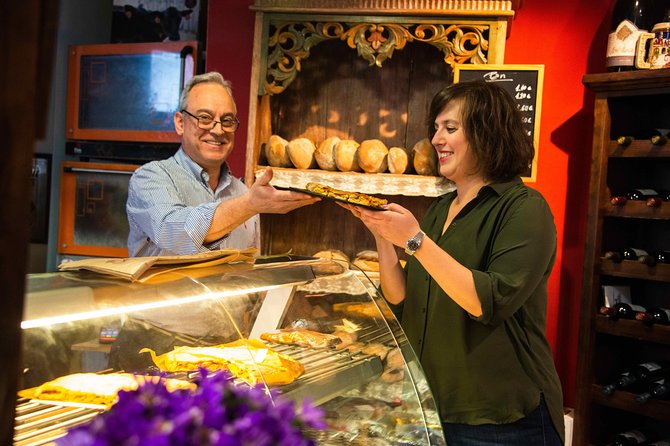
The experience is offered in English and uses a mobile ticket. It begins and ends at the Tribunal meeting point, which keeps your transport planning simple.
Free cancellation is available if you cancel at least 24 hours before the local start time. Changes or cancellations made later are not accepted for a refund. The tour also requires a minimum number of participants, so if that minimum is not reached, you would be offered another date or experience, or receive a full refund.
The activity is highly rated, with a 5 out of 5 score from 237 ratings and 100 percent recommendation. More useful than the number alone is the pattern behind it: the strongest praise centers on the amount of food, the guide’s local advice, the market visit, and the relaxed introduction to Madrid.
Should you book De Mercados?
Book it if you want your first Madrid food lesson to include more than tapas bars. The combination of Mercado Barceló, Malasaña stories, churros and coffee, jamón, olive oil, market samples, drinks, and warm tapas gives you a broad and filling start.
I would be especially inclined to book this early in your Madrid stay. The food will help you recognize local staples later, and the guide’s suggestions may help with the rest of your plans. The tour is often reserved well ahead, with bookings averaging about 38 days in advance, so leaving it until the last minute may not be wise.
Skip it if you want a cheap snack outing or a highly specialized culinary class. For everyone else, the small group and generous amount of food make the $139.13 easier to justify, provided you come hungry and keep the rest of that day light.
FAQ
Where does the tour start and finish?
It starts at Estación de TribunalCentro, 28004, Madrid, Spain, and finishes back at the same meeting point.
How long does the tour last?
The experience lasts approximately two hours and thirty minutes.
How many tasting stops are included?
The tour includes six tasting stops, covering breakfast foods, market specialties, tapas, and local drinks.
What food is included?
Included foods can include churros, porros with chocolate, ham, cheese, olives, anchovies, figs, olive oil, garlic shrimp, tapas, and pintxos.
Are drinks included?
Yes. Coffee is included, along with two beverages described as coffee plus beer or wine. Non-alcoholic drinks are also available, and tinto de verano is among the Madrid-style drinks featured.
Is the tour offered in English?
Yes. The experience is offered in English.
Can the tour accommodate food allergies?
You should notify Walk and Eat Spain at least 24 hours before the tour if you have food allergies, so special menus can be considered.
What is the cancellation policy?
You can cancel for a full refund up to 24 hours before the experience starts. Cancellations or changes made less than 24 hours before the local start time are not accepted, and the tour requires a minimum number of participants.
New market tours around Spain
- Teguise: Market and César Manrique Foundation Tour★ 4.3 · 39 reviews
- Tapas Cooking Workshop & Market Visit★ 4.8 · 10 reviews
- Sunday Markets: Santa Brígida, San Mateo, and Teror★ 4.6 · 5 reviews
- Seville: Tasting, History, Market visit and Tapas Tour★ 5.0 · 2 reviews
- Seville: Triana Market Tour with Tastings★ 4.9 · 32 reviews
- Seville: Morning Market & Tapas Tour★ 5.0 · 11 reviews
- San Sebastián: Market Tour, Cooking Class, & Meal★ 5.0 · 2 reviews
- Santoña: Anchovy Art Gallery with Fishing Port and Market★ 4.5 · 4 reviews
Spain Market Tours, side by side.
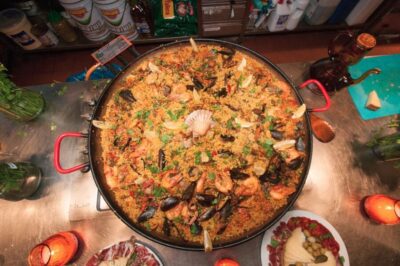
Barcelona: Paella Cooking Experience & Boqueria Market Tour
Read our review →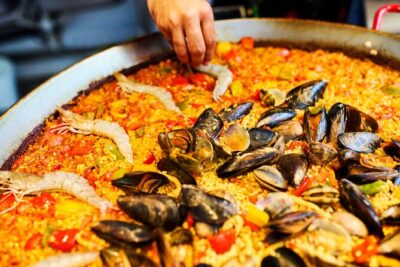
Barcelona Paella Cooking Class with Market Visit, Tapas & Sangria
Read our review →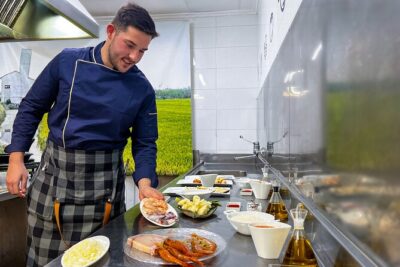
Paella Cooking Class, Wine Tasting & Central Market in Valencia
Read our review →
Valencian paella cooking class, tapas and visit to Ruzafa market.
Read our review →
Spanish Cooking Class & Triana Market Tour in Sevilla
Read our review →
Seville: 3.5-Hour Spanish Cooking Class & Triana Market Tour
Read our review →
Valencia: Paella Cooking Class with Central Market Tour
Read our review →
Barcelona: Paella Cooking Class with Market Visit and More
Read our review →This tour also appears in