
Review · SPAIN
Palma: 2.5-Hour Chinatown Market Tour
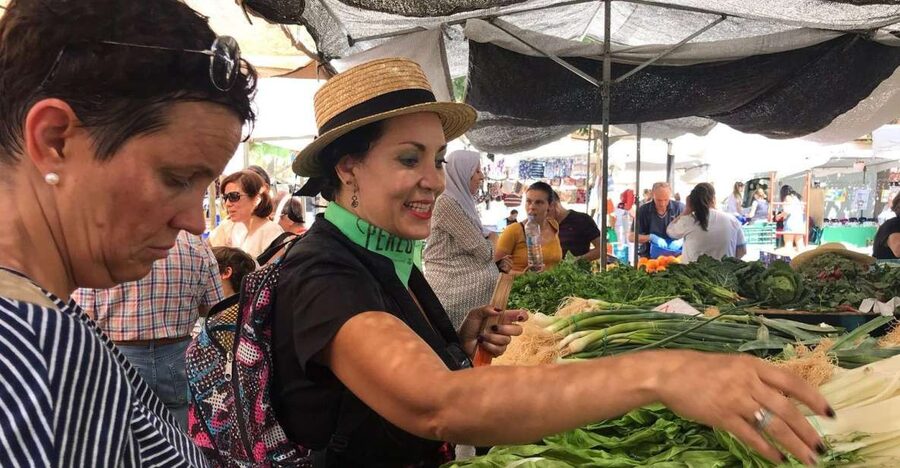
Palma’s Chinatown is not a formal attraction with a gate or sign. It is the lively, everyday Pere Garau Quarter, where Mallorcan farmers, immigrant-run food shops, textile sellers, craftsmen, and local residents share the same streets. This tour takes you into that less polished side of the city, with a green market and small food tastings at its center.
I like two things especially: the chance to see Palma through the eyes of a local guide who lives in the area, and the food trail that reaches well beyond tapas. You might taste or encounter couscous, samosas, empanadas, sushi, enchiladas, and other international snacks in one short walk.
The main caution is value for money. At $100 per person, this is not a cheap market stroll, and one past customer found the content too basic for the price. You should book it for local access, conversation, and tastings, not for a long list of major sights.
Key points to know before booking
- Pere Garau is the real focus: You explore a working neighborhood rather than Palma’s postcard center.
- The market changes the experience: Thursdays and Saturdays bring the main market atmosphere, with produce, textiles, perfume, and other goods.
- The food is international: Tastings can include local and global flavors, but they do not replace a full meal.
- Eri and Ery know the quarter personally: The guide lives in this part of Palma and may lead the walk in English, German, Spanish, or Italian.
- Eight people is the maximum: The small group should make it easier to ask questions and keep up in crowded market lanes.
- Check the timing carefully: The information gives both two hours and two and a half hours, so confirm the exact start and finish when booking.
Palma’s everyday side begins in Pere Garau
If you have already seen Palma Cathedral, the royal palace, and the lanes around the old town, Pere Garau gives you a different city. The quarter is not presented as a grand monument. Its interest comes from ordinary life: shopping, eating, making things, and meeting people from different backgrounds.
The walk begins near Carrer d’Aragó, at the Cash Converters shop listed as the meeting point. Another location is given as TST Consultor de Seguros, also on Carrer d’Aragó. Because those details do not perfectly match, I would check the confirmation map and ask the guide to confirm the exact storefront before you set out.
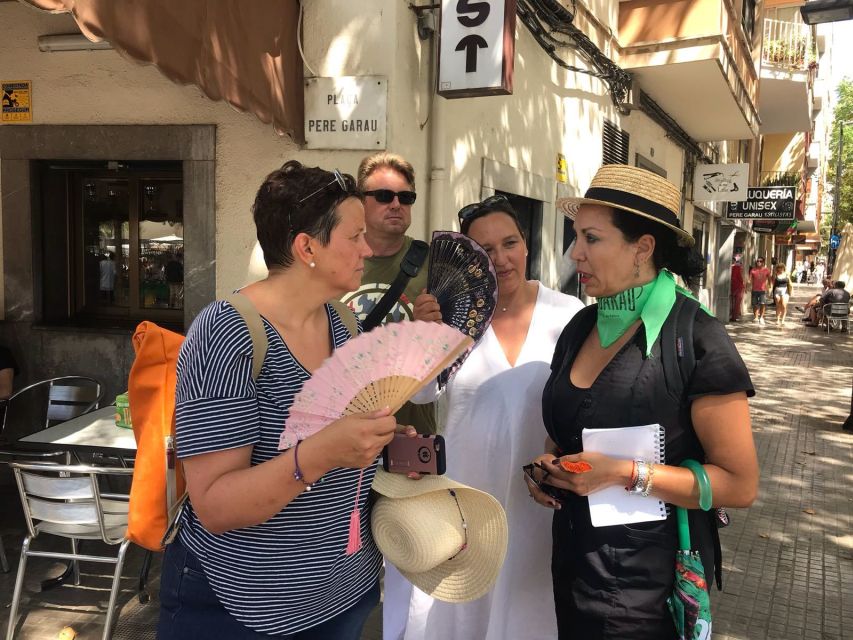
From there, the group heads toward the market and the surrounding streets. The tour is limited to eight people, which matters here. Market lanes can be tight, and a large group would make it harder to hear the guide or stop without blocking shoppers.
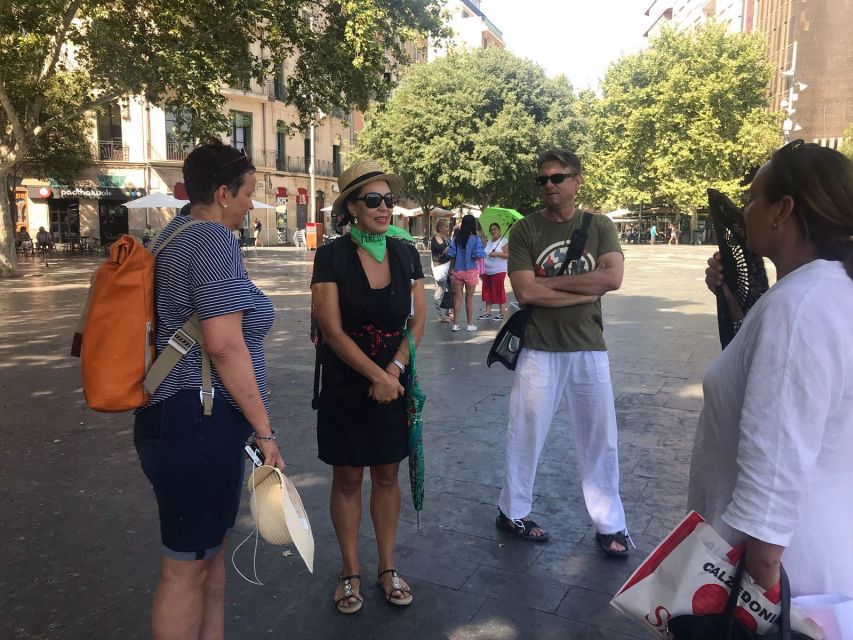
The guide is a major part of the experience. Eri, also written as Ery in the available information, has led several of the highly praised walks, while Michael has also guided the tour. The guide speaks English, German, Spanish, and Italian, though English is the listed tour language. Eri lives in this area, so the walk is built around personal familiarity rather than a standard city-center script.
More market tours around Spain:
- Barcelona: Paella Cooking Experience & Boqueria Market Tour
★ 4.8 · 3,661 reviews - Barcelona Paella Cooking Class with Market Visit, Tapas & Sangria
★ 5.0 · 2,531 reviews - Paella Cooking Class, Wine Tasting & Central Market in Valencia
★ 5.0 · 1,150 reviews
The green market: fresh food and local routines
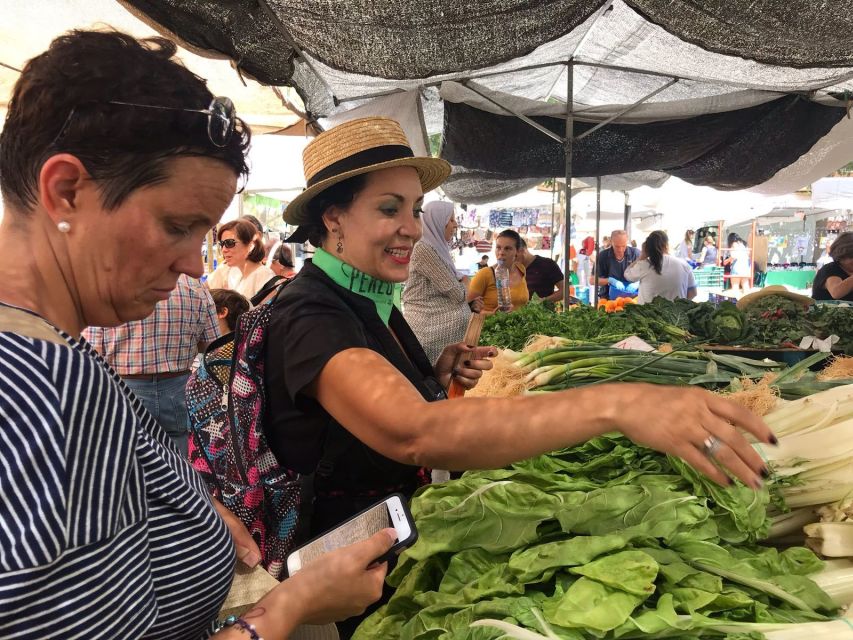
The market is the anchor of the walk. It is a place to look at how Palma shops, rather than a market arranged for sightseeing. You may see fresh produce, Mallorcan farmers, merchants with textiles and perfume, and local breeders. The point is not simply to identify a tomato or admire a colorful stall. It is to understand how this part of Palma functions as a shopping district.
That distinction matters. If you want a polished food hall with explanatory signs and carefully arranged displays, this may feel too ordinary. If you want a working market where prices, products, and daily errands matter, the setting has more appeal.
The guide can help you make sense of the range. You may learn where fresh products are sold, how the market differs from the tourist center, and why the quarter attracts people from many backgrounds. The supplied details promise an opportunity to find good prices, though you should treat that as a chance to observe local shopping rather than a guarantee that every product will beat supermarket prices.
Bring comfortable shoes. You will be walking through a market and neighborhood streets, and the tour is designed as a pedestrian experience. Large bags and luggage are not allowed, which is particularly useful to know if you are arriving from a cruise ship or heading directly to a hotel.
A food walk that crosses several borders
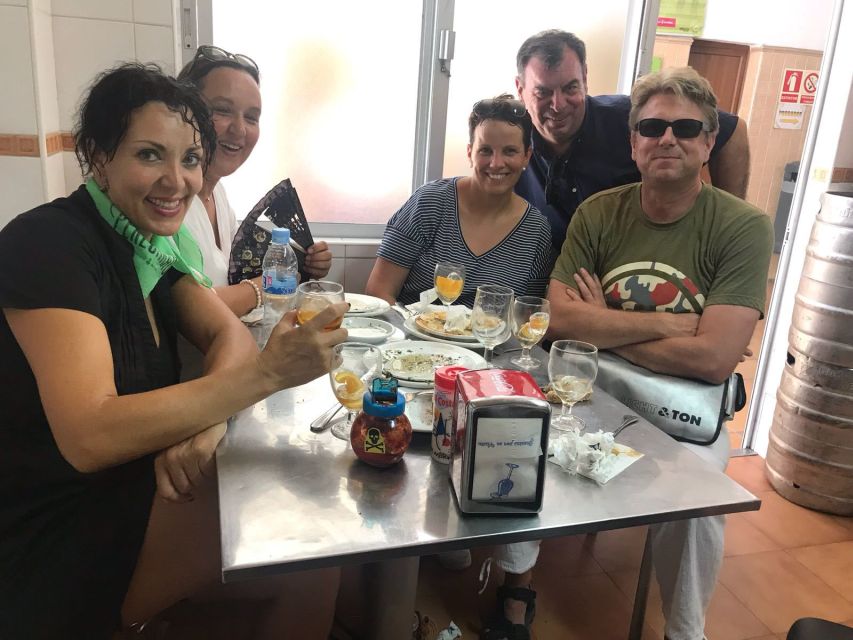
The tastings are one of the tour’s strongest features. Palma is presented here as a meeting place for cuisines from around the world, not just a showcase for Mallorcan specialties. Depending on the stops, you might encounter couscous, samosas, empanadas, sushi, enchiladas, and tapas.
That range makes the walk useful for people who want to understand present-day Palma. The city’s food culture is not limited to traditional island dishes. Small shops and restaurants reflect the many nationalities that now form part of local life.
Keep your expectations sensible. The tour includes local and international snacks, but meals and extra food are not included. I would eat something light beforehand, then treat the tastings as a series of introductions rather than lunch. If a particular dish catches your attention, you can return later and buy more at your own expense.
One stop is described as an authentic Chinese restaurant where an internationally mixed crowd eats together. That setting gives the Chinatown label some substance, though the tour is not a formal Chinese heritage tour. It is better understood as a look at a multicultural part of Palma, with Chinese food as one element among many.
The food stops also give the guide a chance to explain the neighborhood through taste. A stall or restaurant becomes more than a shop when you learn how it fits into the area and how different cuisines share the same few streets. That is where the tour can become more than a walk past store windows.
Workshops, shops, and the working quarter
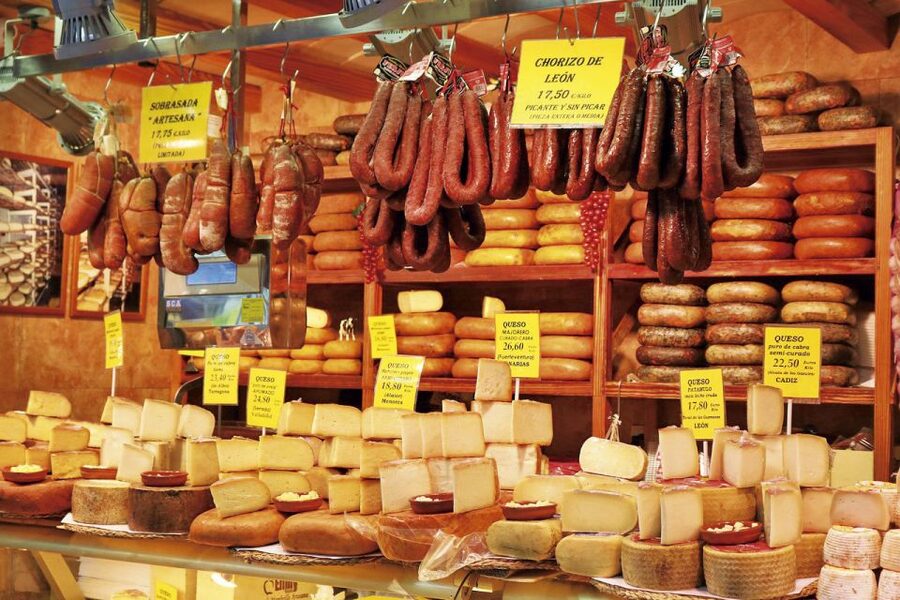
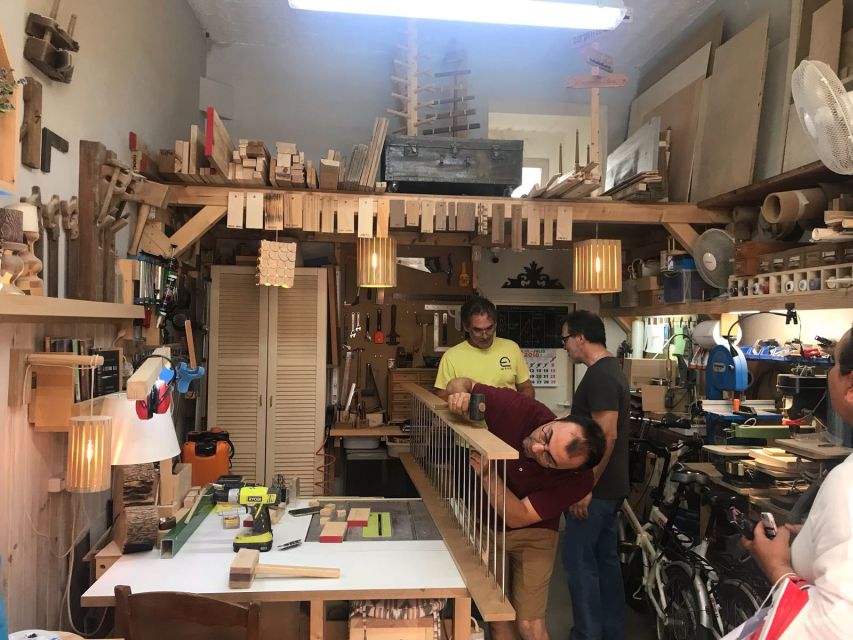
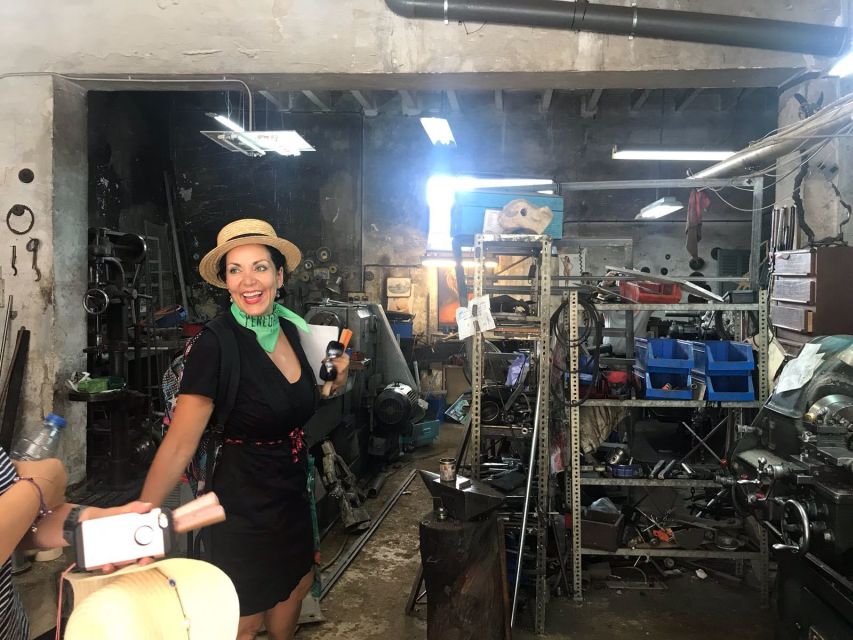
Pere Garau is also home to craftsmen with workshops. The tour presents these spaces as places where skill, ideas, and patience meet. You may see a side of Palma that is easy to miss if you stay around the cathedral, waterfront, and souvenir shops.
The workshop portion will appeal most to you if you enjoy seeing how a neighborhood earns its living. It is not a museum visit, and there is no promise that every workshop will be open or that you will watch a full demonstration. The value comes from noticing the working character of the quarter and hearing the guide place these businesses in their local setting.
The same is true of the shops selling textiles and perfume. They are part of the district’s commercial life, not staged stops created solely for the tour. One concern raised in the feedback was that simply being shown ordinary merchandise can feel too basic. That is a fair warning. The quality of this section depends heavily on how much context and conversation the guide adds.
You should book this walk for the neighborhood story, not because you need help identifying everyday objects. The guide’s local connection and multilingual background are more important than the merchandise itself.
Same city, another market:
- Valencian paella cooking class, tapas and visit to Ruzafa market.
★ 5.0 · 828 reviews - Spanish Cooking Class & Triana Market Tour in Sevilla
★ 5.0 · 760 reviews - Seville: 3.5-Hour Spanish Cooking Class & Triana Market Tour
★ 4.9 · 751 reviews - Valencia: Paella Cooking Class with Central Market Tour
★ 5.0 · 721 reviews
A glimpse of local leisure, from bingo to the sea
The route can also touch on recreational spaces, including a bingo game or a gambling den with roulette. These details underline the tour’s interest in ordinary local habits, but they are not presented as guaranteed extended visits or activities included in the price.
You may also finish with options for continuing on your own. The sea is close enough for a refreshing swim, and Palma Cathedral is described as about a 15-minute walk away. These are useful planning details, though they should not be confused with included parts of the guided tour.
I like this flexibility. A neighborhood walk can become a good bridge between parts of your day. You could take the tour in the morning, continue toward the cathedral afterward, or use the surrounding area for an independent meal. Just remember that the guide returns the group to the starting point, so any onward walk begins after the tour.
Two hours or two and a half?
The experience title and itinerary describe a two-and-a-half-hour tour, while the activity information also lists a two-hour duration. That difference is small but worth checking, especially if you have a cruise departure, restaurant reservation, or timed visit elsewhere in Palma.
The tour takes place on Thursdays and Saturdays. Those days are important because the market is described as active every other day, and the scheduled days give you the best chance of seeing the quarter at its full market pace.
The available starting times can vary, so check them before booking. A small group of up to eight people is a clear advantage. You can ask about the neighborhood, food, and local customs without trying to speak over a coach group.
The tour is not suitable for wheelchair users, and the operator does not allow pets or large bags. Comfortable shoes are the one essential item listed. These rules fit the market setting, where narrow passages and busy shopfronts can make bulky luggage awkward.
Is $100 per person good value?
At $100 per person, the price is high for a two to two-and-a-half-hour neighborhood tour. The included package is a guided walk plus tastings of local and international snacks. Meals, extra snacks, shopping, and personal expenses cost more.
The price makes better sense if you place a high value on a small group and a local guide with a personal connection to Pere Garau. It is also more defensible if you would otherwise struggle to find this part of Palma or feel unsure about entering unfamiliar food shops and market streets on your own.
It makes less sense if you mainly want major sights, a substantial meal, or a structured history lecture. One critical assessment described the walk as passing through shops and the market without enough added explanation, and judged the cost too high. That is the key risk to consider.
The strongest positive feedback centers on the guides’ friendly manner, punctuality, food stops, and ability to show Palma away from mass tourism. Several people found the tour interesting, enjoyable, and useful for learning about local life. One particularly positive account praised Eri’s warmth and the memorable food experiences, while another described Michael’s German-language guidance as informative and fun.
My advice is to compare the $100 price with your own travel style. If you want a private-feeling introduction to an ordinary district, the small group and local access may justify it. If you are price-sensitive, you could visit the market independently and spend the difference on lunch, though you would lose the guide’s language help and neighborhood connections.
Who will enjoy this Palma market tour?
This experience suits you best if you have already covered Palma’s famous sights or want to see a side of the city that is not built around monuments. Food-curious visitors should enjoy the international range, especially if you like comparing cuisines and browsing local shops.
It is also a good match for couples and small groups who prefer conversation to a large guided procession. The guide can speak several languages, which may help mixed-language groups, though English is the listed language for the tour.
You may want to skip it if you need step-free access, dislike market crowds, want a full meal included, or expect a polished attraction with a fixed script. The tour is about ordinary streets and local businesses, so its success depends on your interest in daily life.
You can cancel up to 24 hours before the activity for a full refund, and the reserve-now, pay-later option keeps your plans flexible. Those policies are useful, but they do not change the central decision: are you paying for a market walk, or for the guide’s personal view of the quarter?
Should you book it?
Book this tour if you want Pere Garau’s daily life, international food samples, and a small group led by someone who knows the area personally. Eri or Ery appears to be the strongest fit if you value a warm, personal guide, while Michael has also received praise for an informative and enjoyable walk.
Think twice if $100 feels steep for snacks and a neighborhood stroll. Confirm the meeting point, exact duration, language, and starting time before paying, then arrive in comfortable shoes without large luggage. For curious visitors who have had enough of postcard Palma, this can be a worthwhile change of scene. For bargain hunters or sight-focused first-time visitors, there are better uses for the money.
FAQ
Where does the Palma Chinatown Market Tour begin?
The listed meeting point is Shop Cash Converters at Carrer d’Aragó, 40, 07005 Palma, Illes Balears. TST Consultor de Seguros is also given as the starting location, so confirm the exact meeting place before the tour.
How long does the tour last?
The title and itinerary describe a two-and-a-half-hour guided tour, while the activity details also list two hours. Check the confirmed duration and starting time when booking.
On which days does the tour run?
The tour takes place on Thursdays and Saturdays.
What language is the tour offered in?
English is the listed tour language. The guide is also described as speaking German, Spanish, English, and Italian.
How large is the group?
The tour is limited to eight participants.
What food is included?
The price includes tastings of local and international snacks. Meals, additional snacks, and personal expenses are not included.
Is the tour suitable for wheelchair users?
No. The activity is listed as not suitable for wheelchair users.
Can I bring a pet or large bag?
No. Pets and luggage or large bags are not allowed. Comfortable shoes are recommended.
Can I cancel for a refund?
Yes. You can cancel up to 24 hours in advance for a full refund. The reserve-now, pay-later option also allows you to book without paying immediately.
New market tours around Spain
- Teguise: Market and César Manrique Foundation Tour★ 4.3 · 39 reviews
- Tapas Cooking Workshop & Market Visit★ 4.8 · 10 reviews
- Sunday Markets: Santa Brígida, San Mateo, and Teror★ 4.6 · 5 reviews
- Seville: Tasting, History, Market visit and Tapas Tour★ 5.0 · 2 reviews
- Seville: Triana Market Tour with Tastings★ 4.9 · 32 reviews
- Seville: Morning Market & Tapas Tour★ 5.0 · 11 reviews
- San Sebastián: Market Tour, Cooking Class, & Meal★ 5.0 · 2 reviews
- Santoña: Anchovy Art Gallery with Fishing Port and Market★ 4.5 · 4 reviews
Spain Market Tours, side by side.
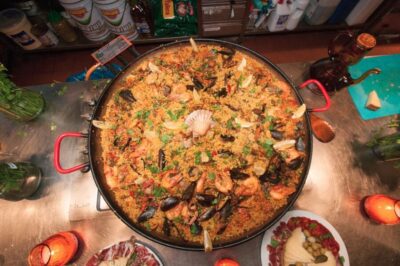
Barcelona: Paella Cooking Experience & Boqueria Market Tour
Read our review →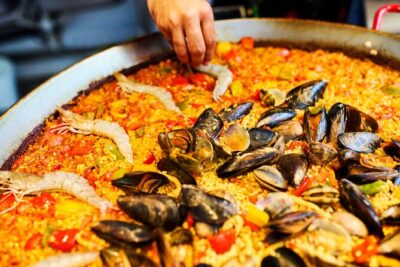
Barcelona Paella Cooking Class with Market Visit, Tapas & Sangria
Read our review →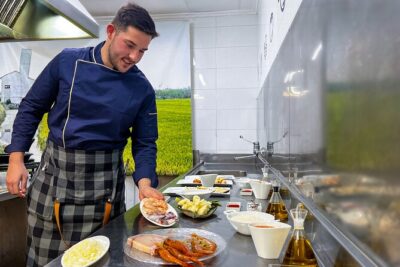
Paella Cooking Class, Wine Tasting & Central Market in Valencia
Read our review →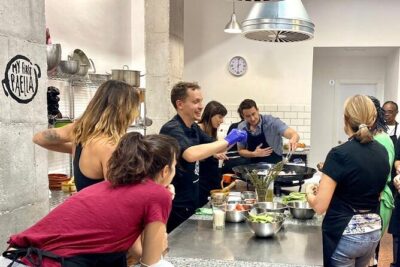
Valencian paella cooking class, tapas and visit to Ruzafa market.
Read our review →
Spanish Cooking Class & Triana Market Tour in Sevilla
Read our review →
Seville: 3.5-Hour Spanish Cooking Class & Triana Market Tour
Read our review →
Valencia: Paella Cooking Class with Central Market Tour
Read our review →
Barcelona: Paella Cooking Class with Market Visit and More
Read our review →This tour also appears in