
Review · SPAIN
Guided visit to the Pasaia fish market
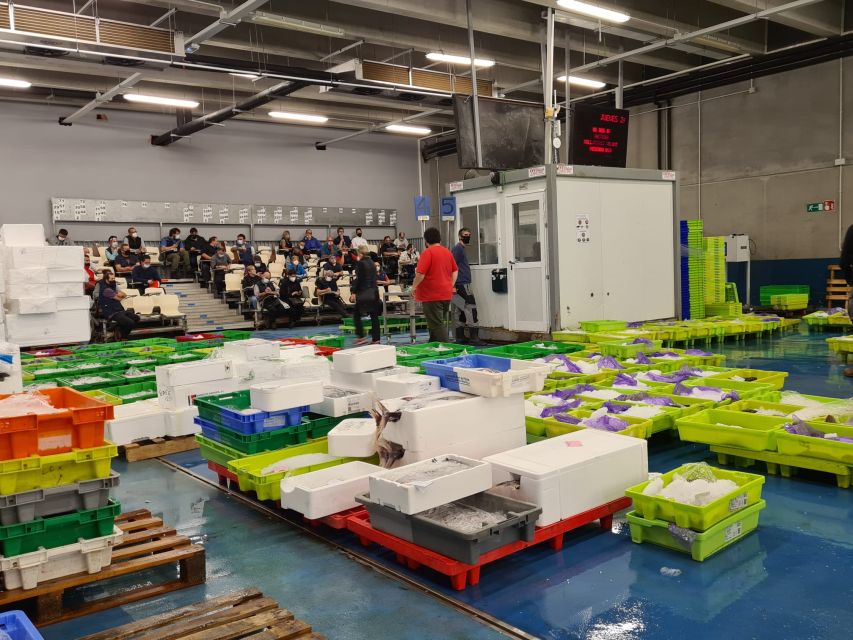
The most revealing part of this Pasaia fish market visit is the auction. You see the catch move through a real working system, from the fishermen unloading it to fishmongers and wholesalers buying it for the next stage of the supply chain. I like that the tour explains both the building and the people who keep it running, rather than treating the market as a quick photo stop.
I also like the small group limit of 10 and the breakfast next door, which gives the early visit a pleasant finish. The main drawback is practical: the tour is conducted in Spanish, photography is restricted inside, and the wet floor makes comfortable, non-slip shoes essential.
Key points to know before you go
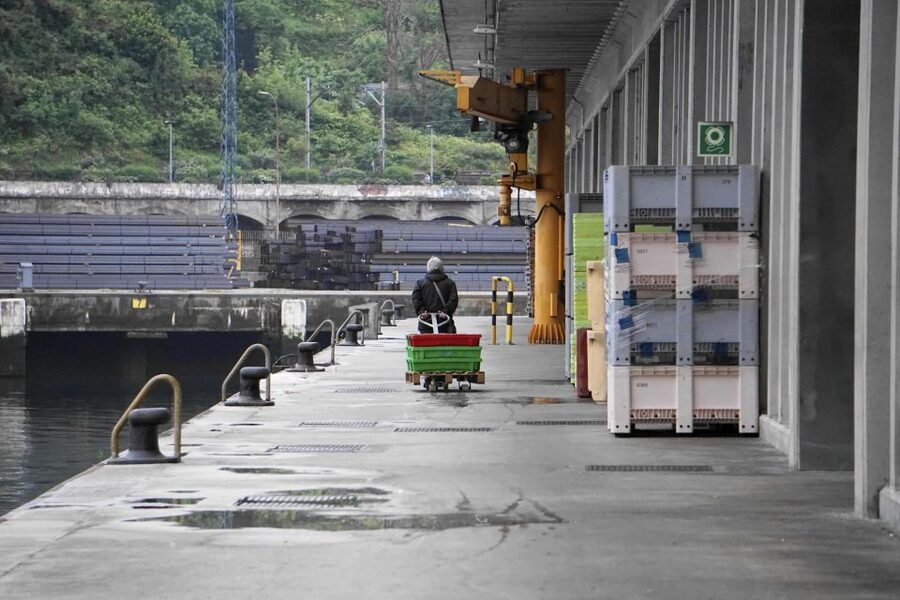
- Watch a working fish auction: See how the catch is handled and sold to fishmongers, sellers, and wholesalers.
- Learn about inshore fishing: The guide explains the main fishing gear used by local fishermen.
- Understand the Fishermen’s Guilds: You’ll hear how these organizations fit into the fishing trade.
- Finish with breakfast: The experience includes breakfast beside the fish market.
- Prepare for a wet work area: Stay with the group, follow the guide’s instructions, and do not touch the fish.
- Expect Spanish only: The live guide conducts the visit in Spanish, with a small group of no more than 10 people.
Entering Pasaia’s working fish market
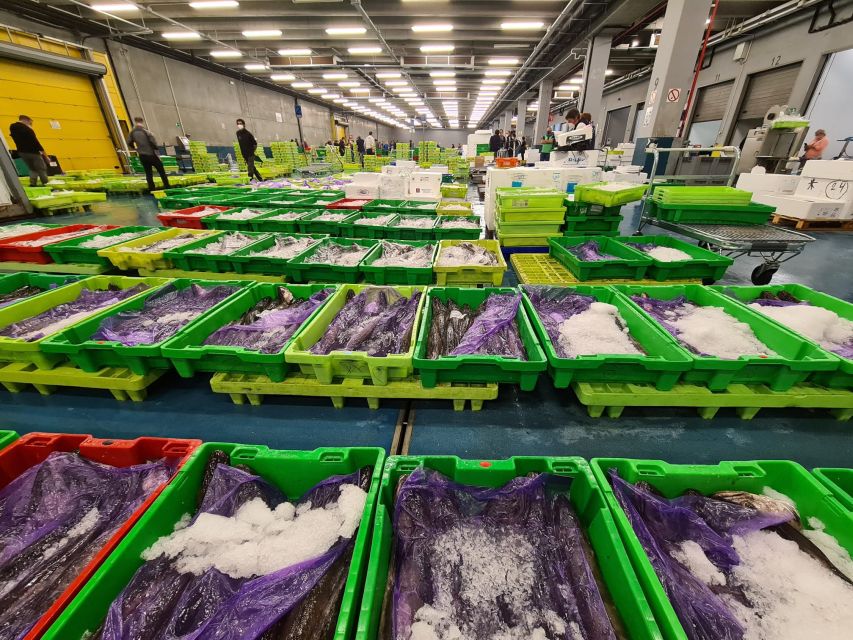
This is not a polished food hall arranged for sightseeing. It is a working fish market, and that changes how you should approach the visit. The building has a job to do each morning, and you enter as a respectful observer while fishermen, fishmongers, sellers, and wholesalers handle business.
The guide introduces the building and explains how the market fits into the local fishing sector. That context matters. Without it, an auction can look like a noisy sequence of bids and screens. With it, you begin to see the market as the point where a catch changes hands and starts its trip toward the fishmonger.
You should expect activity in the early hours. The information provided does not give a fixed starting time, so check the available departure options when booking. A morning visit suits people who want to see the market during its working rhythm, not after the action has finished.
The group remains together inside the market. That is partly for safety and partly out of courtesy to people doing their jobs. Listen closely when the guide tells you where to stop, and do not wander into work areas.
More Fish Market Tours around Spain:
- Tokyo Tsukiji Fish Market Food and Culture Walking Tour
★ 5.0 · 3,184 reviews - Tokyo: Tsukiji Fish Market Food and Walking tour
★ 5.0 · 1,724 reviews - Tokyo: Tsukiji Fish Market Guided Walking Tour
★ 4.9 · 1,397 reviews
Following the fish from boat to fishmonger
The central idea of the visit is the route the fish takes. You learn what happens after fishermen unload their catch at the market and before it reaches the fishmonger. The guide connects each step, so you can follow the process instead of simply looking at fish laid out for sale.
This is useful because it puts everyday food in a working context. A fish counter can make the supply chain look simple. Here, you get a closer look at the people and decisions involved before the fish reaches the shops.
The fish market also offers a window into inshore fishing, the local sector focused on fishing closer to shore. The guide explains the main fishing gear used in this work. The tour does not just name equipment, it places the gear within the way local fishermen operate.
That makes this experience a good fit for you if you care about food, working communities, or the practical side of coastal life. It is less suited to anyone hoping for a relaxed market stroll with lots of independent time.
Understanding the fish auction
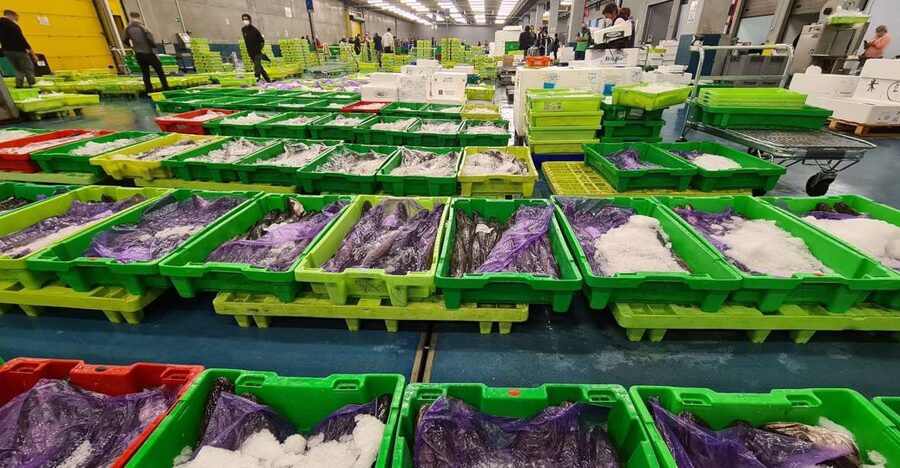
The auction is likely to be the most unfamiliar part of the visit. The fish is not simply displayed with a price tag for casual shoppers. Instead, the auction creates a fast-moving link between the catch and the buyers who need to secure it.
You’ll see the hustle of the auction area as fishmongers, sellers, and wholesalers carry out their work. The guide explains what is happening, helping you understand the purpose behind the movement and noise.
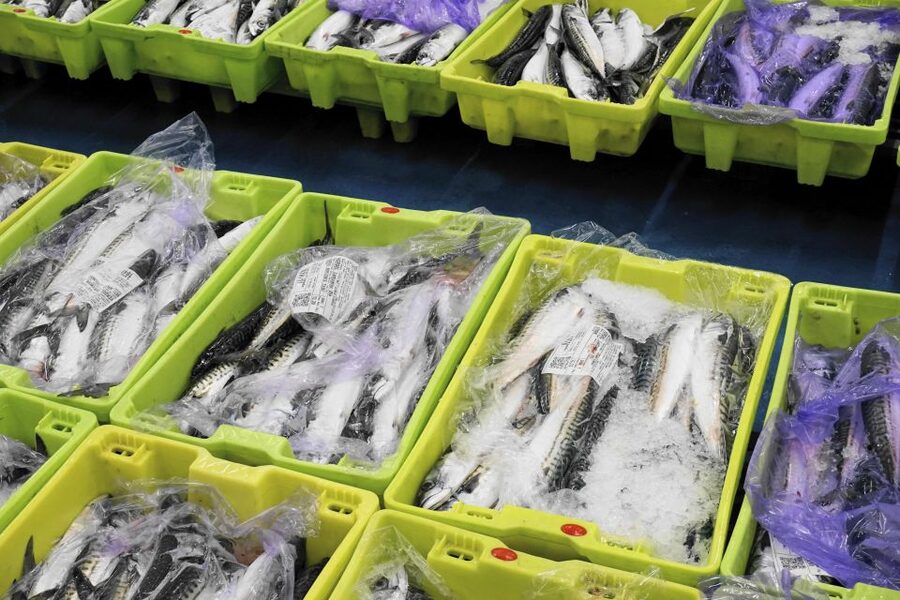
The auction screens are part of the working process, but photography and video of them are forbidden. You also cannot photograph people. You may take pictures of the fish and generic views of the area, but you need to keep your camera away from workers and screens.
That rule is sensible in a place where people are trying to work. You will get more from the visit by paying attention than by trying to record every moment. Keep your phone ready for permitted general shots, but treat the market as a workplace first.
You are also forbidden to touch the fish. This is both a hygiene matter and a basic courtesy. The fish is part of a commercial process, not an exhibit arranged for handling.
What the guide adds to the building
The building itself receives attention during the tour. You’ll hear about its particular features and about the way it serves the fish market. The details supplied for the visit do not name an individual guide, but the experience includes a guide from Mater Itsasontzi Ekoaktiboa, while Kofradia-Itsas Etxea is the experience provider.
A guide is especially helpful here because the market’s meaning is not obvious from its appearance alone. The building, the auction, the fishing equipment, and the guild system all connect. The explanation gives you a working outline of that connection.
You also learn about the Fishermen’s Guilds and how they operate. This is one of the more distinctive parts of the visit. It moves beyond fish as a product and introduces the organization behind the local fishing sector.
Since the tour is in Spanish, you should have enough Spanish to follow a live explanation if you want to get the full value from it. The supplied information does not mention translation, written material, or another language option, so do not assume that an English explanation will be available.
More guided market mornings around Spain:
- Alicante: Central Market Guided Food Tour with Tapas Bars
★ 5.0 · 5 reviews - Marbella: Guided Market Tour with Tapas and Wine Pairings
★ 4.8 · 4 reviews - Dubai: Old Town, Souks, Street Food, Guided Tour & Abra Ride
★ 4.9 · 7,170 reviews - Dubai: Frame Tickets, Creek, Souks & Blue Mosque Guided Tour
★ 4.8 · 5,980 reviews
Breakfast beside the market
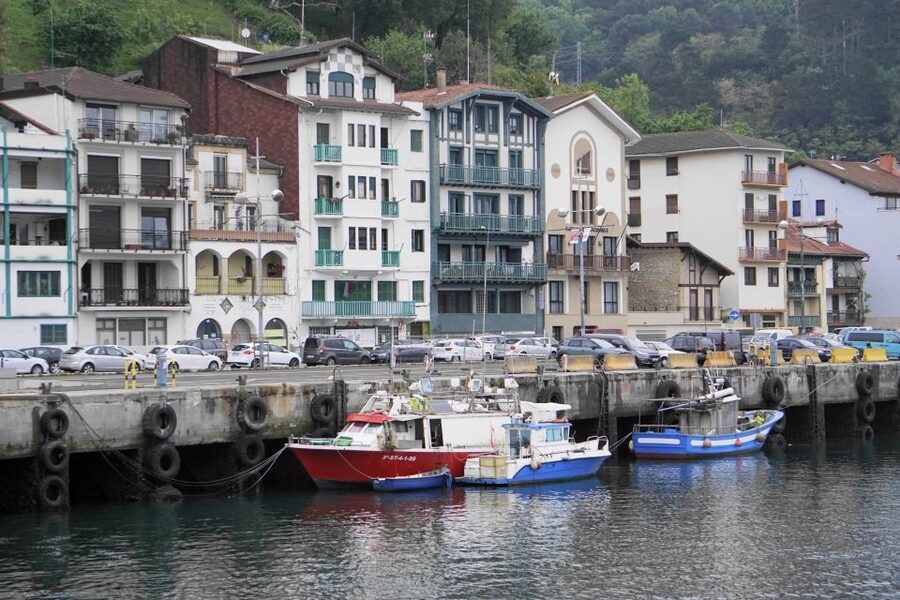
After the market visit, you enjoy breakfast next to the fish market. This is a simple touch, but it gives the experience a clear ending. You have spent time watching the catch move through the market, then sit down for food nearby.
The breakfast is included in the $17 price. That makes the cost easier to assess, especially since the visit lasts about an hour and a half and includes a live guide as well as the meal.
The breakfast is not described in detail, so you should not book this expecting a particular menu or a large meal. Think of it as part of the morning experience, a chance to pause beside the market after the tour.
I like this finish because it keeps the experience connected to its setting. You are not whisked away to a separate attraction. The meal remains tied to the working market you have just seen.
Is $17 a fair price?
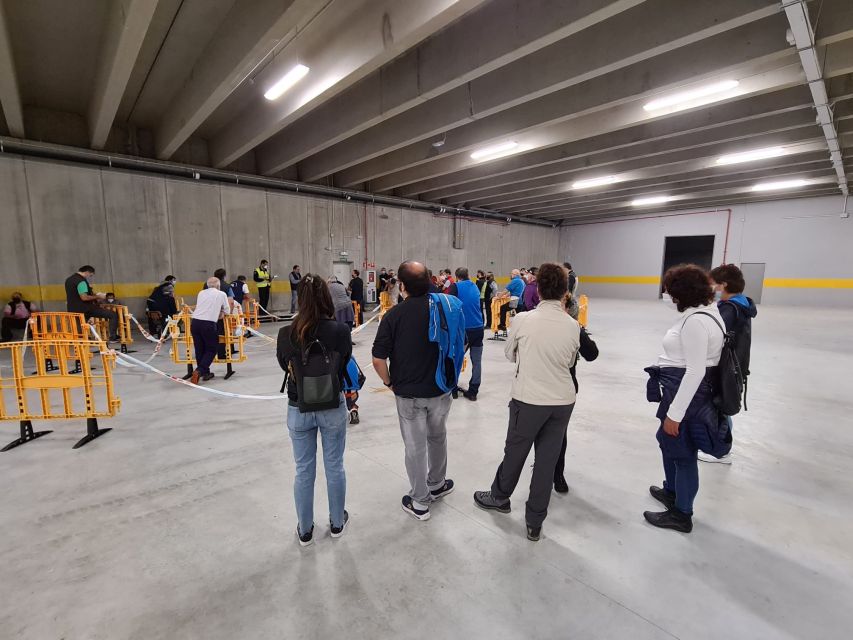
At $17 per person, this is a modestly priced guided experience. The value comes from the access and explanation: you enter the interior of the fish market, watch the auction process, learn about inshore fishing and Fishermen’s Guilds, and receive breakfast.
The short duration also makes the price easy to fit into a wider day in the Basque Country. At 1.5 hours, the tour does not demand a full day or force you to give up several other plans. It works well as a focused morning activity.
The value depends on your interests. If you enjoy local food systems, working ports, or seeing how a trade operates behind the scenes, the price is reasonable. If you want a broad sightseeing tour, a long meal, or a market where you can shop and wander freely, this may feel more limited.
The small-group format improves the experience. With no more than 10 participants, the guide has a better chance of keeping everyone together and explaining what is happening without addressing a large crowd. The group limit does not mean you can move independently, though. You will stay together for safety and to avoid interrupting the workers.
Shoes, photography, and proper market manners
Take the footwear warning seriously. The floor is usually wet, and the instructions call for comfortable, non-slip shoes. Hiking shoes are listed as an item to bring, so shoes with a firm grip are a better choice than smooth-soled trainers or casual sandals.
The market is an active work area. Stay with the group, stop where the guide tells you, and watch your footing. You should also avoid causing an accident by stepping into a working path or trying to get a closer look.
The rules are clear:
- Do not touch the fish.
- Do not photograph or film people.
- Do not photograph or film auction screens.
- You may photograph fish and generic views of the area.
- Follow the guide’s directions throughout the visit.
These limits may disappoint anyone hoping to make a photo record of the auction. Still, they protect the privacy of workers and keep the tour from interfering with the market’s business.
The experience is not suitable for people with mobility impairments. The wet floor, group movement, and working environment may make it difficult to take part safely.
How the Spanish-language format affects your visit
The live tour guide speaks Spanish. That is an important booking detail, not a minor footnote. If you understand Spanish, you can follow the explanations about the market, fishing gear, the auction, and the Fishermen’s Guilds as they happen.
If your Spanish is limited, you may still recognize the main stages of the visit, but you should not count on receiving a full explanation in another language. No alternative language or translation service is specified.
Because the group is small, you may find it easier to stay near the guide and follow the visual parts of the process. Even so, the experience is best for Spanish speakers who want detail rather than a quick look.
Who will get the most from this visit?
I would recommend this tour to you if you like food with a backstory. It shows what happens before fish reaches the market counter, and it gives you a closer look at the people and systems involved.
It also suits anyone interested in local work and coastal economies. The explanation of fishing gear and Fishermen’s Guilds adds useful context that you will not get from simply walking past a harbor or ordering seafood in a restaurant.
The experience may suit families with older children who can follow safety instructions and respect the no-touch rule. The supplied information does not specify a minimum age, so check the booking conditions if you are traveling with children.
I would hesitate to recommend it if you need an English-language tour, have difficulty walking on wet surfaces, or want plenty of time for independent photography. The tour asks you to accept the rules of a working market, and those rules are central to the experience.
Should you book the Pasaia fish market visit?
Book it if you want a short, affordable look at real food production and local fishing life. The fish auction, the explanation of inshore gear, and the visit to the market interior give the morning more substance than a standard sightseeing stop.
The $17 price is fair because it includes the guide, the market visit, and breakfast. The main conditions are equally clear: you need Spanish, sturdy non-slip shoes, respect for the workers, and patience with the photography limits.
For a compact introduction to Pasaia’s fishing sector, this is a strong choice. If those practical limits fit your plans, reserve with confidence. If not, choose an activity that offers more language support or a more relaxed pace.
FAQ
How long does the Pasaia fish market visit last?
The visit lasts 1.5 hours.
How much does the experience cost?
The price is $17 per person.
What language is the tour conducted in?
The live tour is conducted in Spanish.
How large is the tour group?
The group is limited to 10 participants.
What is included in the price?
The experience includes a guide from Mater Itsasontzi Ekoaktiboa and breakfast beside the fish market.
Can I take photographs inside the fish market?
You may photograph the fish and take generic shots of the area. You may not photograph or film people or auction screens.
Can I touch the fish?
No. Touching the fish is not allowed.
What shoes should I wear?
Wear comfortable, non-slip shoes. Hiking shoes are recommended because the floor is usually wet.
Is the visit suitable for people with mobility impairments?
No. The experience is not suitable for people with mobility impairments.
New market tours around Spain
- Teguise: Market and César Manrique Foundation Tour★ 4.3 · 39 reviews
- Tapas Cooking Workshop & Market Visit★ 4.8 · 10 reviews
- Sunday Markets: Santa Brígida, San Mateo, and Teror★ 4.6 · 5 reviews
- Seville: Tasting, History, Market visit and Tapas Tour★ 5.0 · 2 reviews
- Seville: Triana Market Tour with Tastings★ 4.9 · 32 reviews
- Seville: Morning Market & Tapas Tour★ 5.0 · 11 reviews
- San Sebastián: Market Tour, Cooking Class, & Meal★ 5.0 · 2 reviews
- Santoña: Anchovy Art Gallery with Fishing Port and Market★ 4.5 · 4 reviews
Spain Market Tours, side by side.
Barcelona: Paella Cooking Experience & Boqueria Market Tour
Read our review →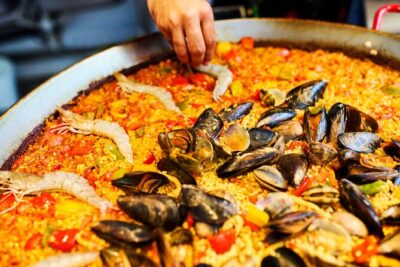
Barcelona Paella Cooking Class with Market Visit, Tapas & Sangria
Read our review →
Paella Cooking Class, Wine Tasting & Central Market in Valencia
Read our review →
Valencian paella cooking class, tapas and visit to Ruzafa market.
Read our review →
Spanish Cooking Class & Triana Market Tour in Sevilla
Read our review →
Seville: 3.5-Hour Spanish Cooking Class & Triana Market Tour
Read our review →
Valencia: Paella Cooking Class with Central Market Tour
Read our review →
Barcelona: Paella Cooking Class with Market Visit and More
Read our review →This tour also appears in