Review · SPAIN
Madrid: Ultimate Food Tour of Local Markets & Tapas
Madrid’s food culture makes sense one small bite at a time. This three-hour walk begins near Plaza Santa Ana and moves through cafés, a bakery, Mercado de Antón Martín, a traditional deli, and the bars around Plaza Mayor. You get more than a meal: you see how madrileños buy groceries, order drinks, and eat simple food in ordinary neighborhood spots.
I like the 15-plus tastings at eight family-run eateries, especially the mix of market goods and ready-to-eat classics. I also like the way the guides connect food with place, from the story behind a northern Spanish baker’s bread to the former political meetings held at Casa González. The main drawback is that this is a food-heavy walking tour with no hotel pickup, and the route does not suit wheelchair users, strollers, or anyone who cannot walk at a moderate pace.
Key points to know before booking
- Morning churros or evening tapas: Morning tours include churros and chocolate. The 5 pm version swaps that stop for two tapas and a beer.
- A real market stop: Mercado de Antón Martín is used for daily shopping, not just for a quick photo.
- More than a snack: Fifteen or more tastings and one drink can add up to a full meal.
- Strong guide element: Flo, Liliana, Mitzi, David, Jose, and others have been praised for food knowledge, history, humor, and personal recommendations.
- Dietary limits matter: Vegetarian, pescatarian, dairy-free, gluten-free for non-celiac diners, non-alcoholic, and pregnancy-friendly adjustments are possible with advance notice, but vegan and celiac needs are not supported.
- Good central finish: The walk ends at Plaza Mayor, handy for continuing into Madrid’s center on your own.
Start at Plaza Santa Ana with a hungry appetite
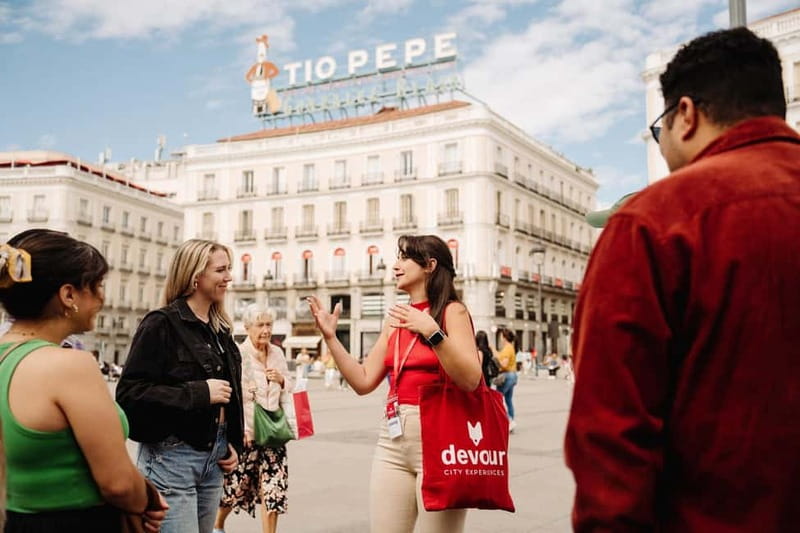
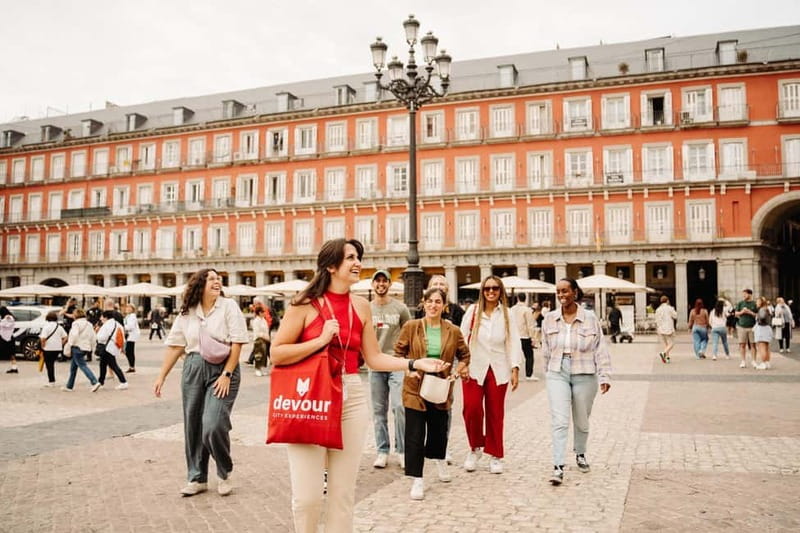
Meet your English-speaking guide at the statue of Calderón de la Barca in Plaza Santa Ana, in front of the large white hotel. Arrive 15 minutes early and look for the red Devour Tours tote bag or sign.
The meeting point is central and easy to fit into a first day in Madrid. From here, the route introduces you to the city through food rather than a long list of monuments. That choice matters. You get a feel for how places are used, not just how they look in a guidebook.
The tour lasts three hours and includes walking between stops. Wear comfortable shoes and bring water, especially in warm weather. One participant found the pace leisurely, while another pointed out that there is a lot of walking. Both things can be true: the route is broken up by frequent food stops, but you are still on your feet for most of the experience.
Group size is not stated as a fixed number, though several people praised the small or comfortable groups they joined. A smaller group makes it easier to ask about ingredients, customs, and places to eat later in your stay.
More Local and Farmers Market Tours in Spain
- Paella Cooking Class, Wine Tasting & Central Market in Valencia
★ 5.0 · 1,150 reviews - Valencia: Paella Cooking Class with Central Market Tour
★ 5.0 · 721 reviews - Ultimate Barcelona Food Tour with visit to a Local Market
★ 5.0 · 507 reviews
Churros, chocolate, and the morning start
On a morning tour, the first food stop is Chocolate Madrid, where you try churros with chocolate at a much-loved neighborhood café. This is presented as a chance to rethink the usual idea of churros and learn about the drink’s origins.
The point is not simply to eat a sugary breakfast. Your guide explains how to order coffee, how to approach the churros, and how this stop fits into Madrid’s daily routines. That practical detail can save you from walking into a café later and guessing at the menu.
The morning option is especially useful if this is your first day in the city. Starting at 10:30 am gives you breakfast, a gentle introduction to local customs, and enough time afterward for independent sightseeing.
At 5 pm, you do not get churros. Instead, the tour visits a popular tapas bar for two local tapas and a beer. That makes the evening departure a better fit if you want to begin with aperitif hour and continue into dinner afterward.
Neither schedule is automatically better. Choose the morning if churros are high on your list and you want food before sightseeing. Choose 5 pm if you prefer a later start or want the first drink of the evening built into the tour.
MOEGA and the case for good bread
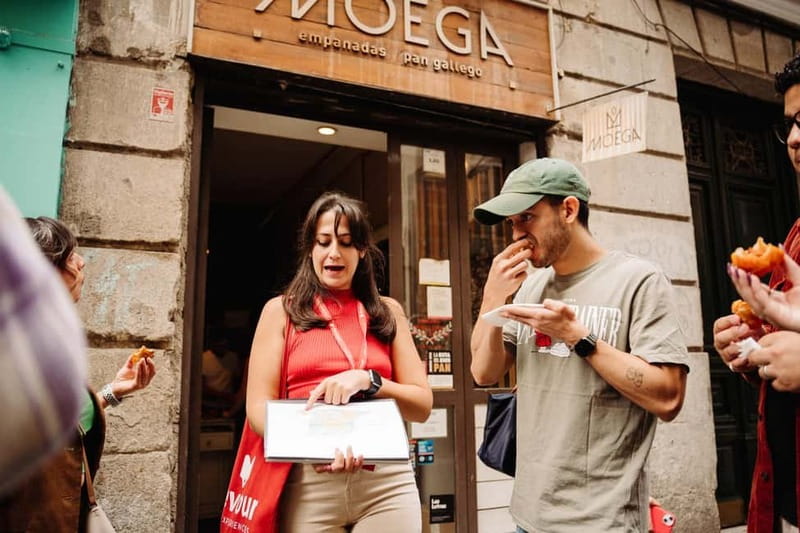
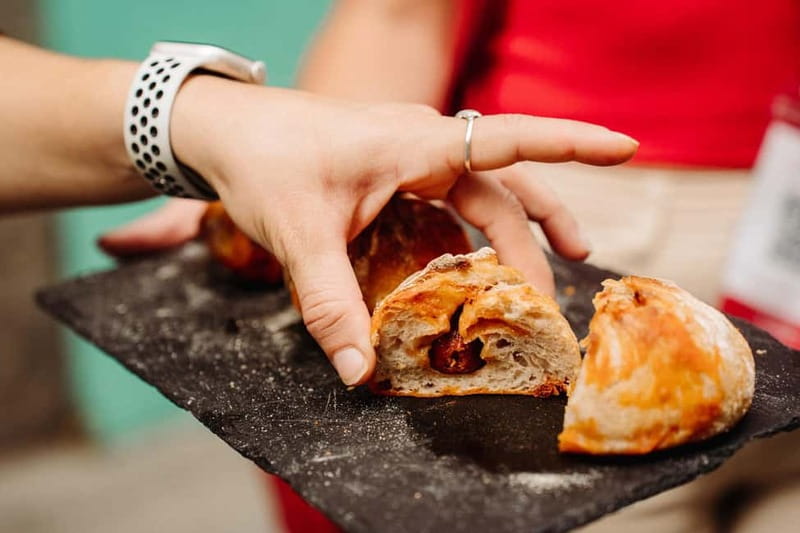
The next stop is MOEGA Empanadas y Pan Gallego, a small storefront run by a young baker from northern Spain. Here, you taste homemade chorizo-stuffed rolls and hear why good bread can be surprisingly difficult to find in Madrid.
This is the kind of stop that gives the tour its character. You are not just ticking off famous Spanish dishes. You are meeting the food traditions brought to Madrid from other parts of Spain and seeing how a small bakery builds its identity around them.
The stuffed rolls also provide a useful contrast with the sweet opening course. By this point, you are moving from breakfast treats to savory food, but the portions are arranged as tastings rather than full plates. One former participant liked the stop enough to return to MOEGA the following day, so make a note of it if the bread wins you over.
Shopping like a local at Mercado de Antón Martín
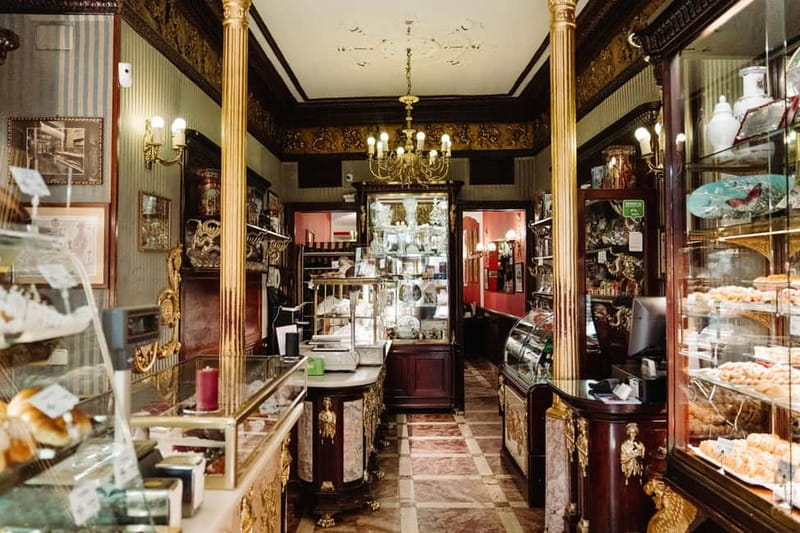
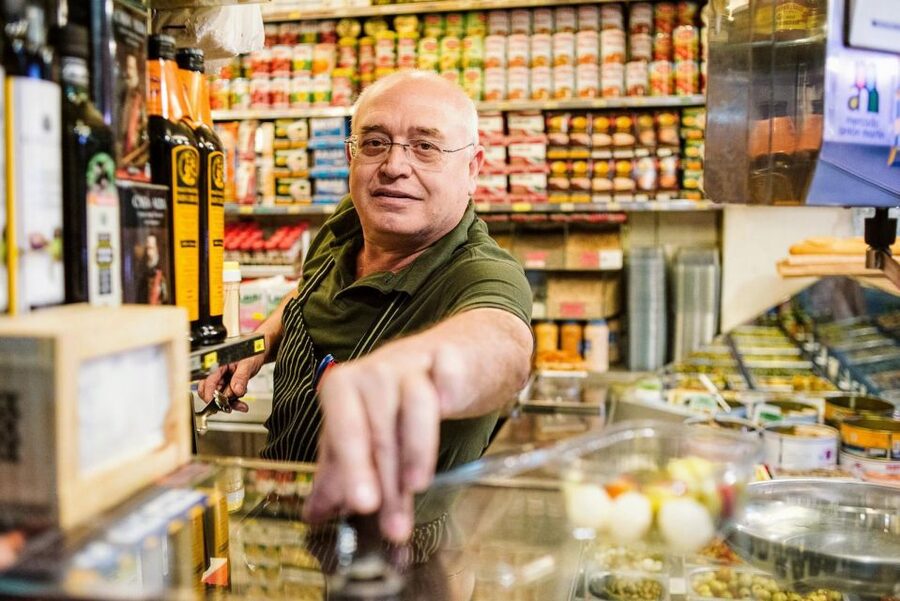
Mercado de Antón Martín receives about 40 minutes, making it one of the most substantial sections of the route. You walk through the market while people shop for everyday groceries, then taste products from several stalls.
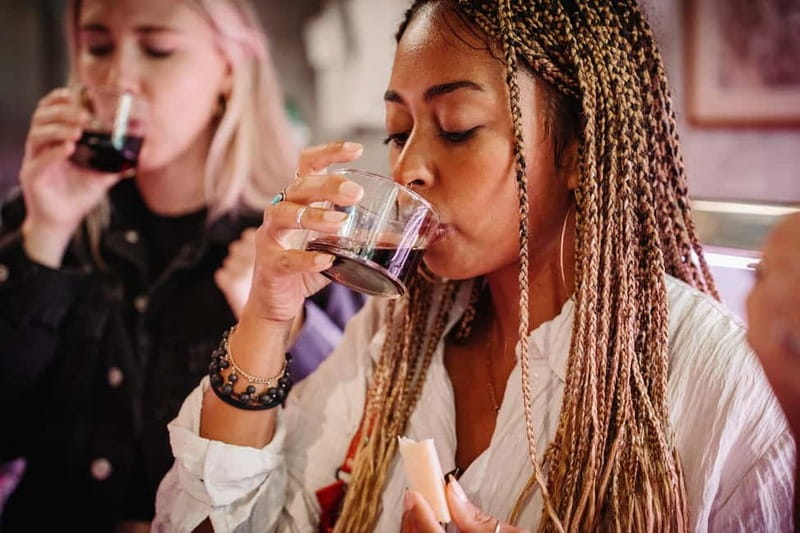
Expect olives, cured meats, local produce, and extra virgin olive oil. You also try red vermouth, Spain’s popular aperitif, and learn when people drink it and what makes it part of local social life.
I like this section because it gives you a better view of Madrid than a market built only for sightseeing. You see food in its normal setting, with the stalls serving a practical role for people who live nearby. The tastings also cover several basic flavors of Spanish cuisine: salty olives, cured meat, fresh produce, strong oil, and vermouth.
There is a small catch. If olives and cheese are not your things, part of the tasting sequence may be less appealing. The tour offers variety, but it cannot make every ingredient suit every palate.
The market stop is also where your guide’s skill matters most. A guide such as Marinos can answer questions as they come up, while guides including Jose and David have been praised for explaining both food and Spanish customs. Ask questions here. It is the best place to understand what you are seeing instead of simply moving from stall to stall.
More Market Food Tours in Spain
- San Sebastian Pintxo Food, Wine & Market Foodie Tour(Small Group)
★ 5.0 · 621 reviews - De Mercados: A Neighborhood Market and Food Tour
★ 5.0 · 237 reviews - Madrid: Street Food Walking Tour in the Plaza Mayor Area
★ 5.0 · 119 reviews - San Sebastian: Market, Pintxos and Wine Tasting Tour
★ 5.0 · 111 reviews
Casa González and a deli with a political past
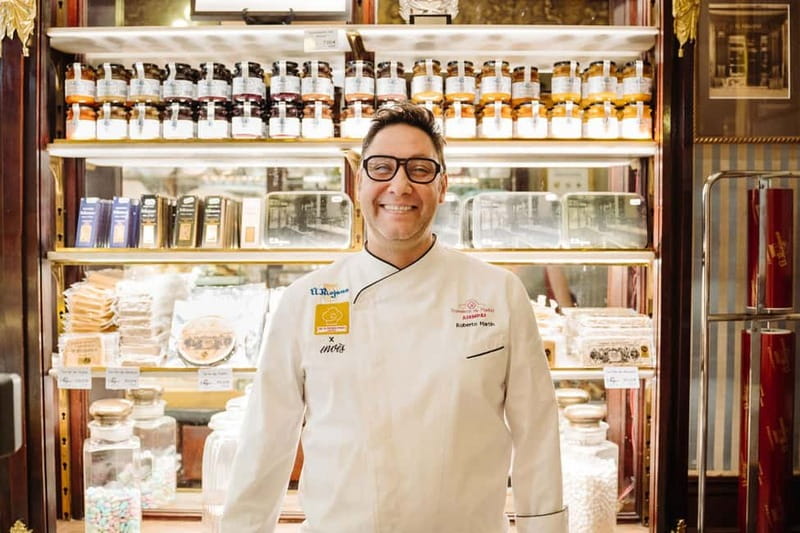
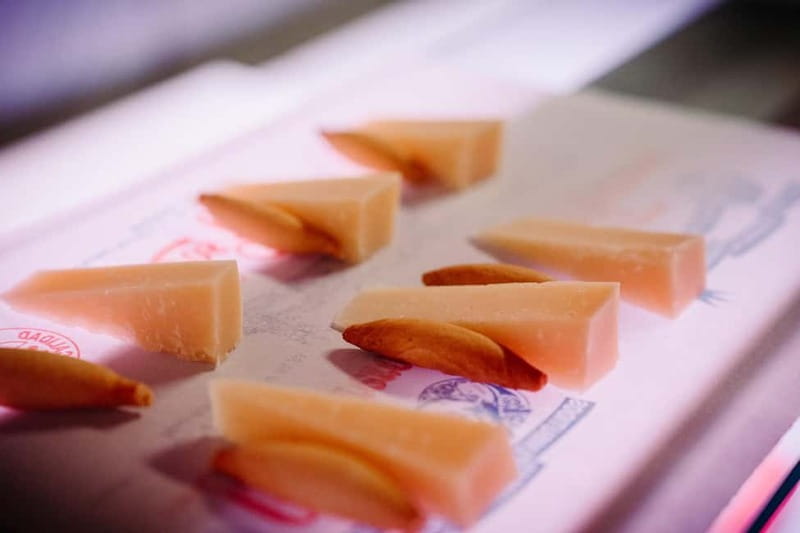
At Casa González, you sit down for a tasting of cheeses from around Spain. The stop lasts about 35 minutes, giving you a break from walking and a chance to compare several regional styles.
The setting has an unusual past. The owner’s father used the space for secret meetings against Spain’s dictatorship in the 1930s. Today, it functions as a deli and tasting stop, so the story links an ordinary food shop with a major period in the country’s past.
This is where the tour moves beyond a list of dishes. Food shops are part of a city’s social record. A good guide can use a small place like Casa González to show how Madrid’s everyday rooms have served many purposes over time.
Cheese is also one of the reasons to think carefully about dietary needs. The tour can adapt for dairy-free diners, but there may not be a replacement at every stop. If you avoid dairy or alcohol, tell the provider ahead of time so the ingredients can be arranged.
The calamari sandwich near Plaza Mayor
The final major food stop is Bar La Campana, where you try a calamari sandwich. The bar sits near Plaza Mayor, an area filled with places selling versions of this Madrid classic.
The sandwich is made with calamari rings in light, crunchy batter. You eat it standing outside the bar, following the local habit rather than sitting down for a formal meal.
That informal setting is part of the appeal. The dish is simple, quick, and closely tied to central Madrid. It also shows why a food tour can be more useful than a restaurant list. Your guide points you toward a particular preparation and explains the custom around eating it, so you leave with a clear idea of what to order later.
By this point, the food adds up. The tour includes 15 or more tastings and one drink, and several participants found it filling enough to delay their next meal until late in the evening. Do not plan a large lunch immediately afterward. You may want one, but you may not have room.
Finishing in Plaza Mayor
The route ends in Plaza Mayor after a final 30 minutes of walking and sightseeing. The square has been central to Madrid’s public life for centuries, and it remains one of the easiest places to continue exploring after the tour.
The finish works well because you end with both a full stomach and a practical sense of the city center. From Plaza Mayor, you can continue walking, return to a favorite stop, or use the guide’s recommendations for the rest of your visit.
Several guides have offered suggestions beyond the scheduled route. Flo, Liliana, Mitzi, David, and others have been praised for making the tour personal, answering spontaneous questions, and helping with plans for later in the trip. That is a real benefit on a first visit, when a local food recommendation can save you from an overpriced meal in a busy square.
How much value do you get for $93?
At $93 per person, this is not a cheap way to grab a few tapas. It is a guided food walk with eight stops, 15-plus tastings, one drink, neighborhood context, market access, and three hours of a local guide’s time.
The value improves if you treat the tour as lunch or a substantial breakfast and snack session. The food is varied enough to replace a meal, and the walking between stops keeps the pace from feeling like one long sitting. You also avoid ordering several small dishes on your own without knowing which places or specialties are worth your money.
The value is weaker if you eat very little, dislike cured foods and cheese, or already know Madrid’s food culture well. The tour is designed as an introduction. It gives you a broad sample rather than a long meal at one restaurant.
The strongest part of the price is the access to small businesses and the explanations around them. You are paying for context as much as calories. If you use the recommendations later, the tour can also shape the rest of your food planning in Madrid.
Dietary needs, walking, and timing
The tour can adapt for vegetarians, pescatarians, dairy-free diners, non-alcoholic preferences, pregnancy, and gluten-free diets when the issue is not celiac disease. You must contact the activity provider about allergies or restrictions in advance, and replacement food may not be available at every stop.
Do not book this tour if you are vegan or have celiac disease. The listed options do not support those needs safely.
The route is not suitable for wheelchair users, people with mobility impairments, or strollers. You should be able to walk at a moderate pace without difficulty. Comfortable shoes are essential, and water is sensible.
There is no hotel pickup or drop-off. Plan to reach Plaza Santa Ana independently and allow extra time to find the statue and the white hotel. Cancellation is free up to 24 hours before the start, and you can reserve now and pay later, which helps if your schedule is still changing.
Who should book this Madrid food tour?
Book it if you want a first taste of Madrid’s food customs, prefer small portions across several stops, and enjoy learning the story behind what you eat. It suits couples, families with children who are willing to try new foods, and solo visitors who want an easy introduction to the city.
Children can take part, and one guide, Flo, made a point of including three children in the tastings. Still, the food is not built around a children’s menu, so young diners should be comfortable with bread, cheese, olives, cured meat, sweets, and other traditional flavors.
I would choose the morning departure for a first day in Madrid, especially if you want churros and chocolate. I would choose the 5 pm departure if you want tapas, beer, and a natural start to an evening out.
Skip it if you need step-free access, require vegan or celiac-safe food, or prefer a long sit-down restaurant meal. Also skip it if you dislike eating in several small businesses at a set pace.
FAQ
How long does the Madrid food tour last?
The tour lasts three hours, including walking, sightseeing, and food tastings.
Where does the tour meet?
It meets at Plaza Santa Ana, at the statue of Calderón de la Barca in front of the large white hotel. Your guide will hold a red Devour Tours tote bag or sign.
Where does the tour finish?
The tour finishes in Plaza Mayor.
How many tastings are included?
The experience includes 15 or more tastings at eight stops, plus one drink.
Are churros included on every departure?
No. Churros are available on morning tours only. The 5 pm departure replaces them with two tapas and a beer at a popular tapas bar.
Can the tour accommodate dietary restrictions?
It can adapt for vegetarians, pescatarians, dairy-free diners, non-alcoholic preferences, pregnancy, and gluten-free diets for people who are not celiac. Contact the provider ahead of time about allergies or restrictions. The tour is not suitable for vegans or people with celiac disease.
Is the tour suitable for wheelchair users or strollers?
No. The tour is not suitable for wheelchair users, people with mobility impairments, or strollers. You should be able to walk at a moderate pace.
Should you book it?
Book this tour if you want Madrid explained through its everyday food, not just its grand squares. The market, bakery, deli, and standing calamari sandwich give you a useful range of experiences, while the guides add history, ordering advice, and practical recommendations.
At $93, it makes the most sense when you arrive hungry and treat the tastings as a substantial meal. Choose the morning for churros and chocolate, or the 5 pm departure for tapas and beer. For a first visit, this is a strong introduction to Madrid’s food culture, provided you can manage the walking and the listed ingredients.
New market tours around Spain
- Teguise: Market and César Manrique Foundation Tour★ 4.3 · 39 reviews
- Tapas Cooking Workshop & Market Visit★ 4.8 · 10 reviews
- Sunday Markets: Santa Brígida, San Mateo, and Teror★ 4.6 · 5 reviews
- Seville: Tasting, History, Market visit and Tapas Tour★ 5.0 · 2 reviews
- Seville: Triana Market Tour with Tastings★ 4.9 · 32 reviews
- Seville: Morning Market & Tapas Tour★ 5.0 · 11 reviews
- San Sebastián: Market Tour, Cooking Class, & Meal★ 5.0 · 2 reviews
- Santoña: Anchovy Art Gallery with Fishing Port and Market★ 4.5 · 4 reviews
Spain Market Tours, side by side.
Barcelona: Paella Cooking Experience & Boqueria Market Tour
Read our review →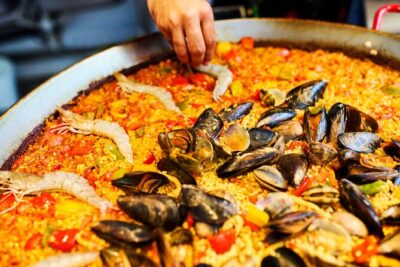
Barcelona Paella Cooking Class with Market Visit, Tapas & Sangria
Read our review →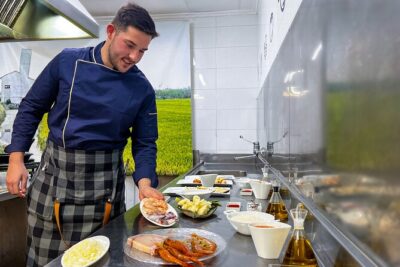
Paella Cooking Class, Wine Tasting & Central Market in Valencia
Read our review →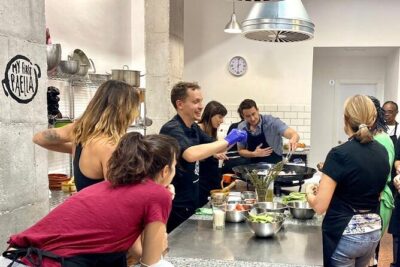
Valencian paella cooking class, tapas and visit to Ruzafa market.
Read our review →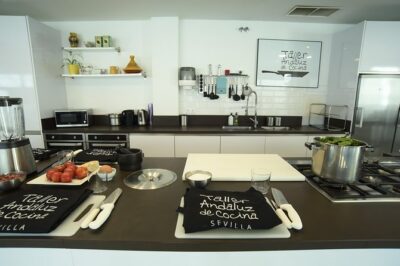
Spanish Cooking Class & Triana Market Tour in Sevilla
Read our review →
Seville: 3.5-Hour Spanish Cooking Class & Triana Market Tour
Read our review →
Valencia: Paella Cooking Class with Central Market Tour
Read our review →