Review · MALAGA
Malaga: Taste Andalusian Flavours & Local Market Delights
Malaga’s best food stories are told over small plates, and this tour puts you in the middle of them. You’ll start with a local pastry, browse Atarazanas Market, and work through more than 10 tastes in the Old Town, from Iberian ham and Manchego cheese to fried fish, gazpacho, and Malaga wine.
I like the mix of market browsing and sit-down bites at traditional taverns. I also like that the tour includes unusual local tastes, such as more than 10 extra virgin olive oils, fried eggplant with molasses, Malaga-flavoured gelato, and a secret dish. The main consideration is the walking: this is not a good fit for wheelchair users or anyone with limited mobility.
Key Points
- Atarazanas Market visit: Walk through Malaga’s main food market with a guide who can explain the produce, seafood, olives, and local specialties.
- More than 10 tastings: Expect a broad meal of Andalusian foods, including ham, cheese, fish, gazpacho, sweets, and gelato.
- Local drinks included: Vermouth, red wine, beer, water, and sweet Malaga wine are part of the food experience.
- Traditional family-run stops: The route includes small taverns and bodegas away from the busiest tourist paths.
- A guide who adds context: Ricardo led recent tours, keeping a good pace while connecting food with Malaga’s culture and past.
What You Eat in Three and a Half Hours
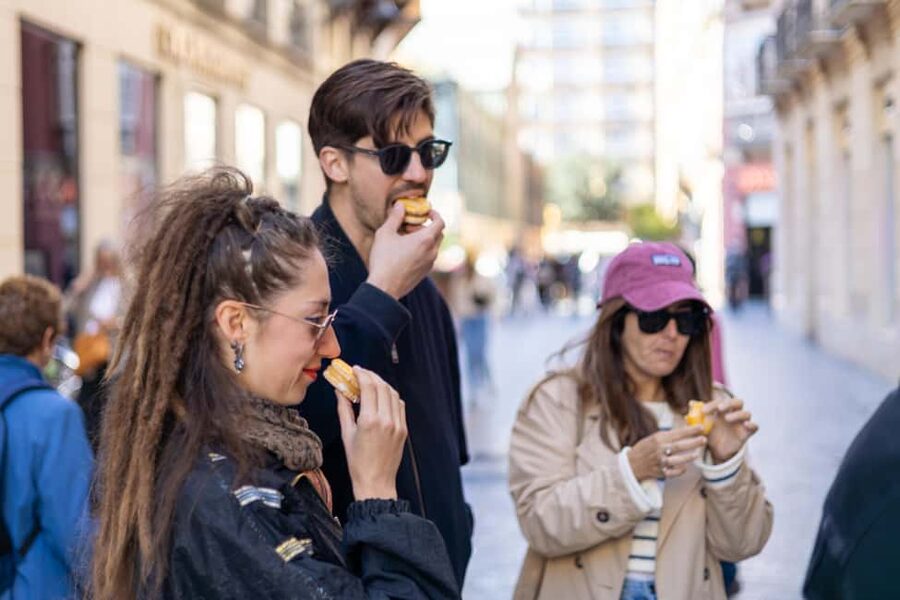
This is a food walk through Malaga’s Centro Histórico, not a quick tasting with one or two sample bites. The plan gives you more than 10 foods and drinks over about three and a half hours, so you should arrive hungry and avoid scheduling a large meal right afterward.
The experience opens with a traditional Malaga pastry. That first sweet gives you an easy introduction to the city’s food traditions before the tour turns toward the market and savory dishes. The exact pastry is not specified, and the menu can change, but the opening sets the tone: this is about regional habits, not a generic Spanish-food sampler.
From there, expect a broad spread of Andalusian staples. Iberian ham brings the familiar Spanish cured-meat experience, while Manchego cheese adds a firm, nutty counterpoint. Malaga-style salami and seasoned chorizo with blood sausage offer stronger, more traditional flavors.
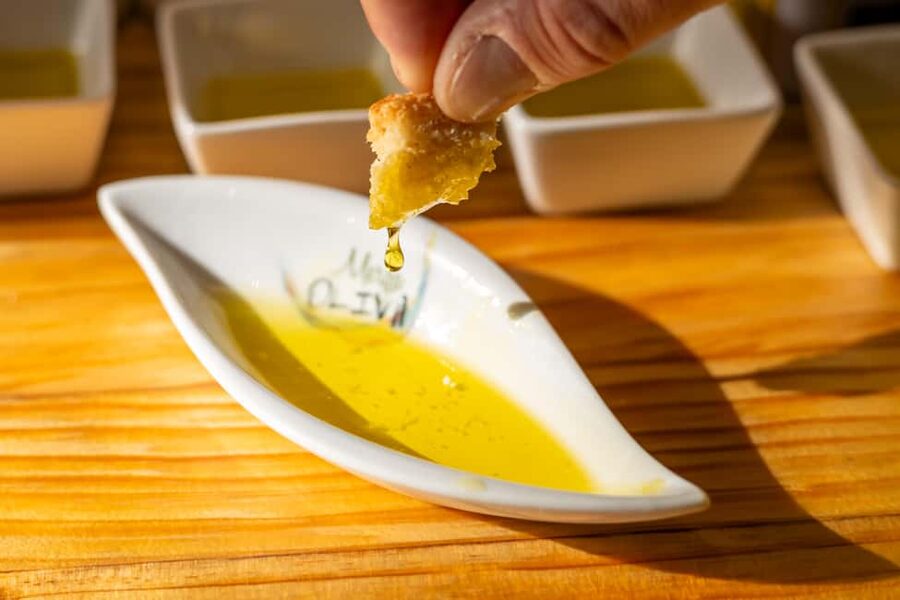
The tour also includes olives and a tasting of more than 10 types of extra virgin olive oil. That part could be especially useful if you want to understand how Spanish olive oils differ rather than simply drizzling one over bread. It also makes the experience feel connected to everyday Andalusian cooking, where olive oil is a central ingredient rather than a minor garnish.
You’ll taste gazpacho, the cool tomato-based soup associated with southern Spain, followed by Andalusian-style fried fish. Malaga’s coastal setting gives seafood an important place at the table, and the fried fish stop should appeal to anyone who likes simple cooking done with fresh local ingredients. The exact fish is not stated, so the selection may depend on availability.
Another notable stop is fried eggplant with molasses. The sweet and savory combination is a classic Andalusian idea, and it gives you something more distinctive than the usual tortilla and patatas bravas. You’ll also get Malaga-flavoured gelato, along with a secret dish that is revealed during the tour.
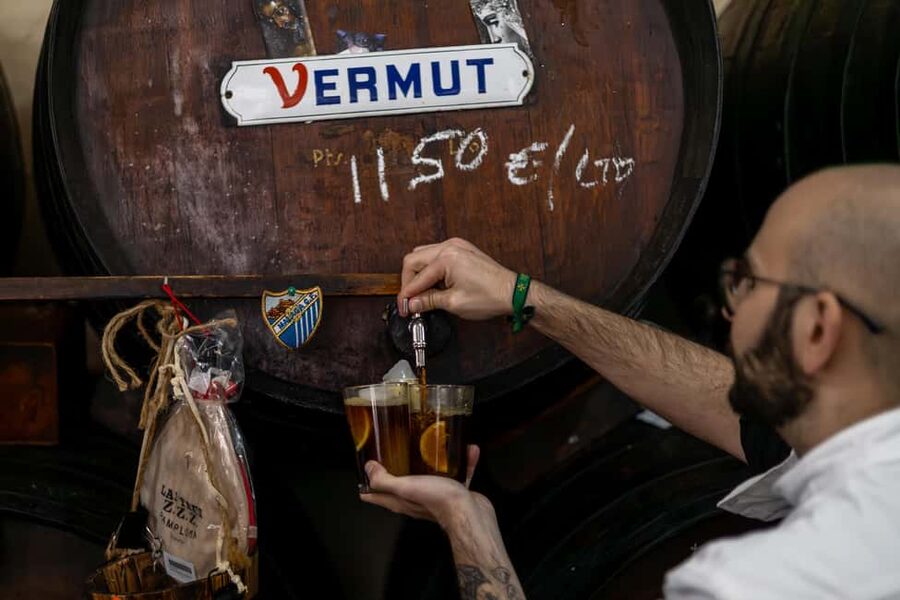
Drinks are built into the meal. You’ll have vermouth, red wine, beer, and water, with Malaga wine also highlighted as part of the local tasting. The amount of each drink is not specified, so think of the beverages as paired samples rather than a full evening of drinking.
More Local and Farmers Market Tours in Spain
- Paella Cooking Class, Wine Tasting & Central Market in Valencia
★ 5.0 · 1,150 reviews - Valencia: Paella Cooking Class with Central Market Tour
★ 5.0 · 721 reviews - Ultimate Barcelona Food Tour with visit to a Local Market
★ 5.0 · 507 reviews
Inside Atarazanas Market
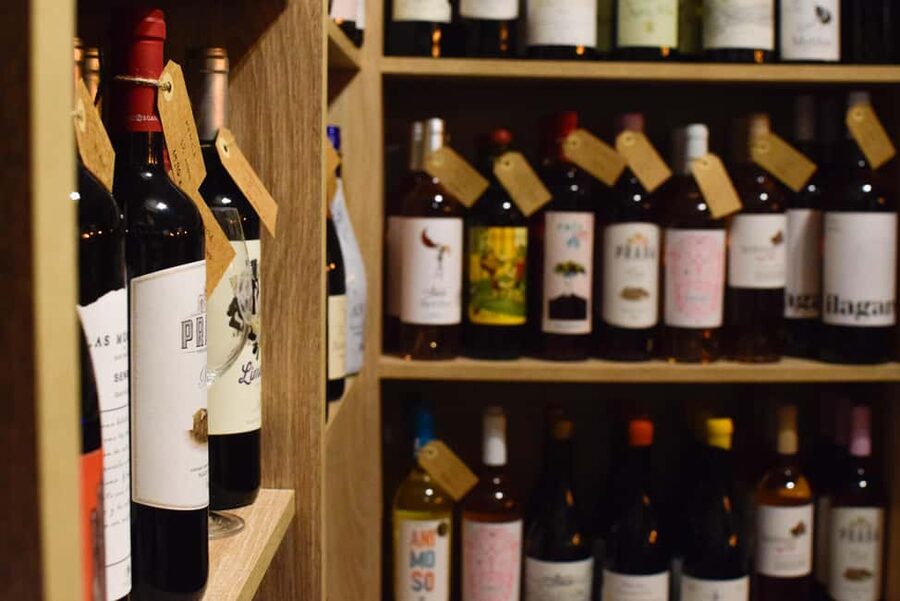
Atarazanas Market is the practical heart of the food portion of the tour. You’ll walk among stalls selling fresh seafood, seasonal produce, olives, and regional foods while your guide explains what matters and how local people use it.
Markets can be hard to read on your own. You may recognize tomatoes, fish, or cured meat, but you may not know which products are especially local or how they fit into Andalusian meals. An English-speaking guide helps turn a walk through the stalls into a lesson in Malaga’s daily food culture.
The market also gives the tour a useful change of pace. You are not simply moving from one restaurant table to another. You get color, movement, vendors, ingredients, and the chance to see the raw materials behind the plates you taste later.
Still, market visits depend on conditions. The itinerary may change according to availability, weather, and other circumstances. Do not treat every stop as fixed. If a particular stall or dish is important to you, it is best to see the overall menu as a guide rather than a guarantee.
From Old Town Streets to Family-Run Taverns
The route takes place in Malaga’s Old Town, where food stops are paired with local stories. Your guide explains Malaga’s Moorish influences, food traditions, and present-day cooking culture while you walk between tastings.
The appeal here is the setting. You are not only sampling Spanish foods in an anonymous venue. You are moving through the city center and visiting small taverns and traditional bodegas that have served local customers for generations, according to the tour description.
That does not mean every stop will feel completely unknown or untouched by tourism. Malaga’s Old Town is a popular part of the city. Still, a guide can help you reach places that are easy to miss when you are choosing restaurants from a street menu.
Ricardo is one guide associated with this experience. His approach is worth noting because the available feedback points to two practical strengths: a comfortable pace and clear interest in both the food and the history. That combination matters on a walking food tour. A guide who rushes can turn eating into a logistical exercise, while a guide who talks without watching the clock can leave you tired and hungry.
Why the Food Mix Works
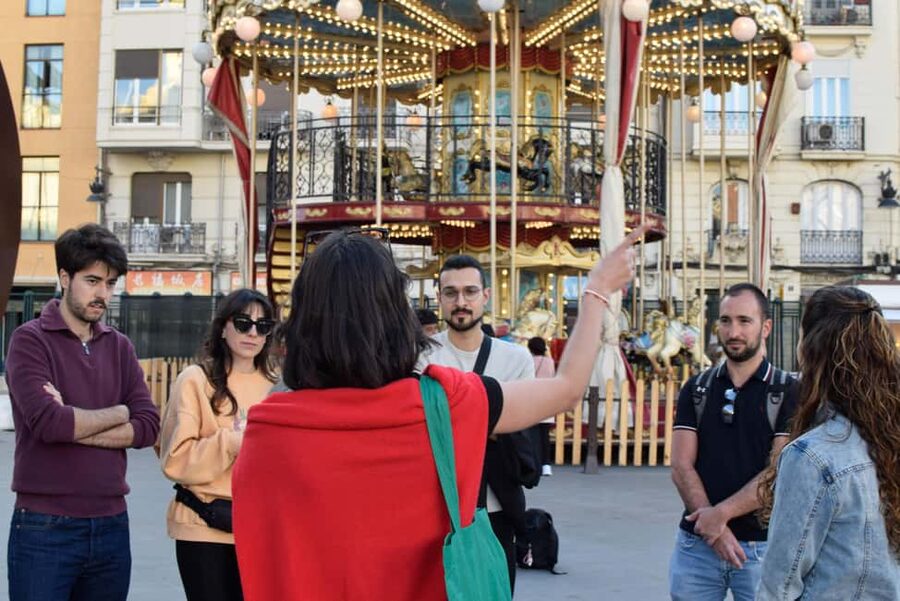
A strong food tour needs contrast. This one moves between sweet and savory, fresh and cured, cool and hot, mild and bold.
You begin with a pastry, then encounter olive oils and olives before moving into meats and cheese. Gazpacho provides a cool, fresh course, while fried fish and fried eggplant bring hot, crisp textures. Gelato closes the sweet side of the experience, and the secret dish adds a little surprise without taking over the meal.
I like this structure because it gives you a more complete picture of Andalusian cooking. You are not limited to tapas clichés. You get ingredients tied to the region’s agriculture, coast, tavern culture, and sweet traditions.
The menu also includes foods that may not suit every palate. Blood sausage, strongly seasoned chorizo, anchovies, seafood, alcohol, and cured meats are all part of the food culture on display. Anchovies are specifically highlighted among the tour’s specialties, though the included list does not state exactly how they are served.
If you have dietary restrictions, contact the provider in advance. The tour asks you to share those needs ahead of time so the team can accommodate them as well as possible. Do not wait until the meeting point, especially if you avoid meat, fish, dairy, gluten, or alcohol.
Same city, another market:
- Barcelona: Paella Cooking Experience & Boqueria Market Tour
★ 4.8 · 3,661 reviews - Barcelona Paella Cooking Class with Market Visit, Tapas & Sangria
★ 5.0 · 2,531 reviews - Valencian paella cooking class, tapas and visit to Ruzafa market.
★ 5.0 · 828 reviews - Spanish Cooking Class & Triana Market Tour in Sevilla
★ 5.0 · 760 reviews
What the $95 Price Buys You
At $95 per person, this is not the cheapest way to eat in Malaga. The value depends on how much you want from the experience beyond the food itself.
You are paying for three and a half hours of guided walking, access to a food-focused route, more than 10 tastings, several drinks, a market visit, and the guide’s explanations. If you ordered a similar spread of ham, cheese, seafood, fried dishes, sweets, wine, beer, and gelato on your own, the total could add up quickly, especially if you wanted to visit several different places.
The bigger benefit is organization. You do not need to compare menus, guess which market foods are worth trying, or plan a route between taverns. You also get context about what you are eating and why it belongs in Malaga’s food culture.
The price makes less sense if you prefer to graze slowly on your own, do not drink alcohol, or already know the city’s food scene well. It is also not a good deal for someone who wants a formal cooking class, since no hands-on cooking lesson is included.
For a first visit, I think the price is reasonable if you treat the tour as both lunch and a cultural orientation. It can help you decide where and what to eat during the rest of your stay.
Walking, Timing, and Meeting Details
The meeting point is Plaza Enrique García-Herrera. Look for the guide with an orange umbrella and a big smile, a useful detail in a busy city center.
The tour lasts three and a half hours, with start times depending on availability. Since pickup and drop-off are not included, you need to make your own way to the plaza and return independently afterward.
Wear comfortable shoes. You will be walking through the Old Town, visiting a market, and moving between food stops. The pace has been described as good, but the experience still involves a fair amount of walking.
This is not suitable for wheelchair users or people with mobility impairments. The market, old streets, and food venues may present physical challenges, and no accessible arrangement is promised.
The tour is offered in English with a live guide. If your schedule is uncertain, you can reserve now and pay later, and cancellation is available up to 24 hours before the experience for a full refund.
Who Will Get the Most From This Tour
I would recommend this experience to first-time visitors who want an introduction to Malaga that goes beyond monuments. Food gives you an easy way to connect the city’s coastal setting, farming traditions, Moorish influences, and social life.
It also suits people who like variety. You will not spend the whole afternoon eating one type of tapa. The menu moves through pastries, oils, olives, meat, cheese, soup, seafood, fried food, gelato, and drinks.
Couples and small groups may enjoy the social rhythm of the experience, especially if they like sharing plates and comparing flavors. It can also work well for solo visitors, since the guide provides structure and conversation.
This is less suitable if you want a quiet, seated meal. The route involves walking, market noise, changing venues, and a fair amount of food in a set period. It is also a poor choice for strict dietary needs unless you contact the provider ahead of time and receive a clear answer about what can be changed.
The Guide Makes a Real Difference

Food tours rise or fall on the person leading them. A list of dishes is not enough. You need someone who can explain the food without turning every bite into a lecture.
Ricardo’s recent tours received especially strong praise for his pace and his interest in both history and food. That is the right balance for Malaga. You want enough background to understand the dishes, but not so much that your meal becomes a classroom.
A good guide also helps you notice small details. The difference between olive oils, the role of cured meats, the use of molasses with eggplant, and the place of Malaga wine in local dining are all easier to appreciate when someone explains them as you taste.
The tour is offered in English, and the guide meets you at a clear public location. Since the group size is not provided, you should not assume an intimate private-tour setting. The quality of the experience will depend partly on how many people are booked for your departure.
Practical Tips Before You Go
Eat a light breakfast or early meal, then arrive ready for several courses. The tour includes enough food to function as a substantial meal for many people.
Tell the provider about dietary needs before the day of the tour. The itinerary and menu can change, but advance notice gives the team the best chance to adjust the tastings.
Wear shoes that can handle old city streets and several hours on foot. Bring a little patience for market conditions, since the route can change with weather or product availability.
If you are sensitive to alcohol, remember that vermouth, red wine, beer, and Malaga wine are included. Water is also provided, and you can mention any concerns in advance.
Finally, keep your afternoon flexible. The three-and-a-half-hour duration is clear, but food stops and walking do not always run like a train timetable. Avoid booking a tight museum entry or long-distance transfer immediately afterward.
Should You Book Malaga’s Food Tour?
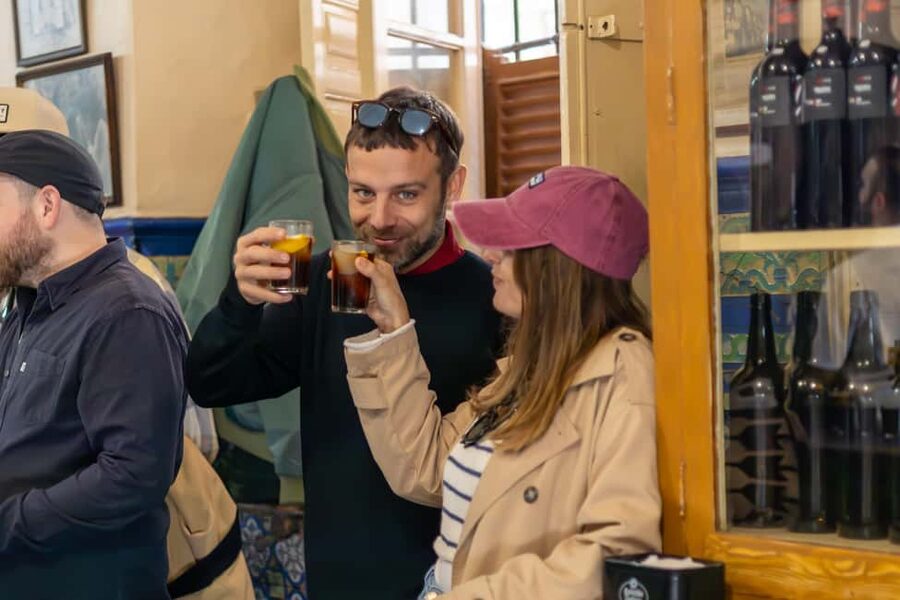
Book it if you want a guided introduction to Malaga through its markets, taverns, local drinks, and regional dishes. The strongest reasons are the range of tastings, the Atarazanas Market visit, the traditional family-run stops, and the guide-led context.
I would especially choose it early in a Malaga stay. You can use the tour to learn which foods appeal to you and then return to the city’s restaurants with better instincts.
Skip it if you need full accessibility, dislike walking, want a private meal, or have dietary restrictions that cannot be handled through advance arrangements. At $95, it is best value for people who want a full food-and-culture outing rather than a simple snack stop.
For most curious eaters who are comfortable on foot, this is a practical way to meet Malaga one plate at a time.
FAQ
Where does the Malaga food tour meet?
The meeting point is Plaza Enrique García-Herrera. Your guide will have an orange umbrella and a big smile.
How long does the experience last?
The tour lasts three and a half hours. Starting times depend on availability.
What food is included?
The included tastings feature a traditional Malaga pastry, more than 10 extra virgin olive oils, olives, Iberian ham, Malaga-style salami, Manchego cheese, seasoned chorizo with blood sausage, gazpacho, Andalusian-style fried fish, fried eggplant with molasses, Malaga-flavoured gelato, and a secret dish.
Which drinks are included?
The tour includes vermouth, red wine, beer, water, and Malaga wine.
Is the tour suitable for people with dietary requirements?
You should contact the provider in advance with your dietary requirements so the team can try to accommodate them. The menu and itinerary may change based on availability and other conditions.
Is the tour accessible for wheelchair users?
No. The experience is not suitable for wheelchair users or people with mobility impairments, and it involves a fair amount of walking.
New market tours around Spain
- Teguise: Market and César Manrique Foundation Tour★ 4.3 · 39 reviews
- Tapas Cooking Workshop & Market Visit★ 4.8 · 10 reviews
- Sunday Markets: Santa Brígida, San Mateo, and Teror★ 4.6 · 5 reviews
- Seville: Tasting, History, Market visit and Tapas Tour★ 5.0 · 2 reviews
- Seville: Triana Market Tour with Tastings★ 4.9 · 32 reviews
- Seville: Morning Market & Tapas Tour★ 5.0 · 11 reviews
- San Sebastián: Market Tour, Cooking Class, & Meal★ 5.0 · 2 reviews
- Santoña: Anchovy Art Gallery with Fishing Port and Market★ 4.5 · 4 reviews
Malaga Market Tours, side by side.
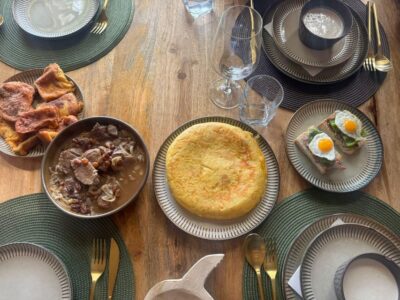
Malaga: The Ultimate Tapas Workshop with Market Visit
Read our review →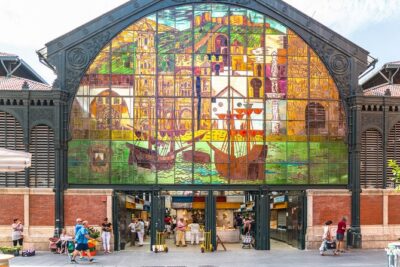
Malaga Market Food Tour: Tapas, Drinks, and Local Flavors
Read our review →
Private Malaga: Alcazaba, Museum, Market, Cathedral & Picasso
Read our review →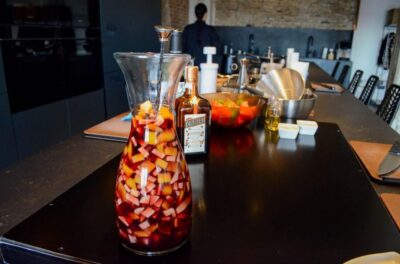
Málaga: Paella and Sangria Cooking Class with Market Visit
Read our review →