
Review · MALAGA
Malaga: The Ultimate Tapas Workshop with Market Visit
The best part of this Malaga cooking class is that you actually cook the food. You are not handed a finished plate after watching a chef work. You help make tapas, sit down to eat them, and leave with recipes and a Kulinarea apron. Morning classes add a walk through Atarazanas Market with guides such as Felipe, Carmen, Alba, or Anais.
I like the market visit because it gives the cooking a local setting, not just a classroom one. I also like the friendly, hands-on format: the chef makes sure everyone gets a turn, and the menu can be adjusted for some dietary needs. The main consideration is timing. The market is closed for evening classes, Sundays, and national holidays, and the class is not suitable for vegans.
What makes this Malaga tapas class worth your time
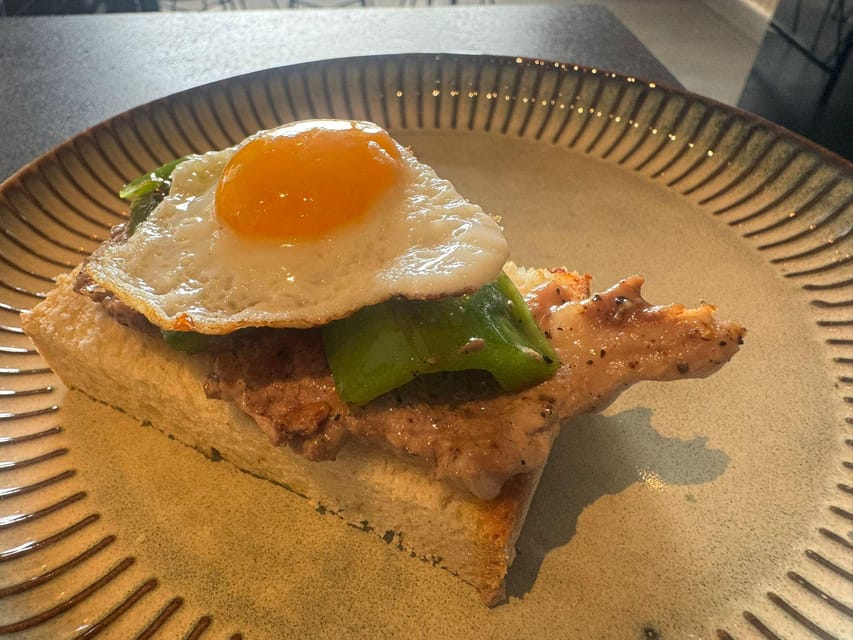
- Atarazanas Market before cooking: Morning sessions include a guided look at Malaga’s main food market.
- You do the cooking: Prepare several tapas rather than watching a demonstration from the sidelines.
- A full meal follows: Eat the food you helped make, with sangría and selected wine, beer, or soft drinks.
- Local guidance: Guides including Felipe, Javier, Carmen, Alba, and Anais have led classes with a warm, practical approach.
- Useful take-home gifts: You receive recipes and a Kulinarea apron, so the class continues in your own kitchen.
- Good value at $78: Three hours of food, instruction, drinks, a market visit in daytime sessions, and a meal make the price fair for Malaga.
Starting at Kulinarea near Malaga’s port
The meeting point is Kulinarea, at Av Manuel Agustín Heredia 24. This puts you near the port and close to the Atarazanas area, with the cooking space in Malaga’s Soho district.
You do not need to arrange transport from your hotel. Pick-up and drop-off are not included, so plan to reach the kitchen on your own. If you are driving, Parking de La Marina is the underground car park directly in front of the meeting point.
The class lasts three hours, which is long enough to cook several dishes without taking over your entire day. You can fit it around sightseeing, though a morning market session is best treated as the main event for that part of the day. You will be moving between food preparation, instruction, conversation, and the final meal, so this is not a quick tasting stop.
The listed language is English. That matters if you want clear cooking instructions and explanations of Spanish food customs. Past classes have included guides with different names, including Felipe, Javier, Carmen, Alba, Anais, and Elise. The exact guide depends on the date, but the format remains the same: a local guide handles the cultural and market side, while a chef leads the cooking.
More market tours around Spain:
- Barcelona: Paella Cooking Experience & Boqueria Market Tour
★ 4.8 · 3,661 reviews - Barcelona Paella Cooking Class with Market Visit, Tapas & Sangria
★ 5.0 · 2,531 reviews - Paella Cooking Class, Wine Tasting & Central Market in Valencia
★ 5.0 · 1,150 reviews
Atarazanas Market adds context to the recipes
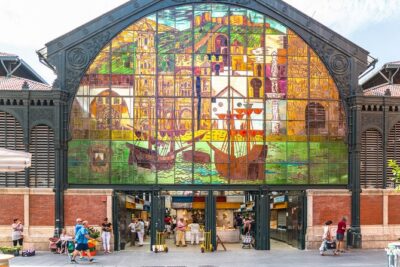
If you book a morning class from Monday through Saturday, you begin with a short walk to Atarazanas Food Market. This is more than a place to buy ingredients. It lets you see the kinds of produce, meat, seafood, and pantry items that shape everyday cooking in Malaga.
The guide explains the food and points out places of interest along the way. Felipe, for example, has been praised for introducing the market and nearby sights in a clear, easy-going manner. Anais has also led this part of the experience with a focus on local food culture and without overloading the group with facts.
That balance is useful. A market visit can become tiring when every stall turns into a lecture. Here, you get enough information to understand what you will cook without losing the simple pleasure of looking around. You can see the ingredients in their normal setting before using them at the kitchen.
The market portion is also a good reason to choose a morning booking instead of an evening one. On Sundays, evenings, and national holidays, the market is closed. Those sessions go directly to the cooking space, so you still receive the full class but not the market walk.
This difference should shape your booking choice. If the market matters to you, check the start time and day before paying. If you mainly want the cooking, a later class still includes the recipes, meal, drinks, chef, and apron.
The kitchen turns tapas into a shared meal
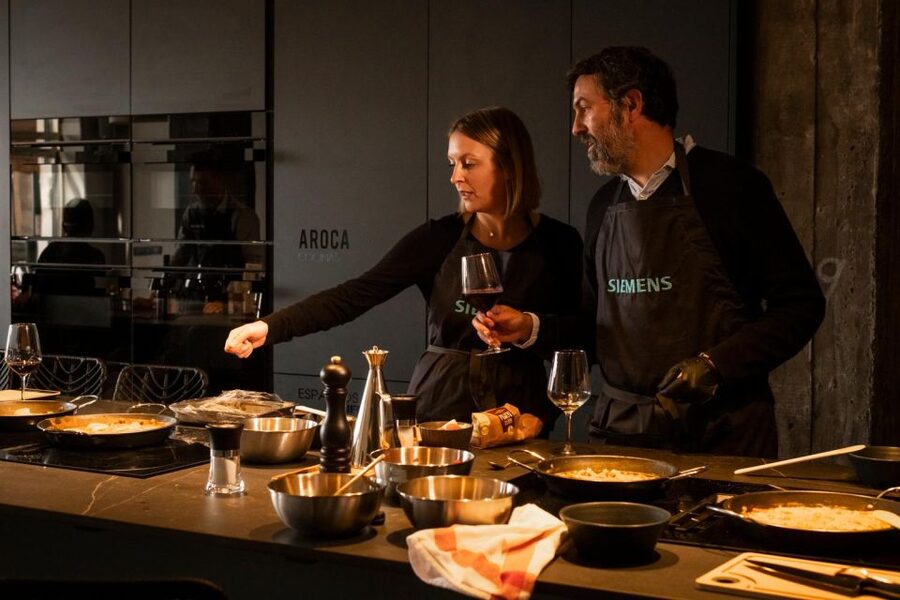
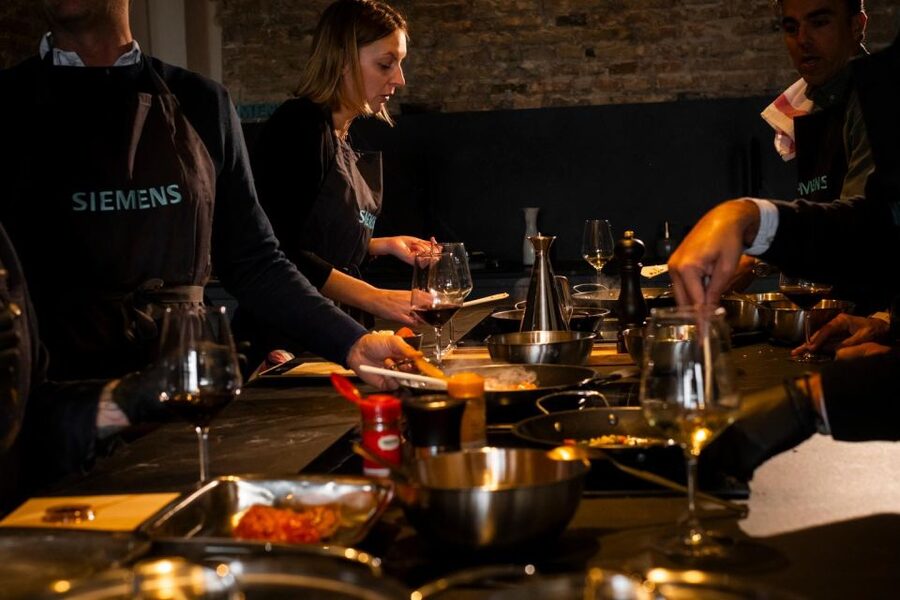
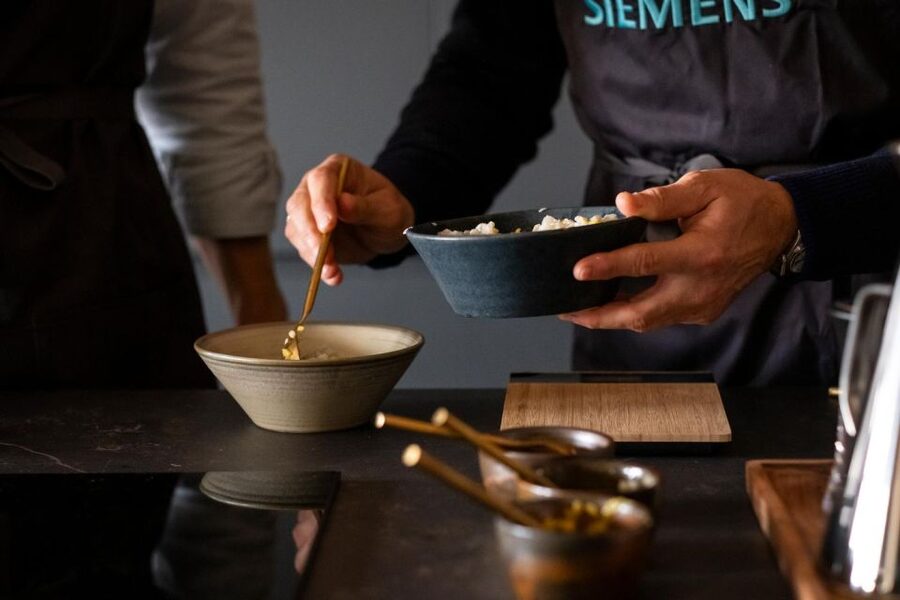
Back at Kulinarea, the group works in a fully equipped kitchen. You receive the ingredients and equipment needed for the dishes, then follow the chef’s instructions as the menu comes together.
The important detail is participation. You are not simply watching a chef chop, stir, and plate. The chef helps you through each stage and makes sure people have something practical to do. That makes the class a better fit for anyone who wants to repeat the food at home.
This format also helps a group of strangers relax. Cooking gives everyone a natural role, and the meal at the end gives the afternoon or evening a social finish. Several people have described the setting as relaxed and easy for conversation. That is worth noting if you are booking alone or as a couple.
The chefs and assistants have been praised for clear instructions and good organization. Alba, in particular, has led classes where everyone had a chance to cook. That does not mean you receive one-on-one instruction for the entire three hours, but the structure is designed to keep you involved.
You should still expect a group activity, not a private lesson. If you want detailed technical coaching on every knife cut or cooking method, this may feel broad rather than intensive. If you want a friendly introduction to Spanish home cooking, the shared format works well.
The sample menu covers Spain beyond one famous dish
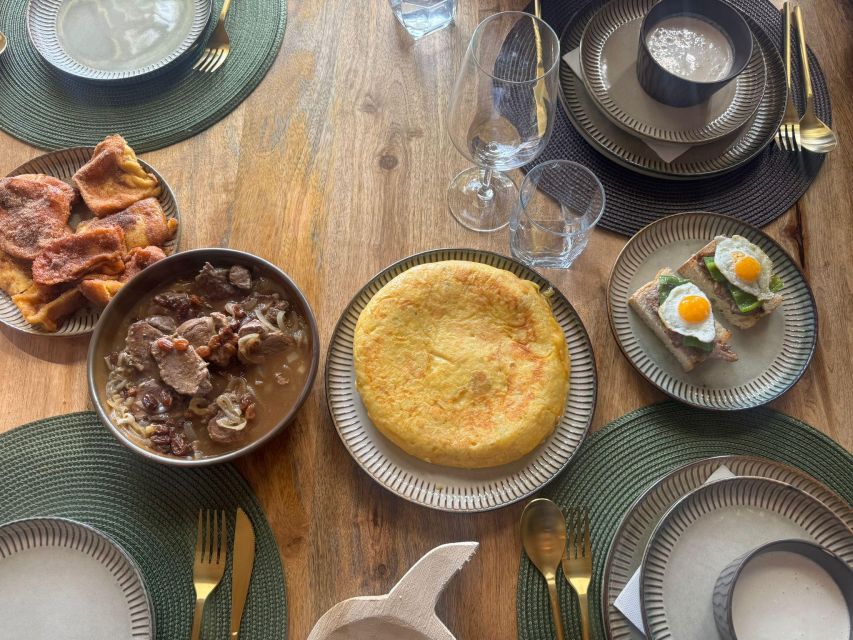
The menu changes with seasonal availability and dietary needs, but the sample gives you a good idea of the range:
- Sangría
- Fideos tostados, or crispy noodles
- Tortilla de patatas
- Solomillo al Pedro Ximénez, sirloin with Pedro Ximénez sauce
- Churros
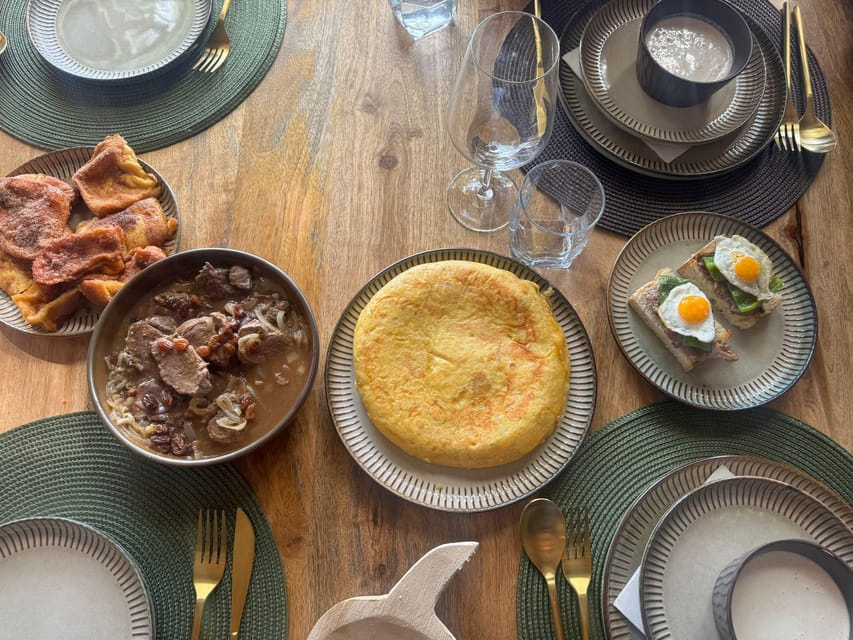
This is a pleasing spread because it moves from drink to savory dishes and dessert. You get to work with the famous Spanish omelette, but the class does not stop there.
The tortilla is a particularly useful lesson for home cooks. It looks simple, but the texture depends on timing and handling. One participant described it as the best tortilla they had tasted, while others appreciated learning how a few good ingredients can make a satisfying dish. You leave with more than a recipe. You get a better sense of why Spanish food often relies on restraint and quality rather than complicated preparation.
The Pedro Ximénez sauce brings a sweeter, darker note to the menu. It also gives the meal a different character from the lighter market ingredients and tortilla. Crispy noodles add another texture, while churros provide a familiar finish.
The menu is not fixed. The class may adjust dishes for seasonal produce or dietary restrictions. Tell the team about your needs before the class, not when you arrive. Vegetarian adaptations have been made successfully, and one class handled a difficult allergy by changing ingredients and taking steps to avoid cross-contamination.
The stated restriction is important: this experience is not suitable for vegans. Vegetarians should contact the team in advance so the kitchen can plan suitable changes.
Same city, another market:
- Valencian paella cooking class, tapas and visit to Ruzafa market.
★ 5.0 · 828 reviews - Spanish Cooking Class & Triana Market Tour in Sevilla
★ 5.0 · 760 reviews - Seville: 3.5-Hour Spanish Cooking Class & Triana Market Tour
★ 4.9 · 751 reviews - Valencia: Paella Cooking Class with Central Market Tour
★ 5.0 · 721 reviews
Drinks and the final meal improve the value
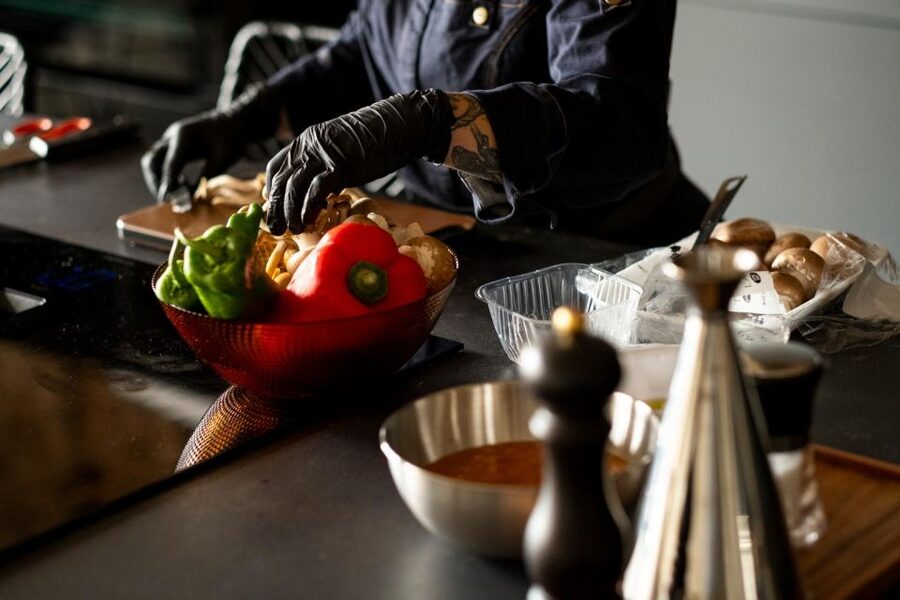
Sangría is included, along with wine, beer, or soft drinks. The wines are selected to match the menu and come from regional grapes. Other drinks are not included, so do not assume an open bar.
The drinks are not just an extra perk. They help turn the cooking class into a proper Spanish meal, where small plates are shared and food is discussed as it arrives. You can taste the dishes with a drink already chosen for them, rather than trying to manage the pairings yourself.
At the end, you eat what the group has prepared. This closes the loop in a way many cooking classes do not. You learn a recipe, prepare it with the chef’s help, and then sit down to taste the result.
At $78 per person, I consider this a fair price for three hours. You are paying for the market walk in daytime sessions, ingredients, equipment, instruction, food, sangría, wine, beer, or soft drinks, recipes, and an apron. The value is strongest if you would otherwise pay for a meal and a separate food activity.
It is less compelling if you dislike group cooking or already have a packed schedule of food stops. Malaga has plenty to eat, and this class takes a solid block of time. Its value comes from learning and participating, not simply from getting the cheapest meal.
The apron and recipes make the experience useful afterward
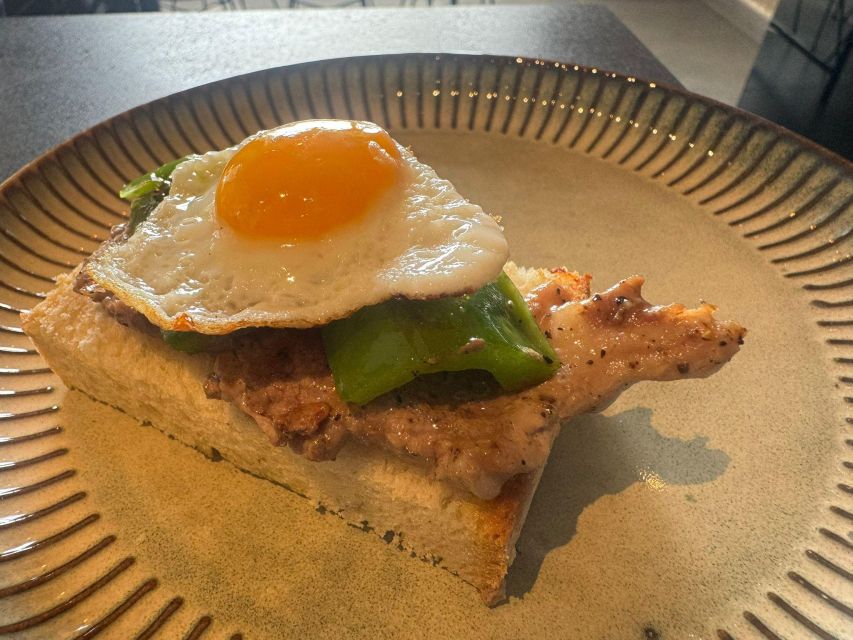
The Kulinarea apron is a practical gift rather than a token that gets forgotten in a drawer. You can use it when you try the dishes again at home, and it gives the class a physical reminder beyond photographs.
The recipes matter even more. Several people valued the chance to recreate the menu and share it with family and friends. That makes this a good choice if you want a cooking experience with something useful to take home.
Do not expect the class to turn you into a professional chef in one afternoon. You will not cover every part of Spanish cuisine, and the menu may change. What you do get is a manageable set of dishes, an understanding of the social side of tapear, and enough guidance to make the food again.
The class also explains the meaning of tapas as a way of eating and sharing. Small plates are not only small versions of larger meals. They fit the Spanish habit of ordering, tasting, talking, and taking your time around food. That cultural piece gives the recipes more meaning.
Who will enjoy this class most
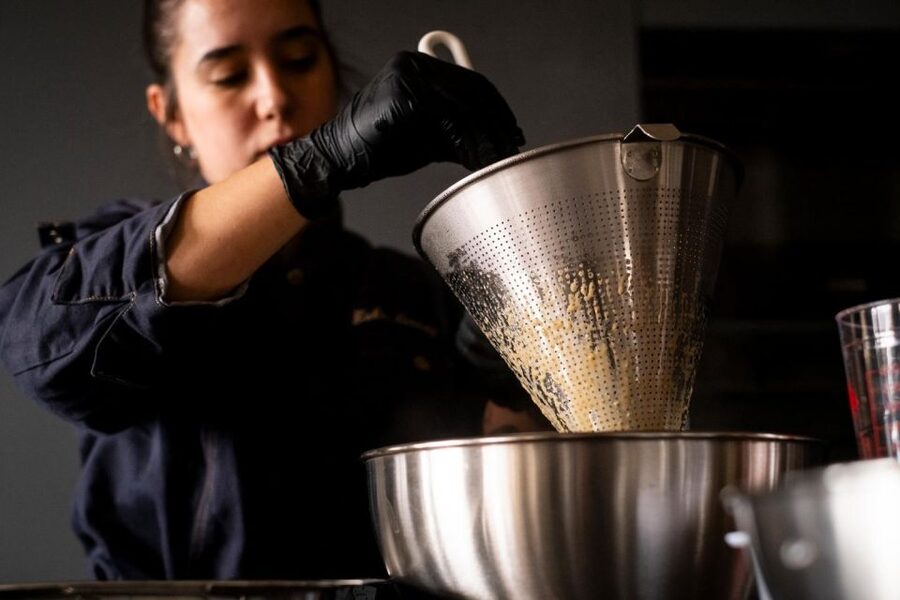
I would choose this experience if you want to combine food, conversation, and a light cultural lesson. It suits couples, families with older children, solo visitors who enjoy meeting people, and anyone who wants a useful rainy-day or hot-afternoon activity in Malaga.
It is especially good for:
- People who want to cook rather than watch
- Visitors with only one day in Malaga
- Cooks who want recipes they can repeat at home
- Couples seeking a relaxed shared activity
- Vegetarians who notify the team ahead of time
- Anyone interested in local markets and Andalusian food
It is a weaker match for strict vegans, people who want a private class, or anyone who prefers a short tasting with no preparation. Baby strollers, baby carriages, bikes, and bare feet are not allowed, so families should plan accordingly.
Free cancellation is available up to 24 hours before the class for a full refund. You can also reserve now and pay later, which helps if your Malaga schedule is still shifting.
Should you book the Kulinarea tapas workshop?
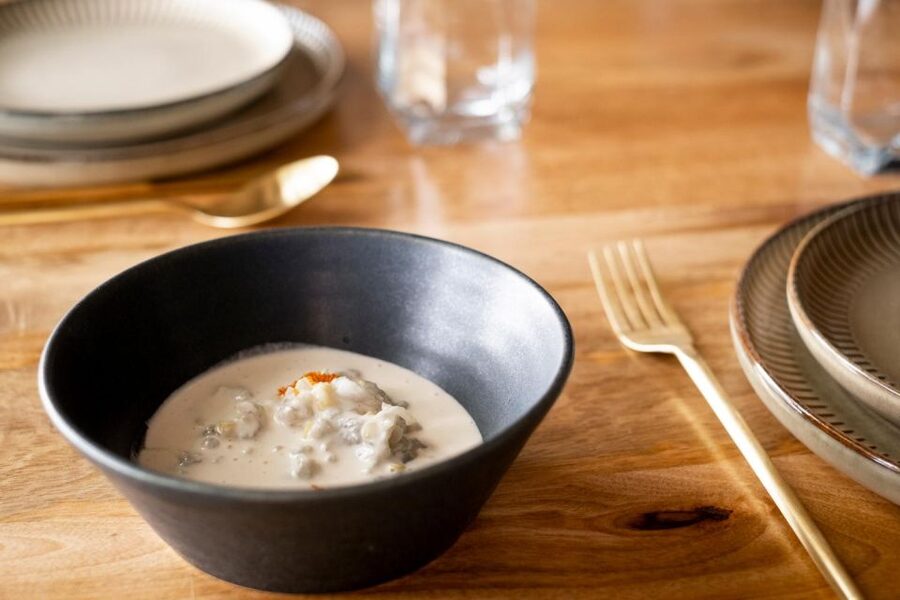
Book it if you want a hands-on introduction to Malaga food rather than another restaurant meal. The strongest combination is a Monday to Saturday morning session, when you get the Atarazanas Market visit, followed by cooking, drinks, and a shared meal.
Choose an evening or Sunday class if the market is less important and the kitchen experience is your priority. You still receive the main cooking program, but you should know that the market is closed at those times and on national holidays.
At $78, the class earns its price through participation and extras that you can use later. The apron and recipes are nice, but the real benefit is learning how to make food you can serve again. If that sounds better than simply eating tapas, this is a smart three-hour choice in Malaga.
FAQ
How long does the Malaga tapas workshop last?
The activity lasts three hours.
How much does the experience cost?
The price is $78 per person.
Where is the meeting point?
You meet at Kulinarea, Av Manuel Agustín Heredia 24, in Malaga.
Is parking available near the meeting point?
Yes. Parking de La Marina is an underground car park located in front of the meeting point.
Does every class include the Atarazanas Market visit?
No. The market visit is included in daytime classes from Monday through Saturday. The market is closed in the evenings, on Sundays, and on national holidays.
What food might I prepare?
The sample menu includes sangría, crispy noodles, tortilla de patatas, sirloin with Pedro Ximénez sauce, and churros. The menu can change with seasonal availability and dietary needs.
Are drinks included?
Yes. Sangría is included, along with wine, beer, or soft drinks. Other drinks are not included.
Is the class suitable for vegetarians?
Vegetarian adaptations are possible, but you should tell the team about your dietary requirements before the class.
Is the class suitable for vegans?
No. The experience is not suitable for vegans.
What do I take home?
You receive the class recipes and a Kulinarea apron.
New market tours around Spain
- Teguise: Market and César Manrique Foundation Tour★ 4.3 · 39 reviews
- Tapas Cooking Workshop & Market Visit★ 4.8 · 10 reviews
- Sunday Markets: Santa Brígida, San Mateo, and Teror★ 4.6 · 5 reviews
- Seville: Tasting, History, Market visit and Tapas Tour★ 5.0 · 2 reviews
- Seville: Triana Market Tour with Tastings★ 4.9 · 32 reviews
- Seville: Morning Market & Tapas Tour★ 5.0 · 11 reviews
- San Sebastián: Market Tour, Cooking Class, & Meal★ 5.0 · 2 reviews
- Santoña: Anchovy Art Gallery with Fishing Port and Market★ 4.5 · 4 reviews
Malaga Market Tours, side by side.
Malaga Market Food Tour: Tapas, Drinks, and Local Flavors
Read our review →
Private Malaga: Alcazaba, Museum, Market, Cathedral & Picasso
Read our review →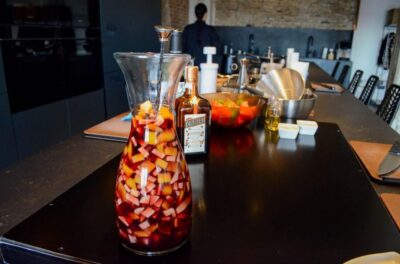
Málaga: Paella and Sangria Cooking Class with Market Visit
Read our review →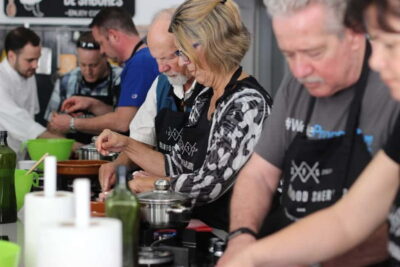
Malaga: Taste Andalusian Flavours & Local Market Delights
Read our review →This tour also appears in