
Review · NEW DELHI
Old Delhi: Spices, Heritage and Bazaars Walking Tour
Old Delhi is best understood at walking pace, one lane at a time. This three-hour route takes you from the steps of Jama Masjid into Meena Bazaar, Chandni Chowk and Khari Baoli, where spice sacks, old houses, religious sites and working markets share the same tight streets.
I like the small group, limited to seven people, and I like the guide Jai Singh’s calm, personal way of explaining both Mughal history and present-day Delhi. The price is another strong point. At $13, it offers a lot for your money.
The main drawback is the setting itself: Old Delhi is crowded, noisy and physically demanding. You need comfortable shoes, a tolerance for traffic and little room to move. The route is not suited to people with mobility impairments or pregnant women.
Key points to know before booking
- Jama Masjid begins the story: See Shah Jahan’s 400-year-old mosque, with an optional paid visit inside.
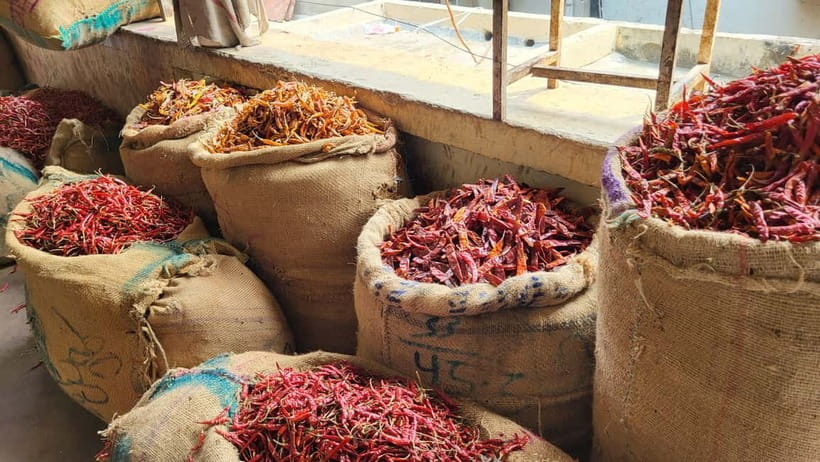
- Khari Baoli is the sensory highlight: Walk through a major wholesale spice market filled with open sacks and strong aromas.
- Jai Singh leads the walk: He is praised for clear explanations, patience, local insight and careful help with transport afterward.
- The route reaches working Old Delhi: Expect havelis, goldsmiths, textile shops, bazaars and lanes that are more local than polished.
- Small groups make a difference: With no more than seven participants, it is easier to ask questions and keep together.
- Plan for a real walk: Large bags are not allowed, food is not included, and the three hours can run longer if the group adds stops.
Starting at Jama Masjid Metro Station
Your meeting point is exit gate number 1 of Jama Masjid Metro Station. This is a sensible start because it puts you directly beside the historic quarter, but do not treat the metro exit as a vague landmark. Use the exact gate, keep your phone available and send a WhatsApp or Indian mobile number when booking.
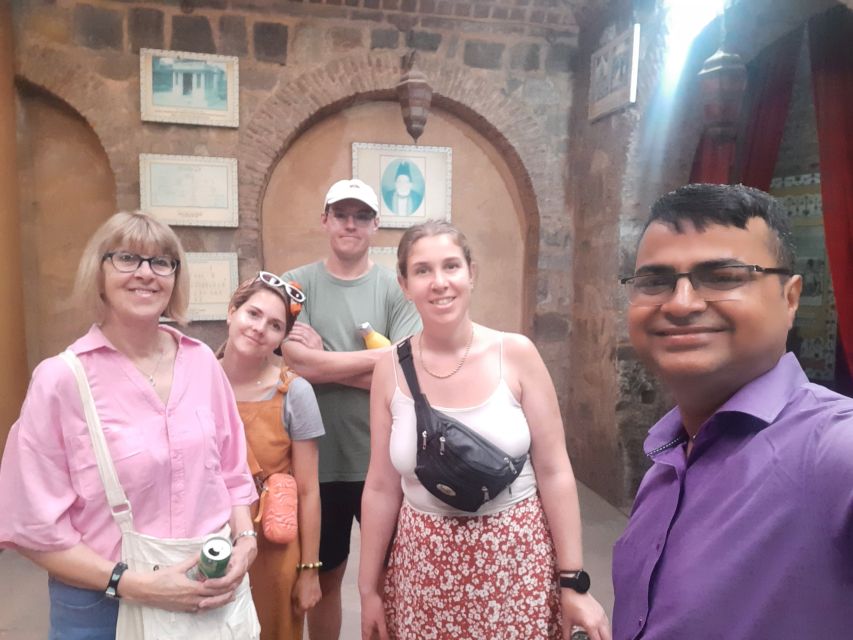
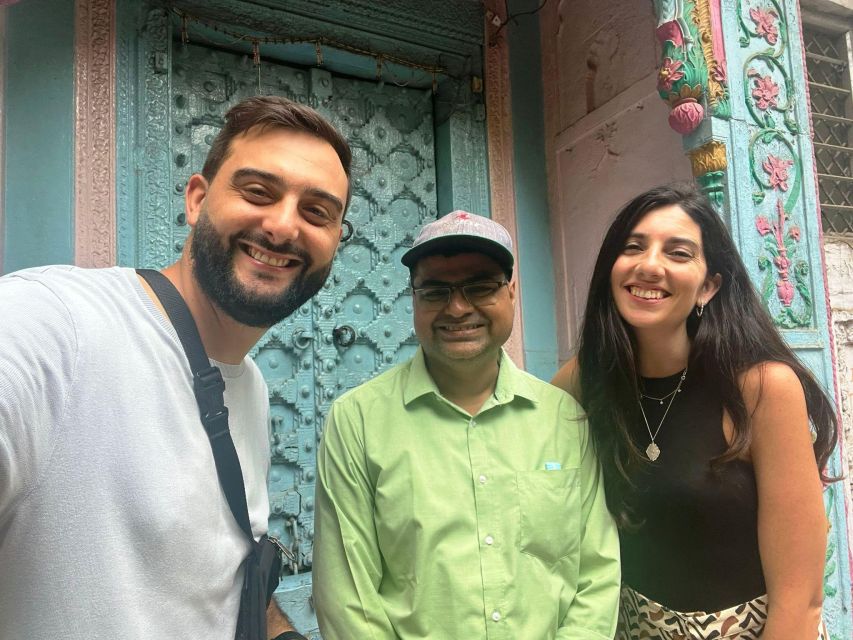
Jai Singh is the guide associated with this walk. His role is more than pointing out monuments. He helps the group cross busy streets, explains local customs and adjusts the pace when needed. Several outings have been praised for this personal attention, including help for solo visitors and assistance arranging a ride at the end.
The group size matters here. Old Delhi is a poor place for a large tour, since a crowd can block a lane or become separated in traffic. A maximum of seven people gives you a better chance to hear the guide and ask about things that catch your eye.
Wear shoes with good grip. You will walk on uneven streets, climb steps at the mosque if you enter, and spend time standing in market lanes. Leave large luggage behind, since it is not allowed on the tour.
More Market Walking Tours in India
- Private Heritage Walking Tour in Jaisalmer Fort and Old Bazaar
★ 5.0 · 306 reviews - Jaipur Bazaar & Food Walking Tour
★ 5.0 · 281 reviews - Bengaluru Pete City Market Half-Day Walking Tour
★ 5.0 · 163 reviews
Meena Bazaar and the first look at Mughal Delhi
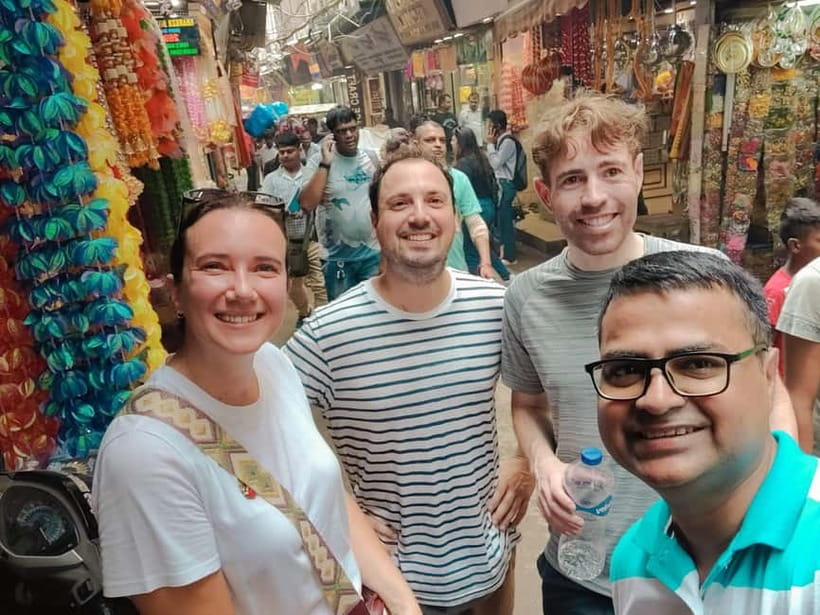
The walk begins around Meena Bazaar, a market linked with the Mughal period. It once served a more imperial trade in precious stones and fine goods. Today, it is a practical market serving local shoppers with inexpensive everyday items.
That contrast is one of the useful ideas running through the tour. Old Delhi is not a museum district frozen in the past. Historic names and buildings remain, but the markets have changed to meet current needs. You will see the old imperial framework alongside ordinary commerce.
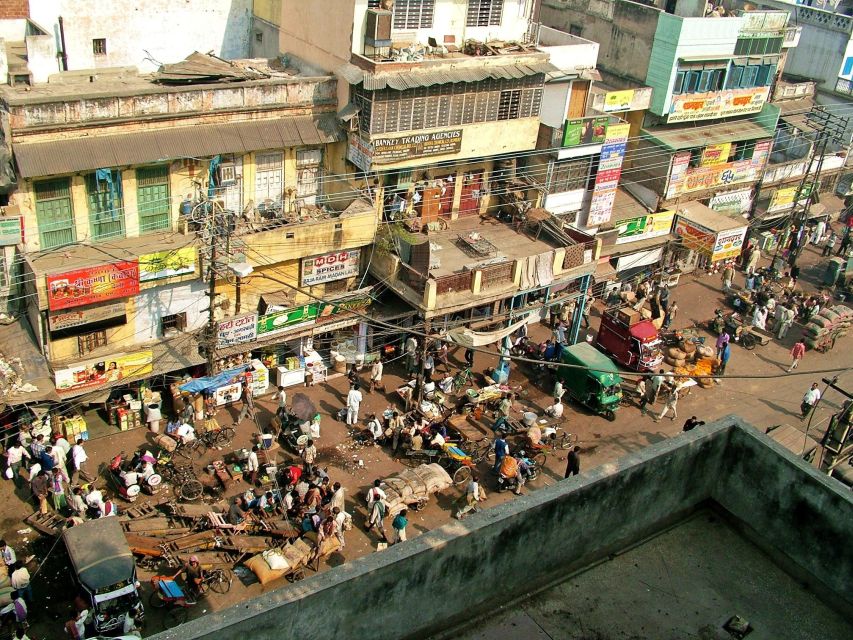
This first stretch also helps you get used to the pace of the area. Motorbikes, cycle rickshaws, pedestrians, shopkeepers and delivery traffic all compete for space. A local guide is particularly useful here, not because you cannot walk through it alone, but because he can explain what you are seeing instead of leaving you to read the scene as random chaos.
Jama Masjid and the optional mosque visit
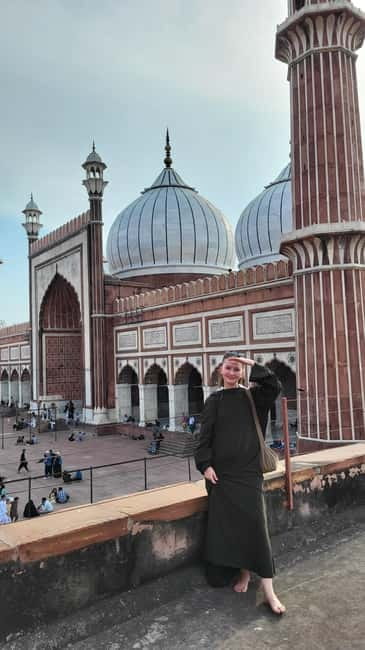
Stone steps lead up to Jama Masjid, one of India’s largest mosques. Shah Jahan commissioned it, the same Mughal emperor associated with the Taj Mahal, and the building gives the tour its strongest architectural opening.
The guided stop lasts about 30 minutes. You can admire the scale from outside and take photographs without entering. If you choose to visit the mosque, the stated entrance charge is INR 450 per person, paid separately.
The optional arrangement is useful because not everyone wants the same religious or architectural experience. If you enter, dress respectfully and follow the site rules. You may need to remove your shoes, so wearing socks can make the visit more comfortable. The important practical point is that you do not have to pay the entrance fee simply to join the walking tour.
The mosque can also offer views across Old Delhi, though the exact access and available viewpoints may depend on conditions at the time. Some outings have included a minaret climb, but you should confirm what is open on your date rather than assume it is part of every tour.
Jama Masjid is not just a photo stop. Jai uses it to explain the Mughal period, the role of the mosque in the city and the way Old Delhi developed around major religious and commercial centers. His approach, according to the experience details, includes both historical and modern context.
Chandni Chowk through lanes and havelis
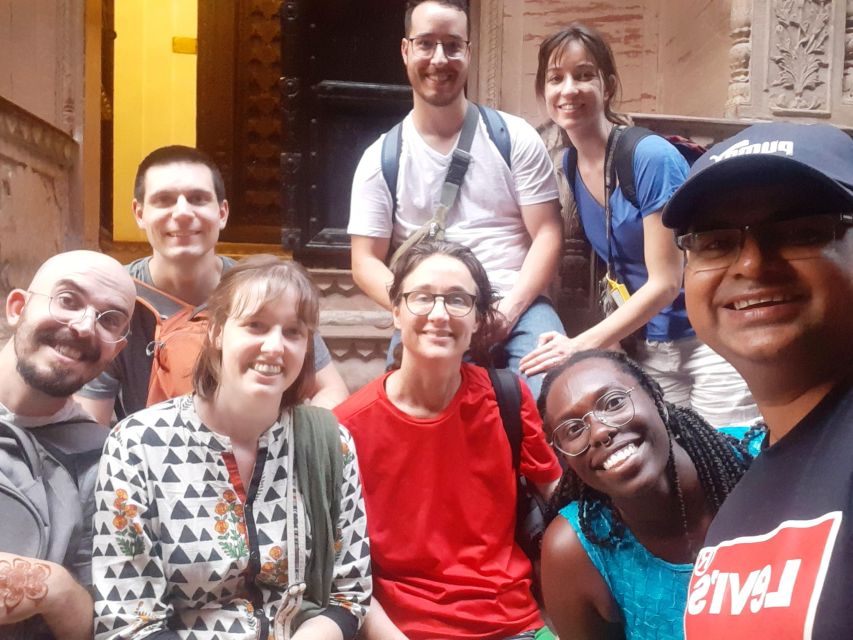
From the mosque, the route turns into the narrow lanes around Chandni Chowk. This is where the walk becomes less about grand buildings and more about the city’s everyday workings.
Look for old havelis, traditional houses built around courtyards and family compounds. Some are worn, some have been adapted for shops or storage, and some are easy to miss unless someone points them out. Their presence shows how domestic life and trade once fit together in the same neighborhood.
The route passes markets dealing in clothing, wedding fabric, jewelry and other goods. You may also see streets connected with goldsmith artisans whose families have lived and worked in the area since the Mughal era. That detail gives the neighborhood a sense of continuity, but the tour also makes clear that Old Delhi is changing. Traditional trades now operate beside newer businesses and budget shops.
This section can be the most rewarding for people who want a sense of local life rather than a checklist of monuments. It is also the least predictable. A lane may be quiet for a moment, then fill with deliveries and shoppers. You might stop often for explanations, photographs or a quick look into a shop.
Some guides may suggest a rickshaw ride or extra food stops, and several past outings included those additions. Treat them as possible extras, not guaranteed inclusions. The published price covers the guide and one bottle of mineral water, while food and drinks are excluded.
Same city, another market:
- Mumbai: Street Food and Night Markets Tour
★ 4.9 · 719 reviews - Old Delhi Food-Spice Market-Temples Tour Soon Featured on NETFLIX
★ 5.0 · 304 reviews - Old Delhi Odyssey: A Tour of Religion, Spice Market, & Best Food
★ 5.0 · 284 reviews - Mumbai Street Food & Night Markets
★ 5.0 · 225 reviews
Khari Baoli and the smell of the spice trade
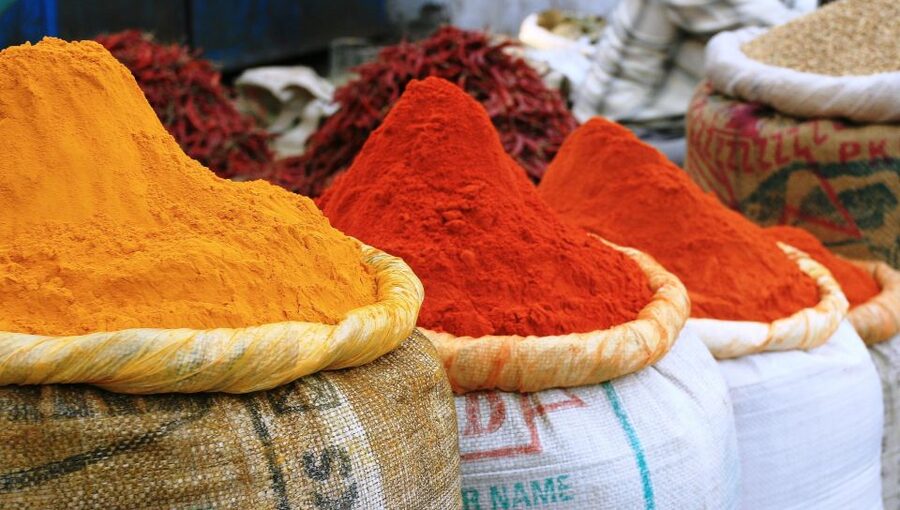
Khari Baoli is the tour’s most distinctive stop. It is described as Asia’s largest spice market, and its scale is easier to understand once you see the wholesale trade at close range.
The route leads into a warehouse area where large spice merchants buy and sell in bulk. Open bags show the color and texture of the goods, while the smell changes from one doorway to the next. You might see sacks cut open for inspection and learn how spices are handled before reaching shops and kitchens.
A stop at an established spice depot adds useful context. Jai explains familiar Indian spices, less common varieties and the way different ingredients are combined in curry mixtures. This is more useful than simply being told the names of a few colorful powders. You begin to understand that the spice market is a supply chain and workplace, not a staged display for visitors.
The market is also a good place to ask about buying spices. You can get advice on what is practical to take home and how local prices work. Still, keep purchases modest unless you have room in your luggage. Large bags are not allowed on the tour, and loose spices can be awkward to pack.
The air can be dusty and intensely scented. If strong smells bother you, this may be the hardest section. For most people, though, it is the part that makes the walk feel specific to Old Delhi rather than like a general city tour.
What Jai Singh adds to the route
A route through Old Delhi is only as good as the person leading it. Jai Singh’s strongest qualities are his patience, local familiarity and willingness to answer questions. He is described as explaining history, food customs, religion, social behavior and market work in a way that connects the pieces.
That matters because the streets can be hard to read. Without help, you may notice a colorful shop, an old doorway or a pile of spice sacks, but not understand why it is there or how it fits into the neighborhood. Jai provides that missing context.
His support also extends to practical matters. He has helped people find the meeting point through WhatsApp, arranged rides after the tour and checked that solo visitors could leave safely. If you are traveling alone, this is a meaningful benefit. It does not remove the need for normal city awareness, but it makes the outing easier to manage.
The pace is generally described as comfortable rather than rushed. That said, the advertised duration is three hours, while some outings have lasted closer to four hours when extra stops or extensions were added. If you have a train, flight or fixed appointment, allow a generous buffer and tell the guide at the start.
Is the $13 price good value?
Yes, provided you want a walking tour rather than private transport or a polished sightseeing circuit. For $13 per person, you receive a local English-speaking guide, a small group and a route covering Jama Masjid, Chandni Chowk and Khari Baoli. One mineral water bottle is included.
The value comes from access and interpretation. You could walk through parts of Old Delhi on your own, but it would be harder to understand the old houses, find the working spice warehouses or move through the lanes with confidence. A guide also reduces the friction of getting lost, negotiating crowded crossings and locating the correct metro exit afterward.
The price does not include the optional INR 450 mosque entrance, hotel drop-off, food or drinks. Some people have enjoyed tea, snacks or a short rickshaw ride during their outing, but you should not book on the assumption that these are guaranteed. Carry a little cash for anything extra and for a tip if Jai’s help is useful to you.
Hotel pickup may be available from centrally located hotels, depending on the selected option. The standard meeting point remains Jama Masjid Metro Station, so confirm the arrangement before setting out.
Who should book this Old Delhi walk?
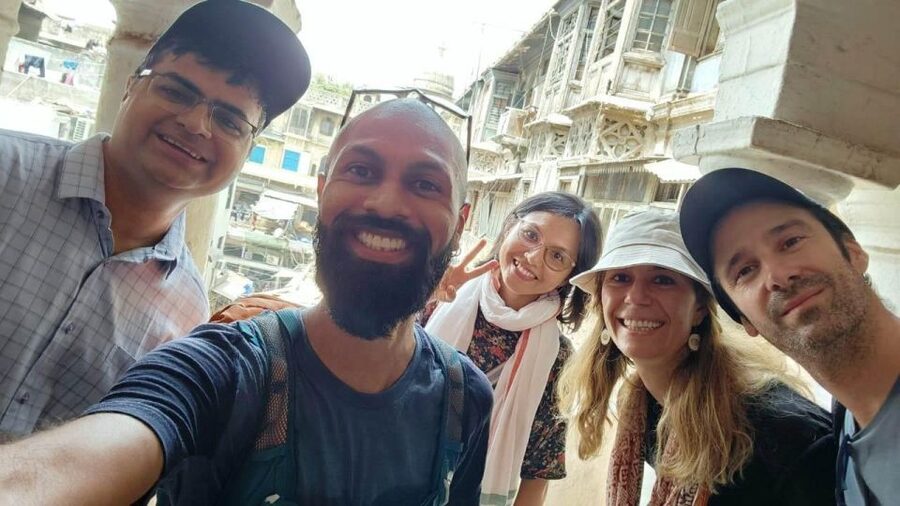
I would choose this tour if you want to understand how Old Delhi works today, not just photograph its monuments. It suits first-time visitors who want help with the maze, solo visitors who prefer company, and repeat visitors who want more local detail than a standard sightseeing bus provides.
It is especially good for people interested in food culture, traditional trades, architecture and markets. You do not need to be an expert in Mughal history. Jai’s explanations are designed to make the setting understandable as you move through it.
I would be more cautious if you dislike crowds, strong odors, uneven walking surfaces or frequent stops. This is not a quiet heritage stroll. It is a working district, and the experience includes noise, traffic and tight lanes.
The tour is not suitable for people with mobility impairments or pregnant women. Anyone with limited stamina should also ask about the pace before booking. There is no large-bag storage mentioned, so arrive with only what you need.
Practical details that make the morning easier
- Save the exact meeting-point pin and exit number before leaving your hotel.
- Keep your phone charged for WhatsApp contact with the guide.
- Wear light, comfortable clothing and shoes suitable for steps and uneven streets.
- Carry a small amount of Indian cash for the mosque fee, purchases, tips or optional refreshments.
- Do not bring luggage or large bags.
- Leave time after the scheduled finish if you may want shopping, a rickshaw ride or extra sights.
- The tour is in English and limited to seven participants.
- Cancellation is free up to 24 hours before the start, and you can reserve now and pay later.
Should you book it?
Book this walk if the idea of Old Delhi appeals to you as a living neighborhood of trades, worship, food and commerce. Jama Masjid gives you the grand architecture, while Chandni Chowk and Khari Baoli provide the closer look at how the district operates.
The strongest reason to choose it is Jai Singh’s personal guidance. He brings patience, local stories and practical help to a place that can feel overwhelming on a first visit. At $13, the tour is an easy value choice for an active visitor who wants more than a quick monument stop.
Skip it if you need a relaxed, fully accessible outing or dislike crowds and strong market smells. For everyone else, bring good shoes, keep your plans flexible, and expect Old Delhi to be noisy, crowded and genuinely interesting.
FAQ
Where does the Old Delhi walking tour begin?
Meet the guide at exit gate number 1 of Jama Masjid Metro Station. If you arrive by Uber, use the provided map pin and keep your WhatsApp or mobile number available for coordination.
How long does the tour last?
The planned duration is three hours. Some outings may run longer if the group adds food stops, shopping, a rickshaw ride or extra sights, so avoid scheduling an immediate appointment afterward.
Is entry to Jama Masjid included?
The mosque visit is optional. If you choose to enter, the stated entrance fee is INR 450 per person. You can also remain outside and take photographs.
What is included in the price?
The price includes an English-speaking local guide and one mineral water bottle per person. Hotel pickup and drop-off, food, drinks, tips and the optional Jama Masjid entrance fee are not included.
Is this a private tour?
No. It is a small-group experience limited to seven participants. Centrally located hotel pickup may be available with selected options.
Is the tour suitable for everyone?
The tour is not suitable for people with mobility impairments or pregnant women. Large bags and luggage are not allowed, and you should expect several hours of walking through crowded lanes and market areas.
More market history around India
- Experience Bangalore – City Tour, Authentic Food & market (Food/Culture/History)
★ 5.0 · 156 reviews - Heritage Walk, Local Markets & Food Tasting – Non Touristy
★ 5.0 · 11 reviews - Mumbai Heritage, Street Food & Bazaar Walking Tour
★ 5.0 · 4 reviews - London of Orient Heritage Walking Tour With Flower Market
★ 5.0 · 2 reviews
New market tours around India
- Mumbai: Local Markets & Temples Tour★ 4.6 · 45 reviews
- Old Delhi Street Food and Spice Market Tour★ 5.0 · 12 reviews
- Old Delhi Temples and Spice Market Tour★ 5.0 · 5 reviews
- Old Delhi: Khari Bawli – Asia’s Largest Spice Market★ 5.0 · 3 reviews
- Night Tour: Mumbai’s Nights & Buzzing Bazaars★ 5.0 · 7 reviews
- Mysore: Palace, Art Gallery & Devaraja Market Walking Tour★ 5.0 · 7 reviews
- Mumbai:Dhobi Ghat Laundry,Dharavi Slum & Flower market Tour★ 5.0 · 12 reviews
- Mumbai Morning Market Tour of Flowers, Fish, and More★ 5.0 · 100 reviews
New Delhi Market Tours, side by side.

Old Delhi Food-Spice Market-Temples Tour Soon Featured on NETFLIX
Read our review →Old Delhi Odyssey: A Tour of Religion, Spice Market, & Best Food
Read our review →
Spice Knight (Cooking Class -> Meal -> Local Market walk)
Read our review →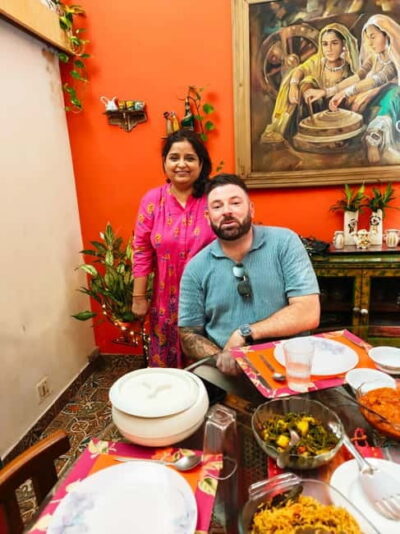
New Delhi: Traditional Indian Cooking Class & Market Visit
Read our review →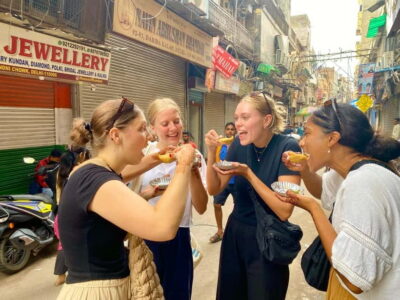
Delhi: Old Delhi’s Street Food, Temples & Spice Market Tour
Read our review →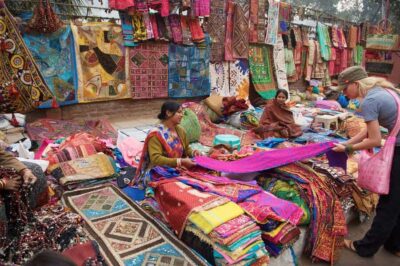
Delhi Markets: A Cultural Shopping Experience with an Expert
Read our review →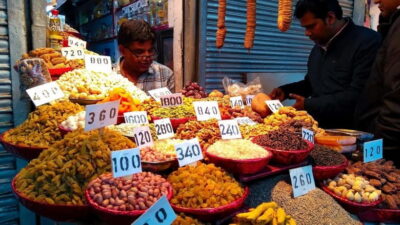
Old Delhi: Khari Bawli – Asia’s Largest Spice Market
Read our review →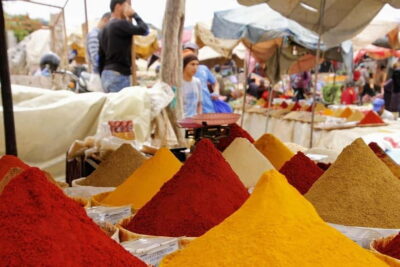
This tour also appears in