
Review · PALERMO
Palermo: Walking Tour of Historic Markets and Monuments
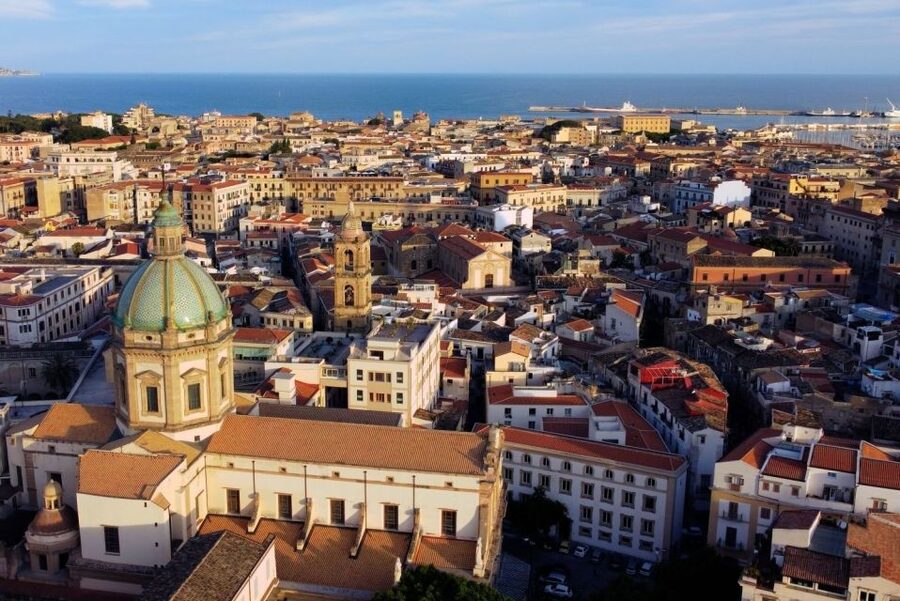
Palermo reveals itself best on foot, and this tour ties its grand monuments to the daily drama of the Capo market. You move from cathedral towers and Baroque squares to market stalls, street food, and stories of Santa Rosalia and the mysterious Beati Paoli sect. It is a useful way to see Palermo as both an old capital and a living city.
I like the clear route through several major sights, especially the contrast between Palermo Cathedral and the noisy market. I also like the guides’ strong command of local history. Claudio is described as enthusiastic, witty, and polished, while Fabrizio brings broad cultural knowledge and practical ideas for what to do during the rest of your stay. The main drawback is simple: the tour is in Italian only, and three hours of walking may feel long in uncomfortable shoes or hot weather.
Key points to know before booking
- Capo market gives the tour its local flavor, with colorful stalls, Sicilian food, pastries, and the sounds of everyday Palermo.
- The route covers several central landmarks, including Palermo Cathedral, Teatro Massimo, Quattro Canti, and Fontana Pretoria.
- Guides Claudio and Fabrizio are named for their strong presentations, with humor, enthusiasm, and serious historical depth.
- Italian is the only tour language, so you need a good working understanding of Italian to get the full value.
- Street-food tasting is an opportunity, not a clearly listed inclusion, so bring a little extra money for anything you want to sample.
- The $35 price is fair for a three-hour guided introduction, but entry tickets and food are not included.
Why Palermo’s markets make a better starting point than a standard city walk
Many city tours move from one polished monument to the next. This one connects Palermo’s grand public buildings with the places where people shop, eat, and trade. That matters in a city whose character can feel hidden behind its stone facades.
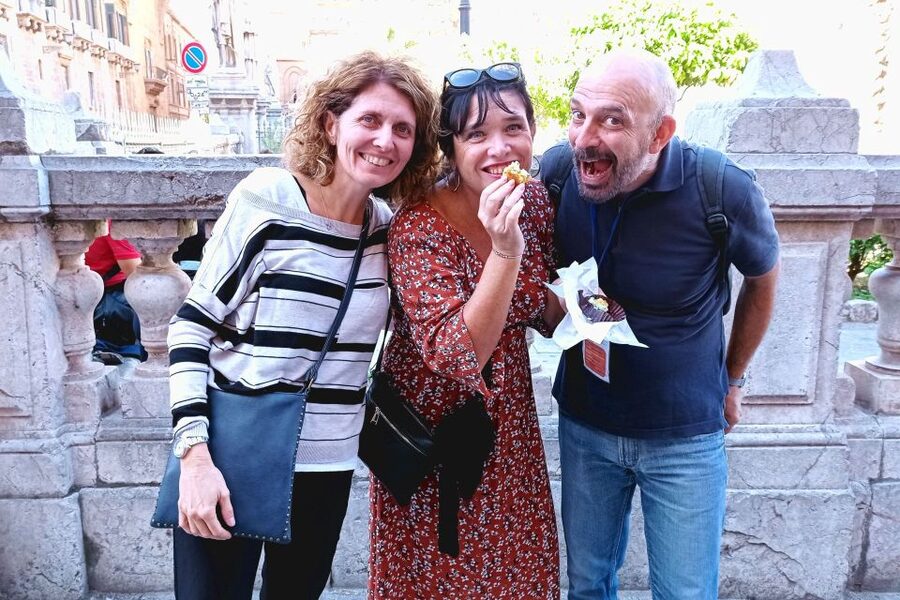
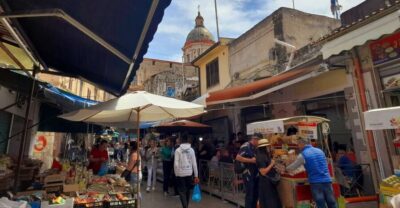
The Capo market is the emotional center of the walk. You can expect a mix of sounds, colors, local wares, fresh foods, Sicilian snacks, and pastries. The market is not treated as a museum display. It is part of the city’s working life, and your guide helps you read it as such.
I especially like this pairing of market and monument. The Cathedral shows Palermo’s religious and royal past. Capo shows the city in the present tense. Put together, they offer a more useful first impression than a list of churches alone.
You should keep your expectations clear about the food. The tour gives you the chance to try local street food fresh from the market, but the listed price does not include food. Plan to pay separately for anything you choose. That is not a serious flaw, but it is worth knowing before you arrive hungry and start ordering.
More Market Walking Tours in Italy
- Palermo: Markets and Monuments City Center Walking Tour
★ 4.9 · 238 reviews - Markets and monuments: walking tour and street food in Palermo
★ 5.0 · 159 reviews - Palermo : Historic Markets & monuments Walking Tour
★ 4.7 · 129 reviews
Meeting at Feltrinelli and setting off through the historic center
The meeting point is in front of the Feltrinelli library. Look for the guide wearing a red tag marked tour guide. This is a simple arrangement, but in a busy city center, identifying the red tag will save you from wandering around looking for a group.
The walk lasts three hours, with no coach or other transport listed. Wear proper walking shoes, as requested in the practical information. You will be moving through streets, plazas, market lanes, and monument areas, so comfort matters more than stylish footwear.
The tour is led in Italian. This is the most important booking decision. If you understand Italian well, the format lets you hear local names, legends, and historical explanations directly from an Italian-speaking guide. If you do not, the route may still be useful visually, but you will miss much of what makes the tour worthwhile.
The guide’s personality appears to be a major part of the experience. Claudio is described as professional, funny, enthusiastic, and engaging. Fabrizio is praised for his wide cultural background and for explaining not just major monuments, but also the buildings, streets, and history encountered along the way. Since guide assignment can vary, you should not book expecting one particular person unless the operator confirms it.
Palermo Cathedral and centuries of architectural change
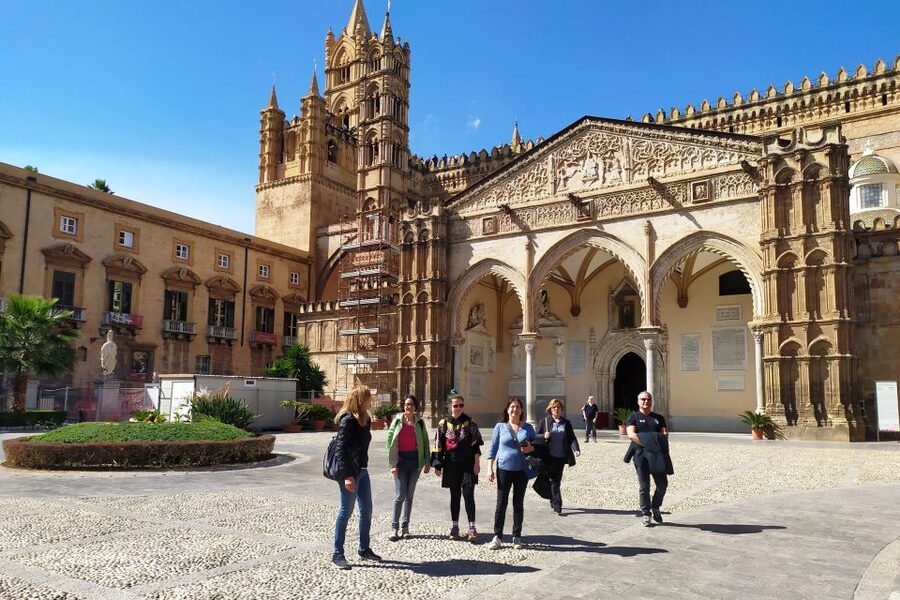
The tour begins with Palermo Cathedral, an imposing building dating from the early 12th century and listed by UNESCO. Its long architectural story is one of the reasons it works so well as the first major stop.
You will hear about the building’s changes over time and see its distinctive bell towers. The Cathedral is not presented as a single-period monument. Its appearance reflects the many phases of Palermo’s history, and the guide explains how that evolution shaped what you see today.
This is where a good guide adds real value. Without context, a large cathedral can become a quick photo stop. With an explanation of its changing design, the building becomes a record of the city’s past. You can look at the stone, towers, and details while understanding that Palermo’s architecture did not arrive all at once.
The Cathedral visit also has a dress rule. You must wear modest clothing to enter. Treat this as a real requirement, not a suggestion. Cover yourself suitably before the tour, since arriving unprepared could affect your visit.
Entry tickets are not included in the tour price. The itinerary includes entering the Cathedral, but the booking information separately lists entry tickets as excluded. Check the current arrangements when you reserve, and budget for any admission required on the day.
Teatro Massimo and the city’s ghostly stories
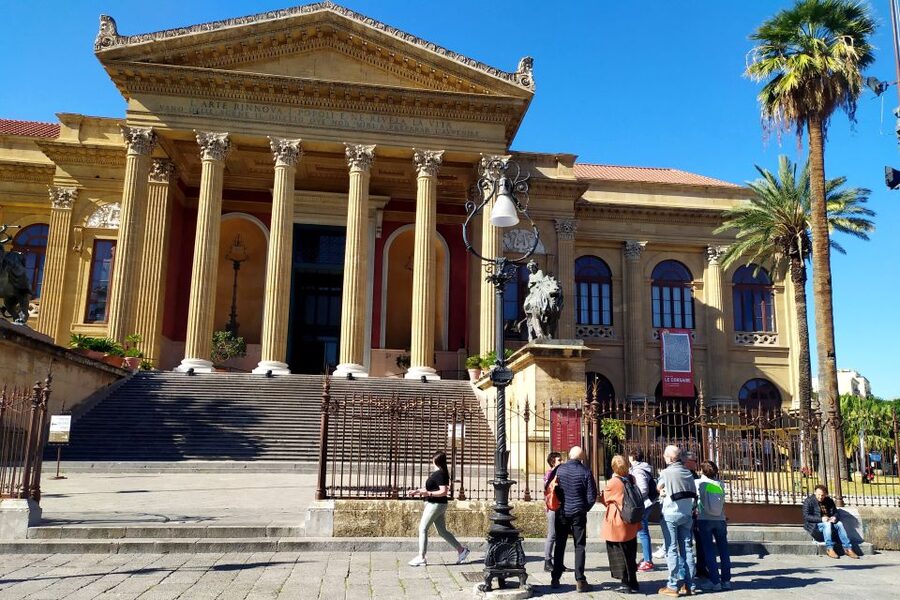
From the Cathedral, the route continues to Teatro Massimo, Italy’s largest theater and one of Palermo’s best-known symbols. The building gives the walk a change of scale. After the Cathedral’s religious setting, you turn to a major civic and cultural monument.
The guide also tells ghostly legends connected with the theater. That mix of architecture and folklore is a good fit for Palermo, where formal history and local storytelling often sit side by side. You get the important fact about the theater, but you also hear the sort of story that makes the place easier to remember.
I like this part because it avoids turning the walk into a dry lecture. You learn what Teatro Massimo represents, then hear about the darker tales attached to it. The legends should be treated as local tradition rather than proven fact, but they add a welcome spark to the route.
The information provided does not promise an interior visit to the theater. Expect to admire it from the walking route and hear about its history and legends, rather than assume that a theater admission is included.
Same city, another market:
- Cooking Class and Lunch at a Tuscan Farmhouse with Local Market Tour from Florence
★ 5.0 · 4,831 reviews - Rome: Colosseum, Roman Forum & Trajan’s Market Exterior Tour
★ 4.3 · 2,038 reviews - Taste of Testaccio: Special 15 Year Anniversary Edition
★ 5.0 · 1,658 reviews - Small Group Cooking Class & Market Food Tour in Florence
★ 5.0 · 1,574 reviews
Quattro Canti and Fontana Pretoria in the city center
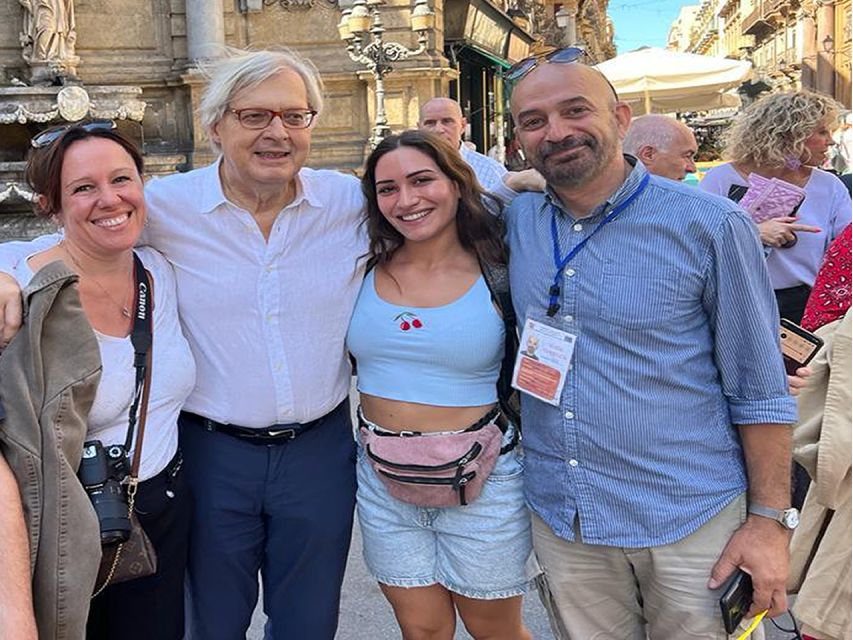
The walk continues to Quattro Canti, the famous Baroque plaza where four decorated building fronts frame the crossing. It is one of those places that makes more sense when you understand its design and role in the city. A guide can point out details that are easy to miss when you pass through on your own.
You will also stop at Fontana Pretoria, in the piazza of the same name. The fountain provides another strong visual pause, with a more formal setting than the market streets that come later.
These stops are valuable for orientation. Palermo’s historic center can feel like a maze of streets and architectural periods. Quattro Canti gives you a clear central reference point, while Fontana Pretoria helps build a sense of how the city’s public spaces were shaped.
The route is not only about checking off monuments. It links the places through stories about Palermo and Sicily. That is where the guide’s skill matters most. Fabrizio, in particular, is described as explaining streets and buildings encountered along the way, not just the headline attractions.
Beati Paoli, Santa Rosalia, and Palermo’s local legends
A strong feature of this walk is its attention to stories that do not fit neatly into a standard monument description. You will hear about the Beati Paoli, a mysterious sect linked to Palermo legend, and about Santa Rosalia, the city’s patron saint, often called La Santuzza.
These stories give you another way to understand Palermo. They show how belief, secrecy, devotion, and local identity have shaped the city’s imagination. They also help break up the architectural information, giving the three-hour walk a more human rhythm.
Santa Rosalia is especially important in Palermo’s cultural life, and hearing about her during a walk through the historic center makes the city feel more connected. The tour does not merely point out stones and dates. It brings in the figures and tales that locals use to explain their city.
The Beati Paoli story is best approached as a legend rather than a settled historical account. That is part of its appeal. You are not being asked to treat every tale as fact, but you are given a glimpse of the mystery that has long surrounded Palermo.
Capo market and the taste of everyday Sicily
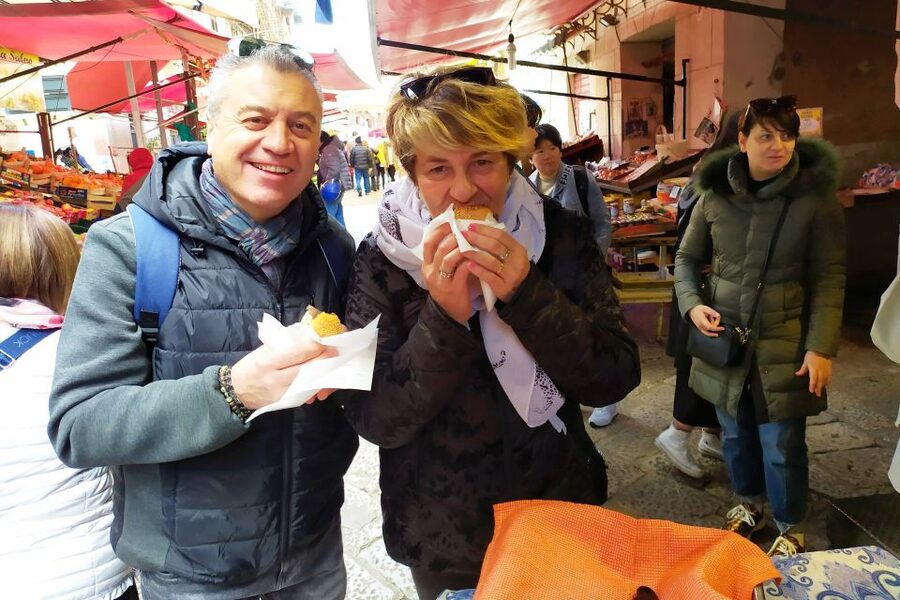
The final part of the tour takes you through Capo market. This is the moment when the walk moves furthest from formal sightseeing. You browse market stalls, see local goods, and take in the sounds and smells of Palermo’s food culture.
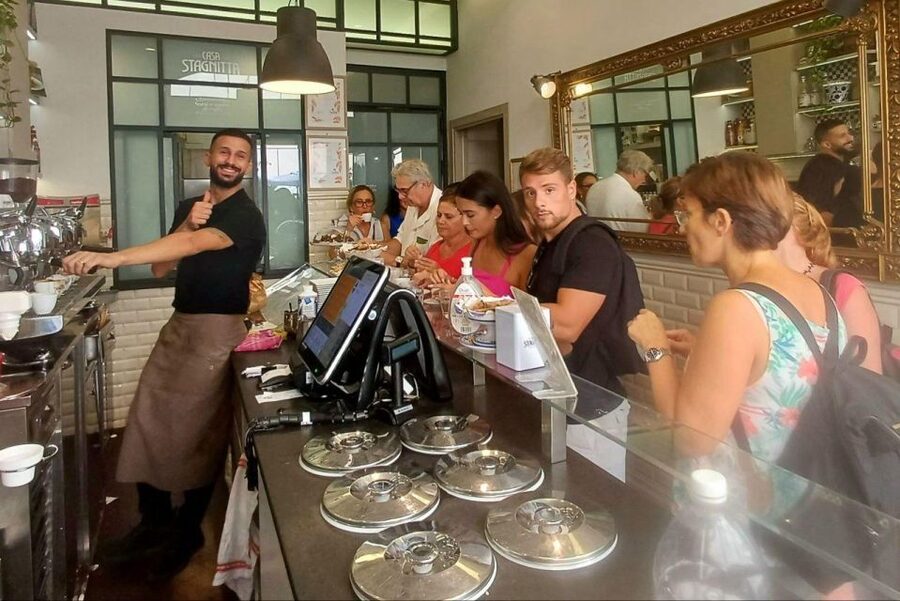
You may have the chance to try Sicilian street food and pastries. The exact foods available can vary, so do not book expecting one fixed tasting menu. Think of this as an introduction to market eating, with the freedom to choose what catches your eye.
This is also the point where the tour becomes most useful for the rest of your trip. A guide can help you recognize traditional foods and explain what you are seeing. Even if you only sample one small item, you leave with a better sense of how Palermo eats.
Bring cash or another convenient way to pay for food, since tastings are not listed among the included services. The $35 covers the guided walk and professional guide, not a meal.
Capo is not a quiet final stop. Market lanes can be crowded, noisy, and full of distractions. That is exactly why you should stay aware of your belongings and keep up with the group. The same activity that makes the market feel real can make it harder to hear every word.
What $35 buys you in Palermo
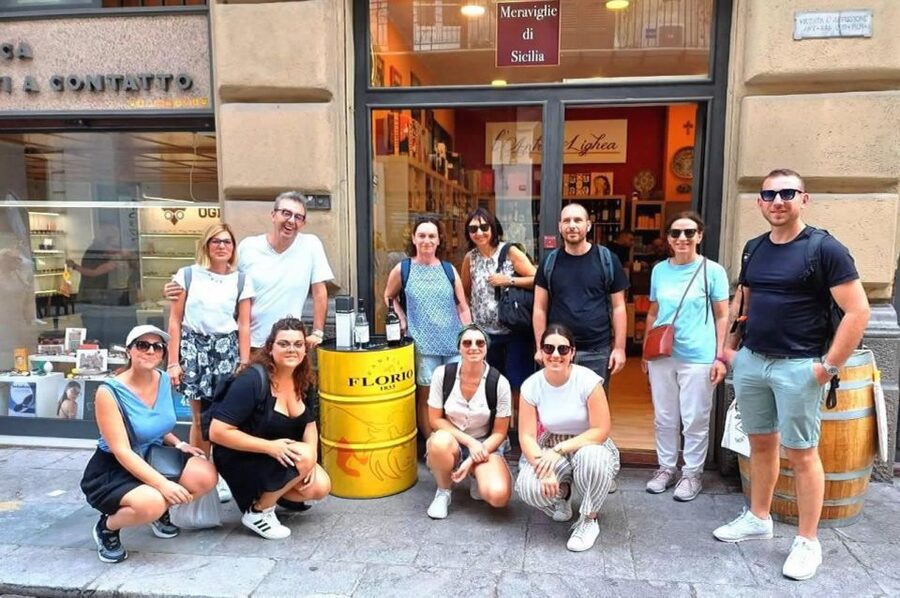
At $35 per person, this is a reasonably priced three-hour orientation to Palermo. You are paying for a professional guide, a planned route, historical interpretation, local legends, and an introduction to the Capo market. For a first day in the city, that is a useful package.
The value depends heavily on your language ability. Italian speakers get the full benefit of the guide’s explanations, humor, and storytelling. If you do not speak Italian, a self-guided walk with written information may offer better value, since the central sights are accessible without a paid tour.
The price does not include entry tickets or food. That keeps the basic cost clear, but you should add money for any required admission and for market snacks. The tour is not a bargain meal outing, and it is not an all-inclusive sightseeing ticket.
Its strongest value is context. You can walk past the Cathedral, Teatro Massimo, Quattro Canti, and Fontana Pretoria on your own. The guide helps connect them to one another and adds the stories that are harder to find on a street sign.
The experience carries a 4.9 rating from 478 bookings, which fits the consistent praise for guides such as Claudio and Fabrizio. The most important pattern is not a single attraction. It is the quality of the explanations, the lively delivery, and the way the three hours pass quickly for people who understand Italian.
Who should book this three-hour walk
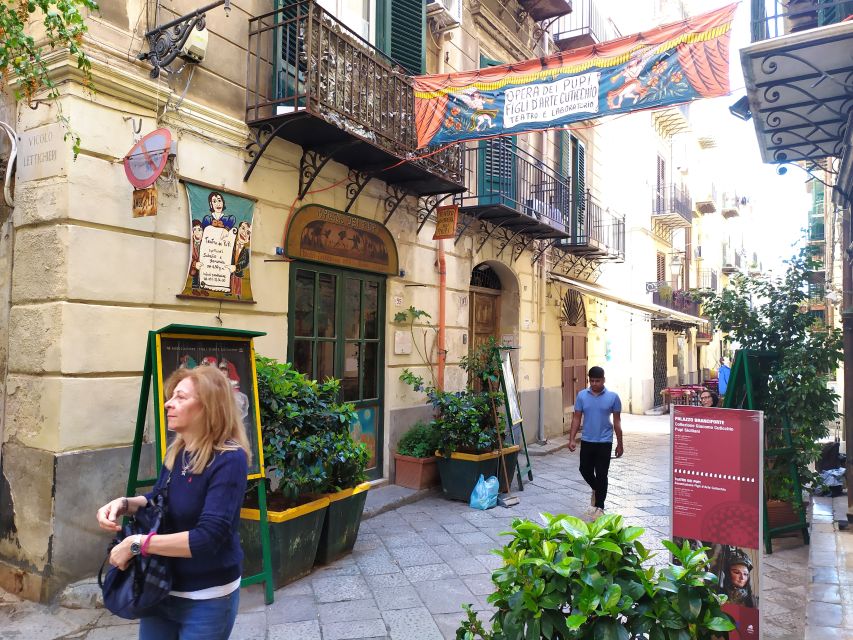
I would recommend this tour to you if you want a broad first look at central Palermo without spending a full day inside museums. It suits curious visitors who like architecture, food, folklore, and city streets in equal measure.
It is also a good choice for a first morning in Palermo. The route can help you decide which places deserve a later, slower visit and may give you ideas for what to do during the rest of your stay.
Italian speakers are the clear best match. The tour is Italian only, and the stories are a central part of the experience. Basic Italian may not be enough if you want to follow detailed explanations about architecture, history, and local legends.
You should think twice if you dislike walking, crowded market areas, or informal food stops. The route involves three hours on foot, and the market section is likely to feel active rather than calm. Comfortable shoes are essential.
Families and older visitors should judge the walk by their own stamina. No accessibility details or group size are provided, so ask the operator directly if you have mobility needs or require a smaller group.
Practical advice before you go
Dress modestly for the Cathedral. This is the one clear clothing rule, and ignoring it could interfere with entry.
Wear shoes you can comfortably use for three hours. Palermo’s historic center and market lanes are best handled at an easy pace, not in footwear chosen only for photographs.
Arrive at the Feltrinelli meeting point with time to find the red-tagged guide. The meeting instruction is clear, but city-center streets can still take a moment to sort out.
Bring some extra money for street food or pastries. You may want to try something fresh at Capo, and the food is not included in the $35 price.
If your plans change, free cancellation is available up to 24 hours before the start time for a full refund. You can also reserve now and pay later, which is useful if you are still arranging your Sicily schedule.
Should you book Palermo’s market and monument walk?
Book it if you speak Italian and want Palermo explained through both its grand sights and its everyday food market. The combination of Cathedral architecture, Teatro Massimo legends, Baroque squares, Santa Rosalia, Beati Paoli, and Capo market gives you a well-shaped introduction to the city.
The tour is especially worthwhile when Claudio or Fabrizio leads it, based on the strong descriptions of their humor, preparation, and depth. Still, the guide may vary, so make your decision based on the format rather than a guaranteed personality.
Skip it if you need an English-language tour, want included admission and food, or prefer a short, mostly seated sightseeing experience. For the right visitor, $35 is a fair price for three hours of local history, street life, and useful orientation.
FAQ
Where does the tour meet?
The meeting point is in front of the Feltrinelli library. The guide wears a red tag that says tour guide.
How long does the tour last?
The walking tour lasts three hours. Starting times depend on availability.
What language is the tour in?
The tour is conducted in Italian only.
Is Palermo Cathedral included in the route?
Yes. The tour begins by entering Palermo Cathedral and covers its bell towers and architectural changes over time.
Are entry tickets included?
No. Entry tickets are not included in the tour price.
Is food included in the $35 price?
No food inclusion is listed. You have the opportunity to buy and try Sicilian street food and pastries at Capo market, so bring extra money if you want to sample them.
What should I wear to enter the Cathedral?
You must wear modest clothing to enter Palermo Cathedral.
Can I cancel the booking?
Yes. You can cancel up to 24 hours in advance for a full refund. The activity also offers a reserve-now, pay-later option.
More market history around Italy
- Discover Palermo in 3 hours. Art, history, markets and street food
★ 5.0 · 352 reviews - Palermo in 2 hours Main monuments and historic markets
★ 5.0 · 136 reviews - Eat Like a Roman – Traditional Food, Local Market & History
★ 5.0 · 3 reviews - Private Excursion to Floating Market and Ayutthaya World Heritage
★ 5.0 · 515 reviews
New market tours around Italy
- Taormina: Sicilian Cooking Class & Market Tour★ 4.9 · 212 reviews
- Florence: Markets and Food Tasting Tour★ 5.0 · 2 reviews
- Taormina: Sicilian Cooking Class w/ a Visit to Local Market★ 4.9 · 76 reviews
- From Taormina: Syracuse Tour with lunch in Food Market★ 4.9 · 12 reviews
- Syracuse: Traditional Cooking Class & Ancient Market Visit★ 4.9 · 72 reviews
- Spoleto: Market Tour and Meal at a Local’s Home★ 5.0 · 2 reviews
- Sorrento: Markets and Cooking Class at a Cesarina’s Home★ 3.7 · 3 reviews
- Taormina Half-Day Sicilian Cooking Class & Market Tour★ 5.0 · 82 reviews
Palermo Market Tours, side by side.
Palermo: Street Food and Local Market Tasting Tour
Read our review →
Discover Palermo in 3 hours. Art, history, markets and street food
Read our review →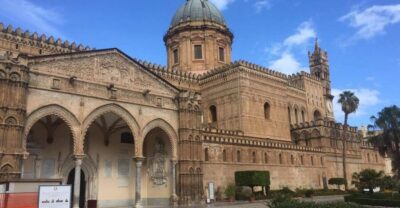
Palermo: Markets and Monuments City Center Walking Tour
Read our review →
Palermo: Market Tour and Sicilian Cooking Class with Lunch
Read our review →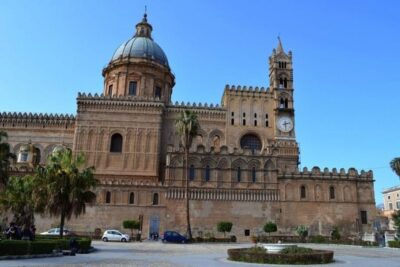
Palermo : Historic Markets & monuments Walking Tour
Read our review →
Palermo: Street Food Tour in Ballarò and Vucciria Markets
Read our review →
Palermo: Shopping at Capo Market and Sicilian Cooking Class
Read our review →This tour also appears in