Review · ROME
Rome: Pasta Cooking Class with Market Visit and Wine
Rome’s pasta traditions make more sense when you begin with the ingredients. This four-hour class takes you from Nomentano Market to the Kitchen of Mamma, where chef Marco teaches you to mix dough, shape several pastas, prepare fillings, and sit down to eat what you made.
I like the market visit because it adds a local neighborhood feel instead of dropping you straight into a classroom. I also like the individual workstations, which let you practice rather than simply watch. The main consideration is that this is a hands-on wheat-pasta class, so it is not suitable for people with gluten intolerance.
Key points at a glance
- A market visit comes first: Walk to Nomentano Market and see the fresh ingredients used in the meal.
- Marco leads the class: He teaches in English and Italian, with a relaxed, funny approach and plenty of individual help.
- You make several pasta styles: Past sessions have included linguine, ravioli, tortellini, and other shapes, with some classes covering five to seven types.
- Lunch is part of the lesson: Eat the pasta with sauces prepared during the class, alongside a glass of Italian wine.
- The finish is distinctly Italian: Coffee, limoncello, recipes, and a participation certificate are included.
- The price covers a full half-day: At $103 per person, you receive the market walk, instruction, meal, drinks, recipes, and the chance to repeat the techniques at home.
From Via Palestro to Nomentano Market
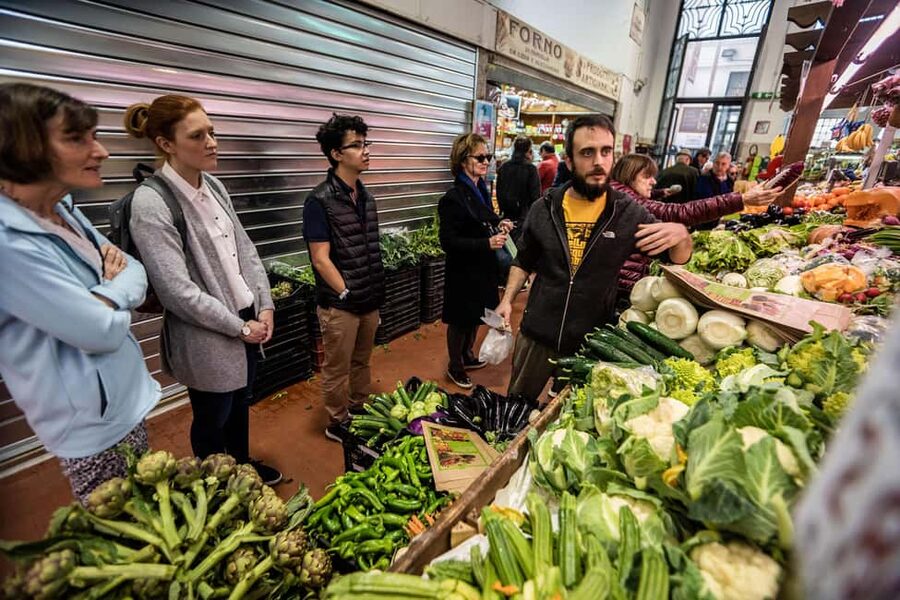
Meet at Via Palestro 51, near Rome’s Termini area, at least 10 minutes before the start. From there, you take a short walk to Nomentano Market. The exact market pace depends on the group, but past sessions have described the walk as roughly five to ten minutes.
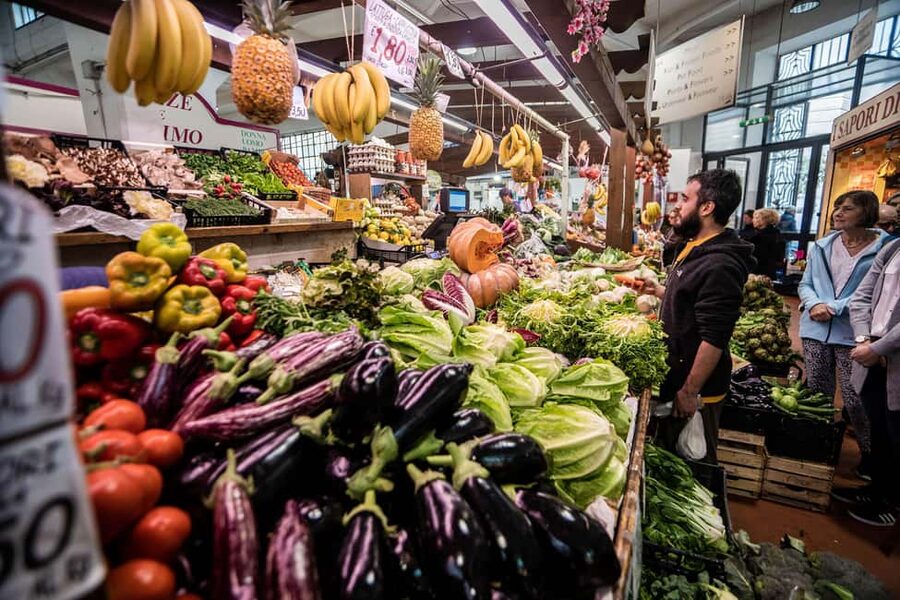
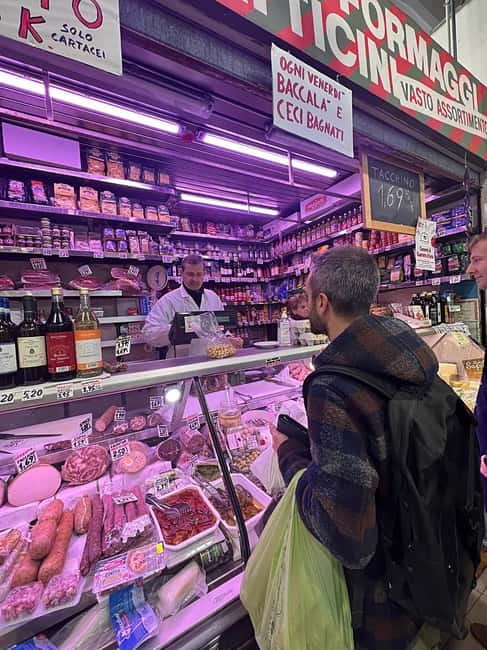
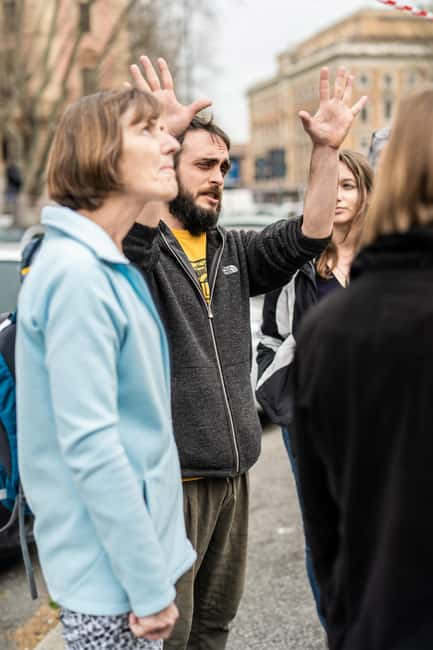
This first part is more than a shopping errand. Marco uses the route and the market to explain Roman food traditions, local ingredients, and bits of Roman history. You see the products before they are turned into lunch, which gives the cooking class a useful context.
At the market, expect to look at fresh vegetables and other ingredients selected for the recipes. The class description specifically points to seasonal produce, while past dishes have included combinations such as pumpkin, ricotta, sage, and mushrooms. That matters because pasta fillings are not just about technique. The balance between a sweet vegetable, a creamy cheese, and an aromatic herb is part of what makes the finished dish work.
The market also gives you a chance to see how a neighborhood food shop differs from a restaurant menu. You are not just learning a fixed recipe. You are seeing how ingredients are chosen and paired before cooking begins.
One practical note: wear comfortable shoes. The walk is short, but you will spend several hours standing, working, eating, and moving around the kitchen.
More Market and Cooking Class Tours in Italy
- Authentic Roman Cooking Class & Market Experience
★ 5.0 · 363 reviews - Rome: Market and Cooking Class at a Local’s Home
★ 4.0 · 3 reviews - Cooking Class and Lunch at a Tuscan Farmhouse with Local Market Tour from Florence
★ 5.0 · 4,831 reviews
Back at the Kitchen of Mamma
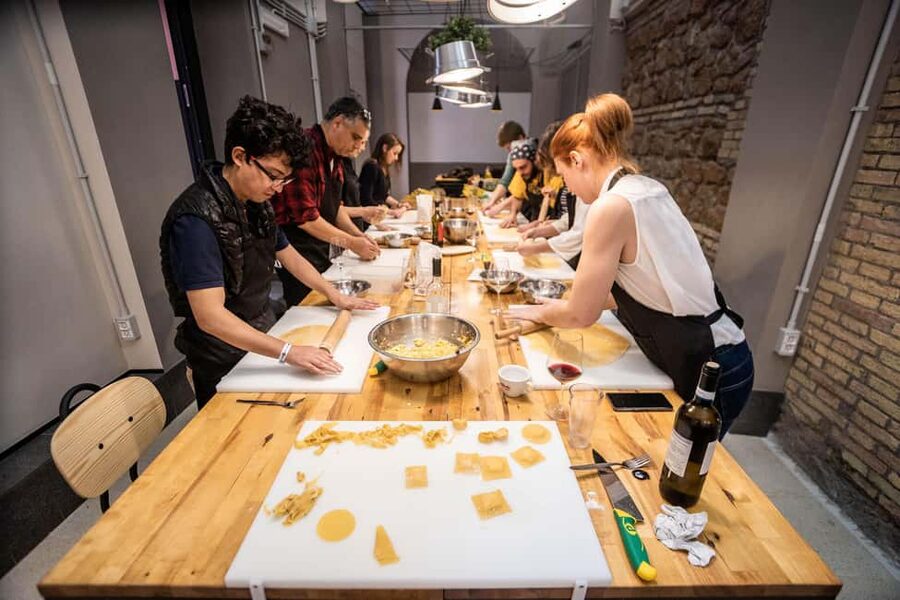
After the market, you return to the Kitchen of Mamma, the cooking space used for the class. Each participant has an individual station, with utensils and room to work. That setup is important. You are not crowded around one counter trying to catch a glimpse of the instructor’s hands.
Marco begins with the pasta dough. He explains the basic process, then demonstrates while you follow along. You mix and work the dough yourself, with Marco circulating to check consistency and correct small mistakes. This is where the class earns its keep. Making pasta is simple in theory, but the feel of the dough is hard to understand from a recipe alone.
You learn how to judge the dough, roll it, and cut it into different shapes. The exact selection can vary, but classes have included linguine, ravioli, tortellini, and other cuts. One session covered seven pasta sizes, while another focused on several types of filled pasta. The point is not to produce one perfect plate of spaghetti. You leave with a wider set of techniques.
The class is suitable for beginners. No previous cooking skills are required, and Marco’s teaching style is patient and practical. He is also known for keeping the room relaxed, using humor while still paying attention to each person’s work. That balance helps if you are nervous about making a mistake. Fresh pasta rewards practice, not perfection.
Filled pasta, sauces, and the parts you do not cook alone
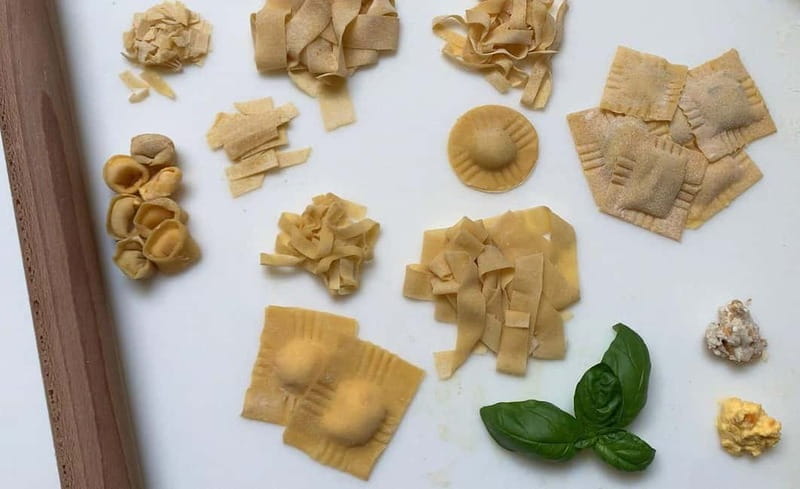
The most interesting section for many people is the filled pasta. You help shape ravioli and tortellini, while Marco prepares or demonstrates fillings and sauces. Past classes have used pumpkin and ricotta, among other combinations.
Do not expect every ingredient and sauce to be prepared entirely by each participant. Some of the more involved fillings and sauces are made by Marco while he explains the method. That is a sensible approach in a four-hour class. If everyone had to make every component from the beginning, the meal would take much longer and the teaching would become rushed.
Instead, you get a mix of direct practice and demonstration. You make the dough and form the pasta yourself, then watch how sauces and fillings are brought together. One past class included a meat bolognese sauce, while other sessions included vegetarian-friendly preparations. If you avoid pork or red meat, or follow a vegetarian diet, tell Marco before cooking begins. He has accommodated such needs before, but the information provided does not promise a separate menu for every dietary restriction.
This is also a good place to ask questions. Participants have learned practical points such as how much water and salt to use when cooking pasta at home. Those small details often matter more than a long list of recipes.
Lunch with wine, coffee, and limoncello
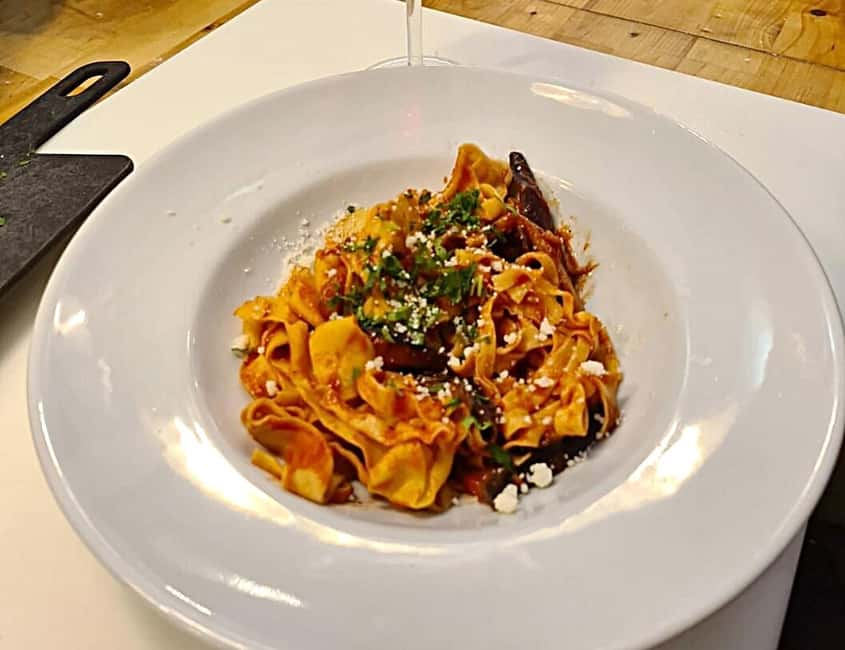
Once the pasta is ready, the class shifts from work to lunch. Marco cooks the prepared pasta and serves it with the sauces. You then sit down to eat what the group has made.
The meal can include several pasta shapes and more than one sauce, rather than a single bowl of basic noodles. The exact dishes may change with the ingredients and the day’s lesson, but the class is designed to give you a broad taste of homemade pasta.
A glass of Italian wine is included. It is part of the social rhythm of the class, not a formal wine-tasting lesson. You can talk with Marco and the other people at the table while eating, which gives the afternoon a friendly, shared-meal feel.
Coffee and limoncello finish the experience. These final touches are small, but they help the class feel like a complete Italian lunch rather than a cooking demonstration followed by a quick snack.
If you are pregnant or do not drink alcohol, mention it at the start. One past participant who was pregnant received help choosing safe drinks. Still, the class includes wine and limoncello as standard offerings, so you should communicate your needs clearly.
More Market and Cooking Class Tours in Rome:
- Hanoi Cooking Class: Culture, Local Market & Meaning CSR Impact
★ 5.0 · 5,147 reviews - 5 Traditional Dishes Hanoi Cooking Class with Market Trip
★ 5.0 · 4,890 reviews - Chiang Mai: Cooking Class, Market & Thai Herbs Garden Tour
★ 4.9 · 4,824 reviews - Chiang Mai: Authentic Cooking Class with Market & Farm Visit
★ 4.9 · 4,546 reviews
What makes Marco such an important part of the class
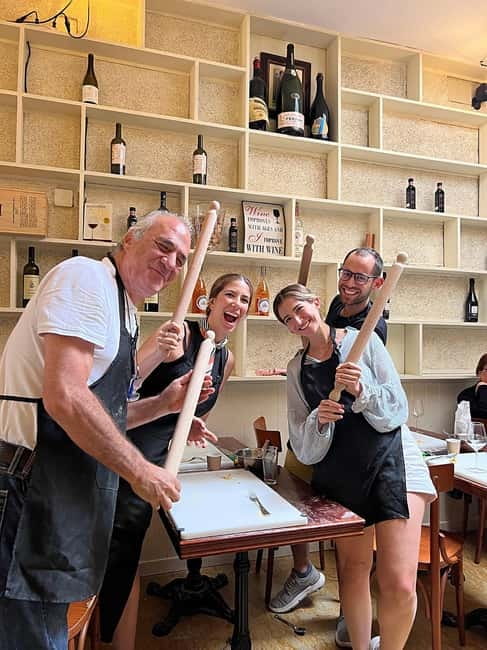
The food is the reason to book, but Marco is central to how the afternoon works. He acts as chef, teacher, market guide, and host. His role is not limited to showing a recipe and leaving you to copy it.
He explains the ingredients, answers questions, checks your dough, and keeps the group moving. He also adds stories about Italian food and Rome during the market walk and while you cook. The combination of instruction and conversation is especially useful if you want more than a restaurant-style food activity.
The atmosphere appears to be one of the class’s strongest points. Marco is described as funny, warm, attentive, and easy to talk to. That does not mean the class is only entertainment. The best moments come when humor makes the technical parts less intimidating.
You should still keep your expectations realistic. This is an introduction to handmade pasta, not professional culinary training. You will learn a reliable foundation, but making elegant tortellini takes repeated practice. Some shapes may look less polished than Marco’s. That is normal, and the class is designed to let you try.
Is $103 a fair price?
At $103 per person, this is not the cheapest pasta lesson in Rome. The value comes from how much is bundled into the four-hour session.
You receive a guided market walk, ingredient instruction, hands-on teaching, a meal, wine, coffee, limoncello, recipes, and a participation certificate. You also spend the afternoon with an instructor rather than simply watching a chef prepare food.
The individual station improves the value. You are paying for a chance to practice the dough and shaping techniques, not just for lunch. If you want to repeat the meal at home, the recipes and direct feedback are useful additions.
The value is weaker if you mainly want to eat pasta or take a quick cooking demonstration. Rome has plenty of good meals that cost less than $103. This activity makes more sense if you want a social lesson, a neighborhood market visit, and skills you can use after returning home.
For a family or couple, the class can also replace several hours of sightseeing with something active and memorable. It is particularly well suited to people who like food but do not want a formal, intimidating culinary course.
Who should book this Rome cooking class?
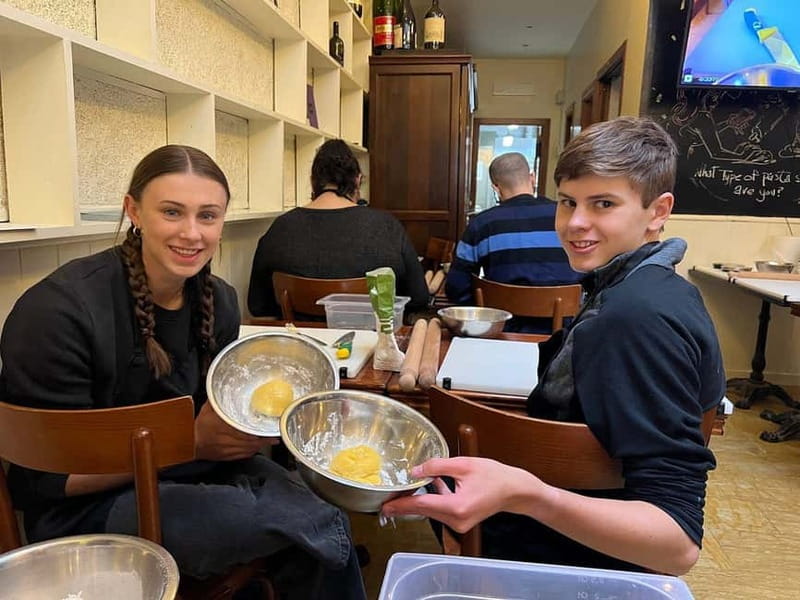
I would recommend it to first-time pasta makers, families, couples, and solo participants who enjoy meeting people around a shared meal. The tone is friendly rather than strict, and beginners receive direct help.
It is also a good choice if you have already eaten plenty of carbonara and want to learn other pasta styles. Past classes have included filled pasta, several cuts, and different sauces, so the lesson goes beyond the most familiar Roman dishes.
The market walk helps if you want a stronger connection to everyday food culture. You see where ingredients come from, learn why certain items are selected, and then use them in the kitchen.
I would think twice if you have gluten intolerance, since the activity is based on traditional wheat pasta. People with other dietary needs should contact the provider or explain their restrictions before the class. Vegetarian guests and people avoiding certain meats have received attention in past sessions, but you should not assume every dish can be changed without advance notice.
Booking details worth knowing
The activity lasts four hours, with starting times available according to the date you choose. Instruction is offered in English and Italian.
Arrive at Via Palestro 51 at least 10 minutes early. The experience provider is Yellowsquare Rome. You can cancel up to 24 hours before the activity for a full refund, and the reserve-now, pay-later option lets you hold a place without paying immediately.
Bring an appetite and comfortable shoes. You may also want to leave room in your luggage for the recipes and, if the group produces extra food, any leftovers the instructor allows you to take home.
Should you book it?
Book this class if you want to do more than eat Roman food. The combination of Nomentano Market, individual pasta-making practice, several shapes, a shared lunch, and Marco’s personal teaching gives you a useful window into how Italian food is made and enjoyed.
Skip it if you need a gluten-free menu, dislike group cooking, or want a short demonstration with no hands-on work. At $103, the class is best value for people who will ask questions, practice the techniques, and use the recipes later.
For everyone else, it is a strong way to spend half a day in Rome, especially early in your visit. You learn the food first, then spend the rest of your trip recognizing the ingredients, pasta shapes, and sauces on restaurant menus.
FAQ
How long does the pasta cooking class last?
The activity lasts four hours. Starting times depend on availability for the date you select.
Where does the class meet?
Meet at Via Palestro 51, 00185 Rome. You should arrive at least 10 minutes before the activity begins.
Does the experience include a market visit?
Yes. The class includes a walking visit to Nomentano Market, where you see fresh and seasonal ingredients before returning to the kitchen.
Is the class suitable for beginners?
Yes. No previous cooking skills are required. The instructor demonstrates the techniques and provides hands-on guidance.
What food and drinks are included?
The experience includes lunch with pasta, a glass of Italian wine, coffee, and limoncello.
Is the class suitable for people with gluten intolerance?
No. The activity is not suitable for people with gluten intolerance.
More pasta classes around Rome
- Rome: Testaccio Food & Market Tour with Pasta & Wine
★ 5.0 · 38 reviews - Bologna Food & Market Tour with 6 Tastings, Pasta, Wines & More
★ 5.0 · 1,328 reviews - Pasta and Tiramisu Cooking Class with optional Local Market Tour
★ 5.0 · 515 reviews - Discover the old market and make fresh pasta
★ 4.0 · 4 reviews
New market tours around Rome
- Rome: Trajan’s Markets & Museum of The Imperial Fora Tour★ 4.8 · 4 reviews
- Rome: The Vatican Market Experience Tasting and Class★ 4.7 · 10 reviews
- Rome: Vatican Street Food and Wine Tour with Farmers Market★ 5.0 · 37 reviews
- Rome: Taste of Testaccio Food & Market Tour★ 4.9 · 38 reviews
- Rome: Testaccio Food & Market Tour with Pasta & Wine★ 5.0 · 38 reviews
- Rome: Temples, Squares & Markets Guided Walking Tour★ 4.8 · 26 reviews
- Farmers Market Shopping and Roman Full Course Class – SHARED★ 5.0 · 12 reviews
- Rome: Prati Food & Wine Market Tour with St. Peter Square★ 5.0 · 7 reviews
Rome Market Tours, side by side.
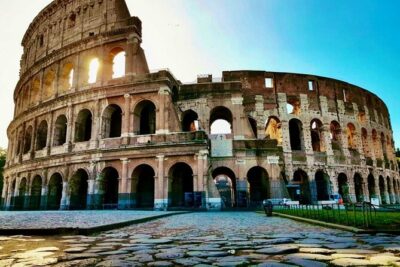
Rome: Colosseum, Roman Forum & Trajan’s Market Exterior Tour
Read our review →
Taste of Testaccio: Special 15 Year Anniversary Edition
Read our review →
Authentic Roman Cooking Class & Market Experience
Read our review →
Rome: Trajan Markets Experience with Multimedia Video
Read our review →
Rome E-Bike Tour: Ultimate Street Food and Market Feast
Read our review →