
Review · MUMBAI
Markets of Mumbai Walking Tour
Mumbai’s markets are the real show here. You move through crowded streets where vendors sell spices, masala tea, dry fruit, fabric, clothing, jewelry, home goods, and plenty more. The tour links the oldest spice market with Mumbai’s largest wholesale fabric market, then finishes among the design shops of Kala Ghoda.
I like the small group, limited to five people, and the practical help from Namrta, a fashion designer who can explain Indian textiles and help you judge prices. I also like the mix of walking, shopping, and a short black-cab ride. The main drawback is simple: this is a long, busy walk in hot Mumbai, and your shopping costs extra.
Key points to know before you go
- Start at CSMT and finish at Kala Ghoda: The route crosses two very different parts of South Mumbai.
- Shop for useful Indian goods: Look for spices, masala tea, dry fruit, fabrics, accessories, jewelry, clothing, home items, and linens.
- Get textile advice from Namrta: Her fashion background gives the shopping a practical focus.
- Keep the group small: A maximum of five people makes it easier to ask questions and stop in shops.
- Plan for heat and purchases: Bring sunscreen and a shopping bag if you expect to buy things.
- Expect a local finish: A snack or masala tea is included at the end.
Mumbai’s markets are the main attraction
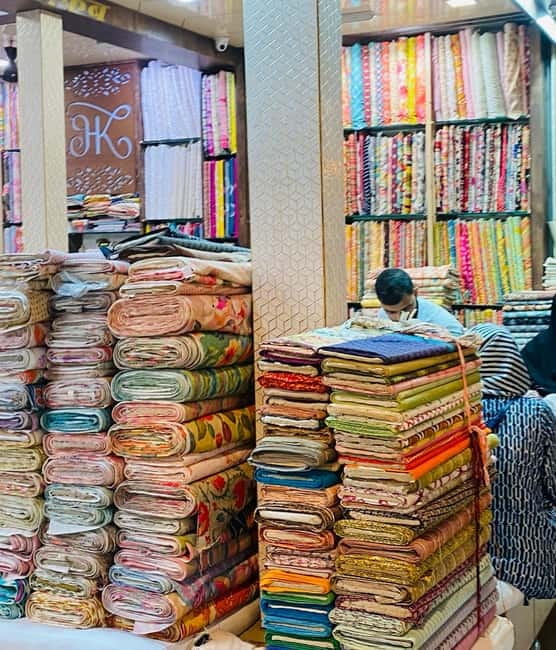
This experience is built around ordinary commercial streets rather than polished sightseeing spots. That is its strength. You see how Mumbai shops, trades, displays, and sells goods in daily life, with the noise and close quarters that come with a central-city market district.
The tour covers two major markets. One is described as Mumbai’s oldest spice market. The other is the city’s largest wholesale fabric market. These are not just places to browse. They show two important sides of shopping in Mumbai: food ingredients sold in bulk and textiles moving through a major trade center.
You should expect plenty of activity. The highlights include vendors selling goods from A to Z, along with shops devoted to accessories, designer items, jewelry, home products, and linen. The route is useful if you want more than a quick look at a market stall. You get time to compare goods, ask questions, and decide what is worth carrying home.
More Market Walking Tours in India
- Mumbai Heritage, Street Food & Bazaar Walking Tour
★ 5.0 · 4 reviews - Private Heritage Walking Tour in Jaisalmer Fort and Old Bazaar
★ 5.0 · 306 reviews - Jaipur Bazaar & Food Walking Tour
★ 5.0 · 281 reviews
Starting near CSMT Station
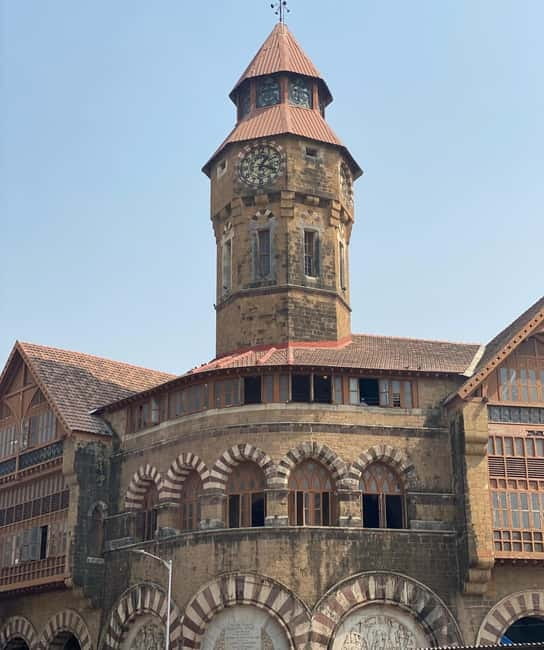
The meeting point is across from the viewing gallery for CSMT station, at or near Namah Sleeping Pods. CSMT is a practical starting point because it places you close to the first market streets and gives you a clear reference point in a busy part of Mumbai.
The first transfer is on foot and takes about 10 minutes. From there, the tour moves into market areas for shopping and sightseeing. The exact names of the two market stops are not provided, so you should think of this as a guided route through Mumbai’s major trading areas rather than a fixed museum-style visit.
That distinction matters. You are not signing up for a quiet, carefully arranged retail tour. You are heading into working streets where shops and vendors are focused on business. Wear comfortable shoes, keep your belongings secure, and be ready for uneven pacing as the group stops to look at goods.
Spices, tea, and dry fruit in the oldest market
The spice-market portion is one of the most distinctive parts of the route. You can look for spices, masala tea, and dry fruits while seeing how food products are sold in one of Mumbai’s oldest market areas.
If you enjoy cooking, this stop may be more useful than a standard souvenir shop. You can ask about what you are seeing and compare prices with help from the guide. The tour specifically includes advice about Indian textiles, but the guide can also help you understand the shopping process more generally.
The market will not be calm or spacious. You are likely to be walking through busy streets and compact retail spaces. That is part of the experience, but it may feel tiring if you prefer slow browsing or dislike crowds. I would keep your first purchases small until you understand how much you still want to carry during the remaining hours.
A shopping bag is worth bringing. The tour specifically recommends one if you plan to buy anything, and that advice is easy to follow. Sunscreen is also important, since the tour involves substantial walking outdoors in Mumbai’s heat.
The wholesale fabric market and textile advice
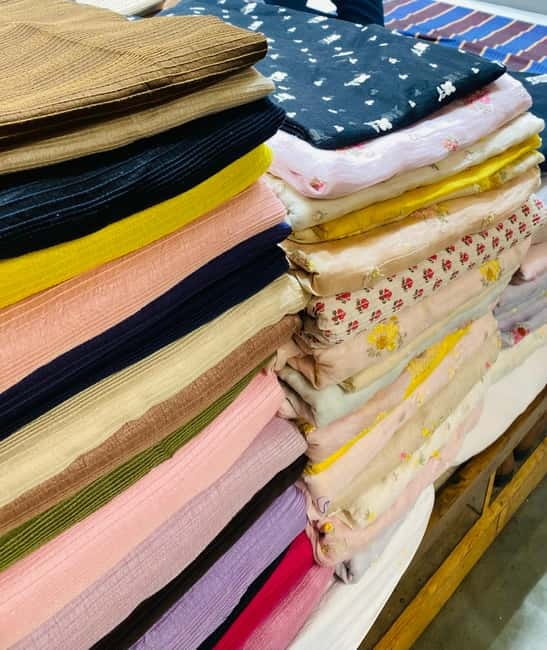
The fabric market gives this tour its strongest point of difference. Mumbai’s largest wholesale fabric market is a place to see textiles as a serious trade, not just as finished souvenirs. You can look for fabric while learning how Indian textiles are priced and sold.
Namrta is introduced as a fashion designer by profession. That background matters here. A guide with textile experience can give you a better sense of material, pattern, and possible value than a general city guide might. If you are shopping for fabric, clothing, or Indian-made accessories, this is the time to ask direct questions.
You should still make your own final choices. A guide can explain prices and other aspects of Indian textiles, but the tour does not include shopping costs, and no fixed buying allowance is provided. Treat the advice as a way to shop with more confidence, not as a guarantee that every item is a bargain.
The wholesale setting may also be more practical than decorative. Some people will enjoy seeing how a large fabric trade works. Others may prefer finished clothing in a designer shop. The good news is that the day includes both: the wholesale market and later stores selling Indian textiles, clothing, and accessories.
More Market Walking Tours in Mumbai:
- Bangkok: City Highlights Temple and Market Walking Tour
★ 4.5 · 3,990 reviews - Tokyo Tsukiji Fish Market Food and Culture Walking Tour
★ 5.0 · 3,184 reviews - Marrakech: Ben Youssef, Secret Garden, & Souks Walking Tour
★ 4.6 · 2,802 reviews - Marrakech: Colorful Medina Souks Guided Walking Tour
★ 4.7 · 2,470 reviews
From market streets to Kala Ghoda by black cab
At one point, the group takes a black cab for about 15 minutes. This breaks up the walking and connects the market district with Kala Ghoda in South Mumbai.
That short ride is a useful part of the plan. Five and a half hours on foot can feel long, especially in hot weather, so the cab provides a change of pace. It also lets you see a little more of the city between the two shopping areas without turning the experience into a full vehicle tour.
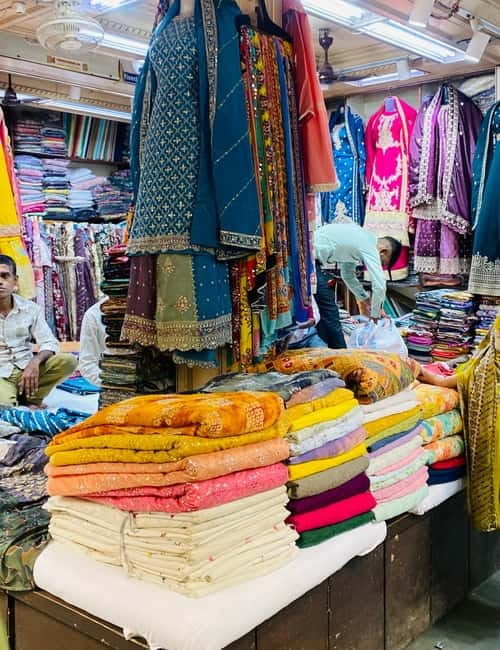
The route ends at the Kala Ghoda Statue. The final section includes a guided visit, shopping, sightseeing, and walking, with about 40 minutes listed for this part of the experience. Kala Ghoda is a natural finish for a tour focused on Indian design because the area includes creative stores selling made-in-India textiles, clothing, and accessories.
The tour description also points to designer, jewelry, accessory, home, and linen stores. These shops give you a different kind of shopping from the wholesale markets. Instead of mainly seeing goods in a trade setting, you can look at more finished and design-focused products.
Why the small group matters
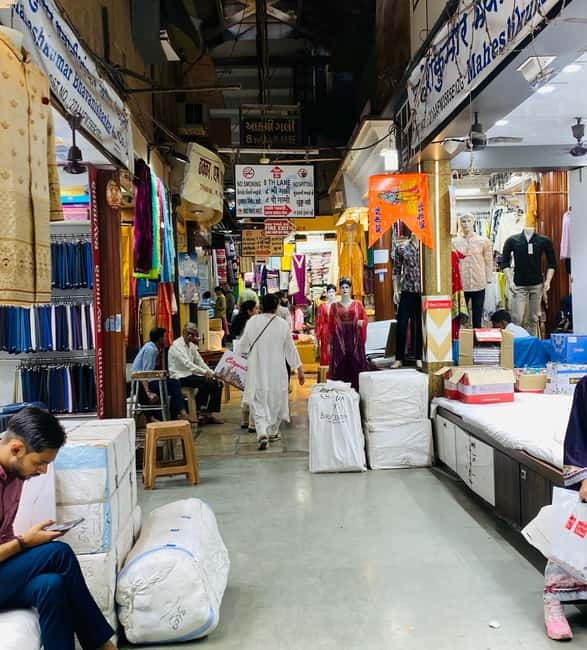
The group is limited to five participants. That is a strong feature for a market tour, where a large group can block shop entrances, lose people in a crowd, or make questions difficult.
With five people, you should have a better chance to stay near the guide and ask about prices, fabrics, and local shopping customs. The guide can also spend more time explaining an item without holding up a large party.
Small does not mean private. You may still share the experience with other participants, and the route remains a public market walk. If you want a fully personal shopping appointment, this is not described as a private tour. If you want a more manageable group while moving through crowded streets, the limit is useful.
The listed languages are English, Hindi, and Gujarati. That gives you several ways to communicate with the guide, while the shopping itself takes place in a local market setting.
What the $43 price covers
At $43 per person, the tour is priced as a guided half-day market experience rather than a simple walk through the streets. The value comes from the route, the small group, the guide’s time, and the shopping help, not from included goods.
Your admission includes the guide and a local snack or masala tea at the end. Shopping is not included, so set a separate budget if you want spices, fabric, clothing, jewelry, or home items. The price also does not include pickup.
I think the cost makes the most sense for you if you want context and help while shopping. If you already know Mumbai’s markets and prefer to browse alone, you may not need a paid guide. If this is your first market visit, the guide can save time and help you make better choices, especially at the fabric market.
The small group strengthens the value. A cheaper large-group outing might give you a route, but it may not offer the same chance to ask questions about prices and textiles.
What to bring for five and a half hours
The advertised duration is 5.5 hours, so plan for a real half-day outing. The route includes walking, market stops, a black-cab transfer, more sightseeing, and shopping at Kala Ghoda.
Bring:
- Comfortable walking shoes
- Sunscreen
- A shopping bag
- Enough room in your day for the full duration
- A budget for purchases, if you plan to shop
The shopping bag is not just a nice extra. Fabric, food products, and small accessories are easier to manage when you have something ready to carry them. Sunscreen also matters because the route includes outdoor walking, and the tour specifically warns you about Mumbai’s heat.
Dress for movement and warm conditions. The supplied details do not specify a dress code, so focus on comfort and practicality rather than dressing for a formal sightseeing visit.
Who will enjoy this market walk most
I would recommend this tour to you if you enjoy shopping with a purpose. It suits people interested in Indian textiles, spices, tea, accessories, jewelry, and made-in-India goods.
It is also a good fit if you want to see Mumbai through its working markets instead of only visiting major landmarks. The route gives you direct contact with vendors and shops, then adds the more design-focused atmosphere of Kala Ghoda.
You may want to skip it if you dislike crowded streets, extended walking, or bargaining and browsing. The tour is not built around relaxation. It asks you to stay active, pay attention, and accept the pace of a busy market district.
Families and older participants should consider the 5.5-hour duration and heat before booking. The available information does not specify accessibility details, so contact the provider if you need particular support.
Booking details that affect your choice
The tour offers free cancellation up to 24 hours before the start time. You can also reserve now and pay later, which helps if you are still arranging your Mumbai schedule.
The experience provider is listed as Purvi, while the tour introduction identifies Namrta as the guide and describes her work as a fashion designer. If having Namrta lead the tour is important to you, confirm the guide details when booking.
The tour starts at CSMT and ends at Kala Ghoda. There is no pickup, so plan your own way to the viewing gallery across from CSMT station. Since the walk finishes at Kala Ghoda rather than returning to the starting point, you should also plan the next part of your day from there.
Should you book the Markets of Mumbai Walking Tour?
Book it if you want a practical market experience with a small group, a textile-focused guide, and time to shop for real Indian goods. The combination of an old spice market, a major fabric market, and Kala Ghoda’s design shops gives the day a useful range.
Skip it if you want a short, quiet sightseeing walk or if you are not interested in buying or examining goods. The heat, crowds, and five-and-a-half-hour schedule are real considerations.
For the right person, the $43 fee is fair because you are paying for guidance through a complicated market area, not simply for transportation. Bring sunscreen, comfortable shoes, and a shopping bag, then leave room in your luggage for spices, fabric, or another find.
FAQ
How long is the Markets of Mumbai Walking Tour?
The tour lasts 5.5 hours. It begins near CSMT station and ends at the Kala Ghoda Statue.
Where does the tour start?
The meeting point is at Namah Sleeping Pods near CSMT. The directions specify a viewing gallery for CSMT station directly across from the meeting area.
Where does the tour finish?
The tour finishes at the Kala Ghoda Statue in South Mumbai.
What languages does the guide speak?
The tour is available in English, Hindi, and Gujarati.
Is shopping included in the price?
No. The price includes the guide and a local snack or masala tea at the end, but you pay separately for anything you buy.
What should I bring?
Bring sunscreen for Mumbai’s heat and a shopping bag if you plan to purchase spices, fabric, clothing, accessories, or other goods.
New market tours around Mumbai
- Mumbai: Local Markets & Temples Tour★ 4.6 · 45 reviews
- Night Tour: Mumbai’s Nights & Buzzing Bazaars★ 5.0 · 7 reviews
- Mumbai:Dhobi Ghat Laundry,Dharavi Slum & Flower market Tour★ 5.0 · 12 reviews
- Mumbai Morning Market Tour of Flowers, Fish, and More★ 5.0 · 100 reviews
- Mumbai Street Food Tour with Evening Bazaar Walk★ 4.9 · 79 reviews
- Mumbai Heritage, Street Food & Bazaar Walking Tour★ 5.0 · 4 reviews
- Mumbai Market and Temple Tour With Cow Shelter Visit★ 4.3 · 3 reviews
- Mumbai: Magical Markets Tour★ 4.5 · 23 reviews
Mumbai Market Tours, side by side.


Ultimate Mumbai Full Day: Sights, Bollywood Dance, Lunch & Spices
Read our review →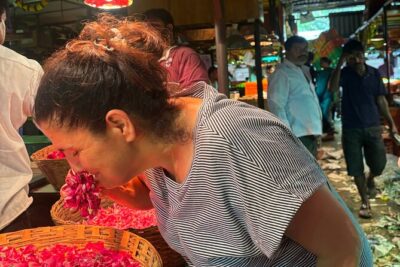
Mumbai Morning Market Tour of Flowers, Fish, and More
Read our review →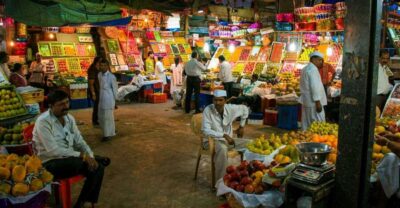


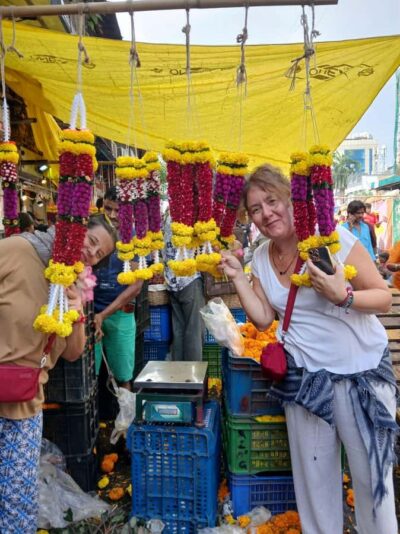
Mumbai:Dhobi Ghat Laundry,Dharavi Slum & Flower market Tour
Read our review →This tour also appears in