
Review · JAPAN
Okinawa Explorer: Shrines, Markets & Vibrant Streets
Naha’s best short walking route begins with ocean views at Naminoue Shrine and ends among the ceramic shops of Tsuboya. Along the way, you move from sacred ground to downtown shopping streets, a public market, and the everyday side of Okinawan city life.
I like the private group format, which lets you ask questions and set the pace within the fixed two-hour plan. I also like the route’s variety: the shrine gives you calm, the market gives you local flavor, and Tsuboya adds a hands-on look at Okinawa’s pottery tradition.
The main concern is time. Five sightseeing stops in two hours leave little room for browsing, eating, or getting lost on purpose. One early guide had guests use their phones to follow the map, so I would confirm the route and meeting point before setting off.
Key points
- Naminoue Shrine begins the tour with ocean views and a quiet change of pace from downtown Naha.
- HARBOR NAHA is viewed from the outside, so this stop is brief and mainly useful for city context.
- Kokusai-dori brings you into Naha’s main shopping and dining corridor.
- Makishi Public Market is a quick stop, not a full food tour or meal.
- Tsuboya Pottery Street is the tour’s strongest stop for traditional craft and local character.
- The $458 private rate works best for four people, but is costly for one or two.
From a seaside shrine to Naha’s old pottery quarter
This tour gives you a fast introduction to several different sides of Naha. You begin at Naminoue Shrine, move through the urban center, pause at a public market, and finish on Tsuboya Pottery Street. That range is useful if you have only a short time in town and want more than a single shopping street.
The route is made on foot, with the guide leading a private group of up to four people. The listed schedule allows about 30 minutes around the early stops, then 20 minutes each for Kokusai-dori, Makishi Public Market, and Tsuboya Pottery Street. The timing is tidy on paper, but it is also tight in practice.
You should think of this as a guided orientation walk rather than a slow food outing or an extended cultural visit. The guide supplies context and direction, while you decide which places deserve a return visit later.
More market tours around Japan:
- Tokyo Tsukiji Fish Market Food and Culture Walking Tour
★ 5.0 · 3,184 reviews - Tokyo: Tsukiji Fish Market Food and Walking tour
★ 5.0 · 1,724 reviews - Tokyo: Tsukiji Fish Market Guided Walking Tour
★ 4.9 · 1,397 reviews
Naminoue Shrine gives the route a calm opening
Naminoue Shrine is the right place to start. It is a spiritual site with scenic ocean views, and it gives you a quiet first look at Okinawa before the route turns toward downtown streets. The contrast matters: you begin with a sense of place, not with shops and traffic.
The stop is listed as the starting location, so plan to meet by the shrine rather than expecting pickup at your hotel. The activity ends back at this same meeting point, which makes the arrangement simple if you are already near Naminoue.
I would use this first portion to ask your guide how the rest of the walk is organized. One guide on an early outing had difficulty navigating and left the group checking phones for directions. That does not mean every tour will have the same issue, but it is sensible to confirm the next stop before leaving the shrine.
The shrine itself was the part that made the clearest impression on one guest who found the rest of the route less satisfying. Give it your attention rather than treating it as a quick photo stop. The setting and the spiritual atmosphere provide something that the commercial parts of Naha cannot.
The 3-chōme-1-1 Tsuji stop and the move into town
The itinerary includes a guided stop at 3-chōme-1-1 Tsuji for about 30 minutes. The supplied information does not identify a specific attraction at this address, so you should not book this tour expecting a named museum, temple interior, or ticketed sight there.
Instead, treat this portion as part of the route through Naha. Your guide can help connect the shrine area with the city center and point out what you are seeing as you walk. Since the activity is private, this is a useful moment to ask about local customs, nearby streets, or places to return to later.
This stop also shows why the tour works best for people who value explanation and orientation over a long list of formal attractions. You will cover ground, but not every minute will involve entering a major sight.
HARBOR NAHA is a short urban pause
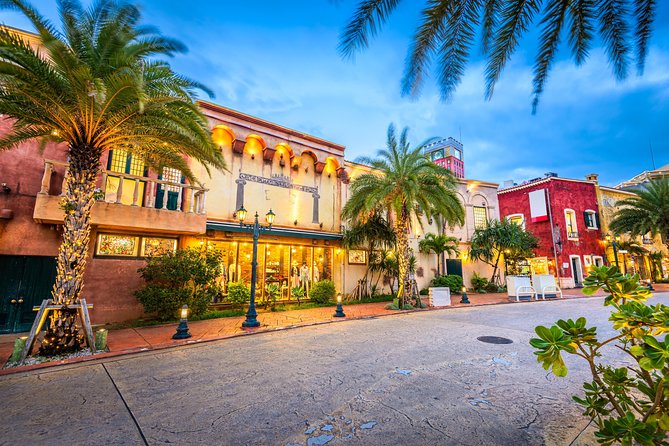
The tour includes a 30-minute guided visit around HARBOR NAHA, also identified by its Japanese name, バーハーバー. The description specifies that you see the exterior, so this is not presented as an indoor visit or a scheduled meal at the bar.
That detail sets the right expectation. HARBOR NAHA is part of the city experience, not the main cultural reason to book. The stop helps you notice how Naha mixes harbor-related activity, modern businesses, and older local districts within a compact urban area.
If you are hoping for a drink, entertainment, or time inside the venue, ask the guide what is possible on your date. Nothing in the activity details says that admission, food, or drinks are included.
The 30-minute allocation seems generous for an exterior stop, especially when the later market and pottery visits are shorter. Still, the time may include walking and explanation around the area rather than standing at one doorway. Keep your expectations modest and use the guide’s local knowledge to understand the surroundings.
Same city, another market:
- Nishiki Market Brunch Walking Tour (7 Tastings + Brunch)
★ 5.0 · 1,355 reviews - Tokyo Sushi Making Class in Tsukiji with Professional Chef
★ 5.0 · 1,177 reviews - Tsukiji Fish Market Guided Tour and Sushi Making with Pro Chef
★ 5.0 · 775 reviews - Tokyo: Tsukiji Fish Market Food and Culture Walking Tour
★ 4.7 · 757 reviews
Kokusai-dori brings you into Naha’s main street
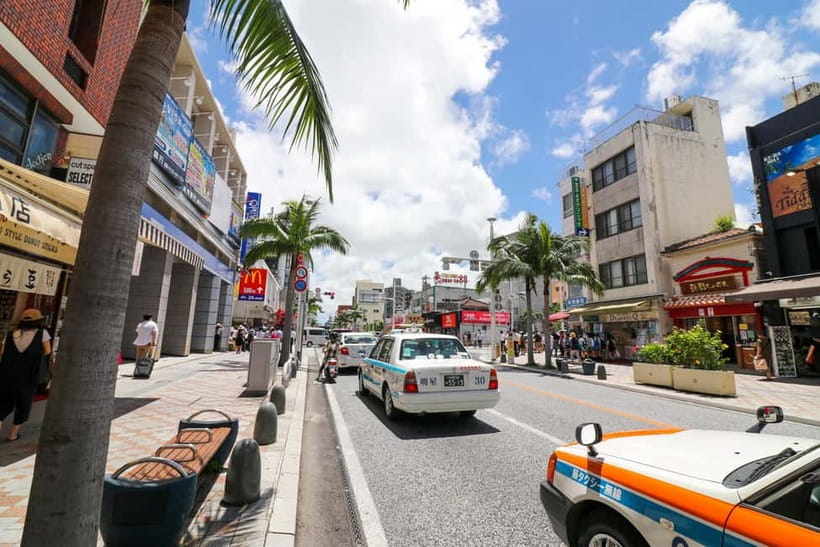
Kokusai-dori is the tour’s clearest look at modern Naha. The street is lined with shops and eateries and functions as one of the city’s main places for shopping, food, and people-watching. You get about 20 minutes here, enough for a guided look but not enough for a serious shopping session.
I would resist buying the first souvenir you see. Use this section to note the kinds of products and food available, then return later if something catches your eye. A guide can help you understand which parts of the street are worth more time, though the activity does not promise tastings or shopping discounts.
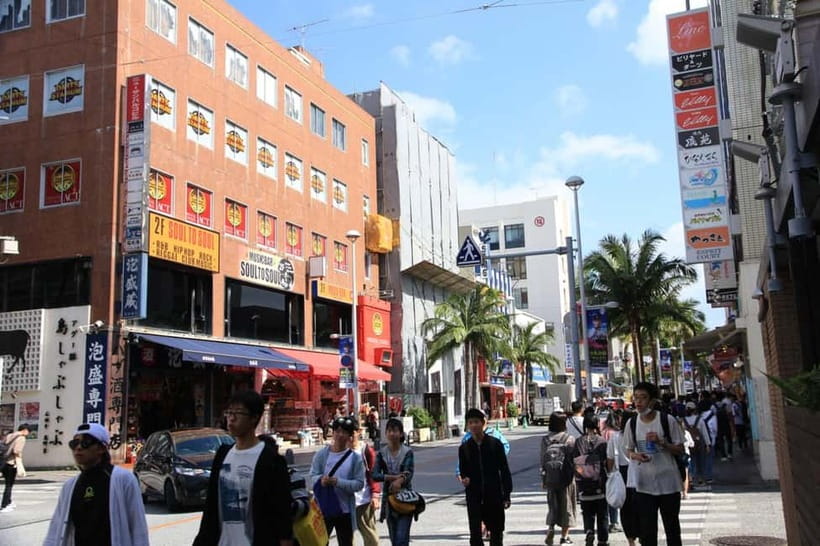
This stop can feel crowded and fast-moving, especially at popular times. The tour notes that conditions and access can change with the time of day and crowd levels. That is important in a city walk, since the same street can feel easy to navigate at one hour and packed at another.
Kokusai-dori is also where the tour’s pace becomes most apparent. Twenty minutes passes quickly once you stop for photos, questions, or a shop window. Enjoy the overview, then mark the street as a place to revisit on your own.
Makishi Public Market is useful, but keep the stop short
Makishi Public Market is included as a 20-minute guided stop and is described as a place to experience Okinawan food. It is a natural match for this route because it adds a daily, practical side of Naha after the shrine and commercial street.
You might find fresh local foods and busy market activity, but the tour does not include a meal or a structured tasting. Do not arrive assuming you will have time for a full lunch. Twenty minutes is enough to look around and get suggestions, but not enough to wander every aisle at leisure.
One direct account found the market worth only about five minutes before moving on. That is a useful warning for food-focused visitors. The market may be more valuable to you as a quick orientation stop than as the main event.
If you want to eat, ask the guide for advice, but remember that any restaurant visit is outside the stated tour inclusions. A small women-run restaurant later provided one participant with a welcome break from the busy streets and served either six or 12 small dishes. That restaurant is not part of the tour, and no claim is made that your guide will take you there, but the detail points to a good strategy: use the guided walk to gather ideas, then choose a meal at your own pace afterward.
Tsuboya Pottery Street is the route’s best finish
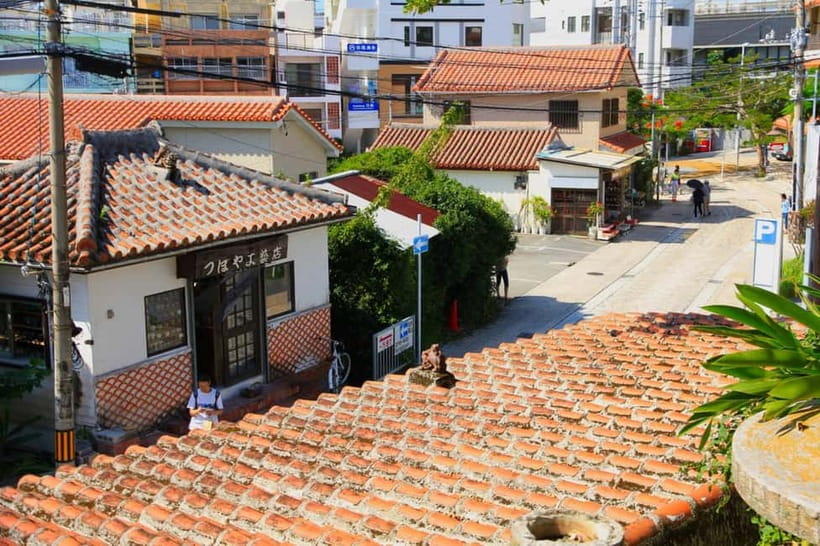
Tsuboya Pottery Street is the most distinctive final stop. Okinawa is known for its ceramics, and this street gives you a direct look at the craft through pottery shops and traditional workshop culture. The schedule allows about 20 minutes, so this is an introduction rather than an extended ceramics visit.
I would save room in your luggage if you like handmade objects. The information does not promise a purchase opportunity, prices, or shipping help, but the street is clearly included for its connection to Okinawan pottery. Ask your guide what makes the local ceramics different and which shops deserve a slower return visit.
The tour’s strongest praise came from a guest who walked from Naminoue Shrine all the way to Tsuboya Pottery Street and found the time worthwhile. That tells you something about the route’s appeal: the value is not only at the stops, but also in linking parts of Naha that you might otherwise see separately.
By ending here, the tour finishes with craft and local tradition rather than another broad shopping area. If you prefer handmade goods, streets with a strong sense of place, and a guide who can point out details you might miss, this is likely the most rewarding part.
How the two-hour schedule really works
Two hours is enough for a quick introduction, but it is not enough for deep browsing at every stop. The planned time adds up to roughly 120 minutes, including five guided sections after the meeting point. Any delay, photo stop, or crowded street can reduce time elsewhere.
The route also appears to be a walking tour. A guest specifically described walking from Naminoue-gu to Tsuboya Pottery Street, so wear comfortable shoes and be ready for a steady city walk. Exact walking distance is not provided, and the activity does not list transport.
The guide speaks English, and the group is private. That is a meaningful advantage for families, couples, or friends who want to ask questions without sharing the route with strangers. It also lets you tell the guide what matters most, such as pottery, food, shrine customs, or city orientation.
At the same time, private does not automatically mean polished. One early English-speaking guide was still learning the route and depended on guests to check a map. Another guide was informative and used humor well. The practical lesson is to confirm the meeting point, keep your phone charged, and speak up if the route becomes unclear.
What the $458 price means for your group
The price is $458 for a group of up to four people. At the maximum group size, that works out to $114.50 per person. For four friends or a family that values a private guide, the cost may be reasonable for a tailored introduction to Naha.
For two people, the effective cost rises to $229 each. For one person, it is a very expensive way to cover five short stops. The tour makes the strongest financial sense when all four spaces are filled.
The fee includes a professional local guide, but the supplied details do not include food, drinks, admission tickets, shopping costs, or transportation. Since the stops are described as outdoor or street-based, the main thing you are paying for is the guide’s time, route planning, and explanation.
I would compare this price with your own priorities. If you want a private English-speaking guide and have only a short window in Naha, the convenience may be worth it. If you are happy to walk independently, browse slowly, and use a map, you may get more value by visiting the shrine, market, Kokusai-dori, and pottery street on your own.
Who will enjoy this Naha walk most
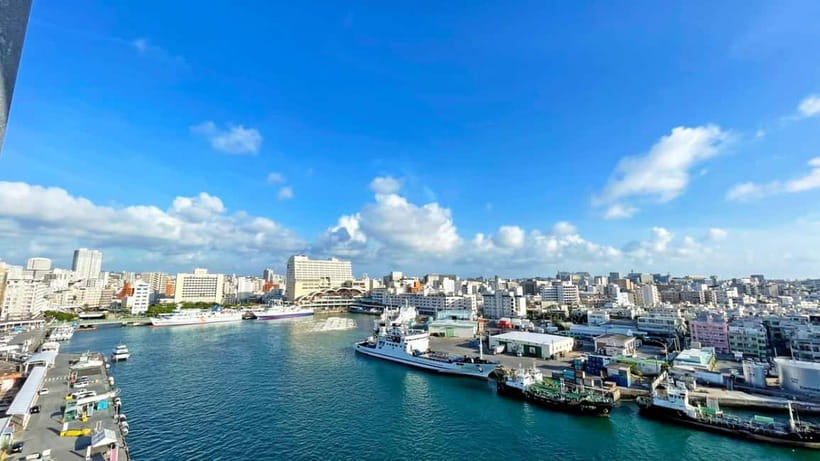
This activity suits you best if you want a first look at Naha and prefer a private route to a large group. It is also a good fit if you enjoy moving between different kinds of places rather than spending two hours at one museum or historic site.
You will likely appreciate it if:
- You have only two hours available.
- You want English-language guidance.
- You are traveling with up to three companions.
- You care about pottery, local food areas, and city streets.
- You want to finish back at the original meeting point.
You may want another plan if you are mainly seeking a long meal, serious market shopping, detailed shrine study, or an indoor visit to HARBOR NAHA. The schedule is too short for all of those.
The experience received mixed results, with one guide praised for information and humor and another outing weakened by route confusion. Since no guide name is supplied, you cannot choose a particular guide in advance. A flexible attitude will help, but you should still expect clear directions from a paid private tour.
Booking advice and practical details
You meet by Naminoue Shrine, and the activity ends back at that meeting point. Starting times vary, so check availability for the date you want. The tour is offered in English and is reserved for a private group.
You can cancel up to 24 hours ahead for a full refund, and you can reserve now while paying later. Those terms are useful if your Naha schedule is still changing.
Crowds and access can vary by time of day. That matters most at Kokusai-dori and Makishi Public Market, where a busy period can make the short stops feel even shorter. Comfortable walking shoes, a charged phone, and a little patience with the pace are sensible preparations.
Should you book Okinawa Explorer?
Book this tour if you are a group of four seeking a private, English-language introduction to Naha, especially if Naminoue Shrine and Tsuboya Pottery Street appeal to you. The route gives you a helpful first framework for the city and includes a good mix of spiritual, commercial, food, and craft stops.
Think twice if you are booking alone, want extensive time at the market, or expect a fully polished guiding performance. The $458 price is hard to justify for a small group, and two hours leaves little space for spontaneous exploration.
My practical verdict: the route is better than the time allocation. Share the cost with three companions, confirm the meeting details, and treat the tour as an orientation walk. Then return on your own to the market, Kokusai-dori, or Tsuboya for the slower experience those places deserve.
FAQ
Where does the tour start?
You meet by Naminoue Shrine in Naha.
Where does the tour end?
The activity ends back at the Naminoue Shrine meeting point.
How long does the tour last?
The tour lasts two hours.
What language is the tour conducted in?
The live tour guide speaks English.
Is this a private tour?
Yes. It is offered as a private group experience for up to four people.
How much does the tour cost?
The listed price is $458 per group of up to four people.
What places are included?
The route includes Naminoue Shrine, 3-chōme-1-1 Tsuji, HARBOR NAHA, Kokusai-dori, Makishi Public Market, and Tsuboya Pottery Street.
Can I go inside HARBOR NAHA?
The activity describes a visit to the exterior of HARBOR NAHA. It does not state that indoor admission is included.
Is food included at Makishi Public Market?
No food or meal is listed as included. The market is a guided sightseeing stop.
Can I cancel for a refund?
Yes. You can cancel up to 24 hours in advance for a full refund.
New market tours around Japan
- Taste of Nishiki Market Walking Food Tour with Local guide★ 5.0 · 17 reviews
- Private Toyosu & Tsukiji Market Adventure with Tuna Auction★ 4.8 · 191 reviews
- Osaka: Wakayama Cat Train, Seafood market, Hot Springs Tour★ 4.6 · 24 reviews
- Osaka: Food Tour Kuromon Market & Dotonbori with Guide★ 4.5 · 15 reviews
- Osaka: Kuromon Market Street Food Tour with Pro Local Guide★ 5.0 · 5 reviews
- Osaka: Cooking Class & Sake Tasting with Local Market Visit★ 4.8 · 31 reviews
- Osaka: Kuromon Market 1.5-Hour Seafood & Street Food Tour★ 5.0 · 8 reviews
- Kyoto: Nishiki Market Brunch Walking Tour-7 Tastings+Brunch★ 4.8 · 197 reviews
Japan Market Tours, side by side.
Tokyo Tsukiji Fish Market Food and Culture Walking Tour
Read our review →
Tokyo: Tsukiji Fish Market Guided Walking Tour
Read our review →
Nishiki Market Brunch Walking Tour (7 Tastings + Brunch)
Read our review →
Tsukiji Fish Market Guided Tour and Sushi Making with Pro Chef
Read our review →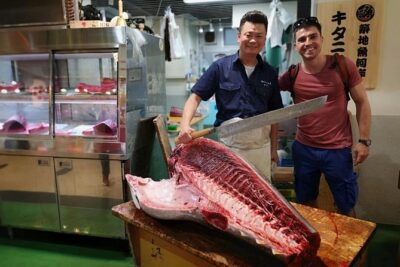
Tsukiji Fish Market Small-Group Food Walking Tour
Read our review →
Kuromon Market Food Walking Tour in Osaka (6 stops, 6 tastes)
Read our review →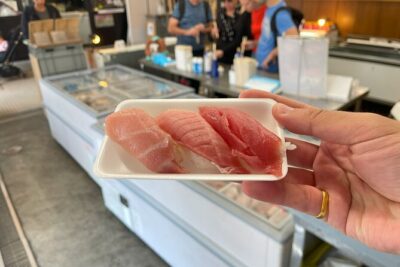
Tokyo Food Tour Taste Fresh Delights at Tsukiji Market
Read our review →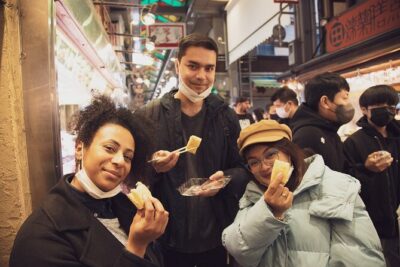
Kyoto Nishiki Market Food and Culture Walking Tour
Read our review →This tour also appears in