
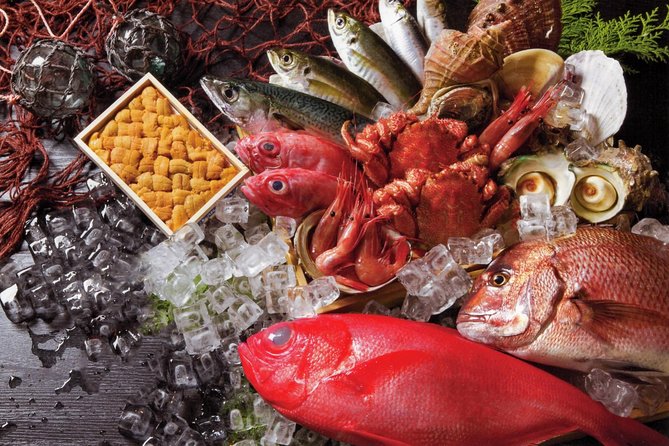
Review · OSAKA
Deep Dive: Osaka Food Markets from Local to Luxurious!
Osaka’s food story is best told through its markets, not just its famous restaurants. In four hours, you move from an upscale department-store food floor to Tenma’s local shopping streets, Japanese-Korean Tsuruhashi, Kuromon Ichiba, and the kitchen-supply arcades near Namba. The contrast is the point: polished, practical, traditional, and a little unruly.
I like the small group, limited to eight, and the chance to ask questions as you go. I also like that the tour shows four different sides of Osaka’s food life, rather than parking you at one market and calling it a day. The main caution is cost: at $59 per person, you still pay separately for every snack, drink, sample, and souvenir, plus 330 yen per adult for transportation during the tour.
Key points to know before booking
- Seven food-focused stops: The route includes Takashimaya, Pulala Tenma, Tenjinbashisuji, Tsuruhashi, Kuromon Ichiba, Doguyasuji, and Namba.
- A compact group: The tour accepts no more than eight participants, which gives you a better chance to speak with the guide.
- Food is not included: Budget extra for anything you want to taste or buy.
- Ferdinand may guide the tour: He brings Japanese and Korean market customs, local history, and his experience as a French person living in Japan into the walk.
- Four hours on foot: Comfortable shoes matter, and the route includes walking between districts.
- Three guide languages: You can book with an English, Spanish, or French-speaking guide.
Osaka food culture in one four-hour route
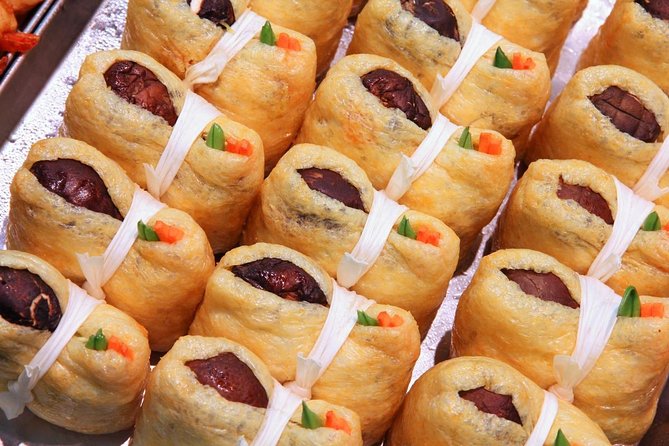
This is not a cooking class or a fixed meal. It is a guided walk through places where food is bought, displayed, prepared, sold, and used in daily life. That distinction matters. You are paying for context and navigation, not a string of included dishes.
The route begins at the McDonald’s directly in front of Tenma Station. From there, you spend about 25 minutes at each named stop, with time between areas for walking and the required local transportation. The schedule gives you a broad look at Osaka, but not a long, leisurely shop-by-shop visit in every market.
You should think of the $59 price as a guide fee for a small-group introduction to Osaka’s food districts. If you buy several snacks, seafood items, drinks, or souvenirs, your final cost rises. That can be a good arrangement if you want control over your spending. It is less appealing if you expect a food tour with a generous tasting menu built into the ticket.
More market tours around Japan:
- Tokyo Tsukiji Fish Market Food and Culture Walking Tour
★ 5.0 · 3,184 reviews - Tokyo: Tsukiji Fish Market Food and Walking tour
★ 5.0 · 1,724 reviews - Tokyo: Tsukiji Fish Market Guided Walking Tour
★ 4.9 · 1,397 reviews
Takashimaya: polished food shopping first
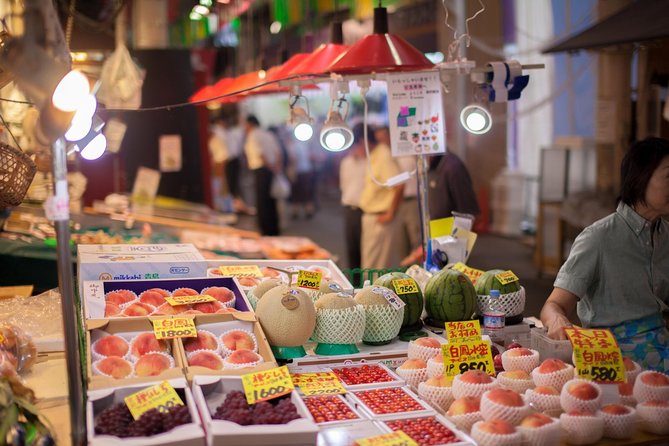
The route includes the TUMI Takashimaya Osaka Store, described as an upscale department-store marketplace. This gives you a useful opening contrast. Japanese department-store food floors are designed with care, and they show the refined side of food shopping before the tour turns toward more everyday markets.
You can expect guidance through the setting and an explanation of what makes this type of marketplace different from an open-air or street market. The stop lasts about 25 minutes, so you will get an introduction rather than time to examine every counter.
This is also a practical point to remember: the tour does not include samples or purchases here. If a beautifully packaged item catches your eye, it belongs in your own shopping budget. I like beginning with this stop because it gives you a clean reference point for the less polished markets later in the route.
Pulala Tenma and Tenjinbashisuji: the local rhythm
Next comes Pulala Tenma, also called the Tenma Ichiba Market Building. This is where the route shifts toward everyday shopping. The focus is on meats, fish, produce, and other staples rather than only on foods prepared for tourists.
That difference is important. A local market can teach you more about how people shop than a famous sightseeing stop can. You may see the practical side of Osaka food culture: ingredients, displays, and products intended for regular use at home. The supplied details do not promise specific tastings, so plan to look, listen, and buy only if something appeals to you.
The tour then reaches Tenjinbashisuji Shopping Street. The stop is listed as another 25-minute guided visit. Here, the value comes from seeing food within a larger shopping street rather than in an isolated market building. You get a sense of how food shops fit beside other local businesses.
I would pay close attention to the guide’s explanations at these two stops. Ferdinand, who guided one highly rated booking, was specifically appreciated for explaining customs, history, and his life in Japan. That kind of personal explanation can turn a quick walk past a stall into a clearer picture of why the market works as it does.
Tsuruhashi: Japanese and Korean food traditions together
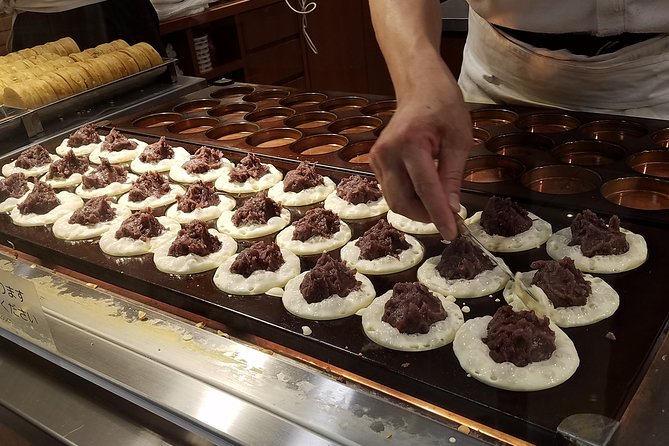
Tsuruhashi brings a different tone to the route. The tour describes it as a Japanese-infused Korea Town that few tourists visit. That makes it one of the more distinctive stops, especially if you want to see how neighboring food traditions meet in Osaka.
Expect a guided walk through a district connected with both Japanese and Korean food culture. The stop lasts about 25 minutes, so you will not have unlimited time to browse. Still, it gives you a focused look at a part of Osaka that may not appear on a standard first-time city tour.
This is also where Ferdinand’s background may add something unusual. He is French and lives in Japan, and his explanations include his own experience alongside information about Japanese and Korean customs. That does not replace a specialist food lecture, but it can make the conversation more personal and open.
Keep your expectations sensible. The tour data does not list included Korean dishes, tastings, or a sit-down meal. You can purchase food yourself, but every snack and refreshment is your responsibility.
Same city, another market:
- Nishiki Market Brunch Walking Tour (7 Tastings + Brunch)
★ 5.0 · 1,355 reviews - Tokyo Sushi Making Class in Tsukiji with Professional Chef
★ 5.0 · 1,177 reviews - Tsukiji Fish Market Guided Tour and Sushi Making with Pro Chef
★ 5.0 · 775 reviews - Tokyo: Tsukiji Fish Market Food and Culture Walking Tour
★ 4.7 · 757 reviews
Kuromon Ichiba: famous, crowded, and worth understanding
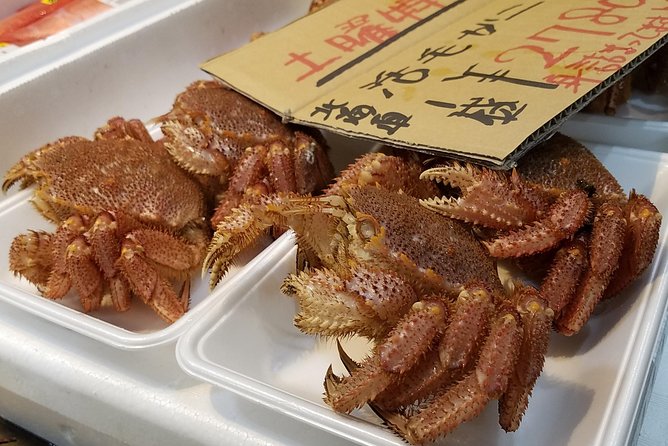
Kuromon Ichiba is the route’s most famous market stop. It is known for delicacies sold raw and cooked, with meat, seafood, and ready-to-eat items competing for your attention. This is the part of the walk most likely to feel like a classic Osaka food outing.
The guide helps you make sense of what you are seeing. That matters at Kuromon because a market full of unfamiliar products can become a blur of colors, smells, prices, and tempting displays. A native or near-native speaker can explain what an item is and how it fits into Japanese food culture, while you decide what, if anything, you want to purchase.
The planned visit is about 25 minutes. That is enough for an introduction and perhaps a carefully chosen snack, but it is not enough to eat your way through the market. Since samples and food are excluded, you will need to choose between staying with the group and stopping to buy something. Ask the guide how much time you have before making a purchase.
I like that Kuromon is not the entire tour. If you visited only this market, you might leave with an exciting but narrow picture of Osaka food. Here, it is one piece of a larger route that includes department-store shopping, local markets, Korean-influenced streets, and restaurant-supply shops.
Doguyasuji: the tools behind Osaka’s food scene
Sennichimae Doguyasuji Shotengai gives the tour a useful change of subject. This shopping arcade is associated with kitchen tools and restaurant supplies, so the focus moves from ingredients to the equipment used to prepare and serve food.
You may find items that make good souvenirs, but the supplied information does not promise particular products or prices. The stop is guided and lasts about 25 minutes. That makes it a quick introduction rather than a dedicated shopping expedition.
This stop helps explain why the tour is broader than a tasting walk. Food culture is not only about eating. It also includes knives, cookware, serving pieces, and the working tools that support restaurants and home kitchens. If you enjoy practical souvenirs, this may be one of the more useful places to browse.
Again, purchases are extra. The guide can give you context, but you decide what fits in your luggage and budget.
Namba: ending where Osaka keeps moving
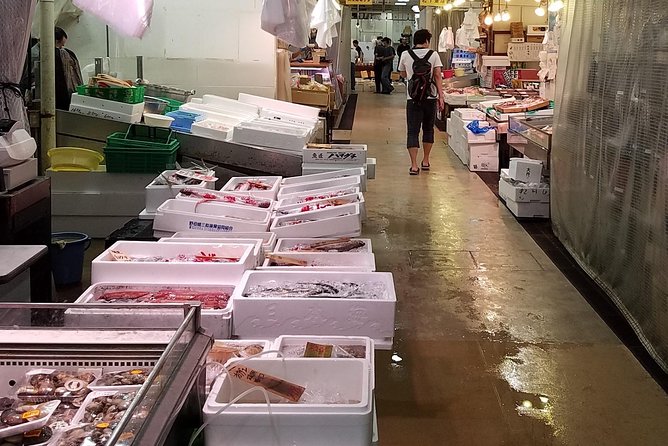
The route finishes in Namba, after stops at markets and shopping streets that lead you through several parts of the city. Namba is a sensible ending point for a food-focused walk because it keeps you near major shopping, dining, and entertainment areas.
The stop is listed as a guided visit of about 25 minutes. The supplied information does not specify a final restaurant, meal, or included tasting, so do not book this expecting the tour to end with lunch. Instead, use the guide’s information to decide what you want to explore or eat afterward.
Ending in Namba can work well for your schedule. You can continue your own food search after the tour, return to a favorite market, or simply stop for a meal once you have a better sense of what you are looking at. The tradeoff is that the tour does not remove the need to make those choices yourself.
What the small group changes
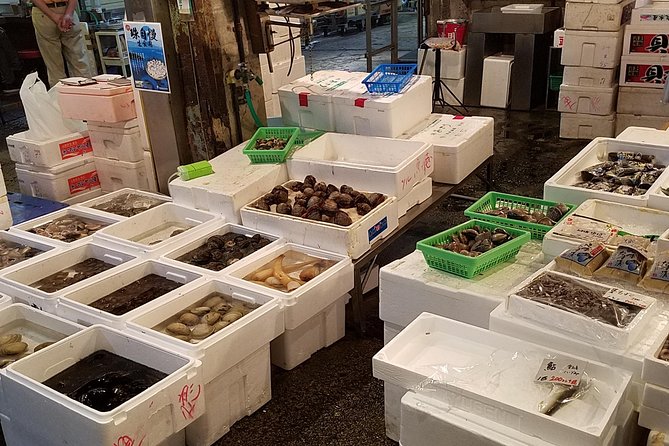
The group is limited to eight people. That is a strong feature for a market walk, where narrow passages, shop counters, and background noise can make a large group awkward.
A small group also gives you a better chance to ask direct questions. You can ask about an unfamiliar ingredient, a market custom, or the difference between a polished department-store display and a local stall. The guide’s language options are English, Spanish, and French.
Ferdinand guided the French booking that received a five-star rating. The comments specifically valued his explanations of Japanese and Korean markets, customs, history, and his life as a French person in Japan. If he leads your departure, you can expect a personal angle as well as the basic market tour. Guide assignments can vary, so I would not treat Ferdinand as guaranteed unless your booking confirms it.
Walking, transport, and your food budget
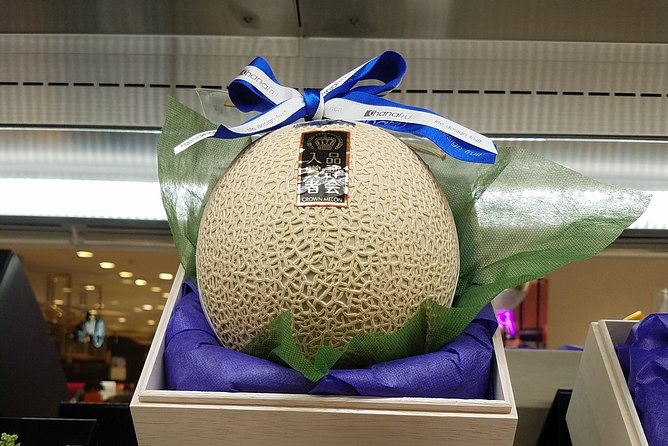
You need comfortable shoes. Four hours of moving through seven stops, with walking between them, is not a good fit for stiff footwear or a day when you want to stay seated.
Transportation during the tour is not included. The stated charge is 330 yen per adult. That is modest, but it is still worth adding to your mental price before booking. Food, samples, refreshments, and souvenirs are also excluded.
I suggest carrying enough money for spontaneous purchases while keeping a clear limit. The route includes raw and cooked delicacies, produce, meats, fish, and market goods. You may want to taste several things, or you may prefer to spend nothing and simply observe. The tour allows either approach.
Because each main stop is planned for about 25 minutes, avoid buying something that takes a long time to prepare unless the guide says you have room in the schedule. The best use of the tour is to let the guide keep you oriented, then return later to places where you want more time.
Who will get the most from this tour
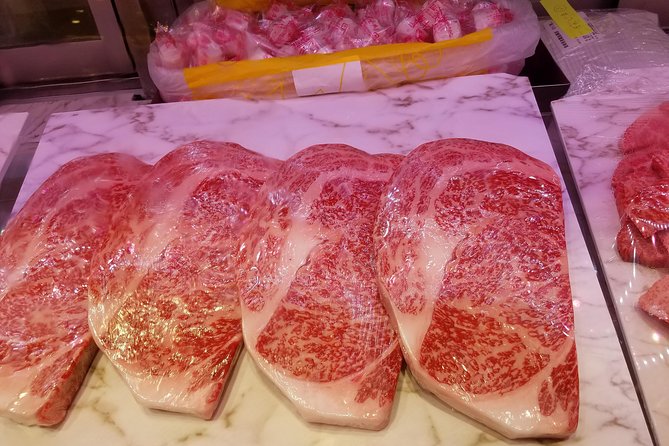
I would choose this experience if you want a broad first look at Osaka food culture and prefer explanation to wandering alone. It suits curious eaters who want more than a list of famous stalls, especially people interested in the connection between markets, local shopping streets, and kitchen equipment.
It also works well for you if you want a small group and a multilingual guide. The personal stories and cultural explanations praised in the French-language booking are valuable for someone who likes asking questions rather than simply following a route.
I would hesitate if you want a full meal, lots of included tastings, or long free time at each market. The schedule is active and wide-ranging. At $59, the tour makes the most sense when you value the guide’s interpretation and the convenience of linking distant food districts in one morning or afternoon.
The route may also feel too quick if you are a serious shopper. Twenty-five minutes is enough to get oriented, but not enough to compare every product at Kuromon, browse every kitchen shop, and linger over each food counter.
Booking details worth keeping in mind
You meet at the McDonald’s directly in front of Tenma Station. Starting times vary, so you need to check availability for your date. The activity lasts four hours.
You can cancel up to 24 hours in advance for a full refund, and you can reserve now while paying later. Those policies are useful if your Osaka schedule is still moving around.
The experience is offered in English, Spanish, and French. It uses a live guide, not a self-guided audio route. With only two written ratings available, the overall score is perfect, but the review base is small. I would put more weight on the clear structure of the tour and the detailed praise for Ferdinand’s explanations than on the score alone.
Should you book this Osaka market walk?
Book it if you want range, local context, and a small group. The route shows you more than the postcard version of Osaka, moving from Takashimaya’s polished food setting to Tenma’s staples, Tsuruhashi’s Japanese-Korean character, Kuromon’s famous stalls, Doguyasuji’s kitchen goods, and Namba.
Skip it if you want food included in the ticket or prefer to explore one market slowly. At $59 plus 330 yen transportation and your own purchases, it is not the cheapest way to grab lunch.
For the right person, though, the value is clear. You finish with a map in your head: where locals shop, where famous market food is sold, where Japanese and Korean food culture meet, and where the tools of Osaka’s kitchens are found. That kind of orientation can make the rest of your time in the city tastier and less random.
FAQ
Where does the tour meet?
The meeting point is the McDonald’s directly in front of Tenma Station.
How long does the experience last?
The tour lasts four hours.
Which languages are available?
The live tour is available in English, Spanish, and French.
Is food included in the $59 price?
No. Samples, food items, refreshments, and souvenirs are not included. You pay for snacks and other purchases yourself.
Is transportation included?
Transportation during the tour is not included. The stated cost is 330 yen per adult.
How large is the group?
The tour is limited to eight participants.
New market tours around Japan
- Taste of Nishiki Market Walking Food Tour with Local guide★ 5.0 · 17 reviews
- Private Toyosu & Tsukiji Market Adventure with Tuna Auction★ 4.8 · 191 reviews
- Osaka: Wakayama Cat Train, Seafood market, Hot Springs Tour★ 4.6 · 24 reviews
- Osaka: Food Tour Kuromon Market & Dotonbori with Guide★ 4.5 · 15 reviews
- Osaka: Kuromon Market Street Food Tour with Pro Local Guide★ 5.0 · 5 reviews
- Osaka: Cooking Class & Sake Tasting with Local Market Visit★ 4.8 · 31 reviews
- Osaka: Kuromon Market 1.5-Hour Seafood & Street Food Tour★ 5.0 · 8 reviews
- Okinawa Explorer: Shrines, Markets & Vibrant Streets★ 3.0 · 3 reviews
Osaka Market Tours, side by side.

Kuromon Market Food Walking Tour in Osaka (6 stops, 6 tastes)
Read our review →
Kuromon Market Tour: All inclusive 6~8 Dishes & 3~4 samplings
Read our review →
All Inclusive Kuromon Markets Tour: Flavors Of Osaka
Read our review →
Osaka: Cooking Class & Sake Tasting with Local Market Visit
Read our review →
Osaka: Food Tour Kuromon Market & Dotonbori with Guide
Read our review →
Osaka: Kuromon Market 1.5-Hour Seafood & Street Food Tour
Read our review →
Osaka: Kuromon Market Street Food Tour with Pro Local Guide
Read our review →This tour also appears in