
Review · OSAKA
All Inclusive Kuromon Markets Tour: Flavors Of Osaka
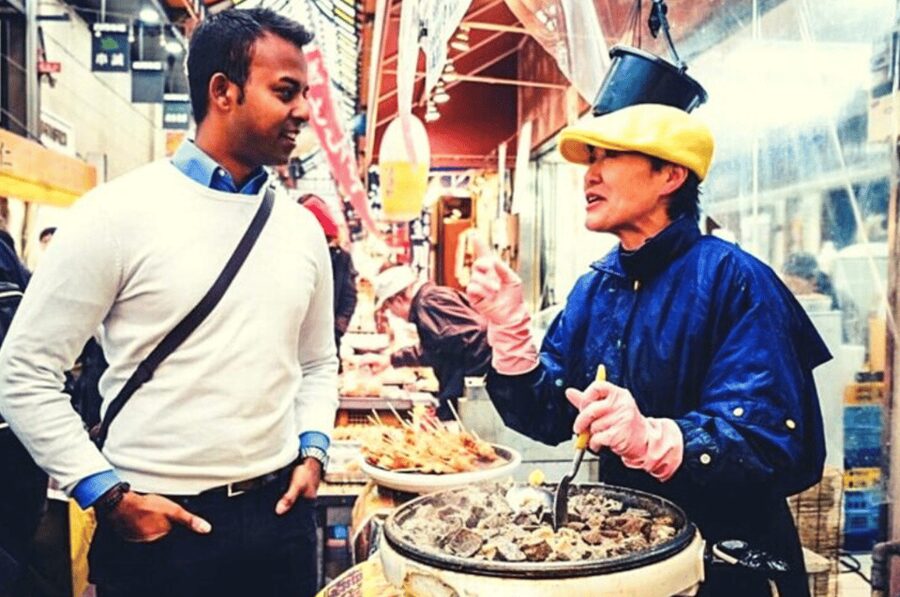
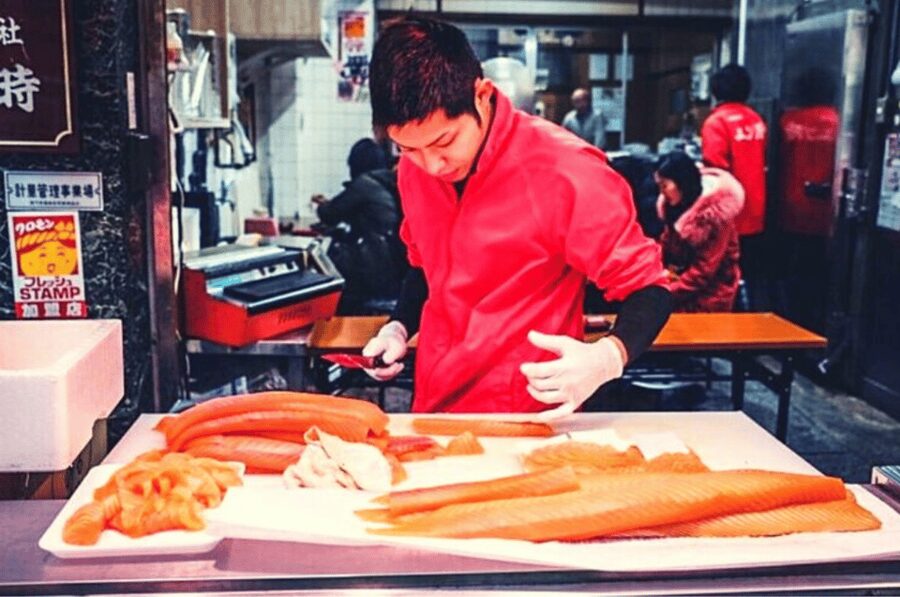
Kuromon Market is at its best when someone who knows the place guides you from one counter to the next. In two hours, you can taste scallops, tuna sashimi, gobo tempura, okonomiyaki, mochi, tea, pickled vegetables, dried fish, and wasabi beans without wrestling with handwritten menus or a language barrier. The guide does the ordering, which is a real help in this old market.
I like the small group of no more than nine and the way the tour works as both a meal and a lesson in Osaka food culture. Guides including Anna, Hikaru, Taka, Mico, and Hakuri have earned warm praise for their food knowledge, vendor connections, and helpful recommendations. The main catch is that this is strongly seafood-focused, so it is not a fit for vegans and may disappoint anyone seeking a broad range of meat or plant-based dishes.
Key Points Before You Book
- Taste a full spread in two hours: Expect 5 to 7 dishes plus 3 to 4 smaller tastings.
- Seafood leads the menu: Scallops, tuna sashimi, dried fish, and other fish or shellfish are central.
- Your guide handles ordering: This matters because many vendors speak little or no English.
- Meet at Nipponbashi Station Exit 6: Arrive around 1:45 to 1:50pm for the exact 2pm start.
- Keep the group personal: The tour is limited to nine participants.
- Budget $61 for a meal and market orientation: The value depends on how much you enjoy seafood and guided tastings.
Starting at Nipponbashi Station Exit 6
The tour begins at the top of the stairs at Exit 6 of Nipponbashi metro station. I would arrive by 1:45 or 1:50pm, not at 2pm. The start is firm, and on a short tour there is no practical way to catch up with the group later.
That strict timing is worth taking seriously. Kuromon Market is easy to reach by subway, but stations in Osaka can have several exits and a fair amount of foot traffic. Give yourself time to find Exit 6, check the map, and get upstairs before the meeting time.
There is no hotel pickup. You make your own way to the station, which keeps the meeting simple and helps the tour begin without delay. Once the guide has introduced the group, you head into the covered market.
More market tours around Japan:
- Tokyo Tsukiji Fish Market Food and Culture Walking Tour
★ 5.0 · 3,184 reviews - Tokyo: Tsukiji Fish Market Food and Walking tour
★ 5.0 · 1,724 reviews - Tokyo: Tsukiji Fish Market Guided Walking Tour
★ 4.9 · 1,397 reviews
Why Kuromon Market Works So Well for Food Tasting
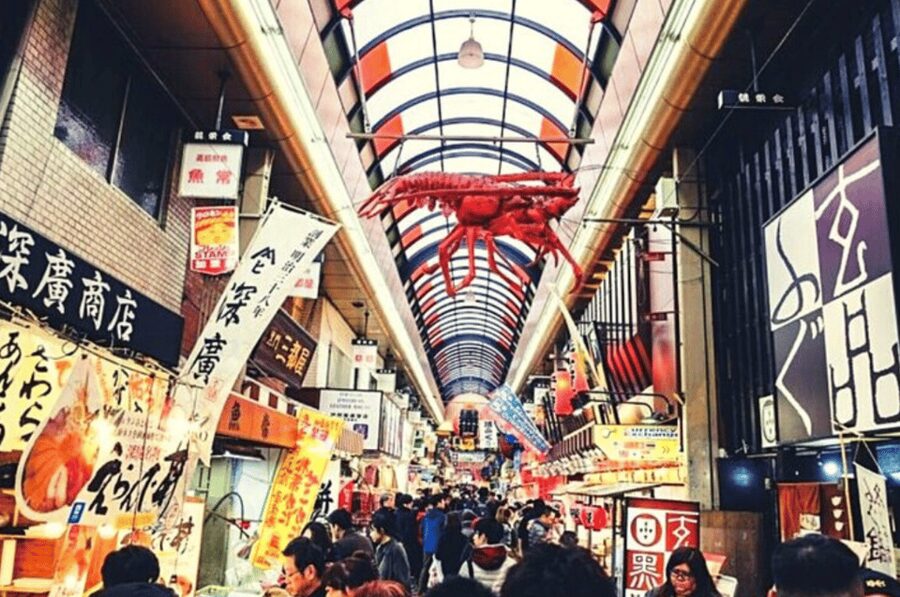
Kuromon Market has drawn food shoppers for more than 200 years. Its covered arcade brings together vendors selling fresh food, cooked snacks, sweets, tea, preserved items, and useful kitchen goods.
This is not just a row of restaurants with a guide leading you from table to table. You see counters where vendors focus on a particular dish or ingredient. Some recipes and methods have been passed through generations, and the food is prepared in the same public setting where local shoppers come to browse and eat.
The market can feel confusing at first. Menus may be handwritten in Japanese calligraphy, and many sellers do not speak English. Even if you can read some Japanese, a quick decision at a busy food counter is not always easy.
That is where the tour earns its keep. Your guide orders each item, explains what you are eating, and describes how it is prepared. You still get the market experience, but you avoid spending half your time pointing at an unfamiliar menu and hoping for the best.
The First Bites: Scallops, Fish, and Market Specialties
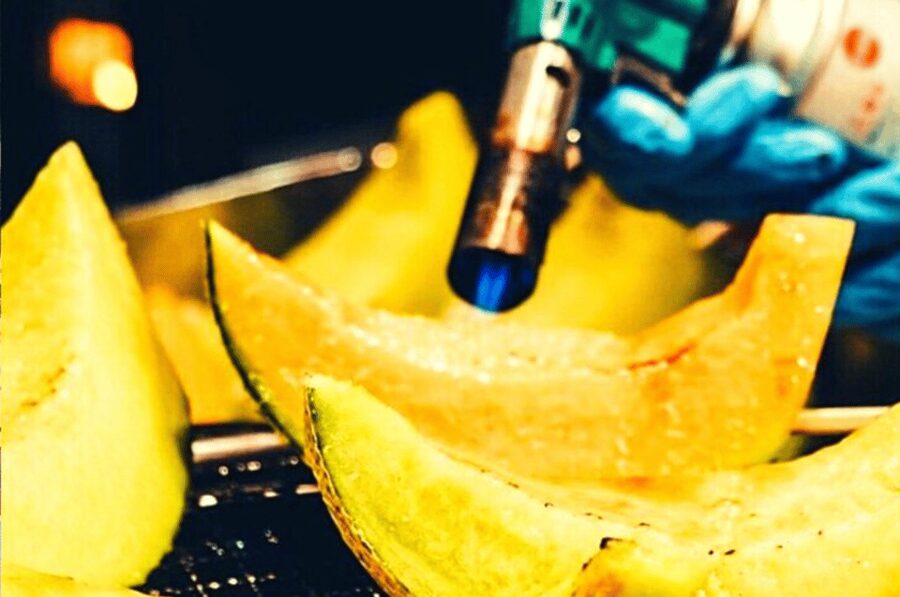
The exact order of tastings can change, but the food list gives you a clear idea of the experience. Scallops and tuna sashimi form part of the seafood core, with other fish and shellfish likely to appear as the guide selects dishes from the market.
The appeal is variety within a short walk. You are not committing to one large meal. Instead, you try small portions from several vendors and get a sense of how Osaka presents seafood, snacks, and prepared food.
If you are comfortable with raw fish, tuna sashimi is one of the more direct ways to appreciate the market’s focus on fresh ingredients. If you prefer cooked food, the scallops and other prepared items may be easier starting points. You should still come ready for seafood, since fish or shellfish make up much of the tasting menu.
A past participant found the food both diverse and filling, especially after arriving without lunch. That is useful advice: this may look like a snack walk, but 5 to 7 dishes plus several small samples can add up to a hearty meal.
Gobo Tempura and Okonomiyaki Bring More Balance
The tour is not limited to raw seafood. Gobo tempura gives you a taste of burdock root, a familiar Japanese ingredient with a crisp fried coating. It is a useful contrast to sashimi and seafood dishes, with a different texture and a more earthy flavor.
Okonomiyaki adds another Osaka favorite to the route. Often described as a savory Japanese pancake, it gives the tasting a warm, cooked centerpiece and shows why Osaka is closely linked with casual comfort food.
These dishes matter because they keep the meal from becoming a long sequence of similar bites. Seafood remains the main theme, but tempura and okonomiyaki add crunch, heat, and a more substantial feel.
The selection is guided rather than fixed in the way a restaurant tasting menu might be. That can be a strength, since the guide can respond to the market and the group. It also means you should not assume every listed food appears in exactly the same order or portion size.
Same city, another market:
- Nishiki Market Brunch Walking Tour (7 Tastings + Brunch)
★ 5.0 · 1,355 reviews - Tokyo Sushi Making Class in Tsukiji with Professional Chef
★ 5.0 · 1,177 reviews - Tsukiji Fish Market Guided Tour and Sushi Making with Pro Chef
★ 5.0 · 775 reviews - Tokyo: Tsukiji Fish Market Food and Culture Walking Tour
★ 4.7 · 757 reviews
Sweet Bites, Tea, and Small Tastings
The savory food is followed or balanced by sweets and pantry-style samples. Cherry blossom red bean mochi offers a soft, sweet finish, while green tea provides a classic Japanese drink alongside the food.
You may also taste pickled vegetables, dried fish, and wasabi beans. These smaller samples are important because they show the everyday side of Japanese food culture. A market is not only about dramatic seafood portions. It is also about preserved flavors, snacks, tea, and ingredients people buy to take home.
One especially useful detail is that the guide can help with recommendations after the included tastings. Anna was praised for helping order mochi to take away, and that kind of assistance can be valuable when you find a favorite but cannot work out the ordering process yourself.
The tasting list includes 3 to 4 smaller samples in addition to the main dishes. I would treat these as part of the cultural education, not filler. Pickled vegetables and dried fish can be unfamiliar, but they help you understand the range of flavors used in Japanese meals.
Guides Make the Difference
The strongest part of this experience is the guide. Names mentioned by participants include Anna, Hikaru, Taka, Mico, Hakuri, and Michael. The guide assigned to your date may differ, but the format gives you an English-speaking local who can explain the food and manage the vendor interactions.
Hikaru and Hakuri were both praised for their food expertise, and Hakuri also works as a chef. That background can add useful detail about ingredients, cooking methods, and the wider food scene in Osaka.
Anna was praised for her warm connection with vendors and for making the food easy to approach. Taka was described as fun and helpful, while Mico was noted for recommendations and market history. These details point to an experience that depends heavily on the person leading it, but they also show the range of help you can receive.
I would use the guide actively. Ask why one item is prepared a certain way, how a dish is normally eaten, or which food is worth seeking out later. The more questions you ask, the more this becomes a food lesson rather than a simple sampling route.
A Small Group and a Two-Hour Pace

With a maximum of nine people, the group is small enough for questions and close enough to stay together in the market. That matters in a narrow covered arcade, where a large group could block counters or make it hard to hear.
Two hours is a good length for a first taste of Kuromon Market. You get enough time for several dishes without committing half a day to one neighborhood. The tradeoff is pace. You will move from stop to stop, and there may not be much free time to browse every shop.
One guide sometimes adds a look at Dotonbori when the schedule allows. Do not count on that as a formal part of the tour, but it may be a useful extra if the group finishes with time to spare.
Because the tour starts at 2pm, you have a practical choice to make about lunch. Eat a light breakfast or early snack if you need one, but avoid a large lunch if you want to appreciate the food. Several dishes and tastings can leave you quite full by the end.
What $61 Really Gets You

At $61 per person, the cost is not simply paying for a few bites. You are paying for the food, the guide’s time, the ordering help, and the explanation of a market that can be hard to navigate alone.
I think the price works best for a first visit to Osaka, especially if you want to try foods you might not order independently. The guide reduces the risk of choosing something you cannot identify, and the small group keeps the experience more personal than a large coach-style food tour.
The value is weaker if you already know Kuromon Market well, speak Japanese comfortably, and feel happy choosing your own food. It is also less appealing if you do not eat seafood. Since much of the tour centers on fish and shellfish, you should not book it expecting an even split between seafood, meat, vegetables, and sweets.
The inclusions are substantial for a two-hour experience: 5 to 7 dishes, 3 to 4 tastings, food culture commentary, and help finding Japanese knives and tableware for souvenirs. The latter is useful if you want something practical rather than another decorative keepsake.
Who Should Book This Food Walk?
I would recommend it to first-time Osaka visitors who want an easy introduction to Japanese market food. It suits curious eaters who enjoy trying small portions and asking questions, especially people who feel unsure about ordering from handwritten menus.
It also works well for solo visitors and couples who want company at the market. The group limit of nine makes it easier to share dishes and compare impressions without the outing feeling like a large tour.
Families should think about their children’s eating habits before booking. The menu is seafood-heavy, and the supplied information does not promise child-specific alternatives. Pregnant women and vegans should not book this activity, as they are specifically listed as unsuitable.
If you are a serious food enthusiast, the tour’s best feature is the guide’s explanation of why the dishes matter. The food is only half of the experience. The other half is learning how Osaka vendors present everyday ingredients, snacks, sweets, and prepared dishes.
Practical Details That Can Save Your Afternoon
Book with the 2pm meeting time in mind and arrive early at Nipponbashi Station Exit 6. The tour starts sharply, and arriving late means you may miss it entirely.
Free cancellation is available up to 24 hours before the tour for a full refund. You can also reserve now and pay later, which helps if your Osaka schedule is still changing.
The tour is conducted in English and lasts two hours. The experience provider is Osaka Food Tours, Inc. Since there is no hotel pickup, plan your route to the station before the day begins rather than trying to find the meeting point at the last minute.
Bring an appetite, but do not assume the food will be light. The combination of main dishes and samples can amount to a full meal. I would also leave room in your plans for buying a snack, mochi, tea, a Japanese knife, or tableware after the guided portion ends.
Should You Book the Kuromon Market Tour?
Book it if you want a friendly, guided introduction to Osaka’s food culture, especially if Japanese menus and vendor counters feel intimidating. The combination of seafood, okonomiyaki, tempura, sweets, tea, and preserved foods gives you a broad taste of the market in a short time.
Skip it if you are vegan, pregnant, strongly opposed to seafood, or already feel confident ordering throughout Kuromon Market on your own. For everyone else, $61 is a fair price for a filling two-hour meal with an English-speaking guide who can explain the food, handle the ordering, and point you toward worthwhile purchases afterward.
FAQ
Where does the Kuromon Market tour meet?
It meets at Nipponbashi metro station, Exit 6, at the top of the stairs.
What time should I arrive?
Arrive between 1:45 and 1:50pm for the exact 2pm start. Late arrivals cannot catch up with the group.
How long does the tour last?
The tour lasts two hours.
Is hotel pickup included?
No. You must make your own way to Nipponbashi Station Exit 6.
How many people can join the tour?
The group is limited to nine participants.
What language is the tour conducted in?
The live tour guide speaks English.
What food is included?
The tour includes 5 to 7 dishes and 3 to 4 smaller tastings. Examples include scallops, tuna sashimi, gobo tempura, okonomiyaki, cherry blossom red bean mochi, green tea, pickled vegetables, dried fish, and wasabi beans.
Is the tour suitable for vegans?
No. Vegans are listed as unsuitable for this activity.
Is the tour suitable for pregnant women?
No. Pregnant women are listed as unsuitable for this activity.
Can I cancel for a refund?
Yes. You can cancel up to 24 hours in advance for a full refund. You can also reserve now and pay later.
New market tours around Japan
- Taste of Nishiki Market Walking Food Tour with Local guide★ 5.0 · 17 reviews
- Private Toyosu & Tsukiji Market Adventure with Tuna Auction★ 4.8 · 191 reviews
- Osaka: Wakayama Cat Train, Seafood market, Hot Springs Tour★ 4.6 · 24 reviews
- Osaka: Food Tour Kuromon Market & Dotonbori with Guide★ 4.5 · 15 reviews
- Osaka: Kuromon Market Street Food Tour with Pro Local Guide★ 5.0 · 5 reviews
- Osaka: Cooking Class & Sake Tasting with Local Market Visit★ 4.8 · 31 reviews
- Osaka: Kuromon Market 1.5-Hour Seafood & Street Food Tour★ 5.0 · 8 reviews
- Okinawa Explorer: Shrines, Markets & Vibrant Streets★ 3.0 · 3 reviews
Osaka Market Tours, side by side.

Kuromon Market Food Walking Tour in Osaka (6 stops, 6 tastes)
Read our review →
Kuromon Market Tour: All inclusive 6~8 Dishes & 3~4 samplings
Read our review →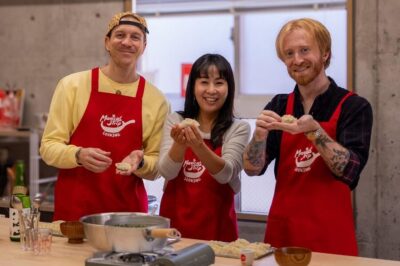
Osaka: Cooking Class & Sake Tasting with Local Market Visit
Read our review →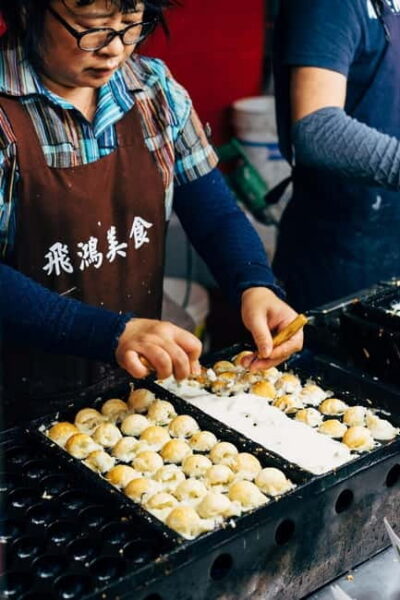
Osaka: Food Tour Kuromon Market & Dotonbori with Guide
Read our review →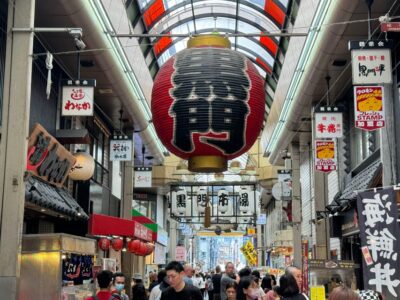
Osaka: Kuromon Market 1.5-Hour Seafood & Street Food Tour
Read our review →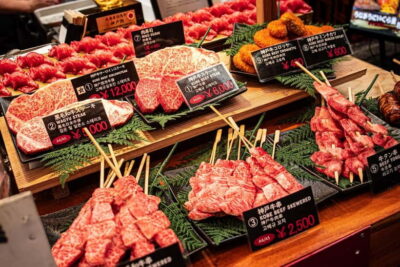
Osaka: Kuromon Market Street Food Tour with Pro Local Guide
Read our review →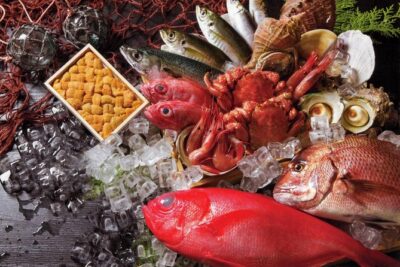
Deep Dive: Osaka Food Markets from Local to Luxurious!
Read our review →This tour also appears in