
Review · TANZANIA
Arusha: Traditional Tanzania Cooking class& Food Market Tour
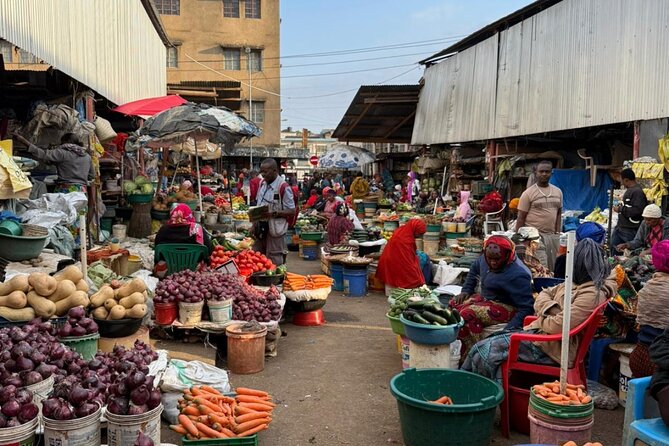
Arusha’s food story begins at the market, not at a restaurant. You walk among sacks of dry goods, fresh produce, meat, and other daily staples, then use what you find to prepare a Tanzanian meal with Neema, a local cook. The market-to-kitchen format gives you a useful look at how food moves from stall to plate.
I like the chance to cook four familiar dishes, including chapati, ugali, plantain banana, and vegetables. I also like that guides such as Liroy and Israel explain the products, answer questions, and help you shop for the ingredients rather than handing you a fixed menu.
The main drawback is that the class can take longer than expected, and drinks are not included. The cooking takes place in a simple local home, where hygiene may not match the standards you are used to, especially when meat is prepared.
Key points to know
- Market first, cooking second: Spend about 30 to 50 minutes at a central Arusha food market before choosing and buying ingredients.
- A hands-on class: Neema demonstrates each step, then lets you complete much of the work yourself.
- Four Tanzanian dishes: Prepare plantain banana, chapati, ugali, and vegetables, with stewed or barbecued meat available as an option.
- A personal setting: The cooking takes place in a small local home rather than a formal culinary school.
- Hotel pickup included: Pickup and return are provided for hotels in Arusha town.
- Plan for a relaxed pace: The class can last from one to three hours, so the total five-hour schedule may feel flexible.
From Arusha hotel pickup to the central market
The experience starts with pickup at your hotel near central Arusha. That is useful in a city where finding a particular market entrance or local home can take time, and it keeps the morning simple.
Transport details may vary. One recent arrangement used a tuk-tuk to reach the market, which adds a small local touch to the transfer. You should not expect a private sightseeing vehicle or a polished culinary shuttle. This is a practical way to move around town, with the feel of an ordinary Arusha outing.
The advertised duration is five hours. The detailed schedule allows about 30 to 50 minutes for the market and one to three hours for cooking, with time left for transport, shopping, eating, and returning to your hotel. One itinerary description also shows a 12-hour block for Arusha, so I would treat the five-hour length as the useful planning figure and confirm the start time when you book.
English is the stated tour language. The guide team has included Liroy, also spelled Leroy in one account, and Israel. They are not simply there to point out stalls. They explain products, vendors, and everyday life, and they make room for questions.
More Market and Cooking Class Tours in the world:
- Hanoi Cooking Class: Culture, Local Market & Meaning CSR Impact
★ 5.0 · 5,147 reviews - 5 Traditional Dishes Hanoi Cooking Class with Market Trip
★ 5.0 · 4,890 reviews - Cooking Class and Lunch at a Tuscan Farmhouse with Local Market Tour from Florence
★ 5.0 · 4,831 reviews
Reading Arusha through its food market
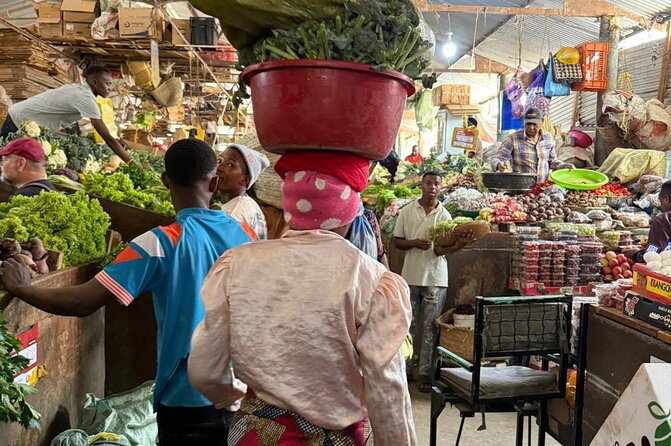
The central market is the strongest part of the experience for anyone who wants more than a restaurant meal. You have roughly 30 to 50 minutes to walk through the stalls, take photos, and see the ingredients that shape Tanzanian cooking.
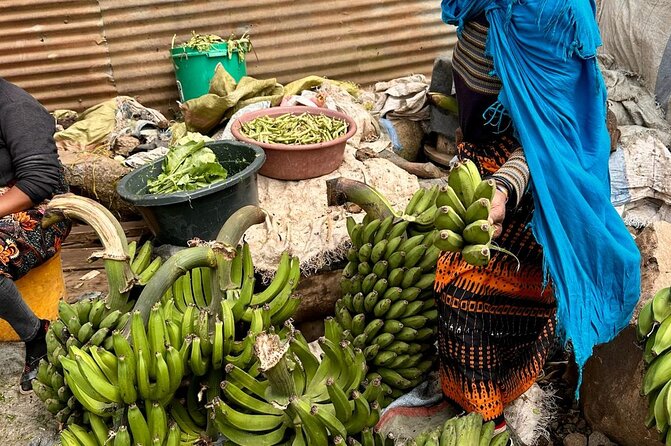
Expect a mix of dry foods, meat, fruit, vegetables, and other market goods. The point is not to race through a checklist of produce. It is to notice how ordinary food is sold and handled, and to understand what a cook actually buys for a family meal.
A guide makes a real difference here. Liroy has explained products and the people selling them, while also helping visitors stay aware of workers carrying heavy loads through the market. That kind of practical attention matters in a busy public place. Keep close, watch where you step, and ask before photographing people.
The visit can include more than one market. One arrangement used the central market for the walk and a smaller market for buying the cooking ingredients. That is a worthwhile detail because it shows two sides of local shopping: the large public market and the smaller place where a cook might pick up specific items.
You may also interact directly with local people. The experience allows photos, but respectful behavior is still important. Ask permission before taking close portraits, especially when photographing vendors at work.
The market is not a staged food show. It can feel crowded, practical, and a little rough around the edges. That is precisely why it works for a curious visitor, but it may not suit anyone looking for a quiet, polished tasting tour.
Choosing the menu with your cooking team
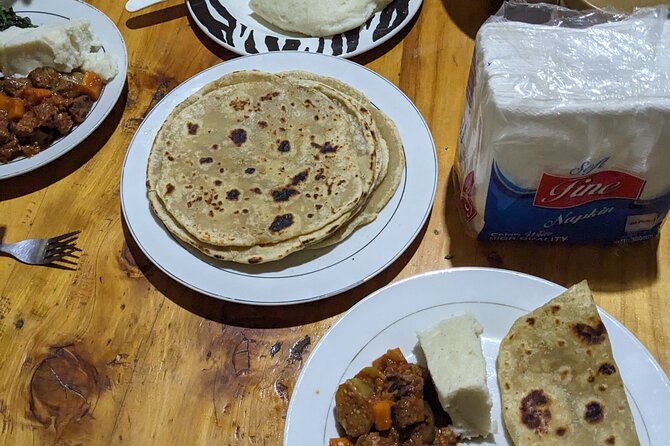
After the market, you discuss what to cook. The set dishes include plantain banana, chapati, ugali, and vegetables. Meat can be added as a stewed or barbecued dish for those who want it.
The menu gives you a good introduction to several basic parts of Tanzanian cooking. Plantain banana brings a starchy, filling element. Chapati adds a flatbread that requires handling dough and cooking it properly. Ugali is another staple, made into a firm accompaniment, while vegetables provide a simpler balance to the plate.
One account describes choosing three dishes from four local options. The exact menu choice may depend on the ingredients available, your group, and the time. If you have strong preferences, tell the guide early, before shopping begins.
This is not a class built around fancy plating. The value comes from learning the everyday method. You see which ingredients are bought, how they are prepared, and how several dishes are timed so they reach the table together.
Meat is optional, which makes the class easier to adapt to different tastes. The available meat preparation may be stewed or barbecued. The supplied information does not specify a vegetarian menu beyond the listed vegetable and starch dishes, so explain your dietary needs when arranging the tour.
Cooking with Neema in a local home
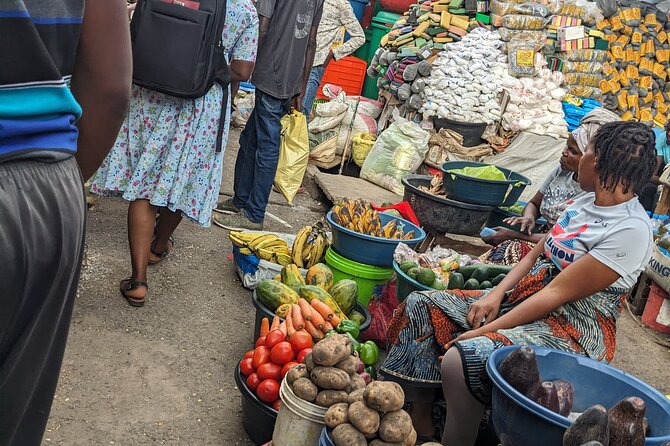
The cooking session lasts from one to three hours. That is a wide range, but it reflects the informal nature of the activity. A small menu and a quick group may finish sooner. A larger or more talkative group may take longer.
Neema leads the class in a simple local home with a washroom. You cook on charcoal and propane stoves, rather than in a modern demonstration kitchen. The setting gives you a closer look at how the meal is made in a real household, but you should adjust your expectations.
Neema demonstrates a step, then has you take over part of the work while she handles another task. This makes the class genuinely hands-on. You are not only watching a chef chop and stir while standing safely out of the way.
Expect a social session. You cook with the guide and chef, ask questions, and share the work. Photos of you cooking may be taken during the class. If you prefer not to be photographed, say so at the start.
The simple setting is part of the appeal, but it also raises practical points. Soap and water are available, yet one detailed account noted that handwashing and cleaning of cutting boards did not reach typical United States standards after handling meat. All food in that account was fully cooked, but I would still wash your hands carefully, avoid touching your face, and mention any food safety concerns before preparation begins.
Wear comfortable clothes and long pants. Comfortable shoes are required because the market walk and cooking session involve standing. Leave weapons and sharp personal objects at home. Cooking tools and ingredients are supplied.
More Market Food Tours in the world:
- Dubai: Old Town, Creek, Museums, Souks, & Street Food Tour
★ 4.8 · 10,816 reviews - Dubai: Old Town, Souks, Street Food, Guided Tour & Abra Ride
★ 4.9 · 7,170 reviews - Dubai Aladdin Tour: Souks, Creek, Old Dubai and Tastings
★ 5.0 · 3,755 reviews - Chef Guided Food Tour of Pike Place Market
★ 5.0 · 3,733 reviews
Sitting down to eat what you made
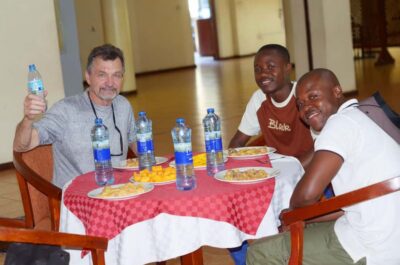
The final meal is the payoff. You sit with the group and eat the dishes you prepared, which makes the flavors easier to understand than they would be in a restaurant. You remember the work behind the chapati, the texture of the ugali, and the way the vegetables fit with the starches.
The meal is included, but drinks are not. Bring or buy water, and do not assume tea, soda, beer, or juice will be waiting. Water and beer were obtained during one outing, but that was a helpful extra rather than a listed inclusion.
If food remains, you may be able to pack some for another meal at your hotel. This depends on how much is prepared and what remains, so think of it as a possible bonus, not part of the guaranteed service.
Sharing the meal is also where the experience feels most personal. You have spent time with the guides, shopped for the ingredients, cooked alongside Neema, and then sit down together. It is a small group-style social experience rather than a quick lesson followed by a separate restaurant stop.
What the $45 price really covers
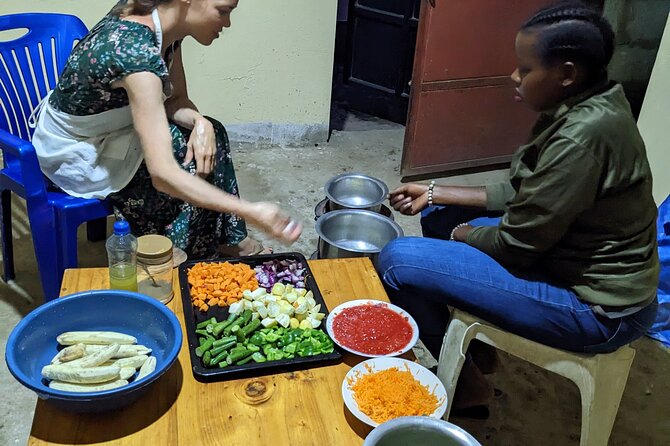
At $45 per person, the price is reasonable for a five-hour experience that includes hotel pickup and drop-off, market guiding, ingredients, cooking instruction, and the meal itself.
The value is strongest if you would otherwise pay separately for transport, a market guide, and a cooking class. You also get access to a local home setting and a guide who can explain daily food shopping in Arusha. Those details are harder to gain from a standard restaurant meal.
The price does not include drinks or accommodation. It also does not promise a formal culinary facility, professional equipment, or a set of restaurant-style courses. If those are your priorities, this may feel basic. If you care more about participation and local contact, the price makes sense.
The class is especially good before or after a safari. It gives you something grounded in daily life, not just wildlife and scenic drives. You return with recipes and practical skills that can be used at home, which adds lasting value.
Who will enjoy this Arusha food experience
I would choose this for curious eaters, couples, families with older children, and anyone who likes to learn by doing. It also suits people who want a gentle introduction to Arusha before heading into a longer itinerary.
It is a good match for you if you enjoy markets, asking questions, standing in a kitchen, and eating a simple shared meal. You do not need advanced cooking ability. The chef demonstrates the steps, and the recipes are meant to be approachable.
You may want to skip it if you dislike informal settings, have strict concerns about kitchen hygiene, or need a tightly timed schedule. The class can run long, and the home is simple. Guests who need a fully accessible or highly controlled cooking environment should ask specific questions before booking, since no accessibility details are provided.
The food itself is not designed as a luxury tasting menu. You are learning to make filling, everyday dishes. That is the right expectation and part of the charm.
Practical advice before you go
Wear long pants and shoes that are comfortable for walking and standing. Market floors and home cooking spaces may not be perfectly even, so leave delicate footwear behind.
Carry water money, since drinks are excluded. A small camera or phone is useful, and photography is allowed, but ask before photographing individuals.
Tell the guide about food preferences before the market visit. Meat is optional, and the menu can involve choosing among several dishes, but the supplied details do not promise specific allergy-free or vegetarian substitutions.
Give yourself room in your schedule after the class. The advertised duration is five hours, while the cooking itself can take one to three hours. A relaxed pace is part of the experience, and rushing would undercut the market visit and shared meal.
Free cancellation is available up to 24 hours before the activity for a full refund. You can also reserve and pay later, which helps if your Arusha schedule may change.
Should you book it?
Book this experience if you want to see how a Tanzanian meal begins, help buy the ingredients, and cook in a real local setting. The market walk, hands-on work with Neema, and shared meal give you more contact with daily life than a restaurant visit alone.
The best reason to go is the combination of market context and kitchen participation. Liroy, Israel, and Neema add a personal layer, while the recipes give you something useful to take home.
Think twice if you expect polished facilities, included drinks, strict timing, or professional kitchen hygiene. For everyone else, $45 is a fair price for a relaxed, social introduction to Tanzanian food in Arusha.
FAQ
Where does the experience begin?
Pickup is provided from hotels in Arusha town, especially hotels near the city center.
How long does the activity last?
The advertised duration is five hours. The market visit takes about 30 to 50 minutes, and the cooking class lasts between one and three hours.
What language is the tour conducted in?
The live guide and activity are provided in English.
Which dishes will I cook?
The listed dishes are plantain banana, chapati, ugali, and vegetables. Meat can also be prepared as a stew or barbecue for those who want it.
Is a meal included?
Yes. You eat the dishes prepared during the class. If food remains, you may be able to pack some for later.
Are drinks included?
No. Drinks are not included, so plan to obtain water or another beverage separately.
Can I take photos?
Yes. Photography is allowed during the market visit and cooking class. Ask people before taking close photographs of them.
What should I wear?
Wear comfortable clothes, long pants, and comfortable shoes suitable for walking and standing.
What happens if I need to cancel?
You can cancel up to 24 hours in advance for a full refund. The activity also offers a reserve-now-and-pay-later option.
New market tours around the world
- Tel Aviv: 2-Hour Carmel Market Tour in English with Lunch★ 4.8 · 23 reviews
- Tel Aviv: Carmel Market & Neighborhood Guided Walking Tour★ 4.7 · 3 reviews
- Tel Aviv: 2-Hour Jaffa Flea Market Tour with Tastings★ 4.9 · 8 reviews
- Tel Aviv: Carmel Market Food Tasting Tour “Shuk Hacarmel”★ 4.0 · 8 reviews
- Tel Aviv: 2-Hour Levinsky Market Tour with Full Lunch★ 4.7 · 10 reviews
- Tbilisi 2 Parks: Turtle Lake & Dedaena Park with Flea Market★ 5.0 · 3 reviews
- Tbilisi: Street Food & Sightseeing Tour with Local Markets★ 5.0 · 8 reviews
- Teguise: Market and César Manrique Foundation Tour★ 4.3 · 39 reviews
Tanzania Market Tours, side by side.
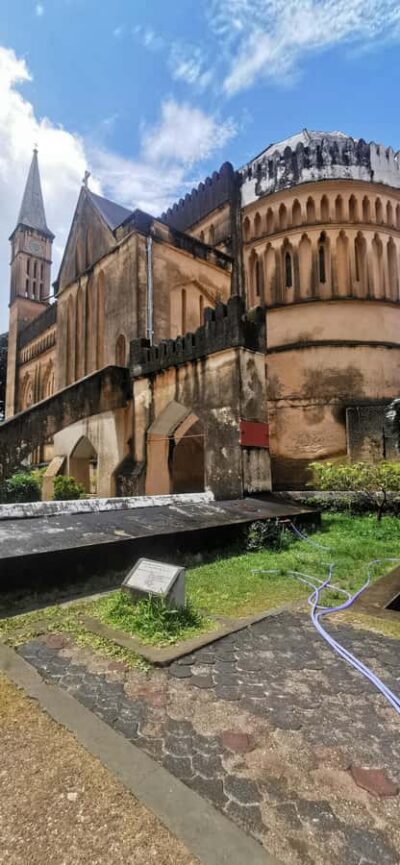
Zanzibar: 3 Hours Private Stone Town walking Tour with Guide
Read our review →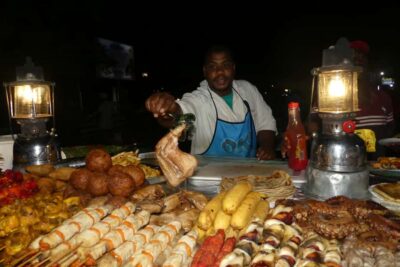
Stonetown: Food Markets and Street Food Walking Tour
Read our review →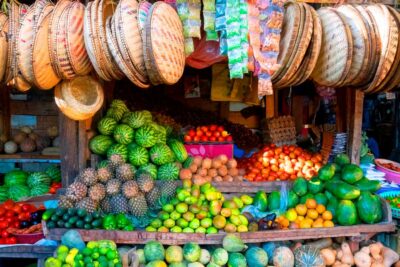

Moshi, Kilimanjaro: Local Market Shopping Experience
Read our review →This tour also appears in