
Review · TANZANIA
Moshi: Town tour and Local Markets tour
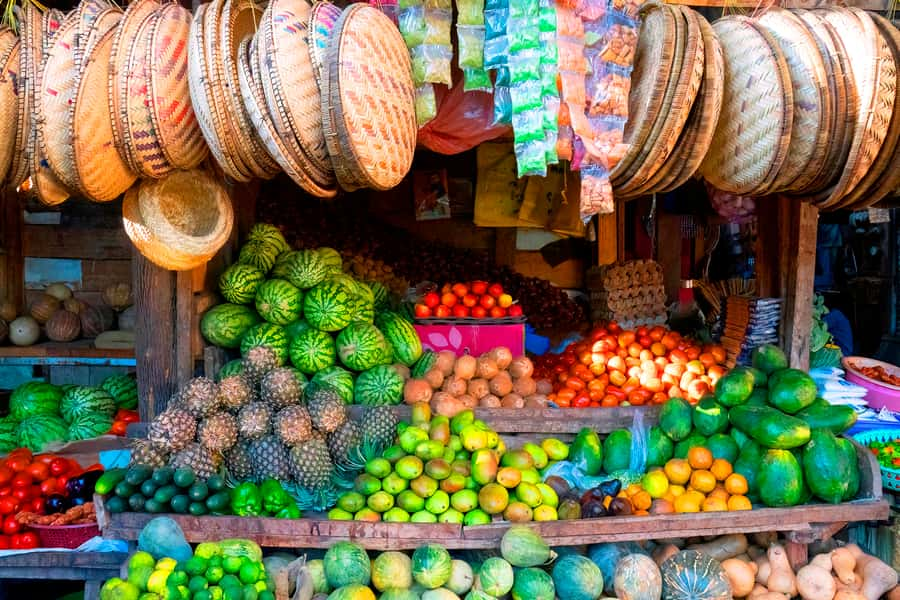
Moshi’s markets are the real attraction here. Instead of treating town as a staging point for Kilimanjaro, this tour shows you where people buy food, clothes, spices, fish, and daily necessities. Isaac guides you through the noise and movement, explaining what you are seeing in clear English. I especially like the fruit tasting and the stop at the railway station, where you get a little history and, weather permitting, a photo of Mount Kilimanjaro.
Two things make this a strong value: hotel pickup and drop-off are included, and the tour connects ordinary places that are hard to understand on your own. The SIM banking explanation, bus station visit, and community-focused craft shop add useful local context. The main consideration is that markets are working places, not polished attractions. Expect walking, crowds, uneven surfaces, and plenty of activity rather than a quiet sightseeing circuit.
Key points to know before booking
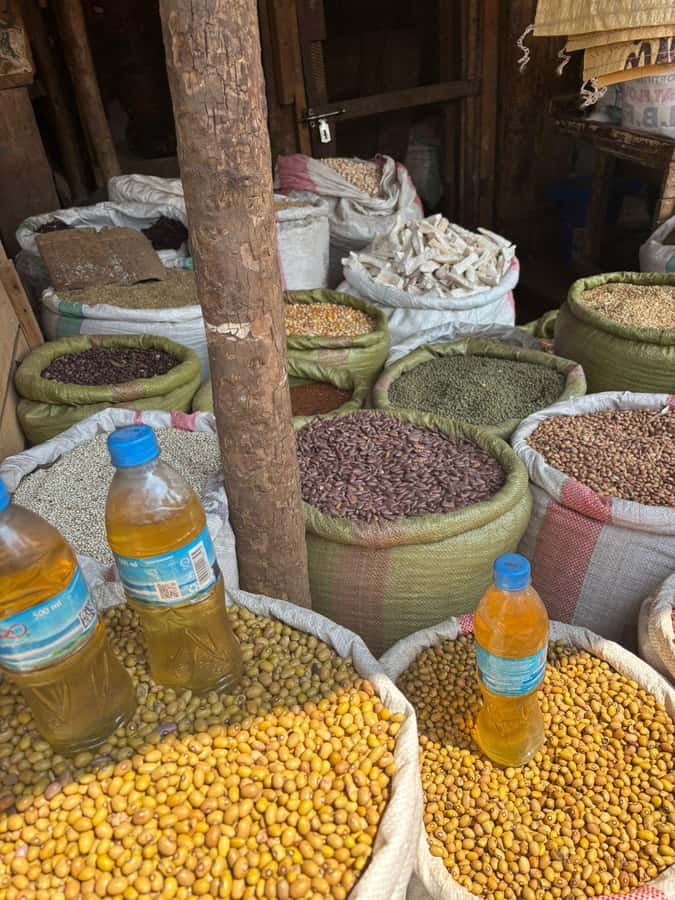
- Three different markets: Compare the produce-focused Manyema and Mbuyuni markets with Moshi’s Main Market.
- Isaac leads the tour: He is praised for clear English, friendly communication, flexibility, and practical help.
- Fruit tasting included in the experience: You can sample local fruit, while other food and drinks are not included in the price.
- Railway and Kilimanjaro views: Begin at Moshi train station for a short history lesson and a possible mountain photo stop.
- Coffee, SIM banking, and daily business: The tour explains modern routines as well as market life.
- Community-minded shopping: Blue Zebra Art sells crafts, Tanzanite, and goods linked to support for disabled makers, orphans, and people in need.
Why Moshi’s markets are worth your morning
At $25 per person for three hours, this is a modestly priced introduction to Moshi. You are not just being driven past town landmarks. You get a look at how food moves through the city, how people pay bills and send money, and how the markets support everyday work.
I like tours that explain ordinary life without dressing it up for sightseeing. This one does that well. A banana stall, a fish counter, a bank sign, or a bus stand may seem simple at first, but Isaac helps connect each place to the way people live and earn money.
The experience is conducted in English and includes bottled water, transport from your lodging, and the return drive. Food and drinks are not included, so bring some Tanzanian shillings if you want to buy fruit, coffee, tea, or something else along the way. The fruit tasting is part of the planned experience, but you should not treat the $25 as an all-inclusive food tour.
The pace is fairly full. The scheduled stops range from 15 to 25 minutes, with 20 minutes at Coffee Union Cafe. That gives you a good overview, though it does not leave unlimited time at every stall. If you want to linger over fabrics, spices, or souvenirs, ask Isaac early about adjusting the timing.
More Local and Farmers Market Tours in the world:
- Hanoi Cooking Class: Culture, Local Market & Meaning CSR Impact
★ 5.0 · 5,147 reviews - Cooking Class and Lunch at a Tuscan Farmhouse with Local Market Tour from Florence
★ 5.0 · 4,831 reviews - Chef Guided Food Tour of Pike Place Market
★ 5.0 · 3,733 reviews
Starting at Moshi train station
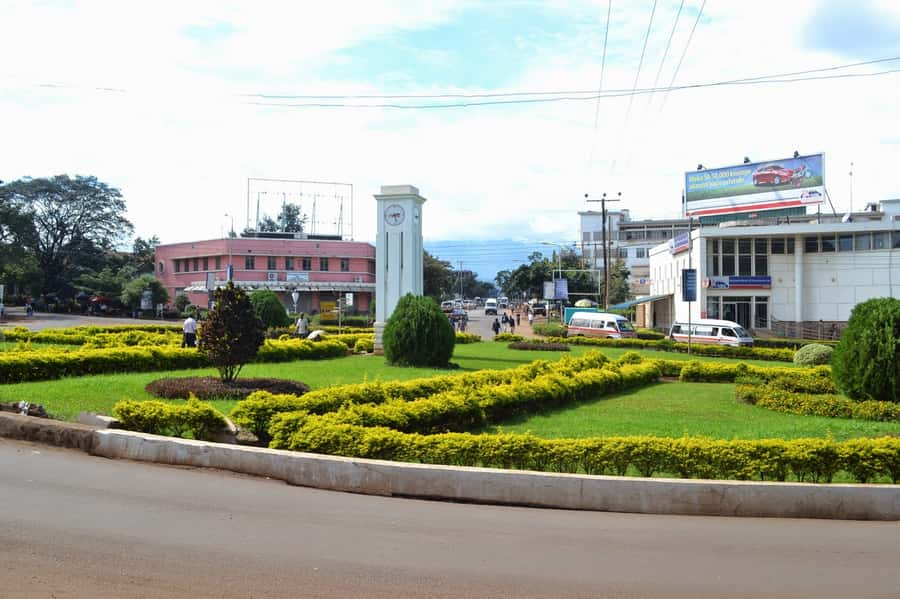
The tour begins with pickup in Moshi Urban and a drive to the train station. This opening stop gives the morning a useful sense of place. You learn about the railway and its role in connecting Tanzania, then have time for photographs and sightseeing.
The station also offers a possible view toward Mount Kilimanjaro. The mountain is not guaranteed to appear, since clouds and weather control the view, but the stop gives you a chance to take a panorama if conditions cooperate. Bring your camera, but do not judge the tour by the mountain photo alone. The main purpose here is the railway story and a first look at Moshi’s town center.
One particularly memorable possibility is arriving when a train is pulling in. That is not something any guide can promise, but it shows why this stop can feel more alive than a simple photo break. The railway is still part of the town’s rhythm, not just a historical display.
The train station stop lasts about 25 minutes. Wear shoes you can walk in, since the tour continues on foot through busy parts of town.
Manyema and Mbuyuni: two markets, two lessons
Manyema Market is the first market visit in the scheduled route. You can expect a guided walk through food stalls and other local activity, with time for photographs and questions. This is a chance to see the practical side of Moshi before moving into the larger market experience.
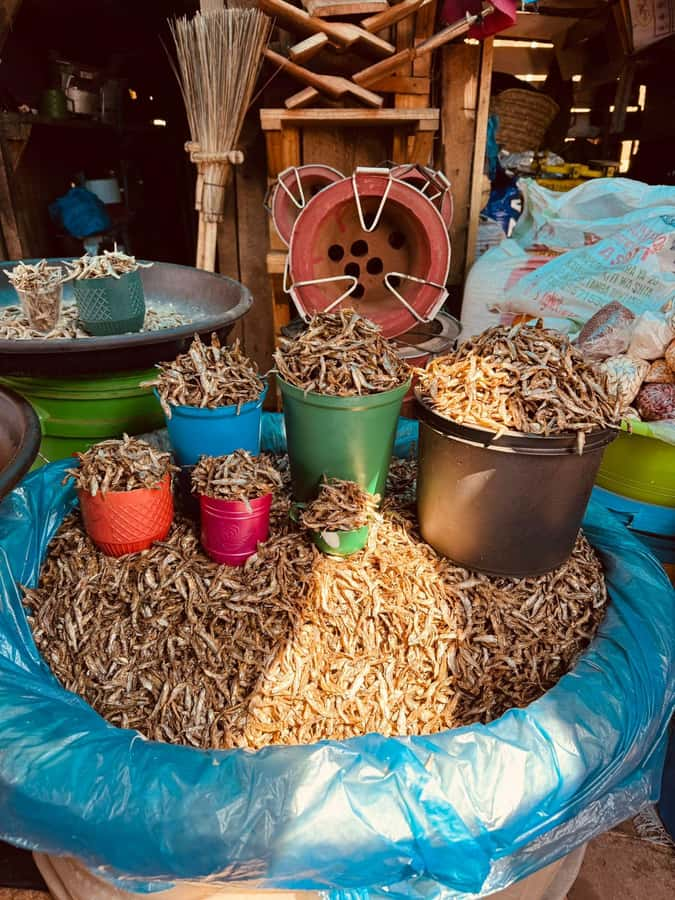
The route then continues to Mbuyuni Market, where the tour focuses on several parts of local commerce. The banana market, fish market, spice market, clothing market, and local dispensary are all part of the planned visit. Those categories matter because they show that a market is not one single place with one purpose. It is a network of food sellers, service providers, traders, and buyers.
I find the comparison between Manyema and Mbuyuni especially useful. You can look at what each market sells, how the stalls are arranged, and how people use them. Isaac also explains the local economy, so you get more than a quick walk past colorful produce.
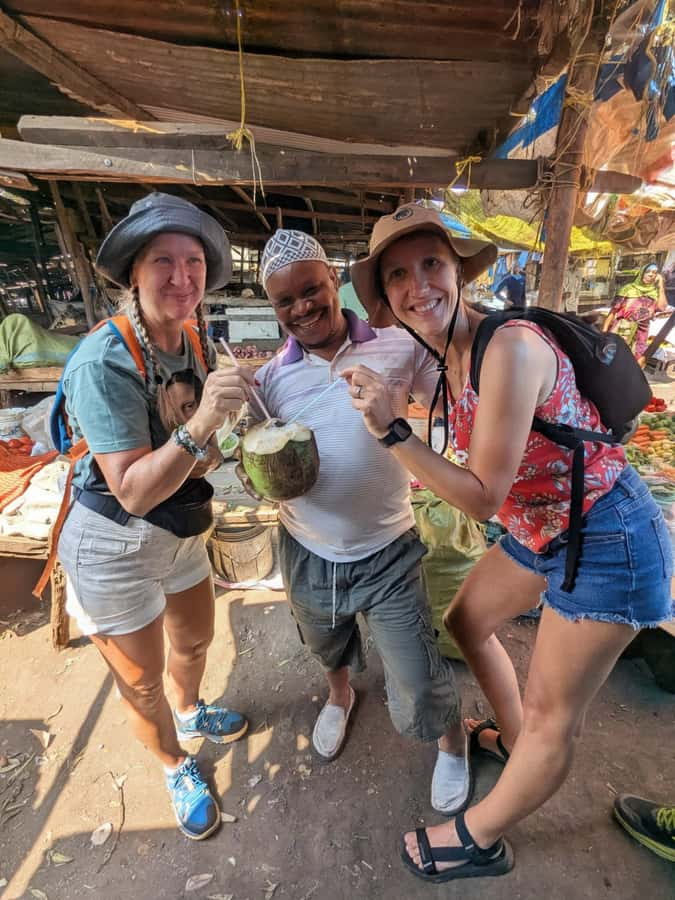
Fruit tasting is one of the pleasant details of this section. You may sample several local fruits, and the guide can explain what you are eating. If you have allergies or dietary concerns, tell Isaac before trying anything. The tour information does not promise a full meal, and other food purchases remain your responsibility.
Markets can be close and active. You may encounter strong smells, wet surfaces near fish stalls, and tight walking spaces. That is part of the setting, but it may not suit someone who wants a calm, carefully arranged attraction. Keep your belongings secure and ask before photographing people or individual stalls.
Moshi Main Market and the SIM banking lesson
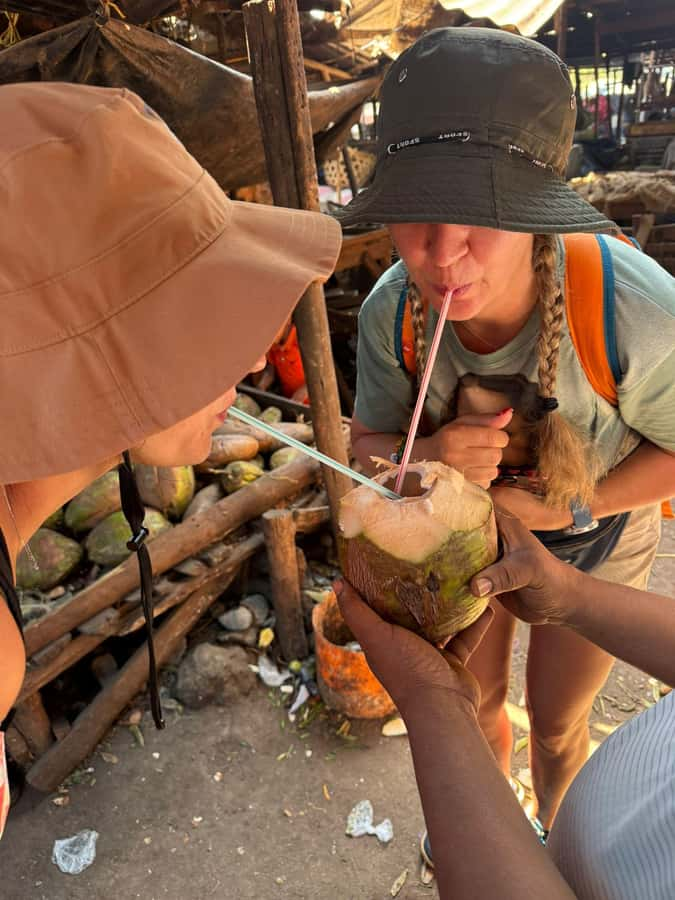
The next stop is Moshi’s Main Market. Here you continue exploring food stalls and local trade, while Isaac explains how this market differs from the earlier ones. That comparison is one of the better reasons to book with a guide. Without context, three markets can blur together. With an explanation, you begin to notice what each market is for.
The walk through town also passes local banks. This leads to a practical lesson about SIM banking in Tanzania. Mobile money and phone-based payments are an important part of daily business, and the stop helps explain how people manage transactions beyond traditional bank counters.
I like this part because it connects what you see on the street with the wider economy. A market tour can easily become a list of fruit names and photo stops. Learning about SIM banking shows you how people actually pay, transfer money, and conduct business.
The Main Market visit is listed at about 25 minutes. If you want to buy produce or a small item, keep purchases modest so the schedule stays on track. You can ask Isaac which items are suitable for taking back to your lodging, but the tour does not include shopping credit or food costs.
More market tours around the world:
- Bangkok: Damnoen Saduak Market and Maeklong Railway Market
★ 4.5 · 26,723 reviews - The Old Siam: Damnoen Saduak and Maeklong Railway Market
★ 4.5 · 10,992 reviews - Dubai: Old Town, Creek, Museums, Souks, & Street Food Tour
★ 4.8 · 10,816 reviews - Bangkok: Train Market & Floating Market with Boat Ride
★ 4.7 · 9,547 reviews
Coffee Union Cafe: a useful pause
After the markets, the group stops at Coffee Union Cafe for about 20 minutes. This is a break rather than a long cafe visit, so think of it as a chance to sit down, try coffee or tea, and ask follow-up questions.
Moshi is closely linked with coffee production, and a local cafe gives the morning a welcome change of pace. The stop is also useful after the markets, where the walking and close quarters can be tiring. Coffee and tea are not included, so budget separately if you want a drink.
The cafe stop may also help you get recommendations for eating in Moshi. Isaac has directed people toward local food places and helped with practical errands such as finding a pharmacy, supermarket, restaurant, or money exchange. Those extras are not guaranteed parts of the three-hour route, but they show why it is worth telling him what you need before the tour begins.
Moshi Bus Stand and the business of getting around
The bus stand is a short stop, listed at about 15 minutes. You visit, walk, take photographs, and learn how people conduct business there.
This is not a major monument, and that is exactly why it belongs on a town tour. Transport hubs reveal how a city works. The bus stand is where movement, trade, waiting, and communication come together. Isaac uses it to explain another side of daily life, rather than keeping the tour limited to old buildings and market stalls.
You should not expect a long station visit or a formal transport museum. The stop is brief and active. It is best for seeing the setting and hearing the guide’s explanation, not for spending time on your own.
Blue Zebra Art, Tanzanite, and responsible shopping
The last main stop is Blue Zebra Art, Tanzanite, and Souvenir Shop. This is where the tour shifts from food and daily trade to crafts, gifts, and Tanzanian minerals.
The shop has a social purpose. Many of the items are made by disabled people, and part of the income supports community work, including sending orphans to school and helping people in need. You can browse without being required to buy, but the stop gives your souvenir shopping a little more context.
Tanzanite is another reason to pay attention. This valuable blue gemstone is found only in Tanzania. If you are considering a purchase, take your time, ask questions about what you are buying, and do not feel pressured to make a decision simply because the item is connected to a famous local stone. The tour includes a visit and shopping opportunity, not a gemstone purchase.
The craft stop lasts about 20 minutes. That is enough for a look, but serious shoppers may want to ask whether more time is possible. You can also decide in advance that you will simply browse.
What makes Isaac a useful guide
Isaac, also called Zac by some customers, receives particularly strong praise for communication and personal attention. He confirms timings, speaks very good English, explains local customs and history, and adjusts the day when practical.
That flexibility matters in Moshi. You may need to exchange money, find a pharmacy, collect Kilimanjaro equipment, or reach the airport at a particular time. Several people have had Isaac help with an extra errand or adjust the start time. These favors are not guaranteed and should not replace the stated route, but you can ask in advance.
The tour can also suit solo visitors. One solo woman specifically felt safe and comfortable with Isaac in the unfamiliar market setting. That does not remove the need for normal city awareness, but a local guide can make it easier to understand where you are and how to behave.
Small groups and private arrangements have also been reported, but the supplied details do not promise a fixed group size for every departure. Ask when booking if group size matters to you.
Walking, transport, and what to bring
Hotel pickup and drop-off are included within Moshi Urban, along with bottled water. The route combines short drives with walking through stations, markets, the bus stand, and the craft shop. One person enjoyed a tuk-tuk ride during the day, but that was an added experience rather than a stated part of every tour.
Wear comfortable shoes and comfortable clothes. A market walk is not the place for stiff footwear. You should also be prepared for busy paths, changing surfaces, and the need to stay close to the guide when moving between stalls.
The tour lasts three hours, with starting times subject to availability. It can work well before a flight or as a first activity after arriving in Moshi, especially if you arrange the timing clearly. If you have a Kilimanjaro climb coming up, the town orientation may also help you understand where to find banks, markets, cafes, pharmacies, and other services.
Free cancellation is available up to 24 hours before the activity for a full refund, and you can reserve now and pay later. These terms are useful if your safari or climb schedule is still changing.
Who should book this Moshi town tour?
I would choose this tour if you want to see Moshi as a working town rather than only as a base for Kilimanjaro. It suits solo visitors, couples, and small groups who want a guide to explain market life and local customs.
It is also a good first-day activity. The railway, markets, cafe, bus stand, and craft shop help you get your bearings quickly. You can ask Isaac about other places to eat, exchange money, or handle practical tasks afterward.
I would think twice if you dislike crowded markets, walking on uneven surfaces, or shopping stops. The tour includes a souvenir and Tanzanite shop, though buying is optional. It is also not the right choice if you want a full meal-based food tour, since food and drinks are not included.
Should you book it?
For $25, this is a strong-value way to spend three hours in Moshi. You get transport, a live English-speaking guide, fruit tasting, three market areas, railway history, a coffee or tea stop, SIM banking context, and a look at community-linked crafts.
Book it if you want Isaac’s local explanation to make sense of places you could visit on your own but might not understand. Before you go, tell him about any time limits, food concerns, shopping interests, or errands. Skip it only if you want a quiet sightseeing tour with little walking and no market activity.
FAQ
How long is the Moshi town and market tour?
The tour lasts three hours.
What is the price?
The price is $25 per person.
Is hotel pickup included?
Yes. Pickup and drop-off are included for lodging in Moshi Urban.
What language is the tour conducted in?
The live tour guide speaks English.
Which markets do you visit?
The route includes Manyema Market, Mbuyuni Market, and Moshi Main Market.
Is food included?
Food and drinks are not included. The experience does include sampling local fruit, and you can purchase coffee, tea, or other items separately.
Do you visit a Tanzanite shop?
Yes. The tour visits Blue Zebra Art, Tanzanite, and Souvenir Shop, where you can browse crafts and Tanzanite and buy something if you wish.
What should I bring?
Bring comfortable shoes and comfortable clothes. Bottled water is included.
New market tours around the world
- Tel Aviv: 2-Hour Carmel Market Tour in English with Lunch★ 4.8 · 23 reviews
- Tel Aviv: Carmel Market & Neighborhood Guided Walking Tour★ 4.7 · 3 reviews
- Tel Aviv: 2-Hour Jaffa Flea Market Tour with Tastings★ 4.9 · 8 reviews
- Tel Aviv: Carmel Market Food Tasting Tour “Shuk Hacarmel”★ 4.0 · 8 reviews
- Tel Aviv: 2-Hour Levinsky Market Tour with Full Lunch★ 4.7 · 10 reviews
- Tbilisi 2 Parks: Turtle Lake & Dedaena Park with Flea Market★ 5.0 · 3 reviews
- Tbilisi: Street Food & Sightseeing Tour with Local Markets★ 5.0 · 8 reviews
- Teguise: Market and César Manrique Foundation Tour★ 4.3 · 39 reviews
Tanzania Market Tours, side by side.
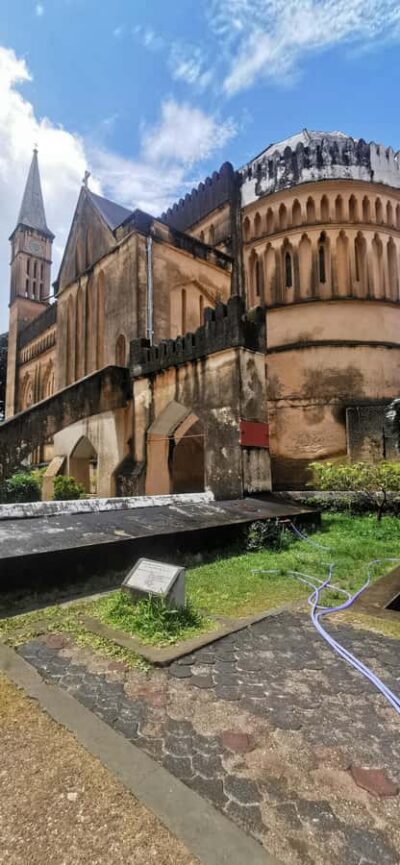
Zanzibar: 3 Hours Private Stone Town walking Tour with Guide
Read our review →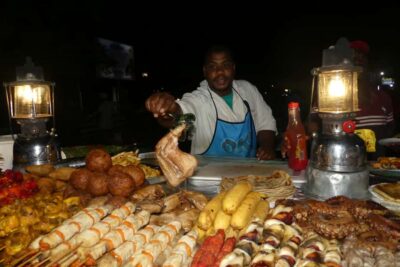
Stonetown: Food Markets and Street Food Walking Tour
Read our review →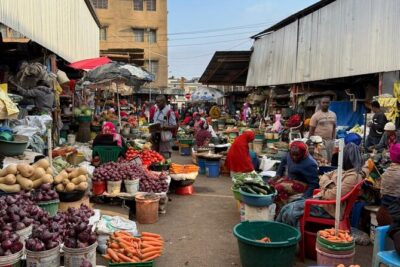
Arusha: Traditional Tanzania Cooking class& Food Market Tour
Read our review →
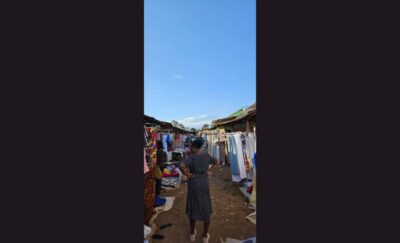
Moshi, Kilimanjaro: Local Market Shopping Experience
Read our review →This tour also appears in