

Review · TANZANIA
Dar es salaam Fish Market Adventure
At Dar es Salaam’s fish market, the main event is not simply looking at seafood. You take part in the buying. The auction moves with the urgency of a trading floor, while fishers, restaurant buyers, and homemakers compete for the day’s catch. You can choose your own fish, including tuna fresh from the water, then follow it through cleaning, cooking, and lunch.
I like the hands-on buying process, which gives you a real role instead of leaving you on the sidelines. I also like the way the day adds nearby fruit and spice markets, so your meal connects to more than just the fish counter.
The main consideration is comfort. Expect noise, strong smells, sun, walking, and a busy working market rather than a polished food attraction. Comfortable shoes, sun protection, and a passport or copy are required, and the activity is not suitable for wheelchair users or children under six.
Key points before you book

- You choose the seafood: Take part in the auction and select your own fish directly from the market tables.
- The catch becomes lunch: Watch local cooks clean, fry, and prepare your selection before eating it at a modest restaurant.
- The market is the real attraction: Fishers sell alongside the other activity of a working Dar es Salaam food market.
- Fruit and spices add context: You also shop at nearby fruit and spice markets for ingredients to accompany the meal.
- Named guide team: Almasi Rajab and Ashrafu Ramadan are listed among the guides, with Hassan handling driving on one booking.
- Six hours with transport: The price is $110 per person and includes a guide, transport, bottled water, lunch, and museum entrance.
Starting at Dar es Salaam’s working fish market
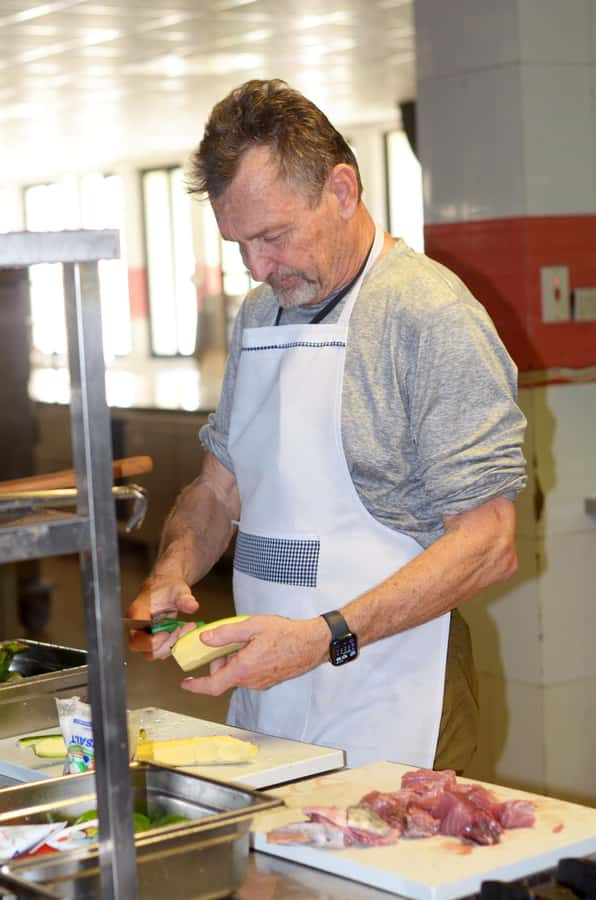
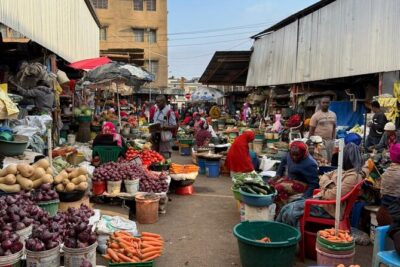
The day begins at a fish market in the Dar es Salaam Region, where the action comes from daily trade rather than a staged demonstration. Fishers bring in their catch, and buyers move between tables looking for the right fish at the right price.
That setting matters. You are seeing seafood at the point where it enters local cooking and commerce. The market serves restauranteurs and homemakers, so the activity has a practical purpose. It is not arranged only for sightseeing.
You should expect a loud, crowded setting with plenty of movement. The market is described as colorful and active, with more going on than the fish auction alone. This is a good reason to keep your belongings secure and stay close to your guide, especially while moving between tables.
The first part of the morning or afternoon, depending on the scheduled start, is about getting your bearings. Your guide helps explain what is happening and how to move through the market. English and French guiding are available, which is useful when auction talk moves quickly.
More Fish Market Tours around the world:
- Tokyo Tsukiji Fish Market Food and Culture Walking Tour
★ 5.0 · 3,184 reviews - Tokyo: Tsukiji Fish Market Food and Walking tour
★ 5.0 · 1,724 reviews - Tokyo: Tsukiji Fish Market Guided Walking Tour
★ 4.9 · 1,397 reviews
Taking part in the fish auction
The auction is the day’s most distinctive feature. Instead of being handed a fixed lunch, you select what you want to eat. You move around the tables, assess the catch, and take part in the lively bidding.
The supplied details do not promise a particular fish every day, so your choices will depend on what is available. One booking included tuna taken straight from the water. That detail gives you a sense of the appeal: the meal begins with a fish selected at the market, not with a standard restaurant menu.
I like this part because it makes you pay attention. You are not just taking photographs of a market scene. You are making a food decision, and that decision follows you through the rest of the day.
The auction may be less comfortable for anyone who prefers quiet, predictable sightseeing. Prices, selection, and timing can change with the catch. The guide is important here, since you may need help understanding the process and choosing an amount that suits the meal.
Watching generations of fish cleaning

Once you have selected your seafood, you see it cleaned using local methods passed down through generations. This is a short but meaningful part of the visit. It shows the skill behind a simple plate of fried fish.
The cleaning process is practical and quick. It is not presented as a formal cooking lesson, and you should not expect a detailed recipe class. Instead, you watch experienced hands prepare the fish for the next stage.
This stop also gives you a better sense of local food habits. The market workers are handling an everyday product with care and speed. A fish that looked like one item on a crowded table is now ready for the cook.
If you are sensitive to smells or close-up food preparation, take that into account before booking. This is a real market visit, not a sanitized display. That is part of its value, but it also means the setting may feel raw and demanding.
Shopping for fruit, spices, and the rest of the meal
The food portion is not limited to the fish market. You also visit nearby fruit and spice markets to shop for other ingredients. This adds color and variety to the day and helps explain how a meal is built from several local purchases.
The fruit and spice stops are especially useful if you want more than a seafood tasting. You can see how produce and seasonings fit around the main catch. The available details do not list specific fruits or spices, so the selection will depend on the market and the day.
I appreciate this part because it keeps the outing connected to ordinary shopping. You are not simply watching a chef work from a prepared basket. The ingredients are gathered through the same local buying process that shapes the final meal.
The extra shopping also adds time and walking. If you want a fast trip focused only on seafood, this may feel like a longer route than necessary. If you enjoy food markets and want to understand the ingredients around your main course, it improves the day.
More market tours around the world:
- Bangkok: Damnoen Saduak Market and Maeklong Railway Market
★ 4.5 · 26,723 reviews - The Old Siam: Damnoen Saduak and Maeklong Railway Market
★ 4.5 · 10,992 reviews - Dubai: Old Town, Creek, Museums, Souks, & Street Food Tour
★ 4.8 · 10,816 reviews - Bangkok: Train Market & Floating Market with Boat Ride
★ 4.7 · 9,547 reviews
Seeing your seafood fried and prepared
After the market visits, you move to the frying area. Local chefs prepare your chosen fish or seafood, turning the catch into lunch. You can expect the smell of hot oil, the sound of cooking, and a direct connection between your purchase and the plate in front of you.
This is where the activity delivers on its main promise. You choose the seafood, watch it cleaned, and then see it cooked. The preparation is handled by local cooks, so you are not expected to do the technical work yourself.
The included lunch makes the $110 price easier to judge. You are paying for a half-day food outing with transport, guide service, bottled water, museum entrance, and the meal, rather than paying only for a restaurant dish. The value is strongest if you want access to the market and help navigating the process.
It is less compelling if your main goal is simply an inexpensive seafood lunch. The meal is only one part of the six-hour program. The rest of the cost covers the guide-led market visit, transport, shopping, and the time spent moving the catch from table to kitchen.
Eating at a modest local restaurant
The final meal takes place at a modest local restaurant. The setting is intended to keep the focus on the food and the process rather than on formal dining.
You eat the seafood you helped select, along with the ingredients gathered during the market visits. That gives lunch a satisfying sense of place. The meal is not just a dish chosen from a menu. It is the result of your decisions earlier in the day.
Do not book this expecting fine dining or a carefully designed tasting menu. The restaurant is described as modest, and the appeal comes from freshness, participation, and local setting. If you prefer grand rooms and polished service, you may find the meal plain.
For me, that simplicity is a strength. The experience works because the fish market remains the center of the day. The meal closes the loop without trying to turn the outing into something it is not.
Guides, driving, and the six-hour schedule
The activity lasts six hours and includes transport. That is helpful in Dar es Salaam, where moving between the fish market, fruit and spice markets, restaurant, and final drop-off would otherwise require separate planning.
A named guiding team includes Almasi Rajab and Ashrafu Ramadan, with Hassan identified as the driver on one booking. The guide team is an important part of the outing because the market is active and informal. You will get more from the auction if someone can explain what is happening and keep the day moving.
At the end, you can be dropped at your hotel or choose a central location for further exploration. That flexibility is useful if you want to continue your day in the city instead of returning immediately to your accommodation.
The exact starting time is not fixed in the information provided. You need to check availability for the date you want. Since the activity takes six hours, allow most of a day rather than trying to fit it into a short gap between other plans.
Who will enjoy this market day
I would recommend this activity to you if you like food, working markets, and direct contact with local daily life. It suits curious eaters who enjoy seeing where lunch comes from and who do not mind a little noise, heat, and unpredictability.
It is also a good choice if you want an outing with a clear beginning and end. Transport, a guide, lunch, water, and museum entrance are included, so you do not need to arrange each part separately.
The activity may not suit you if you need step-free access. It is not suitable for wheelchair users. Children under six are not accepted, and people over 95 are also excluded. You should be comfortable walking in market conditions and standing near busy food stalls.
Bring comfortable shoes, sunglasses, a sun hat, sunscreen, and comfortable clothes. A passport or a copy is required. Those are small preparations, but they matter during six hours in an open, active market.
How the $110 price makes sense
At $110 per person, this is not a budget market stroll. The value depends on how much you want the full arrangement.
The price includes:
- A tour guide
- Transport
- Bottled water
- Lunch
- Museum entrance
You also receive access to the auction and guidance through the fish cleaning, ingredient shopping, cooking, and restaurant meal. For a visitor who would struggle to arrange those pieces independently, the price is reasonable.
The value is weaker if you already know Dar es Salaam well, speak comfortably with local sellers, and only want to buy lunch. In that case, you may not need six hours of organized help.
The strongest reason to pay is the combination of access and participation. You are not only shown a market. You buy the seafood, follow its preparation, and eat the result. That makes the activity more memorable than a standard city transfer with a meal attached.
Booking flexibility and practical limits
You can cancel up to 24 hours before the activity for a full refund. You can also reserve now and pay later, which helps if your schedule is still changing.
English and French tours are available. Since the auction and market movement are central to the day, choose the language in which you will be most comfortable asking questions and following instructions.
The information does not give a fixed group size, exact menu, or guaranteed seafood selection. Do not book expecting a particular fish every time. The appeal lies partly in seeing what is available and choosing from the catch that day.
The experience provider is Pugu Hills Eco Cultural Tourism. Keep the provider name and the guide names, Almasi Rajab and Ashrafu Ramadan, available when confirming arrangements. Hassan is identified as the driver for one booking.
Should you book the Dar es Salaam Fish Market Adventure?
Book it if you want a real food-market outing rather than a standard restaurant meal. The auction, the chance to choose tuna or another available catch, traditional cleaning methods, nearby fruit and spice shopping, and the final cooked lunch create a clear story from market to table.
Skip it if you dislike crowds, food smells, heat, walking, or uncertain menus. It is also not the right choice for wheelchair users or children under six.
For most curious food lovers, the $110 cost is justified by the guide support, transport, meal, and access to a working market. The best reason to go is simple: you take part in the buying, then eat what you helped choose.
FAQ
How long does the Dar es Salaam Fish Market Adventure last?
The activity lasts six hours.
How much does the experience cost?
The price is $110 per person.
What is included in the price?
A tour guide, museum entrance, lunch, bottled water, and transport are included.
Can I choose my own fish?
Yes. You take part in the auction and select your own fresh fish or seafood from the market tables.
Is tuna available?
Tuna fresh from the water was selected on one booking, but a specific fish is not guaranteed for every date.
What languages are available?
Live guiding is available in English and French.
Can I be dropped at my hotel afterward?
Yes. You can choose hotel drop-off or a central location for further exploration.
What should I bring?
Bring comfortable shoes, sunglasses, a sun hat, sunscreen, comfortable clothing, and a passport or copy.
Is the activity suitable for wheelchair users?
No. The activity is not suitable for wheelchair users.
Can I cancel for a refund?
Yes. You can cancel up to 24 hours in advance for a full refund. You can also reserve now and pay later.
New market tours around the world
- Tel Aviv: 2-Hour Carmel Market Tour in English with Lunch★ 4.8 · 23 reviews
- Tel Aviv: Carmel Market & Neighborhood Guided Walking Tour★ 4.7 · 3 reviews
- Tel Aviv: 2-Hour Jaffa Flea Market Tour with Tastings★ 4.9 · 8 reviews
- Tel Aviv: Carmel Market Food Tasting Tour “Shuk Hacarmel”★ 4.0 · 8 reviews
- Tel Aviv: 2-Hour Levinsky Market Tour with Full Lunch★ 4.7 · 10 reviews
- Teguise: Market and César Manrique Foundation Tour★ 4.3 · 39 reviews
- Tbilisi 2 Parks: Turtle Lake & Dedaena Park with Flea Market★ 5.0 · 3 reviews
- Tbilisi: Street Food & Sightseeing Tour with Local Markets★ 5.0 · 8 reviews
Tanzania Market Tours, side by side.
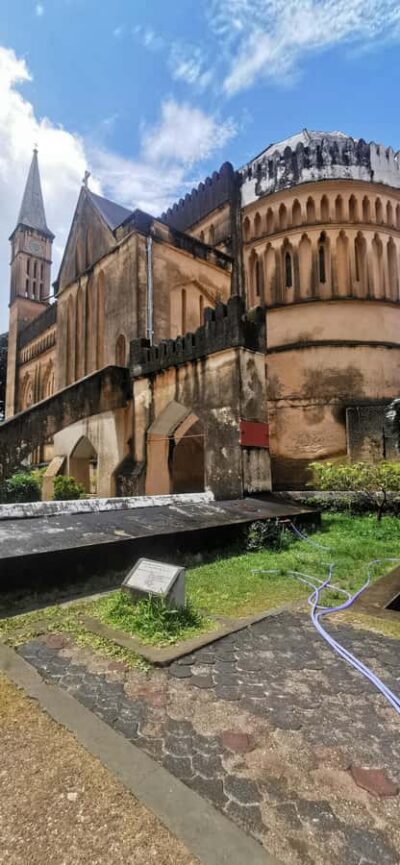
Zanzibar: 3 Hours Private Stone Town walking Tour with Guide
Read our review →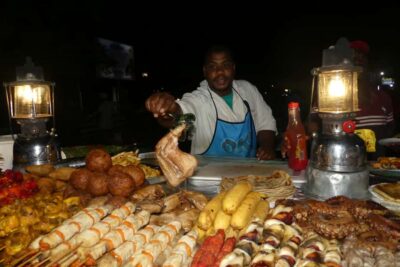
Stonetown: Food Markets and Street Food Walking Tour
Read our review →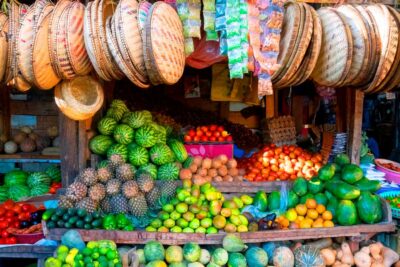
Arusha: Traditional Tanzania Cooking class& Food Market Tour
Read our review →
Moshi, Kilimanjaro: Local Market Shopping Experience
Read our review →This tour also appears in